
Reviewed · PASTRY & COOKING WORKSHOPS
Porto: Pastel de Nata Cooking Class from Scratch
Porto does sweet stuff very seriously. This class is built around making Pastel de Nata dough from scratch and then baking your own custard tarts. You also get an English host who ties pastry technique to Portuguese food culture while you work.
I especially like two things: the hands-on pace (you take turns during key steps, not just watch), and the fact that you finish with warm pastries straight from the oven. The workshop is also in a small setting, so it feels more like a shared kitchen session than a mass activity.
One thing to consider first: this is not flexible for late arrivals. The door closes at the scheduled time, and it is not possible to join once it has started.
In This Review
- Key things I’d circle on your Porto plan
- Pastel de Nata from scratch in Porto: what you’re really paying for
- The 2.5-hour kitchen flow you should expect
- The real win: dough-making turns you into the cook, not the spectator
- Portuguese pastry history and wine: the cultural side isn’t random
- What you eat: warm Pastel de Nata plus take-home treats
- Who should book this class in Porto (and who shouldn’t)
- Great match for
- Not a match for
- Price and logistics: is $50 worth it?
- Tips so your class goes smoothly (and tastes better)
- Should you book this Porto Pastel de Nata class?
- FAQ
- How long is the Porto Pastel de Nata class?
- What does the price include?
- Is hotel pickup or drop-off included?
- Is the class a small group?
- Is this class suitable for children?
- Will I be able to join if I arrive late?
- What language is the live instruction?
- Can I bring a companion?
- Is it suitable for gluten or lactose intolerance?
- What is the minimum age to drink alcohol in Portugal?
Key things I’d circle on your Porto plan
- Dough from scratch: you learn the full process, not just assembly
- Group role rotation: you take turns through phases of making the tarts
- Fresh results: warm pastries plus more to enjoy after baking
- English live instruction: hosts guide you through in clear steps
- Wine included: a regional glass to go with the conversation
- No kids under 15: adults-only workshop to keep it safe and practical
Weighing up your days in Vila Nova De Gaia? Here are a few more worth pinning to the map.
- Vila Nova de Gaia: Port Wine Tasting with Cheese Pairing★ 4.8 · 1,074 reviews
- From Porto with view to Gaia: Private Bike Tour #DuckSideOfPorto★ 5.0 · 124 reviews
- Vila Nova de Gaia: Winery Tour with 2 DOC Douro & 1 Port★ 4.8 · 101 reviews
- Douro and Port Wine Tasting in Vila Nova de Gaia★ 5.0 · 35 reviews
Pastel de Nata from scratch in Porto: what you’re really paying for
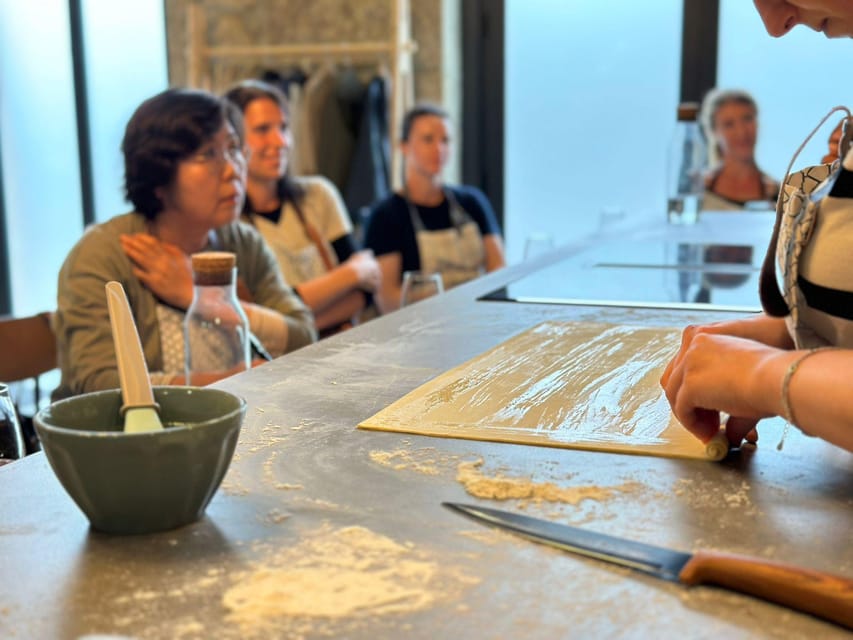
A Pastel de Nata class can go two ways. Some are basically assembly demos with a quick bake. This one costs more attention, because the real focus is learning the process end-to-end, including the dough. That matters. When you understand dough texture and how you handle it, your homemade tarts stop being a sad compromise and start tasting like the real thing.
At $50 per person for 2.5 hours, you’re also buying convenience. You get the instructor, the ingredients (including what you make), and a glass of regional wine. In other words, you’re not hunting down equipment, measuring dozens of tiny ingredients, or figuring out technique from a blurry video later.
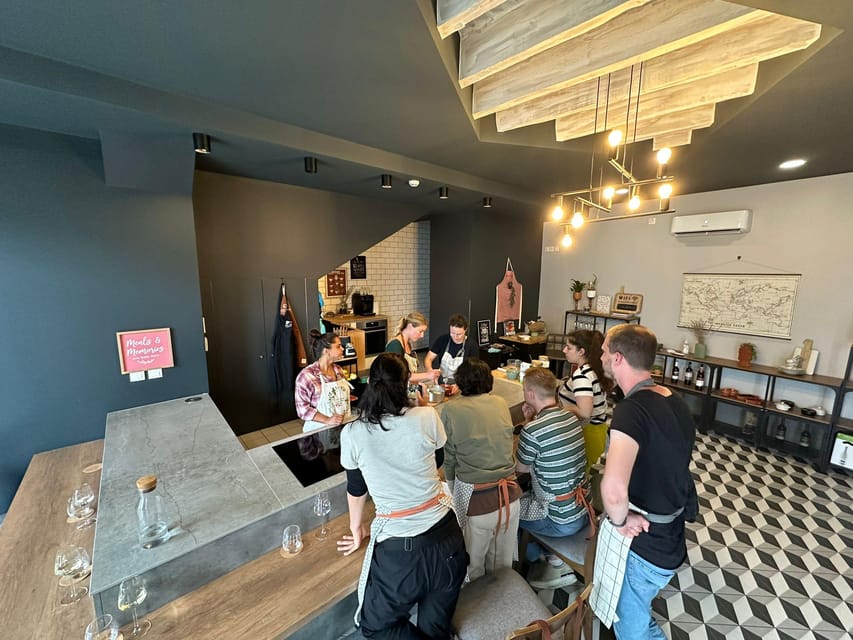
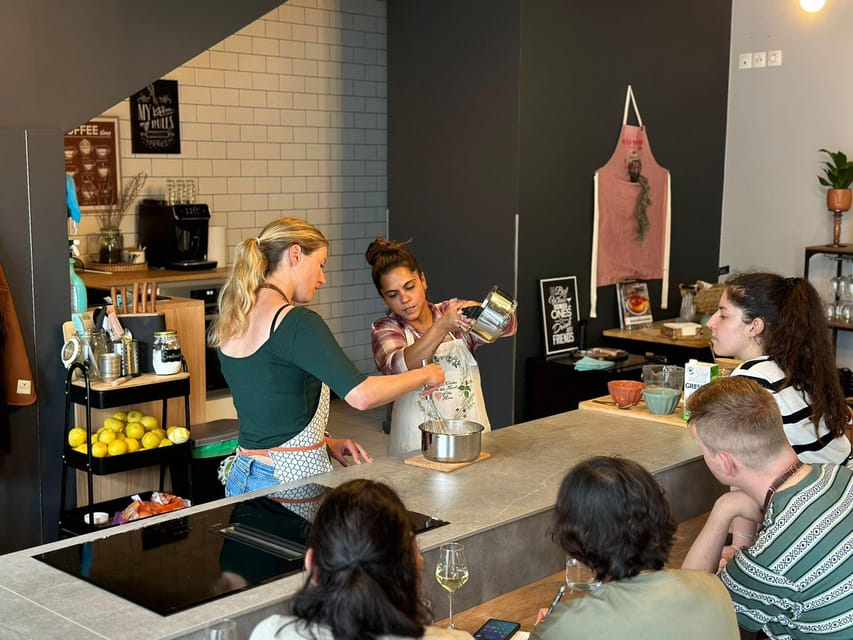
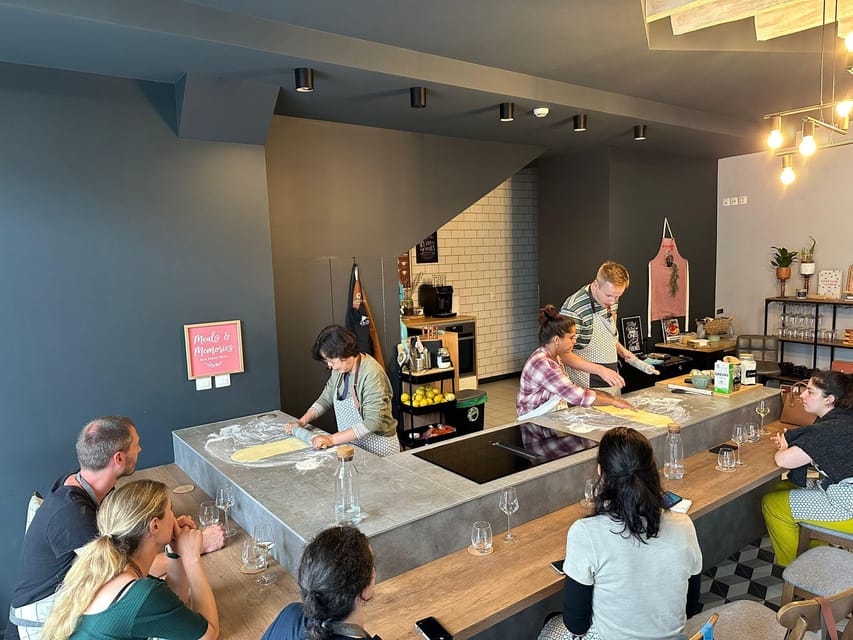
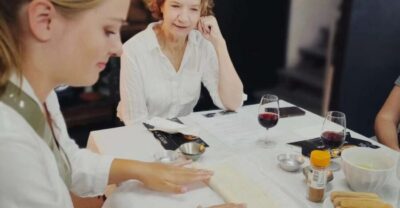
I also like that the workshop is small-group style, with groups up to 12 participants. You’re alternating through steps, not stuck in one corner hoping to be asked to help.
The 2.5-hour kitchen flow you should expect
This class runs on a firm schedule, so treat it like an appointment. Once it starts, the space closes and you cannot enter late—no exceptions—because they may need to reschedule or refund you if you arrive early enough. So arrive with time to spare.
While exact minute-by-minute timing isn’t spelled out, the structure is clear:
1) Start with the dough work
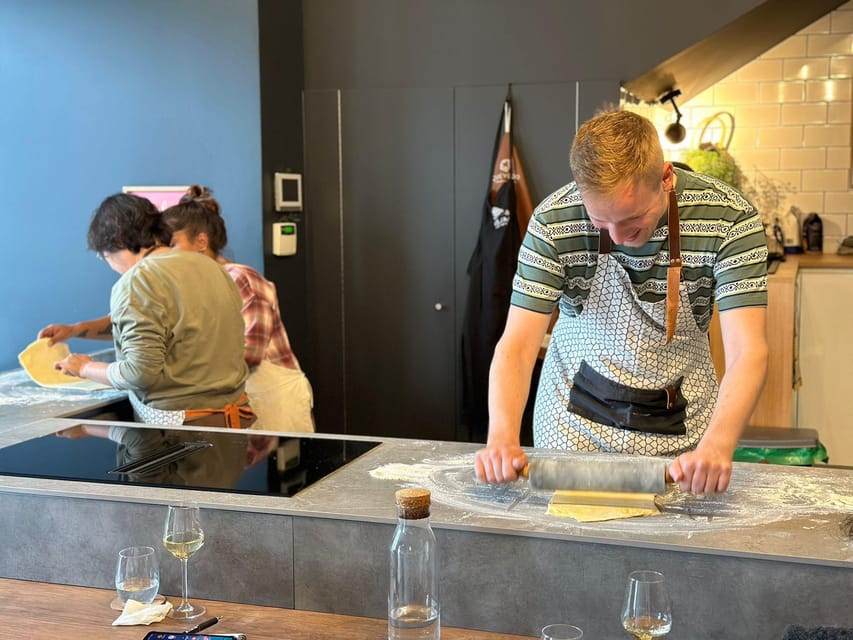
You’ll learn how to build your dough from scratch. This is the part many classes skip, which is why this one stands out in a practical way. You’ll be guided step by step, and you’ll have moments where you’re actively doing the work rather than observing.
2) Make the filling and prepare the tarts
Next comes the custard-style filling and the shaping process. Since you’ll rotate roles, you’ll likely have time in the spotlight on at least a couple steps, depending on how the group is paced.
3) Bake, then eat while they’re hot
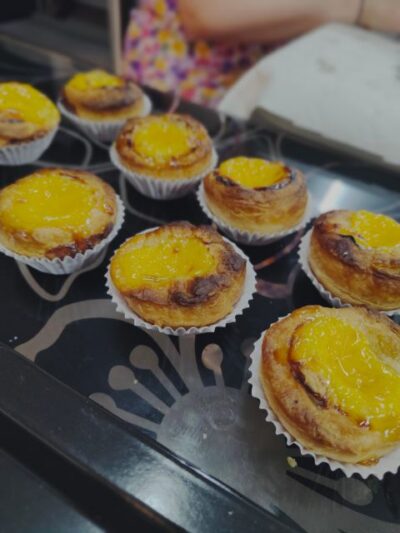
When your pastries go into the oven, you’re not left waiting in silence. You taste what you’re making, and the warm pastries are part of the experience. People often leave saying the oven-fresh result is the best part because it lets you actually recognize what good should taste like.
4) Wine and Portuguese pastry conversation
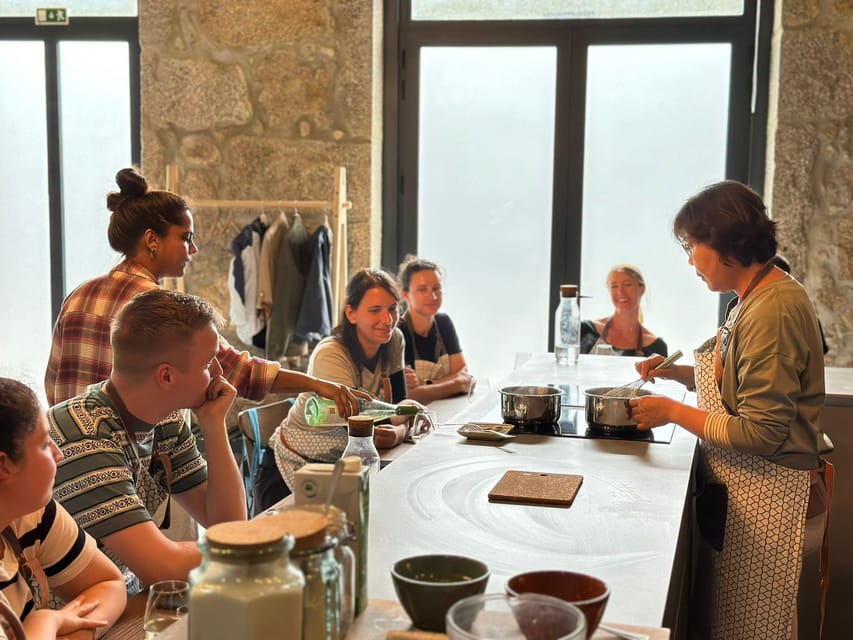
While the pastries cook, the host keeps things moving with discussion—pastry culture, Portuguese food history, and the “why” behind techniques. It’s also when the regional wine shows up.
If you’re the type who likes learning while doing, this format fits you well.
The real win: dough-making turns you into the cook, not the spectator
Pastel de Nata dough is where most home attempts struggle—usually because the dough handling is different from what people expect. This class gives you the chance to practice it in a guided way.
In the kitchen, you’re not just told what to do. You’re shown, you try, and you adjust. That feedback loop is what makes you leave with confidence instead of a list of ingredients.
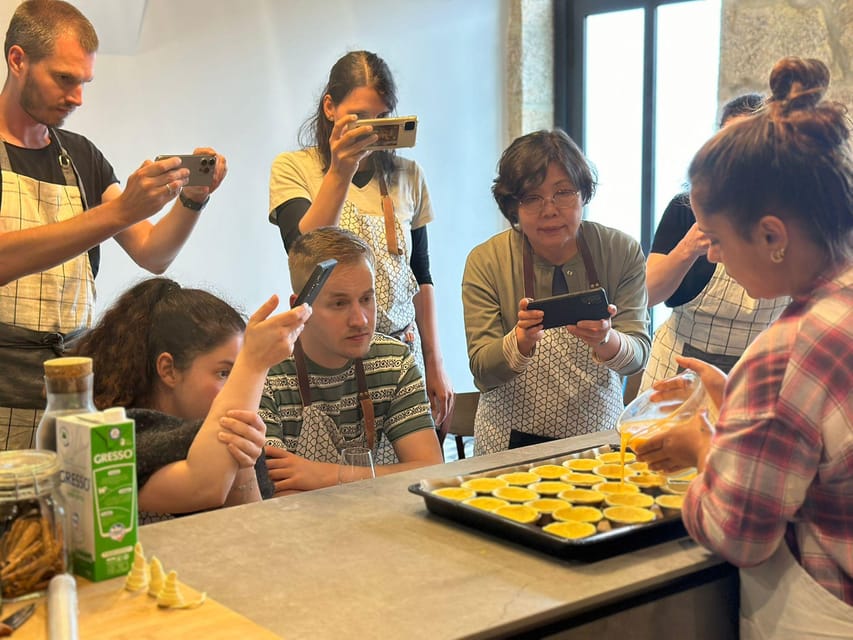
I also like the way hosts keep the group involved. Several class moments are described as alternating participation: two to four people doing each step while others watch, then swapping roles. That means you’re not stuck watching for the whole session. You’ll still see the process, but you’ll also get your hands in at key points.
And yes, it helps that the studio setup is described as modern and set up for groups to sit together around a large table. That kind of layout makes it easier to learn without constantly moving chairs and bumping elbows.
Portuguese pastry history and wine: the cultural side isn’t random
This workshop isn’t only technique. You’ll also get a conversation that connects pastry with Portuguese culture and history. The wine is part of that rhythm.
Expect the host to talk while you work through phases. It can be the kind of history that explains why certain pastries matter, or practical food stories that make the dessert feel less like a museum item and more like daily culture.
And the wine isn’t described as heavy. It’s typically framed as a regional glass to go with the session—enough to add comfort, not enough to turn the class into a party.
Important note: alcohol is only for those 18+. If you’re under 18, plan on a class without wine.



What you eat: warm Pastel de Nata plus take-home treats
The payoff is not just theory.
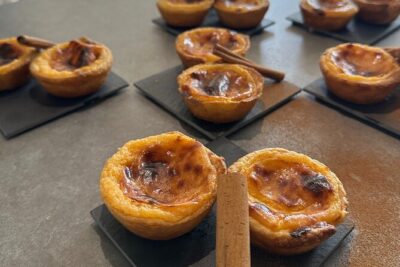
Once your pastries are ready, you eat warm Pastel de Nata made during the workshop. Multiple descriptions mention that you get plenty to enjoy at the table while the experience is still fresh.
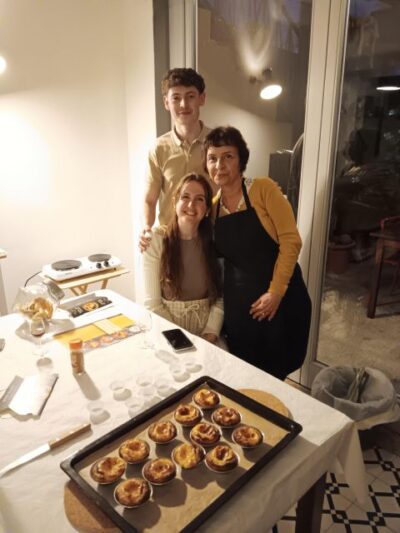
You may also leave with a small stash to take home. Several people note taking one or two pastries away, and in some cases that you had enough to share among the group. Even without assuming a fixed number, the consistent message is that the results are real food, not a token bite.
If you care about value, this is a big deal. A good class gives you a reason to remember the taste, not just the recipe.
Who should book this class in Porto (and who shouldn’t)
This is designed as an adults-only workshop. Here’s the practical fit:
Great match for
- Couples and friends who want a fun, hands-on activity with a clear end result
- Solo travelers who want structure and easy conversation (it’s group-style, with rotating roles)
- Foodies who already like Pastel de Nata and want to understand the technique behind it
Not a match for
- Children under 15 (not allowed in group workshops; private workshops are recommended for families)
- People with gluten intolerance
- People with lactose intolerance
- Anyone planning to bring pets (not allowed)
- Anyone who might arrive late and risk missing the start (entry is not permitted once it begins)
- Anyone who needs a plus-one companion to stand around. Companions are not allowed to enter the space.
Also, they explicitly discourage intoxication and smoking indoors, so keep it respectful and clear-headed.
Price and logistics: is $50 worth it?
Let’s talk value, because this is often the real question.
For $50, you’re getting:
- A full pastry class with instruction
- The pastries you make and eat during the session
- A glass of wine
- A process that includes making the dough (not just assembling tarts)
- Group handling designed for you to participate in steps
What’s not included:
- Hotel pickup and drop-off
In Porto, the lack of pickup isn’t unusual. It usually means you’ll spend a little time getting there on your own, then save money overall. If you’re staying central or near convenient transit points, it’s usually fine.
The bigger value factor is the skill. If you leave with technique you can repeat, the class becomes a tool you’ll use again and again, not just a one-day souvenir. People describe leaving feeling confident about recreating the dessert at home, and that confidence is hard to get from a short tasting tour.
Tips so your class goes smoothly (and tastes better)
Here’s how to make this session work for you:
- Arrive early. The door closes at the scheduled time with no exceptions.
- Come prepared to work. This isn’t only watching. You’ll be doing steps and switching roles.
- Plan for alcohol limits. If you’re under 18, expect that the wine part won’t apply.
- Respect food constraints. Gluten and lactose intolerance are specifically mentioned as not suitable.
- Skip late-day expectations. If this is your first booking of the day, don’t stack another tight deadline right after.
Should you book this Porto Pastel de Nata class?
If you like eating Portuguese pastry, you should book it—especially if you want to understand the technique, not just sample a finished tart. The best reason to choose this one is simple: you make the dough from scratch, then bake fresh results in a structured small-group format.
Skip it if you need child-friendly logistics, if you have gluten or lactose intolerance, or if you tend to arrive late. This workshop runs on time, and it’s strict about entry once it starts.
If your goal is a fun, practical Porto experience that ends with pastries you made yourself, this is an easy yes.
FAQ
How long is the Porto Pastel de Nata class?
It lasts 2.5 hours.
What does the price include?
The class includes the pastry workshop, an instructor, the pastries, and one glass of wine.
Is hotel pickup or drop-off included?
No. Hotel pickup and drop-off are not included.
Is the class a small group?
Yes. It is described as a small group experience, with groups up to 12 participants.
Is this class suitable for children?
No. Children under 15 are not allowed for logistical and safety reasons. Families with children should request a private workshop.
Will I be able to join if I arrive late?
No. It is not possible to enter once the workshop has started. The door will be closed at the scheduled time, and no exceptions are made.
What language is the live instruction?
The live tour guide/instructor is available in English.
Can I bring a companion?
No. Companions are not allowed in the workshop space, regardless of age.
Is it suitable for gluten or lactose intolerance?
No. It is not suitable for people with gluten intolerance and not suitable for people with lactose intolerance.
What is the minimum age to drink alcohol in Portugal?
The minimum age to consume alcohol in Portugal is 18 years old.
More Tour Reviews in Vila Nova De Gaia




Fresh in the Vila Nova De Gaia notebook



Pastry & Cooking Workshops, compared.
 ★ 4.9Pastel de Nata Pastry-Making WorkshopFrom $411,542 reviews
 ★ 4.8Pastel de Nata Cooking Class with Port Wine – SéFrom $41888 reviews
 ★ 4.9Workshops Pasteis de Nata in Porto, PortugalFrom $40520 reviews
 ★ 5.0Pastel de Nata | Workshop from scratch | Porto’s city centerFrom $48449 reviews
 ★ 5.0Pastel de Nata Cooking Class with Porto Wine (Sé do Porto)From $42340 reviews
 ★ 5.0Porto Local Market Visit & Cooking Class / Showcooking206 reviews
 ★ 5.0Pastel de Nata Workshop in PortoFrom $40127 reviews
 ★ 5.0Portuguese Cooking Class in Porto with Portuguese WineFrom $169110 reviews
Browse the lists this tour appears in