
Reviewed · PASTRY & COOKING WORKSHOPS
Porto: Pastel de Nata Cooking Class with Porto Wine (Sé do Porto)
Custard tarts meet Porto wine. This hands-on pastel de nata cooking class near Sé do Porto is a focused way to learn the steps behind Portugal’s most famous custard tart. You’ll get a short history moment too, then get busy with the filling and baking.
I love how much of the work is actually done by your hands, not just watching. I also like that the class stays small, so instructors such as Anita, Ana, Luis, Felipe, and Beatrice (depending on the day) can guide you while you assemble several tarts to eat and take away.
One consideration: the puff pastry dough itself is not made from scratch in this session. It’s pre-prepared, so if you’re hoping for a full pastry-dough day, look at the private option instead.
In This Review
- Key things that make this class worth your time
- Porto Pastel de Nata Class: what you’re really signing up for
- Where the class happens: Domus Arte near Sé do Porto
- The session flow: step-by-step pastel making
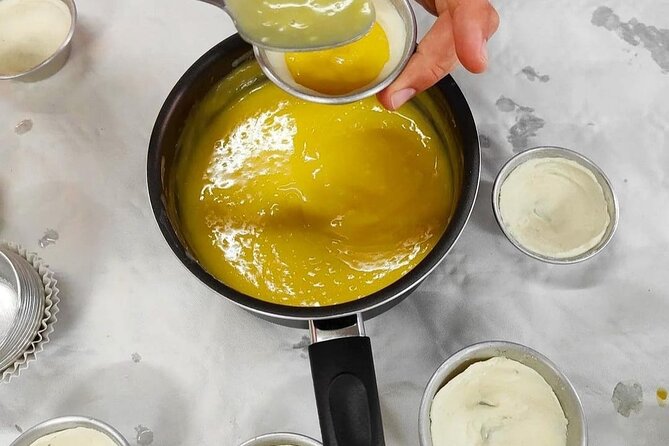
- Custard from scratch: the part that actually teaches technique
- The puff pastry “shortcut” (and why it can still be a win)
- Port wine, snacks, and why the pace feels comfortable
- How long it takes and how to plan your Porto afternoon
- Small group size: what you gain when it’s capped
- What you take home: recipe + tarts + transport box
- Price and value: what $42.34 really buys you
- Who should book this pastel de nata cooking class?
- Should you book? My practical take
- FAQ
- What exactly will I make?
- Do I make the puff pastry dough from scratch?
- How much time should I plan for?
- Is the class in English?
- Is there Port wine included?
- How many people are in the group?
- Where do we meet?
- Can I take the Pastel de Nata with me?
- Can I cancel for a full refund?
- Can they accommodate a gluten-free diet?
Key things that make this class worth your time
- Custard-first focus: you make the filling from scratch, not just assemble
- Real take-home value: you leave with more than one warm tart plus a transport box
- Port wine and snacks included: the tasting break is part of the flow, not an afterthought
- Short, guided, step-by-step: participation is shared, with attention for each person
- Taught by different hosts: you might work with instructors like Anita, Ana, Luis, Felipe, or Beatrice
- Small group setup: designed to stay intimate rather than classroom-style
Roll your own pastel de nata, or cook a northern lunch
- Porto: Pastel de Nata Pastry-Making Workshop★ 4.9 · 1,542 reviews
- Porto: Pastel de Nata Cooking Class with Port Wine – Sé★ 4.8 · 888 reviews
- Workshops Pasteis de Nata in Porto, Portugal★ 4.9 · 520 reviews
- Pastel de Nata | Workshop from scratch | Porto’s city center★ 5.0 · 449 reviews
Porto Pastel de Nata Class: what you’re really signing up for
This isn’t a vague food tour where you get a quick bite and a few photos. You’re here for a process. The goal is simple: by the end, you’ll feel confident making pastel de nata at home, using a clear method and a house-made recipe.
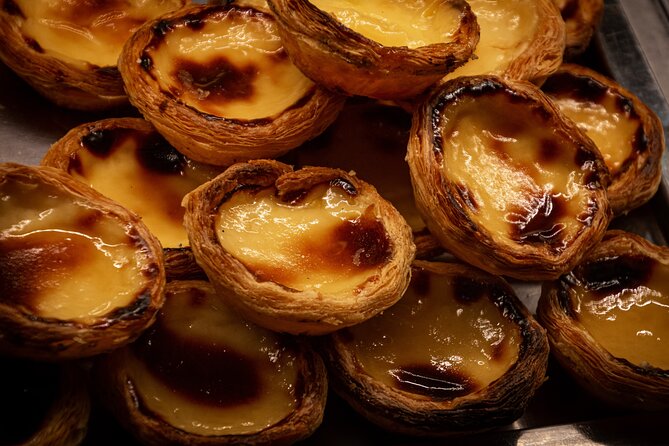
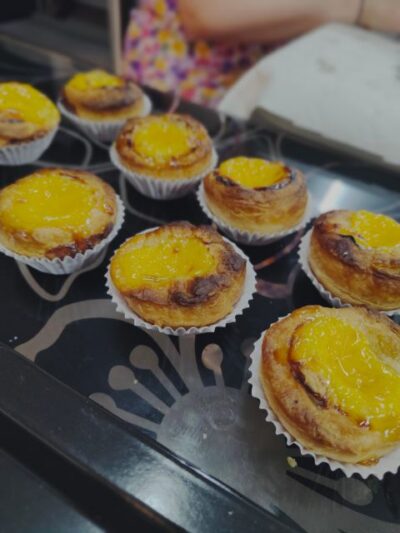
The class centers on the custard filling and the baking process. The puff pastry is already handled for you (more on that in a minute). You’ll still do plenty: you measure, mix, portion, assemble, and then bake. When the tarts come out warm, it clicks—flaky pastry plus that signature sweet custard texture is all about timing and technique.
And since it’s near Sé do Porto, it also plays nicely with an afternoon of wandering: you can pair this with a church-and-streets plan without sacrificing your whole day.
Where the class happens: Domus Arte near Sé do Porto
You meet at Domus Arte | Concept Store in Porto, at Rua da Bainharia 135. It’s the kind of meeting point that makes the area feel lived-in instead of staged for tourists. The venue combines a modern shop vibe with traditional crafts and souvenirs, and you’ll likely spot opportunities to browse nearby items before (or after) class.
Practically, it’s also easy to fit into a Porto day. You’re near public transportation, there are bathrooms on site, and the space is clean and organized enough for a hands-on cooking session. Service animals are allowed too, so it’s a comfort factor if you travel with one.
A small extra detail that matters: some people treat this as more than just a cooking class. Since the location is tied to crafts, you may find other experiences there (tile and ceramics are one example), depending on what’s running during your dates.
The session flow: step-by-step pastel making
Here’s how the experience tends to play out, from start to finish.
First, you get a short introduction to the Pastel de Nata—its Portuguese roots and why it matters locally. It’s not a long lecture. It sets the mood, and it helps you understand what you’re aiming for with the custard and bake.
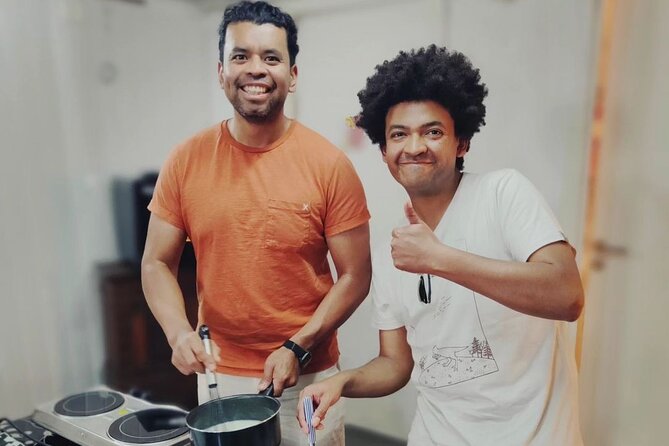
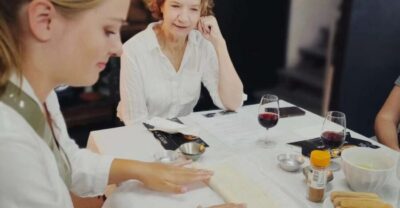
Then comes the hands-on work. Your group follows the instructor’s step-by-step process, and participation rotates so you’re not stuck waiting your turn. In a small class, that matters. You learn faster when you do the task in front of you rather than watching someone else do it once.
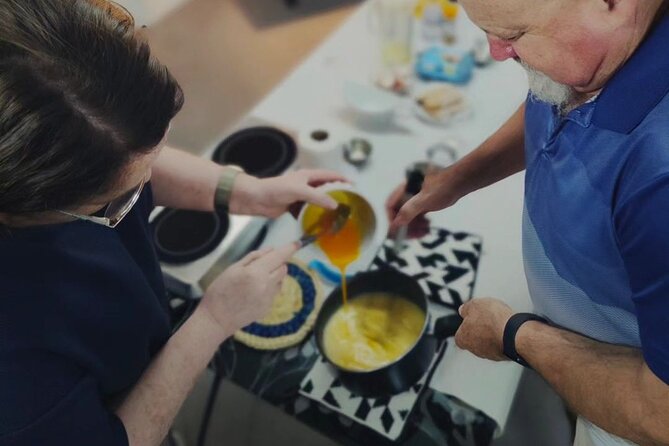
You’ll focus heavily on the custard filling. That’s the part where your technique shows. Getting the consistency right affects whether the custard sets the way you want—soft but firm, creamy but not watery.
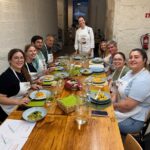
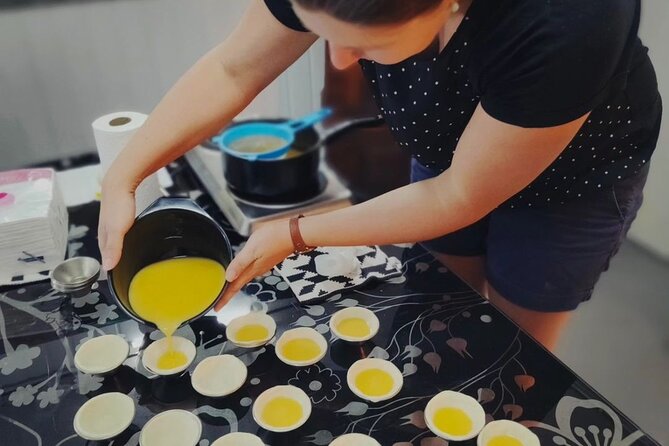
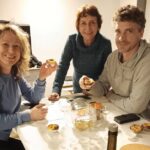
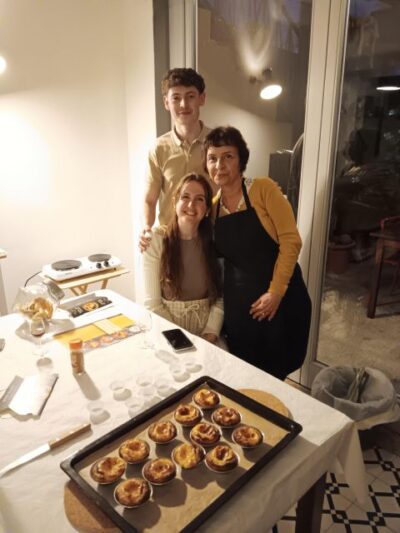
Finally, you assemble and bake. You’re making several pastel de nata during the session, and you can eat them on site while the group keeps the pace relaxed. When you’re done, you take away additional tarts in a transport box included with the experience.
Custard from scratch: the part that actually teaches technique
If you only care about eating one perfect tart, you could grab a pastel anywhere in Porto. What you’re paying for here is the how.
The custard is the star. You make it from scratch, and the instructor walks you through the process so you can repeat it later. One useful takeaway: you learn to think about texture and consistency, not just ingredients. That’s the difference between a tart that tastes fine and one that tastes like the real deal.
Also, the class is designed so you’re not intimidated. Instructors such as Anita and Luis (plus others on different days) have a way of breaking down tasks so beginners can follow along. You’re not expected to be a pastry pro on day one.
If you love cooking already, you might still pick up something useful. Custard behavior is predictable once you understand the steps, and the class helps you build that mental model quickly.
More Porto days out worth booking
The puff pastry “shortcut” (and why it can still be a win)
Let’s handle the one issue people often notice: you don’t make the puff pastry dough from scratch here.
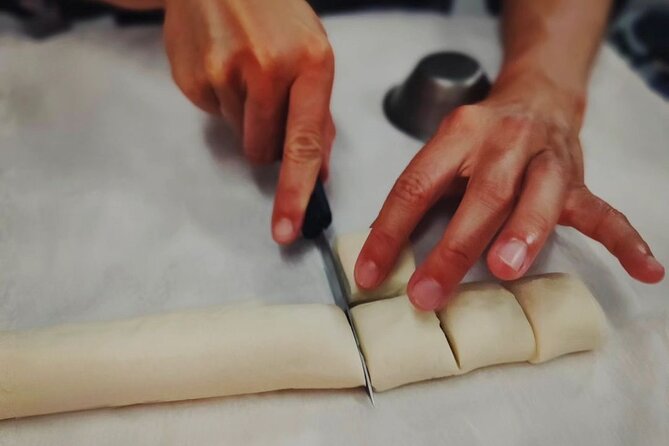
The puff pastry is pre-prepared. You get a house-made recipe that helps you recreate the tart at home, and many people feel that the shortcut approach works well. The logic is practical: this class is only about 1.5 hours on average, so it’s built to teach what you can learn in that time without turning your afternoon into a full-day pastry project.
If your dream is everything homemade—dough from scratch, lamination, and all—the private workshop option may fit better. But if you want the authentic taste and a repeatable method for home, the trade-off is worth thinking about. You still learn the custard technique and the baking process, which are the big drivers of that Porto flavor and texture.
Port wine, snacks, and why the pace feels comfortable
Food classes can feel rushed. This one doesn’t. You bake, you snack, you reset, and you keep moving.
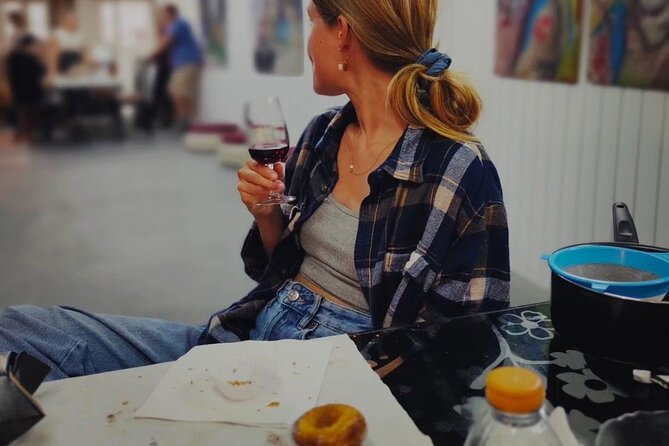
You’ll enjoy Port wine during the session, along with juice, water, coffee, and a selection of sweet and savory snacks in a relaxed atmosphere. This matters more than it sounds. When you’re learning a process—measuring, mixing, portioning—your brain works better when you’re not running on empty and you’re not freezing while waiting for the oven.
A lot of the fun here is simply the rhythm: learn a step, do the step, taste what you just made (often warm), then keep going.
How long it takes and how to plan your Porto afternoon
The experience runs about 1 hour 30 minutes on average. In practice, you should plan for roughly 90 minutes to about 2 hours. That makes it a great fit for:
- a rainy day when you still want something hands-on
- a food-focused stop between neighborhoods
- travelers who want a class without losing the whole afternoon
Because the meeting point is near Sé do Porto, you can often arrange it without complicated cross-city transfers. You’re already in an area where it’s easy to walk before and after the workshop.
Small group size: what you gain when it’s capped
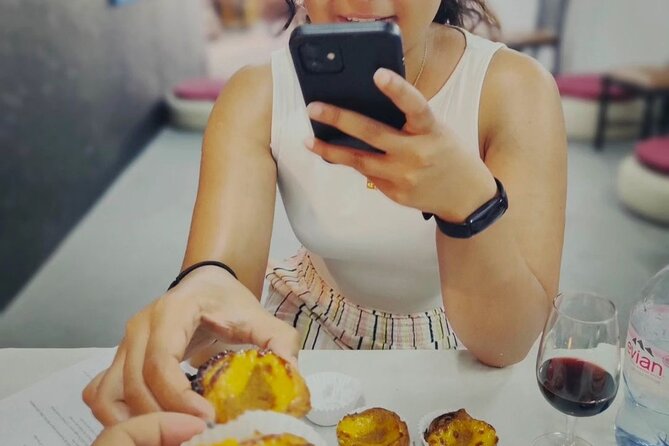
This class is capped at a small number of people. That shows up in the teaching.
In larger groups, the instructor can explain and move on before you’ve fully completed your step. In a smaller setting, you can actually ask questions and get corrections while the custard is still in front of you. People who like hands-on learning tend to value this a lot.
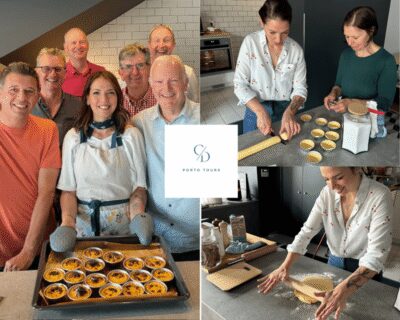
It also makes the experience more social in a low-pressure way. You meet people, share a table vibe while you work, and you get to compare notes when the warm pastries come out.
If you’re traveling as a family, the pace is often described as short enough to keep kids engaged without turning it into a “sit and listen” event.
What you take home: recipe + tarts + transport box
The best souvenir isn’t a magnet. It’s the tart you can make again.
You leave with:
- several pastel de nata prepared during class
- the ability to eat on site and take more away
- a recipe to recreate the classic at home
- a transport box included for easier carry-out
That transport box detail sounds small until you’ve ever tried to carry flaky pastries through a city. Here, you’re set up to avoid the sad, smashed-tart ending.
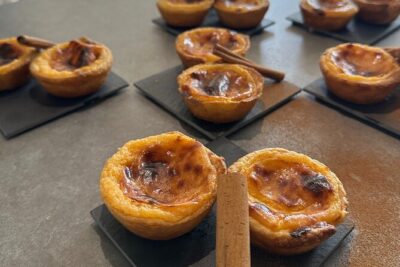
One more note: some people find that the tarts they make taste better than many they had elsewhere. The warm-out-of-the-oven timing helps, but so does learning what “correct” looks like when you’re building the custard and portioning.
Price and value: what $42.34 really buys you
At about $42.34 per person, this is a mid-priced food activity in Porto. The value comes from three things working together:
1) You do the work, especially the custard and baking steps. This isn’t a demo class.
2) You eat and take home what you make. That boosts the practical value beyond the cost of a snack.
3) Port wine and coffee are included, plus snacks during the session.
Is it “cheap”? No. But it’s also not paying for a tour guide to talk while you sit. You’re paying for instruction, ingredients, baking, and the recipe pack so you can recreate the results later. For many people, that recipe is the real end product.
Who should book this pastel de nata cooking class?
This is a strong match if you:
- want a hands-on cooking activity in Porto rather than just tasting
- like learning recipes you can repeat at home
- enjoy custard-based desserts and want to understand the technique
- travel on a day with limited energy or bad weather
- appreciate a small-group vibe
It may be less ideal if you:
- want puff pastry dough made entirely from scratch
- expect a full pastry-lamination workshop in 90 minutes
For those cases, ask about the private workshop route so you can get a more complete process.
Should you book? My practical take
If you want a pastry lesson that feels doable, social, and repeatable, I’d book it. The class focuses on the parts that matter most—custard texture and baking—while still giving you plenty to eat and take away. Add Port wine, coffee, snacks, and a short, step-by-step format, and you get a good use of time in Porto.
Just go in with the right expectations: you’ll learn and bake, but the puff pastry dough itself isn’t part of the hands-on work in this standard session. If you’re craving total pastry-dough control, look at the private option.
FAQ
What exactly will I make?
You’ll make Pastel de Nata with a focus on the custard filling and the baking process. You’ll also assemble and bake several tarts during the class.
Do I make the puff pastry dough from scratch?
No. The puff pastry is pre-prepared. You’ll receive a recipe to recreate the tart at home, but the pastry dough itself is not made from scratch during the class.
How much time should I plan for?
The duration is about 1 hour 30 minutes on average. It can feel closer to about 2 hours depending on pacing.
Is the class in English?
Yes, the class is offered in English.
Is there Port wine included?
Yes. You’ll enjoy Port wine as part of the session, along with juice, water, coffee, and snacks.
How many people are in the group?
The class is kept small. The listing notes a maximum of 8 travelers, while the overall concept also emphasizes a small cap.
Where do we meet?
You start at Domus Arte | Concept Store – Sede/Headquarter, Rua da Bainharia 135, 4050-084 Porto, Portugal.
Can I take the Pastel de Nata with me?
Yes. You can enjoy pastries on site and also take them away. A transport box is included.
Can I cancel for a full refund?
Yes. You can cancel up to 24 hours in advance for a full refund. If you cancel less than 24 hours before, the amount paid won’t be refunded.
Can they accommodate a gluten-free diet?
If you eat gluten free, you should tell them ahead of time. The experience indicates gluten-free accommodation may be possible with advance notice.
More Cooking Classes in Porto


More Tour Reviews in Porto




Pastry and Cooking Sessions


Fresh in the Porto notebook




Pastry & Cooking Workshops, compared.
 ★ 4.9Pastel de Nata Pastry-Making WorkshopFrom $411,542 reviews
 ★ 4.8Pastel de Nata Cooking Class with Port Wine – SéFrom $41888 reviews
 ★ 4.9Workshops Pasteis de Nata in Porto, PortugalFrom $40520 reviews
 ★ 4.9Pastel de Nata Cooking Class from ScratchFrom $50468 reviews
 ★ 5.0Pastel de Nata | Workshop from scratch | Porto’s city centerFrom $48449 reviews
 ★ 5.0Porto Local Market Visit & Cooking Class / Showcooking206 reviews
 ★ 5.0Pastel de Nata Workshop in PortoFrom $40127 reviews
 ★ 5.0Portuguese Cooking Class in Porto with Portuguese WineFrom $169110 reviews
Browse the lists this tour appears in