
Reviewed · PASTRY & COOKING WORKSHOPS
Porto: Pastel de Nata Pastry-Making Workshop
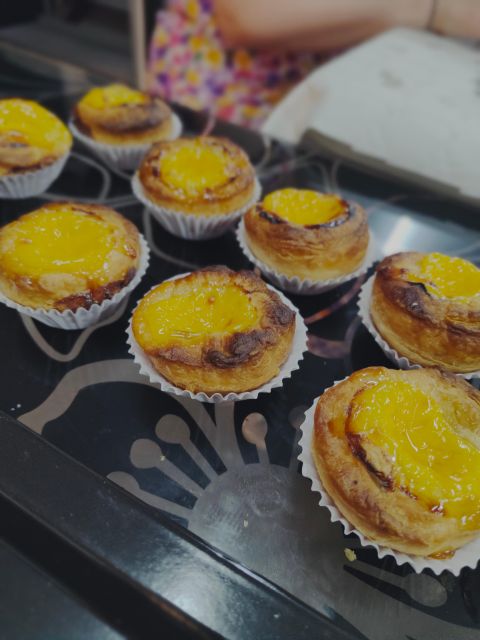
Pastel de nata, Port wine, and easy fun. This 1.5-hour workshop in Porto puts you right in the middle of the action, rolling dough, filling with custard, and chatting with other food lovers as you work. I like the laid-back pacing and the fact that it stays hands-on, not just a demo.
The biggest thing to know up front: you don’t make the dough from scratch. The dough is already prepared because it needs about 3 hours to properly develop, so you’ll focus on rolling, filling, and baking (and you’ll still get the recipe).
In This Review
- Key highlights
- Rua Chã 77 by the Cathedral: Where the workshop starts in Porto
- What you make in 90 minutes: rolling, custard, and oven-time
- The dough-from-scratch question: why the class saves you time
- Port wine, good talk, and a group size that actually works
- Taking home your pastries (and a recipe you can use)
- Price and value: how $41 adds up for this Porto lesson
- Best fit: dates, rainy afternoons, and food-focused Porto days
- Should you book the Pastel de Nata workshop at Boiler Studio?
Key highlights
- Port wine or mimosa with your bake: one drink included while the custard sets and the pastries rise
- Small group, max 9 people: more time with the instructor and less standing around
- Hands-on from rolling to baking: you’ll do the work, not just watch it happen
- Takeaway box included: you leave with 2 or more pastries (often more per person in practice)
- Instructors with humor and good energy: names like Ana, Patricia, Maria, and Sara show up repeatedly in the praise
Roll your own pastel de nata, or cook a northern lunch
- Porto: Pastel de Nata Pastry-Making Workshop★ 4.9 · 1,542 reviews
- Porto: Pastel de Nata Cooking Class with Port Wine – Sé★ 4.8 · 888 reviews
- Workshops Pasteis de Nata in Porto, Portugal★ 4.9 · 520 reviews
- Pastel de Nata | Workshop from scratch | Porto’s city center★ 5.0 · 449 reviews
Rua Chã 77 by the Cathedral: Where the workshop starts in Porto
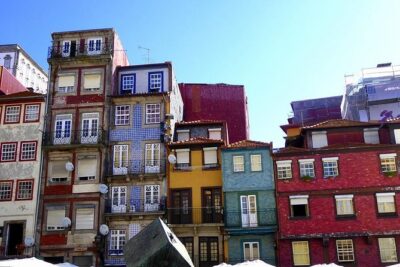
Meeting at Boiler Studio, Rua Chã 77, puts you in a smart pocket of the city. It’s on a typical street in front of the Cathedral, so you can turn the workshop into part of a larger day of walking instead of treating it like a far-off excursion.
This location also means you can line up a classic Porto loop before or after. Easy nearby anchors include São Bento Train Station, Luís I Bridge, Time Out Market, and of course the Cathedral itself. If you’re trying to build a day around food, this is a good fit because it sits close to where you’ll already want to eat.
One practical upside: finding a meeting point by a major landmark area is less stressful than trying to navigate a maze of side streets late in the day. And because the class is only 1.5 hours, it’s friendly for both a first-time Porto visit and a tighter schedule.
What you make in 90 minutes: rolling, custard, and oven-time
Your goal is simple: make pastel de nata the Porto way. You’ll start with dough that’s ready for shaping, then learn the motions step-by-step as you roll and form the tart cases.
Here’s the flow of what you’ll do:
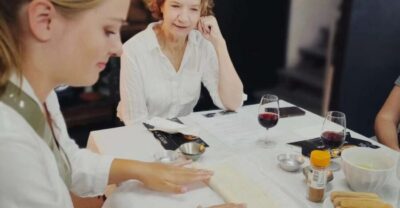
- You’ll roll the pastry and follow the instructor’s guidance on handling it
- You’ll prepare the egg custard filling with guidance at the table
- As the pastries bake, you get a drink included and time to chat
- You’ll taste the finished pastries fresh from the oven and then box up 2 or more to take home
The workshop format is designed so you can participate at different stages. Several instructors (for example Ana, Maria, Patricia, Sarah, and Sara) are noted for pulling people into the action instead of keeping the group passive. And because it’s taught in English, the step-by-step rhythm tends to land well for solo travelers and couples alike.
The dough-from-scratch question: why the class saves you time
Pastel de nata dough is not quick. The workshop explicitly avoids the full dough-making process because it takes roughly 3 hours to be well done. That means the dough you work with is already prepared before you arrive.
Does that make the class less authentic? Not really—it changes what you learn. You still get the parts that matter for mastering the final result: rolling properly, building the custard, and understanding how the baking step affects texture.
It also explains the class length. You’re not spending half the day waiting for dough fermentation. Instead, you use that time on technique, and you leave with a usable recipe you can repeat at home.
If you’re the kind of person who wants every step, including the longer prep, the workshop notes that you’d need a private workshop to do everything. For most people, the standard session is the right balance: hands-on skill plus real time saved.
Port wine, good talk, and a group size that actually works
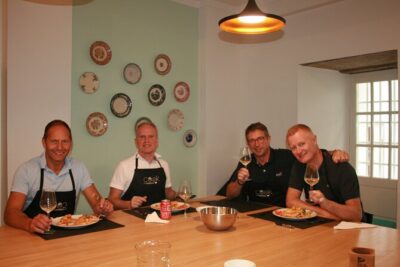
One reason this class feels more like an experience than a chore is the drink component. You get one glass of wine during the lesson, and it can be Port wine, regular wine, or a mimosa. One review even called out a Port tonic, which suggests the drink can vary based on the session.
That drink is more than a perk. It turns the waiting moments—like when you’re letting the custard set or watching the oven—into actual social time. A lot of the best feedback centers on conversation and an instructor who keeps people included.
The group size is also key. The class runs for a maximum of 9 people, which means you’re close enough to the instructor to ask questions and get correction. For people who learn by doing, this matters. You’ll feel less like a spectator and more like a participant.
If you’re coming as a solo traveler, that smaller cap is a practical advantage too. It gives you a built-in reason to talk to other people without forcing you into a loud bar scene.
More Porto days out worth booking




Taking home your pastries (and a recipe you can use)
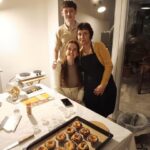
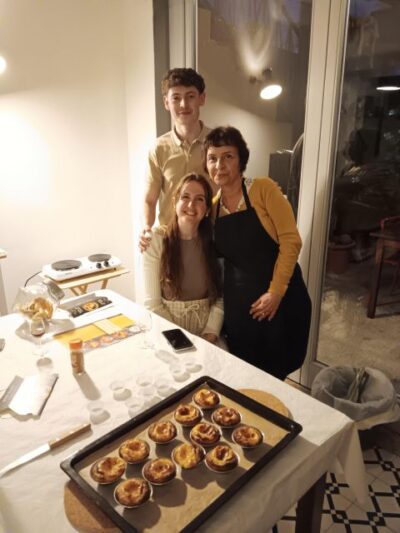
The workshop doesn’t end when the oven shuts off. You’ll taste what you made, and then you’ll box up pastries to take home in a convenient cardboard pastry box.
What you take home is part of the value. The included amount is 2 or more pastel de nata. In practice, several sessions report leaving with three pastries per person, plus eating one during the class. That means you’re not just buying instruction—you’re also buying a small edible souvenir you can share or save for later.
You also get a recipe. Some participants mention a printed recipe they could take notes from. That’s exactly what you want if you plan to recreate the tart at home. A good baking lesson should leave you with enough structure to repeat the steps, not just memories of how it tasted.
Price and value: how $41 adds up for this Porto lesson
At $41 per person, you’re paying for more than a pastry. You’re buying:
- Instructor-led, step-by-step guidance in English
- Hands-on rolling and filling (with the instructor managing timing and technique)
- One included drink during the class
- Takeaway pastries: 2 or more
Here’s how I think about value in cases like this. If the workshop was just sitting and watching, the price would feel steep. But the structure is designed so you do real work: rolling, custard, baking, and tasting. Add the drink and the takeaway box, and the cost becomes easier to justify.
The fact that the dough is pre-prepared also matters for value. You’re getting the practical skills that lead to results without spending extra time. If you want a slower, every-step-from-scratch version, that’s more time and often needs a private format. For the standard group class, this is a sensible trade: efficiency with technique.
The experience is provided by Little Bird, and the consistent praise for instructors suggests they take the teaching side seriously—not just the pretty photo moments.
Best fit: dates, rainy afternoons, and food-focused Porto days
This is the kind of activity that works for a few different travel styles.
Go if you want hands-on Porto food with a social edge. The class size helps you meet people, and the pacing is relaxed enough that you’re not stressed about keeping up.
Go if you’re a couple. The lesson format is interactive, but not awkward. You’ll both be working, tasting, and comparing notes. The included drink also sets a friendly tone.
Go on a rainy day. Baking indoors is a natural fit when the weather turns. And since the class is only 1.5 hours, you’re not losing a full afternoon to clouds.
Kids: children over 10 are welcome. The workshop is not suitable for kids under 10. If you’re traveling with a tween or teen who likes cooking, this is a stronger match than an all-day food tour.
Should you book the Pastel de Nata workshop at Boiler Studio?
Yes, if you want a Porto activity that mixes technique, taste, and a real takeaway, without turning your day into a logistics puzzle. The combination of small-group size (max 9), English instruction, hands-on steps, and the included Port wine or mimosa makes it a strong value pick for many people—especially if you’re short on time.
I’d only hesitate if your top priority is making the dough from absolute scratch. This workshop keeps the dough-making portion out because it takes about 3 hours, so the standard class is best for learning rolling, custard, and baking results, not every single prep step.
If you can spare 90 minutes and you like the idea of leaving Porto with a recipe plus a pastry box, this is a smart booking.
More Workshops in Porto

More Tour Reviews in Porto




Pastry and Cooking Sessions
Fresh in the Porto notebook




Pastry & Cooking Workshops, compared.
 ★ 4.8Pastel de Nata Cooking Class with Port Wine – SéFrom $41888 reviews
 ★ 4.9Workshops Pasteis de Nata in Porto, PortugalFrom $40520 reviews
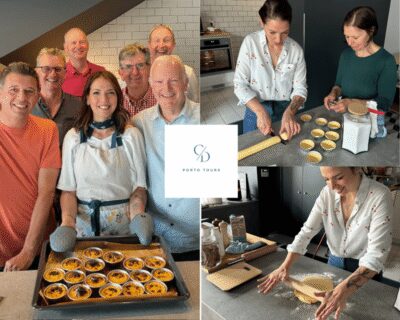 ★ 4.9Pastel de Nata Cooking Class from ScratchFrom $50468 reviews
 ★ 5.0Pastel de Nata | Workshop from scratch | Porto’s city centerFrom $48449 reviews
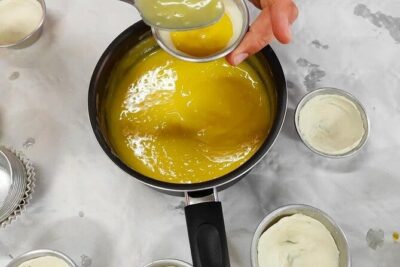 ★ 5.0Pastel de Nata Cooking Class with Porto Wine (Sé do Porto)From $42340 reviews
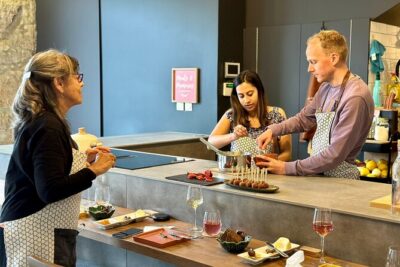 ★ 5.0Porto Local Market Visit & Cooking Class / Showcooking206 reviews
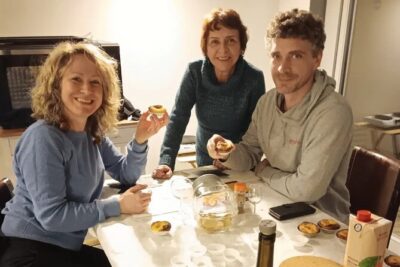 ★ 5.0Pastel de Nata Workshop in PortoFrom $40127 reviews
 ★ 5.0Portuguese Cooking Class in Porto with Portuguese WineFrom $169110 reviews
Browse the lists this tour appears in