
Reviewed · PORT WINE CELLARS & TASTINGS
Port Wine class with 3 or 5 Port tasting and pairings
Port can feel like a sealed-off world of cellars and labels. This one is different: it’s a small-group tasting right in Porto’s center, set up for real conversation. You’ll start with how Port is made and why it took this unusual path, then you’ll taste a focused lineup matched with Portuguese snacks.
I like the no-cellar approach. You’re in a shop-room environment across from Palácio da Bolsa, so it’s easy to slot into a day sightseeing and not feel like you’re rushing to an industrial outskirt. You also get a choice of 3 or 5 Port styles, which makes it workable whether you have one free hour or want the full sampler.
One possible drawback: because it’s intimate and discussion-friendly, the longer 5-Port option can creep closer to the upper time limit if you ask lots of questions—great if you’re enjoying it, annoying if you’ve got a tight schedule.
In This Review
- Key things to know before you go
- Port in the heart of Porto: the setting that makes it easy
- What the class feels like: history first, then a tasting table
- Your tasting lineup: what “3 Ports” means in real terms
- The full 5-Port sampler: the best choice if you want to compare styles
- Pairings that go beyond boring cheese-and-crackers
- Your host makes it, and you’ll likely get more than lecture
- How long to plan for (so you don’t feel rushed)
- Practical value: is $23 worth it?
- Who should book this class
- Should you book the 3 or 5 Port option?
- Should you book this Port tasting in Porto
- FAQ
- How many Port wines do I taste?
- Where exactly is the meeting point?
- Is this tasting in a cellar?
- How long does the experience take?
- What language is the class in?
- What foods are included with the Port tastings?
Key things to know before you go
- City-center location across from Palácio da Bolsa (easy to find, easy to combine with walking)
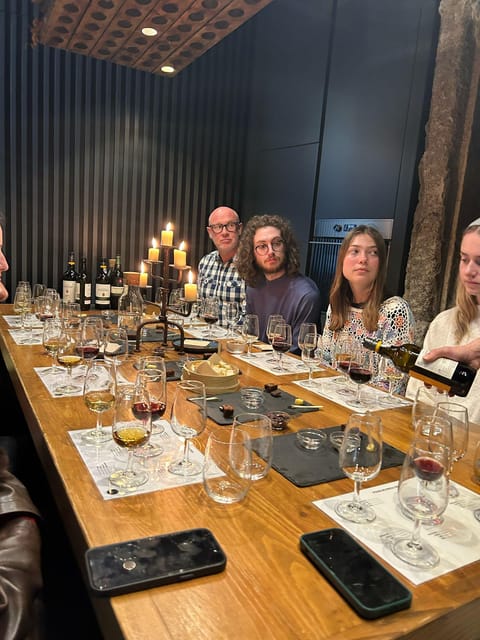
- Max 10 people keeps it personal and interactive
- 3 or 5 tastings means you can pick the depth that fits your day
- Paired Portuguese snacks with each drink: olives, fruits, chocolate, cheese, and brownie
- English hosts known for mixing facts with humor (names you may hear include Rui/Ruan, João, José, and Pedro)
- A surprise ending is part of the vibe in some sessions, from music to other playful moments
Across the water in Gaia, more lodges pouring tawny and vintage
- Porto: Bridges Cruise & Sunset & Port Wine Cellar Option★ 4.2 · 4,180 reviews
- Porto: Cálem Cellar Tour, Fado Show & Wine Tasting★ 4.4 · 3,530 reviews
- Porto: Cockburn’s Port Lodge Tour and Tasting★ 4.8 · 3,360 reviews
- Porto: City Train Tour, River Cruise & Wine Cellar★ 3.9 · 2,601 reviews
Port in the heart of Porto: the setting that makes it easy
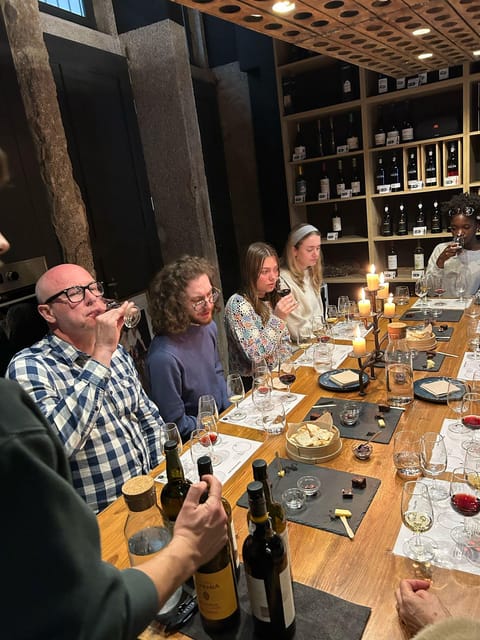
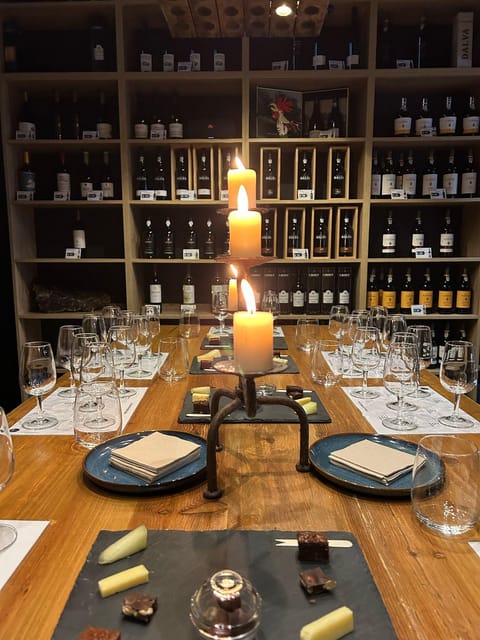
This tasting class runs in an indoor shop-room in Porto’s city center, not down in a cellar. The meeting point is at the shop located in front of Palácio da Bolsa—a very recognizable landmark—so you can orient fast and not waste your first hour hunting addresses.
It’s also a smart choice for weather and energy. Porto afternoons can be warm, bright, and full-on. Being inside keeps the experience comfortable while you focus on the flavors in front of you.
If you’re using the tourist office for navigation, this is exactly the kind of activity that benefits from that. The instructions say to check in at the tourist office because the class is in a room located in the same building area. In practice, that means you should arrive a few minutes early so you’re not walking around with your phone map wobbling in the wind.
What the class feels like: history first, then a tasting table
The structure is straightforward and beginner-friendly, which I love. You start with an introduction to Port wine: how it was invented, why it developed the way it did, and how Port styles evolved over time to what’s on your table today.
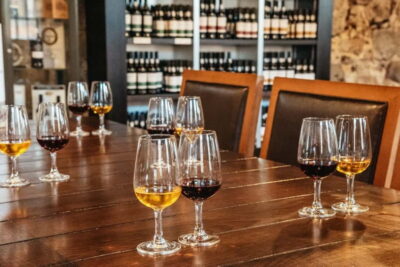
Then the main event takes over: tasting and pairing. You’ll sit in the shop-room environment and work through your Port lineup with Portuguese snacks. The total pace depends on your option. The 3-Port tasting runs about 45 minutes for tasting itself, while the full 5-Port option takes longer—up to around 1 hour 15 minutes—depending on how many questions you have and how the group is chatting.
That question-friendly pacing matters. With Port, people often want to understand the differences between styles, sweetness levels, aging methods, and food matches. This class gives you time to actually ask and hear answers instead of getting rushed out like a conveyor belt.
Your tasting lineup: what “3 Ports” means in real terms
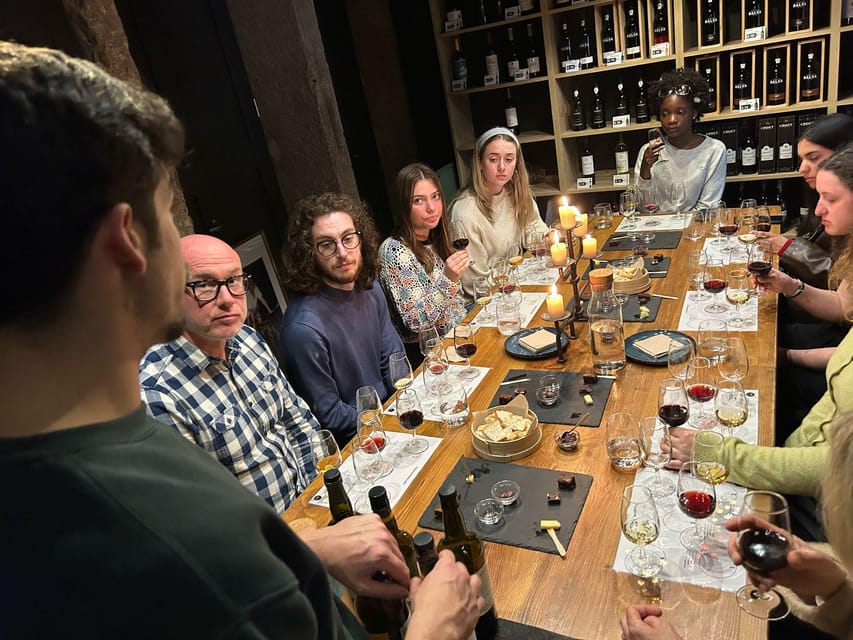
If you choose the 3-Port option, you’ll taste three different Port styles, each paired with Portuguese snacks. The key value here is clarity. You’re not trying to memorize five types at once; you’re learning how three styles behave on the palate and what kind of snack pairing makes sense.
Even with only three, the course aims to show the big contrasts in Port:
- lighter, fruit-forward profiles (often represented by White Port)
- richer, more nutty or caramel-like characteristics (often represented by Tawny Port)
- deeper, darker fruit flavors (often represented by Ruby Reserve Port and/or LBV Port in the broader menu)
Important practical note: the exact trio you’ll receive is not spelled out in the basic info, so treat it as a “choose this option for a solid starter set” rather than a guarantee of specific bottles. If you have a particular Port style you’re chasing, the 5-Port option gives you more coverage.
The full 5-Port sampler: the best choice if you want to compare styles
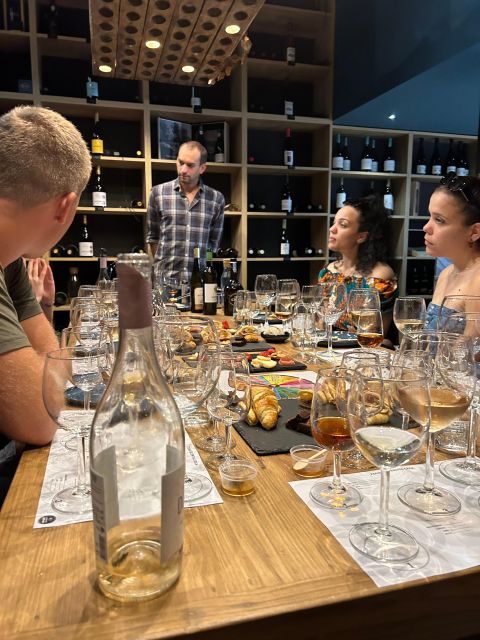
The 5-Port option is where this class becomes a true “Port crash course.” Included in the broader list are:
- 2 White Port
- 1 Tawny Port
- 1 Ruby Reserve Port
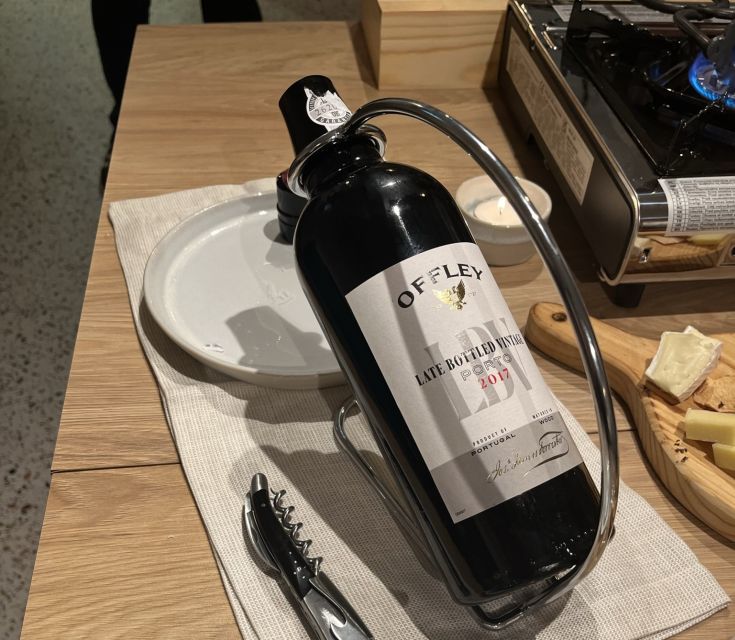
- 1 LBV (Late Bottled Vintage) Port
So you’re tasting across Port’s main directions: white (lighter), tawny (aged style), and ruby/LBV (darker fruit and aging characteristics). That range is what makes the experience memorable for first-timers. You stop thinking of Port as one flavor and start hearing it as a family of styles.
It also gives you an advantage on your next day in Porto. Once you’ve tasted these differences side by side, you’ll be much better at choosing a bottle at a shop later—especially if you’re buying as a gift or trying to match Port to dessert or post-dinner sipping.
More Porto days out worth booking




Pairings that go beyond boring cheese-and-crackers
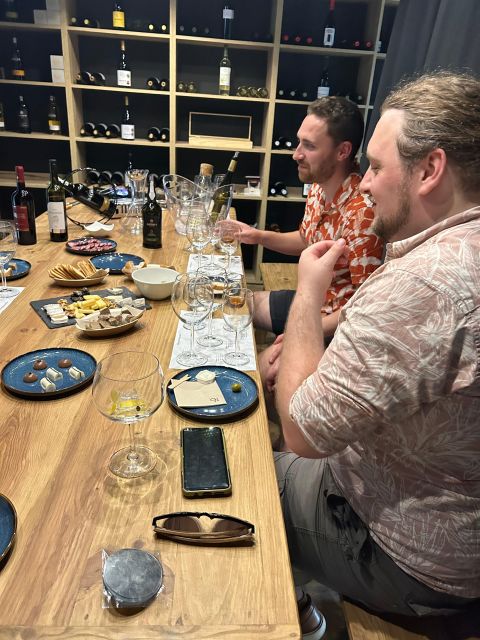
Port tastings can go wrong when the food pairing is either too generic or too salty. Here, the snacks are part of the lesson.
Every option includes Portuguese pairings with the tastings—specifically olives, fruits, chocolate, cheese, and brownie. That mix is practical:
- olives and cheese help you understand how Port works with salt and fat
- fruits keep the sweetness from feeling one-note
- chocolate and brownie reinforce Port’s dessert direction without turning it into only sugar
You’re not just tasting; you’re learning what Port tastes like in combination. That’s the difference between remembering flavors and actually being able to order intelligently later.
Also, the way the pairings are explained can make or break a class. Many people highlight that the pairings feel well chosen and are explained clearly, so you walk out understanding what you’re tasting and why.
Your host makes it, and you’ll likely get more than lecture
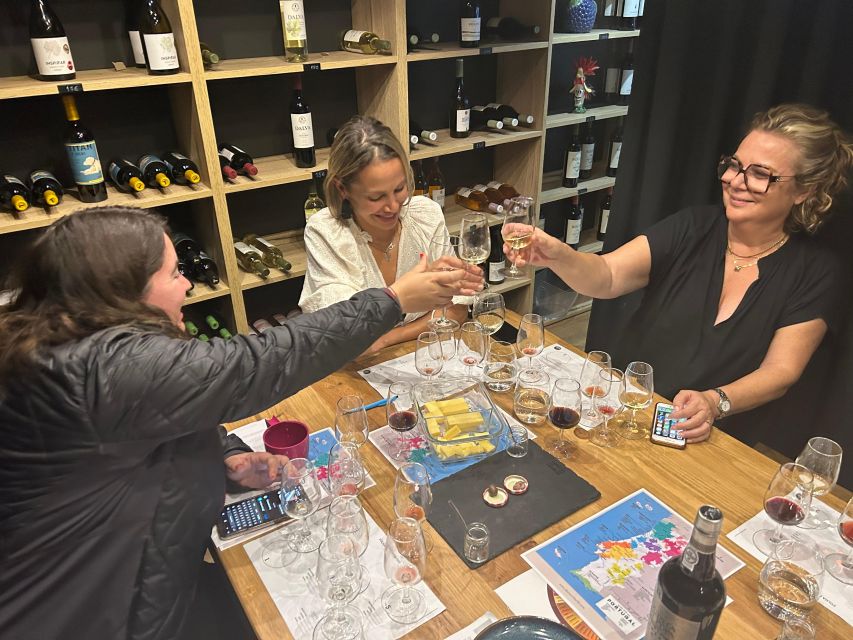
The class is led in English, and it’s set up to be small-group and interactive. That matters because Port is easy to over-complicate with jargon. The best thing about this format is that hosts can explain in plain language while still making it fun.
You may hear names like Rui/Ruan, João, José, or Pedro. Across sessions, people consistently praise the hosts for being engaging, humorous, and genuinely invested in Port. It’s not just facts for the sake of facts.
Some sessions also add an extra layer at the end—described as a surprise. In a few cases, that includes live music elements such as guitar, or other playful performance-style moments. Don’t assume every class will include the same ending, but know that the vibe tends to finish with a bit of personality, not a hard stop.
If you like learning that feels like a conversation, not a slideshow, this is a good match.
How long to plan for (so you don’t feel rushed)
The overall duration is 1 hour to 90 minutes. The tasting time portion is shorter for the 3-Port option and longer for the 5-Port option.
Here’s how I’d plan it in your day:
- Pick the 3-Port option if you’ve got a timed dinner reservation or you’re stacking major sights.
- Pick the 5-Port option if you’re in Porto for a short time and want more certainty you’ll walk away with a strong understanding of the styles.
Also, because it’s a small group (max 10), the energy can shift slightly depending on who’s in the room. If your group is chatty, your host may slow down to answer extra questions. That’s generally a good sign—just keep your schedule flexible.
Practical value: is $23 worth it?
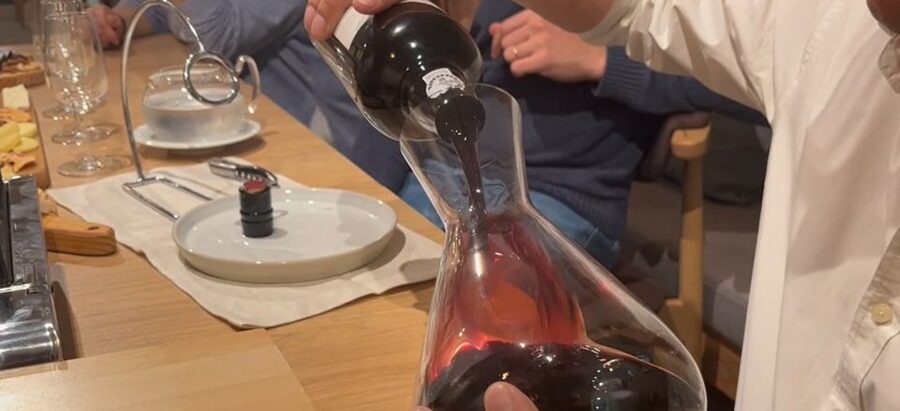
At $23 per person, the value is strongest if you think of what’s included: multiple Port styles plus structured pairings. You’re getting more than a quick sip. You get an introduction to Port, side-by-side tasting across styles, and snack pairings that help you connect taste to reasoning.
If you were to buy these ports individually and then try to build snack pairings on your own, the cost can add up quickly—especially if you don’t already know what to buy. This class does the matching for you and gives you context so you’re not guessing.
In short: the price makes sense if you want a guided, time-efficient Port education in the center of Porto—without needing to buy a cellar tour ticket or spend half a day traveling out of town.
Who should book this class
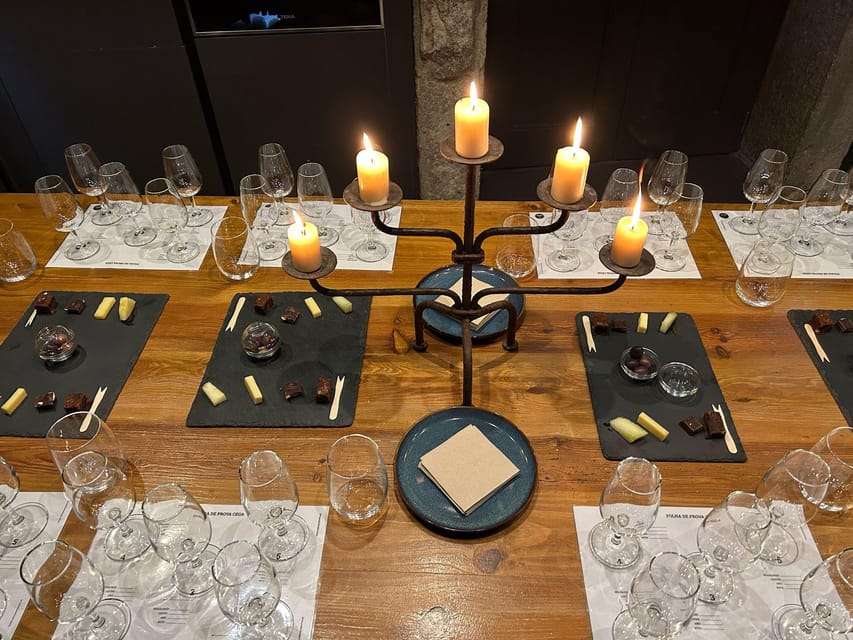
This Port tasting class suits you if:
- You’re new to Port and want clear differences between styles
- You want an easy city-center activity near major sights
- You prefer small groups where you can ask questions
- You like food pairings and want to learn what works with sweet, aged drinks
It’s also a great option if you don’t have a lot of time for vineyard travel. The class gives context without requiring a full Douro Valley day.
If you’re the kind of traveler who enjoys meeting fellow visitors, the small setup tends to create a friendly room rather than a silent “taste and leave” experience. Even solo travelers are likely to feel included because the group format encourages interaction—part of why the ratings are so high.
Should you book the 3 or 5 Port option?
Here’s the quick decision rule I’d use:
- Choose 3 Ports if you want the core experience and you’re tight on time. It’s a great start, and it still includes pairings and the Port intro.
- Choose 5 Ports if you want to compare styles more deeply—especially if you want White Port plus Tawny plus Ruby Reserve plus LBV in one session. It’s the better “I’ll remember this later when I’m shopping” choice.
If you can swing the extra time, I lean toward 5. The extra coverage is the difference between a pleasant tasting and a Port style map you can use.
Should you book this Port tasting in Porto
Book it if you want a center-of-city Port education with snacks, a small group vibe, and hosts who bring both knowledge and humor. It’s also a strong pick if you’re trying to decide what Port to buy next—you’ll taste styles side by side, so the ordering part becomes easier.
Before you go, do yourself a favor: arrive a little early and be ready to ask questions. The whole format rewards curiosity, and many people leave saying they wanted to choose the longer option for even more comparison.
If you’re booking with flexibility in mind, this class includes free cancellation up to 24 hours in advance and you can reserve now and pay later, which reduces stress if your plans shift.
FAQ
How many Port wines do I taste?
You can choose either a 3-Port tasting option or a 5-Port tasting option, with each Port paired with Portuguese snacks.
Where exactly is the meeting point?
You meet at the shop in front of Palácio da Bolsa in central Porto.
Is this tasting in a cellar?
No. The class takes place in an indoor shop room in Porto city center, not in a cellar.
How long does the experience take?
It runs about 1 hour to 90 minutes total, with tasting time around 45 minutes for the 3-Port option and up to about 1 hour 15 minutes for the 5-Port option.
What language is the class in?
The host or greeter speaks English.
What foods are included with the Port tastings?
The Port is paired with olives, fruits, chocolate, cheese, and brownie.
More Food & Drink in Porto

More Tour Reviews in Porto




More Gaia Cellars Worth the Crossing




Fresh in the Porto notebook





Port Wine Cellars & Tastings, compared.
 ★ 4.2Bridges Cruise & Sunset & Port Wine Cellar OptionFrom $214,180 reviews
 ★ 4.4Cálem Cellar Tour, Fado Show & Wine TastingFrom $333,530 reviews
 ★ 4.6Taylor’s Port Cellars & TastingFrom $293,374 reviews
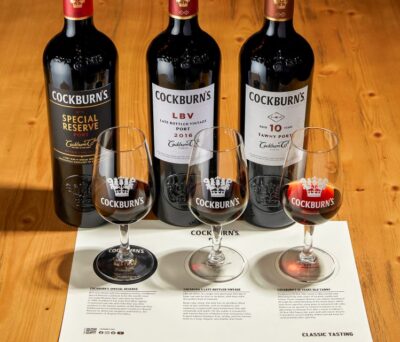 ★ 4.8Cockburn’s Port Lodge Tour and TastingFrom $353,360 reviews
 ★ 3.9City Train Tour, River Cruise & Wine CellarFrom $432,601 reviews
 ★ 5.0Port Wine Lodges Tour Including 7 Port Wine Tastings (English)From $622,041 reviews
 ★ 4.8Douro River Boat Cruise with Port Wine TastingFrom $471,627 reviews
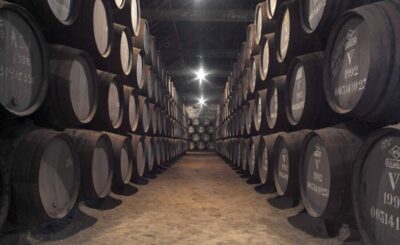 ★ 4.8Graham’s Port Lodge Tour with Premium Wine TastingsFrom $471,547 reviews
Browse the lists this tour appears in