
Reviewed · PORT WINE CELLARS & TASTINGS
Port Wine Lodges Tour Including 7 Port Wine Tastings (English)
Port and Porto go together like old stone and sea air. This half-day walking tour strings together three Port lodges plus tastings and hands-on learning in Vila Nova de Gaia.
I especially like how it teaches you to read Port bottles, not just sip them—so you leave able to tell Ruby vs Tawny vs White at a glance. And the best part for me is the sheer tasting lineup: 7 Port tastings spread across multiple producers, with history and production mixed in.
One thing to consider: it’s a walking-focused tour with an 800m farthest stretch, and there’s no lunch or snacks included, so you’ll want to plan around food and staying comfortable.
In This Review
- Quick hits before you go
- Porto to Gaia on foot: starting by D. Luís Bridge
- Inside Vila Nova de Gaia: museum, cellar, and a Port producer’s story
- The big tasting moment: Reserve White and Reserve Tawny
- The interactive cellar-to-center stop: barrels, cork, and young Ruby
- Douro Valley interpretation + the Port pairing workshop
- Scenic terrace finish: Porto views on the Gaia side
- Price and value: is $62.88 worth it?
- What to expect from guides: the fun, not the lecture
- Who this tour suits best (and who might skip it)
- Should you book this Port Wine Lodges Tour?
- FAQ
- How long is the Port Wine Lodges Tour?
- Where is the meeting point?
- Where does the tour end?
- What’s included in the tasting?
- Is lunch or food included?
- What’s the minimum drinking age?
- Is it okay to cancel if plans change?
Quick hits before you go
- Meet on Porto’s side by the old Pensil bridge (red jacket guide) and start with orientation near D. Luís Bridge
- 7 tastings in about 4 hours, including Reserve White, Reserve Tawny, and young Ruby Port
- Three Port houses with different vibes: major producer museum/cellar plus older caves and interpretation spaces
- A pairing workshop that teaches how to match Port with food, not just what to drink
- Douro Valley learning moments built into interactive visitor centers (barrels, cork production, aging)
- Small group size (max 18) makes it easier to ask questions and keep the pace friendly
Across the water in Gaia, more lodges pouring tawny and vintage
- Porto: Bridges Cruise & Sunset & Port Wine Cellar Option★ 4.2 · 4,180 reviews
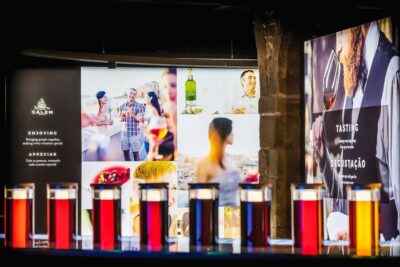
- Porto: Cálem Cellar Tour, Fado Show & Wine Tasting★ 4.4 · 3,530 reviews
- Porto: Cockburn’s Port Lodge Tour and Tasting★ 4.8 · 3,360 reviews
- Porto: City Train Tour, River Cruise & Wine Cellar★ 3.9 · 2,601 reviews
Porto to Gaia on foot: starting by D. Luís Bridge
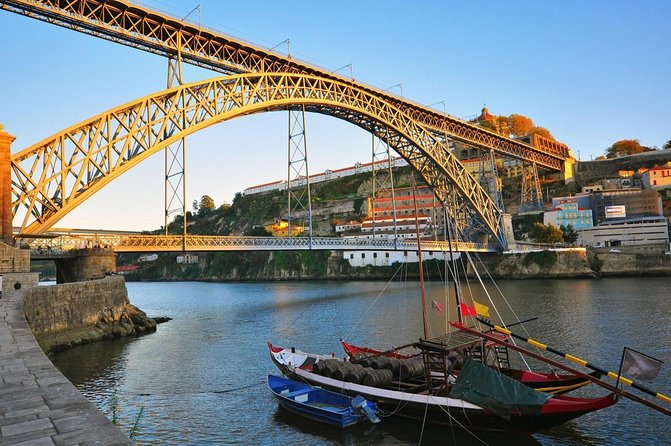
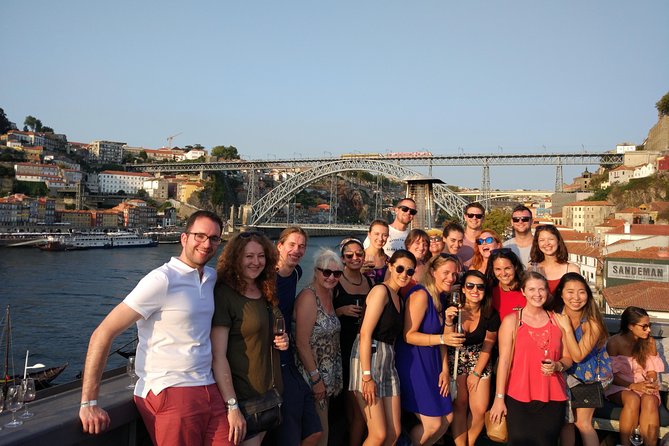
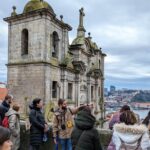
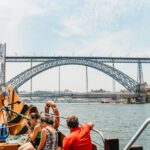
The tour starts on the Porto side at Pilares da Ponte Pênsil, by the lower level of D. Luís Bridge, right near the old Pensil bridge pillars. You’ll spot your guide wearing a red jacket that signals Porto Walkers. It’s a smart setup: you get oriented in a classic viewpoint area first, then you move across to the Port world on Gaia’s side.
What I like about this start is the timing. A 3:00 pm departure often means you’re walking in daylight without having to rush your whole day. And because the farthest walk is listed at 800m and the tour is all walking, it stays doable if you’re comfortable strolling on uneven cobblestones and getting on/off short indoor sections.
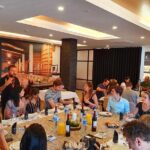
Also, the tour is offered in English and capped at 18 people. That size matters. Port tastings can turn into a free-for-all on big tours. Here, you’re more likely to actually hear what’s being explained at each stop.
Inside Vila Nova de Gaia: museum, cellar, and a Port producer’s story
Once you cross into Vila Nova de Gaia, the tour leans into the heart of the industry. You’ll visit a major Port producer with a guided museum and cellar experience. This is where the brand becomes more than a label. You’ll get context on Port’s history and how the production process connects to the Douro Valley.
The value here isn’t only the building. It’s the way it frames Port as a system:
- where it’s made (Douro Valley context),
- what happens after (aging and storage),
- and why Port styles behave differently once bottled.
You’ll also see how a prestigious producer presents its story—useful even if you plan to shop wine later. You learn what you’re paying for: not just the name, but the craft, aging decisions, and production logic.
The big tasting moment: Reserve White and Reserve Tawny
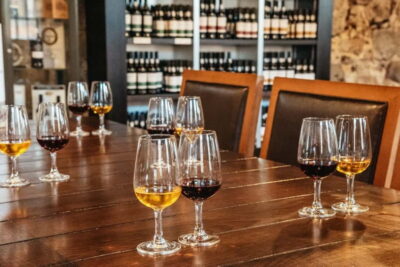
After the museum/cellar portion, you move into a guided tasting of Reserve White and Reserve Tawny Port. This is a key educational step because it teaches you how Port families differ. And when the guide explains the differences, the goal isn’t trivia. It’s making you confident enough to choose what you actually enjoy later in a shop.
Here’s the practical takeaway I’d use on your next wine purchase:
Tawny and White often get described in ways that sound similar if you only look at flavors. But by the time you taste and compare, you start recognizing patterns—how sweetness, age, and style shift the glass. You won’t just remember what you liked; you’ll understand why it’s in that category.
This section also sets you up for the younger, fruit-forward style you taste later. Reserve categories help your palate “calibrate” before Ruby shows up.
The interactive cellar-to-center stop: barrels, cork, and young Ruby
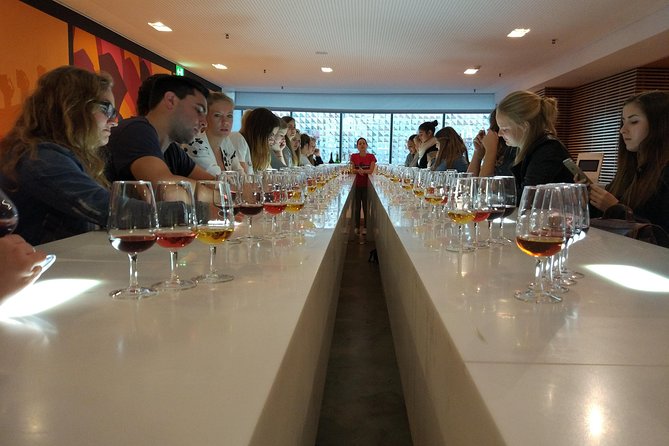
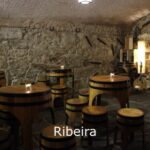
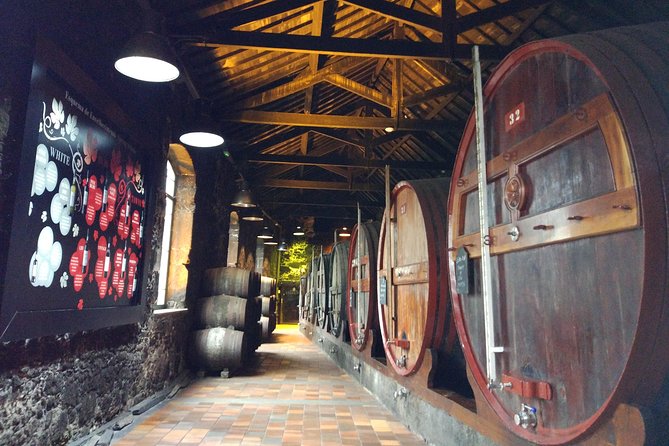
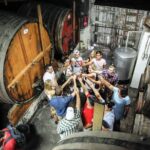
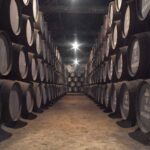
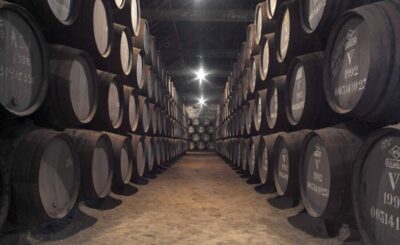
Next comes an older cellar that’s been turned into an interactive visitor center. This part feels like a bridge between traditional wine heritage and modern learning.
You’ll focus on:
- the barrels where Port wine is stored,
- how cork is produced,
- and how those details connect back to the final bottle.
Then you taste a young Ruby Port. Ruby is a great counterpoint after Tawny and White because it typically emphasizes freshness and youthful fruit character. If you’ve been curious whether Port is only caramel-aged sweetness, Ruby helps reset that assumption fast.
If you’re a Port newbie, this sequence is extra helpful. It gives you variety without leaving you drowning in new terms. You learn the “families,” then you taste examples of different approaches.
More Porto days out worth booking

Douro Valley interpretation + the Port pairing workshop
One more stop brings you to an interactive Port interpretation center focused on the Douro Valley, often described as the oldest wine region in the world. The point here isn’t only scale; it’s teaching how the region feeds into Port production and why Port tastes the way it does.
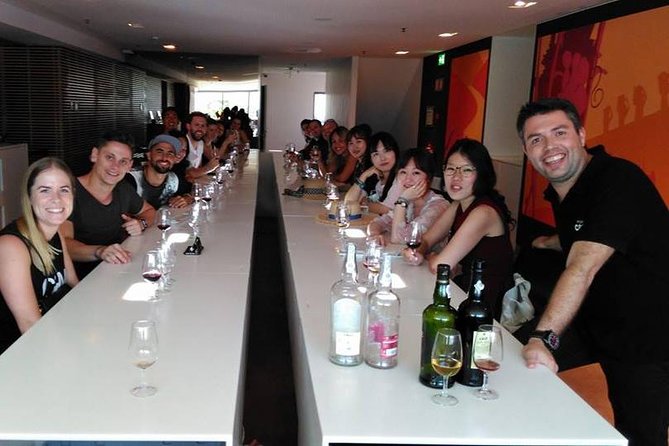
Then you get an exclusive tasting workshop. This is one of the most useful parts of the entire experience because it shifts you from drinking as a stand-alone activity to tasting as a food tool.
You’ll learn:
- how to approach different Port wines during a structured tasting,
- and how best to pair Port with food.
Even if you don’t want to become the kind of person who plans dinner around wine pairings, this still helps. A workshop gives you rules you can actually remember when you’re eating on a visit: salty vs sweet, richness vs fruit, and how dessert-like textures can work with Port instead of fighting it.
Scenic terrace finish: Porto views on the Gaia side
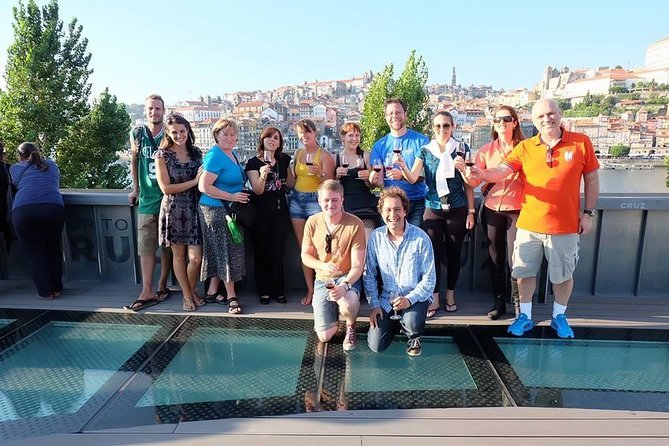
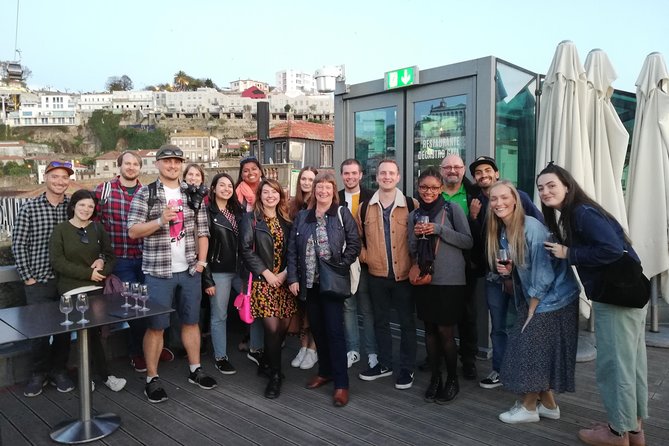
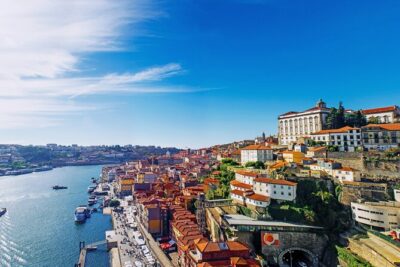
The tour ends with scenic views over Porto from the center’s terrace, and you finish at Av. de Diogo Leite 135 in Vila Nova de Gaia. Ending with a view is more than a pretty bow. It gives you a moment to settle your palate and digest everything you learned—before you head off to dinner.
It also helps you connect the geography. Porto isn’t just a backdrop; it’s why Gaia matters. By the time you look back over the river, you understand why so much Port history lives on this side: shipping, storage, and the industry’s old habits all grew around the waterfront.
Price and value: is $62.88 worth it?
At $62.88 per person, this tour feels like value if you care about both tastings and explanation. You’re getting:
- 7 Port tastings,
- entry to multiple lodge/visitor spaces,
- a local English-speaking guide,
- and visits to 3 Port houses.
Let’s put that in real-world terms. Tastings alone in Porto and Gaia often add up quickly. Add in museum/cellar access and a structured workshop, and the cost starts to look more like a packaged education than a simple drink stop.
Also, small group size (max 18) usually improves the experience. When guides can manage a group without shouting, you get better explanations and faster pacing. It’s not guaranteed, but it’s a meaningful advantage.
What to expect from guides: the fun, not the lecture
The strongest, most repeated theme in the experience quality is the guide’s role. Names like Kevin, Alex, Cyril, Lara, Seral, and Cerio show up in the best moments—people consistently praised how guides combine history with humor and a welcoming group vibe.
You should expect a guide who:
- keeps the learning light but structured,
- explains Port types in plain language,
- and keeps the group moving without making it feel rushed.
That said, a tasting tour can’t be perfect every minute. In some cases, there can be a section with less immediate sipping if the group is moving through a presentation or a more classroom-like segment. If you know you get impatient during theory, just remind yourself the tastings are spread out across stops, not crammed into a single room.
Who this tour suits best (and who might skip it)
This tour is best for you if:
- you want a Port-focused walk with real bottle-to-tasting education,
- you like visiting multiple producers instead of only one big brand,
- and you want guidance on pairing Port with food.
It might be less ideal if:
- you hate walking on uneven streets (even though the tour is not long, it is still mostly on foot),
- you want an entirely relaxed sit-down pace,
- or you’re looking for a purely social drinking session with minimal explanation.
Should you book this Port Wine Lodges Tour?
I’d book it if you want the smartest use of a half-day in Porto and Gaia. It covers the big things that matter for Port: how it’s produced, how styles differ, and how to taste with intention. The 7 tastings plus workshop is the main reason—this isn’t just a quick stop at a cellar door.
Before you go, do two practical things:
- plan a snack or light meal beforehand, since lunch and snacks aren’t included,
- and bring comfy shoes for cobbles and short indoor transitions.
If you’re excited by the idea of learning how to identify Port types (not just choosing what tastes best), this tour will make your next Port purchase in Portugal feel a lot easier.
FAQ
How long is the Port Wine Lodges Tour?
It runs for about 3 hours 30 minutes (listed as approximately 4 hours), and it’s all walking.
Where is the meeting point?
You meet at Pilares da Ponte Pênsil (port tour) Ribeira, 4000-509 Porto, Portugal, by the pillars of the old Pensil bridge near D. Luís Bridge on Porto’s side.
Where does the tour end?
It ends on the Gaia side at Av. de Diogo Leite 135, Vila Nova de Gaia.
What’s included in the tasting?
You get 7 Port wine tastings, plus visits to 3 Port houses.
Is lunch or food included?
No. Lunch, food, and snacks aren’t included.
What’s the minimum drinking age?
You must be at least 18 years old.
Is it okay to cancel if plans change?
Yes. You can cancel for a full refund up to 24 hours before the experience’s start time. Within 24 hours, the amount paid isn’t refunded.
More Tours in Porto


More Tour Reviews in Porto
More Gaia Cellars Worth the Crossing
Fresh in the Porto notebook

Port Wine Cellars & Tastings, compared.
 ★ 4.2Bridges Cruise & Sunset & Port Wine Cellar OptionFrom $214,180 reviews
 ★ 4.4Cálem Cellar Tour, Fado Show & Wine TastingFrom $333,530 reviews
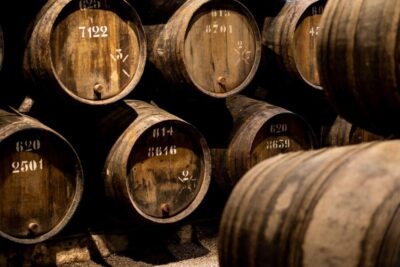 ★ 4.6Taylor’s Port Cellars & TastingFrom $293,374 reviews
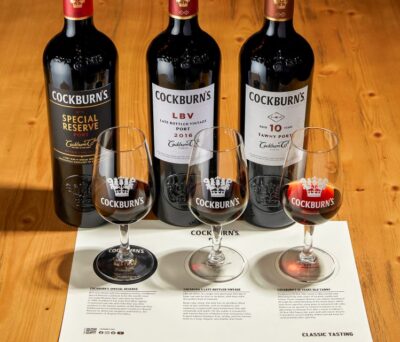 ★ 4.8Cockburn’s Port Lodge Tour and TastingFrom $353,360 reviews
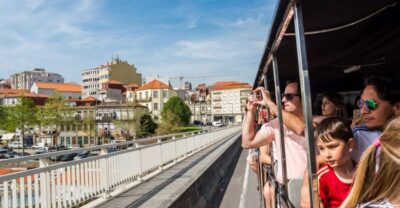 ★ 3.9City Train Tour, River Cruise & Wine CellarFrom $432,601 reviews
 ★ 4.8Douro River Boat Cruise with Port Wine TastingFrom $471,627 reviews
 ★ 4.8Graham’s Port Lodge Tour with Premium Wine TastingsFrom $471,547 reviews
 ★ 4.8Vila Nova de Gaia: Port Wine Tasting with Cheese PairingFrom $301,074 reviews
Browse the lists this tour appears in