
Reviewed · PORTO CITY WALKS
Porto: Flexible Walking Tour in Medieval Area
Porto’s old streets don’t waste your time. This 2-hour self-guided medieval walk uses the Walkbox app to turn key landmarks—like Sé Cathedral and the Barredo Stairs—into an easy route you can do on your schedule. I especially like the offline audio and the fact you get lots of specific stops without needing a live guide. One thing to plan for: there’s real climbing and some stairs, so it’s not suitable for mobility impairments.
You start at Praça da Ribeira and work your way through Porto’s medieval core at your own pace, with stories and practical pointers playing automatically as you walk. I also like the value here: for $7 per person, you get a full route, content in multiple languages, and remote help if your phone misbehaves. The main drawback is that you have to manage it yourself—bring a charged smartphone and comfy shoes, and you’ll be fine.
In This Review
- Key Points I’d Bet Your Trip On
- Why This Walk Works in Porto’s Medieval Center
- Starting at Praça da Ribeira: The Douro View Launch Pad
- Ribeira Wharf and Bacalhoeiros Wall: Riverfront First
- Mercadores Street Climb: The One Stretch You Should Take Seriously
- Pena Ventosa Square: Low-Door Houses and Medieval Street Texture
- Grilos Church: A National Monument Moment
- Colégio Square Viewpoint: Stop for the Lookback
- Porto’s Old Streets: Aldas and Pena Ventosa Lanes
- Sé Cathedral Square: The Grand Payoff of the Walk
- Cloister to Cloister-Adjacent: Where Time Feels Different
- Verdades and Barredo Stairs: The Scenic Return to Ribeira
- What You Get for $7: Value That Actually Adds Up
- Logistics That Matter: Phone, Pace, and Self-Guided Reality
- Who Should Book This Porto Medieval Walk
- Should You Book This Walkbox Medieval Tour of Porto?
- FAQ
- How long is the Porto flexible walking tour?
- Where does the tour start and end?
- Is there a live guide on this experience?
- Does the tour work offline and what languages are available?
- Are tickets to paid attractions included?
- Is this tour suitable for people with mobility impairments?
Key Points I’d Bet Your Trip On
- Offline Walkbox audio keeps you from getting lost and saves phone data.
- Do it in parts over 5 days, so timing fits your Porto day.
- Sé Cathedral area plus nearby sites give you big payoff per minute.
- Steep section + stairs: plan slower pace and good footwear.
- Remote curator support by WhatsApp or SMS if you need help.
More routes on foot through Porto
- Porto Walking Tour, Lello Bookshop, River Cruise and Cable Car★ 5.0 · 3,354 reviews
- Porto: City Highlights 3-Hour Guided Electric Bike Tour★ 4.8 · 3,092 reviews
- Experience Porto’s Charm: 3-Hour Guided Walking Tour★ 5.0 · 2,432 reviews
- Porto: 3-Hour Guided City Highlights Walking Tour★ 4.8 · 2,050 reviews
Why This Walk Works in Porto’s Medieval Center
Porto’s medieval area can feel like a maze—pretty, but easy to wander past the good stuff. This tour is designed for people who want structure without the stress of a group. The big idea is simple: you follow a set route, but the experience is built around audio stories you control.
Walkbox acts like your pocket companion. You get English, Portuguese, French, and Spanish content, and it works offline. As you move, the audio plays automatically, which is handy when streets twist and you don’t want to stop every ten minutes to tap a screen.
The route is also planned around actual Porto movement: start by the river, climb into the medieval lanes, then loop back down. That makes it feel like you’re tracing how people historically moved through the city, not just ticking off photos.
Starting at Praça da Ribeira: The Douro View Launch Pad
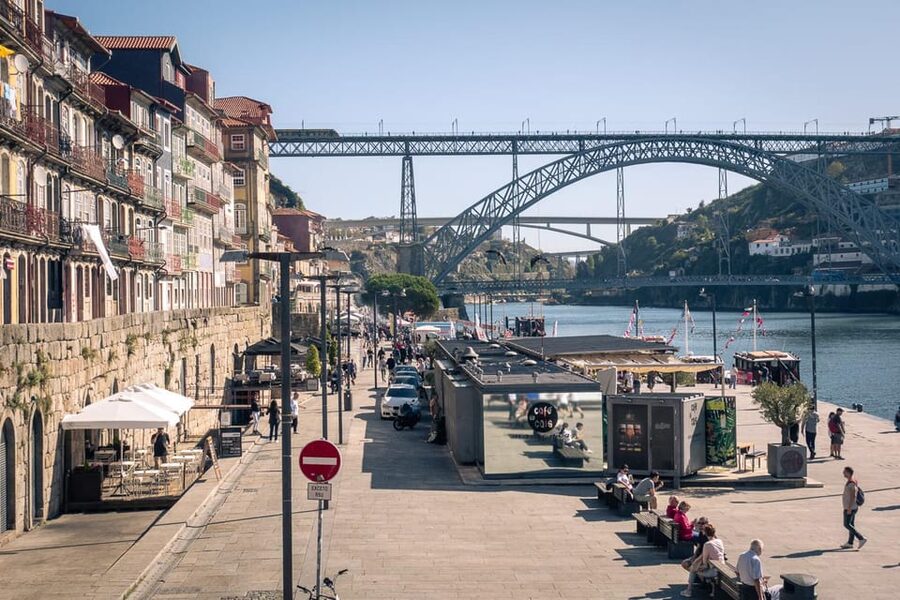
Your tour begins and ends at Praça da Ribeira, near the Douro River. If you’re already in this part of town, you don’t need to solve a transit puzzle. It’s also a good starting point because you get your bearings fast: the river, the waterfront energy, and the sense that you’re about to leave the busiest zone behind.
From here, the tour immediately orients you for what comes next. Even before you start climbing, you’ll be thinking about the geometry of Porto—river lower, city higher, streets layered like steps. You’re not just walking; you’re getting a sense of why the city looks the way it does.
Bring a charged phone. Bring good shoes. The tour is described as easy to follow overall, but it includes a 70m climb over about 500m (average slope around 14%) plus stairs later.
Ribeira Wharf and Bacalhoeiros Wall: Riverfront First
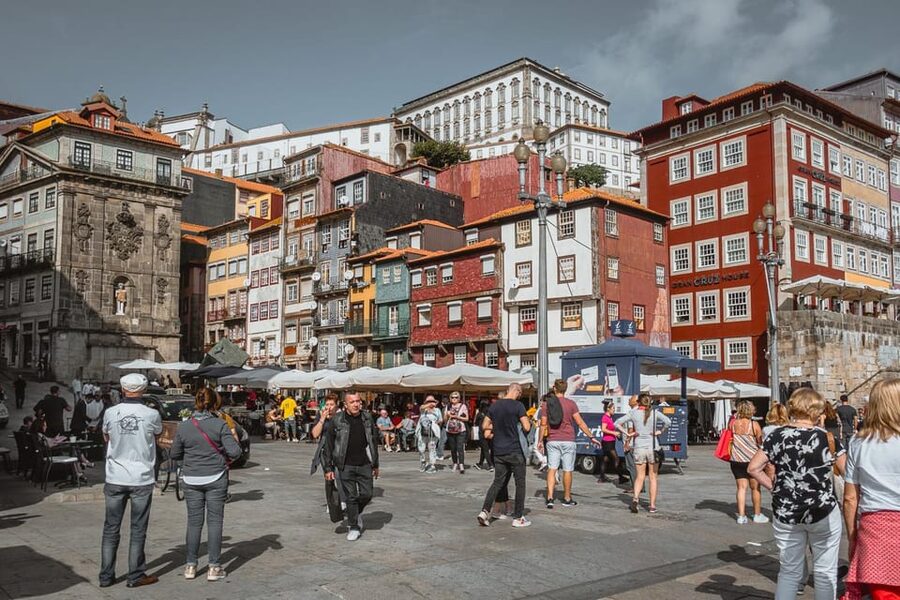
The early part of the walk takes you through the Ribeira Wharf and past the Bacalhoeiros Wall. This is where Porto’s waterfront story starts making sense. You’re not far from the river, and the walk helps connect the city’s medieval core with its historic role as a working port.
This is a smart opening for a self-guided tour. Riverfront streets are easier to navigate and they give you a calm warm-up before the steep section. If your plan is to do part of the tour later, this opening segment is a good place to break away and return.
Mercadores Street Climb: The One Stretch You Should Take Seriously
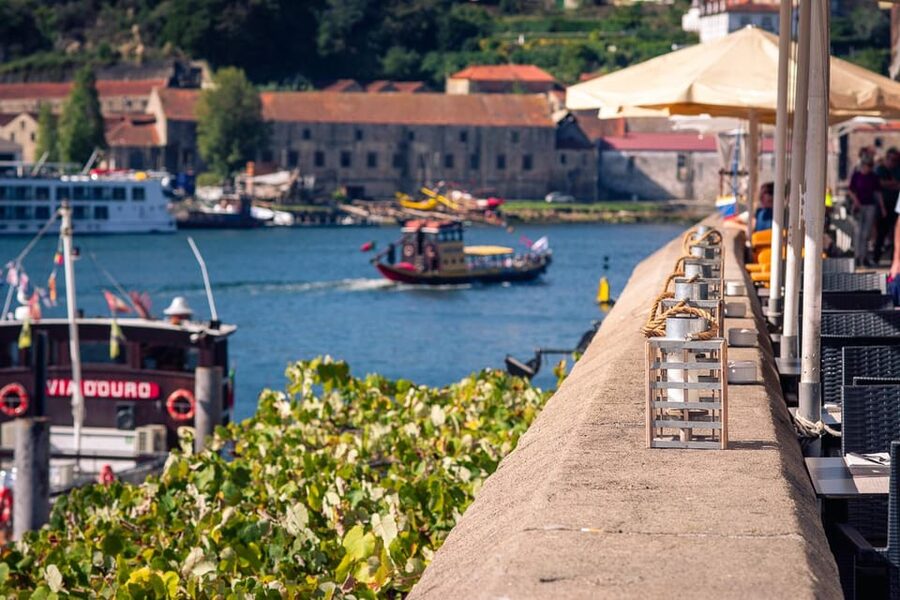
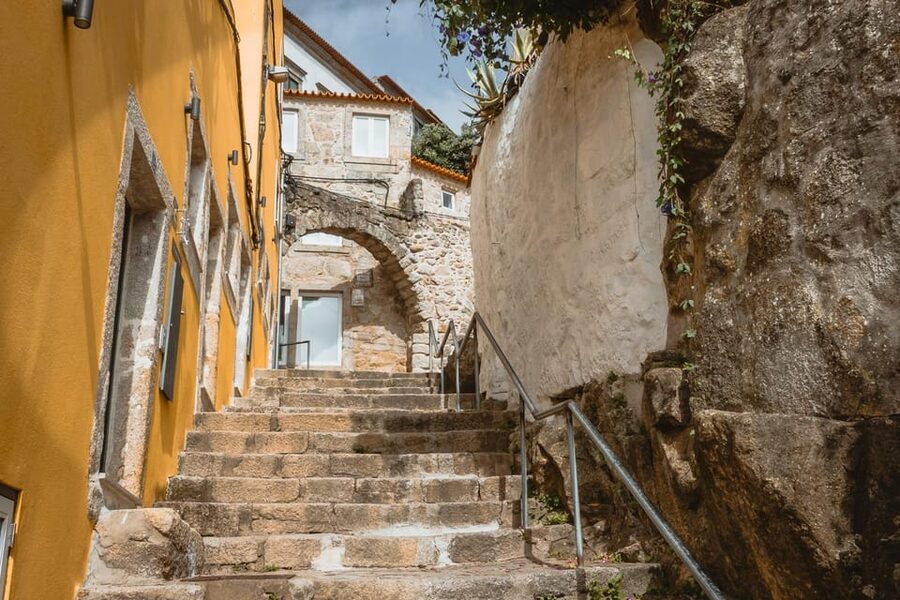
After enjoying the riverside views, the route ascends Mercadores Street toward the medieval heart of Porto. This is the tour’s main physical challenge. The description flags the steep climb: about 70m over 500m, which is a real grade.
If you’re the type who likes to move quickly, slow down here. You’re not racing a finish line—you’re saving your energy for the cathedral area and the final stair descent. Think of it like this: a careful climb buys you more time for photos, viewpoints, and lingering at the stops that matter.
Good shoes help most on this kind of slope. If your legs tend to feel it, plan to take a short pause once you catch your breath.
More Porto days out worth booking





Pena Ventosa Square: Low-Door Houses and Medieval Street Texture
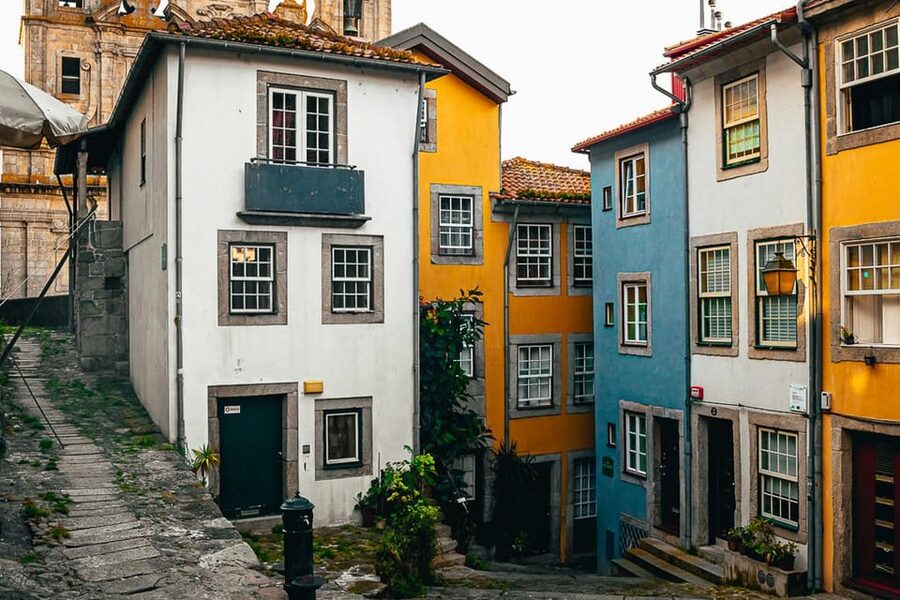
Next you reach Pena Ventosa Square, a place known for charming low-door houses. This matters because Porto’s medieval architecture isn’t just about grand monuments. It’s also about everyday design choices that shaped how people lived close together in narrow streets.
Pena Ventosa Square is a turning point in the tour. It shifts you from river-and-port visuals into the intimate feel of older Porto—tight streets, small plazas, and the sense of being tucked inside a historic neighborhood.
If you want an easy win from a self-guided walk, this is it: the architecture is visually strong, and the square gives you a natural place to stop without feeling like you’ve wandered too far.
Grilos Church: A National Monument Moment
The tour then includes Grilos Church, listed as a revered National Monument. Churches like this often reward you for slowing down, because the details can be hard to notice when you’re hurried or surrounded by a crowd.
In a self-guided setting, monuments like Grilos work especially well. The audio storytelling format is built for you to look around, listen, and then look again. You get time to connect the setting with what you’re seeing—without needing to guess what’s important.
This is also a good check-in point for pacing. If you’re ahead of time, you can linger. If you’re tired, you can keep moving and still have the big sights ahead.
Colégio Square Viewpoint: Stop for the Lookback
From the Grilos area, you head toward Colégio Square viewpoint for breathtaking views. Viewpoints are more than photo spots on a route like this. They help you understand Porto’s layers—how high ground sits above the river and how neighborhoods stack over time.
When I’m choosing a walking route, I always watch for a viewpoint at the right moment. This one comes after you’ve climbed, which means the view feels like a payoff rather than a distraction.
If the weather is clear, take your time. If it’s windy or rainy, you still get the sense of place, but keep it short and move on.
Porto’s Old Streets: Aldas and Pena Ventosa Lanes
The route continues through Porto’s oldest streets, including Aldas and Pena Ventosa, with traditional low-door homes along the way. This section is all about texture: small street geometry, older building lines, and street-level architecture that makes Porto feel lived-in.
This is where self-guided tours can either shine or disappoint. The shine comes from audio guidance that keeps you oriented so you don’t end up walking in circles. Here, you’re given a planned path through these lanes, so the walk stays purposeful even when streets narrow.
It’s also a nice segment to do slowly. Even if you don’t stop for every stop, you’ll notice how the city changes as you move toward the cathedral zone.
Sé Cathedral Square: The Grand Payoff of the Walk
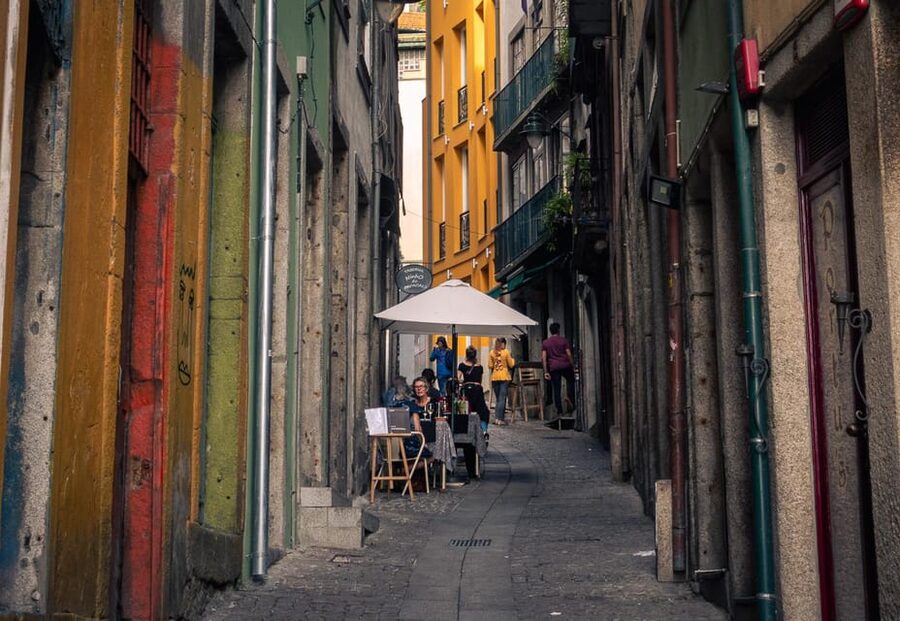
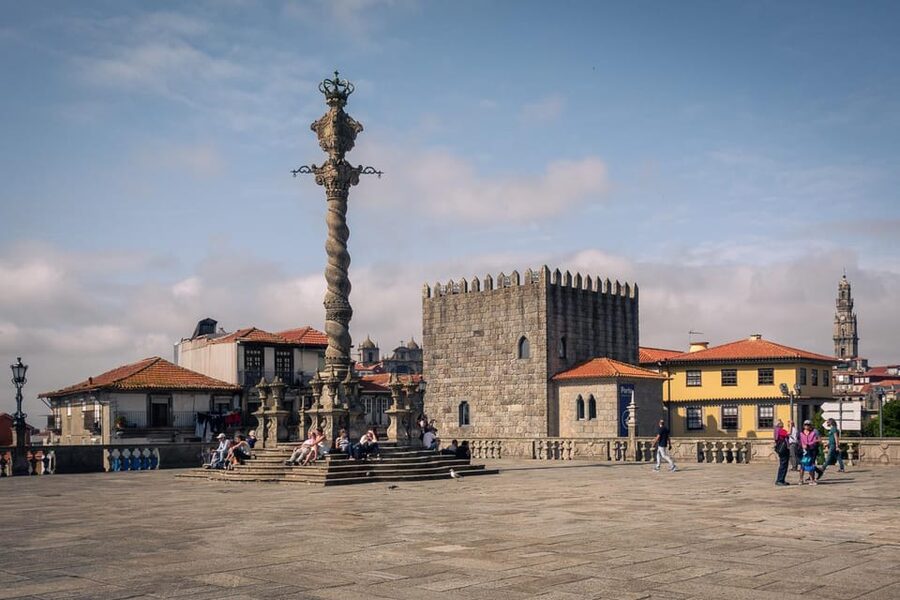
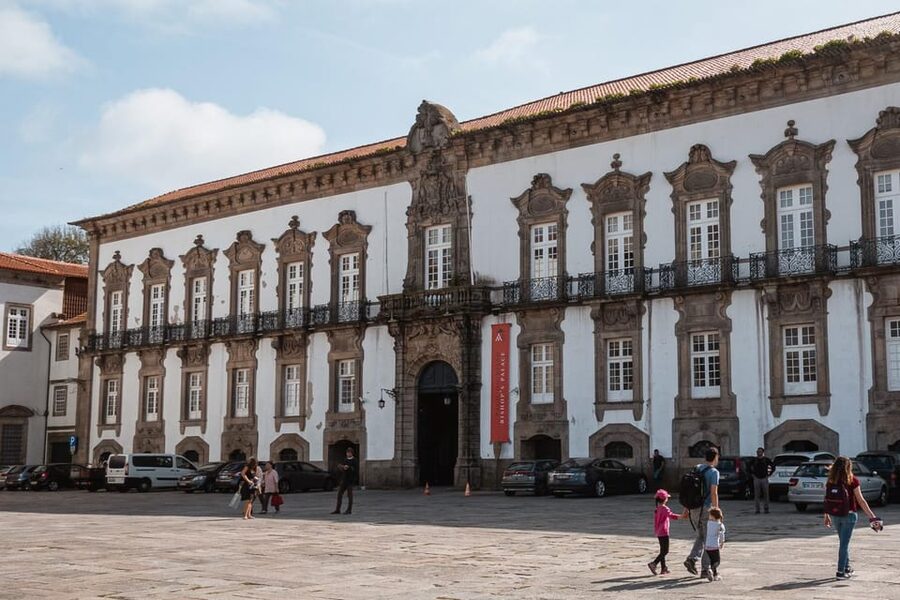
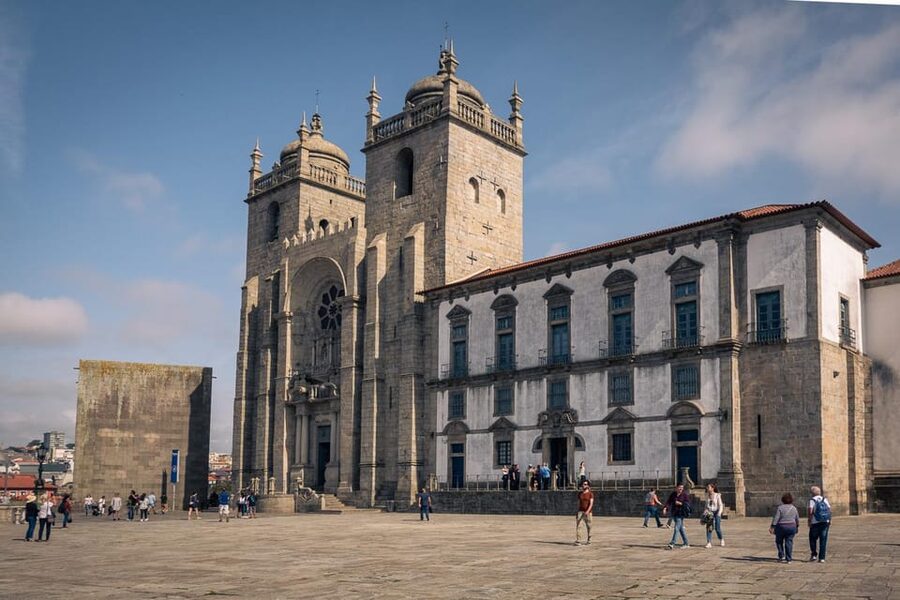
At Sé Cathedral Square, the tour centers on Porto’s major complex: Porto Cathedral (Sé), the Cloister, the Treasury Museum, and the Bishop’s Palace. This is the biggest concentration of landmarks on the route, and it’s why the climb is worth it.
You can think of this section as two experiences in one:
1) the exterior and square-level feel (you see the scale),
2) the cathedral complex (you get close and slow down).
The tour includes help with prices and opening hours for attractions where applicable, which is useful because cathedral-area sites can have specific visiting rules. Keep in mind the tour does not include paid tickets, so if you want museum or treasury access, you’ll need to plan for that separately.
Even if you only focus on the main cathedral area, Sé Cathedral Square alone is often enough to justify the effort of the entire loop.
Cloister to Cloister-Adjacent: Where Time Feels Different
The cathedral complex is exactly the kind of place that can eat up an hour without you noticing. The audio stops and stories help you pace it better. You’re not just staring at stone; you’re connecting what you’re looking at with what it meant and how it sits in the city.
I like that this tour doesn’t force a rigid group schedule inside the complex. Since it’s self-paced, you can do a quick version if you’re short on time, or stretch it out if you’re the slow-and-curious type.
If you’re bringing a friend or traveling as a couple, agree in advance on your style: quick glance plus photos, or full stop-and-read with the audio.
Verdades and Barredo Stairs: The Scenic Return to Ribeira
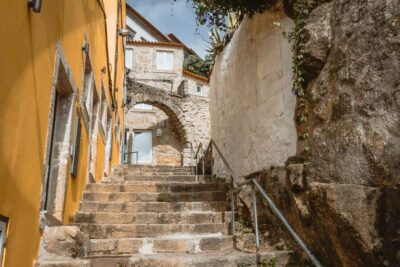
After Sé Cathedral Square, the tour ends with a descent through Verdades and the Barredo Stairs, bringing you back to Ribeira and completing your loop. This is a satisfying pattern: climb into the city, then finish with a dramatic staircase return.
Stair descents can be tough on knees, but they’re also where Porto shows off. You get longer sightlines, shifting street angles, and the sense of moving back down through the city’s layers.
This final segment is also a good moment to adjust your pace. If you still have energy, linger briefly at the stairs and viewpoints. If you’re tired, focus on the walk and save extra wandering for later.
What You Get for $7: Value That Actually Adds Up
The price is listed as $7 per person, and for that you’re buying more than a route. You’re getting:
- a set loop totaling about 2 km
- over 40 points of interest
- audio and storytelling content in four languages
- offline app support
- remote support from a curator before and during your tour (via WhatsApp or SMS between 8:00 AM and 8:00 PM)
- emergency assistance by phone
Here’s the practical value: you get flexibility. You can start anytime within 5 days of your booking date, and you can do the tour in full or in parts. That matters in Porto, where weather and energy levels can change quickly.
Also, you’re not paying for museum tickets in the base price. That sounds like a downside, but it’s actually fair. It keeps the tour affordable, and you can choose what to pay for based on your interests.
If you compare this to a traditional guided walk, the difference is obvious: you’re doing it with an app instead of a person. If you prefer conversation with a live guide, this won’t match that. If you like control and self pacing, the price-to-flexibility ratio is strong.
Logistics That Matter: Phone, Pace, and Self-Guided Reality
This tour is self-guided, with no live tour guide. That’s not a hidden trick; it’s the core format. So your success depends on two things: your phone and your walking rhythm.
Plan around the phone:
- keep it charged
- have access to the Walkbox experience offline as instructed (the tour provides instructions after booking)
- follow the audio cues so you don’t miss turns
Plan around your body:
- expect the steep Mercadores Street climb
- expect stairs later
- take breaks if you need them; the tour is designed for your pace
Also note an important operational detail: you should book based on the number of participant smartphones used, not just how many people you’re traveling with. That’s how the app delivery is meant to work.
Who Should Book This Porto Medieval Walk
I’d recommend this tour if you:
- want Porto’s medieval core without committing to a group meeting time
- like walking at your own pace, with your own breaks
- prefer audio guidance over guessing your way through narrow streets
- want a route that covers major sights like Sé Cathedral and the Barredo Stairs without a complicated plan
I would skip it if:
- you have mobility impairments and need a fully accessible route (it’s listed as not suitable)
- you hate self-guided experiences and want a live guide to answer questions on the spot
If you’re visiting Porto for the first time, this walk is also a smart way to understand the city’s layout quickly: river, climb, cathedral square, stair descent.
Should You Book This Walkbox Medieval Tour of Porto?
If your goal is a well-marked medieval route with a phone-based guide, this is a good booking. For $7, you get an organized loop starting and ending at Praça da Ribeira, a built-in set of 40+ points, and the kind of flexibility that lets you adjust when Porto weather or your energy changes.
Book it if you’ll use the smartphone thoughtfully and you’re okay with stairs and a steep climb. Don’t book it if you need a fully accessible walking plan or if you want a live guide doing all the talking.
FAQ
How long is the Porto flexible walking tour?
The duration is listed as about 2 hours, with the note that you should check availability to see starting times. The tour typically takes about 2 to 3 hours depending on your pace and which stops you choose to enjoy.
Where does the tour start and end?
The tour starts at Praça da Ribeira near the Douro river and ends back at the same meeting point.
Is there a live guide on this experience?
No. Guidance is provided through the Walkbox app, not through a live tour guide.
Does the tour work offline and what languages are available?
Yes. Walkbox works offline and includes content in English, Portuguese, French, and Spanish.
Are tickets to paid attractions included?
No. Tickets to paid attractions are not included, even though the tour information notes pricing and opening hours where applicable.
Is this tour suitable for people with mobility impairments?
No. It is listed as not suitable for people with mobility impairments.
More Tours in Porto






More Tour Reviews in Porto


More of Porto on Foot




Fresh in the Porto notebook





Porto City Walks, compared.
 ★ 5.0Porto Walking Tour, Lello Bookshop, River Cruise and Cable CarFrom $723,354 reviews
 ★ 4.8City Highlights 3-Hour Guided Electric Bike TourFrom $513,092 reviews
 ★ 5.0Experience Porto’s Charm: 3-Hour Guided Walking TourFrom $352,432 reviews
 ★ 4.83-Hour Guided City Highlights Walking TourFrom $342,050 reviews
 ★ 4.4Wine Tasting with Tapas Walking TourFrom $531,541 reviews
 ★ 4.7Historic City Center Walking TourFrom $331,172 reviews
 ★ 5.0Porto’s #1 Walking TourFrom $01,026 reviews
 ★ 4.8Delicious Food and Wine Walking TourFrom $87977 reviews
Browse the lists this tour appears in