
Reviewed · PORTO CITY WALKS
Experience Porto’s Charm: 3-Hour Guided Walking Tour
Porto is best understood on foot. This 3-hour guided walk strings together the city’s big sights with the stories that explain why they’re there. You’ll start in the historic center (UNESCO listed), then move toward the Duoro for that iconic bridge-and-river payoff.
I like how the tour mixes Roman and Moorish roots with concrete photo stops like Porto Cathedral and Clerigos Tower. I also appreciate the pacing: you cover plenty of ground without turning it into a nonstop sprint.
One consideration: because it runs with live guides and real street time, the experience can feel a bit coffee-stop heavy or more/less historical depending on the guide and the weather.
In This Review
- Key highlights
- Getting Your Bearings in Porto’s Historic Center
- The City-Core Story: Romans, Moors, and the Walls You Can Still See
- Porto Cathedral and Clerigos Tower: Two Icons, Two Very Different Moods
- São Bento Station Tiles: The Stop That Teaches You How Porto Looks
- Mercado do Bolhão and the Majestic Area: Where the Tour Feels Local
- Lello & Irmão Bookstore: A Photo-Stop with a Pop-Culture Echo
- Ribeira Square and Dom Luis I Bridge: The Duoro Moment That Sums Up Porto
- Cais de Gaia, Cellars, and Port Wine Basics You Can Use Later
- Hills, Rain, and Shoe Choices That Actually Matter
- Price and Value: What You Pay for at $35.07
- Should You Book This Porto Walking Tour?
- FAQ
- How long is the Porto walking tour?
- How much does the tour cost?
- What language is the tour offered in?
- Where does the tour start?
- Is the tour ticket mobile?
- Are entrance fees included?
- Does this tour include food or drinks?
- Is there a lot of walking?
- Does the tour run in rain?
- FAQ
- Can I get a refund if I cancel?
- Do I need to arrive early?
- What group size should I expect?
- Is hotel pickup included?
Key highlights
- Small groups (max 15) that stay conversational instead of lecture-only.
- UNESCO historic center focus, so you get orientation fast in just 3 hours.
- Tile-spotting built in, especially at São Bento station with its famous panels.
- Photo anchor moments at Porto Cathedral, Clerigos Tower, and Dom Luis I bridge.
- Duoro + Port context at Cais de Gaia, including rabelo boats and fortified-wine basics.
- Rain-ready tour style, with guides adjusting to stay comfortable.
More routes on foot through Porto
- Porto Walking Tour, Lello Bookshop, River Cruise and Cable Car★ 5.0 · 3,354 reviews
- Porto: City Highlights 3-Hour Guided Electric Bike Tour★ 4.8 · 3,092 reviews
- Experience Porto’s Charm: 3-Hour Guided Walking Tour★ 5.0 · 2,432 reviews
- Porto: 3-Hour Guided City Highlights Walking Tour★ 4.8 · 2,050 reviews
Getting Your Bearings in Porto’s Historic Center
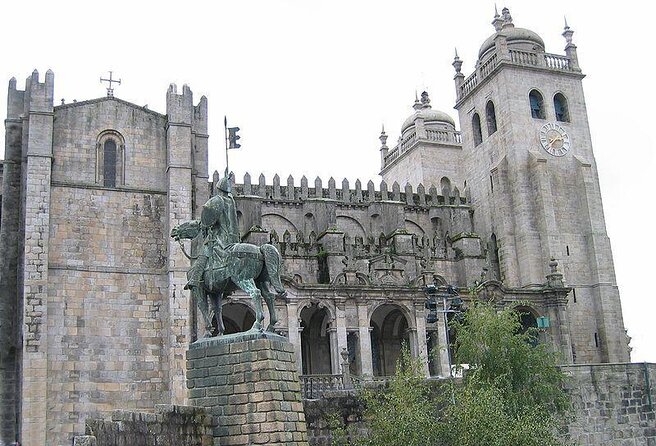
This tour is built for people who want to stop guessing and start exploring. You begin at Bluedragon City Tours at R. de Alexandre Herculano 251, then head straight into the UNESCO historic center area—where Porto’s power and pride show up in stone, tiles, and views.
Expect a small group atmosphere. Many of the guides I’m seeing referenced in real feedback keep the tone upbeat and give you room for questions. It’s the kind of setup where you learn the city map in your head while walking it, not just the dates.
Plan to check in about 15 minutes early. The tour runs in rain, too, so bring a jacket you can move in, not just an umbrella that fights the wind.
Practical value: once you understand where Aliados Avenue, Liberdade Square, and the river edge sit in relation to each other, planning the rest of your Porto days gets much easier. You’re not just ticking boxes—you’re building a mental route.
The City-Core Story: Romans, Moors, and the Walls You Can Still See
Your guide’s job here is to connect Porto’s architecture to the people who fought over it. You’ll learn the outline of Porto’s origins: it began as a Roman outpost, later came under Moorish rule, and much of the earlier life of the city was heavily disrupted in the 19th century by French forces.
Then the walk turns from story to scenery. You’ll pass or observe old Romanesque walls and move toward major landmarks in the historic heart, including Porto Cathedral. Even if you don’t go inside (entrance fees aren’t included), you’ll understand why the cathedral sits where it does and how it fits the wider religious and political shifts of the city.
This is also where the tour’s tile talk becomes useful. Santa Clara is part of the route, and you’ll notice Moorish tilework decorating building walls as you stroll. The guide explains what you’re looking at, so you don’t just see pretty patterns—you know what they mean in Porto’s layered cultural mix.
And then comes a key viewpoint-style moment without needing a viewpoint ticket: you’ll follow the line of Aliados Avenue toward Liberdade Square and listen to daily life in the street. That local sound track matters because it shows you what the historic core feels like now, not only what it looked like centuries ago.
Porto Cathedral and Clerigos Tower: Two Icons, Two Very Different Moods
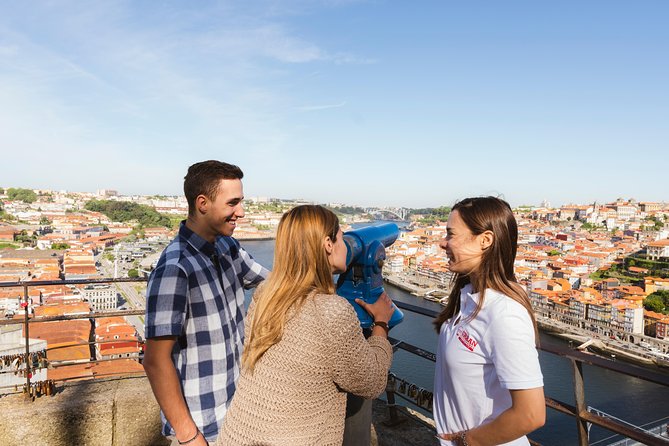
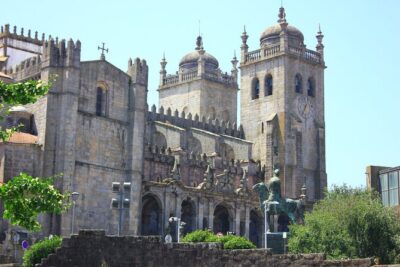
The Porto Cathedral stop is in the heart of the historic area. It’s one of the oldest monuments in Portugal, and it’s also a reminder that Porto built its identity by stacking eras on top of each other. Since entry isn’t included, you’ll want to treat this as an exterior-and-context stop unless you’re willing to add any separate ticket costs.
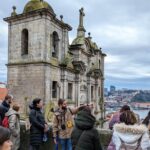
Next you’ll reach Clerigos Tower. This is the city’s skyline signature: the 18th-century church and tower in Baroque style. The tower was designed by Nicolau Nasoni, and it has been part of Portugal’s National Monuments program since 1910.
What I like about including Clerigos Tower on a walking route is the way it changes your sense of scale. Porto is hilly and compact; a tall landmark gives you a reference point when you’re moving from the city center toward the river.
If you like photography, this stop is built for it. Even if you don’t climb the tower, the architecture frames the city’s contrast: steep streets below, grand stone above.
São Bento Station Tiles: The Stop That Teaches You How Porto Looks
This is one of the easiest stops to love because it’s free and visually immediate: São Bento Railway Station. The station connects the Minho and Douro Valley rail lines, and the building shows French architectural traces brought into a Portuguese setting by architect José Marques da Silva. It opened on October 5th, 1916.
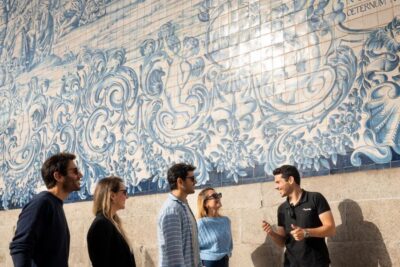
The real star is the tile panels. You’ll see a whole story written in blue-and-white scenes—exactly the kind of Porto detail that’s hard to learn from a brochure. The guide’s job is to help you read the imagery rather than just notice it.
If you’re doing Porto for the first time, this station stop does double duty. It’s a break from walking, and it gives you a shortcut to understanding how Porto communicates identity through craft.
More Porto days out worth booking





Mercado do Bolhão and the Majestic Area: Where the Tour Feels Local
After the big architectural hits, the walk shifts into everyday Porto. Mercado do Bolhão is one of the city’s emblematic markets, housed in a neoclassical building. It’s arranged by product areas—fish, meat, vegetables, fruits, and flowers—so it’s easy to see how locals shop and snack.
Since this stop doesn’t require an entrance ticket, it’s a low-stress way to watch street life without committing to a long museum-style visit.
Then there’s a café stop tied to the Majestic area. Café Majestic is famous for its Belle Époque look: carved wood, mirrors, and chandeliers. It was even noted as one of the most beautiful coffee shops in the world in 2011, which is part of why it’s such a magnet for photos.
A small heads-up from lived experience: coffee breaks can run a little long on some days. If you’re sensitive to sitting around, I’d treat this as a chance to hydrate and recover, not a timed sprint. In practical terms, it keeps you moving through the hills without burning out.
Lello & Irmão Bookstore: A Photo-Stop with a Pop-Culture Echo
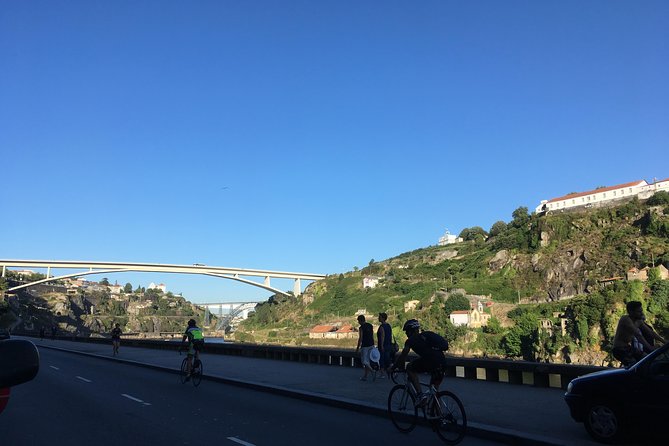
Lello & Irmão is on the route, and it’s easy to understand why people stop for a look. The famous staircase has been described as an inspiration for the Hogwarts stairways, and J.K. Rowling lived in Porto at one point, which is part of the reason the bookstore got extra global attention.
In this kind of walking tour format, you’re typically there for the exterior and the story—so if you want to go inside, plan for separate arrangements. But even without entry, the stop works well because it anchors Porto’s creative side beside the city’s religious and political monuments.
This is also a good moment for your guide to explain how Porto’s past feeds modern identity. You’ll see the city’s charm isn’t only old stone; it’s also contemporary fascination.
Ribeira Square and Dom Luis I Bridge: The Duoro Moment That Sums Up Porto
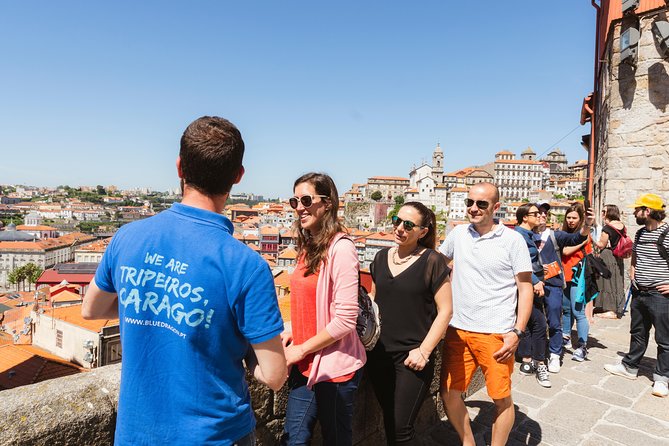
By the time you reach Ribeira Square, you’re in the Porto that looks like a postcard but still feels like a working neighborhood. Ribeira is one of the oldest areas and is included in the UNESCO site listing. It sits along the river, and yes, you’ll find restaurants and bars—but you’ll also see the geography that makes the whole place make sense.
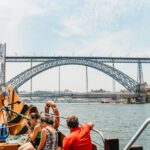
Then you head to Dom Luis I Bridge. This is the iconic metal bridge linking Porto and Gaia, built between 1881 and 1888. It’s a double-decker bridge, designed by Gustave Eiffel’s protege, with an Eiffel touch.
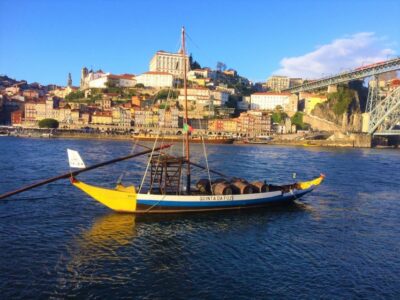
This is where the tour’s river storytelling becomes useful. You’ll look toward the Duoro and hear about traditional rabelo boats—the wooden boats that once transported grapes to cellars. That bit of context makes the river feel connected to wine production, not just scenic water.
If you’re the kind of traveler who likes to know why a place matters, this is the payoff. Porto’s economy wasn’t only ships and trade; it was also grapes, barrels, and the logistics of moving them downhill to the Douro edge.
Cais de Gaia, Cellars, and Port Wine Basics You Can Use Later
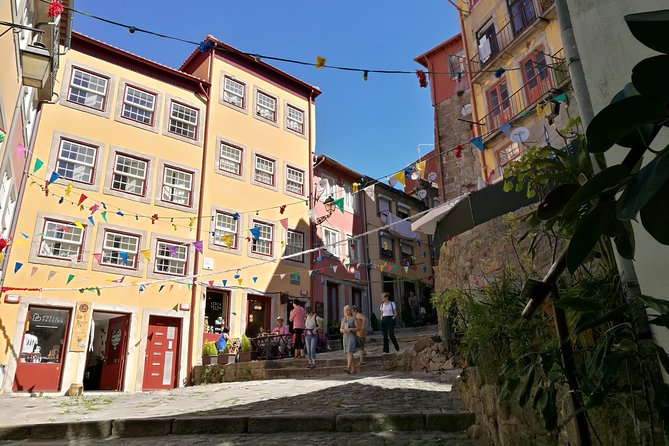
After the bridge crossing, you’ll promenade along Cais de Gaia, with cellars lining the waterfront. This section is where the tour shifts from architecture to production—the human work behind the “Port” label.
You’ll learn how Port (fortified wine) is made at a high level and understand why those cellars belong right here on the riverfront. The guide talks you through how grapes moved, how wine became a fortified product, and why Porto built its wealth around this trade.
Even if you don’t tour a specific cellar during this 3-hour walk, you’ll walk away with enough background to appreciate what you see if you book a tasting later. And because the guide connects the dots to the bridge and the river transport story, it sticks.
Hills, Rain, and Shoe Choices That Actually Matter
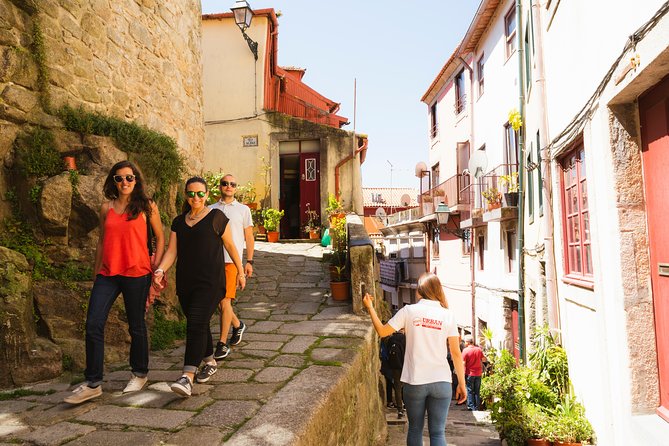
Porto is hilly. This tour is a walk through those hills with frequent stops. Guides in the feedback I’m seeing often keep the pace manageable, but the advice is consistent: wear comfortable shoes.
You’ll be out in rain, so dress for wet sidewalks and wind. One of the best things about this tour style is that guides adjust when the weather turns ugly. In heavy rain, they’ll look for indoor or sheltered shortcuts so you don’t spend the whole time battling the elements.
If you’re traveling in a group size where you can’t spread out much, this flexibility makes a difference. You’ll still see the main sights, and the tour doesn’t fall apart the moment the sky changes.
Price and Value: What You Pay for at $35.07
At $35.07 per person for about 3 hours, you’re paying for something more than route planning. You’re paying for live commentary, local storytelling, and a curated sequence of stops in a tight time window.
Here’s what that value looks like on the ground:
- You get a guide with live narration across multiple UNESCO core sights and the riverfront.
- You cover major photo anchors (Cathedral, Clerigos Tower, Dom Luis I bridge).
- You learn how the city’s layers connect—Roman origins, Moorish influence, and the later shifts that shaped what you see today.
- You’re in a max 15-person group, which keeps questions possible.
What’s not included is just as important: entrance fees and food or drinks aren’t part of the ticket. Some landmarks on the route are ticketed (like Porto Cathedral), so you may choose to view from outside or add entrances later based on your interests.
Also, you’re not paying for hotel pickup. That’s normal in city walking tours, but it means you should arrive ready to start at the meeting point.
Bottom line: if you want orientation and context in one afternoon, this price feels fair for what you get.
Should You Book This Porto Walking Tour?
Book it if you:
- Want a fast orientation to Porto’s UNESCO historic center plus the river and bridge.
- Like learning how architecture connects to real events like Roman roots and Moorish-era influence.
- Prefer small groups where you can ask questions rather than stand in a big crowd.
- Plan to return to sights later on your own. This kind of tour helps you know what’s worth extra time.
Consider skipping or adjusting your expectations if you:
- Hate sitting in cafés and find any break annoying. The walk includes a café stop.
- Have very specific needs for entrances. Some major sites are on the route, but entrance fees are not included.
- Are extremely sensitive to guide-to-guide differences. The overall rating is strong, and many guides are praised, but any walking tour depends on who’s leading that day.
If you’re arriving in Porto for the first time, I think this tour is one of the cleanest ways to get your bearings fast—then spend the rest of your trip following your own curiosity.
FAQ
How long is the Porto walking tour?
It’s about 3 hours.
How much does the tour cost?
The price is $35.07 per person.
What language is the tour offered in?
It’s offered in English.
Where does the tour start?
The meeting point is R. de Alexandre Herculano 251, 4000-053 Porto, Portugal.
Is the tour ticket mobile?
Yes, it uses a mobile ticket.
Are entrance fees included?
No. Entrance fees are not included.
Does this tour include food or drinks?
No, food and beverages aren’t included.
Is there a lot of walking?
There’s a small amount of walking, but you should wear comfortable shoes. Some up-and-down hills are part of Porto.
Does the tour run in rain?
Yes. The tour operates in the rain, so check the weather and dress accordingly.
FAQ
Can I get a refund if I cancel?
Free cancellation is available up to 24 hours in advance for a full refund.
Do I need to arrive early?
Yes. You must check in 15 minutes prior to the tour start.
What group size should I expect?
The tour maximum is 15 travelers.
Is hotel pickup included?
No, hotel pickup and drop-off aren’t included.
More Tours in Porto





More Tour Reviews in Porto

More of Porto on Foot


Fresh in the Porto notebook
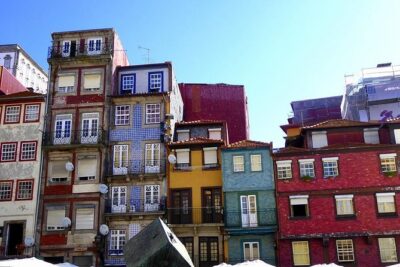
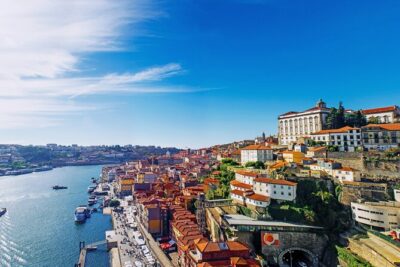


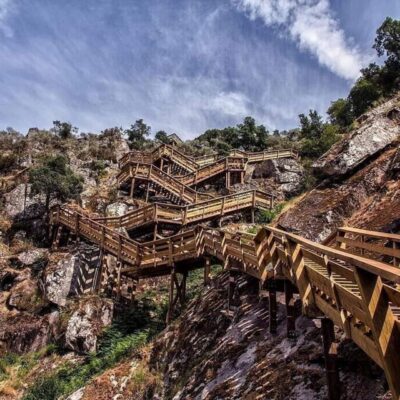
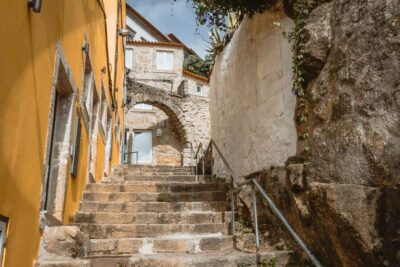
Porto City Walks, compared.
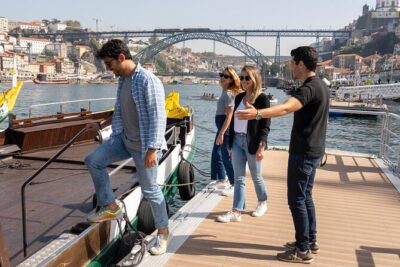 ★ 5.0Porto Walking Tour, Lello Bookshop, River Cruise and Cable CarFrom $723,354 reviews
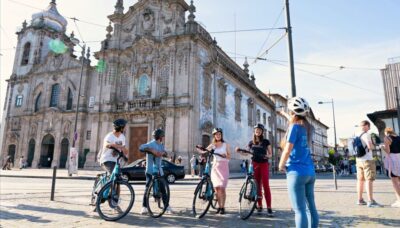 ★ 4.8City Highlights 3-Hour Guided Electric Bike TourFrom $513,092 reviews
 ★ 4.83-Hour Guided City Highlights Walking TourFrom $342,050 reviews
 ★ 4.4Wine Tasting with Tapas Walking TourFrom $531,541 reviews
 ★ 4.7Historic City Center Walking TourFrom $331,172 reviews
 ★ 5.0Porto’s #1 Walking TourFrom $01,026 reviews
 ★ 4.8Delicious Food and Wine Walking TourFrom $87977 reviews
 ★ 4.8Walking Tour, Lello Bookshop, Boat and Cable CarFrom $70965 reviews
Browse the lists this tour appears in