
Reviewed · PASTRY & COOKING WORKSHOPS
Porto: Pastel de Nata Cooking Class with Port Wine – Sé
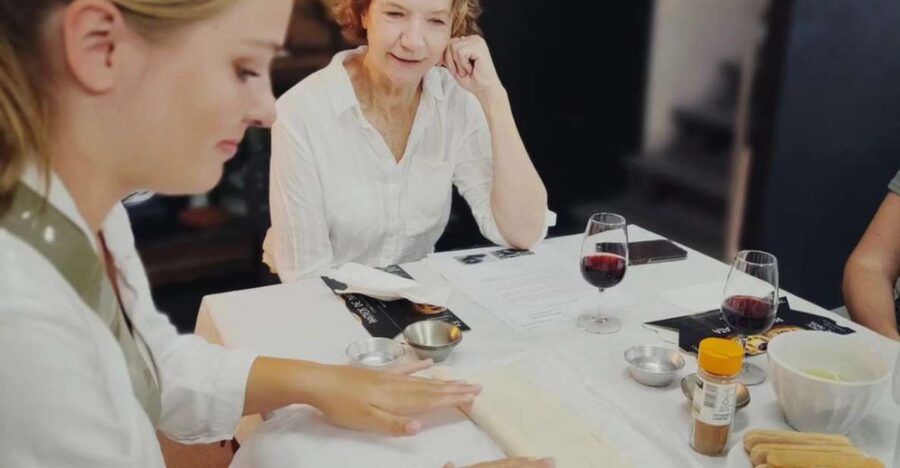
Pastel de Nata may look simple, but the technique is everything, and this class teaches it step by step in Domus Arte. I love that you actively take turns with the recipe, not just watch. I also love the way the workshop pairs custard and bake skills with an easy history chat so it feels like more than dessert-making. The main thing to consider: the puff pastry is pre-prepared, so if you want to start from dough from scratch, you may feel a bit limited.
In This Review
- What you’ll likely enjoy most
- One possible drawback
- Key things to know before you go
- Inside Domus Arte: where Porto meets baking
- The 1.5-hour flow: what you actually do in class
- Why the puff pastry is pre-made (and what you get anyway)
- Custard techniques: the part you can master fastest
- The history lesson that doesn’t drag
- Port wine, snacks, and a social pace that still stays practical
- Getting your tarts home: the box and the timing
- Dietary needs and substitutions: what’s possible
- Who this class is best for (and who might want a different option)
- Price and value: is $41 worth it?
- Should you book the Pastel de Nata workshop near Sé?
- FAQ
- How long is the Pastel de Nata cooking class?
- What’s the meeting point in Porto?
- What’s included in the price?
- Is the workshop child-friendly?
- Are dietary options available?
- Do they offer a private workshop option?
What you’ll likely enjoy most
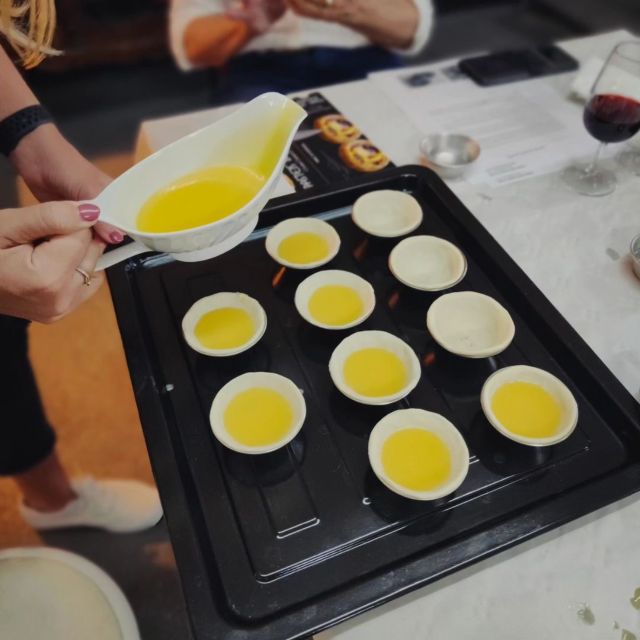
I really like the guided pace. You get clear instructions for the custard filling and baking process, and the class stays social with drinks and snacks while pastries bake.
Roll your own pastel de nata, or cook a northern lunch
- Porto: Pastel de Nata Pastry-Making Workshop★ 4.9 · 1,542 reviews
- Porto: Pastel de Nata Cooking Class with Port Wine – Sé★ 4.8 · 888 reviews
- Workshops Pasteis de Nata in Porto, Portugal★ 4.9 · 520 reviews
- Pastel de Nata | Workshop from scratch | Porto’s city center★ 5.0 · 449 reviews
One possible drawback
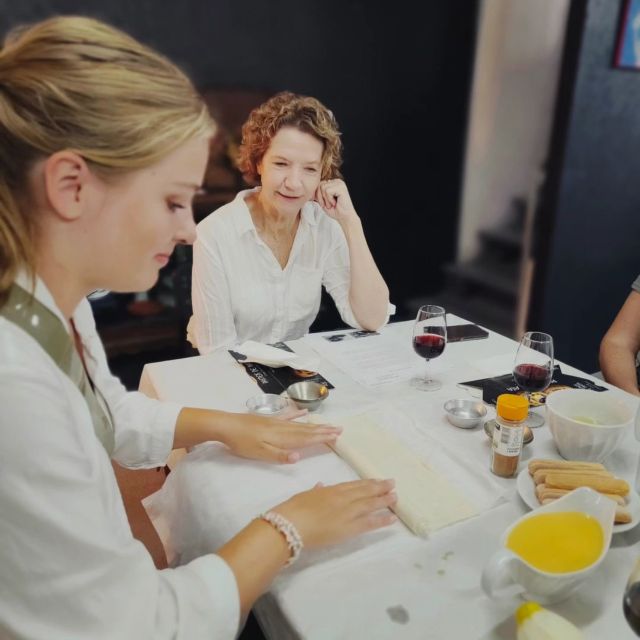
The pastry shells are not made from raw dough in the room. You’ll still get a recipe for the puff pastry to recreate later, but the time-saver is real, and purists may wish you rolled every layer yourself.
Key things to know before you go
- Domus Arte location puts you near Porto’s big walking sights (Sé and close to São Bento).
- Hands-on, shared prep means you’re doing real steps, not just standing by.
- Custard + baking focus teaches the part that makes Pastel de Nata taste like Portugal.
- Port wine and snacks keep the session relaxed while the oven does its work.
- Take-home box included so you can bring your pastries safely to your next stop.
- Dietary options available if you request them in advance.
Inside Domus Arte: where Porto meets baking
The workshop takes place at Domus Arte, a concept store in downtown Porto near Porto Cathedral and the São Bento station. It’s the kind of place where you can wander after the class and still feel like you’re in a creative local space, not just a rented kitchen.
The setting matters here. Pastel de Nata isn’t a “paint-by-numbers” pastry—you need a calm moment to learn texture cues (how the custard should look before it goes in) and timing cues (when the tarts hit the right baking stage). Domus Arte’s workshop format gives you that practical space to focus.
If you’re in Porto for a short stay, the location is a plus. You can pair this with a morning church-and-street stroll or plan it before a dinner near the river. It’s also easy to reach on foot from popular central areas, which helps if you don’t want to build your whole day around transport.
The 1.5-hour flow: what you actually do in class
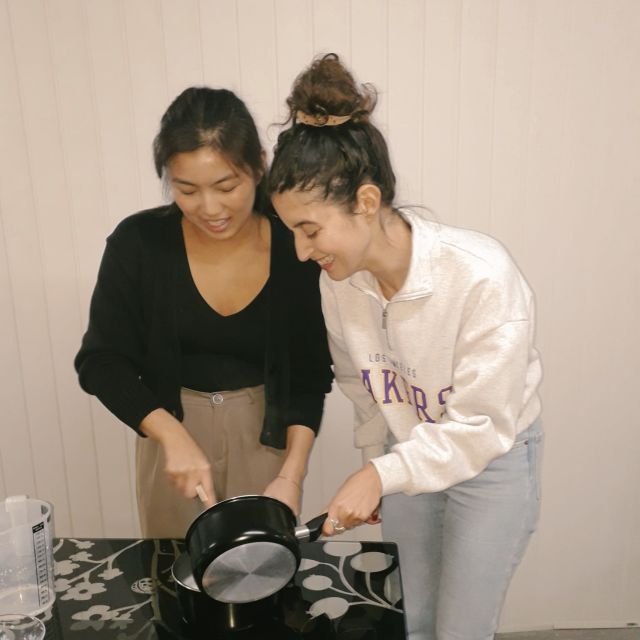
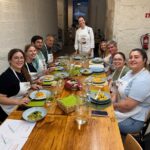
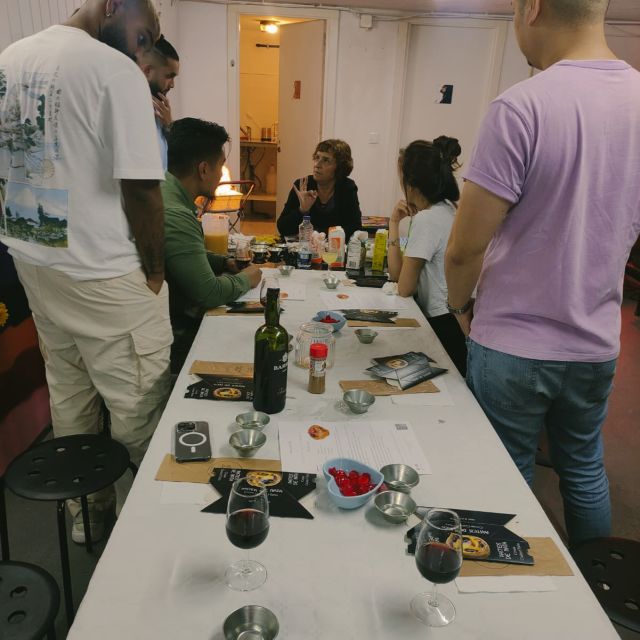
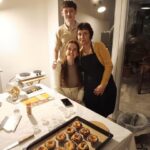
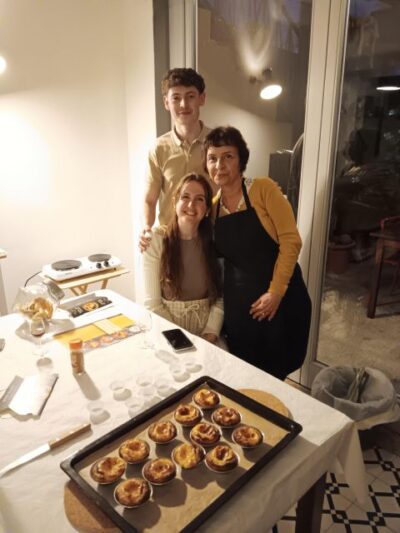
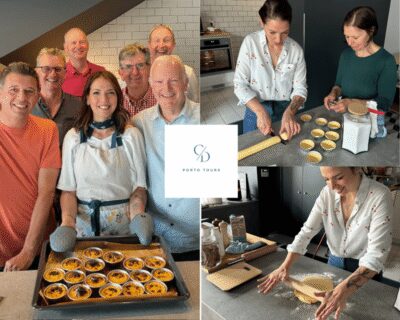
This is a 1.5-hour hands-on workshop built around a clear routine. You’ll follow the instructor’s step-by-step guidance, and the group takes turns in the process. That format helps because different people can contribute at different moments—mixing, shaping, filling, and putting pastries into the oven.
Here’s the practical breakdown you should expect:
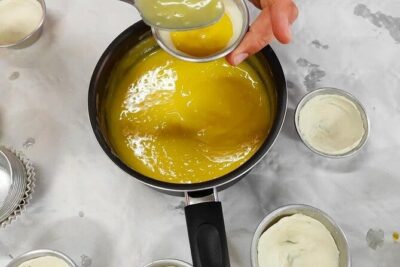
- Custard filling work: You learn how to prepare the custard component that gives Pastel de Nata its signature set and flavor.
- Assembly steps: You’ll fill and prepare the tarts so they bake properly.
- Oven moment: You’ll see how the baking stage transforms everything into that classic browned top.
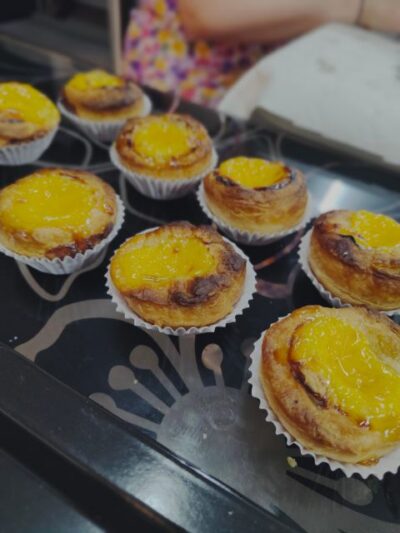
- Taste and take-home: You’ll get several Pastéis de Nata to enjoy on site or bring away in a paper box.
You won’t be stuck watching the entire time. The workshop is designed so everyone participates, and the pacing keeps you moving even during the waiting time while pastries bake. If you want full individual participation in every stage, there’s a private workshop option you can ask about.
More Porto days out worth booking
Why the puff pastry is pre-made (and what you get anyway)
One detail that affects expectations: the puff pastry is pre-prepared before class. You aren’t spending the workshop hours rolling and layering dough from scratch.
That choice is not random. In a 1.5-hour class, the custard and bake steps are the parts you can learn most effectively in real time. And honestly, the custard behavior and baking outcome are what separate a decent tart from a truly Porto-tasting Pastel de Nata.
You still get value for the pastry side, too. You’ll receive a house-made recipe so you can recreate the puff pastry at home later, since making it properly takes several hours to be ready for use. So the learning is split: you practice what you can handle in class, and you take the full process home in recipe form.
If you’re the kind of baker who loves doing every step end to end, the shortcut may feel like a letdown. If you mainly want technique you can reproduce and the confidence to bake better tarts yourself, this format works well.
Custard techniques: the part you can master fastest
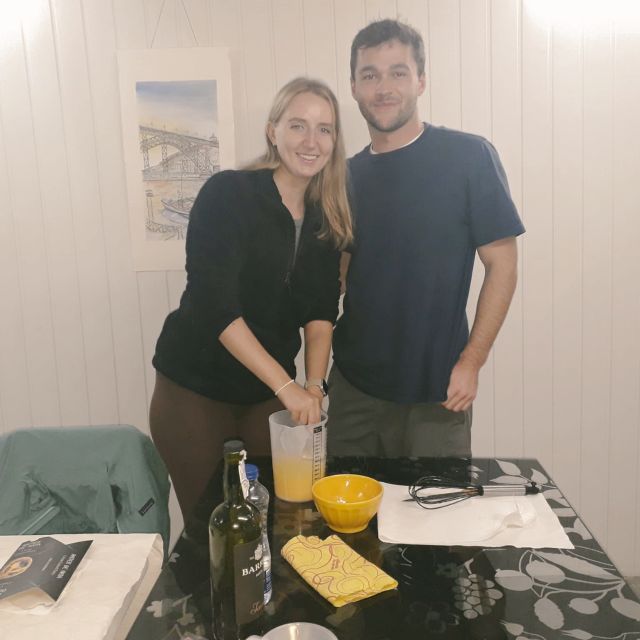
The workshop focuses heavily on the custard filling and the baking process. That’s where this class earns its keep.
In practice, learning custard is not just about ingredients—it’s about consistency and timing. When you mix and prepare the filling in a guided setting, you can see what the instructor is aiming for and what to adjust if something looks off. That’s exactly the kind of feedback you want if you’re new to Portuguese custard tarts.
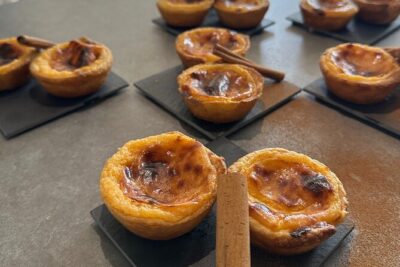
You’ll also learn how the baking stage affects structure. Pastel de Nata has that set, glossy-yet-browned top that comes from heat hitting the custard just right. The instructor’s guidance helps you understand the difference between “almost there” and “this is the right bake,” so you’re not guessing later at home.
And it’s not all strictly technical. The class includes local food tips from a Porto expert, plus a short history lesson that adds context for why people treat this pastry like a national signature.
The history lesson that doesn’t drag

You get a short, accessible intro to Pastel de Nata history. It covers how the pastry developed in Portugal, moving from origins in Lisbon to becoming one of the country’s most famous sweets.
This isn’t delivered like a lecture. It’s short enough to stay interesting, and it ties to what you’re doing while you work. When you’re filling tarts and waiting for the oven, a quick story helps the whole session feel connected. It also makes it easier to tell your dinner table why Pastel de Nata tastes the way it does.
Port wine, snacks, and a social pace that still stays practical
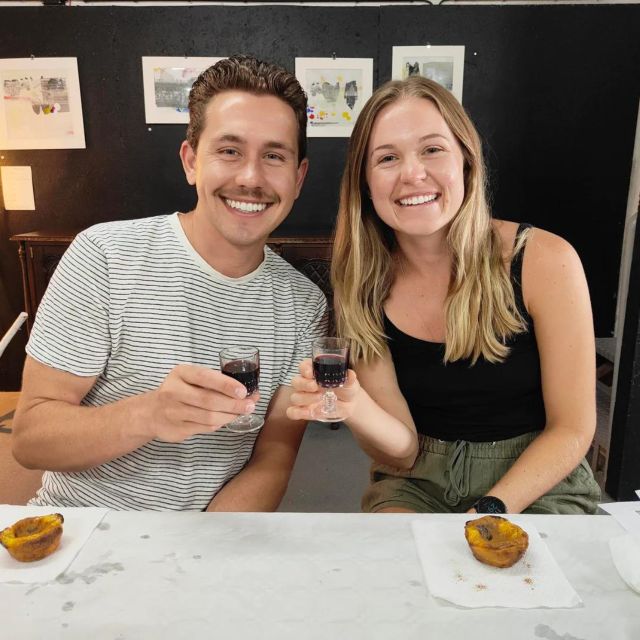
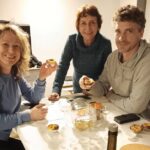
A big reason this class feels easy to enjoy is the rhythm. While the pastries bake, you’re not just waiting in silence. You’ll have Port wine, juice, water, coffee, and a selection of sweet and savory snacks.
This matters because it turns the workshop into a light, social experience without making it feel like a party. You can chat, get to know the other participants, and keep your energy up while you watch the oven do its job.
It also helps if you’re traveling solo. The shared steps build natural conversation points. Plus, instructors tend to keep the tone friendly and inclusive, which makes it simpler to ask questions if you’re unsure about a step.
Getting your tarts home: the box and the timing
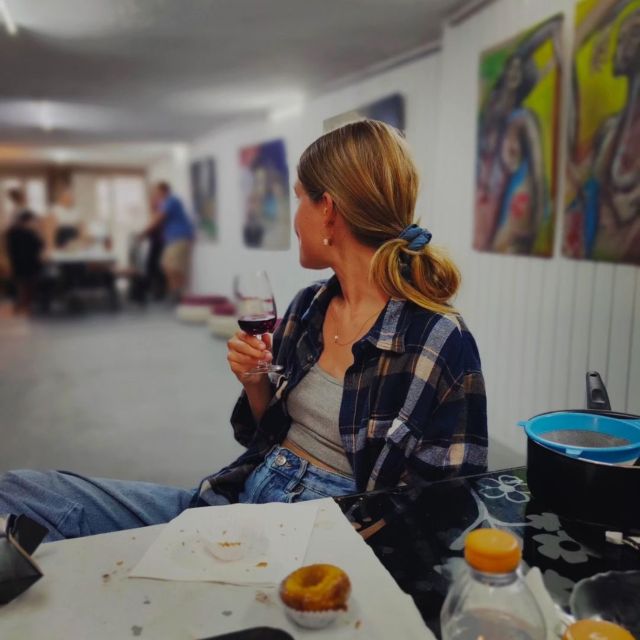
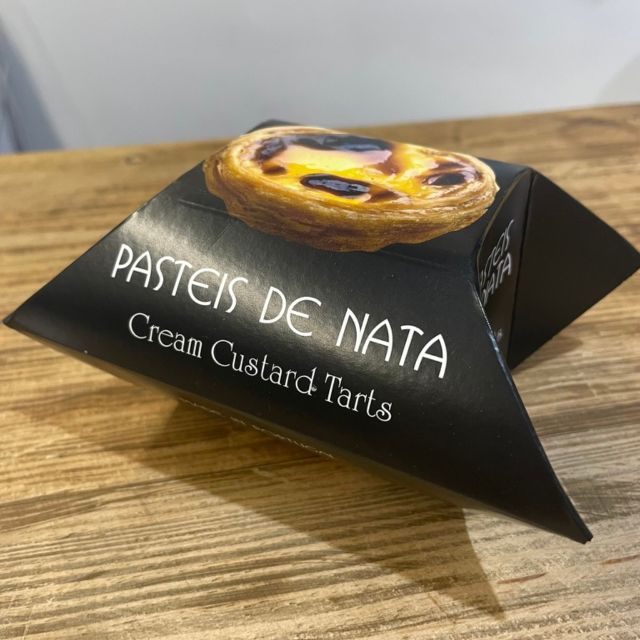
You’ll prepare several Pastéis de Nata. You can eat them on site, or take them away. A transport box is included, and you’ll also get a paper box for taking the pastries home.
That’s more useful than it sounds. Custard tarts are best when you cool them just enough to handle, but still warm or fresh. A proper box helps you avoid a sad ride back to your hotel where pastry tops get crushed or condensation makes things soggy.
Practical tip: if you’re carrying them to another location, plan to step into shade/air conditioning rather than leaving them in a warm bag. Keeping them stable will help the texture hold up.
Dietary needs and substitutions: what’s possible
If you have dietary restrictions, this is one of the better workshop options because lactose-free, gluten-free, and vegan options are available upon request. Advance notice is required, and the team needs to confirm your preparation.
That means you should message ahead early enough to give them time to handle ingredients. The upside is that you’re not automatically excluded from learning the process—you can still participate and take home a version that fits your needs.
Who this class is best for (and who might want a different option)
This works for a lot of travelers because the activity is built to be shared. Kids and adults can get involved, but it’s not suitable for children under 3. It’s also stroller accessible.
You’ll want to consider the limits for mobility needs. Wheelchair users are noted as not suitable for the workshop, though Domus Arte has a second location that is wheelchair accessible. If you need that, ask the team in advance so you get the right setup.
As for baking skill level: the structure and step-by-step instruction make it approachable. Even if you’re not a “serious baker,” you’ll leave with the recipe and the practical confidence to try again.
It’s especially a good pick if you want:
- a Porto activity that feels local and hands-on
- a fun group task without language barriers (English instruction)
- something you can use at home, not just eat in the moment
Price and value: is $41 worth it?
At $41 per person for about 1.5 hours, the value comes from what you walk away with.
You’re getting:
- instruction and technique focus for custard and baking
- a recipe for the tarts and the puff pastry
- all ingredients
- drinks (including Port wine) and snacks
- multiple Pastéis de Nata per participant
- a takeaway box
If you’ve ever tried to recreate Pastel de Nata at home without guidance, you know the “ingredients cost” isn’t the main hurdle. The hurdle is knowing what texture and baking stage look like before you bake a whole tray. This class helps you build that mental picture quickly.
The other value piece is the cultural element. The history intro and local food tips make it feel like part of Porto, not just a dessert workshop anywhere.
Should you book the Pastel de Nata workshop near Sé?
If your goal is to make Pastel de Nata at home with better results, I’d say yes, book it. The custard and bake instruction is exactly what you need, and the takeaway recipe plus the included takeaway box make it practical.
I’d reconsider if you want the full pastry-lab experience of making puff pastry from raw dough in class. Since the puff pastry is pre-made, you’ll mainly learn the custard and baking workflow here, with the full pastry method provided for later.
It also makes sense if you like social, structured activities: shared steps, port wine, snacks, and an instructor who keeps things moving and friendly. Just message ahead if you need dietary changes, and plan your day around a downtown meet-up near Porto Cathedral and São Bento.
FAQ
How long is the Pastel de Nata cooking class?
The class lasts about 1.5 hours.
What’s the meeting point in Porto?
It takes place at Domus Arte in downtown Porto, near Porto Cathedral and São Bento station.
What’s included in the price?
The class includes drinks (Port wine, juice, water, coffee), a selection of sweet and savory snacks, all ingredients, and a takeaway box. You also receive an exclusive recipe for the tarts and puff pastry.
Is the workshop child-friendly?
The workshop is not suitable for children under 3, but it’s designed as an activity that can include participants of all ages.
Are dietary options available?
Yes. Lactose-free, gluten-free, and vegan options are available upon request, but advance notice is required for confirmation.
Do they offer a private workshop option?
A private workshop option is mentioned for those who want full individual participation in all stages. You can ask about it when booking.
More Cooking Classes in Porto

More Tour Reviews in Porto




Pastry and Cooking Sessions


Fresh in the Porto notebook




Pastry & Cooking Workshops, compared.
 ★ 4.9Pastel de Nata Pastry-Making WorkshopFrom $411,542 reviews
 ★ 4.9Workshops Pasteis de Nata in Porto, PortugalFrom $40520 reviews
 ★ 4.9Pastel de Nata Cooking Class from ScratchFrom $50468 reviews
 ★ 5.0Pastel de Nata | Workshop from scratch | Porto’s city centerFrom $48449 reviews
 ★ 5.0Pastel de Nata Cooking Class with Porto Wine (Sé do Porto)From $42340 reviews
 ★ 5.0Porto Local Market Visit & Cooking Class / Showcooking206 reviews
 ★ 5.0Pastel de Nata Workshop in PortoFrom $40127 reviews
 ★ 5.0Portuguese Cooking Class in Porto with Portuguese WineFrom $169110 reviews
Browse the lists this tour appears in