
Reviewed · PASTRY & COOKING WORKSHOPS
Porto Hands On Cooking Class-3 course-wine included-trained chef
Three courses, one shared kitchen in Porto. This cooking class makes Portuguese food practical, not just something you eat and forget—hands-on cooking with a chef trained at Le Cordon Bleu Paris, plus a full set of wine pairings as you go. You’ll learn techniques you can use again at home while preparing a starter, a main (seasonal), and a dessert with Porto wine character.
I also like the way the evening feels like a friendly family operation: the kitchen is set up for you, your team keeps things moving, and the meal becomes the finish line. One thing to consider: the main dish can switch with the seasons, so if you’re picky about choosing bacalhau à Brás specifically, you’ll want to check what’s being cooked that day.
In This Review
- Key highlights before you go
- The 3-hour Porto format: hands-on, not a passive tasting
- Meet the team at Campo dos Mártires da Pátria
- Starter: Folhado de alheira de Mirandela (and why it matters)
- Main course options: bacalhau à Brás OR açorda de camarão
- Bacalhau à Brás: salted cod, eggs, and potato comfort
- Açorda de camarão: bread as the base for seafood broth
- Dessert: Rabanadas ao vinho do Porto with that sweet Porto note
- Wine pairings across Portugal: from Vinho Verde to Licor Beirão
- The kitchen setup: clean stations, tools ready, and fast cleanup
- What you actually take home: recipes, skills, and a souvenir apron
- Price and value: why $114.13 can make sense here
- Best fit: who this Porto cooking class is for
- Should you book this Porto cooking class?
- FAQ
- What dishes will I cook in this class?
- How long is the Porto cooking class?
- Is wine included?
- Who teaches the cooking class?
- How many people are in the group?
- What’s included besides the meal?
- Is the class offered in English?
- Where do I meet for the class?
- What’s the cancellation policy?
Key highlights before you go
- Le Cordon Bleu Paris training: Chef Tania brings serious technique to everyday Portuguese classics.
- A real 3-course build: starter, main, and dessert—no snack-sized lesson.
- Wine spans Portugal: vinho verde, Douro whites and reds, plus drinks that match Portugal’s coast and inland flavors.
- Small group size (max 12): enough attention to ask questions without feeling rushed.
- You leave with tools: recipe cards and a Portugal at the Table apron.
Roll your own pastel de nata, or cook a northern lunch
- Porto: Pastel de Nata Pastry-Making Workshop★ 4.9 · 1,542 reviews
- Porto: Pastel de Nata Cooking Class with Port Wine – Sé★ 4.8 · 888 reviews
- Workshops Pasteis de Nata in Porto, Portugal★ 4.9 · 520 reviews
- Pastel de Nata | Workshop from scratch | Porto’s city center★ 5.0 · 449 reviews
The 3-hour Porto format: hands-on, not a passive tasting
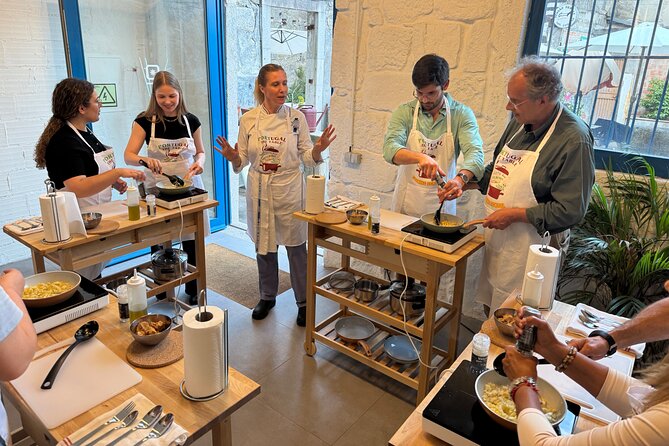
This class is designed for active learning. In about three hours, you’ll chop, mix, assemble, cook, and plate. The goal is simple: you should understand why each step matters, not just copy a dish you can’t reproduce later.
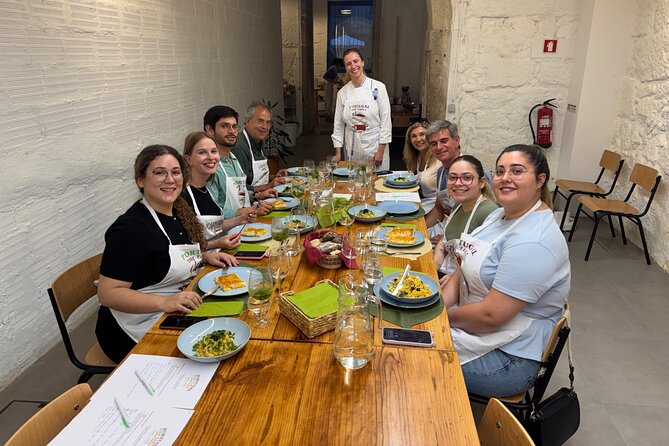
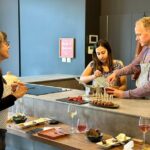
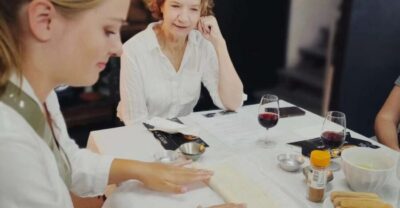
A big part of the value is pacing. You’re not waiting around for someone else to do the work. Instead, you cook at your station as the team guides each stage. Several people in the class described the setup as super clean and well organized, with everything needed already there, and stations prepared so you can start cooking right away.
The group stays small, with a maximum of 12. That size is what makes the teaching feel personal. You can ask questions while you’re mid-recipe, not after the fact.
One more practical note: the experience runs on good-weather days, and it can be canceled due to poor weather with an offered alternative date or a full refund. If your Porto trip has flexible evenings, this is easier to plan.
Meet the team at Campo dos Mártires da Pátria
You start at Campo dos Mártires da Pátria 144 A (4050-368) in Porto. It’s a convenient city base, and it’s close to public transportation, so you shouldn’t need a car to make it work.
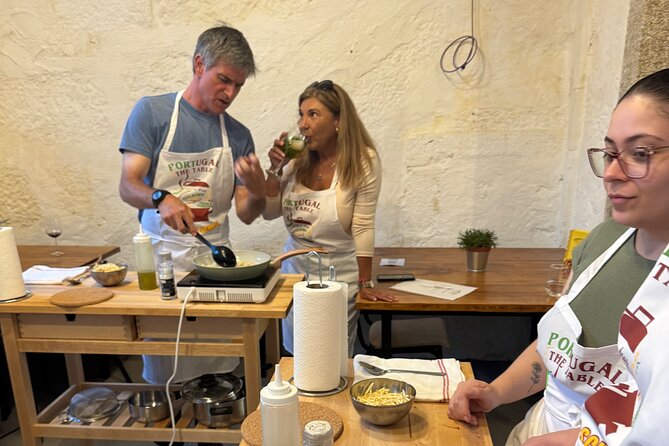
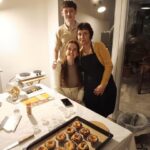
From the way the class operates, you can expect a welcoming tone. Chef Tania leads the cooking portion, and Tomás is often the person helping with the wine side—explaining what’s in your glass and how it connects to what’s on your plate. Barbara has been mentioned as assisting during sessions too, and Mateo also appears in some group setups. Even if the exact mix varies slightly by evening, you’ll still get a team that functions like one unit: cooking and drinks move in sync.
Starter: Folhado de alheira de Mirandela (and why it matters)
Your starter in the course is typically Folhado de alheira de Mirandela. In plain terms, this is a pastry interpretation of alheira—a smoked sausage traditionally made with poultry and bread. The class version keeps the spirit of the original while turning it into something you can build and cook step-by-step.
What I like about starting here is that it teaches a classic Portuguese logic: comfort food with structure. Alheira is connected to regions and traditions, but the dish you’re making is more about technique—how fillings behave, how heat changes texture, and how pastry goes from raw to crisp.
During your prep, you’re not just assembling ingredients. You’re learning how to handle flavors that already carry smoke and seasoning. That skill transfers well to lots of home cooking: you’ll get a feel for balancing a strong base ingredient without drowning it in extra sauce.
And since this is the first course, it sets the tone for the wine pairing that follows—letting you taste and notice changes as your dinner progresses.
Main course options: bacalhau à Brás OR açorda de camarão
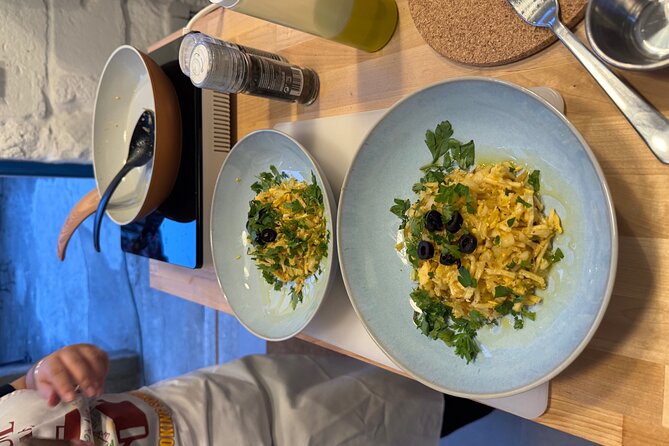
The main dish is the one part that can change depending on the season. You’ll either cook bacalhau à Brás or açorda de camarão.
More Porto days out worth booking
Bacalhau à Brás: salted cod, eggs, and potato comfort
Bacalhau à Brás is one of Portugal’s most emblematic cod dishes: shredded codfish with potatoes and eggs. If you’ve had salted cod before, you already know the ingredient can be powerful and a little tricky. Here’s the advantage of learning it hands-on—you can see how the cod behaves, how to integrate it without making it taste heavy, and how the eggs help bind everything into a cohesive plate.
If you’re a fan of familiar comfort food, this is often the “crowd-pleaser” option. You’ll get practice with texture control, especially with potatoes and the way the dish comes together in a single plate.
Açorda de camarão: bread as the base for seafood broth
The other option is açorda de camarão, a traditional prawn soup where rustic wheat bread is the star base. You’ll build the flavor foundation using garlic, olive oil, fresh coriander, and prawns, with the bread soaking up the seafood broth.
This is a great dish for learning because it teaches absorption—how bread becomes thick and flavorful instead of turning soggy. You’ll also get a clear sense of the Portuguese habit of building meals around olive oil, herbs, and garlic, then letting the main protein do its job.
Which one will you get? The course is seasonal, so if you’re going to be in Porto only briefly, consider booking with flexibility. If you care a lot which main you get, ask when you’re booking what’s on the day’s menu.
Dessert: Rabanadas ao vinho do Porto with that sweet Porto note
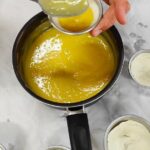
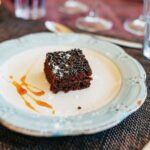
For dessert, you’ll make Rabanadas ao vinho do Porto. This is Portugal’s take on French toast, but soaked in a sweet syrup infused with Port wine—so you get that warm, caramel-like sweetness with a distinctly Portuguese twist.
What you’re learning here is technique you can actually reuse at home: soaking without turning everything to mush, then getting the right texture through cooking. It’s one of those desserts where timing matters, and the class structure helps you understand what to look for rather than guessing.
Since you’ve already been tasting wine through the courses, the dessert connection feels logical. The Porto tone makes the final bite feel like part of the same menu story, not a random afterthought.
Wine pairings across Portugal: from Vinho Verde to Licor Beirão
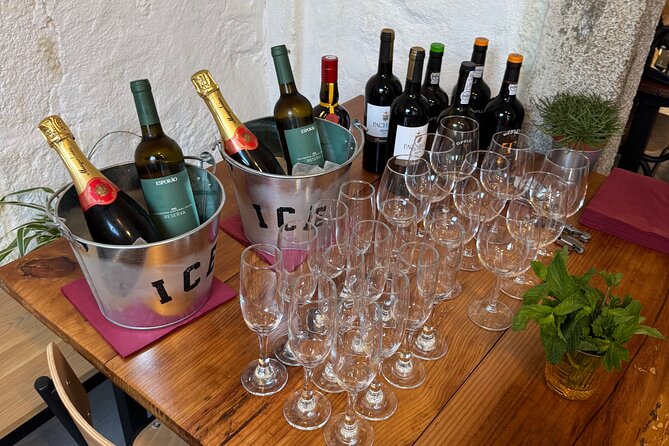
Wine is a major feature here, not a tiny sip. You’ll taste a selection of Portuguese wines paired with your dishes as you cook.
Based on what’s included, expect drinks such as:
- Vinho verde
- Cocktails
- White wines from the Douro region
- Red wines from Douro and Alentejo
- Liqueurs, including Porto wine style options
- Licor Beirão, made with herbs and spices
This spread is useful for your palate education. Porto often gets lumped into one category, but Portugal’s wine regions are more varied than most people expect. You’ll get a taste of how acidity, body, and spice profiles behave with cod, seafood, and dessert sweetness.
A small practical tip: pace yourself. You’ll be cooking and eating for the whole class, and some drinks may be stronger liqueurs. Enjoy, but don’t rush—your best learning comes when you can still notice what changes in each bite.
The kitchen setup: clean stations, tools ready, and fast cleanup
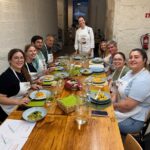
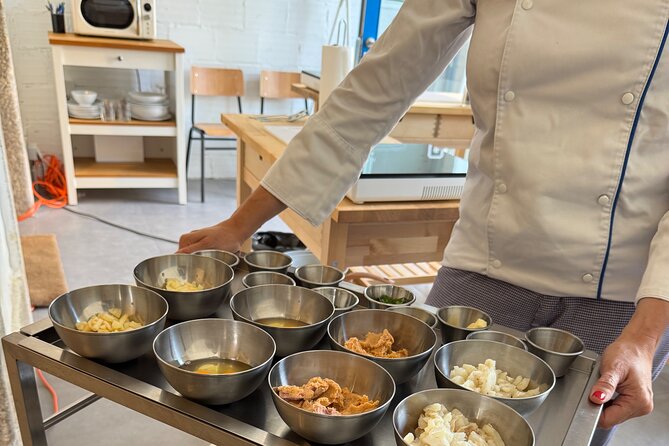
One of the most consistent themes is how smoothly the class runs. People described a kitchen that’s spotless and set up so each cooking station has its own burner and utensils ready to go. Ingredients are portioned and prepped before you arrive, so the class feels efficient instead of chaotic.
Cleanup also happens quickly. Once the cooking portion ends, the team takes away items and cleans for you. That matters more than it sounds. In a hands-on class, your time is precious—nobody wants to spend their last 20 minutes washing pots when they want to eat.
You’ll likely finish in a relaxed rhythm: cook, taste, drink, and then settle in with the full meal you made.
What you actually take home: recipes, skills, and a souvenir apron
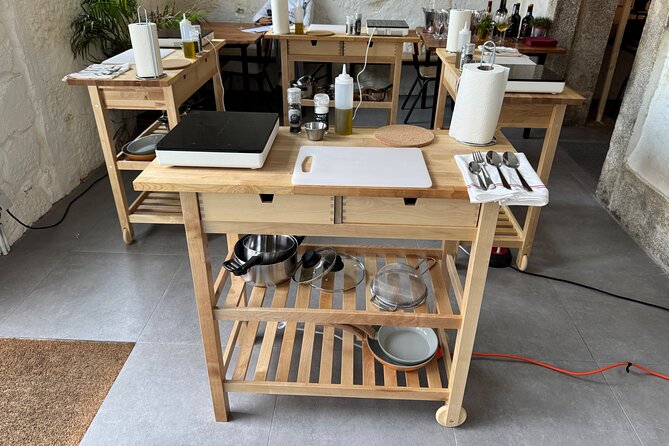
This is where the value becomes tangible. You get recipe cards with detailed instructions, so you’re not left trying to reverse-engineer the dish after the trip. For a lot of cooking classes, that part is either missing or vague. Here, the point is you should be able to recreate the dishes later.
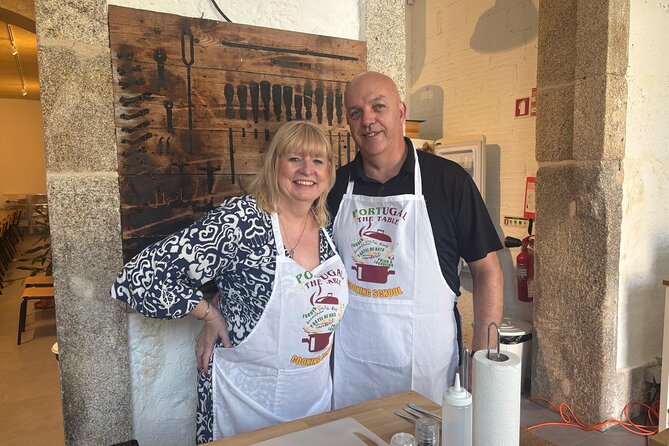
You also receive an apron as a complimentary memento (Portugal at the Table). It’s not just cute. It signals that the experience is meant for repeat use, like you’re bringing the cooking identity home with you.
And the bigger takeaway is technique. The chef’s training—Le Cordon Bleu Paris—isn’t just a fancy credential. It shows up in how the class teaches fundamentals and the little tricks that make Portuguese dishes work. Even if you’re not an advanced cook, you’ll leave knowing what to watch for during cooking: texture changes, timing, and how flavors come together.
Price and value: why $114.13 can make sense here
At $114.13 per person for about three hours, this class isn’t bargain-bin cheap. But it’s also not priced like a simple meal.
You’re paying for four things at once:
- Instruction from a chef with major training
- Three courses you cook and eat (not just taste)
- A wine selection paired throughout the meal, including Vinho verde and regional Douro wines, plus cocktails and liqueurs
- Take-home recipe cards and an apron
In practical terms, the wine and three-course meal portion are a big slice of what you get. If you’ve ever paid for Portuguese wine tastings plus dinner, you know the math can add up fast. Here, those pieces are bundled into a structured evening with active learning.
This is also one of those experiences where small-group attention is part of the value. With a max of 12 people, you’re less likely to feel like you’re on the outside of the cooking action.
Best fit: who this Porto cooking class is for
You’ll probably love it if:
- You want a hands-on way to understand Portuguese food beyond restaurant browsing
- You’re traveling with a partner, friends, or even celebrating a birthday
- You like wine pairings and want them explained in context
- You want recipes you can cook again at home
It may not be ideal if:
- You prefer passive sightseeing and hate cooking tasks
- You’re very sensitive to the idea that the main dish changes with the season
Should you book this Porto cooking class?
If you’re in Porto and you want one evening that feels both fun and useful, I’d book it. The class format hits a sweet spot: small group, real cooking work, a full 3-course meal you helped create, and Portuguese drinks you can actually taste and connect to food. Add in recipe cards and a branded apron, and it becomes more than an outing—it’s something you can repeat.
The main decision point is simple: accept that the main dish is seasonal (bacalhau à Brás or açorda de camarão). If that flexibility works for you, this is a strong pick for a memorable night in Porto with real technique and good glasses of Portuguese wine along the way.
FAQ
What dishes will I cook in this class?
You’ll typically cook a starter of Folhado de alheira de Mirandela, a main course that is either Bacalhau à Brás or Açorda de camarão depending on the season, and a dessert called Rabanadas ao vinho do Porto.
How long is the Porto cooking class?
The class runs for about 3 hours.
Is wine included?
Yes. The experience includes a selection of Portuguese wines paired with your dishes, plus cocktails and liqueurs such as Porto wine options and Licor Beirão.
Who teaches the cooking class?
The class is led by a chef who was trained at Le Cordon Bleu Paris Culinary School. In sessions, Chef Tania teaches the cooking and Tomás is part of the team explaining wine and pairings, with Barbara assisting in many setups.
How many people are in the group?
The class has a maximum of 12 travelers.
What’s included besides the meal?
You get recipe cards to take home and a Portugal at the Table apron.
Is the class offered in English?
Yes, it is offered in English.
Where do I meet for the class?
The meeting point is Campo dos Mártires da Pátria 144 A, 4050-368 Porto, Portugal.
What’s the cancellation policy?
You can cancel for a full refund up to 24 hours in advance. The experience may also be rescheduled or refunded if canceled due to poor weather or if the minimum number of travelers isn’t met.
More Cooking Classes in Porto
More Tour Reviews in Porto



Pastry and Cooking Sessions


Fresh in the Porto notebook




Pastry & Cooking Workshops, compared.
 ★ 4.9Pastel de Nata Pastry-Making WorkshopFrom $411,542 reviews
 ★ 4.8Pastel de Nata Cooking Class with Port Wine – SéFrom $41888 reviews
 ★ 4.9Workshops Pasteis de Nata in Porto, PortugalFrom $40520 reviews
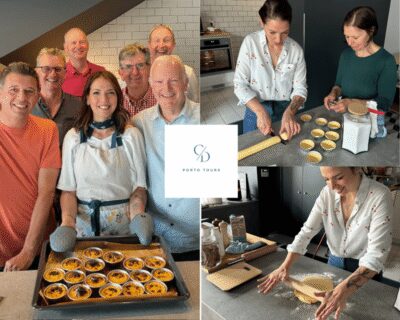 ★ 4.9Pastel de Nata Cooking Class from ScratchFrom $50468 reviews
 ★ 5.0Pastel de Nata | Workshop from scratch | Porto’s city centerFrom $48449 reviews
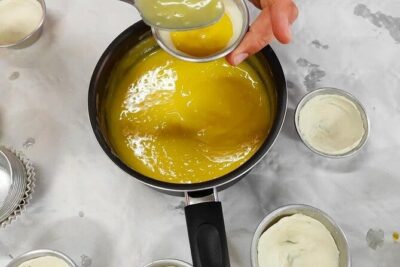 ★ 5.0Pastel de Nata Cooking Class with Porto Wine (Sé do Porto)From $42340 reviews
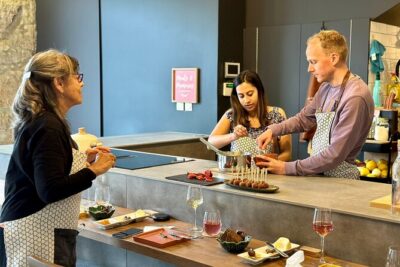 ★ 5.0Porto Local Market Visit & Cooking Class / Showcooking206 reviews
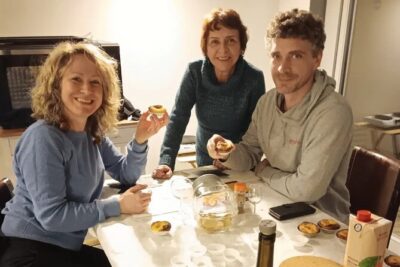 ★ 5.0Pastel de Nata Workshop in PortoFrom $40127 reviews
Browse the lists this tour appears in