
Reviewed · VILA NOVA DE GAIA
Vila Nova de Gaia: Porto Discovery Tasting
Four Ports, one calm tasting room. This Port Discovery Tasting in Vila Nova de Gaia is built for quick learning: you taste four Port styles and hear how each wine fits into the Douro story. It’s a focused 30-minute stop that feels personal rather than rushed.
I also like that the host leans on real family experience. This is a small, family-run Port house with five generations behind the craft, and you’ll hear how their own bottling brand came together after Portugal joined the EU in 1993. One thing to plan for: there are no snacks included, so come ready to drink, learn, and then eat after.
Ines is one guide name that shows up in feedback, and her sessions are described as warm, funny, and detailed, with explanations that connect harvest to what’s in your glass. If you’re looking for a short, cozy tasting that teaches you what you’re tasting, this fits well—and it can be an easy win even if you’re not a Port expert yet.
In This Review
- Key things I’d circle on your plan
- Vila Nova de Gaia: why this tasting location matters
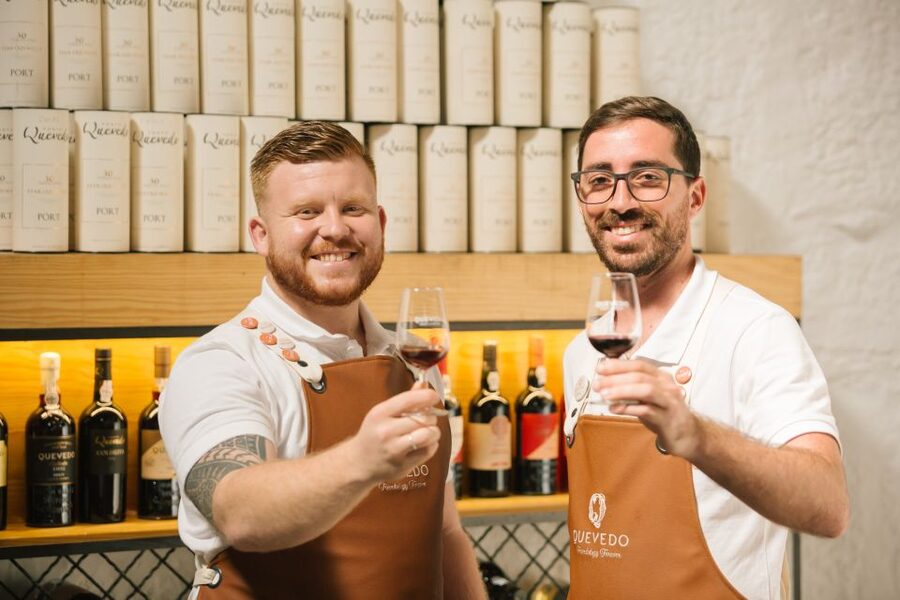
- The Quevedo lodge experience: cozy, small-group, and staff-led
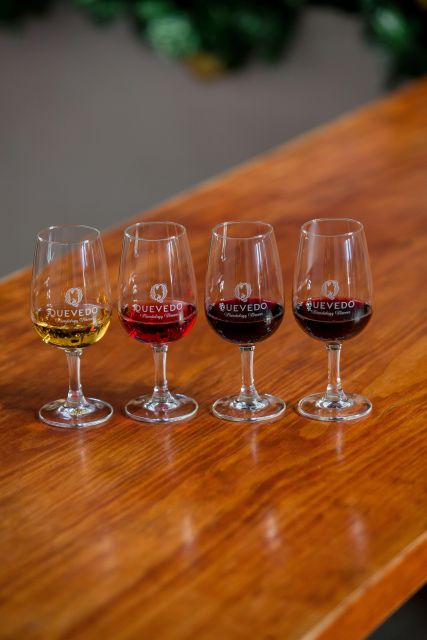
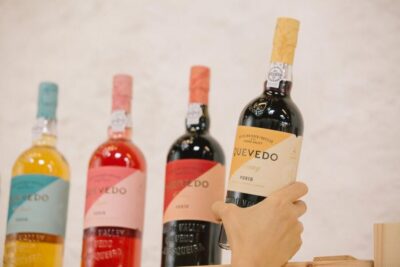
- The four-pour tasting lineup: Rosé, Reserve Ruby, Special Reserve Tawny, 10 Year Old White
- Rosé Port: the lighter entry point
- Reserve Ruby: fruit-forward Port energy
- Special Reserve Tawny: aged and more mellow
- 10 Year Old White Port: a cooler, different Port mood
- What you’ll learn: the Douro Valley, grape origin, and the bottling timeline
- Price and value: $22 for four wines and guided education
- Timing tips: when this 30-minute session works best
- Accessibility and comfort: practical notes for planning your stop
- Who should book this Port Discovery Tasting?
- Should you book Vila Nova de Gaia: Porto Discovery Tasting?
- FAQ
- How long is the Port tasting?
- What Port wines are included?
- Where do I meet the host?
- Are snacks included with the tasting?
- What’s the group size?
- Is the experience wheelchair accessible?
- What languages does the host speak?
- Can I cancel for a full refund?
- Can I reserve without paying right away?
Key things I’d circle on your plan
- Four glasses, one guided tasting flow: Rosé, Reserve Ruby, Special Reserve Tawny, and 10 Year Old White.
- Family business with a clear origin story: five generations, and bottling under their own brand since 1993.
- Douro Valley farming focus: grapes are raised and matured in the Douro, with the origin treated as the key ingredient.
- Small group feel: limited to 8 people, so your questions don’t vanish.
- Multiple languages on deck: Portuguese, English, Russian, and Spanish.
- No food included: good to know upfront if you rely on snacks to pace your tasting.
Over the bridge to the Gaia waterfront
- Vila Nova de Gaia: Port Wine Tasting with Cheese Pairing★ 4.8 · 1,074 reviews
- Vila Nova de Gaia: Bridges Cruise★ 3.6 · 4 reviews
- Vila Nova de Gaia: Douro Discovery★ 5.0 · 4 reviews
- Exclusive visit to the Astronomical Observatory of Gaia★ 5.0 · 4 reviews
Vila Nova de Gaia: why this tasting location matters
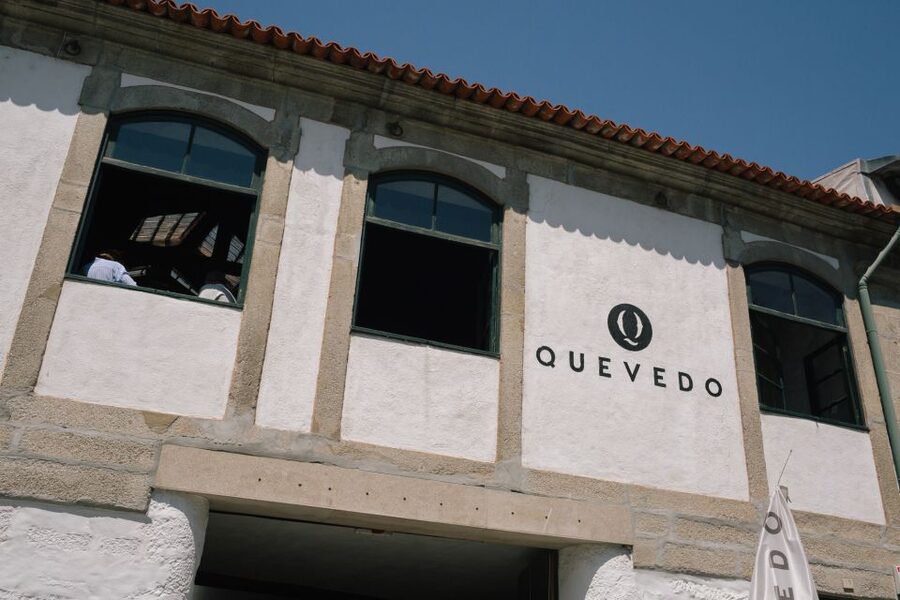
Vila Nova de Gaia is where a lot of Porto’s Port energy concentrates. It’s right across the river from the city, and it’s the place where many tastings feel more like wine culture than nightlife. That matters here because this experience is designed to slow you down for a short, cozy session.
You’re not touring a massive production floor for hours. Instead, you settle into a lodge-style setting and focus on the wines themselves. If you’re trying to fit Port into a tight schedule, Gaia is practical: it’s easy to build this tasting into a day that already includes river views, historic streets, and dinner plans.
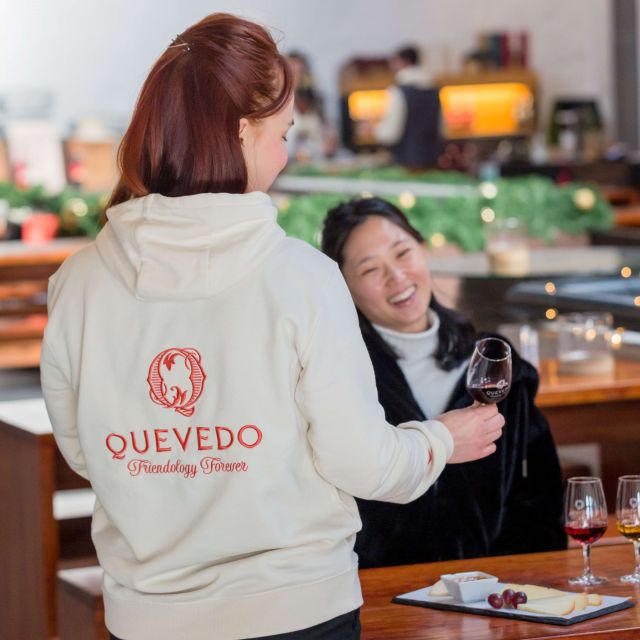
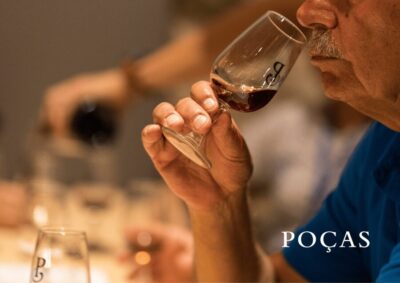
The bonus is the vibe. A small-group tasting in a place like Gaia often feels more like a conversation than a lecture. And since the tasting includes a guided explanation with each pour, you’ll get more out of it if you’re able to listen for a few minutes at a time.
The Quevedo lodge experience: cozy, small-group, and staff-led
The tasting takes place through Quevedo Port Wine, where you meet local staff at the venue. You’ll want to show up and check in with the team there, then get pulled into the session.
This is built for small groups—up to 8 participants. That size is a sweet spot. It usually means you can hear the explanations clearly, and you’re more likely to get your own questions answered instead of getting swept into a one-way talk.
The staff approach is part of the selling point. In feedback, guides like Ines are praised for connecting the wine to its process and for doing it with real passion. That matters because Port can look similar in a glass until someone helps you notice the differences—color, aroma direction, and why the winemaking choices affect how it drinks.
You’re also tasting in a place where the company’s identity isn’t abstract. They frame themselves as a family operation with heritage across five generations and with a turning point in 1993, when EU entry allowed them to bottle wines under their own brand. Even if you only remember the big story, that context helps the wines feel less like random samples and more like a through-line.
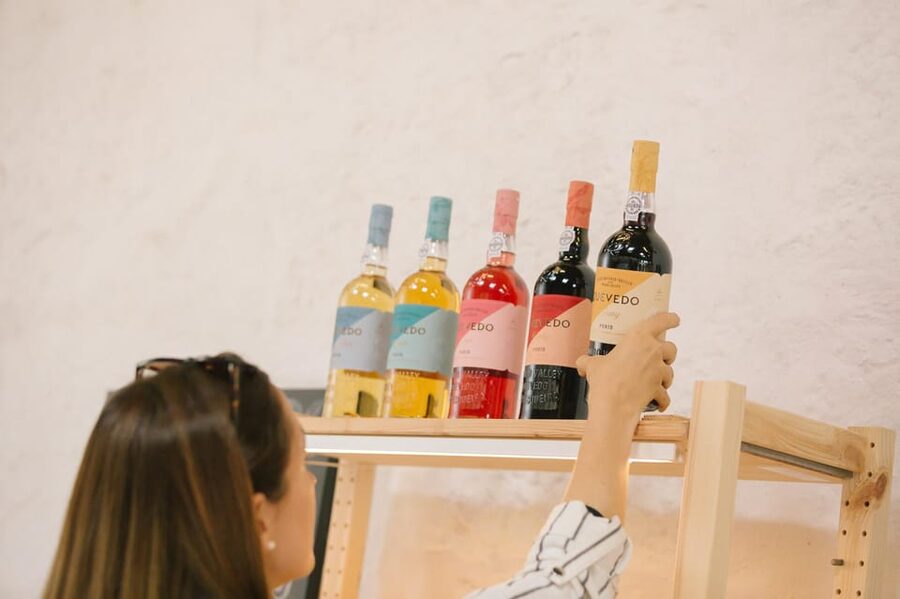
The four-pour tasting lineup: Rosé, Reserve Ruby, Special Reserve Tawny, 10 Year Old White
This tasting is short, so the order and variety matter. You’ll get four pours, each one pointing to a different style of Port, which is exactly how I’d want to start if I were new or just rusty.
Here’s how to think about each glass while you’re tasting:
Rosé Port: the lighter entry point
Rosé is usually your palate warm-up. In a lineup like this, it often helps you reset between heavier wines and makes the tasting feel less like a single flavor category repeating. Expect the session to use this as a way to show that Port isn’t always about one mood.
If you find yourself surprised by that idea, you’ll likely appreciate what comes next, because the lineup was chosen to broaden your understanding fast.
More Vila Nova De Gaia days out worth booking

Reserve Ruby: fruit-forward Port energy
Ruby Port is typically associated with a younger, fruit-leaning style. Even without going into exact technical details, the name Reserve Ruby is a signal: you’re meant to focus on the fresher Port character rather than deep wood-driven complexity.
During tastings like this, I’d pay attention to how the wine’s color and aromas shift as you move from the first pour to this one. Ruby styles often feel like they hold their identity more tightly—like the fruit is telling the story.
Special Reserve Tawny: aged and more mellow
Tawny Port usually points toward time spent aging in wood. That aging direction is where the style earns its reputation—more warmth, more softened edges, more “aged” notes instead of just fresh fruit.
With Special Reserve Tawny in the middle of the lineup, you’re getting a controlled contrast. This is one of the easiest ways to learn how Port changes when the aging choices change. I like this structure because it makes the tasting feel like a lesson, not a random snack of samples.
10 Year Old White Port: a cooler, different Port mood
White Port is a whole different lane from the red-toned styles in many people’s heads. The 10 Year Old label signals a specific aging window, and it also tells you the wine wasn’t meant to be a quick, plain sip.
When you reach the 10 Year Old White, treat it like a final chapter. You’ll likely notice how the aroma profile and mouthfeel don’t follow the Ruby/Tawny rhythm. It’s a great way to leave with broader Port vocabulary, not just a new favorite.
If you want a practical tip: take a breath between pours. Four wines in 30 minutes is ideal, but your brain still needs a few seconds to reset each time. A calm pace helps you actually learn what’s happening.
What you’ll learn: the Douro Valley, grape origin, and the bottling timeline
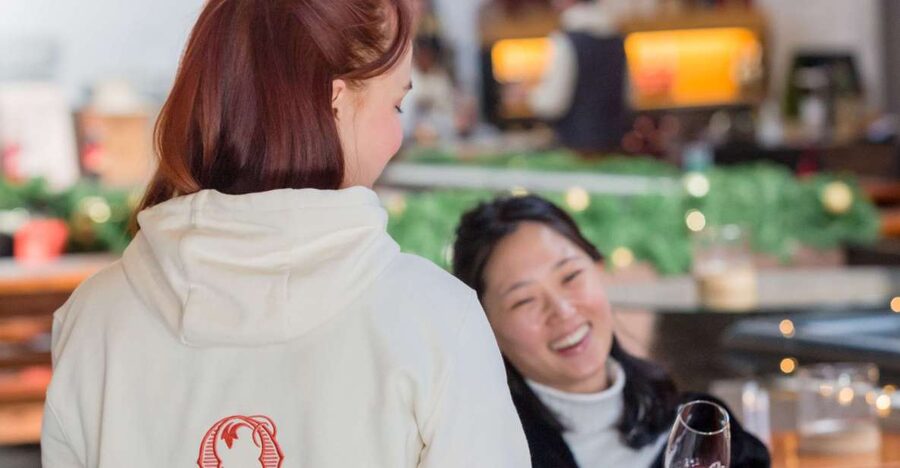
A Port tasting is only half wine; the other half is the story behind the glass. In this session, you’ll learn about how their grapes and wines connect to the Douro Valley, and why that origin matters.
The company emphasizes a vineyard-based philosophy: they cultivate grapes in the Douro because they believe the great wine is made in the vineyard. You’ll hear specifics about their farming footprint—100 hectares of vineyards plus 25 hectares of organic olive groves across five properties in the Douro.
Why does that matter to your tasting, even if you don’t run a vineyard? Because different plots can bring different aroma and flavor tendencies. Their explanation frames the diversity as a tool for crafting Port wines with distinct character. When a staff member connects those farm choices to the flavors in your glass, the tasting stops being purely sensory and starts becoming understandable.
You’ll also get a clear piece of business history: five generations of making Port, then bottling under their own brand starting in 1993, after Portugal’s EU entry. That timing gives the story a reason to exist in modern form. It also helps explain why you might feel like this is a newer Port house in branding terms, even with deep family knowledge behind it.
If you’re the type who likes learning while sipping, this is where the session earns its strong feedback. People describe guides who explain the process in a way that feels like a timeline—from cultivation choices to how what you taste ends up on the table.
Price and value: $22 for four wines and guided education
At $22 per person for a 30-minute tasting, you’re not buying a long tour. You’re buying structure: four glasses plus the story and explanations that help you taste them with intention.
Here’s how I’d judge the value in real-world terms:
- You get four wine glasses in one sitting, so you’re not piecing together multiple tastings.
- You get staff guidance, which is often the part people forget to budget for when they only focus on the cost per glass.
- The format is short, which makes it easier to fit into a busy day without turning Port into your whole itinerary.
It’s also worth noting what doesn’t come with the price. Additional wines and snacks aren’t included. One piece of feedback highlights that some people expected something to nibble for pairing, like bread or cookies. If you plan to do this near meal time, eat first or be ready for the wine to be the main event.
Still, when the goal is learning and sampling, the cost-to-experience ratio is strong. A small-group tasting at this price is a good way to get Port basics without committing to a half-day schedule.
Timing tips: when this 30-minute session works best
A 30-minute tasting can be surprisingly useful. It fits between other Porto plans without wrecking your dinner window.
I’d put it in your day like this:
- Before dinner: ideal if you want Port education while you’re still fresh.
- Early evening: works if you want a gentle activity after walking, and you’ll still have time to eat.
- As a first Port tasting: especially helpful if you want to understand the big style differences quickly.
Because there’s no food included, your pacing matters. If you’re sensitive to alcohol, take your time with each pour. If you’re pairing with dinner, consider how your last glass might affect your appetite—Port flavors can linger.
Also, since it’s a small group and language options are available, it’s a good bet if you’re traveling with friends who don’t all speak the same language. The staff can work across Portuguese, English, Russian, and Spanish, so you’re more likely to get explanations you actually understand.
Accessibility and comfort: practical notes for planning your stop
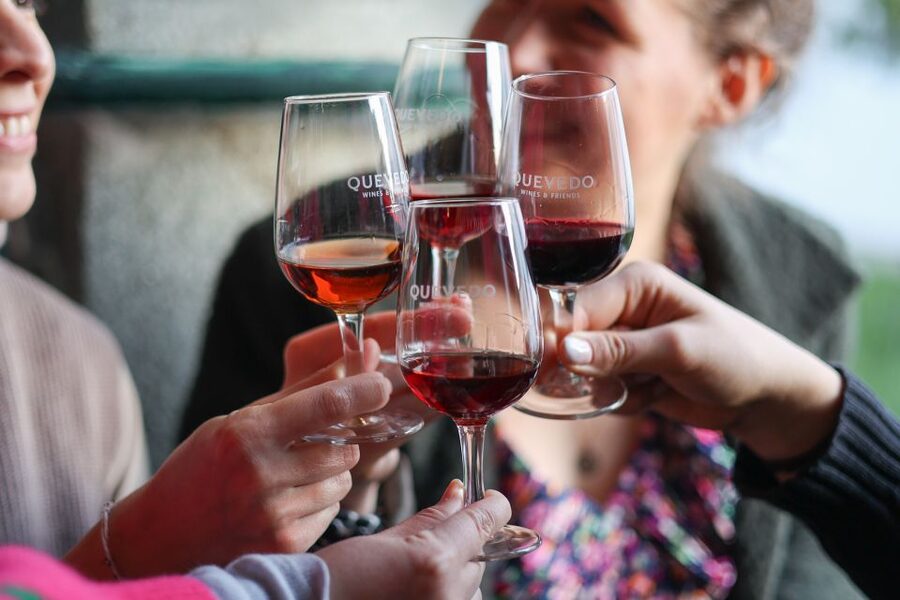
This experience is listed as wheelchair accessible, which makes it easier to include Port tasting without having to gamble on accessibility at each venue.
Comfort-wise, the session is designed to feel cozy and lodge-like. That’s useful if you’re tired from walking. You’re not standing for an hour; you’re sitting and sipping while explanations happen.
Two practical planning items to remember:
- You meet staff at Quevedo Port Wine.
- Languages offered include Portuguese, English, Russian, and Spanish, so if you have language needs, you’ll likely be able to follow along.
Who should book this Port Discovery Tasting?
This tasting is a strong match if you want:
- A short Port education with four styles in one go
- A small-group setting that makes it easier to ask questions
- A family-run company story tied directly to the Douro and the grape origin idea
- A place to learn Port without committing to a longer day
It may not be the best fit if:
- You want food pairing with snacks included (none are provided)
- You’re hoping for a very long tasting or a large multi-hour production visit
- You want to compare many dozens of wines rather than four
That said, for the price and the structure, it’s a very reasonable first step.
Should you book Vila Nova de Gaia: Porto Discovery Tasting?
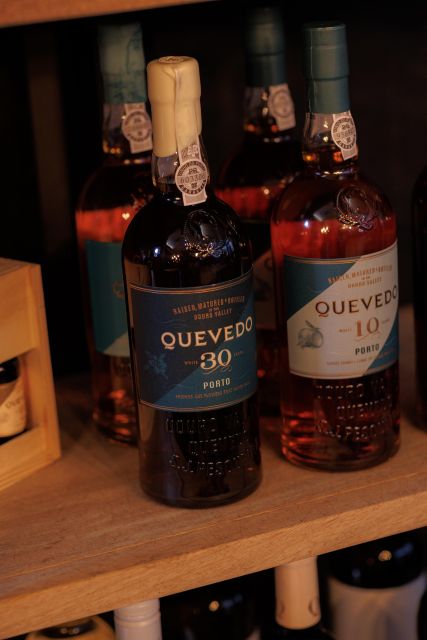
Yes—if you like your Port experience focused, guided, and quick. $22 buys you four distinct Port styles, a story that connects vineyards to the bottle, and the kind of staff attention that matters when you’re trying to learn what each wine is doing.
Book it if you:
- Want a 30-minute plan that won’t swallow your whole day
- Need a solid introduction to Rosé, Ruby, Tawny, and White Port
- Appreciate a family business explanation that’s specific about the Douro and their farming footprint
Skip it or think twice if:
- You strongly prefer tastings with snack pairings included
- You’re expecting a more expansive tasting menu beyond the four glasses
If you’re building a Porto itinerary and you want one reliable, cozy stop that helps you understand what you’re drinking, this one makes a lot of sense.
FAQ
How long is the Port tasting?
The tasting lasts 30 minutes.
What Port wines are included?
You’ll taste four wines: Rosé, Reserve Ruby, Special Reserve Tawny, and 10 Year Old White.
Where do I meet the host?
Go to Quevedo Port Wine and talk to one of the local staff members.
Are snacks included with the tasting?
No. Additional wines and snacks are not included.
What’s the group size?
It’s a small group limited to 8 participants.
Is the experience wheelchair accessible?
Yes, it is wheelchair accessible.
What languages does the host speak?
Portuguese, English, Russian, and Spanish.
Can I cancel for a full refund?
Yes. Free cancellation is available up to 24 hours in advance for a full refund.
Can I reserve without paying right away?
Yes. There’s a reserve now & pay later option, so you can book your spot and pay nothing today.
More Food & Drink in Vila Nova De Gaia



More Tour Reviews in Vila Nova De Gaia




More to Do in Vila Nova de Gaia



Fresh in the Vila Nova De Gaia notebook


Vila Nova de Gaia, compared.
 ★ 4.8Vila Nova de Gaia: Port Wine Tasting with Cheese PairingFrom $301,074 reviews
 ★ 5.0From Porto with view to Gaia: Private Bike Tour #DuckSideOfPortoFrom $86124 reviews
 ★ 4.8Vila Nova de Gaia: Winery Tour with 2 DOC Douro & 1 PortFrom $27101 reviews
 ★ 5.0Douro and Port Wine Tasting in Vila Nova de GaiaFrom $2035 reviews
 ★ 4.6Guided e-bike tours in Porto and GaiaFrom $5125 reviews
 ★ 4.5Tour of Vila Nova de GaiaFrom $323 reviews
 ★ 5.0Porto and Gaia: Walking Tour of Douro’s Two RiversidesFrom $3615 reviews
 ★ 4.8Porto to Gaia Sunset Walking Tour – Port Wine IncludedFrom $2615 reviews
Browse the lists this tour appears in