
Reviewed · VILA NOVA DE GAIA
Exclusive visit to the Astronomical Observatory of Gaia
A roof that opens to the sky feels rare. In Gaia, this small observatory on Monte da Virgem turns astronomy history into a hands-on lesson about measuring time. I love the setting—quiet, discreet, and built for the job—and I love the science lesson led by enthusiastic physics students who explain the machinery behind timekeeping. One thing to consider: this tour is only about 60 minutes, so if you’re expecting a full night-stargazing session, you may leave a bit wanting more.
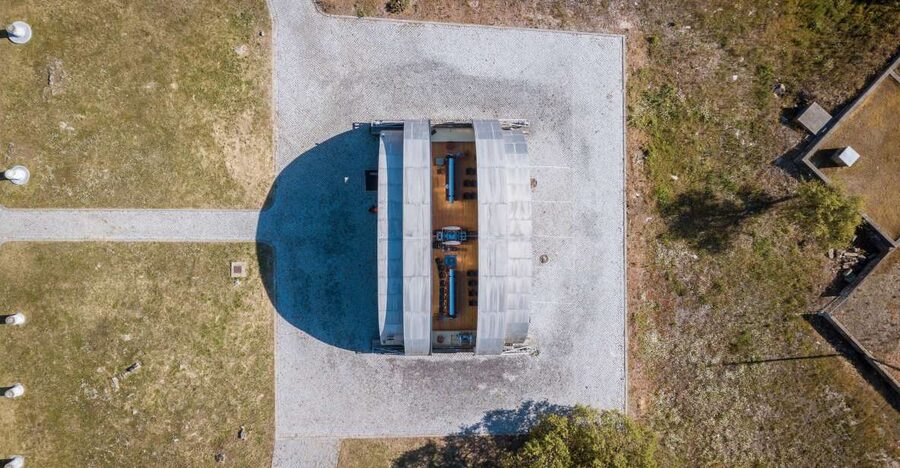
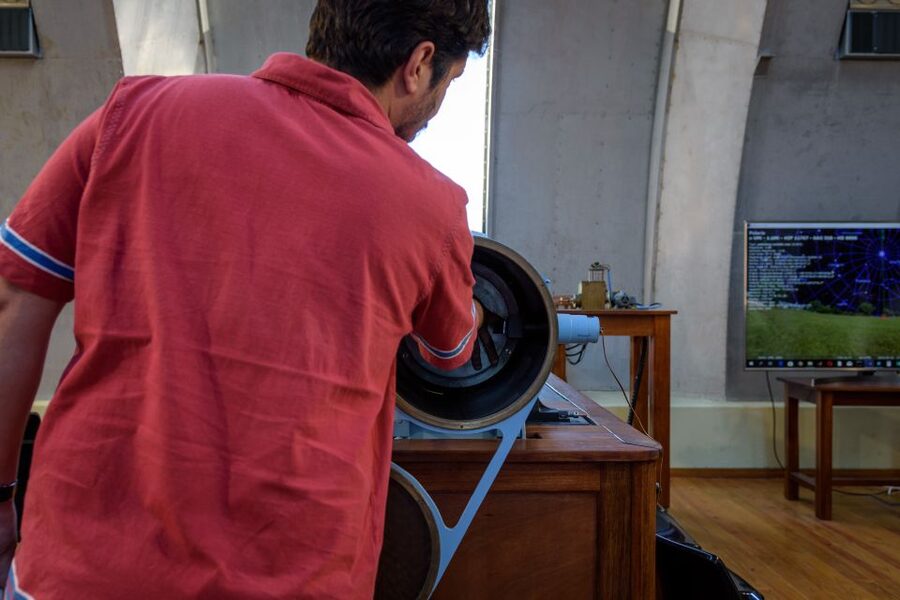
The highlight isn’t just the telescope. It’s the Mirror Meridian Circle setup and the sliding roof over a semi-cylindrical building, designed to watch stars cross the local meridian with precision. You’ll also get a clear sense of how the observatory’s purpose evolved since it was created in 1948 to support astronomy studies at the Faculty of Sciences.
My only caution is practical: the experience is not for younger kids, and there are strict rules on photography. If you bring flash or plan to record video, you’ll be stopped.
1) A sliding roof built for one job: measuring star passages
2) The Mirror Meridian Circle is explained in plain language
3) Guides are physics students, and their excitement is contagious
4) It’s short and focused: about 60 minutes total
5) No flash, no video, and it’s in English
6) Great if you like how instruments connect to real timekeeping
In This Review
- Entering Gaia’s Observatory Where the Roof Becomes Part of the Lesson
- The Mirror Meridian Circle: A Time Machine, Not Just a Telescope
- Why This Observatory Explains Time So Well
- The 60-Minute Flow: Short Walks, Guided Focus, Clear Pacing
- Meeting the Physics Students and Learning the Mechanisms
- Price and Value: What $17 Buys You in Gaia
- Photography and Etiquette Rules That Affect Your Experience
- Who Should Book This Observatory Visit
- Quick Check: Should You Book This Gaia Observatory Tour?
- FAQ
- How long is the visit?
- Where is the Astronomical Observatory of Gaia located?
- What is the price per person?
- Is the tour guided and in English?
- Is it suitable for children?
- Are flash photography and video recording allowed?
- How do you get to the observatory during the experience?
- Is free cancellation available?
- Is reserve now, pay later available?
Entering Gaia’s Observatory Where the Roof Becomes Part of the Lesson
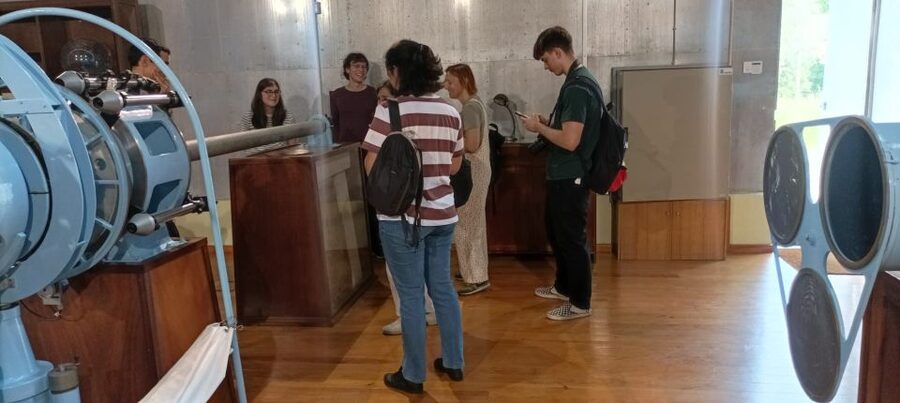
Gaia’s Astronomical Observatory sits high on Monte da Virgem, and the first surprise is how discreet it feels before you really notice what’s up there. This isn’t an attraction built to impress with size. It’s built to measure. And that difference matters, because the experience is about how we know what time is, not just admiring a big view.
The building is shaped around a key idea: when you want accurate observations, you reduce distractions. Here that shows up in a semi-cylindrical structure with a roof that slides open to the sky. That roof isn’t just architectural drama. It’s part of the measurement system. When you see it in context, the place starts to make logical sense: you’re inside an instrument’s body, not just standing near a telescope.
Two things I like right away for your planning:
- You’re in a location designed for astronomy study, created in 1948 to complement astronomy at the Faculty of Sciences.
- You’ll spend your hour learning the story of time through the observatory’s specific equipment, including the later Mirror Meridian Circle instrument.
One consideration for expectations: the entire visit is about an hour. You can enjoy the science without it dragging. But you won’t get hours of observation time unless the specific session provides it (and nothing in the core info guarantees nighttime viewing).
Over the bridge to the Gaia waterfront
- Vila Nova de Gaia: Port Wine Tasting with Cheese Pairing★ 4.8 · 1,074 reviews
- Vila Nova de Gaia: Bridges Cruise★ 3.6 · 4 reviews
- Vila Nova de Gaia: Douro Discovery★ 5.0 · 4 reviews
- Exclusive visit to the Astronomical Observatory of Gaia★ 5.0 · 4 reviews
The Mirror Meridian Circle: A Time Machine, Not Just a Telescope
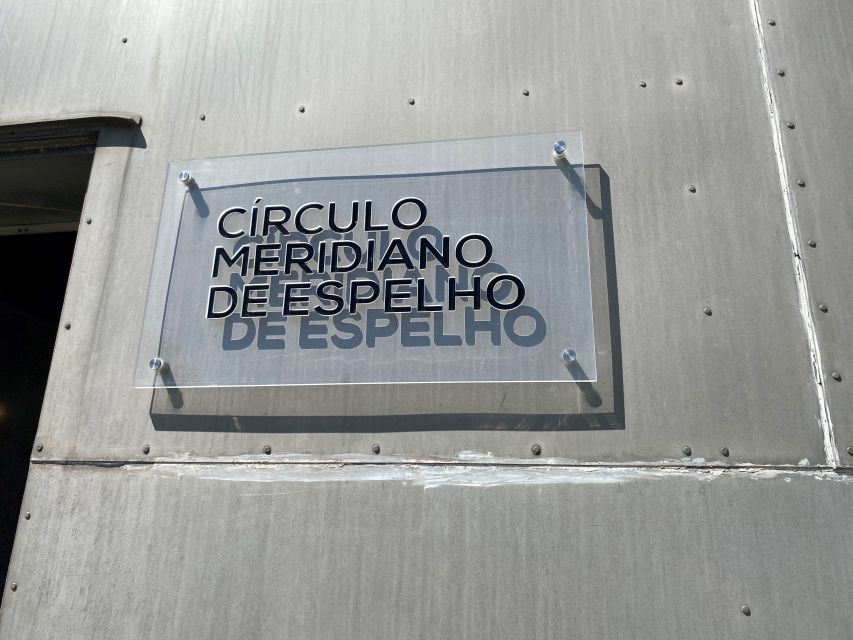
The observatory’s most notable instrument is the Mirror Meridian Circle, which opened about nine years after the observatory was created. That timeline alone tells you something: the building was made first, and then the standout tool arrived when it was ready to support real measurements.
Here’s what makes it interesting for you, even if you’re not a hardcore stargazer: the instrument is built around the meridian. The meridian is basically the north-south line in the sky that stars pass across as Earth rotates. Tracking that passage accurately is a direct route to understanding time.
The equipment is rare. There are only a few like it worldwide—specifically, only two more exist beyond this one. That kind of rarity adds value because you’re not just touring an old building. You’re seeing a serious measurement setup that’s uncommon enough to be genuinely special.
And the semi-cylindrical building with its sliding roof ties directly to the observing method. The roof moves out of the way so the observatory can make precise observations when stars cross the local meridian. In plain terms: the building is engineered to support one type of sky viewing with less interference.
During the guided part of the visit, you’ll also hear the back-and-forth question that makes this tour stick in your head: what were those instruments used for when they were new, and what are they used for now? Even if you don’t leave with a new career in astrophysics, you’ll leave with a better feel for how instrument design turns into long-lasting scientific purpose.
Why This Observatory Explains Time So Well
Most places that talk about astronomy do it as spectacle. This one explains astronomy as measurement. And that shifts how you’ll pay attention.
Timekeeping is easy to take for granted. A phone tells you the current hour. Clocks tick on. But the observatory’s message is that time isn’t magic. It’s something humans infer from predictable patterns in the sky—especially star positions crossing known reference lines.
The guides—physics students from the Faculty of Sciences—help connect the dots. They’re not just reciting dates. They’re talking about mechanisms: the way the observatory helps tell time by observing the times when stars pass through the meridian. That’s a big deal, because it shows how scientific instruments can be both practical and beautifully precise.
I also appreciate the way the experience frames the observatory as part of a larger academic ecosystem. It wasn’t built only for tourists. It was created to complement astronomy studies, which gives the whole visit a grounded feel. It explains why the equipment exists and why it needed that specific building design.
If you like thinking about the marriage of engineering and everyday life, you’ll probably enjoy this more than a standard “look at the telescope” stop.
The 60-Minute Flow: Short Walks, Guided Focus, Clear Pacing
The visit is simple, and that’s a good thing. You start at 4430-146 and then take about a 5-minute walk to the observatory. This isn’t a long hike. Think “arrival shuffle,” not “trek.” It’s enough to move you from the village area to the observatory zone without exhausting you.
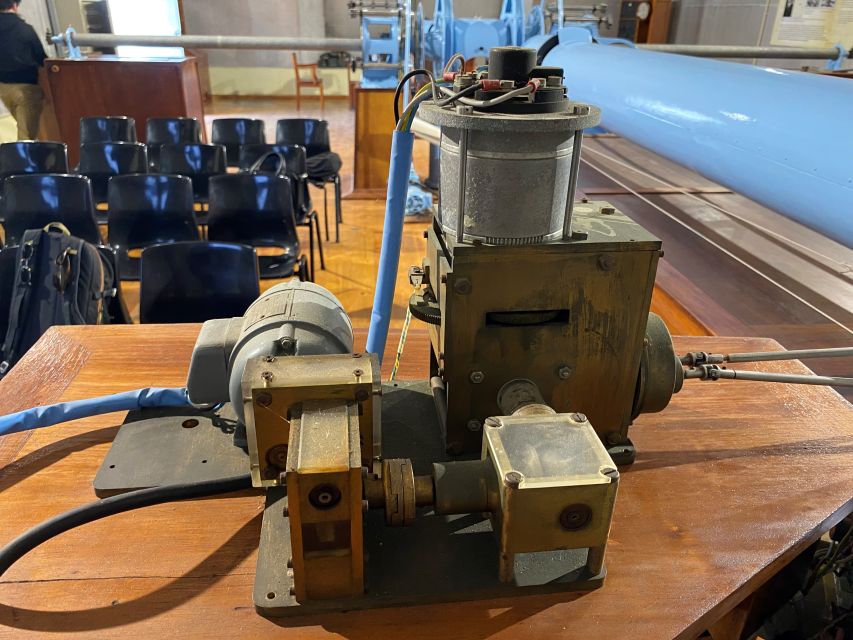
Then comes the heart of the experience: the guided tour lasting about 30 minutes. This is where the explanations land. You’ll learn about the observatory’s purpose since 1948, the introduction of the Mirror Meridian Circle nine years later, and how the sliding roof and the instrument design support accurate meridian observations.
After that, you’ll make the second short 5-minute walk back. The whole pace suits travelers who want a focused cultural-science stop without committing the rest of the day.
What I’d recommend for you: treat it like an “early” or “side” activity in your Gaia plan, not a replacement for a full-day itinerary. If you schedule it well, it works like a smart pause—something different from churches and viewpoints.
Meeting the Physics Students and Learning the Mechanisms
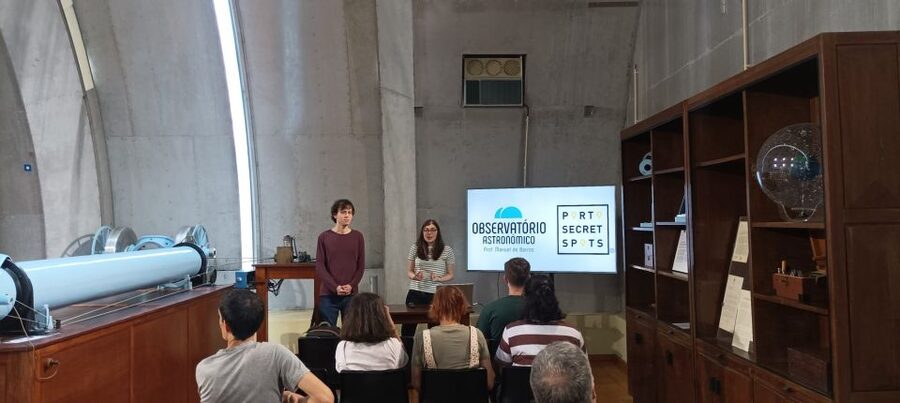
The guides matter here. The tone of the tour is described as passionate, with real enthusiasm following through the visit. That energy matters because the material can be technical: meridian circles, instrument design, star passage timing. When the guide sounds excited, you can follow along more easily.
You’ll be led through ideas like:
- how the observatory was designed around astronomy measurement,
- how specific equipment supports precision observations,
- and how the observatory connects to the history of timekeeping.
Even if your background is casual, this isn’t written like a textbook. It’s explained for visitors, in English, and the structure is built for a 1-hour experience. If you’re the kind of traveler who likes learning something real but hates lectures that drag, you’ll probably feel comfortable.
One practical point: because video recording isn’t allowed and flash photography isn’t allowed, you’ll focus on listening and seeing rather than multitasking with a camera. It keeps the experience calm, and it helps the guides control the flow for a small space.





Price and Value: What $17 Buys You in Gaia
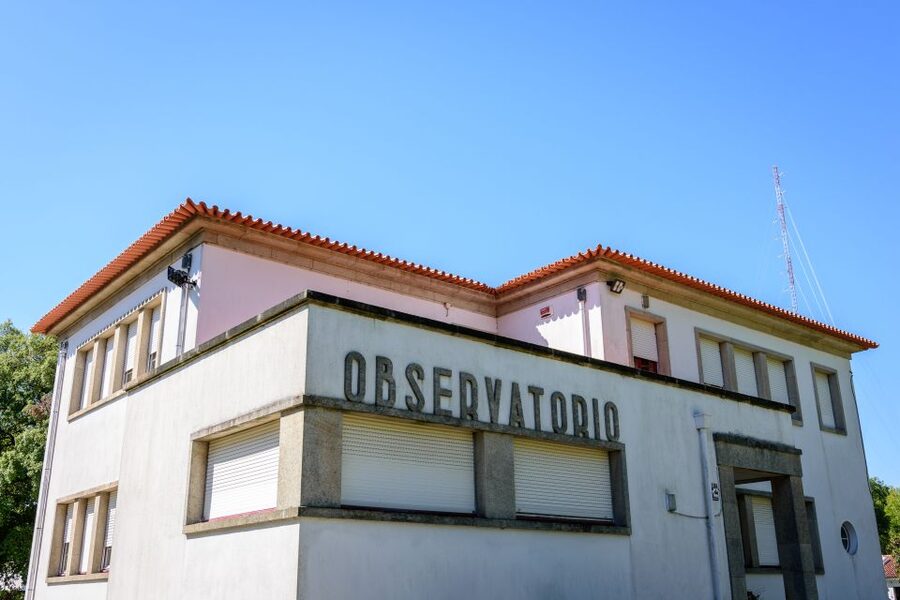
The price is listed as $17 per person for a 1-hour visit. That sounds straightforward, but value depends on what you want from travel.
For this kind of stop, the value isn’t the building alone. It’s the combination:
- a rare instrument with only two other similar examples worldwide,
- a building engineered for precise meridian observations,
- and an English guided explanation led by physics students.
If you enjoy the story behind tools—how instruments measure reality—this price feels fair for what you’re getting. You’re not paying for a generic view with a quick talk. You’re paying for access to a specialized scientific site and learning how it measures time.
Where you should be realistic: if your main goal is nighttime stargazing with telescope time, this tour description doesn’t promise a full night session. Some sessions may not include nighttime observation use of the telescope. That’s exactly the kind of mismatch that can leave you disappointed if you expected more sky-watching time.
So I’d treat it as a “time and instrument” experience first, and a sky bonus second.
Photography and Etiquette Rules That Affect Your Experience
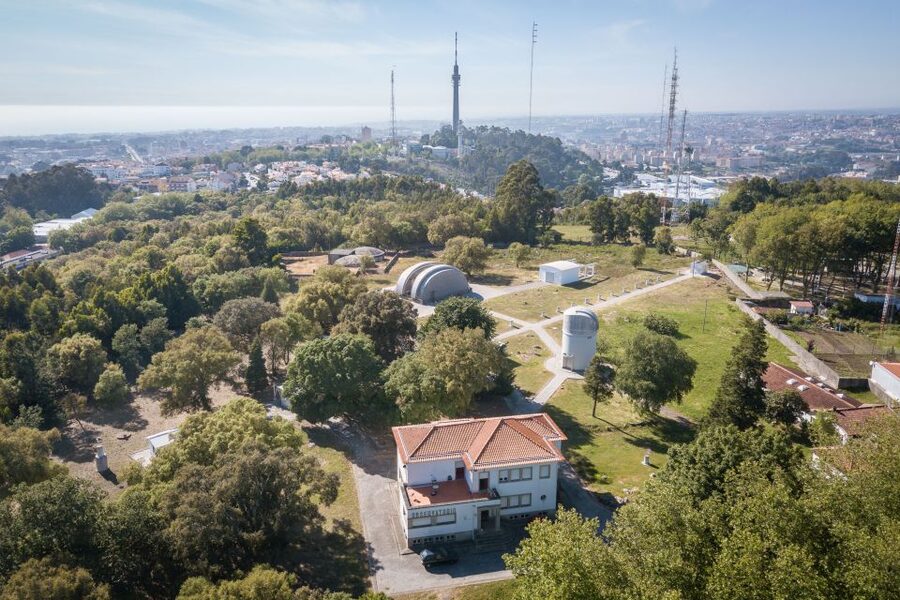
This observatory has clear rules:
- No flash photography
- No video recording
Those rules are not random. In dark-sky or instrument-focused settings, flash can ruin someone else’s night adaptation and distract from observation. And video recording can interfere with how the guides explain sensitive equipment and help control the group.
For you, the practical takeaway is simple:
- Plan to take photos without flash if allowed during your specific session.
- Keep your phone and camera out of the way so you can actually hear the guide. The science part is the point.
Also, the tour is not suitable for children under 12. If you’re traveling with younger kids, this likely won’t be the right match.
Who Should Book This Observatory Visit
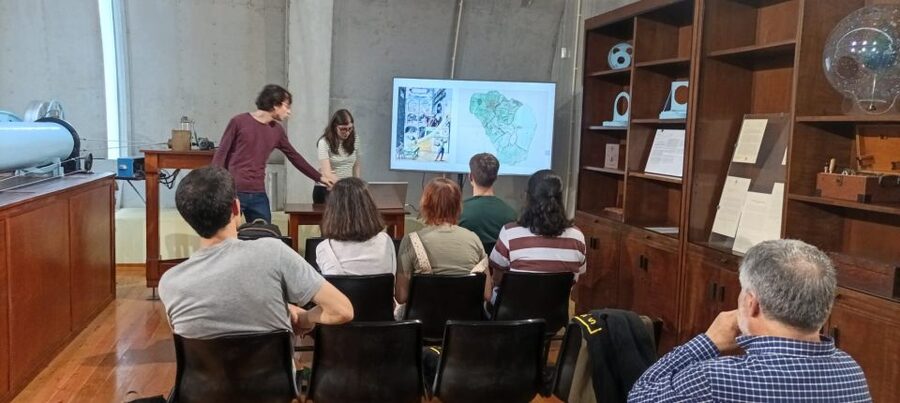
This is a strong fit if you:
- love astronomy history and want it explained through real instruments,
- enjoy science tours where you learn mechanisms instead of just seeing objects,
- like short, well-paced experiences with clear takeaways.
It’s also a great choice if you’re traveling with someone who enjoys timekeeping, engineering, or how measurements connect to daily life. The meridian-circle concept gives that “oh, that’s how we know” satisfaction.
You might want to skip or adjust expectations if you:
- expect a long nighttime stargazing block,
- need kid-friendly programming under 12,
- or plan to use flash or record video during the visit.
Quick Check: Should You Book This Gaia Observatory Tour?
If your idea of a fun trip includes understanding the tools behind the sky, I’d book this. For $17, you get a rare instrument story, a building designed with a sliding roof for precise observations, and an English guided explanation led by physics students. It’s short, so you can fit it without wrecking your day.
If you’re hoping for hours of nighttime telescope use, go in knowing the core experience is focused and time-limited. In other words: come for the meridian-circle lesson and the history of time measured with instruments—not for a guaranteed late-night observing session.
FAQ
How long is the visit?
The visit lasts about 60 minutes.
Where is the Astronomical Observatory of Gaia located?
It’s in Gaia, on Monte da Virgem in northern Portugal.
What is the price per person?
The price is listed as $17 per person.
Is the tour guided and in English?
Yes. The visit includes a live guide and the tour is in English.
Is it suitable for children?
It is not suitable for children under 12.
Are flash photography and video recording allowed?
No. Flash photography and video recording are not allowed.
How do you get to the observatory during the experience?
You’ll start at 4430-146 and walk about 5 minutes to the observatory, then walk back another 5 minutes after the guided tour.
Is free cancellation available?
Yes, you can cancel up to 24 hours in advance for a full refund.
Is reserve now, pay later available?
Yes. The option is described as reserve now & pay later, with no payment today.
More Tour Reviews in Vila Nova De Gaia






More to Do in Vila Nova de Gaia


Fresh in the Vila Nova De Gaia notebook






Vila Nova de Gaia, compared.
 ★ 4.8Vila Nova de Gaia: Port Wine Tasting with Cheese PairingFrom $301,074 reviews
 ★ 5.0From Porto with view to Gaia: Private Bike Tour #DuckSideOfPortoFrom $86124 reviews
 ★ 4.8Vila Nova de Gaia: Winery Tour with 2 DOC Douro & 1 PortFrom $27101 reviews
 ★ 5.0Douro and Port Wine Tasting in Vila Nova de GaiaFrom $2035 reviews
 ★ 4.6Guided e-bike tours in Porto and GaiaFrom $5125 reviews
 ★ 4.5Tour of Vila Nova de GaiaFrom $323 reviews
 ★ 4.8Vila Nova de Gaia: Porto Discovery TastingFrom $2217 reviews
 ★ 4.8Porto to Gaia Sunset Walking Tour – Port Wine IncludedFrom $2615 reviews
Browse the lists this tour appears in