
Reviewed · PORTO CITY WALKS
Porto and Gaia: Walking Tour of Douro’s Two Riversides
Two rivers, one great walking day. This Porto-to-Gaia tour is a smart, low-stress way to learn why the city looks the way it does, from Henry the Navigator’s square to port-cellar country. I like the easy-to-find meeting point and the fact the group stays small enough to actually chat with your guide, and I also like the finish near Gaia’s port cellars (with a port sip that can be an extra expense). One possible drawback: a reviewer noted the advertised short river boat plan may not always run, so it’s wise to be flexible.
You’ll spend about 2 hours on foot with an English-speaking guide (Spanish also spoken), picking up practical context for the places you see. The route focuses on major landmarks and Porto culture, then hands you off near cellars in Vila Nova de Gaia where you can keep the fun going.
In This Review
- Key points to know before you go
- Why this Porto and Gaia walking loop fits perfectly into a short stay
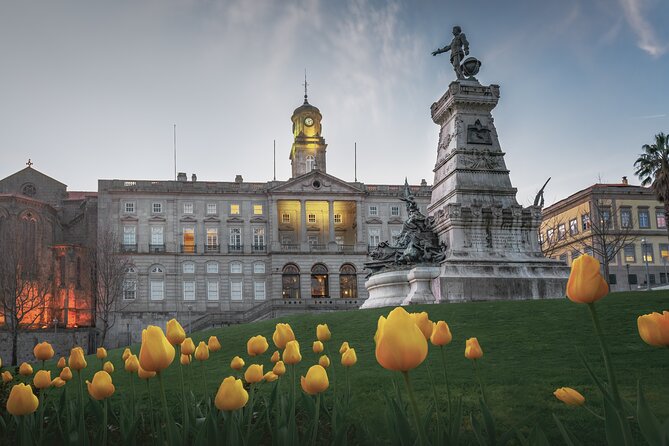
- Starting at Jardim do Infante Dom Henrique: Henry the Navigator’s Porto
- Porto’s headline sights: Palácio da Bolsa, St. Francis, and the UNESCO-linked house
- Ribeira Square and Alminhas da Ponte: the riverfront with a memory attached
- Crossing the Douro on foot to Gaia: where the view actually changes your mind
- Port wine birthplace in Gaia, plus a former convent pause
- The port sip at the end: plan for extra cost
- Price and value: what $36.74 buys you (and what may cost extra)
- Guide quality: English support, and real passion for Porto
- Who should book this tour, and who should skip it
- Should you book this Porto and Gaia walking tour?
- FAQ
- How long is the Porto and Gaia walking tour?
- Where does the tour start and end?
- What time does the tour begin?
- How much does it cost?
- Is the tour in English?
- How big is the group?
- Is the port wine tasting included?
- Does the tour include food or hotel pick-up?
- Is a boat trip part of the experience?
- What if I need to cancel?
- What if the tour is canceled due to low bookings?
Key points to know before you go
- Small group (max 15) means more questions, less milling around.
- Start at Jardim do Infante Dom Henrique so you can orient fast in Porto.
- Church and historic architecture stops help you understand Porto beyond photos.
- You cross the Douro River on foot, with big views and a real change of scenery.
- The tour ends in Gaia near a cellar area, ideal for a tasting add-on if you want it.
- Port tasting is extra at the end, so plan for that budget line.
Over the bridge to the Gaia waterfront
- From Porto with view to Gaia: Private Bike Tour #DuckSideOfPorto★ 5.0 · 124 reviews
- Vila Nova de Gaia: Winery Tour with 2 DOC Douro & 1 Port★ 4.8 · 101 reviews
- Douro and Port Wine Tasting in Vila Nova de Gaia★ 5.0 · 35 reviews
- Porto: Guided e-bike tours in Porto and Gaia★ 4.6 · 25 reviews
Why this Porto and Gaia walking loop fits perfectly into a short stay
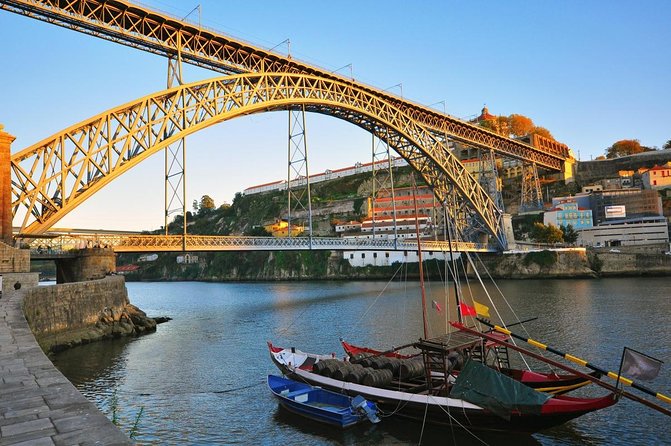
If you only have part of an afternoon in Porto, this kind of tour does a lot of work for you. You get a guided hit of the old center in Porto, then the shift across the Douro into Gaia, where the port story lives. The whole thing runs about 2 hours, so you’re not tied up all day.
It’s also priced to feel reasonable for what you’re getting. At $36.74 per person, you’re paying for a local guide, a tight route, and a small-group format (maximum 15). That’s the difference between reading about Porto and actually getting your bearings.
One more practical upside: there’s no hotel pick-up and drop-off, which keeps the start time honest and simple. The meeting point is the Jardim do Infante Dom Henrique, and the tour ends in Vila Nova de Gaia at Largo Joaquim Magalhães 4, so you can continue on to cellars at your pace.
Starting at Jardim do Infante Dom Henrique: Henry the Navigator’s Porto
Most Porto first-timers land in the old center and immediately start snapping photos. This tour begins with a better question: why was Porto important in the first place? The start point is Jardim do Infante Dom Henrique, a square tied to Henry the Navigator, a key figure in Portuguese discoveries.
Even if you’ve never heard of Henry, you’ll leave this stop with a clearer frame for the city. Porto’s role in exploration and trade helps explain why the architecture, shipping, and river life matter so much later on.
Also, the location is easy to find, which sounds boring until you’re standing with a map app in your hand trying to guess which street counts as the real start. You start with fewer logistics headaches.
Porto’s headline sights: Palácio da Bolsa, St. Francis, and the UNESCO-linked house
From there, the tour moves into the Porto historic core and hits three big “how did they build this?” stops.
First up is Portugal’s first Stock Exchange Palace, one of the city’s stunning buildings. This stop is all about architecture and the city’s mercantile energy—Porto didn’t just look historic, it functioned as a trade engine. Expect to spend enough time here to understand what you’re looking at, not just pass it like a postcard.
Next comes the Church of St. Francis. Faith shaped Portugal’s history, and this church is a direct reflection of that. It’s often the kind of place people remember because it feels like decoration with purpose—so take your time with the details even if you’re rushing through everything else.
Finally, you’ll see a house in Porto’s historic center that’s part of the UNESCO World Heritage listing. This stop helps you connect the grand landmarks to real people and the city’s living past, rather than treating Porto like a museum with only big monuments.
Practical note: the tour’s short duration means you’ll get guided context, but not a full museum-style deep visit. Admission is listed as not included for at least the first stop, and you should assume that some indoor spaces may have their own entry requirements.
Ribeira Square and Alminhas da Ponte: the riverfront with a memory attached
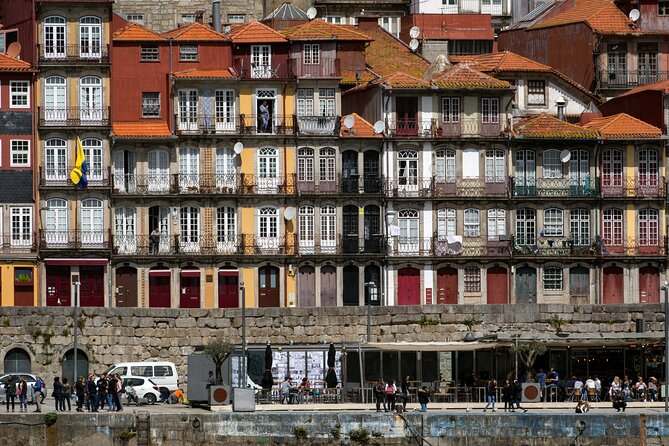
One of the reasons Porto feels different from other Portuguese cities is how the past and everyday life share the same streets. Ribeira Square is one of the oldest and liveliest spots along the Douro, where daily life happens right in the historic frame.
This stop works well because it’s visual and human. You’ll see how the waterfront isn’t just for tourists; it’s where the city’s rhythms run. When your guide puts the history into context, the riverfront stops looking like scenery and starts looking like a system: trade, transport, and the stories tied to the water.
Then comes Alminhas da Ponte, monuments honoring the tragic collapse of the bridge in 1809. This is one of those “quiet but heavy” stops. It adds emotional weight to what could otherwise be a purely scenic route, and it turns your photos into something with meaning. If you like history that has real consequences (not just names and dates), this part lands.
More routes on foot through Porto




Crossing the Douro on foot to Gaia: where the view actually changes your mind
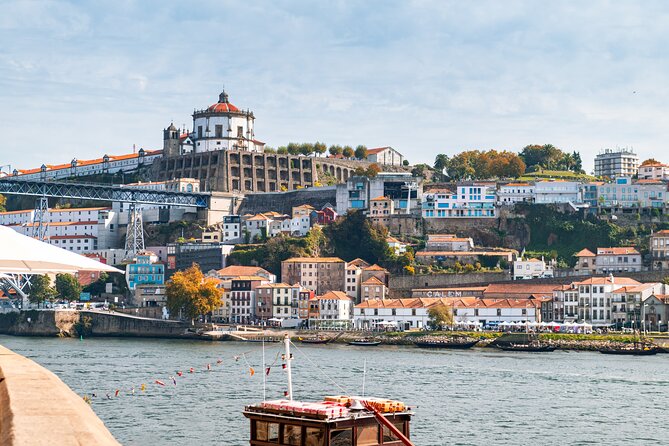
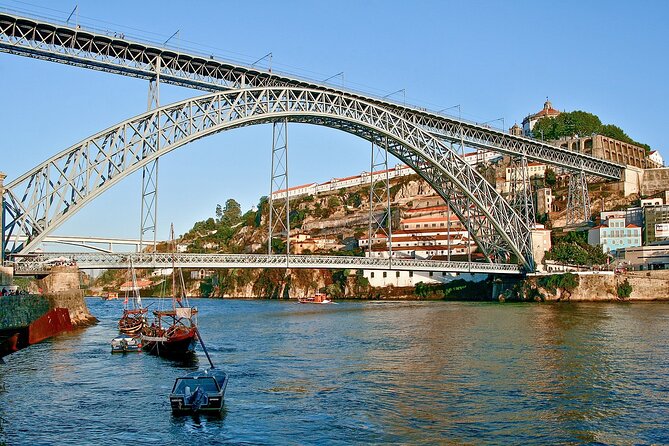
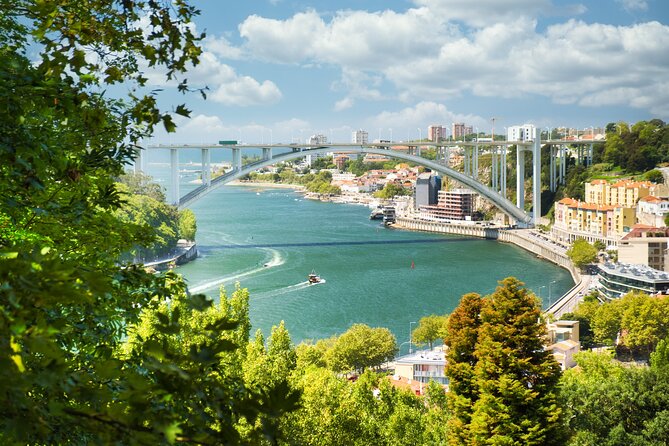
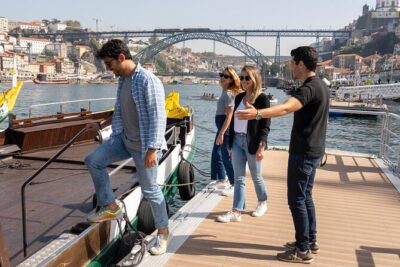
At some point on this tour, you cross the Douro River on foot. The walk is short, about 15 minutes, but the point is big: the river isn’t a border you ignore—it’s the reason Porto and Gaia developed into two sides of the same story.
Once you’re moving between sides, the city visuals shift fast. On the Porto side you’re thinking old streets and landmark clusters; on the Gaia side you start feeling the port atmosphere—storage, wine production, and the industrial reality behind the romantic views.
If you get easily chilled, plan for the river air. Even in mild weather, a river walk can feel cooler than you expect. And if rain shows up, keep your day flexible. You’re on foot the whole way, so footing matters.
Port wine birthplace in Gaia, plus a former convent pause
Gaia is where the tour pivots from general city history to the specific reason the Douro region became famous: port wine. You’ll visit the birthplace of Port Wine and its iconic cellars—places where tradition isn’t just a label, it’s built into the space and the routine.
After that, the tour includes time at a former convent with simple yet powerful architecture and strong religious heritage. This is a good balance check. After walking through busy streets and water-adjacent memories, you get a calmer stop that lets your head reset.
The tour ends in the cellar area close to Largo Joaquim Magalhães 4. That matters because you’re not sent to some random drop-off point. You’re delivered to the right neighborhood to keep exploring cellars if you want another tasting.
The port sip at the end: plan for extra cost
The tour’s highlight finish includes a winery setting where you can sip local port, but it’s described as an extra expense. That’s normal for port tastings, but it’s worth treating it as optional rather than assuming it’s fully included.
One reviewer said the tasting portion they experienced was only for an extra charge and that the cellar felt tiny and dark, then added that they ended up getting a tasting at Graham’s afterward, which they highly recommended. Translation for your planning: if you care a lot about the tasting experience itself, compare options in the same area and don’t be shy about choosing a cellar with the vibe you want.
Price and value: what $36.74 buys you (and what may cost extra)
Let’s talk value in real terms. This isn’t just a walk between photos; you’re paying for guided context through key Porto and Gaia landmarks, plus personalized recommendations to help you enjoy the city like a local after the tour ends.
You also get the small-group advantage. With a maximum of 15 people, the guide can actually answer questions. That matters when you’re trying to understand how Porto’s history connects to the river, the architecture, and the port trade.
At $36.74, you’re also avoiding the common trap of paying a lot for a long, exhausting day. This stays around 2 hours, with a route that hits major sites without demanding you memorize a lecture.
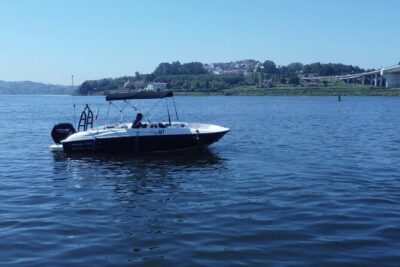
Now for the caution flag: one review pointed out that the listing messaging sounded like a 15-minute Duoro boat trip was part of the deal, but in their case it turned into a water taxi plan that wasn’t running. Their group continued on foot to Gaia instead, and they felt the advertising didn’t match what actually happened.
So here’s my practical advice: if you care about the river-ride part specifically, ask when you book what the river segment will be on that day. Keep a flexible mindset about weather and river services, especially for short trips.
Guide quality: English support, and real passion for Porto
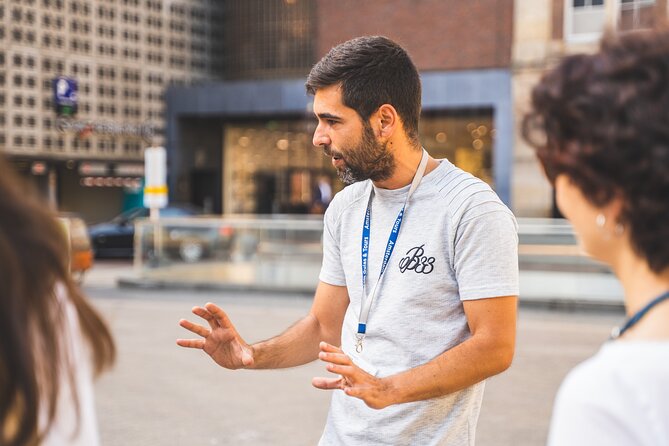
A tour lives or dies by the guide, and this one clearly has a strong track record. People highlighted guides who were friendly, upbeat, and genuinely proud of Porto. You’ll also see a pattern: guides don’t just name buildings; they explain why those places mattered on both sides of the Douro.
Examples from recent guide feedback include Sofia, who was praised for clear English and detailed background, and Susana, noted as friendly and knowledgeable with a sense of local pride. Michael and Arturo were also specifically praised for engaging storytelling and strong historical context while leading people into areas they likely wouldn’t find alone.
That mix tells me the tour is built for conversation. If you like asking questions—about trade, architecture, or the way port culture shapes daily life—you should feel comfortable doing it.
Who should book this tour, and who should skip it
This is a great fit if you:
- Want a Porto + Gaia highlights route without a full-day commitment.
- Like guided storytelling that connects landmarks to trade and river life.
- Want an efficient entry point to the port cellar district at the end.
It may not be ideal if you:
- Expect a guaranteed short boat ride as a firm, always-happens element.
- Prefer deep, slow museum-style visits where you can linger for long periods at a single indoor site.
- Are trying to do this as a stand-alone wine experience. The tour sends you to the cellar zone, but the port sip itself is extra.
Should you book this Porto and Gaia walking tour?
Yes, I think it’s a smart booking for most first-timers—especially if you’re the type who likes structure and getting your bearings fast. The small group size, strong guiding, and the Porto-to-Gaia flow make it a tidy way to understand the city’s two-sided personality.
Book it if your main goal is highlights plus context, then a possible tasting add-on after. Before you go, just keep one thing in mind: the river-ride element may not always play out exactly as advertised on every day, so it’s smart to treat the boat segment as a bonus rather than the core plan.
If you want, tell me your travel dates and whether you care more about wine tastings or architecture. I can help you plan what to do right after the tour ends near Largo Joaquim Magalhães 4.
FAQ
How long is the Porto and Gaia walking tour?
It runs for about 2 hours.
Where does the tour start and end?
It starts at Jardim do Infante Dom Henrique, R. do Infante Dom Henrique, 4050 Porto, Portugal, and ends at Largo Joaquim Magalhães 4, 4400-174 Vila Nova de Gaia, Portugal.
What time does the tour begin?
The start time is 2:30 pm.
How much does it cost?
The price is $36.74 per person.
Is the tour in English?
The guide speaks English, and Spanish is also offered.
How big is the group?
The tour has a maximum of 15 travelers.
Is the port wine tasting included?
The finish includes a chance to sip local port at a winery, but it’s described as an extra expense.
Does the tour include food or hotel pick-up?
No. Food and drinks are not included, and there is no hotel pick-up or drop-off.
Is a boat trip part of the experience?
The experience includes a river element, but one review noted that a planned water taxi was not running, and the group continued on foot instead. It’s a good idea to be flexible about the exact river transport on the day.
What if I need to cancel?
You can cancel for a full refund up to 24 hours before the experience start time. After that window, the amount paid isn’t refunded.
What if the tour is canceled due to low bookings?
If it’s canceled because the minimum number of travelers isn’t met, you’ll be offered a different date or a full refund.
More Tour Reviews in Porto





More of Porto on Foot
More to Do in Vila Nova de Gaia






Fresh in the Porto notebook

Porto City Walks, compared.
 ★ 5.0Porto Walking Tour, Lello Bookshop, River Cruise and Cable CarFrom $723,354 reviews
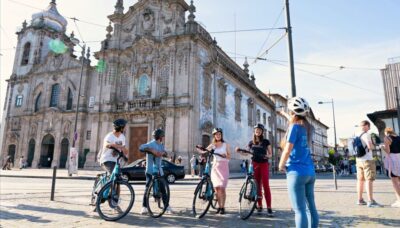 ★ 4.8City Highlights 3-Hour Guided Electric Bike TourFrom $513,092 reviews
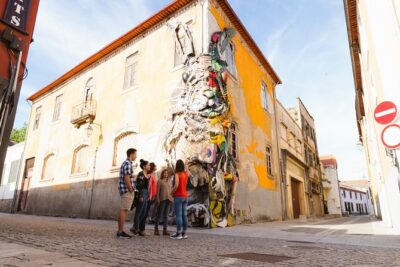 ★ 5.0Experience Porto’s Charm: 3-Hour Guided Walking TourFrom $352,432 reviews
 ★ 4.83-Hour Guided City Highlights Walking TourFrom $342,050 reviews
 ★ 4.4Wine Tasting with Tapas Walking TourFrom $531,541 reviews
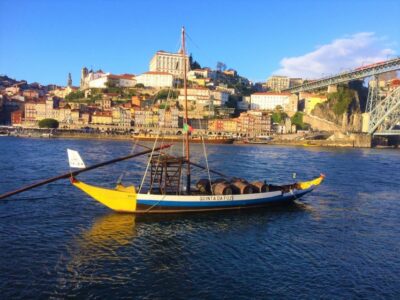 ★ 4.7Historic City Center Walking TourFrom $331,172 reviews
 ★ 5.0Porto’s #1 Walking TourFrom $01,026 reviews
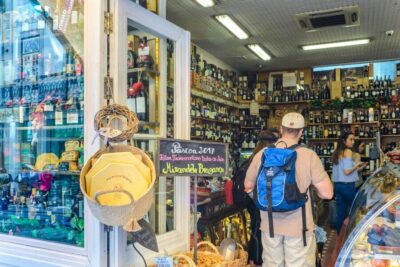 ★ 4.8Delicious Food and Wine Walking TourFrom $87977 reviews
Browse the lists this tour appears in