
Reviewed · PORTO CITY WALKS
Porto and Gaia: Walking Tour of Douro’s Two Riversides
Porto feels like two cities in one walk. This Porto-and-Gaia route ties the Age of Discoveries to today’s waterfront life, from Henry the Navigator’s home base to Gaia’s UNESCO views. I especially loved how the tour brings Casa do Infante and the Serra do Pilar Monastery into the same story, so the river feels like the real main character. One watch-out: you’ll do some real walking, and it’s not suited for wheelchair users.
You meet at Jardim do Infante Dom Henrique, at the foot of the statue with a blue umbrella, so you can get your bearings fast. The group stays small (up to 10), and the guide works in English or Spanish, which matters when you want details and questions answered on the spot.
In This Review
- Key highlights you’ll feel on this Douro walk
- Starting at Henry the Navigator: the square that sets the whole tone
- Inside Porto’s religious and historic centerpiece: Saint Francis and the pulse of the city
- Ribeira and Barredo: where the Douro shapes everyday life and future change
- Medieval Porto, the city walls, and the river that made it
- The Alminhas of the Bridge and Dom Luís Bridge crossing
- Arriving in Gaia: wine cellars, the UNESCO Serra do Pilar view, and street art
- Corpus Christi Convent legends and the Port wine story you’ll actually remember
- Price and time: $32 for a focused 2-hour Porto-to-Gaia storyline
- Who this walking tour fits best
- Practical tips so you enjoy the route more
- Should you book Porto and Gaia: Walking Tour of Douro’s Two Riverside(s)?
- FAQ
- FAQ
- How long is the Porto and Gaia walking tour?
- How much does it cost?
- Where does the tour start?
- Does the tour include a guided visit to major sights?
- What languages are the guides?
- Is food or drinks included?
- Do I get hotel pickup and drop-off?
- Is the tour suitable for wheelchair users?
- What if the group is too small?
- What is the cancellation policy?
Key highlights you’ll feel on this Douro walk
- Henry the Navigator starting point: you begin in the exact neighborhood tied to Portugal’s early seafaring story
- Faith and art in one sweep: Church of Saint Francis plus modern street art in Gaia
- Ribeira and Barredo: old neighborhoods shaped by the Douro, now pressured by tourism and gentrification
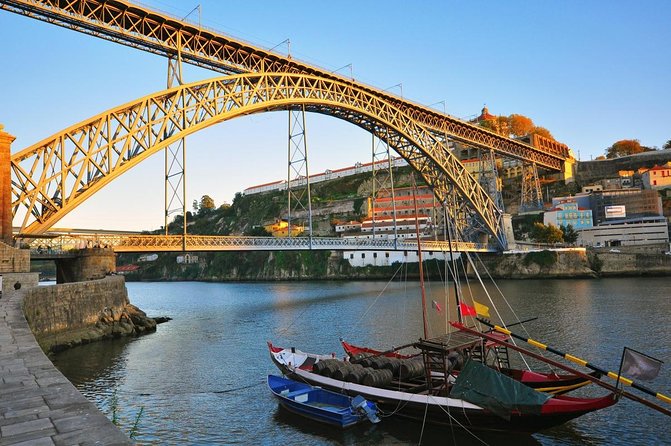
- Douro on foot: crossing the Dom Luís Bridge links the two sides in a way a viewpoint never does
- UNESCO + legends: Serra do Pilar Monastery and the Corpus Christi Convent, with its story attached
Over the bridge to the Gaia waterfront
- From Porto with view to Gaia: Private Bike Tour #DuckSideOfPorto★ 5.0 · 124 reviews
- Vila Nova de Gaia: Winery Tour with 2 DOC Douro & 1 Port★ 4.8 · 101 reviews
- Douro and Port Wine Tasting in Vila Nova de Gaia★ 5.0 · 35 reviews
- Porto: Guided e-bike tours in Porto and Gaia★ 4.6 · 25 reviews
Starting at Henry the Navigator: the square that sets the whole tone
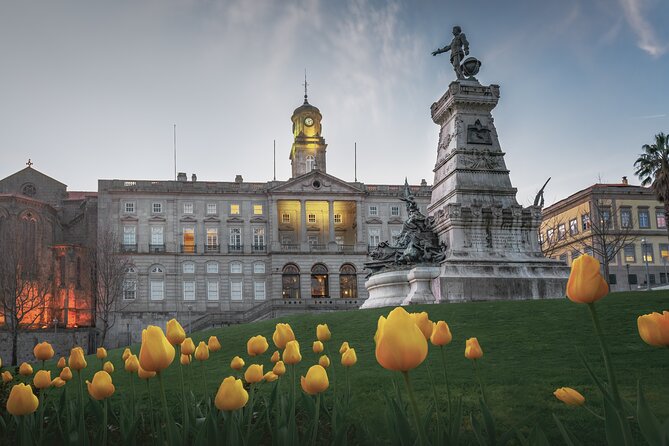
The tour begins in Jardim do Infante Dom Henrique, at the foot of the statue with a blue umbrella. This matters because Henry the Navigator (also known as the Infante of Sagres) isn’t a vague figure from a textbook. He’s tied to Porto itself, and the walk uses that connection to explain why Portugal’s story started here.
You’ll also see the Palácio da Bolsa, home to the Porto Stock Exchange, one of the city’s architectural highlights. The quick guided look gives you a simple framework: Porto was never just a pretty waterfront. It was a trading and money town long before it became a postcard.
From the start, the guide’s style is practical. They connect names and places so you don’t feel like you’re hopping between unrelated stops. If you like history that points to the real geography—river, trade, power—this start clicks.
Inside Porto’s religious and historic centerpiece: Saint Francis and the pulse of the city
Next up is the Church of Saint Francis, often treated as one of Portugal’s most beautiful churches, and you can see why once you’re standing there. Portuguese faith shows up in a strong, visual way, and the guide helps you notice details without turning it into a lecture.
Right after that, you head to Casa do Infante, Henry’s house. This is a smart stop because it anchors the early Age of Discoveries in an actual setting in Porto, not just a name on a timeline. I like tours that make you feel the city’s timeline in walking distance—and this one does.
There’s a subtle benefit here: these stops give you context for everything that comes later. When you later talk about walls, gates, and river logistics, you already understand the kind of Portugal this city helped build.
Ribeira and Barredo: where the Douro shapes everyday life and future change
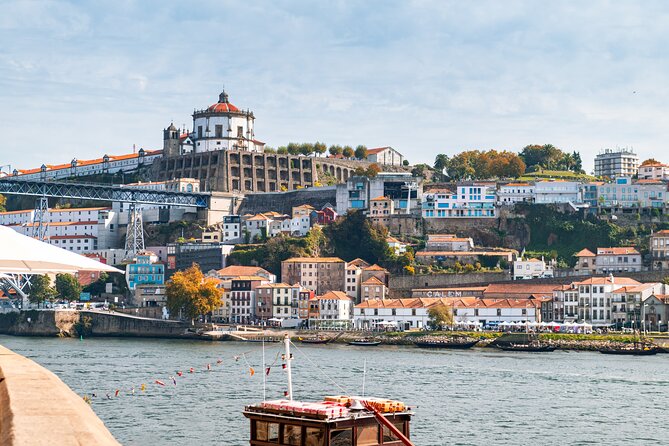
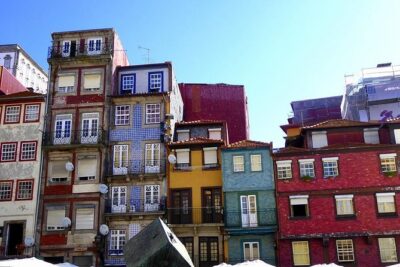
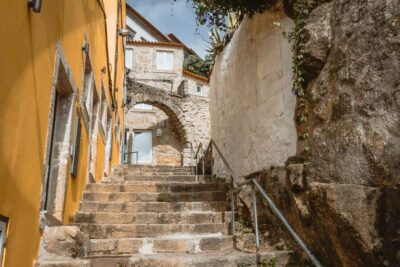
Then the walk turns toward Ribeira and Barredo, described as Porto’s oldest neighborhoods. You’re not only looking at charming streets. You’re learning what those streets were built for—closeness to the river, access to movement, and the way the Douro fueled daily work.
The guide also brings in a modern reality check. Tourism and gentrification reshape these historic lanes, and the tour doesn’t pretend that change is all good or all bad. You’ll come away with a better sense of what’s at stake when a working waterfront becomes a visitor experience.
This section is where the tour feels most local. You’ll hear about old customs and how life functioned around the river, which is the through-line of the entire route. If you enjoy seeing neighborhoods as living systems, not just scenery, you’ll like this part.
Medieval Porto, the city walls, and the river that made it
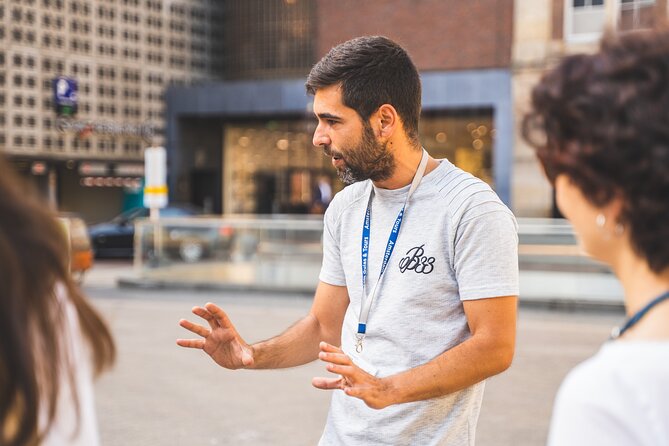
As you move through the old city, the tour touches medieval walls and gates, plus customs tied to those times. The guide emphasizes how Porto, like many major cities, was born on its banks—and that the Douro wasn’t scenery. It was a life source.
You’ll also pick up stories that add texture: bridges, French invasions, royalty, legends, heroes, and villains. None of it feels random. It’s used to show how a river city gets pulled into big events and bigger conflicts.
One of the reasons I like a route like this is that it teaches you how to read Porto in layers. After hearing the “why,” the “what you see now” starts making sense: where people built, where they defended, and why certain routes matter.
More routes on foot through Porto

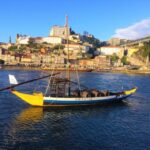
The Alminhas of the Bridge and Dom Luís Bridge crossing
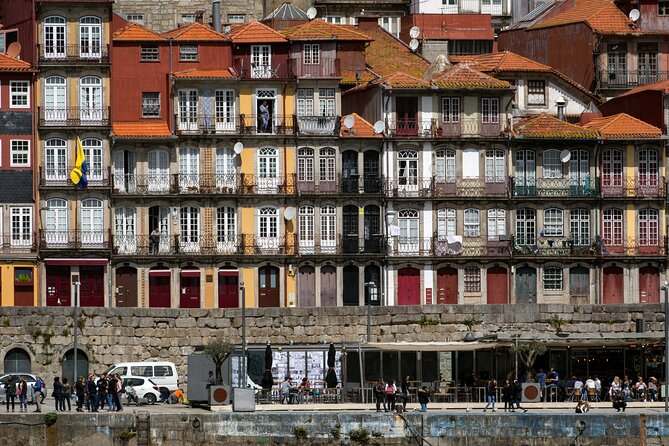
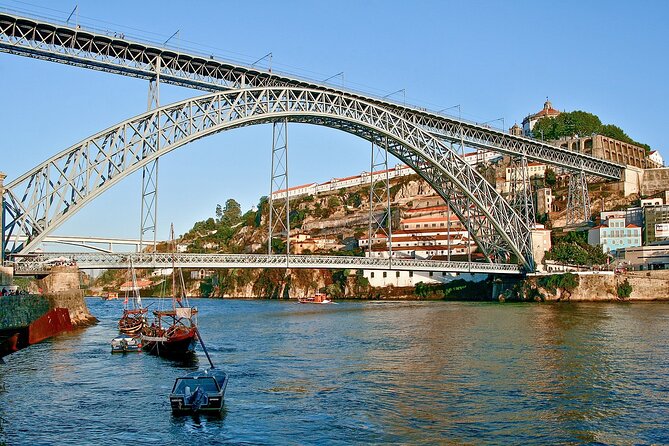
Before you cross, you’ll stop at the Alminhas of the Bridge. It’s a small moment, but it helps you understand how belief, protection, and everyday movement have long shared the same spaces in Portugal. Then you’re headed for one of Porto’s most iconic experiences: the Dom Luís Bridge on foot.
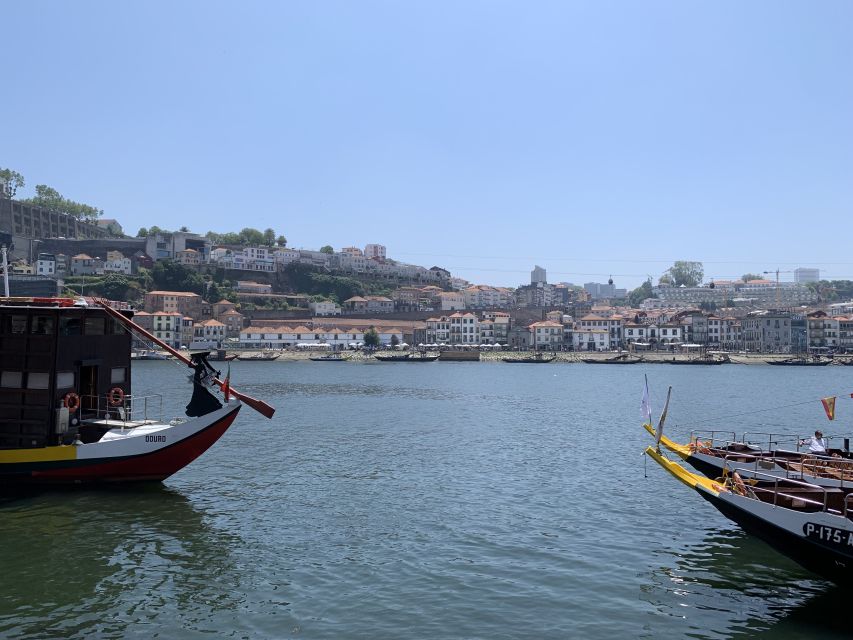
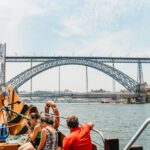
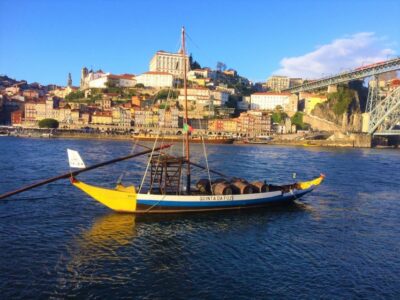
The crossing itself is short, but it changes your perspective immediately. From the bridge, the river stops being a background and becomes the connector between Porto and Gaia. It’s also a practical gift: instead of guessing where things are, you get the geography in real time.
If your feet are holding up, this is a good point in the walk to appreciate the effort. You’re not just walking for walking’s sake—you’re earning a clear sense of the two-sides story.
Arriving in Gaia: wine cellars, the UNESCO Serra do Pilar view, and street art
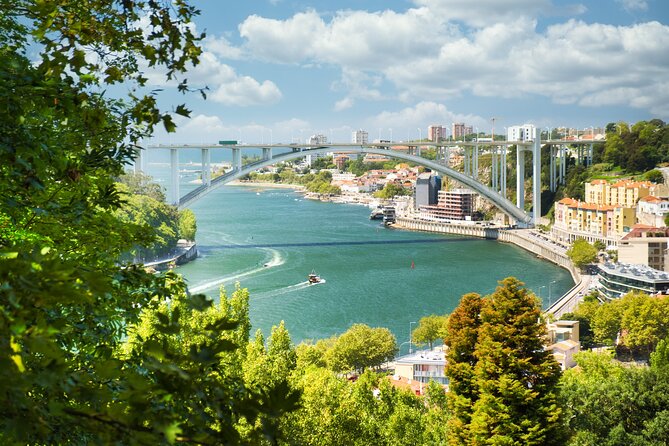
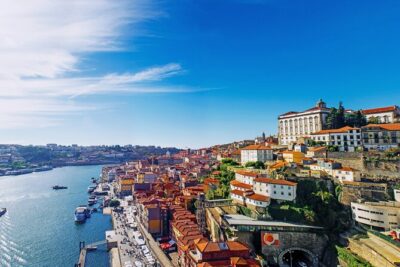
Once you reach Vila Nova de Gaia, the tour makes the key point: Porto and Gaia are technically separate, but they function like one system. That’s why crossing on foot is so valuable. You don’t just visit two locations—you connect them.
In Gaia, you’ll explore the famous wine cellars area, and you’ll also visit Serra do Pilar Monastery, a UNESCO World Heritage Site. Even with a short guided stop, UNESCO coverage can feel like a checklist. Here, it’s more useful because the guide ties it back to why people built here: river trade, storage, access, and views over the waterway.
Then comes one of the tour’s most modern contrasts. You’ll see striking urban art, including the Half Rabbit sculpture, right alongside the classic Corpus Christi Convent—steeped in legend. That contrast isn’t random decoration. It’s the city showing you what it means to be alive: new layers meeting old stories in the same neighborhood.
Corpus Christi Convent legends and the Port wine story you’ll actually remember
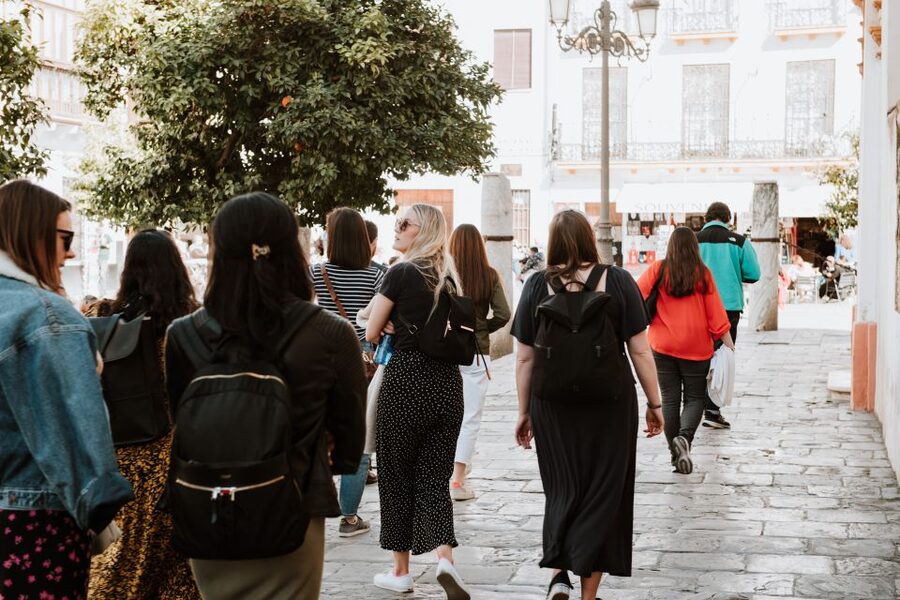
The Convento de Corpus Christi stop is where the tour leans into story. The convent is described as being steeped in legend, and the guide uses that atmosphere to explain how Porto and Gaia built identities around the river economy.
What I found especially helpful is the tour’s approach to Port wine. You won’t do a winery visit here, and that’s okay, because the tour aims for clarity instead of sales. You’ll hear the unique story behind Port wine and why it’s not simply “wine” and not simply “Port.” The guide frames it as something with its own logic—tied to the region, production choices, and the idea of export.
This section is one of the best value parts of the tour, because it answers the questions that follow you after you buy a bottle. Why does it taste the way it does? Why does the name work that way? You won’t leave with a lecture, but you will leave with a story you can repeat to friends.
Price and time: $32 for a focused 2-hour Porto-to-Gaia storyline
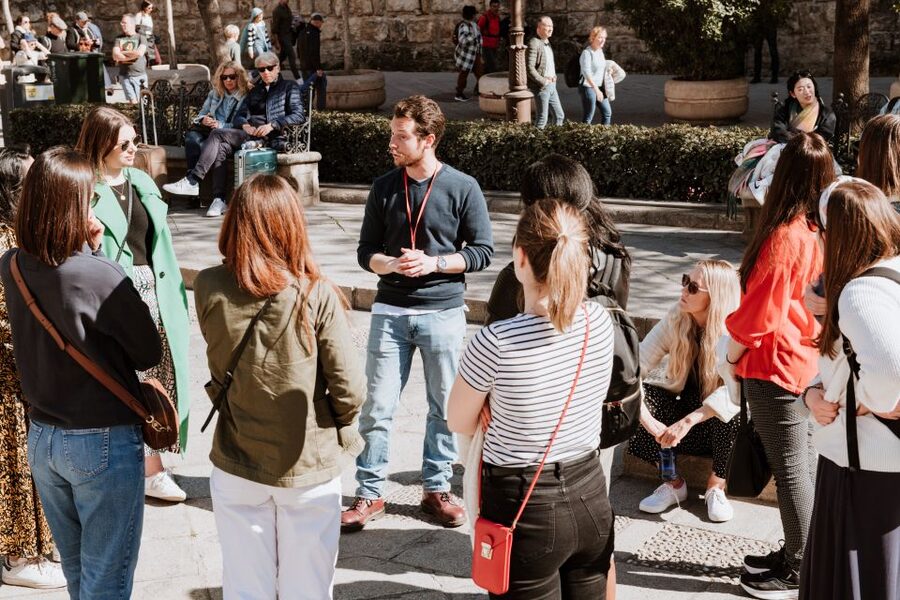
At $32 per person for 2 hours, this is priced like a serious value walk rather than a half-day production. You’re not just paying for landmarks. You’re paying for someone to connect Henry the Navigator, medieval Porto, the Douro, and Gaia’s UNESCO + modern art contrast into one easy-to-follow route.
Also, small group size (limited to 10 participants) helps. In places like Porto, where the streets can feel tight and crowded, you want a guide who can keep people moving and still handle questions. A smaller group tends to mean fewer delays and more interaction.
One more practical point: since food and drinks aren’t included, it’s best to treat this as your history + geography anchor. Plan a snack or meal before or after so the tour stays focused on what it does best.
Who this walking tour fits best
This is a strong pick if you want more than views. If you like history that has a physical address (a house, a bridge, a church, a convent), you’ll enjoy the way the route uses short guided stops to build meaning.
It’s also a good fit if you’re interested in how old Porto works today—especially with the brief but important look at tourism and gentrification pressures in Ribeira and Barredo.
If you want a winery tasting or a food crawl, this isn’t that. The promise here is stories, architecture highlights, and the Douro link between Porto and Gaia.
Practical tips so you enjoy the route more
You’re on your feet for a couple of hours, and you’ll be walking through old neighborhoods and across the bridge. Wear comfortable shoes. Porto’s streets can be charming and a bit uneven, so treat the footwear as part of your plan, not an afterthought.
Because the tour focuses on guided stops, keep your phone ready for quick reference photos, but don’t expect long free-time hangs at every sight. The value is in the flow: you get the reason behind each place, not just a photo.
And if you’re Spanish-speaking or English-speaking, the guide working in those languages is a real convenience. You’ll likely get clearer explanations and more natural back-and-forth questions.
Should you book Porto and Gaia: Walking Tour of Douro’s Two Riverside(s)?
Book it if you want a tight, 2-hour path that explains why the Douro matters and how Porto and Gaia grew into their modern identities. The route connects Henry the Navigator, Porto’s historic neighborhoods, the Dom Luís Bridge crossing, and Gaia’s blend of UNESCO and modern urban art—all without turning the walk into a slow museum day.
Skip it if walking is hard for you, because this isn’t designed around wheelchair access. Also pass if you want a winery visit or tastings; this tour keeps the Port wine discussion conceptual rather than a cellar experience.
FAQ
FAQ
How long is the Porto and Gaia walking tour?
The tour lasts 2 hours.
How much does it cost?
It costs $32 per person.
Where does the tour start?
You start at Jardim do Infante Dom Henrique, at the foot of the statue with a blue umbrella.
Does the tour include a guided visit to major sights?
Yes. The tour includes guided stops at places like Palácio da Bolsa, Church of Saint Francis, Casa do Infante, and more, plus guided time in Vila Nova de Gaia.
What languages are the guides?
The guide is available in English or Spanish.
Is food or drinks included?
No. Food and drinks are not included.
Do I get hotel pickup and drop-off?
No. There is no hotel pickup and drop-off.
Is the tour suitable for wheelchair users?
No. It is listed as not suitable for wheelchair users.
What if the group is too small?
With less than 4 participants, the tour could be cancelled.
What is the cancellation policy?
You can cancel up to 24 hours in advance for a full refund.
More Tour Reviews in Porto



More of Porto on Foot
More to Do in Vila Nova de Gaia





Fresh in the Porto notebook

Porto City Walks, compared.
 ★ 5.0Porto Walking Tour, Lello Bookshop, River Cruise and Cable CarFrom $723,354 reviews
 ★ 4.8City Highlights 3-Hour Guided Electric Bike TourFrom $513,092 reviews
 ★ 5.0Experience Porto’s Charm: 3-Hour Guided Walking TourFrom $352,432 reviews
 ★ 4.83-Hour Guided City Highlights Walking TourFrom $342,050 reviews
 ★ 4.4Wine Tasting with Tapas Walking TourFrom $531,541 reviews
 ★ 4.7Historic City Center Walking TourFrom $331,172 reviews
 ★ 5.0Porto’s #1 Walking TourFrom $01,026 reviews
 ★ 4.8Delicious Food and Wine Walking TourFrom $87977 reviews
Browse the lists this tour appears in