
Reviewed · PORT WINE CELLARS & TASTINGS
Porto: Graham’s Port Lodge Tour and Port Essentials Tasting
Two cities, one cellar, four Ports. That’s the fun idea behind the Graham’s Port Lodge Tour and Port Essentials Tasting, with a guided look at the 1890 Graham’s Lodge and big views over Porto from across the Douro River. It’s a working cellar, so you’re not just looking at history behind glass—you’re seeing how Port is made and aged.
I love two things most: the hands-on explanation of the Port production and aging setup inside the lodge, and the tasting itself, where you sample four distinct styles with food pairings. One thing to consider: it’s only about 2 hours, so if you want long, slow tastings or extra time in Porto after, you’ll need to plan your day around this stop.
In This Review
- Key highlights worth your attention
- Why the Graham’s lodge location changes the whole experience
- Getting there and finding the reception at Rua do Agro 141
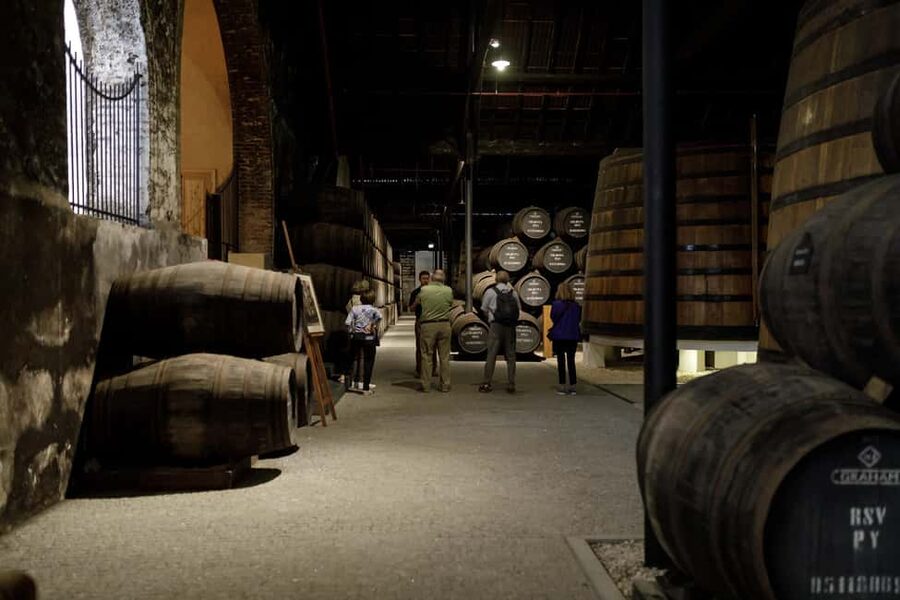
- Inside the 1890 lodge: pipes, vats, and Vintage Port cellars
- The guided story: how Port production becomes bottled character
- Port Essentials tasting: four bottles, real variety, food pairings
- Views of Porto and the two-tier bridge: sightseeing with a purpose
- Shopping time: how to buy bottles without turning it into a chore
- Price and value: what $53 buys you in the real world
- Who this tour suits best (and who might want a different plan)
- Should you book the Graham’s Port Lodge Tour and Port Essentials Tasting?
- FAQ
- Where is the starting point for the tour?
- Where should I go for the guided tour entrance?
- How long is the experience?
- What’s included in the price?
- Which Port wines are included in the tasting?
- Are pets allowed?
- What languages are the live guides available in?
Key highlights worth your attention
- 1890 lodge on a ridge in Vila Nova de Gaia with commanding Douro views
- Working cellar details: pipes (oak casks) and large oak vats used for aging
- Learn how Port is produced and aged while standing right in the process
- Four-Port tasting lineup: White, Six Grapes, Quinta dos Malvedos Vintage, and 30-Year-Old Tawny
- Iconic Porto sights: views that frame the two-tier bridge linking Oporto and Gaia
- Guide energy matters: one well-reviewed visit specifically called out a guide named Max
Across the water in Gaia, more lodges pouring tawny and vintage
- Vila Nova de Gaia: Port Wine Tasting with Cheese Pairing★ 4.8 · 1,074 reviews
- Porto: Graham’s Port Lodge Tour and Port Essentials Tasting★ 4.9 · 39 reviews
- Porto: Taylor’s Port Cellar Tour & WOW Museum Pack★ 4.7 · 24 reviews
- Visit to a Port Wine Cellar★ 4.8 · 5 reviews
Why the Graham’s lodge location changes the whole experience
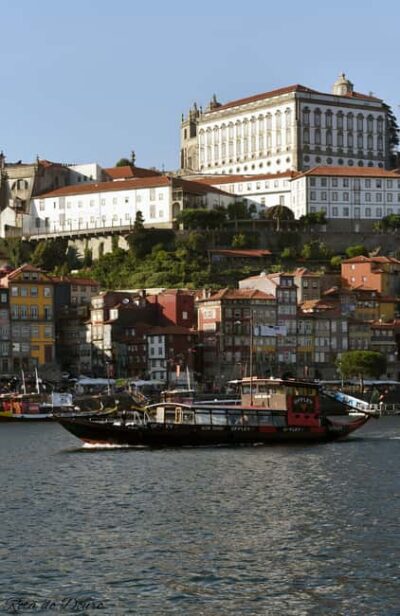
The lodge sits in Vila Nova de Gaia, on a ridge across the Douro River from Porto. That hillside position matters because you get sightlines over Porto’s historic center, plus that instantly recognizable two-tier bridge connecting the two cities of Oporto and Gaia.
Once you’re there, the views do more than decorate your photos. They help you understand the geography behind Port culture: this is a production world built on river logistics, hillside storage, and the close relationship between Gaia (cellars) and Porto (city life). Even if you’ve read about Port before, standing there makes it feel real.
You’ll also appreciate that this isn’t a museum-only stop. Graham’s is still a working cellar, so the mood stays practical and current, not staged.
Getting there and finding the reception at Rua do Agro 141
Your day starts at Rua do Agro 141. From there, you’ll follow the flow into the visitor center area—first for the guided portion, then for the tasting.
There are two entrances, but for the guided tour you want Graham’s Port Lodge Reception. It’s one of those small details that saves you from wandering uphill with a confused look (which, to be fair, tourists wear well).
The tour runs about 2 hours, so think of it as a focused “Port basics + tasting” experience rather than a half-day deep study. Wear comfortable shoes for the walk through the lodge, and plan to keep your camera ready once you’re outside for the views.
Inside the 1890 lodge: pipes, vats, and Vintage Port cellars
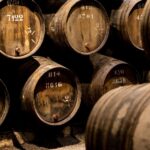
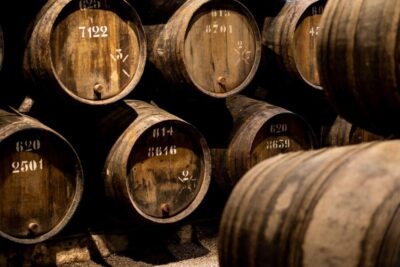
The building dates to 1890, built on that commanding ridge. When you step into the lodge, the scale hits you fast. You’ll be shown the setup that includes over 2,000 pipes (oak casks) and 40 large oak vats holding and aging Port wine.
This is a big part of why the tour feels worth the time. You’re not just hearing a talk about wine aging—you’re standing in the infrastructure where it happens. Seeing oak pipes and vats in the same setting makes the process click, even if you don’t already know the terms.
The lodge also has extensive cellars for Vintage Port, which adds depth to what you’re learning. Vintage Port is treated differently from other styles, and the setting helps you understand why people obsess over timing and aging.
The guided story: how Port production becomes bottled character
The guide explains the history of the cellar and walks you through the production process of Port wine. This is the part where you learn how Port isn’t just a type of wine—it’s a production approach with specific choices that shape sweetness, structure, and aging potential.
What I like about this style of tour is that it keeps the story grounded. You’re standing in a working place while the guide connects what you see—pipes, vats, aging spaces—to what you’ll taste later.
You’ll also get context that helps you interpret the tasting lineup. For example, different Port styles can taste like they’re from different worlds, and the production background gives you a way to make sense of that instead of just ranking flavors.
Language options are Spanish, French, and English, and the tour uses a live guide. One review highlighted a guide named Max and credited him with making the visit feel well worth it—often, in tours like this, the guide’s ability to explain with clarity is half the experience.
More Vila Nova De Gaia days out worth booking

Port Essentials tasting: four bottles, real variety, food pairings
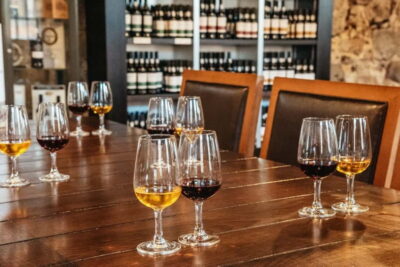
The tasting is the highlight for most people, and for good reason. You’ll sample four Ports:
- Graham’s Blend Nº5 White
- Graham’s Six Grapes
- Graham’s Quinta dos Malvedos Vintage Port
- Graham’s 30-Year-Old Tawny
You’ll also have food pairings with the tasting, which matters more than it sounds. Pairings act like a training wheel for your palate. They nudge you to notice acidity, sweetness, spice, and the way tannins (especially in Vintage Port) can feel different when matched with the right bite.
Here’s how you can use the tasting as a decision tool:
- Try to identify the style you naturally reach for first. That becomes your “default preference.”
- Then pay attention to how the later pours change your opinion. Many people expect the youngest or sweetest to win; aging style can surprise you.
- When you get to Quinta dos Malvedos Vintage Port, don’t rush the glass. This is the moment where the guide’s production talk usually pays off, because you’ll understand why this isn’t meant to taste like the other styles.
And for anyone nervous about wine tasting jargon: you don’t need to be a critic. The point here is learning how Port types relate to each other, and leaving with a sense of what you actually want to buy back home.
Views of Porto and the two-tier bridge: sightseeing with a purpose
Porto views are built into the tour experience in a real way, not just a quick stop for selfies. From the lodge’s ridge setting, you can see Porto’s historic center, and the two-tier bridge that links Oporto and Gaia frames the connection between the cities.
I like that the views arrive in the right context. When you see the bridge from the same direction as the lodge overlooking the river, you get a stronger sense of why the cellar region developed where it did.
If you’re the type who likes to plan photos, this is one of those moments where you’ll benefit from timing. Later in the day, light changes can change how you perceive the bridge and river. So if your tour time is flexible, choose a slot that gives you comfortable daylight for pictures.
Shopping time: how to buy bottles without turning it into a chore
After the tasting, there’s shopping at the visitor center area. This is where you can turn your new Port understanding into a purchase plan.
A simple way to shop smarter:
- Buy one bottle that matches the style you liked most during the tasting.
- If you’re curious, add a second bottle from a different style category (White vs Vintage vs Tawny is an easy mental split).
Also, tasting four Ports gives you an idea of how styles compare. That reduces the guesswork later. And yes, you can usually find snacks for purchase on-site if you want a bit more fuel, but the tour itself is designed around the guided session and tasting.
Price and value: what $53 buys you in the real world
At about $53 per person for roughly 2 hours, this tour isn’t cheap in the way that a basic walking tour is. But it also isn’t trying to compete with cheap.
You’re paying for three things you can’t replicate easily on your own:
- Entry into and interpretation inside a working 1890 Graham’s cellar with pipes and vats you’re shown directly.
- A guided explanation of the Port production process, including what makes Vintage Port different in concept.
- A guided tasting of four specific Ports with food pairings.
When you think about how much tastings typically cost on their own, plus the value of a guide explaining what you’re seeing, the price starts to look more reasonable. It’s also a good match for a shorter time window, which can be a lifesaver if your Porto schedule is tight.
Who this tour suits best (and who might want a different plan)
This experience fits best if you want:
- a guided entry into the Port world without hunting for explanations yourself
- a tasting that covers multiple styles, from White to Vintage to Tawny
- views over Porto and the two-tier bridge, tied to the production story
It may not be ideal if your main goal is long, unstructured time with wine. This tour is designed as a tight format: guided visit, then tasting, then shopping, all within about 2 hours. If you want a slower pace or a deeper focus on one style only, you’ll likely want to pair this with a separate stop later.
Should you book the Graham’s Port Lodge Tour and Port Essentials Tasting?
I’d book it if you like practical, guided context and you want to leave with a clear sense of what Port styles taste like next to each other. The working cellar setting plus the four-Port tasting with food pairings makes it feel efficient, not rushed.
If you’re in Porto for a short stay, this also gives you a strong return on time: you get education, tasting, and landmark views in one go.
FAQ
Where is the starting point for the tour?
The starting location is Rua do Agro 141.
Where should I go for the guided tour entrance?
For the guided tour, go to Graham’s Port Lodge Reception. There are two entrances, but the reception is the one for the guided portion.
How long is the experience?
The duration is 2 hours.
What’s included in the price?
The tour includes a guided tour and a tasting of 4 Port wines.
Which Port wines are included in the tasting?
The tasting includes Graham’s Blend Nº5 White, Graham’s Six Grapes, Graham’s Quinta dos Malvedos Vintage Port, and Graham’s 30-Year-Old Tawny.
Are pets allowed?
Pets are not allowed, but assistance dogs are allowed.
What languages are the live guides available in?
The live tour guide is available in Spanish, French, and English.
More Tours in Vila Nova De Gaia



More Tour Reviews in Vila Nova De Gaia





More Gaia Cellars Worth the Crossing
Fresh in the Vila Nova De Gaia notebook




Port Wine Cellars & Tastings, compared.
 ★ 4.2Bridges Cruise & Sunset & Port Wine Cellar OptionFrom $214,180 reviews
 ★ 4.4Cálem Cellar Tour, Fado Show & Wine TastingFrom $333,530 reviews
 ★ 4.6Taylor’s Port Cellars & TastingFrom $293,374 reviews
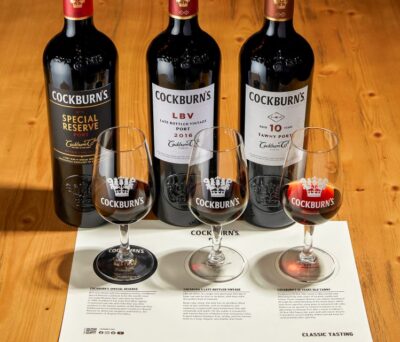 ★ 4.8Cockburn’s Port Lodge Tour and TastingFrom $353,360 reviews
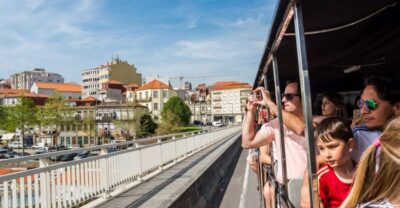 ★ 3.9City Train Tour, River Cruise & Wine CellarFrom $432,601 reviews
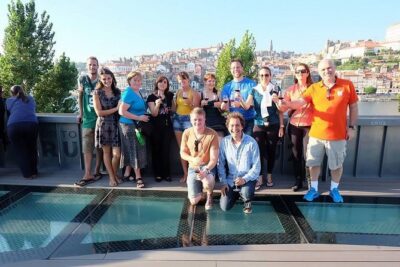 ★ 5.0Port Wine Lodges Tour Including 7 Port Wine Tastings (English)From $622,041 reviews
 ★ 4.8Douro River Boat Cruise with Port Wine TastingFrom $471,627 reviews
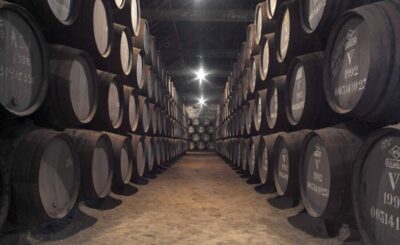 ★ 4.8Graham’s Port Lodge Tour with Premium Wine TastingsFrom $471,547 reviews
Browse the lists this tour appears in