
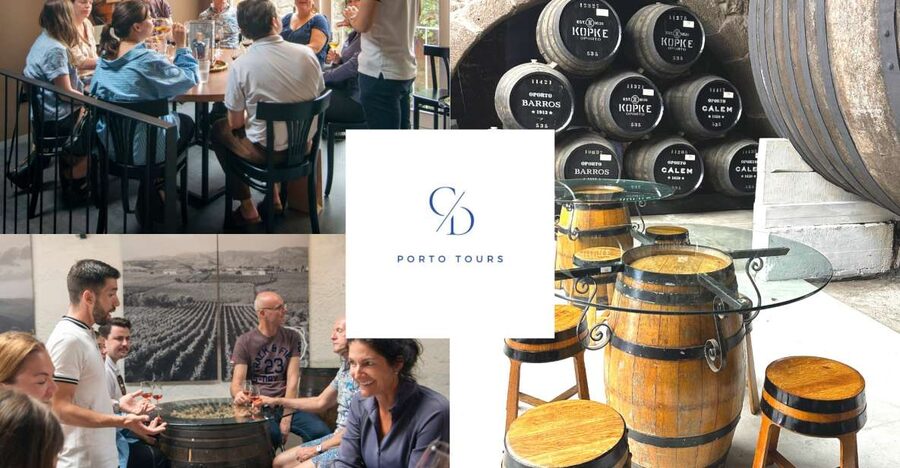
Reviewed · WINE TOURS
Port Wine Tour | 3 Producers | 7 Wines
Seven Ports, fast, and you’ll learn why.
This Port Wine Tour is a tight, 2.5-hour education with real cellar time: you start near the river where boats once carried Port from the valley to aging storage, then you meet a working team that shows production and aging up close. I like that it’s not just tasting; it’s tasting with context, including barrels from 500 up to 40,000 liters. And with an English guide like Nuno, the info stays fun and easy to track, even when the pace is quick. You also get a true variety of styles, from a Dry White to LBV filtered and unfiltered—so you can actually feel how the category shifts.
One thing to plan for: it’s a drinking schedule, not a stroll. You should eat beforehand, because going into the tasting hungry can make the sweetness and intensity feel like too much.
In This Review
- Key Highlights I Think Matter
- Port Wine 101: What You Learn Before the Sips
- Meeting by the River: Where Port’s Journey Starts
- Stop One Working Cellar: Barrels From 500 to 40,000 Liters
- Producer Two and the Cork Story: Photos, Modernization, Rose Port
- Third Stop Boutique Tasting: 3 Quality Ports From a 2019 Standout
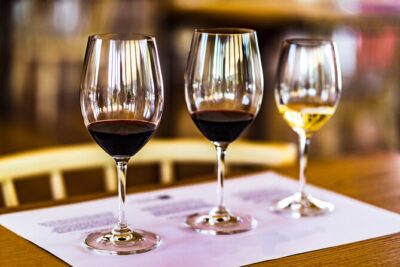
- The Tastings List: 7 Ports, One Clear Flavor Range
- Price and Value: Is $58 Worth a 2.5-Hour Flight?
- Who This Tour Suits (and Who Should Skip It)
- Practical Tips to Make It Enjoyable
- Should You Book This Port Wine Tour?
- FAQ
- How long is the Port Wine Tour?
- How much does the tour cost?
- How many Port wines are included, and what types are they?
- Is food included in the tour?
- Where do I meet the group?
- Who can participate?
Key Highlights I Think Matter
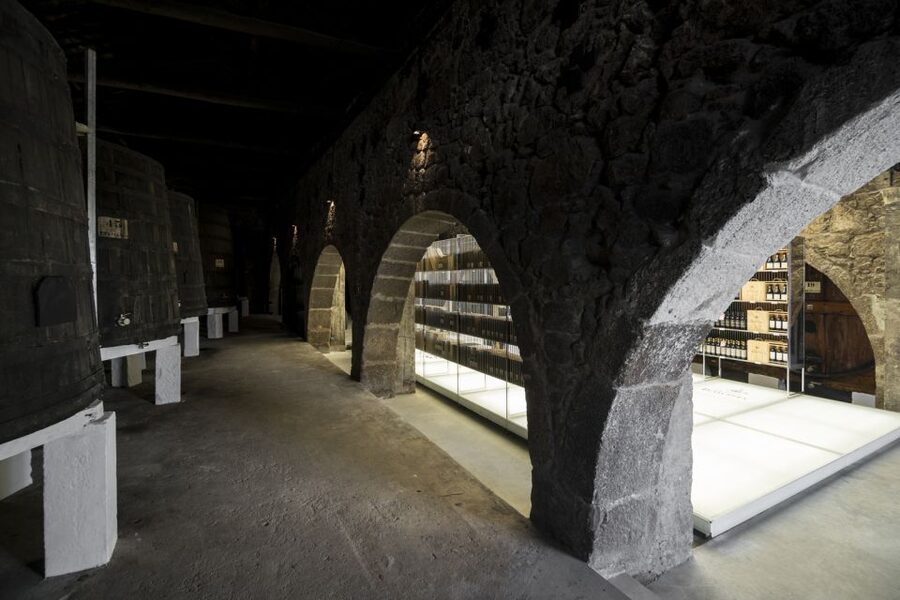
- 3 producers, 3 different vibes, so you see how the industry ranges from working cells to boutique settings
- 7 Port tastings that cover multiple styles, including LBV filtered vs unfiltered
- Barrel scale shock: you’ll see aging containers from 500 to 40,000 liters
- Cork and modernization talk at the second stop, plus a chance to take photos inside a barrel
- A Rose Port moment that shows how producers adapt tastes and methods over time
More Vila Nova De Gaia days out worth booking
- Porto: Charming Sailboat Cruise with Port Wine,Sunset Option★ 5.0 · 1,978 reviews
- Vila Nova de Gaia: Port Wine Tasting with Cheese Pairing★ 4.8 · 1,074 reviews
- Porto: 6 Bridges Port Wine River Cruise with 4 Tastings★ 4.9 · 586 reviews
- Porto: Authentic Fado Concert With Port Wine & Views★ 4.8 · 543 reviews
Port Wine 101: What You Learn Before the Sips
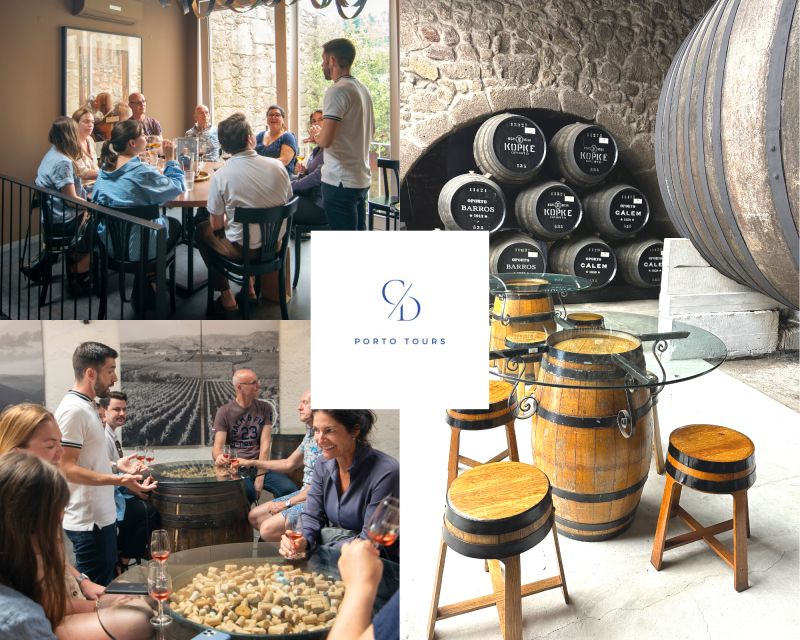
If Port wine is new to you, this tour is set up like a crash course that still feels practical. You won’t just hear general wine talk. You’ll learn how Port fits into the fortified-wine world—what makes it different, and how aging changes the flavor direction.
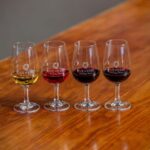
The tasting list alone helps you get the idea quickly. You sample a Dry White and a White Reserva, then you move through Rose Port, Tawny Reserva (two bottles/styles), and finally the LBV filtered and LBV unfiltered. That order matters because it gives you a sense of progression: lighter and fresher styles toward more structured, older, and more developed flavors.
And you’ll get production-and-aging explanations along the way. That’s the key: once you understand what’s happening to the wine during aging, the tasting doesn’t feel random. You start noticing how time in barrels and contact with oxygen shape aroma, color, and texture.
Meeting by the River: Where Port’s Journey Starts
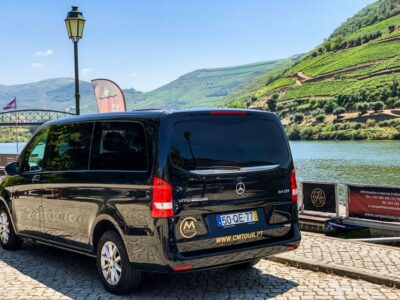
You begin at a meeting point in town, looking for the local partner sign on a blue umbrella in front of the Tourist Office. From there, the experience starts near the river—because Port’s story is tied to movement.
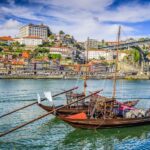
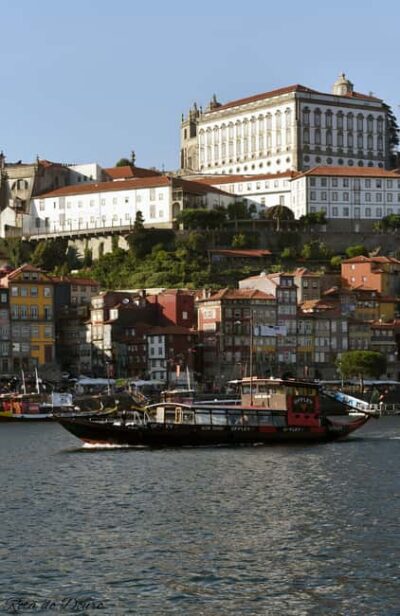
This part is visually useful, even if you’re focused on wine. You can admire the river setting and think about the boats that once carried Port from the valley to the aging area. It’s not a long lecture. It’s more like a mental kickoff: you get the sense that Port production isn’t just a cellar process—it’s also logistics, timing, and transport.
This tour is also described as mainly indoor. So enjoy the river moment, then prepare to spend most of your time with barrels, cellars, and guides indoors.
Stop One Working Cellar: Barrels From 500 to 40,000 Liters
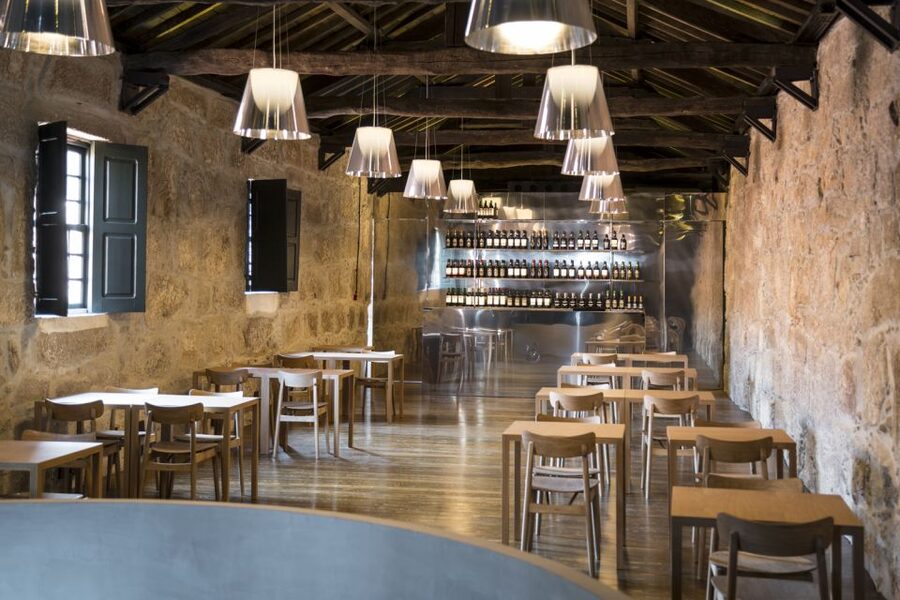
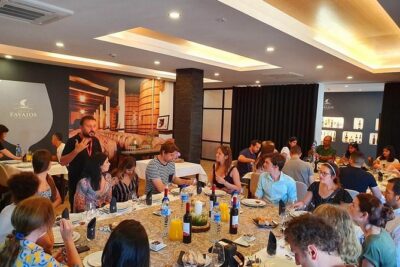
The first producer is where the tour really grounds itself. You visit a working cellar to understand the production and aging process, not from a brochure view, but from the real machinery and real storage.
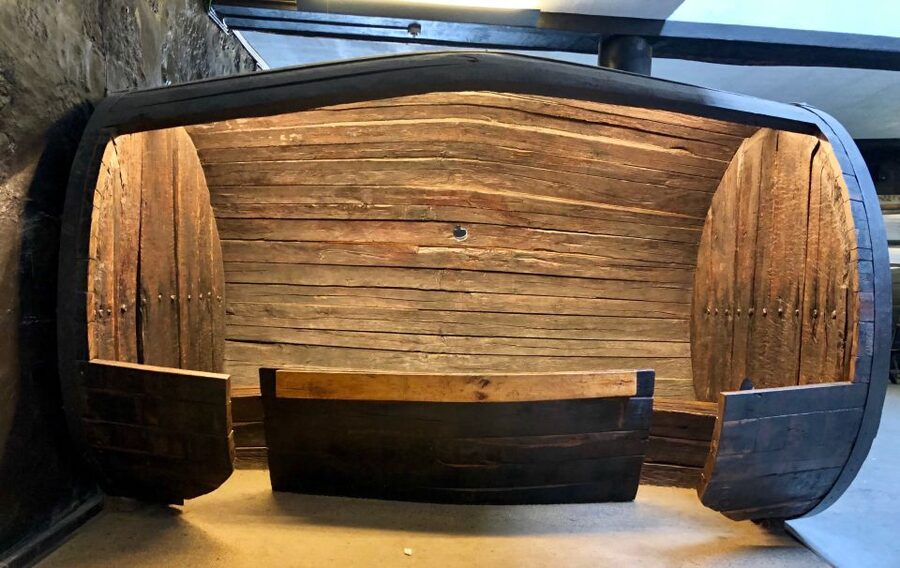
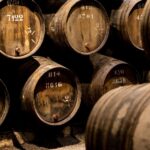
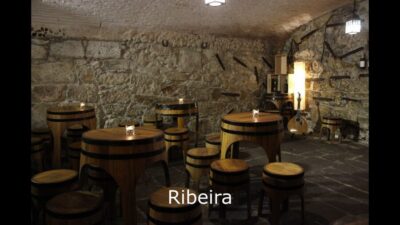
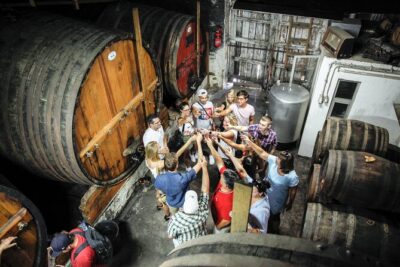
The standout detail here is barrel scale. You’ll see barrels starting around 500 liters and going up to 40,000 liters. That range is more than a curiosity. It helps you understand why two Ports can feel different even when they’re in the same broad category: size affects how the wine interacts with the environment inside storage and how aging evolves.
You also get to see barrels in a living working context. That’s a big value point. It’s one thing to tour a decorative museum room. It’s another to look at aging vessels where wine is actively being managed.
Practical note: since this is an adult-oriented experience and mainly indoor, dress for comfortable time inside a cellar. You’ll be on your feet, watching barrels and listening, and you’ll want your senses to stay sharp for the tasting portion.
Producer Two and the Cork Story: Photos, Modernization, Rose Port
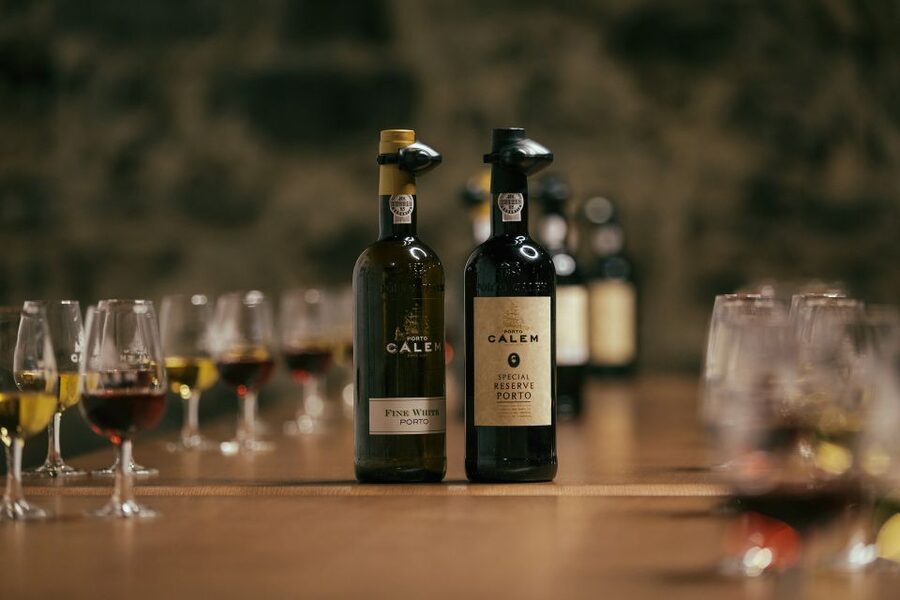
The second stop shifts the mood. You still get education, but it comes with a specific theme: cork.
You’ll get a brief explanation about cork and how closures fit into Port packaging and presentation. Then there’s a fun hands-on element: you can take pictures inside a barrel. It’s the kind of moment that makes the tour feel real instead of purely instructional.
What I especially like about this producer is the modernization angle. You learn how the industry has modernized while you’re drinking Rose Port. That combo works because it connects theory to what you’re tasting right now. Instead of treating modernization as a vague business buzzword, the tour pairs it with a style that many people associate with a more current taste profile.
The Rose Port tasting also gives you a palate reset. After the heavier themes of cellar aging and barrels, the rose style can feel lighter and more approachable—useful if you want the whole flight to stay enjoyable.


Third Stop Boutique Tasting: 3 Quality Ports From a 2019 Standout
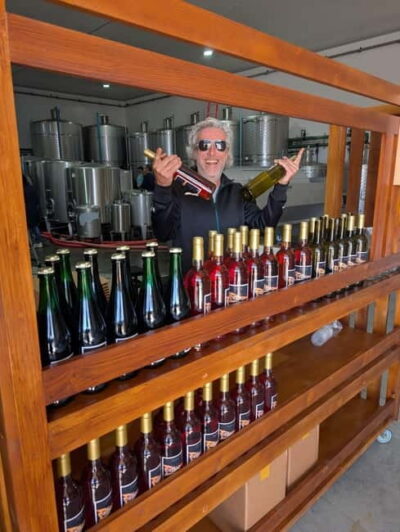
By the time you reach the third producer, the experience becomes more boutique. You’re in a different atmosphere—less industrial, more intimate—and that contrast is part of the value.
Here, you enjoy a tasting of 3 quality Ports from the best fortified wine producer in Portugal in 2019. That detail doesn’t mean you’ll get marketing fluff. It just points to a producer recognized for fortified wine excellence. In other words, you’re tasting with a sense of credibility.
This final stop matters because it’s your chance to synthesize everything you’ve learned. At the earlier producers, you’re gathering facts: production, aging, closure talk, and modernization. At the boutique stop, you translate those facts into flavor recognition—what you liked, what stood out, and how different styles connect.
The Tastings List: 7 Ports, One Clear Flavor Range
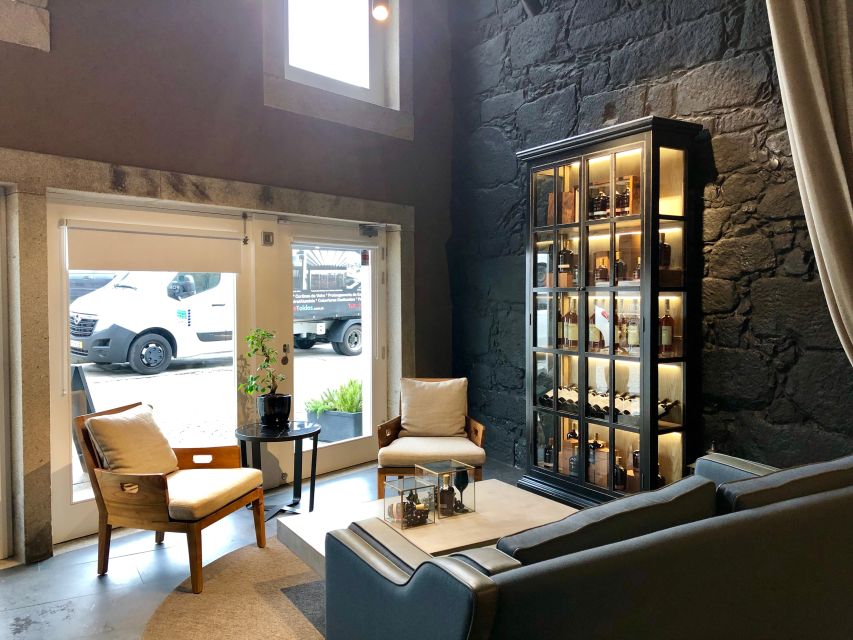
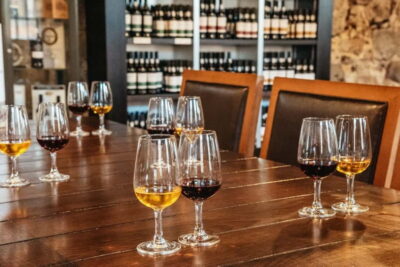
This tour includes 7 Port wine tastings, and the list is specific enough that you can mentally prepare for what you’ll taste:
- 1 Dry White
- 1 White Reserva
- 1 Rose
- 2 Tawny Reserva
- 1 LBV filtered
- 1 LBV unfiltered
The Dry White and White Reserva are your lighter entries. They tend to feel fresher and easier to start with, which is ideal because it sets your baseline without overwhelming your palate immediately.
Then the Rose Port adds a fruit-forward note and a different texture feel. If you’re wondering whether Port has range beyond classic dark-bottle sweetness, this stop helps answer that quickly.
The two Tawny Reserva tastings are a smart move too. Tawny style is often about aging and development, and having two tastings gives you a chance to compare how a Reserva expression can differ—even within the same category.
Finally, the LBV portion is where the tour gives you a real comparison: filtered vs unfiltered. Even if you’re not an expert, this is one of the easiest places to notice differences in clarity, texture, and overall mouthfeel.
No food is included, so your experience depends heavily on what you ate before you arrived. If you want to enjoy the tour without feeling rushed or overwhelmed, treat it like a meal plan, not just a drink plan.
Price and Value: Is $58 Worth a 2.5-Hour Flight?
At $58 per person, the value here comes from what’s included: 7 tastings across 3 producers plus a guided explanation in English. You’re not paying just for alcohol. You’re paying for access to multiple cellar contexts and structured teaching tied directly to what you drink.
A 2.5-hour duration also matters. This is long enough to cover meaningful info and multiple stops, but short enough that you don’t waste a whole day on Port logistics. That’s especially helpful if you’re planning a tight Norte itinerary.
Two cost-related things to keep in mind:
- Hotel pickup and drop-off aren’t included, so you’ll want to handle getting there yourself.
- Food isn’t included, which means you should budget time and calories before the tour so the tastings stay fun.
When I think about value for this kind of experience, I look at the ratio of included tastings to time. Seven wines in 2.5 hours with three producers is a strong density. It’s a focused experience, not a half-empty sample.
Who This Tour Suits (and Who Should Skip It)
This is an adult-oriented experience. Children under the age of 16 can’t participate, and it’s not suitable for children under 18 years. It also isn’t suitable for pregnant women or wheelchair users.
So if you’re traveling with family, this usually won’t work. But if you’re an adult couple, a solo traveler, or a group of friends who enjoy wine, this fits well—especially if you want Port education with immediate payoff in tasting.
This tour also suits you if you like behind-the-scenes production visits. The working-cellar element and the barrel size information are the kind of details that make you feel like you learned something real, not just consumed wine.
If you want a leisurely pace with lots of scenic walking, this may not be your match, since it’s mainly indoor. But if you’re after a high-information, high-taste format, it’s built for that.
Practical Tips to Make It Enjoyable
You’ll have the best experience if you treat this like a scheduled tasting event:
Eat before you go. The guidance from the experience itself is clear through common sense—and the tour is built around multiple tastings in a short window.
Plan for indoor time. You’ll spend much of the tour inside, so check the day’s weather in advance and dress comfortably for indoor cellar conditions.
Use your senses. With styles ranging from Dry White to LBV filtered/unfiltered, you can actually compare aromas and texture. Take a moment during each stop to note what you liked before moving on.
Bring a camera. You’ll be able to take pictures inside a barrel at the second producer, and you’ll want to remember that scale-and-process feeling.
Should You Book This Port Wine Tour?
I’d book it if you want a fast, structured Port introduction with 7 tastings, 3 producers, and a real view of how aging works. The combination of working cellar time, cork and modernization context, and a final boutique tasting gives you variety without dragging on.
Skip it if you dislike intense tasting schedules, need food included, or fall under the listed restrictions (pregnancy, wheelchair use, or under-18 rules). Also, make sure you can get there on your own since pickup and drop-off aren’t included.
If your plans are flexible, it’s a low-stress option: you can reserve now and pay later, and you can cancel up to 24 hours in advance for a full refund.
FAQ
How long is the Port Wine Tour?
The tour lasts 2.5 hours.
How much does the tour cost?
It costs $58 per person.
How many Port wines are included, and what types are they?
You’ll taste 7 Port wines: 1 Dry White, 1 White Reserva, 1 Rose, 2 Tawny Reserva, 1 LBV filtered, and 1 LBV unfiltered.
Is food included in the tour?
No. Food is not included.
Where do I meet the group?
Meet near the Tourist Office. Look for the sign of the local partner on the blue umbrella in front of the Tourist Office.
Who can participate?
This is an adult-oriented experience. Children under 16 cannot participate, and it is not suitable for children under 18 years. It is also not suitable for pregnant women and wheelchair users.
More Wine Tours in Vila Nova De Gaia


More Tours in Vila Nova De Gaia

More Tour Reviews in Vila Nova De Gaia
Fresh in the Vila Nova De Gaia notebook

Wine Tours, compared.
 ★ 4.7From Porto: Douro Valley w/ Boat Tour, Wine Tasting & LunchFrom $8219,061 reviews
 ★ 5.0Complete Douro Valley Wine Tour with Lunch, Wine Tastings and River CruiseFrom $10112,920 reviews
 ★ 4.7Douro Valley with Winery Lunch, Tastings & CruiseFrom $997,002 reviews
 ★ 4.8Live Fado Show with Glass of Port WineFrom $236,498 reviews
 ★ 4.9From Porto: 2 Wine Regions, Farm-to-Table Lunch & BoatFrom $945,724 reviews
 ★ 5.0Douro Valley: Historical Sites, Wine Experience, Lunch & CruiseFrom $1075,133 reviews
 ★ 5.0Authentic Small Group Douro Wine Tour with Lunch & River CruiseFrom $1334,775 reviews
 ★ 4.2Bridges Cruise & Sunset & Port Wine Cellar OptionFrom $214,180 reviews