
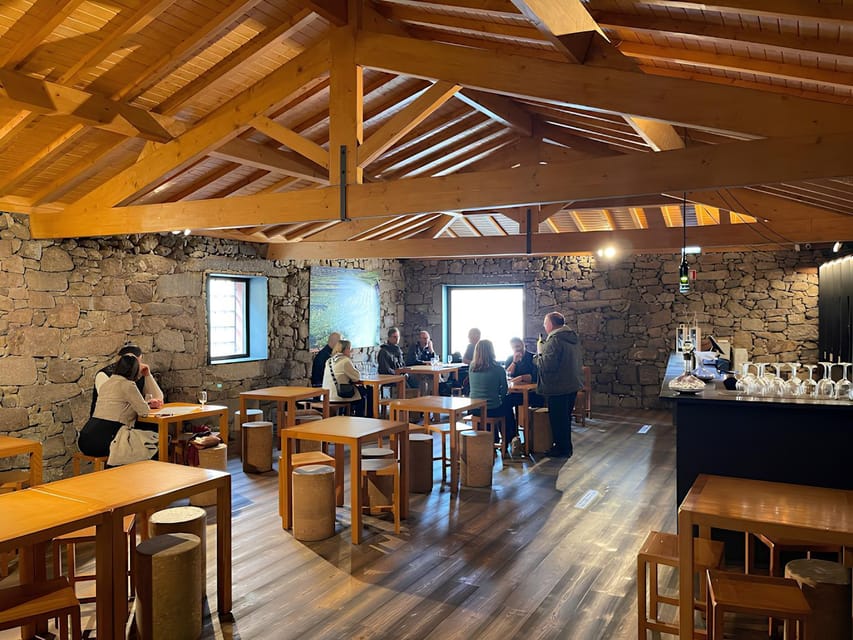
Reviewed · PORT WINE CELLARS & TASTINGS
Visit to a Port Wine Cellar
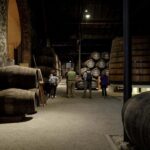
A small cellar can teach you a lot. This Port wine visit focuses on how the wine is made, then rewards you with tastings that make the lesson click. I really like the family-run, 5th-generation feel and the fact that the guide explains the Douro Valley and aging choices in plain language. The only real catch: no food is included, so plan around that.
You’ll spend the day with a specialized guide walking you through the cellar and the winemaking process behind Port. I also like that the group experience is kept tight and focused, with two tastings at the end to connect the story to what’s in your glass. One consideration: it’s not suitable for wheelchair users, and people over 95 aren’t recommended.
In This Review
- Key Highlights You’ll Care About
- Entering a 5th-Generation Port Wine Cellar
- What You Learn on the Guided Tour
- Barrels and Aging: Where the Differences Start
- The Douro Region Connection You Shouldn’t Skip
- The Tastings: Two Pours That Match the Lesson
- Price and Value: $17 for a Teachable Day
- Language Options and Guide Style
- Practical Tips for Your Day at the Cellar
- Who This Port Wine Cellar Visit Suits Best
- Should You Book This Port Wine Cellar Visit?
Key Highlights You’ll Care About
- Douro Valley context: learn why this region’s vineyards matter for Port
- Barrel-aging explanations: see how aging choices affect the wine
- Multiple Port styles: you’ll hear about types and aging processes
- Two tasting pours: finish with structured tasting of two Port/Douro wines
- Small family business atmosphere: the experience feels personal and local
Across the water in Gaia, more lodges pouring tawny and vintage
- Vila Nova de Gaia: Port Wine Tasting with Cheese Pairing★ 4.8 · 1,074 reviews
- Porto: Graham’s Port Lodge Tour and Port Essentials Tasting★ 4.9 · 39 reviews
- Porto: Taylor’s Port Cellar Tour & WOW Museum Pack★ 4.7 · 24 reviews
- Visit to a Port Wine Cellar★ 4.8 · 5 reviews
Entering a 5th-Generation Port Wine Cellar
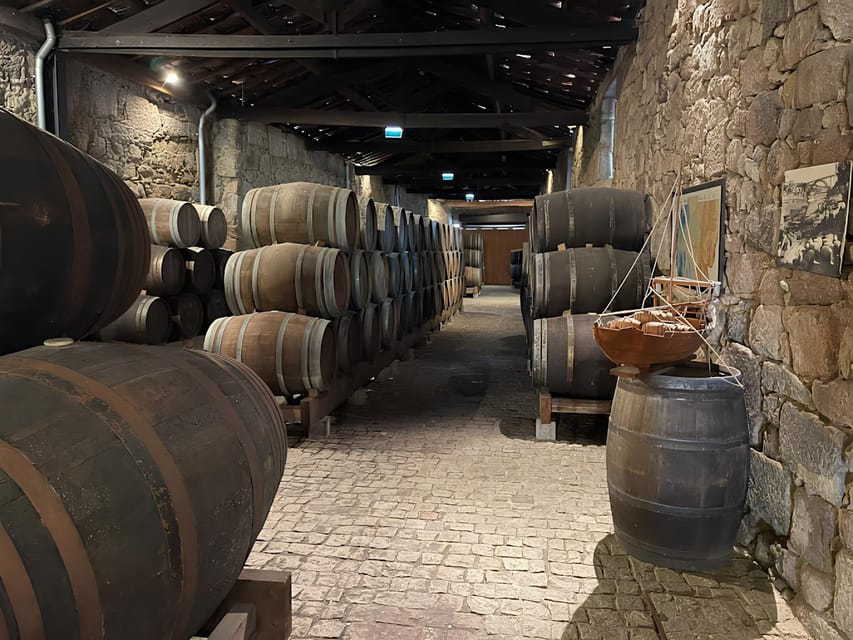
If you want a Port wine experience that feels practical (not just scenic), this is a smart pick. The visit is hosted by a Portuguese family business from the Douro Valley, and the guiding tone stays grounded: where the vineyards are, what happens in the cellar, and why aging choices matter.
The setting is a Port wine cellar visit led by a specialized guide, and it’s designed to make you understand the basics without turning it into a lecture. That matters because Port can feel intimidating from afar—sweetness levels, styles, and aging terms can blur together. Here, the guide’s job is to sort that out for you before the tastings.
One more reason I like this kind of stop: the value isn’t only the drink. You’re paying for a tour that explains the making process and the cellar logic, then closes with tastings so you leave with real context.
What You Learn on the Guided Tour
The tour itself is a guided walkthrough of the cellars, with the guide staying focused on the Port wine story from region to aging. You’ll get explanations about the Douro Valley and how the vineyards are planted there—because the region is the foundation for what ends up in the bottle.
From there, the tour moves into what happens inside the cellar. You’ll learn about:
- how Port wine is made (at a fundamentals level)
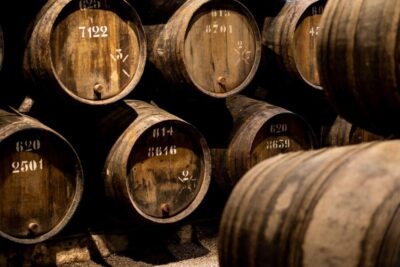
- the barrels used on the aging process
- different types of wine and how their aging process works
This structure is useful. Instead of memorizing facts, you’re building a simple mental map:
1) origin (Douro Valley),
2) method (how Port is made),
3) aging tools (barrels),
4) results (types and what aging changes).
And because the explanations are delivered by a specialized guide, you can ask the follow-up questions that usually pop up mid-tasting—like why one pour tastes different from another. The languages available are English, French, Spanish, and Portuguese, which helps if you want the experience in your strongest language.
Barrels and Aging: Where the Differences Start
Port tasting makes far more sense when you know what aging is doing to the wine. This visit spends time explaining the barrels used on the aging process, and that’s a big deal for you if you tend to notice flavor changes but don’t know why.
Even without getting lost in technical jargon, barrel aging is one of the main levers behind style. The guide helps you understand that different wine types follow different aging paths, and that’s what you’ll later see reflected in the tasting.
Here’s the takeaway I think you’ll actually remember:
- aging is not a background step
- it’s part of the flavor plan
If you’ve ever had Port and wondered why bottles taste like different categories rather than the same wine with small tweaks, this is the part that answers that question. The tour’s emphasis on aging makes the final tastings feel less random.
The Douro Region Connection You Shouldn’t Skip
This is not just a cellar visit floating in isolation. You’re guided through why the Douro Valley is central to Port. The tour explains that it’s the region where all vineyards are planted, so you can connect the geographic origin to the finished wine.
That matters for travelers because the Douro Valley is one of those places where everything seems “vineyard-shaped,” even if you’re not staying in a big town. A guided explanation gives you a frame for what you’re seeing in your head—even if you’re mostly inside the cellar.
It also helps you avoid the common trap of buying a bottle based only on sweetness. When you understand the region context, you can start thinking in terms of style and aging rather than just taste preference.
More Vila Nova De Gaia days out worth booking




The Tastings: Two Pours That Match the Lesson
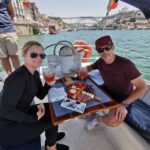
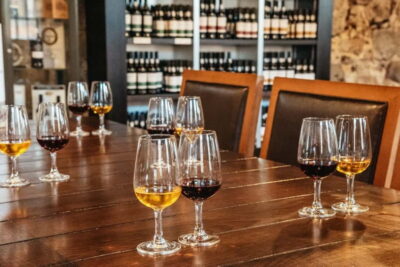
After the explanations, the visit ends with tastings—specifically a tasting of two Port wine tastings. This is the moment when you test what you just learned.
I like ending with tastings because it forces you to pay attention. You’re not just consuming wine; you’re comparing. And since the tour already covered types and aging, you’ll likely notice patterns like:
- different sweetness impressions
- different color and flavor direction
- how aging choices show up in the glass
One practical note: food isn’t included. That means the tasting is your main event. If you’re sensitive to tasting on an empty stomach, you’ll want to manage your day so you don’t feel rushed or uncomfortable. Keep your schedule flexible around the cellar timing, and plan for water.
Also, a quick reality check: in the experience session, some guests described receiving more than expected during the tasting moment. So if your guide offers an extra pour, treat it as bonus context tied to the lesson—not a surprise you can count on.
Price and Value: $17 for a Teachable Day
At about $17 per person for a 1-day activity, this tour sits in the “good value if you want understanding” category. You’re not paying for a big bus tour with lots of stops. You’re paying for a focused, guided explanation plus tastings.
Here’s how I think about value for a Port cellar visit:
- A tasting without context is easy to forget.
- A guided tour without tasting can feel like homework.
- This format gives you both, so you can connect what you heard to what you tasted.
It’s also a solid choice if you want a calm experience. The guides emphasize explanations at a steady pace, and the business is described as small and typical in feel—less of a production, more of a personal walkthrough. That kind of environment usually helps you ask questions and understand what you’re tasting.
Is it the most luxury-style Port experience? No. But if you want something real, understandable, and worth the time, the price makes sense for what you get.
Language Options and Guide Style
Good wine tours aren’t just about content. They’re about how clearly the guide explains. This one runs with a live guide and multiple language options: English, Spanish, French, and Portuguese.
From a traveler’s point of view, language matters because Port terminology can be tricky. When you’re hearing about barrels, aging, and wine types in your own language, you’ll pick up the differences faster and feel more confident during the tasting.
One more small but important thing: you’ll likely appreciate that the tour approach is calm and not rushed. That pacing makes it easier to hold onto the key points, especially when you’re tasting at the end.
Practical Tips for Your Day at the Cellar
This isn’t a food-focused outing. It’s a cellar lesson and tasting. Plan like that, and your day will feel smooth.
A few practical pointers:
- Go with the expectation of tasting, not eating. Food is not included.
- Bring a sense of curiosity. The tour is built around explanations of Port making and aging choices.
- If you’re booking in advance, you’ll receive the ticket by email up to 24 hours before the activity, and there’s no need to print it.
That last part is handy for travel days when paper tickets are just extra clutter.
Also keep in mind the boundaries: it isn’t suitable for wheelchair users, and it’s not recommended for people over 95. If that affects you or your group, you’ll want to choose a different style of experience.
Who This Port Wine Cellar Visit Suits Best
This tour is a great match if you want:
- a guided Port wine explanation without needing to be a wine expert
- a small, family-run feel from a Douro Valley producer
- a structured tasting of two styles so you can compare rather than just sip
It also works well for couples or small groups who’d rather do one meaningful activity than cram in multiple stops. If you like learning how things are made—then tasting the results—this will click.
If you’re mainly chasing entertainment or a long meal, you might feel shorted. Food isn’t included, and the experience is about cellar education and tastings.
Should You Book This Port Wine Cellar Visit?
Yes, I’d book it if you want a Port wine cellar tour that teaches you how Port is made, explains barrel aging and wine types, and then gives you two tastings to connect the dots. The price is reasonable for a guided, specialized experience with included tastings.
I’d skip it (or at least rethink your schedule) if you need food included, if accessibility is a concern, or if you want a more expansive day with multiple meal stops and attractions.
If you’re in Northern Portugal and want a Port experience that’s understandable and genuinely worth your time, this one is a solid choice.
More Wine Tours in Vila Nova De Gaia

More Tour Reviews in Vila Nova De Gaia

More Gaia Cellars Worth the Crossing
Fresh in the Vila Nova De Gaia notebook




Port Wine Cellars & Tastings, compared.
 ★ 4.2Bridges Cruise & Sunset & Port Wine Cellar OptionFrom $214,180 reviews
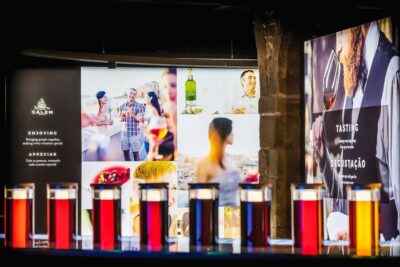 ★ 4.4Cálem Cellar Tour, Fado Show & Wine TastingFrom $333,530 reviews
 ★ 4.6Taylor’s Port Cellars & TastingFrom $293,374 reviews
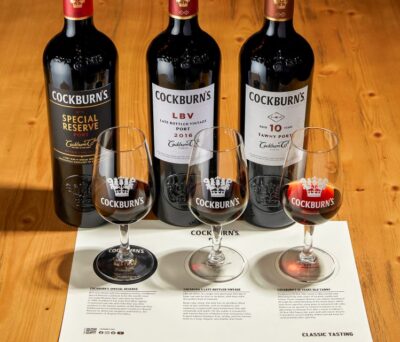 ★ 4.8Cockburn’s Port Lodge Tour and TastingFrom $353,360 reviews
 ★ 3.9City Train Tour, River Cruise & Wine CellarFrom $432,601 reviews
 ★ 5.0Port Wine Lodges Tour Including 7 Port Wine Tastings (English)From $622,041 reviews
 ★ 4.8Douro River Boat Cruise with Port Wine TastingFrom $471,627 reviews
 ★ 4.8Graham’s Port Lodge Tour with Premium Wine TastingsFrom $471,547 reviews
Browse the lists this tour appears in