
Reviewed · PASTRY & COOKING WORKSHOPS
Porto: Pastel de Nata Cooking Class with Porto Wine (Lapa)
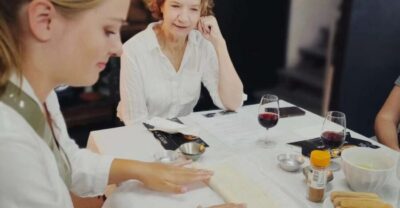
Pastéis warm up your day fast. This class is a cozy, hands-on way to learn the custard and baking side of Portugal’s iconic Pastel de Nata, with Port wine in a small group. I love the shared take-your-turns setup and the fact you leave with a recipe you can realistically recreate at home. The one thing to consider: the puff pastry is pre-prepared, so you’re not making dough from scratch.
I also like the practical feel of the experience in Porto—near Sé do Porto, easy to reach with public transport, and wrapped into a modern workspace where you can focus on baking (not on rushing around town). You’ll bake several Pastéis, enjoy them warm, and you get a transport box so you can take some home.
In This Review
- Key Things You’ll Notice Right Away
- Porto Workshop Basics: Where It Is and What the Clock Looks Like
- The Main Event: Making Pastel de Nata the Right Way (Custard First)
- Port Wine and Snacks: Why This Is More Than a Baking Demo
- The Hosts and the Pace: What Makes It Feel Cozy and Clear
- Taking Turns in the Kitchen: How the Hands-On Format Works
- What You’ll Eat: Warm Pastéis on Site and the Take-Home Box
- Price and Value: Is $42.17 Worth It?
- How to Fit This Into Your Porto Day
- Who This Class Is Best For
- FAQ
- FAQ
- How long is the Pastel de Nata cooking class?
- Where does the class meet in Porto?
- Is the class taught in English?
- Do I have to do everything myself in the cooking?
- Will I be baking the Pastéis or just assembling them?
- Is the puff pastry made from scratch during the class?
- What drinks and food are included?
- Can I take the pastries home?
- What is the group size limit?
- What is the cancellation policy?
- Should You Book This Pastel de Nata Class?
Key Things You’ll Notice Right Away
- Near Sé do Porto, in a real working workshop: you’re not stuck in a generic demo room.
- Custard + baking are the focus: that’s where most of the magic (and technique) happens.
- Pre-made puff pastry means faster learning: you spend your time on filling, assembly, and bake control.
- You’ll make several Pastéis de Nata: not a tiny taste with no practice.
- A short history intro, then straight to the process: small context that actually helps you appreciate the pastry.
- Transport box included: built-in help for taking your results home.
Roll your own pastel de nata, or cook a northern lunch
- Porto: Pastel de Nata Pastry-Making Workshop★ 4.9 · 1,542 reviews
- Porto: Pastel de Nata Cooking Class with Port Wine – Sé★ 4.8 · 888 reviews
- Workshops Pasteis de Nata in Porto, Portugal★ 4.9 · 520 reviews
- Pastel de Nata | Workshop from scratch | Porto’s city center★ 5.0 · 449 reviews
Porto Workshop Basics: Where It Is and What the Clock Looks Like
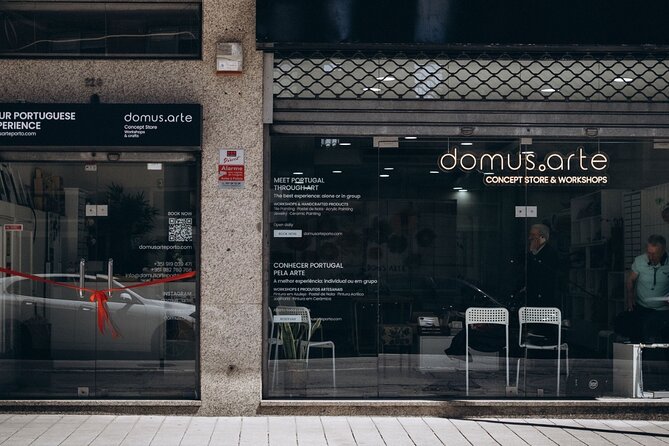
This Pastel de Nata class happens in central Porto, with the meeting point at Domus Arte 2 on Rua de Antero de Quental, near Sé do Porto. The good news is you’re close to the old-city core, so it fits neatly into a normal sightseeing rhythm. The session lasts about 1 hour 30 minutes, and it’s offered in English.
The group size is capped at 15. That matters more than you might think. In a small group, it’s easier to get individual guidance on techniques like filling consistency, how much you should add, and how to think about baking time without overcooking. It’s also why people consistently leave talking about the hosts and the cozy pace.
The Main Event: Making Pastel de Nata the Right Way (Custard First)
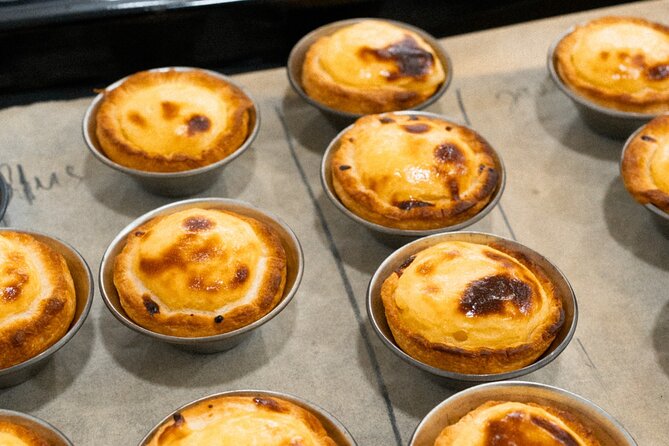
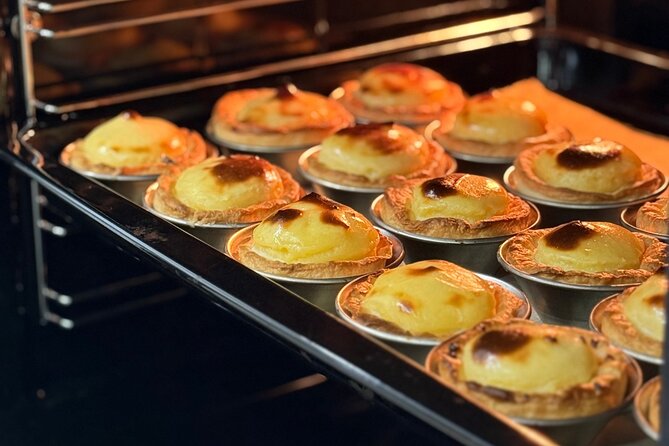
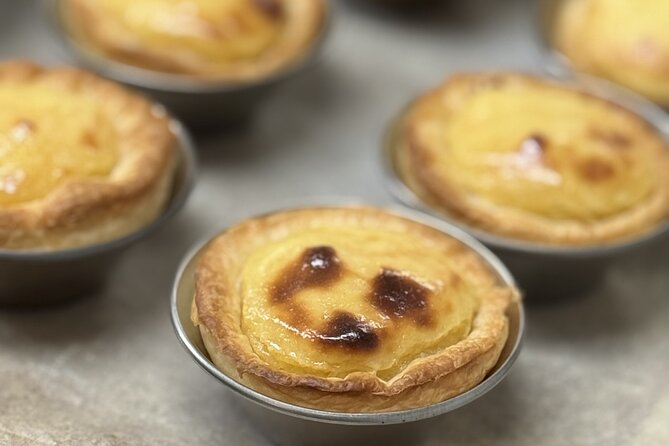
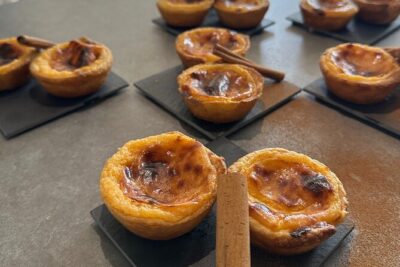
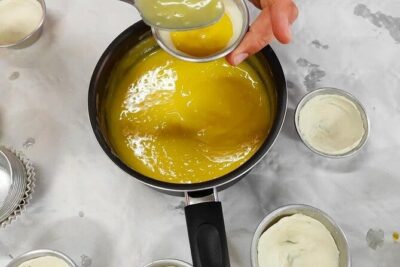
Here’s the heart of the experience: you learn how to make the custard filling and how the baking process shapes that signature Pastel de Nata texture—crisp edges, soft center, and that slightly caramelized top.
The puff pastry is already prepared. That’s a tradeoff, but it’s a smart one for a 90-minute class. Instead of spending the whole session wrestling with dough, you focus on the skills you’ll actually want to repeat later: preparing the filling, assembling properly, and getting the bake right.
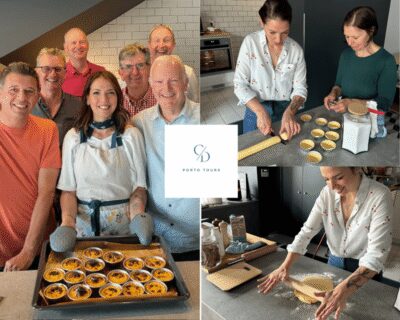
You’ll follow a step-by-step flow led by instructors with years of Portuguese pastry experience. The class is designed so that participants take turns during the stages. In other words, you’re not just watching. You’re hands-on across the workflow, even if everyone doesn’t control every single step at the exact same time.
If you want full individual participation in every stage, there’s a private workshop option—worth asking about if you’re the type who wants your hands on every step, from start to finish.
Port Wine and Snacks: Why This Is More Than a Baking Demo
This is not a stand-and-stare tasting. The workshop is relaxed, and the food and drink are part of the pacing.
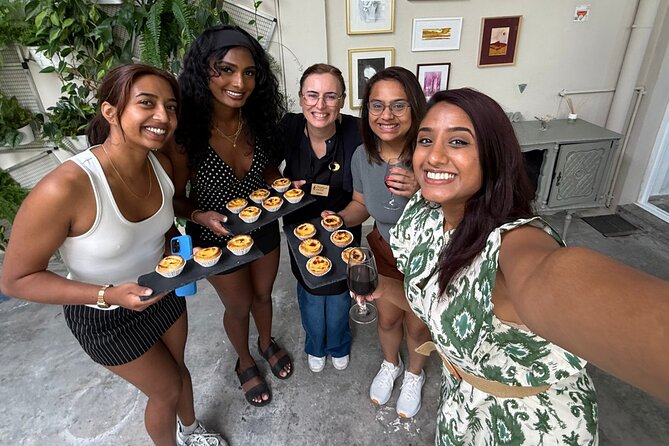
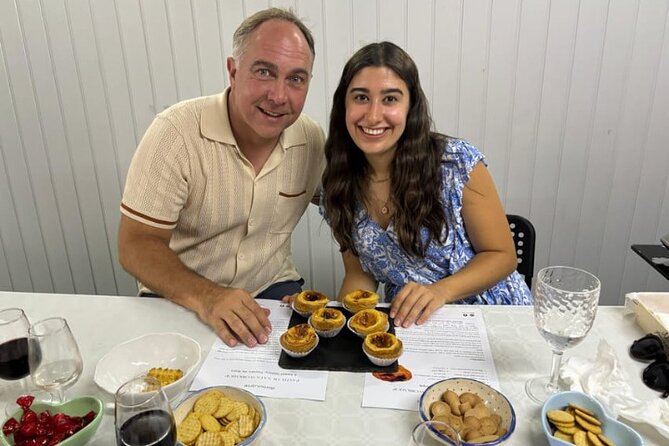
Throughout the session, you can enjoy Port wine, juice, water, coffee, plus a selection of sweet and savory snacks. That setup helps in two ways. First, it keeps the room friendly and calm while you learn a process with a few moving parts. Second, it makes the tasting feel like a real break, not an afterthought.
People also mention the warm welcome on arrival—coffee, juice, and treats that make you feel settled before the baking starts. In practical terms: if you’ve been walking Porto for hours, it’s a nice reset that still stays focused on something local and hands-on.
The Hosts and the Pace: What Makes It Feel Cozy and Clear
A big part of the appeal here is how the class feels. The workspace is described as cozy and well equipped, with instructors who are patient and engaging. Several hosts come up in the experience descriptions: Teresa and Filipe are named as fantastic leads, and you may also meet instructors like Ana or Anita depending on the day.
What stands out is the way they explain technique in plain language. People specifically call out practical tips and tricks that don’t just repeat a written recipe. That’s exactly what you want in a baking workshop: guidance that helps you troubleshoot. Baking is finicky, and small adjustments—how thick you fill, how you manage timing, what you look for—are often what separate an okay pastel from one that tastes like Portugal.
You also get a short introduction to the history of the Pastel de Nata. This isn’t a long lecture. It’s the kind of context that makes the pastry feel more meaningful while you’re working, especially if you’re the sort of traveler who likes knowing why something exists, not just what to do next.
More Porto days out worth booking
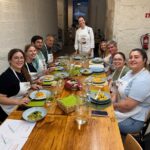
Taking Turns in the Kitchen: How the Hands-On Format Works
The class is structured around shared participation. During the preparation, participants take turns at different steps. That keeps things moving, helps everyone stay engaged, and lets the group bake and eat on schedule.
For you, that means you’ll be doing real work—not only assembling one tiny component. But it also means you might not personally control every micro-step like temperature timing or every single filling action. If you’re traveling solo and want maximum individual attention, it’s still a good fit with the small group size. Still, if you’re a serious baker looking for total control, the private workshop option is the way to go.
Also, keep in mind that the puff pastry is pre-prepared. So even if you’re very hands-on, you won’t be rolling dough from scratch. The emphasis is on the custard and baking outcomes.
What You’ll Eat: Warm Pastéis on Site and the Take-Home Box
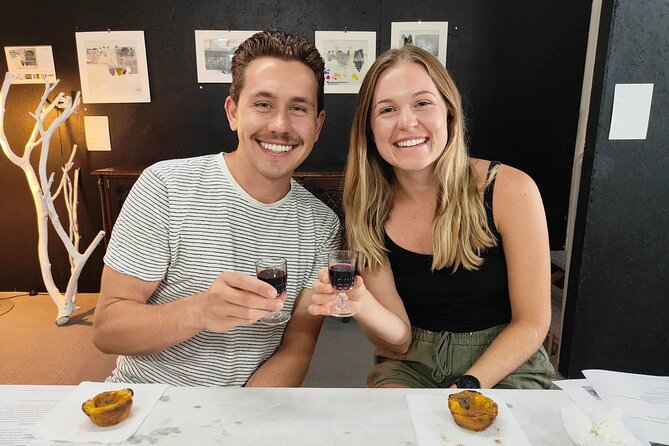
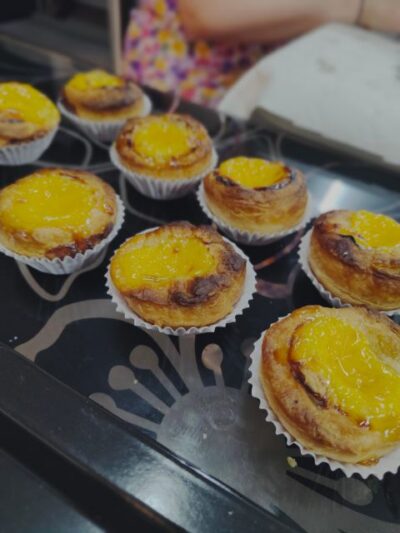
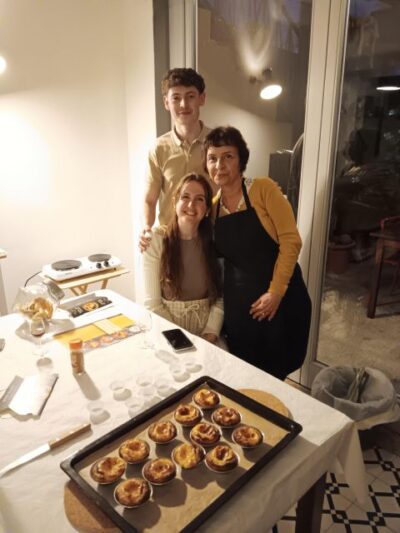
You’ll prepare several Pastéis de Nata during the workshop. Once baked, you can enjoy them on site. It’s the best kind of tasting because you’re eating the results of your own effort while the pastries are at peak texture—crisp outside, custardy center.
And you’re not forced to finish everything there. A transport box is included, so you can take pastries away. That’s practical in Porto. You’ll likely want to keep exploring afterward, and it’s nice to have a plan for what happens to the edible souvenir in your daypack.
Some people also mention buying molds afterwards. The class provides a recipe you can use at home, so if you get the bug, you’ll know exactly what to look for.
Price and Value: Is $42.17 Worth It?
At $42.17 per person for roughly 1.5 hours, this isn’t just a quick bite. The value comes from three things packed into the price:
- Actual hands-on practice with custard filling and baking steps (not only tasting).
- Multiple Pastéis produced by you, plus a take-home transport box.
- Included extras like Port wine, coffee, juice, water, and snack options.
If you’ve ever paid for a single pastry plus a coffee in an area with tourist pricing, you know how quickly that adds up. Here, your money buys instruction, ingredients in motion, and the chance to take home results—not just a photo.
So yes, it’s a “pay for an experience” price. But it’s also an experience where the output is food you can eat right away and re-create later.
How to Fit This Into Your Porto Day
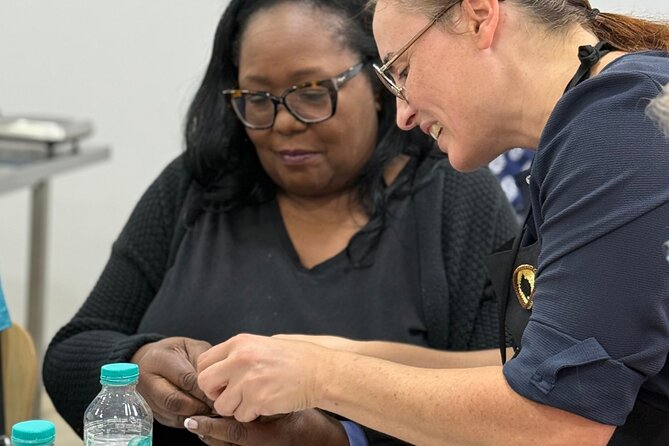
This class is a smart choice when you want a break from walking but you still want something local and authentic. Since it’s near Sé do Porto and lasts about 90 minutes, you can pair it with other central sights without losing a huge chunk of time.
I’d place it after you’ve done a few hours of sightseeing in the historic core, when you’re ready to sit down, learn a skill, and enjoy a warm pastry while it’s still fresh. It also works well if you want a rainy-day plan, because you’re staying indoors in a workshop setting.
Who This Class Is Best For
This Pastel de Nata cooking class is ideal if you:
- Want a hands-on Portuguese food experience with real technique.
- Like learning from instructors who teach how and why, not only what ingredients go where.
- Prefer a small group format that stays friendly and relaxed.
- Want something fun and local for a short window of time.
It’s also a good option for families, since the class is interactive and the hosts are described as patient with a wide age range. If you’re traveling with kids, it’s the kind of activity where everyone gets involved in some way.
If your main goal is to learn to make pastry dough from scratch, plan for disappointment. Since the puff pastry is pre-prepared, you’ll be learning the custard and baking craft, not the full pastry process.
FAQ
FAQ
How long is the Pastel de Nata cooking class?
It runs about 1 hour 30 minutes.
Where does the class meet in Porto?
The meeting point is Domus Arte 2, Rua de Antero de Quental (Concept Store area), R. de Antero de Quental 228, 4050-052 Porto, Portugal. The activity ends back at the meeting point.
Is the class taught in English?
Yes. The experience is offered in English.
Do I have to do everything myself in the cooking?
You take part in the process through a shared, step-by-step class where participants take turns. If you want full individual participation in all stages, you can ask about a private workshop option.
Will I be baking the Pastéis or just assembling them?
You focus on the custard filling and the baking process, and you’ll prepare several Pastéis de Nata during the session.
Is the puff pastry made from scratch during the class?
No. The puff pastry is pre-prepared, and you receive a house-made recipe to recreate it at home.
What drinks and food are included?
The session includes Port wine, juice, water, coffee, and a selection of sweet and savory snacks.
Can I take the pastries home?
Yes. You’ll leave with pastries, and a transport box is included.
What is the group size limit?
The workshop has a maximum of 15 travelers.
What is the cancellation policy?
You can cancel for a full refund up to 24 hours before the experience’s start time. If you cancel less than 24 hours before, the amount paid is not refunded.
Should You Book This Pastel de Nata Class?
I’d book it if you want a small-group, hands-on Porto activity with clear instruction, warm results, and a recipe you can use again at home. It’s especially worth it for the focus on custard and baking, plus the included Port wine, coffee, snacks, and take-home box.
Skip it only if your main goal is dough-making from scratch. Since the puff pastry is already prepared, you’ll leave with technique for filling and baking, not a full pastry-from-zero skill set.
If that sounds like exactly what you want, this is a strong choice for a fun, local afternoon in central Porto.
More Cooking Classes in Porto


More Tour Reviews in Porto




Pastry and Cooking Sessions


Fresh in the Porto notebook



Pastry & Cooking Workshops, compared.
 ★ 4.9Pastel de Nata Pastry-Making WorkshopFrom $411,542 reviews
 ★ 4.8Pastel de Nata Cooking Class with Port Wine – SéFrom $41888 reviews
 ★ 4.9Workshops Pasteis de Nata in Porto, PortugalFrom $40520 reviews
 ★ 4.9Pastel de Nata Cooking Class from ScratchFrom $50468 reviews
 ★ 5.0Pastel de Nata | Workshop from scratch | Porto’s city centerFrom $48449 reviews
 ★ 5.0Pastel de Nata Cooking Class with Porto Wine (Sé do Porto)From $42340 reviews
 ★ 5.0Porto Local Market Visit & Cooking Class / Showcooking206 reviews
 ★ 5.0Pastel de Nata Workshop in PortoFrom $40127 reviews
Browse the lists this tour appears in