
Reviewed · PASTRY & COOKING WORKSHOPS
Porto: Cooking Class with Local Market Visit
Fresh ingredients beat memorized recipes. This Porto cooking class pairs a local market run with a hands-on meal you make yourself, led by Nuno Miguel Ferreira Silva. I love the way you shop for what you cook, then cook it from scratch instead of eating a staged dinner, and I love the food-history context that turns ingredients into stories. One possible drawback: it’s not suitable for wheelchair users, so plan accordingly.
What I also like is the small-group vibe (up to 8), which keeps the pace friendly and the instruction practical. And because the instructor teaches in Portuguese and English, you can ask questions without feeling lost. The meal ends with wine pairing, but the rules also list alcohol as not allowed, so it’s worth confirming how that works with your specific booking.
In This Review
- Key Things That Make This Porto Class Worth Your Time
- A Porto Cooking Class That Starts at the Market
- Meet at the Host’s Home: How the 3.5 Hours Really Unfold
- Shopping in Small Portuguese Stops (And an Organic Garden)
- Cooking Portuguese Classics from Scratch, Not Frozen Shortcuts
- The Food-Story Lesson You’ll Remember at Home
- Meal at the Table: Wine Pairing and the Best Part
- Diet Requests, Allergies, and What to Tell the Guide
- Price and Time: What You’re Paying For at $106
- Who This Porto Market-and-Cook Class Suits Best
- Should You Book This Porto Cooking Class?
- FAQ
- How long is the Porto cooking class?
- How many people are in the group?
- Where does the experience meet?
- What’s included in the price?
- Are the ingredients pre-prepared or frozen?
- Can the menu be adjusted for dietary restrictions?
- Is wine included, and are you allowed to bring alcohol?
- Is transportation included to and from the meeting point?
- Is this experience wheelchair accessible?
Key Things That Make This Porto Class Worth Your Time
- Market-first shopping for your own menu so dinner starts at the stalls and counters, not at a table
- Small group size (8 max) for hands-on cooking time and quicker answers from your guide
- From-scratch approach with no frozen shortcuts and no pre-prepared ingredients
- A culture lesson tied to what’s on the cutting board including outside influences on Portuguese food
- Wine pairing with your meal plus lots of tasting and conversation during the evening
- Organic garden visit option that adds a real sense of where ingredients come from
Roll your own pastel de nata, or cook a northern lunch
- Porto: Pastel de Nata Pastry-Making Workshop★ 4.9 · 1,542 reviews
- Porto: Pastel de Nata Cooking Class with Port Wine – Sé★ 4.8 · 888 reviews
- Workshops Pasteis de Nata in Porto, Portugal★ 4.9 · 520 reviews
- Pastel de Nata | Workshop from scratch | Porto’s city center★ 5.0 · 449 reviews
A Porto Cooking Class That Starts at the Market
This is the kind of Porto experience that makes you feel like you’re stepping into everyday life, not performing for a camera. You start with ingredients, you learn how to handle them, and you end up eating what you made.
The big win here is focus. Instead of getting lost in a long checklist of tourist stops, you get one guided thread: Portuguese cooking, explained while you do the work. Nuno Miguel Ferreira Silva brings structure, and the atmosphere stays warm and practical from the first hello at his home.
If you like food that tastes real, this hits hard. You’re not assembling a meal from shelf-stable stuff. You’re buying what’s fresh and learning what makes it taste Portuguese.
Meet at the Host’s Home: How the 3.5 Hours Really Unfold
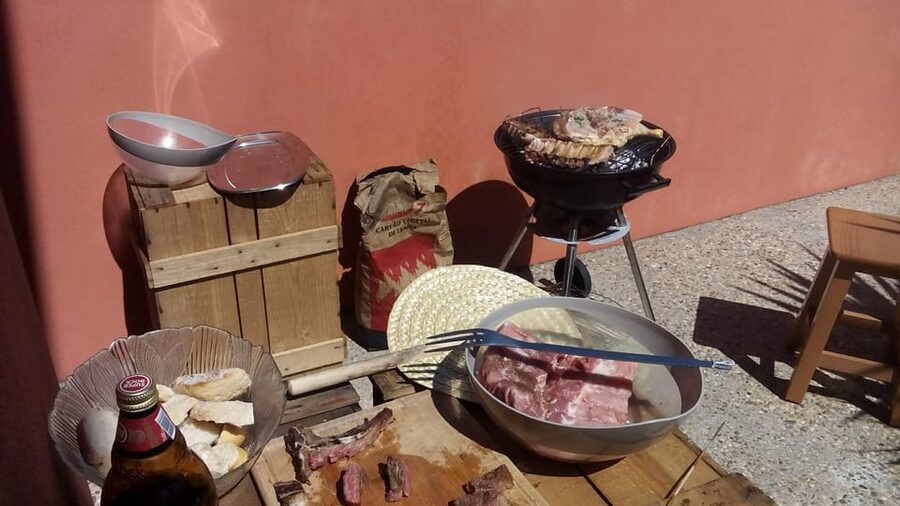
The meeting point is the host’s home, and you head out together as a group. From there, the class follows a simple rhythm: shop and gather, then cook, then eat.
Because the total time is 3.5 hours, you’ll want to arrive ready. This isn’t a slow afternoon wander where you get lost in side streets for an hour. You’ll move with the group, with time built in for shopping decisions and the hands-on parts of the menu.
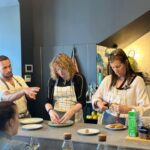
Also note the group size: limited to 8 participants. That matters more than you’d think. In a larger group, you can end up standing around. Here, you’re more likely to actually do things—chop, stir, taste, and learn.
Language is Portuguese and English, so you can expect explanations to land clearly. And yes, you’ll be cooking in the real kitchen space of the host’s home, which adds a lived-in feel that you don’t get from a classroom.
Shopping in Small Portuguese Stops (And an Organic Garden)
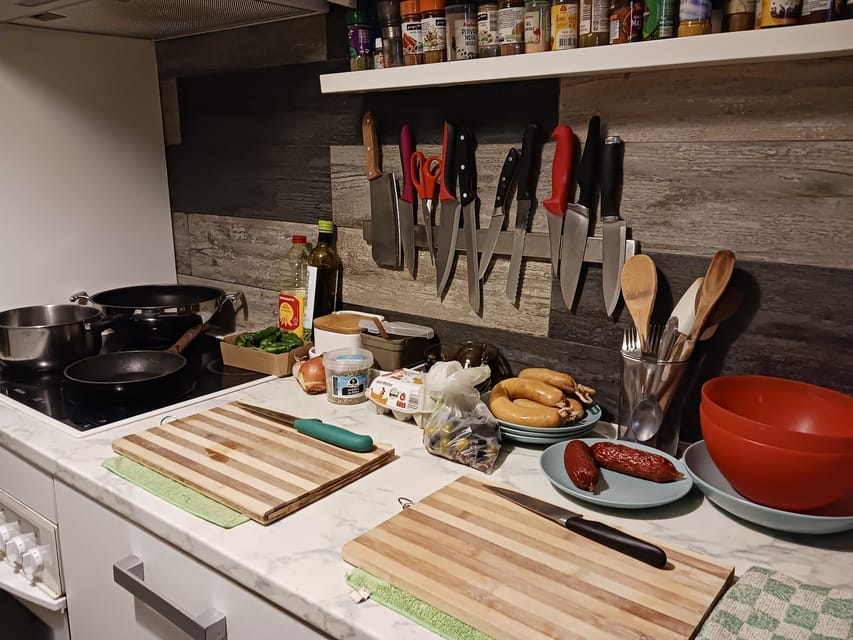
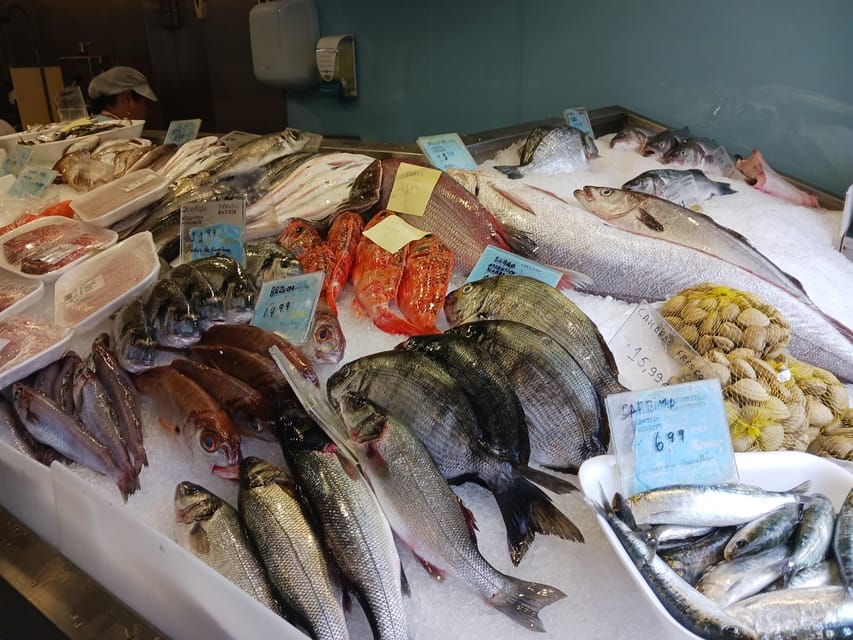
The shopping part is where the experience earns its keep. You visit a local grocery shop, bakery, or street butcher style counter to pick up ingredients, and you’ll also have an organic garden visit built in (depending on how the day’s route is planned).
This is valuable because Portuguese cooking is ingredient-led. If you buy the right things—proper fish, the right meat, good bread, and the right produce—you taste the difference even before you cook.
Here’s what to watch for during the market run:
- Ask what each ingredient is used for in the meal.
- Pay attention to what Nuno emphasizes as the best choice, because that often becomes the cooking technique tip later.
- Get comfortable tasting as you go, even if you only take small samples.
In some sessions, you’ll also get extra tasting education around items like wine and other local products during the evening, which pairs nicely with what you’re buying. The overall effect is that you leave with a sense of what Portuguese markets look for, not just what you personally picked.
Cooking Portuguese Classics from Scratch, Not Frozen Shortcuts
Everything is made from scratch. The class specifically avoids pre-prepared ingredients and frozen products, which changes the entire learning experience.
When you cook from scratch, you learn the why:
- How textures shift as ingredients warm up
- When salt and acidity get balanced
- How Portuguese flavors develop rather than just showing up pre-made
You’ll prepare a full menu with help from a local guide. One reason people rave about this format is that it teaches you process. You’re not only being shown a recipe—you’re being coached through the steps you can repeat later.
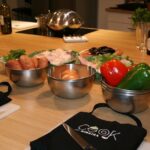
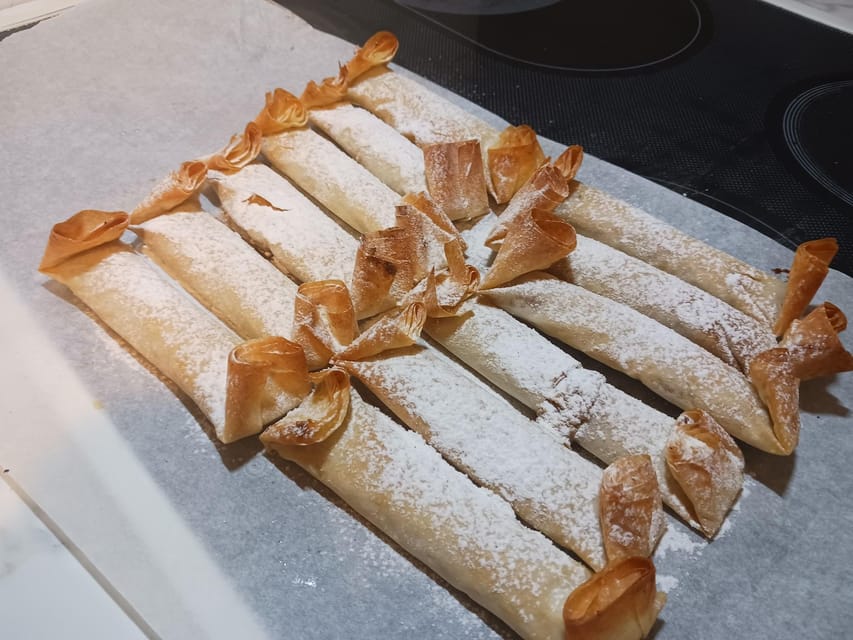
Expect a menu that covers multiple courses. Based on what’s happened in past sessions, you might see classic dessert work like Pastel de Nata and a Portuguese fish entrée, then appetizers to start. The exact dishes can vary, but the structure stays consistent: a cohesive Portuguese meal built in the same evening.
And yes, you’ll have to do hands-on cooking, not just watch. This is why the class works so well for active food lovers—and why it can feel a bit intense if you prefer a purely observational experience.
More Porto days out worth booking

The Food-Story Lesson You’ll Remember at Home
Portuguese cuisine comes with layers, and the guide explains where those flavors come from. You’ll hear about how different influences shaped the food, including Portuguese discoveries linking to Asia, plus influences connected to Africa and South America. You’ll also hear how Jewish culinary traditions like alheira fit into the broader Portuguese food story.
This isn’t lecturing for its own sake. It ties back into what you’re cooking and why certain dishes feel like they belong in Portugal even when the ingredients or techniques have outside roots.
Another detail I like: the guide doesn’t limit himself to food. Nuno Miguel Ferreira Silva is known for sharing insights that connect food to the broader culture around it, including architecture and even Portuguese tilework. If you like making mental maps of place and people, these connections help you remember Porto as more than a set of landmarks.
And if you’re the type who plans to cook later, these stories act like hooks. They make your recipes easier to recall, and they help you explain the dish to friends once you’re back home.
Meal at the Table: Wine Pairing and the Best Part
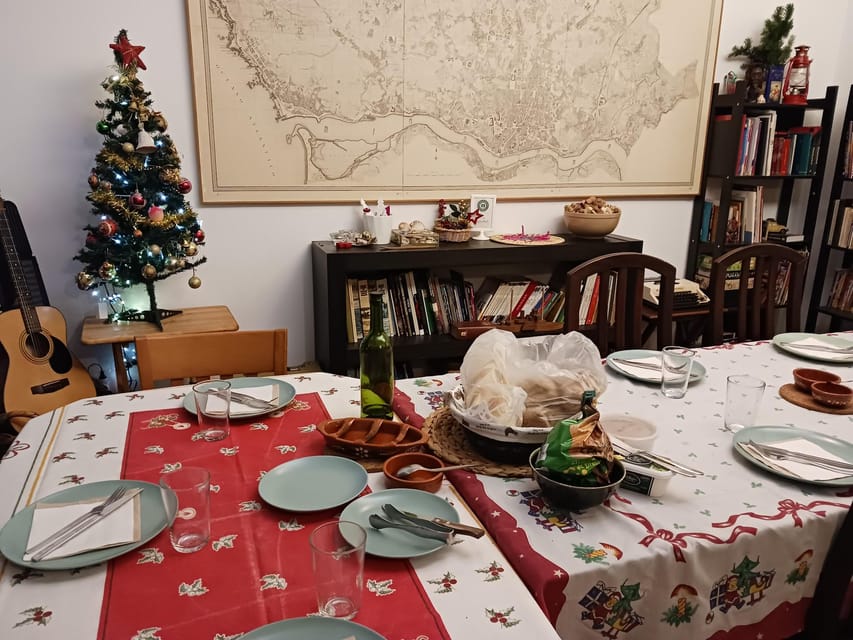
After cooking, you sit down and eat the meal you prepared. This is one of those rare tour formats where the payoff is direct: you don’t need to guess whether it tasted good, because you’re tasting it yourself.
Wine pairing is included with your meal. That’s a big value-add in a cooking class, because it turns the meal into a proper experience rather than a training session with a token glass.
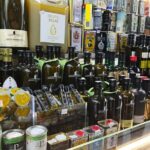
In some evenings, you might also encounter additional tastings like port and olive oil education. Those extras matter because they connect flavor to craft—how people choose, pair, and use these products in real Portuguese eating culture.
Conversation is part of the package. With a small group, you’re more likely to talk instead of just clink forks in silence. It’s also a practical advantage: you can ask about substitutions if you cook at home later, and you can compare what you bought at the market with what you’ll try again.
Diet Requests, Allergies, and What to Tell the Guide
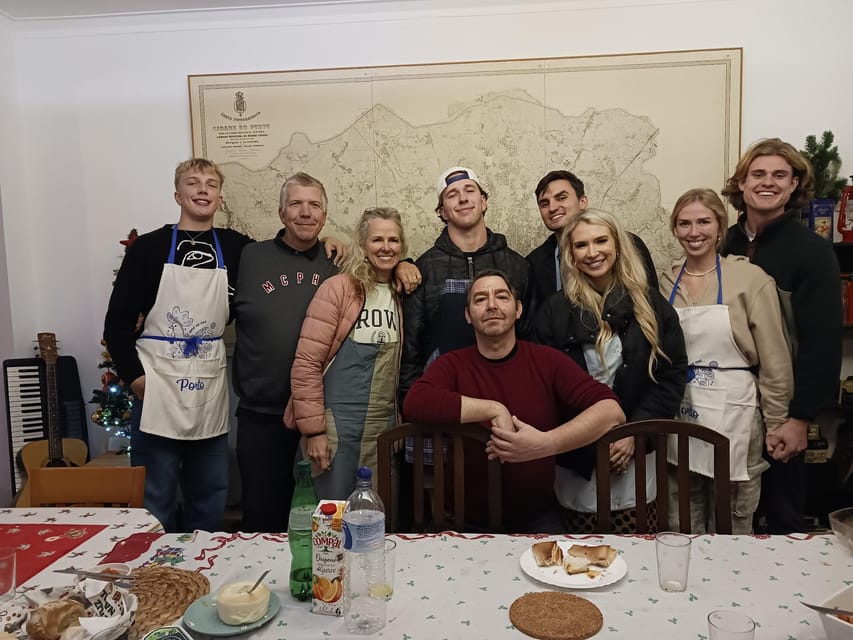
This class supports adaptations to most diets, but you need to communicate dietary restrictions in advance. That’s your responsibility, and it’s also the smartest way to make sure the cooking path stays smooth.
The goal is simple: everything is made from scratch, so it’s possible to adjust ingredients and methods. But adjustments still need planning. If you have allergies or strong dietary rules, tell the operator early so the guide can structure the menu around your needs.
Also keep in mind the class rules list alcohol and drugs as not allowed. Since wine pairing is included, check with the provider what’s permitted in practice for your booking, especially if you have any concerns.
If you’re expecting a casual group dinner where you can ignore dietary details until the last second, this probably won’t fit. This is still a guided cooking experience, and ingredient choices drive the whole process.
Price and Time: What You’re Paying For at $106
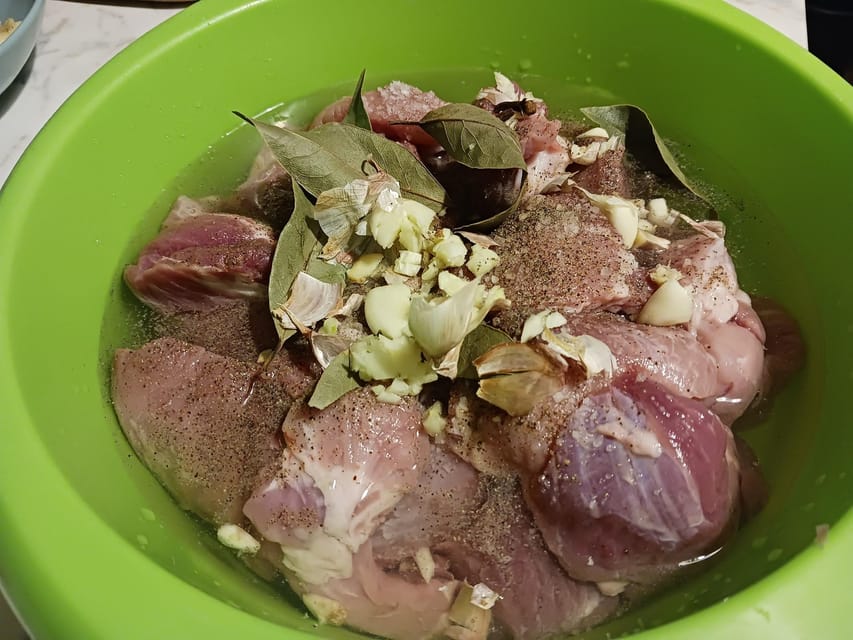
At $106 per person for 3.5 hours, this sits in the “worth it if you’ll actually use what you learn” category.
You’re not just paying for food. You’re paying for:
- Guided market and ingredient selection
- Hands-on coaching in a real kitchen environment
- A full meal you build from scratch
- Wine pairing with the dinner
- A small group format that supports participation
If you’re the type who likes to cook after returning home, the value jumps. You come away with technique and decisions you can repeat: what to look for in Portuguese ingredients, how to cook them, and what the final balance should taste like.
If you only want a quick taste with zero hands-on work, you may prefer something more hands-off. But if you want skills plus dinner, this is a strong price-to-experience match.
Who This Porto Market-and-Cook Class Suits Best
This works especially well if:
- You want a Portuguese meal that feels local and ingredient-focused
- You enjoy hands-on cooking and want repeatable skills
- You like cultural context tied to food, not random trivia
- You’re traveling with friends or solo and want a small group setting
It’s not a great fit if:
- You need wheelchair accessibility (the experience is not suitable for wheelchair users)
- You dislike cooking or prefer fully passive activities
- You have very complex requirements but haven’t communicated them in advance
Also, because there’s no transportation included to/from the meeting point, make sure you can reach the host’s home without stress.
Should You Book This Porto Cooking Class?
If you want an authentic Porto food evening with real learning and a dinner that’s part of the lesson, this is a great booking. The market shopping plus from-scratch cooking is the core strength, and Nuno Miguel Ferreira Silva’s approach—organized, knowledgeable, and practical—makes the time feel focused instead of rushed.
I’d book it if you’re hungry for Portuguese food culture and you’ll actually use the techniques later. I’d skip it if you want a low-effort meal or need wheelchair accessibility. If you fall somewhere in the middle, send your dietary needs early, and ask any question you have before you go.
FAQ
How long is the Porto cooking class?
It lasts 3.5 hours, so you’ll get a full market-and-cook experience in one focused afternoon or evening block.
How many people are in the group?
The group is limited to 8 participants, which helps keep the class hands-on and the pace comfortable.
Where does the experience meet?
You meet at the host’s home, then head out together to pick up ingredients and return to cook.
What’s included in the price?
The price includes a local grocery shop visit, an organic garden visit, the cooking class, meal preparation, and wine pairing.
Are the ingredients pre-prepared or frozen?
No. Everything is made from scratch, with no pre-prepared ingredients and no frozen products.
Can the menu be adjusted for dietary restrictions?
Adaptations to most diets are possible. You should inform the provider of any dietary restrictions in advance so the guide can plan accordingly.
Is wine included, and are you allowed to bring alcohol?
Wine pairing is included as part of the experience. Alcohol is listed as not allowed, so if you plan to bring anything or have concerns, confirm the details with the operator for your booking.
Is transportation included to and from the meeting point?
Transportation to/from the meeting point is not included.
Is this experience wheelchair accessible?
No. It is not suitable for wheelchair users.
More Shopping Tours in Porto

More Tour Reviews in Porto





Pastry and Cooking Sessions


Fresh in the Porto notebook





Pastry & Cooking Workshops, compared.
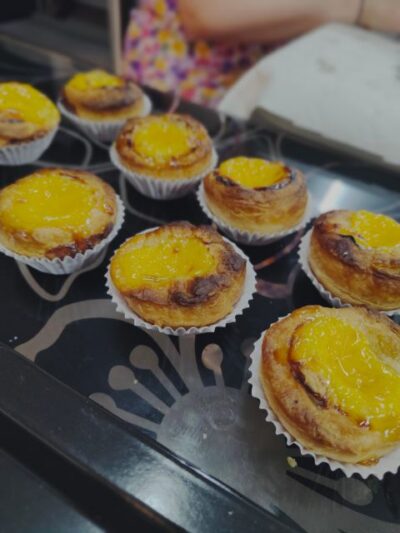 ★ 4.9Pastel de Nata Pastry-Making WorkshopFrom $411,542 reviews
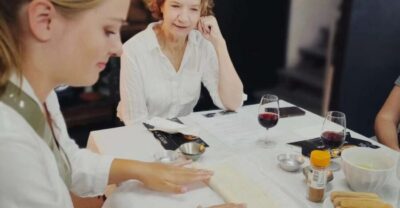 ★ 4.8Pastel de Nata Cooking Class with Port Wine – SéFrom $41888 reviews
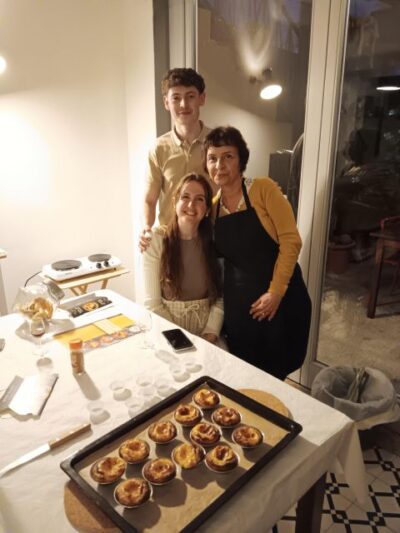 ★ 4.9Workshops Pasteis de Nata in Porto, PortugalFrom $40520 reviews
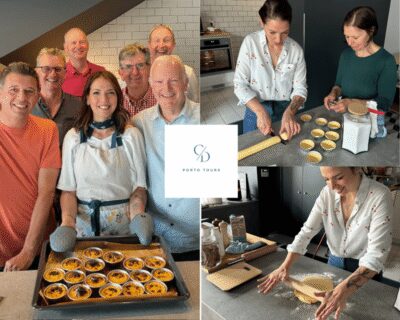 ★ 4.9Pastel de Nata Cooking Class from ScratchFrom $50468 reviews
 ★ 5.0Pastel de Nata | Workshop from scratch | Porto’s city centerFrom $48449 reviews
 ★ 5.0Pastel de Nata Cooking Class with Porto Wine (Sé do Porto)From $42340 reviews
 ★ 5.0Porto Local Market Visit & Cooking Class / Showcooking206 reviews
 ★ 5.0Pastel de Nata Workshop in PortoFrom $40127 reviews
Browse the lists this tour appears in