
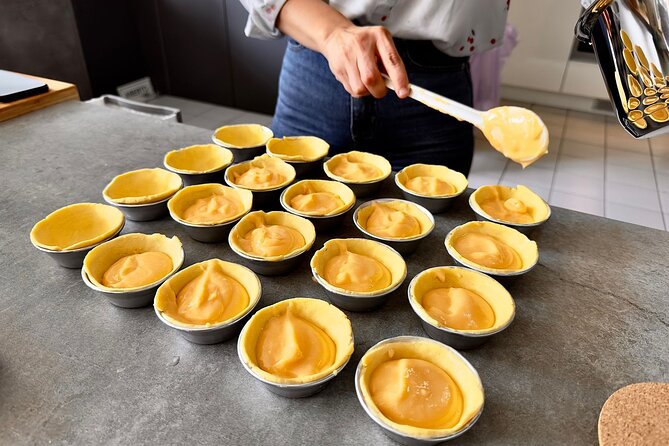
Reviewed · PASTRY & COOKING WORKSHOPS
Pastel de Nata | Workshop from scratch | Gaia
Pastel de nata, done hands-on and from scratch. In Porto’s Vila Nova de Gaia, this Pastel de Nata workshop is built around making the dough yourself, then assembling and enjoying warm Portuguese custard tarts you helped create. I especially like the small-group feel (up to 10) and the teaching style—people repeatedly praise instructors like Mariah and Clara for being patient, funny, and genuinely involved. One possible drawback: it’s a group lesson with set tasks, so you won’t get a private, one-on-one pace.
You’ll also get a cultural break mid-class: along with your baking, the host includes a glass of Vinho Verde and coffee and/or tea, plus context about Portuguese pastry culture. It starts on time and entry isn’t allowed once the door closes, so plan to arrive early. And if you have gluten or lactose issues, this one isn’t a match.
In This Review
- Key things I’d plan around
- Pastel de Nata in Porto: what you’re really paying for
- Meeting point and timing at R. do Pilar 80 in Vila Nova de Gaia
- Inside the workshop: how you’ll rotate through making pastel de nata
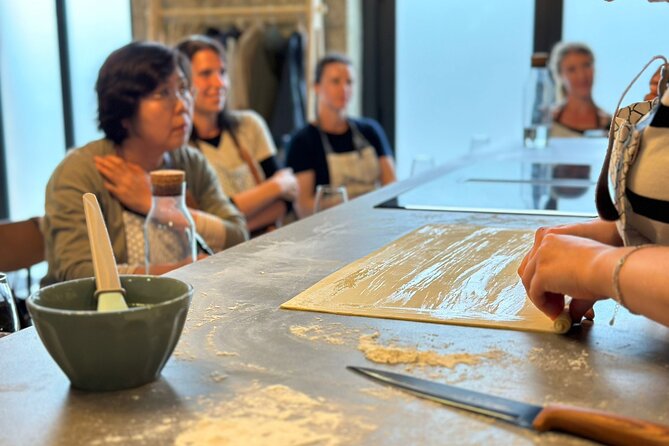
- The dough lesson: why this part makes or breaks the tart
- Custard, assembly, and the moment the kitchen starts running like a kitchen
- Wine and tea during class: a Portuguese pause with purpose
- What you’ll get to eat at the end
- Who should book this pastel de nata workshop (and who should skip it)
- Planning your day: small logistics that matter in Porto
- Should you book Pastel de Nata | Workshop from scratch with Gaia?
- FAQ
- How long is the Pastel de Nata workshop?
- Is the workshop offered in English?
- What’s included in the price?
- Does it include pick-up or drop-off?
- Where does the workshop start?
- Can I enter late if I’m running behind?
- Is this suitable for children?
- Is it suitable for people with gluten and lactose intolerances?
- How big is the group?
Key things I’d plan around
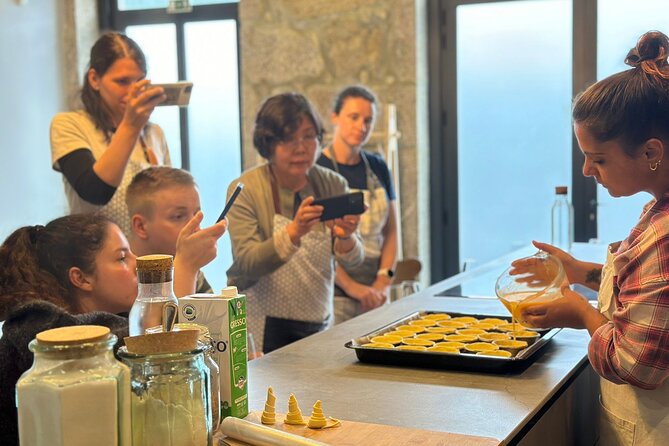
- Dough from scratch, not just assembling—this is the big skill upgrade
- Up to 10 adults, with rotating turns through the main stages
- English instruction plus practical guidance you can repeat at home
- Included drinks: 1 glass of Vinho Verde and coffee and/or tea
- On-time doors: late entry isn’t possible, no exceptions
- Not for gluten/lactose intolerances, and children under 15 can’t attend
Over the bridge to the Gaia waterfront
- From Porto with view to Gaia: Private Bike Tour #DuckSideOfPorto★ 5.0 · 124 reviews
- Vila Nova de Gaia: Winery Tour with 2 DOC Douro & 1 Port★ 4.8 · 101 reviews
- Douro and Port Wine Tasting in Vila Nova de Gaia★ 5.0 · 35 reviews
- Porto: Guided e-bike tours in Porto and Gaia★ 4.6 · 25 reviews
Pastel de Nata in Porto: what you’re really paying for
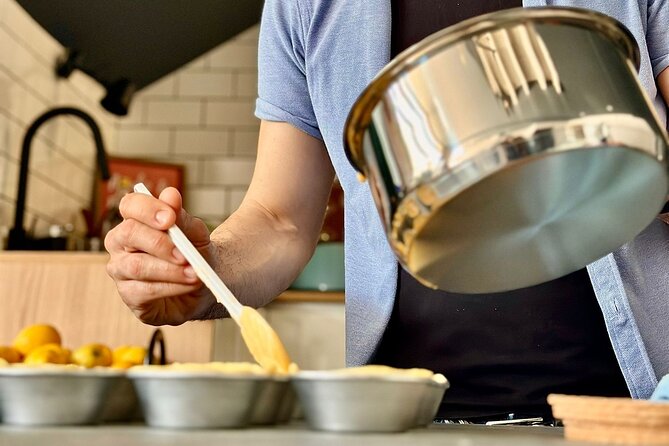
For about $54.19 per person and roughly 2.5 hours, you’re buying more than a recipe. You’re getting the step-by-step know-how to make Portuguese custard tarts the way local bakeries do—especially the parts most people skip when they only learn the filling.
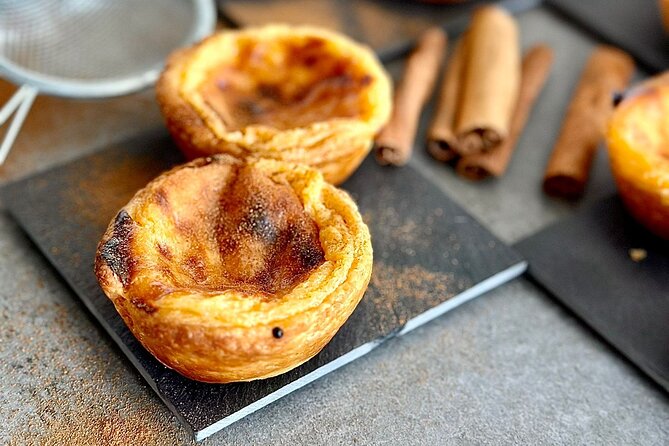
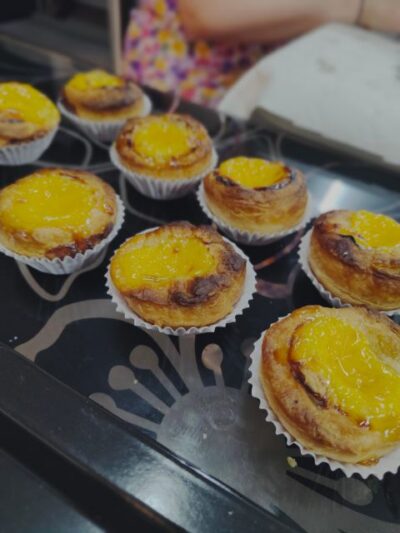
The value is also in the payoff. You’ll end up eating warm pastries that come from your own work, not just watching someone else finish. That matters, because the class isn’t only educational—it’s satisfying in the literal sense.
Another smart value point: the drinks are included. You get 1 glass of Vinho Verde (Portuguese wine) plus coffee and/or tea. For a cooking class, that turns a simple session into a more complete experience, like a mini evening out that happens to be educational.
Meeting point and timing at R. do Pilar 80 in Vila Nova de Gaia
The workshop meets at R. do Pilar 80, 4430-999 Vila Nova de Gaia. It’s listed as near public transportation, which is a lifesaver in Porto, where walking is great but plans can get messy.
Timing is strict. The workshop starts at the scheduled time, and it isn’t possible to join after it begins. The door closes at the start time, and no exceptions are made. That’s unusual in a lot of tourist activities, but it also makes sense: a kitchen class runs on flow, and delays can throw off dough timing and bake windows.
So here’s the practical move: arrive early, not just on time. If you’re using transit, give yourself a buffer. And don’t plan to meet friends after the start time—companions aren’t allowed in the space anyway, so everyone needs their own reservation.
Inside the workshop: how you’ll rotate through making pastel de nata
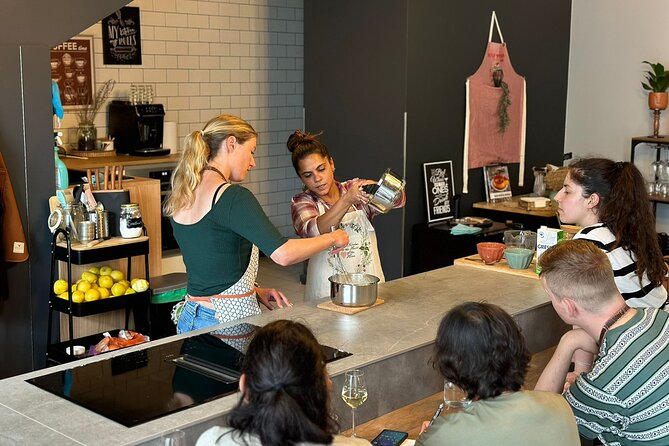
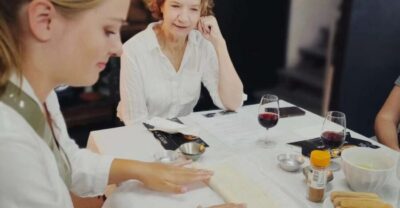
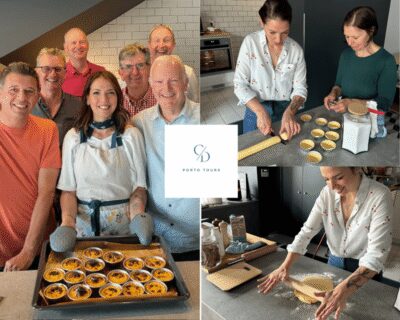
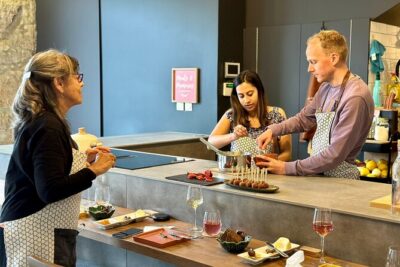
This is an adult group workshop for a reason. The process takes focus. You’ll be working through the different phases of making pastel de nata, and the host has participants alternately take part in each stage. With a maximum group size of 10, you’re not stuck waiting in a corner while someone else does all the work.
Expect the class to cover the major building blocks:
- Dough work, including learning how to make it from scratch
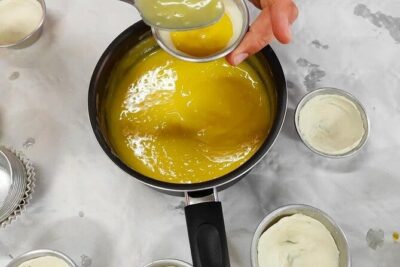
- Custard and filling prep, with guidance on the components
- Assembly, where you portion and shape the tarts correctly
- Baking and finishing, then tasting the results
Because you rotate, you’ll get exposure to the whole process instead of only doing one repetitive task. People who’ve baked before may still find value here, because the key advantage is the dough, not just the filling. And that’s the part that usually determines texture and that recognizable pastel de nata style.
Also, the instructors described in the class experience are praised for involving everyone. You should feel like a participant, not a spectator. If you’re the type who likes to ask questions and learn why something matters, this format tends to reward that.
A note on pace: it’s group teaching, so the rhythm is shared. If you want full control over every step or a slower, hands-on approach tailored to you alone, you’d need a private lesson. This isn’t advertised as a private/pair setup.
The dough lesson: why this part makes or breaks the tart
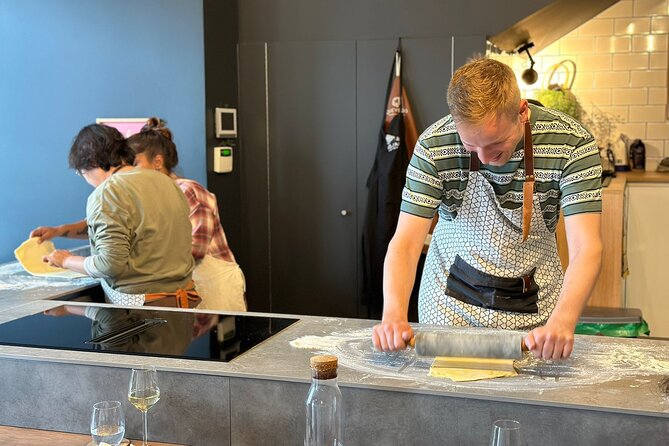
The big promise here is making the famous Portuguese tart from scratch, including the dough. That’s the skill you want if you’re thinking beyond eating one good tart today.
Dough work matters because pastel de nata is all about layered structure and the right texture under baking heat. When you learn the dough step properly, you’re not just copying a recipe—you’re learning the technique that helps the final tart behave the way you expect.
In classes led by instructors like Mariah or Clara (names you’ll see associated with this experience), the emphasis is often on making the process feel approachable. That’s important if you’re not a confident baker. People also highlight that the teachers are patient and keep things fun, which can lower the stress when you’re handling dough and timing-sensitive steps.
Roll your own pastel de nata, or cook a northern lunch

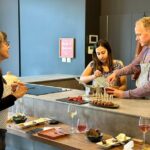
Custard, assembly, and the moment the kitchen starts running like a kitchen
Once the dough phase is underway, the workshop continues into the parts that turn it into the classic custard tart. You’ll get instruction for each phase as the group rotates, which is helpful because you’re watching plus doing, not just doing.
The practical win here is that you’ll see how the pieces connect:
- The dough sets up the structure
- The filling and assembly determine the tart’s interior
- Baking time and finish determine texture and that warm, fresh-out-of-the-oven feel
Even if you’ve had pastel de nata before, you might be surprised by how technical some steps feel once you’re in the process. That’s where a good teacher earns their keep. The better ones explain what to watch for—consistency, portioning, and timing—so you can repeat it later.
Wine and tea during class: a Portuguese pause with purpose
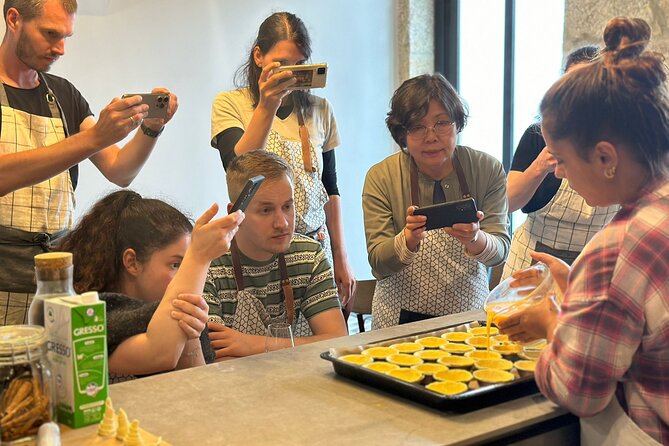
This class doesn’t treat drinks as an afterthought. You’re included with 1 glass of Vinho Verde, plus coffee and/or tea. That’s a nice pairing because Vinho Verde is light and easy to drink, so it doesn’t overwhelm the custard flavors.
More importantly, the host doesn’t only pour wine. The experience description ties the tasting to Portuguese culture and history while you’re learning. So the break isn’t just social—it helps you place the pastry in a bigger story.
And yes, the class ends with something you can immediately enjoy: warm pastries, made by you. That makes the drink and coffee/tea feel like part of the full package, not a free add-on.
What you’ll get to eat at the end
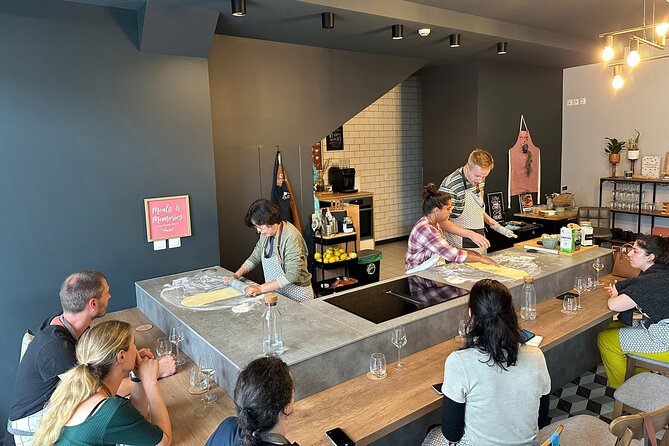
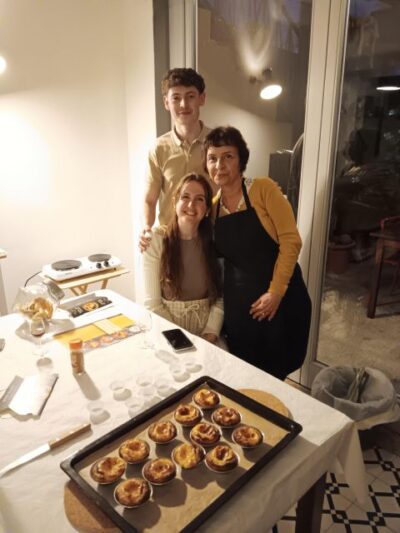
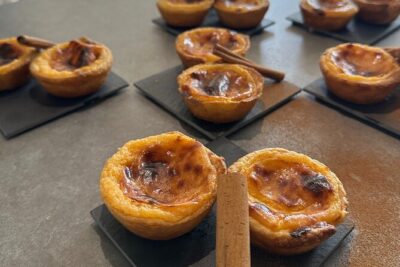
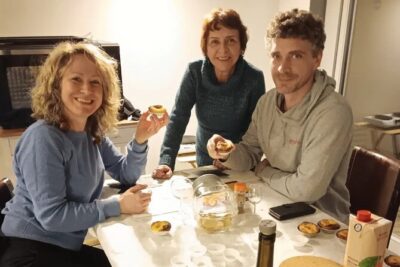
The workshop’s finish is the payoff: once your tarts are ready, it’s time to enjoy the learning results with warm pastries. That’s the moment when the dough lesson, the custard, and the assembly all come together.
If you’re the kind of person who doesn’t want to spend money on an activity that ends with you leaving hungry, this one is built for that. You don’t just leave with a recipe card; you leave with a warm tart experience that connects directly to what you practiced.
Who should book this pastel de nata workshop (and who should skip it)
This is a great fit for:
- Adults who want a hands-on cooking lesson in Porto/Vila Nova de Gaia
- People who enjoy Portuguese food and want a skill, not just a snack
- First-timers who want structure and patience from the instructor
- Travelers who like small groups and rotating participation
It’s not a fit for:
- Anyone intolerant to gluten and lactose (not suitable for those needs)
- Children under 15, and kids 15–17 only with an adult accompaniment rule
- Anyone who needs companions to attend with them (companions aren’t allowed in the space, regardless of age)
- People traveling with animals (animals, including service animals, aren’t allowed)
If you’re traveling with kids, this one can be frustrating, because it’s a safety and logistics setup. And if you’re bringing a friend just to watch, you’ll likely find that isn’t allowed either—this is built as a participant-only workshop.
Planning your day: small logistics that matter in Porto
Because there’s no pick-up or drop-off, you’ll want to plan your own route to R. do Pilar 80. If your day is packed, don’t schedule this workshop like it’s a flexible event. The “door closes at start time” rule means you should treat it like a reservation at a restaurant: arrive early enough that transit delays don’t hit you hard.
Also remember the space is for reserved participants only. So make sure every person who’s attending has their own reservation.
Group size is max 10, and the session is about 2 hours 30 minutes. That’s long enough to learn a real process, but short enough that you can still do another Porto activity after (assuming you keep your timing realistic).
Should you book Pastel de Nata | Workshop from scratch with Gaia?
I think you should book this workshop if you want a genuine skill—especially around making pastel de nata dough—and you like structured, small-group learning. The class is often praised for teaching that feels accessible, plus instructors who keep things welcoming and hands-on. And you get the best part: warm tarts made with your own hands.
Skip it if:
- You need a private lesson (this rotates participants and is shared pacing)
- You’re unable to handle gluten or lactose
- You’re bringing kids under 15 or expecting companions to sit in (companions aren’t allowed)
- You hate strict timing and hate the idea of losing entry if you’re late (entry after start isn’t allowed)
If your goal is to leave Porto with more than memories—leave with repeatable technique—this is a strong choice.
FAQ
How long is the Pastel de Nata workshop?
It lasts about 2 hours 30 minutes.
Is the workshop offered in English?
Yes, the experience is offered in English.
What’s included in the price?
You’ll get 1 glass of Vinho Verde and coffee and/or tea, plus the workshop itself and the pastries made during class.
Does it include pick-up or drop-off?
No. Pick-ups and drop-offs aren’t included.
Where does the workshop start?
The meeting point is R. do Pilar 80, 4430-999 Vila Nova de Gaia, Portugal.
Can I enter late if I’m running behind?
No. It isn’t possible to enter once the workshop has started, and the door will be closed at the scheduled time.
Is this suitable for children?
Children under 15 aren’t permitted to participate or accompany customers with reservations. Ages 15–17 can only participate if accompanied by an adult.
Is it suitable for people with gluten and lactose intolerances?
No. It is not suitable for people intolerant to gluten and lactose.
How big is the group?
The workshop has a maximum of 10 travelers.
More Tour Reviews in Porto


Pastry and Cooking Sessions

More to Do in Vila Nova de Gaia



Fresh in the Porto notebook


Pastry & Cooking Workshops, compared.
 ★ 4.9Pastel de Nata Pastry-Making WorkshopFrom $411,542 reviews
 ★ 4.8Pastel de Nata Cooking Class with Port Wine – SéFrom $41888 reviews
 ★ 4.9Workshops Pasteis de Nata in Porto, PortugalFrom $40520 reviews
 ★ 4.9Pastel de Nata Cooking Class from ScratchFrom $50468 reviews
 ★ 5.0Pastel de Nata | Workshop from scratch | Porto’s city centerFrom $48449 reviews
 ★ 5.0Pastel de Nata Cooking Class with Porto Wine (Sé do Porto)From $42340 reviews
 ★ 5.0Porto Local Market Visit & Cooking Class / Showcooking206 reviews
 ★ 5.0Pastel de Nata Workshop in PortoFrom $40127 reviews
Browse the lists this tour appears in