
Reviewed · WORKSHOPS
Porto: Tour to the world of silver in a century-old workshop
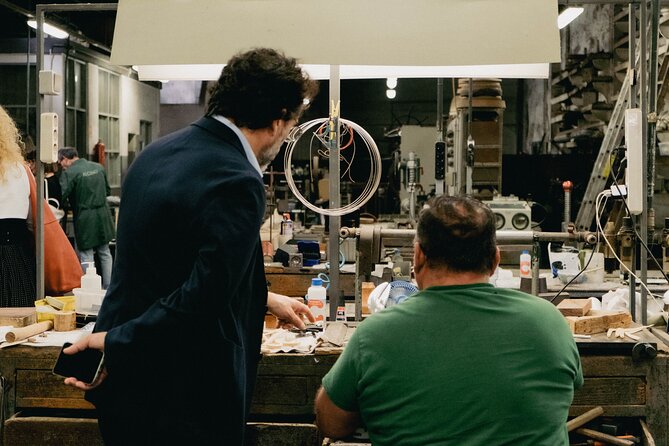
There’s something calming about watching silver being made by hand in Porto’s old workshop, and you come away with a clearer sense of how fine pieces are built. I especially like the fact that this isn’t a quick stop: you get workshop access plus a guided tour, and you even assist the artisans in the process. One thing to consider is the time limit—at just 1 hour, it moves at a steady pace, so it’s best if you’re happy to learn a lot without lingering for hours.
You’ll also enjoy the company behind it: Alcino Silversmith has operated since 1902, passed through six generations, and is recognized as an Entity of Historical Interest. The workshop tour connects the craft to real objects—jewelry, decorative work, religious items, and cutlery—so the techniques you hear about (casting, molding, chiseling) make practical sense.
If you’re the type who likes hands-on craft and straightforward explanations, this is an easy yes. If you’re only looking for big Porto monuments, the experience is focused tightly on silver.
In This Review
- Key things to know before you go
- Where Alcino Silversmith fits into Porto’s craft scene
- Your 1-hour plan: from workshop tools to a three-room showroom
- Step 1: Meet at the Alcino Silversmith store
- Step 2: Guided workshop visit with artisan interaction
- Step 3: Showroom time in three themed rooms
- What you’ll actually learn about silverwork (casting, molding, chiseling)
- Casting: when shape starts before the details
- Molding: controlling form and repeatability
- Chiseling: where character shows up
- Jewelry, decorative objects, religious pieces, and cutlery
- The hands-on part: assisting artisans in loco
- Traditional methods plus some modern equipment
- The showroom setup: three rooms that help you picture silver at home
- Price and value: why $17 makes sense for what you get
- Who should book this tour—and who might not love it
- Practical tips to make your visit smoother
- Should you book the world of silver tour in Porto?
- FAQ
- How long is the Alcino Silversmith silver workshop tour?
- Where is the meeting point?
- Is it a small group?
- What languages are the guides available in?
- Is the tour wheelchair accessible?
- What is included in the ticket price?
- Are children allowed to join?
- Are alcohol or drugs allowed during the tour?
- What time is the last entry from Monday to Friday?
- Can I cancel and get a refund?
Key things to know before you go
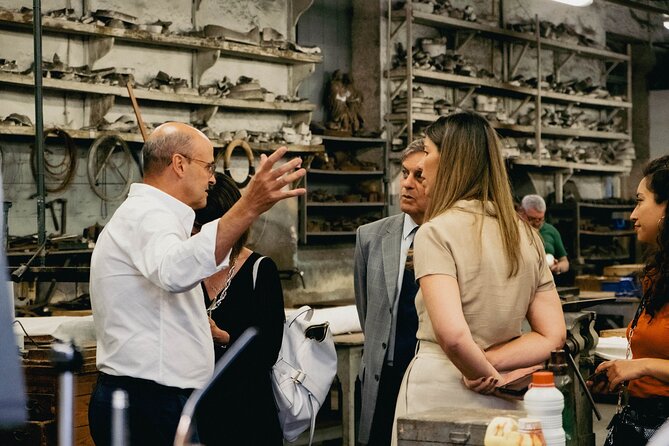
- A 120-year family workshop: Alcino Silversmith dates back to 1902 and spans six generations.
- Small group size (up to 10 people): You’ll stay in the flow of a guided workshop visit rather than a crowd.
- Hands-on assistance: You’ll interact and assist artisans in the process, not just watch.
- Goldsmithing techniques covered: casting, molding, and chiseling are part of what you learn.
- Showroom is set up like a house: three rooms with different environments filled with silver objects.
- No pressure shopping: store access is included, but the tour stays centered on craft and history.
More Porto days out worth booking
- Porto: Pastel de Nata Pastry-Making Workshop★ 4.9 · 1,542 reviews
- Porto: Tile Painting Workshop with Porto Wine – Sé do Porto★ 4.9 · 1,095 reviews
- Porto: Pastel de Nata Cooking Class with Port Wine – Sé★ 4.8 · 888 reviews
- Porto: Small Group Surf Lesson with Transportation★ 4.9 · 594 reviews
Where Alcino Silversmith fits into Porto’s craft scene
Porto is famous for tiles, riverside views, and wine—but it also has artisans making things you can’t really understand from a distance. This visit to Alcino Silversmith is one of those rare experiences where the focus stays on the making: silver turning into jewelry, decorative pieces, and religious art.
The big reason this works is scale. This is not a huge factory that feels anonymous. It’s a family business that has been operating since 1902, and you can feel that generational continuity in the way the workshop and showroom are presented. When a business has lived through 6 generations, you’re not just buying a product—you’re seeing a craft system that has been refined over time.
And because it’s recognized as an Entity of Historical Interest, the workshop visit isn’t only about selling. It’s about preserving skills and showing how silverwork is structured: the steps, the tools, and the choices that affect the final look.
Your 1-hour plan: from workshop tools to a three-room showroom
This is a 1-hour guided tour with a live guide. Groups are limited to 10 participants, which matters more than you’d think. In larger spaces, you tend to become background noise. Here, you’re more likely to get follow-up explanations and a chance to participate during the workshop portion.
Step 1: Meet at the Alcino Silversmith store
You meet at the Alcino Silversmith jewellery store. The practical tip is simple: arrive close to your time and plan to enter when you’re told to—there’s no separate “mystery” location to find.
Step 2: Guided workshop visit with artisan interaction
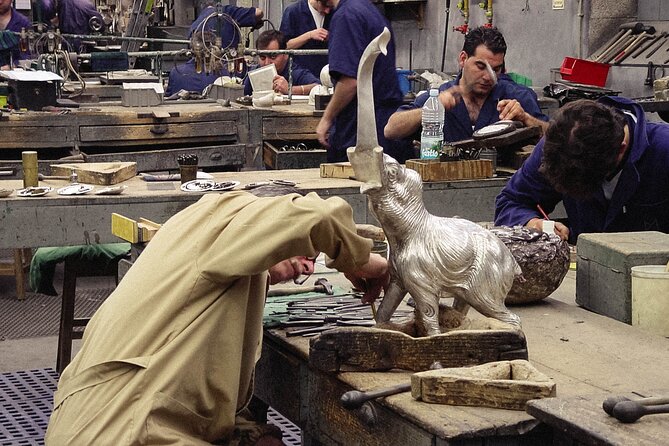
The heart of the experience is the workshop access. You’ll take a guided walk through how pieces are created and you’ll learn about manual techniques used in goldsmithing, including casting, molding, and chiseling.
What I like about this structure is that it teaches you to “read” silver objects. Instead of seeing the finished product only as decoration, you start noticing how the surface texture, shape, and details likely came from specific stages of work.





Step 3: Showroom time in three themed rooms
After the workshop, you move into the showroom, which is divided into three rooms designed to feel like different parts of a house. Each room is set with silver objects in different environments, so you can see how pieces fit into everyday styling, not only display-case shine.
Then you’re also given store access, so you can keep browsing if something catches your eye.
What you’ll actually learn about silverwork (casting, molding, chiseling)
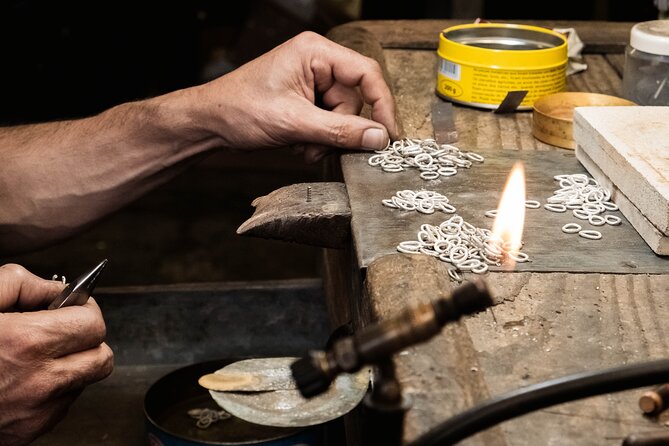
If you’ve ever looked at a piece of jewelry and wondered why it looks the way it does, this tour gives you the missing links. The experience is built around practical techniques of working silver, and those terms aren’t just “labels” here—they connect to what you see in the workshop.
Casting: when shape starts before the details
Casting is the step where a piece can take its basic form. You’ll hear how silverwork uses casting and related processes to build structure before fine finishwork.
Molding: controlling form and repeatability
Molding is about shaping material with control—useful when you want consistent results across a design line.
Chiseling: where character shows up
Chiseling is where the craft shifts from producing a shape to creating surface personality. Even if you’re not a maker yourself, chiseling helps explain why certain details look crisp instead of generic.
The payoff: by the time you reach the showroom, you have a mental checklist. You can look at a pendant, decorative element, or religious object and think, Okay, this likely came through a few distinct stages. That makes the visit feel smarter than a typical “look around” shop tour.
Jewelry, decorative objects, religious pieces, and cutlery
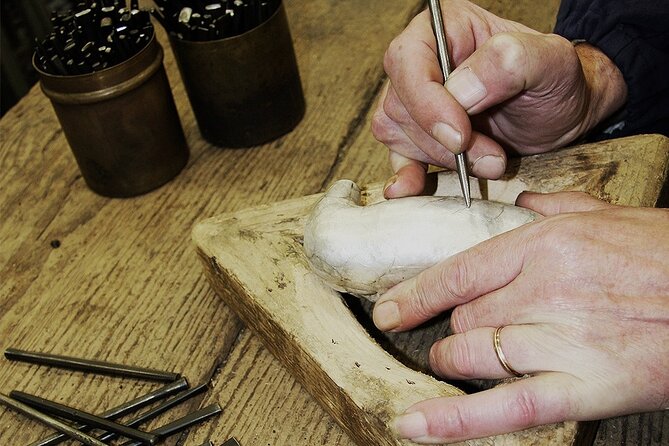
A lot of silver workshops would focus only on one thing—mostly jewelry, mostly ornaments, mostly souvenirs. Alcino Silversmith presents silver as a broader craft with multiple uses.
You’ll see that their work includes:
- Jewelry collections
- Decorative pieces
- Religious items and symbols of sacred art
- Cutlery
That variety makes the tour more interesting for a wider audience. If you love jewelry, it helps to know that the same skills show up in other formats. If you’re not a jewelry person, you still get a reason to care: silver craftsmanship has a practical side, not only an accessory side.
It also helps that the company’s identity is tied to tradition and creativity. The workshop tour is presented as a continuous family craft rather than a one-off “experience.”
The hands-on part: assisting artisans in loco
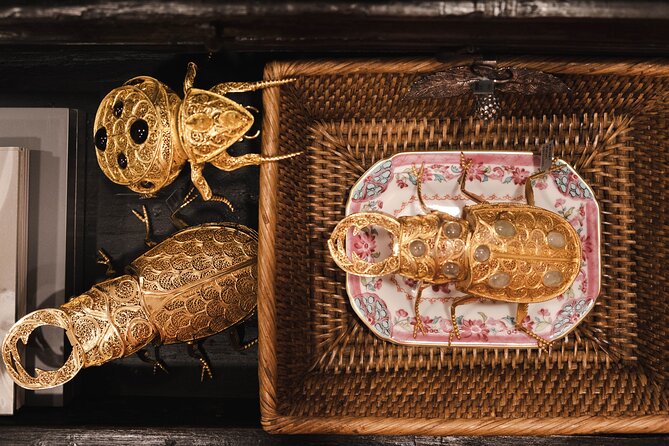
The most memorable moments on a craft tour are usually the ones where you feel involved. Here, you’re not just passing through rooms looking at machines.
The tour includes interaction and assistance with the artisans in the process. You should expect this to be guided and manageable—think of it as learning-by-doing under supervision, not a free-for-all.
Why this matters: when you help, even briefly, you understand why certain steps take time. It also makes the explanations feel grounded. A guide can tell you about casting or molding, but your brain locks in the idea when you participate.
If you’re traveling with kids, this kind of involvement can help them pay attention. Just remember that children must be accompanied by an adult.
Traditional methods plus some modern equipment
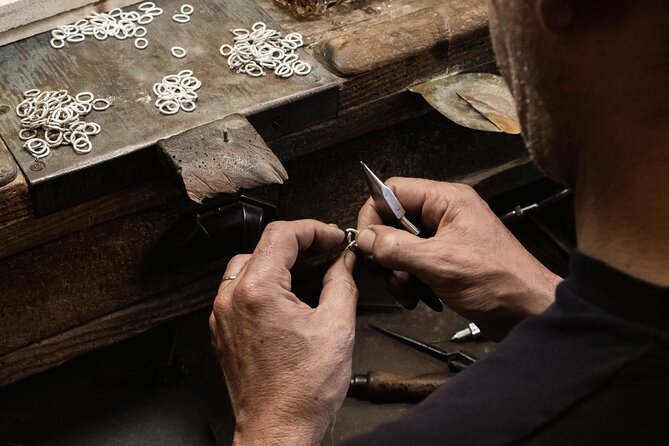
One detail that makes this stop especially believable is the balance between old and new. The experience can feel like you stepped back in time, but you may also notice updated equipment being used alongside traditional methods.
That’s a good sign. When a workshop keeps older methods alive while adding newer tools where they fit, you get the best of both worlds: craft continuity and practical efficiency.
So if your idea of “authentic” means all antique tools with no modern touch, you might still appreciate this. But the real win is that you’ll see silvermaking as a living craft, not a museum piece frozen in place.
The showroom setup: three rooms that help you picture silver at home
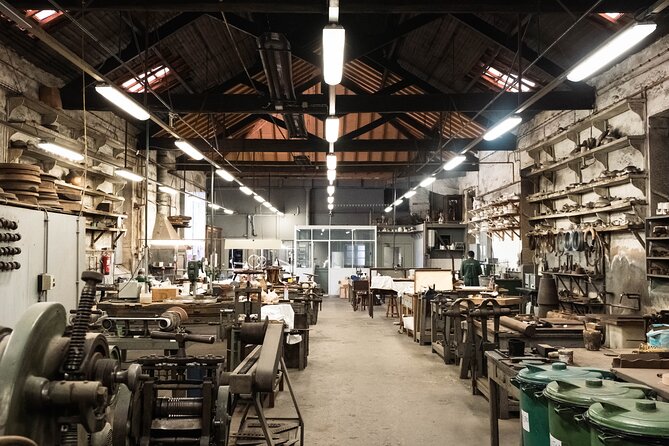
A showroom can either overwhelm you or teach you. This one is designed with the second goal in mind.
The space is divided into three rooms with different environments, simulating parts of a house decorated with silver objects. That layout is smart for two reasons:
- It helps you see scale and style. A small item can look delicate in a display case. In a room setting, it starts to make sense visually.
- It links to the tour’s craft lesson. If you learned about techniques like chiseling and molding, you can look at the showroom and try to connect technique to appearance.
Also, because you have access to the store, you can turn learning into a purchase if you want one. The included store access means you’re not rushed out the door right after the guided tour ends.
Price and value: why $17 makes sense for what you get
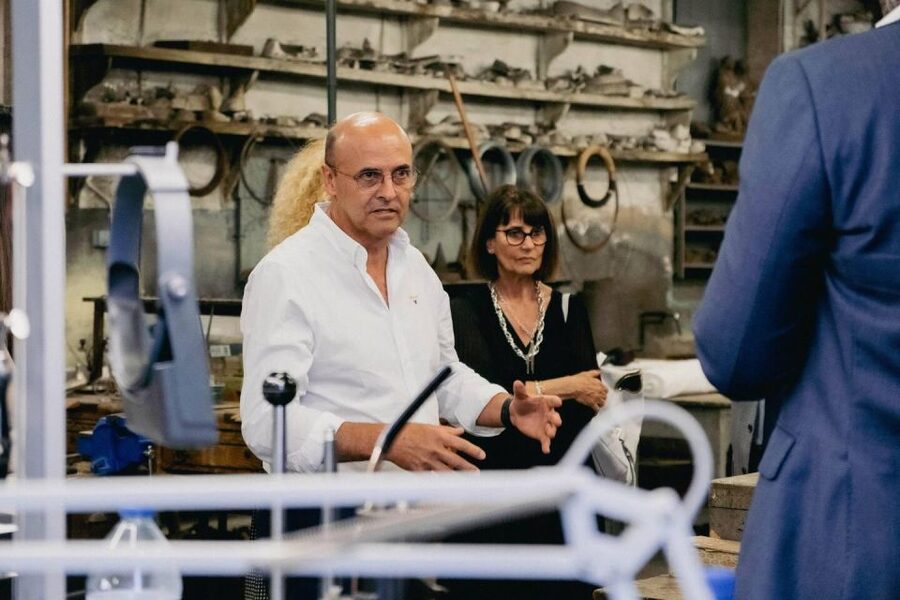
At about $17 per person for 1 hour, this sits in the “easy value” category—especially if you care about how things are made.
Here’s why the value feels real:
- You get a guided tour (not a self-guided walkthrough)
- You receive workshop access plus showroom access
- Group size is capped at 10, which keeps the experience personal
- The craft focus is specific: casting, molding, and chiseling in a long-running workshop
Could you spend less in a city shop? Sure. But you’re not paying just for entry. You’re paying for structured explanations, access to the working side of silvercraft, and time in a curated showroom that’s built to help you understand what you’re seeing.
If you like buying souvenirs, this is a thoughtful place to spend money. If you don’t, you can still enjoy it as craft education without pressure.
Who should book this tour—and who might not love it
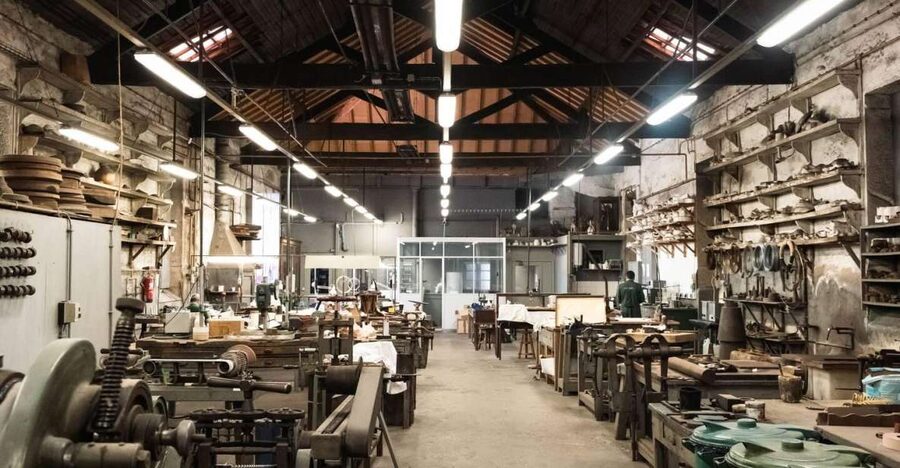
This is a great match if you:
- Enjoy craft, handmade work, and tools
- Love learning how objects are made, not only how they look
- Want a Porto experience that isn’t focused on monuments or food
- Want a smaller group visit instead of a big bus tour
It may be less ideal if you:
- Only want an all-day sightseeing plan (this is 1 hour)
- Prefer large museum galleries over working workshops
- Expect a general history tour of Porto rather than silver-specific storytelling
One more practical note: because the languages offered are Portuguese, English, and Spanish, it’s a comfortable choice for many travelers.
Practical tips to make your visit smoother
A few things can help you have an easier experience from start to finish.
- Plan your timing around the last entry: from Monday to Friday, the last entry is at 5:00 pm.
- Check the language options: the guide offers Portuguese, English, and Spanish, so you can align with what you’re comfortable following.
- Think about the rules: alcohol and drugs aren’t allowed.
- Bring adult supervision for children: children must be accompanied by an adult.
- Mobility access is included: the tour is wheelchair accessible.
- Don’t overstuff your schedule: since it’s short, pair it with another nearby Porto stop and keep buffer time.
If you want to get the most out of it, go in curious about the details. Look at the silver objects in the showroom and try to connect what you learned to how the piece looks.
Should you book the world of silver tour in Porto?
I’d book it if you want a Porto activity that’s quietly impressive and genuinely hands-on. You’re paying for guided workshop access, technique explanations tied to real objects, and a showroom designed to help you understand silver in context. For the price and time, it’s an efficient way to get craft knowledge without turning your day into a logistics puzzle.
Skip it only if your travel priorities are elsewhere—big city sights, long museum wandering, or a tour that feels more about the broader history of Porto than a single specialized craft.
If you’re even a little curious about how silver jewelry and decorative pieces are actually made, this is one of those experiences that teaches you to see with better eyes afterward.
FAQ
How long is the Alcino Silversmith silver workshop tour?
The tour lasts 1 hour.
Where is the meeting point?
You meet at the Alcino Silversmith jewellery store. You can come in when the time arrives or call them.
Is it a small group?
Yes. The group is limited to 10 participants.
What languages are the guides available in?
The live tour guide is available in Portuguese, English, and Spanish.
Is the tour wheelchair accessible?
Yes, it is wheelchair accessible.
What is included in the ticket price?
It includes the entry ticket, guided tour, workshop access, showroom access, and store access.
Are children allowed to join?
Children are allowed, but they must be accompanied by an adult.
Are alcohol or drugs allowed during the tour?
No. Alcohol and drugs are not allowed.
What time is the last entry from Monday to Friday?
From Monday to Friday, the last entry is at 5:00 pm.
Can I cancel and get a refund?
Yes. Free cancellation is available up to 24 hours in advance for a full refund.
More Workshops in Porto






More Tours in Porto





More Tour Reviews in Porto

Fresh in the Porto notebook





Workshops, compared.
 ★ 4.9Pastel de Nata Pastry-Making WorkshopFrom $411,542 reviews
 ★ 4.9Tile Painting Workshop with Porto Wine – Sé do PortoFrom $411,095 reviews
 ★ 4.8Pastel de Nata Cooking Class with Port Wine – SéFrom $41888 reviews
 ★ 4.9Small Group Surf Lesson with TransportationFrom $58594 reviews
 ★ 4.9Workshops Pasteis de Nata in Porto, PortugalFrom $40520 reviews
 ★ 4.9Pastel de Nata Cooking Class from ScratchFrom $50468 reviews
 ★ 5.0Pastel de Nata | Workshop from scratch | Porto’s city centerFrom $48449 reviews
 ★ 4.9Port Wine class with 3 or 5 Port tasting and pairingsFrom $23441 reviews
Browse the lists this tour appears in