
Reviewed · FADO & PORT WINE SHOWS
Porto: An Intimate Fado Show in a Historical Tavern
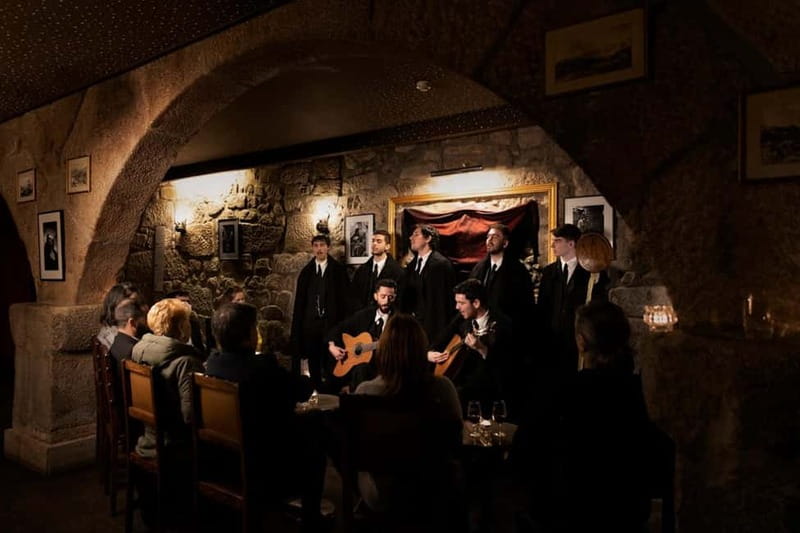
Fado, inches from the singer. This Porto night delivers two fado styles in one ticket and keeps the performers meters away, unamplified in a historic tavern. The result is music you feel in your chest, not something you watch from across a hall, and it pairs perfectly with the included port wine.
I also love the way the show runs like live theatre: there’s no raised stage or microphone barrier, so every pause, breath, and guitar phrase lands right in your lap. The only real catch is practical: the room is small and you’re asked to keep things quiet during the performance, so this is best when you can lean into the music and not chat.
In This Review
- Key Things I’d Prioritize Before You Go
- Miragaia After Dark: Why This Location Changes the Feeling
- Entering the Tavern: Where Unamplified Singing Makes the Difference
- One Hour, Two Fado Styles: The Show’s Real Structure
- Coimbra Fado First: Poetry, Youth, and University Roots
- Traditional Fado Second: Rawer Emotion, Classic Portuguese Soul
- The Port Wine Moment: Small, Classic, and Timed Right
- Timing and Seating: How to Get the Best Seat Without Stress
- What You Need to Know About Rules (So You Don’t Accidentally Ruin It)
- Is This Worth $18? The Value Math That Actually Matters
- Who Should Book This Porto Fado Night?
- Quick Verdict: Should You Book This Fado Show?
- FAQ
- How long is the Porto fado show?
- How much does it cost?
- Is the show just one type of fado or more?
- Where do I show my ticket?
- Does the ticket include anything to drink?
- Is there a language limit?
- Are kids allowed?
- Is the show recorded or can I use a tripod?
- What rules do I need to follow during the performance?
Key Things I’d Prioritize Before You Go
- Two fado traditions in one hour: Coimbra first, then Traditional fado.
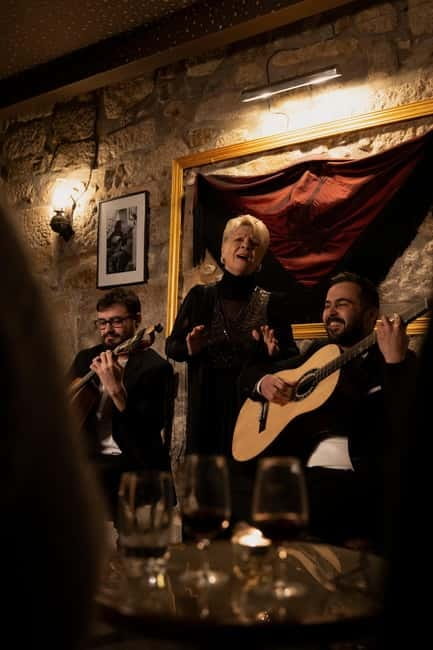
- No microphones, no separation: singers perform very close to the audience.
- A historic tavern setting in Miragaia: away from the loudest tourist corridors.
- Spontaneity matters: each show can feel different because of improvisation.
- Included port wine: a small but classic Porto welcome to the evening.
- Arrive early for seating: 10 to 15 minutes helps you get comfortable fast.
More fado evenings, a glass of port in hand
- Porto: Cálem Cellar Tour, Fado Show & Wine Tasting★ 4.4 · 3,530 reviews
- Porto: Fado & Port Wine in Traditional Portuguese Music Shop★ 4.8 · 2,906 reviews
- Porto: What is Fado? Commented Live Concert with Port Wine★ 4.8 · 2,839 reviews
- Porto: An Intimate Fado Show in a Historical Tavern★ 4.8 · 2,055 reviews
Miragaia After Dark: Why This Location Changes the Feeling
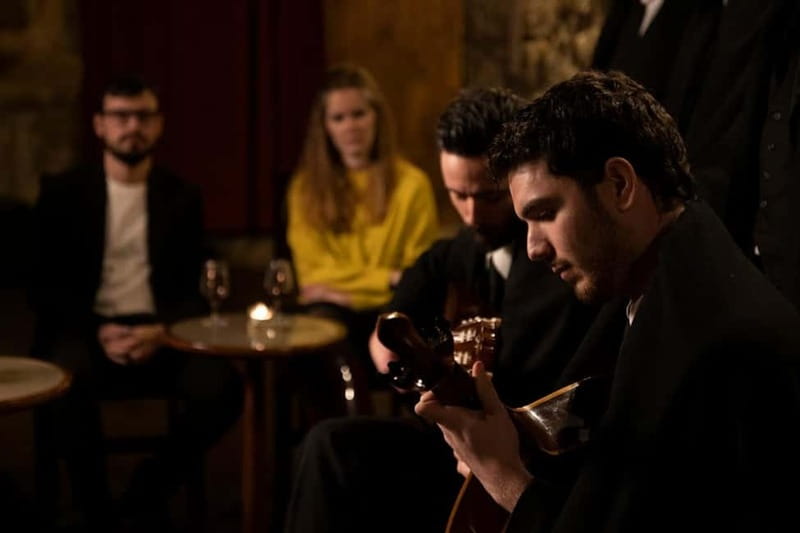
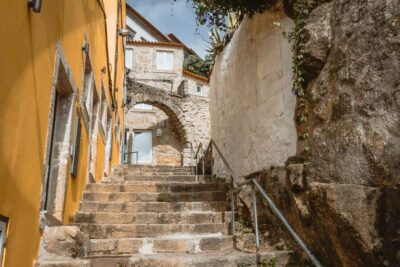
Porto’s Miragaia quarter is the kind of place you reach when you’re done with postcard sightseeing and ready for slower, more local moments. Instead of a large venue that turns fado into background entertainment, this experience drops you into a historic tavern atmosphere where the night feels lived-in.
That location choice matters. When performers are close and the room is intimate, you stop thinking of fado as a performance you’re attending and start treating it like a shared moment. You’re still a visitor, but the setting nudges you into the right mindset: calm, attentive, and ready to listen.
One more practical point: this venue isn’t positioned like a giant tourist attraction with obvious signage. Plan to give yourself a little time to find it, especially if you’re arriving from the river front and the streets are busy or dim.
Entering the Tavern: Where Unamplified Singing Makes the Difference
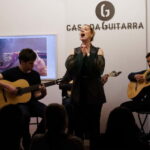
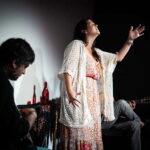
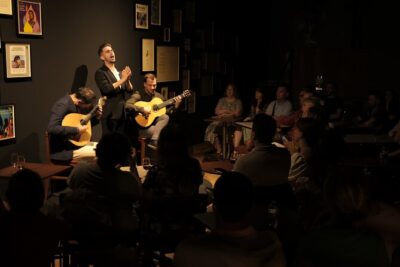
The big selling point here is also the simplest: the music is delivered without microphones and without an elevated stage. When singers are that close, you catch details you’d normally miss—how quickly a voice softens, where emotion changes pitch, and how the guitar supports the story rather than just accompanying it.
In a larger hall, you rely on volume. In a small tavern, you rely on attention. That’s why the silence rule exists. If people talk, the whole emotional thread breaks. If you respect the quiet, you’ll hear fado in a way that feels more human and less engineered.
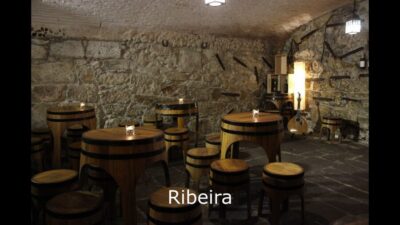
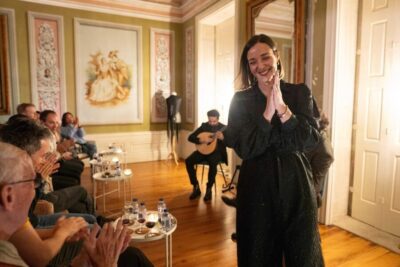
A few other venue details show up repeatedly in the vibe: seating is arranged around small tables instead of theatre-style rows, and the atmosphere can feel candlelit and cozy. Even if you don’t know the words, you can still follow the emotional curve, because the sound is direct and the phrasing is expressive.
One Hour, Two Fado Styles: The Show’s Real Structure
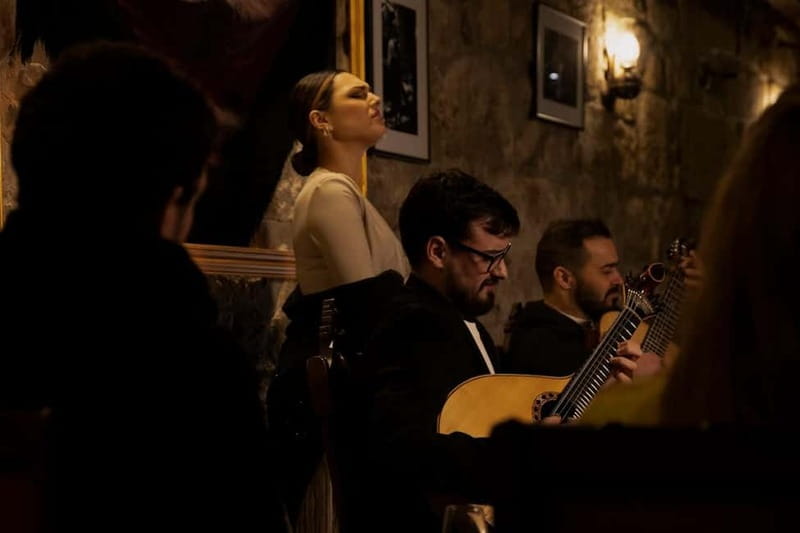
This is not a single long set. It’s a split-night format inside the same ticket, designed to give you a comparison you can actually feel.
- Part one: Coimbra fado
- Part two: Traditional fado
That sequence is smart for your listening. Coimbra fado tends to feel more lyrical and youthful, with themes tied to university culture and romantic longing. Traditional fado is often described as the more classic, emotionally intense side—less polished for presentation, more focused on authenticity.
And because the show supports improvisation, you’re not just watching a rehearsed script. The exact flow can shift, which is part of the point of fado as an art form.
Coimbra Fado First: Poetry, Youth, and University Roots
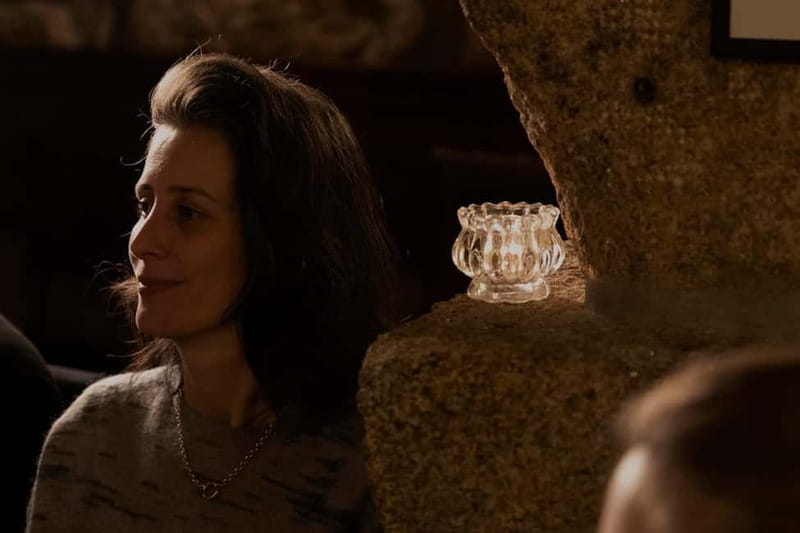
Coimbra fado is presented as a style that bridges popular and classical traditions, with origins tied to university students. In the room, that background shows up through the mood: it’s often more elegant and reflective than what people expect from a typical sad-sounding serenade.
If you like music with clear storytelling, this first set is where you’ll get it. Expect themes like youth, love, and longing, delivered with guitar work and vocals that feel carefully shaped but still alive. On some nights, the performers also offer a bit of guidance about what’s being sung, which is helpful if Portuguese lyrics are new to you.
If you’re wondering whether you’ll understand the songs: you might catch less of the language, but you’ll still follow the emotion. The “no microphone” setup makes it easier to hear how the singers shape phrases, not just what they’re saying.
More Porto days out worth booking




Traditional Fado Second: Rawer Emotion, Classic Portuguese Soul
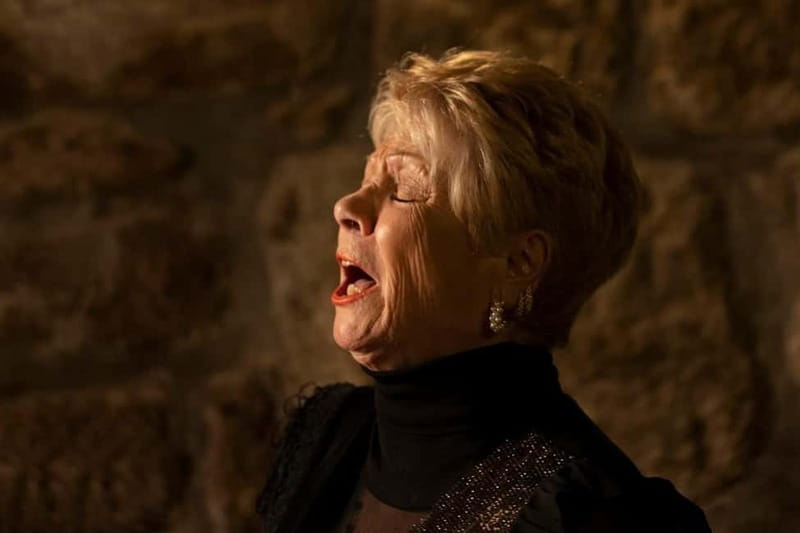
Then the show pivots to Traditional fado. The tone is typically heavier, more directly emotional, and less about elegance for show. This part is performed by artists devoted to the stronger, non-commercial side of fado—so you get a more grounded, classic feel.
This is also where improvisation can make the experience feel especially alive. The singers can shift pacing, intensify a line, or respond to the room’s energy. When you’re sitting so close, you’ll notice those changes instead of hearing them as background noise.
For many first-timers, this second set is the one that makes fado click. You go in expecting a “culture thing.” You end up listening for meaning in small details: timing between guitar lines, the way a voice trembles, and how the silence between phrases can say as much as the lyrics.
The Port Wine Moment: Small, Classic, and Timed Right
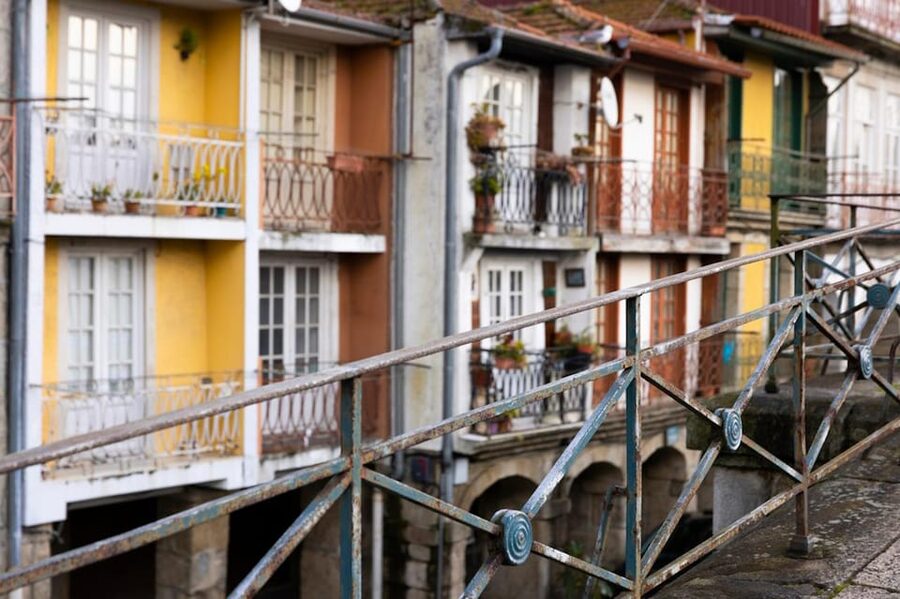
Your ticket includes a glass of port wine (and the show description also notes water as an alternative). It’s not a full bar experience, and that’s fine. The value here isn’t the drink; it’s the way the drink is timed and integrated into the show.
You’ll get it around arrival, then you can settle in before the first notes. That matters because it helps you stop rushing and start listening. Also, because the room asks for quiet during the performance, having something simple to sip on can make it easier to stay focused.
A few notes from the experience vibe in the room: the port is often described as enjoyable, and the setting makes it feel like a small ceremonial welcome rather than a separate, rushed add-on.
Timing and Seating: How to Get the Best Seat Without Stress
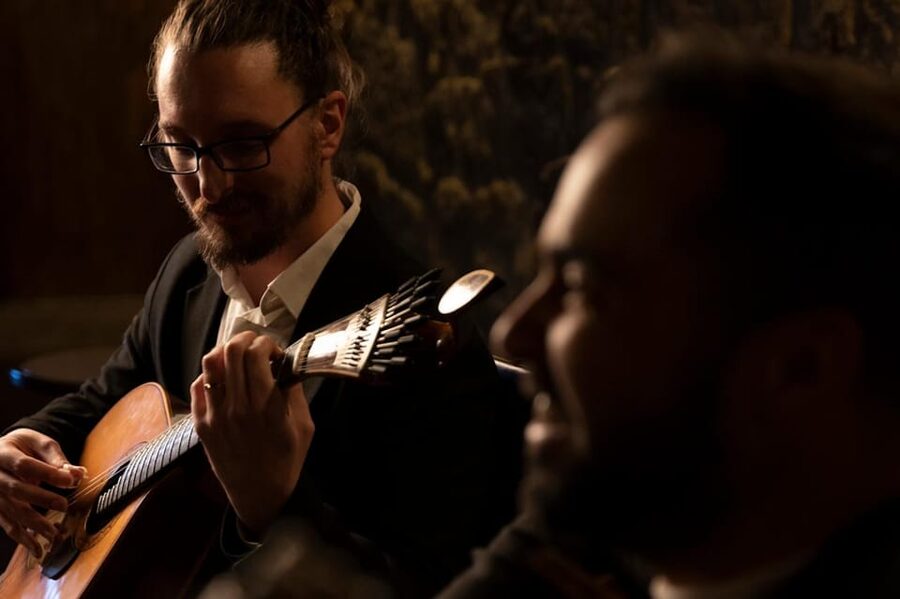
The show happens in the late afternoon and lasts about one hour. You’ll want to arrive 10 to 15 minutes early. Not because you’ll have hours to kill—because this is a small tavern, and you’ll want to sit comfortably before the music starts.
In a room like this, there really isn’t a bad seat, but proximity is the magic. The performers are meters away, so even a slight move toward the front can increase the sense of closeness. And because seating is table-based, being settled early helps you avoid awkward mid-show scooting.
If you’re sensitive to cold or lingering in stone-walled spaces, plan for layers. This is especially relevant in Porto in the shoulder months and winter, when evenings can feel sharper than you expect.
What You Need to Know About Rules (So You Don’t Accidentally Ruin It)
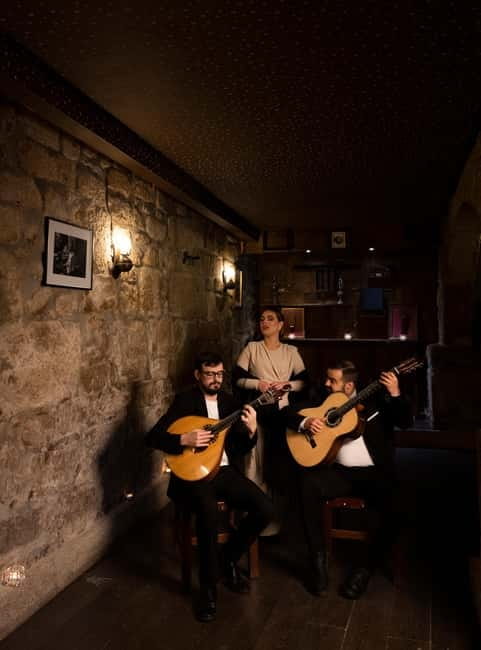
This experience is built around listening. That means a handful of rules are non-negotiable:
- Silence during the performance is required.
- No party groups, and the room asks you not to make noise.
- Pets are not allowed, and baby strollers are not allowed.
- No food or drinks beyond what’s included.
- Tripods are not allowed.
- Chewing gum is not allowed.
Why so strict? Because without microphones and with performers so close, even small disruptions travel instantly. One chatty table can affect everyone’s ability to hear the singers and guitars clearly. If you keep your part quiet, you’ll get the full payoff.
Also: the show is not suitable for children under 12. If you’re traveling with kids, double-check that age cutoff before you plan your evening.
Is This Worth $18? The Value Math That Actually Matters
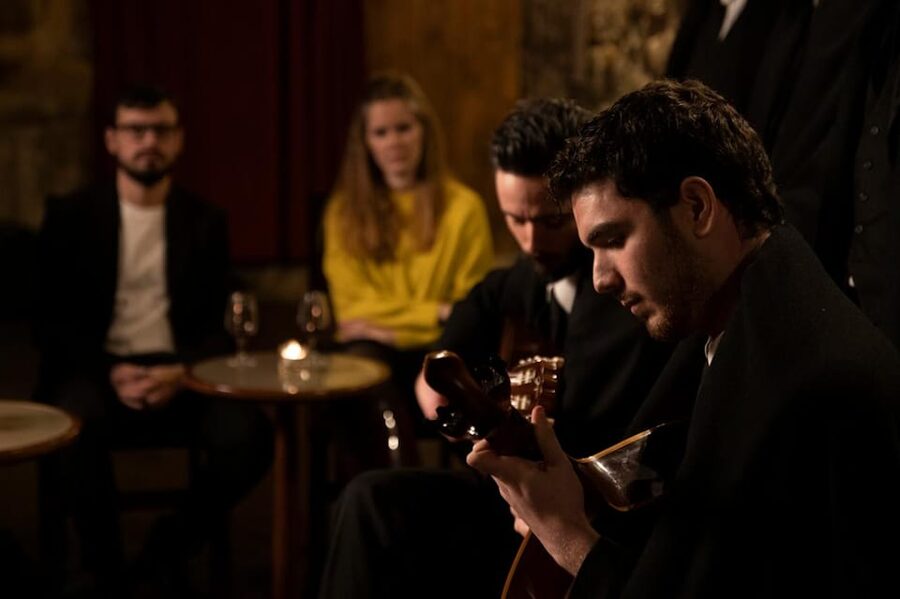
At $18 per person for a one-hour show, you might be comparing it to two types of entertainment: bigger concerts and generic nightlife with music. This experience sits in a different category.
Here’s why it can feel like good value:
- You’re paying for two fado styles in one ticket, not just a single set.
- The unamplified proximity is the whole point. You’re not getting the same experience if you move to a bigger stage-first venue.
- You get a complementary glass of port wine, which fits the theme instead of feeling like a random perk.
- The show’s spontaneity means it can feel different night to night, not just a repeat performance.
The one place value might feel smaller is if you expected a big, theatrical production. This is intentionally simple: a historic tavern, close singing, and a listening-first crowd. If that’s your taste, $18 feels fair. If you want lots of stage spectacle, you may find it too understated.
Who Should Book This Porto Fado Night?
This is a strong fit if you want:
- A first fado experience that teaches you something without being a lecture
- A night with real performers close to you, not a distant show
- Music-focused travel, where listening matters more than nightlife volume
- A comparison between Coimbra fado and Traditional fado in one evening
It may not be ideal if you:
- Want to talk during the show or need a very social atmosphere while music plays
- Are traveling with a group that’s prone to turning performances into background chatter
- Are bringing younger kids (the under-12 age limit matters here)
On the upside, this show is wheelchair accessible, so mobility needs can be supported.
Quick Verdict: Should You Book This Fado Show?
If you like the idea of hearing fado as people actually sing it—close, direct, and emotionally focused—this is an easy yes. The combination of two fado traditions, the no-microphones closeness, and a simple one-hour format makes it one of the more efficient ways to understand Porto’s musical soul without spending a long evening doing logistics.
Book it especially if you’re already spending time around Miragaia and want one cultural stop that feels personal, not packaged. If you want a loud party vibe or you struggle with quiet rules, choose a different kind of evening.
FAQ
How long is the Porto fado show?
The performance lasts about 1 hour.
How much does it cost?
The price is listed as $18 per person.
Is the show just one type of fado or more?
It includes two fado traditions in the same show: Coimbra fado first, then Traditional fado.
Where do I show my ticket?
Check in at the entrance to the Fado Maior do Porto concert hall.
Does the ticket include anything to drink?
Yes. The show includes a glass of port wine.
Is there a language limit?
The listed language is Portuguese.
Are kids allowed?
No, it is not suitable for children under 12.
Is the show recorded or can I use a tripod?
Tripods are not allowed.
What rules do I need to follow during the performance?
Silence during the performance is required, and the venue also lists rules against making noise. Food and drinks (other than what’s included) are not allowed.
More Historical Tours in Porto


More Tour Reviews in Porto





Fado After Dark


Fresh in the Porto notebook





Fado & Port Wine Shows, compared.
 ★ 4.8Live Fado Show with Glass of Port WineFrom $236,498 reviews
 ★ 4.4Cálem Cellar Tour, Fado Show & Wine TastingFrom $333,530 reviews
 ★ 4.8Fado & Port Wine in Traditional Portuguese Music ShopFrom $112,906 reviews
 ★ 4.8What is Fado? Commented Live Concert with Port WineFrom $182,839 reviews
 ★ 4.8The highest-rated traditional fado concert (downtown)From $241,557 reviews
 ★ 4.9Intimate Fado Show & Port Wine in Trindade Noble HallFrom $191,281 reviews
 ★ 4.9Fado Concert in Porto’s Most Beautiful HouseFrom $221,201 reviews
 ★ 5.0Ideal Clube de FadoFrom $25638 reviews
Browse the lists this tour appears in