
Reviewed · FADO & PORT WINE SHOWS
Porto: What is Fado? Commented Live Concert with Port Wine
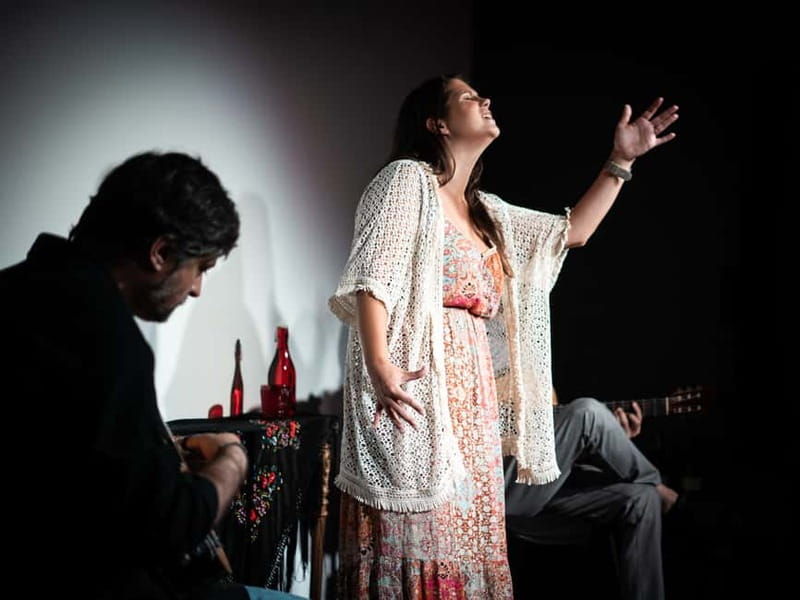
Fado hits different when explained. In Porto, Fado na Baixa turns a live concert into a story you can follow in your language, with multimedia moments and an audience sing-along that makes the music feel personal. I like that it doesn’t assume you already know Fado.
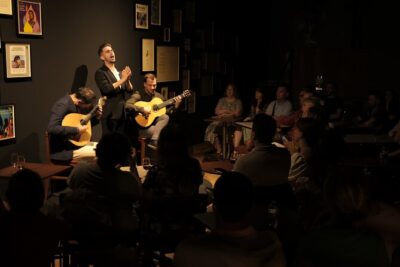
What I love most is the pairing of live singers with Portuguese guitar inside a licensed 19th-century auditorium near the Douro River. You get a glass of port during the show, and the program moves between Lisbon and Coimbra Fado styles so you hear the differences, not just one version.
One possible drawback: at 1 hour, it’s an efficient show. If you want a long, unbroken concert with no explanations, this format may feel a bit brisk, even though the pacing is meant to help you understand what you’re hearing.
In This Review
- Key points that make this Porto Fado show worth your time
- Why this Porto Fado show works even if you know nothing
- Getting to Fado na Baixa: Ribeira do Porto’s easy stop
- The 1-hour show format: Lisbon, the Portuguese guitar, Coimbra, then Amalia
- 1) Traditional Fado first: the emotional tone gets explained
- 2) Portuguese guitar and Tawny Port: music and taste in one moment
- 3) Coimbra Fado: student stories and a different vocal style
- 4) Amalia Rodrigues’ influence: from tradition to recognition
- 5) How Fado survives: old poetics, new fusions
- Portuguese guitar, close singing, and why the intimacy matters
- The port-and-music pairing: a smart Porto touch
- What you get for the price: value in a tight 1-hour slot
- Who should book this Fado na Baixa show
- Should you book this Porto Fado concert?
- FAQ
- FAQ
- How long is the Fado na Baixa concert in Porto?
- What is included with the ticket price?
- Where is the meeting point for the show?
- What languages are available for the audio guide and host?
- What kinds of Fado does the show include?
- Is Tawny Port or port wine part of the experience?
- Is the venue wheelchair accessible?
- Can I cancel and get a full refund?
Key points that make this Porto Fado show worth your time
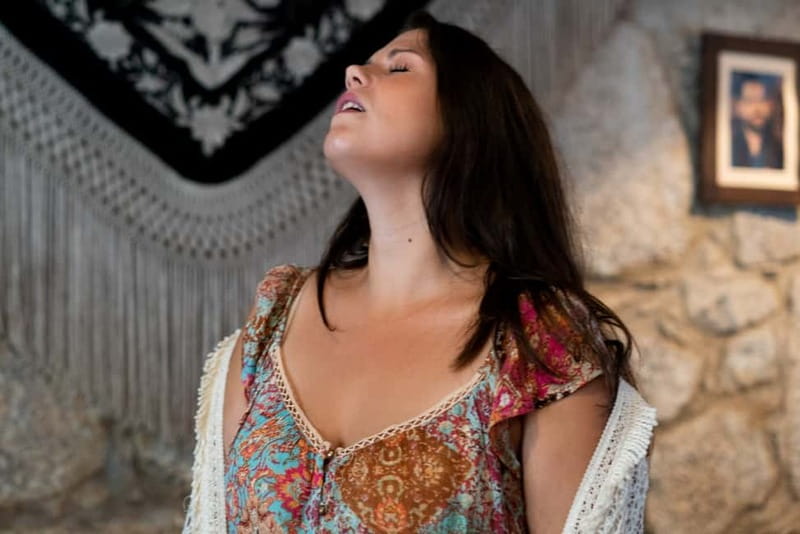
- Your-language storytelling: testimonials and multimedia context keep Fado understandable
- Lisbon plus Coimbra: you hear multiple Portuguese Fado expressions in one sitting
- Portuguese guitar spotlight: the guitar isn’t background noise here
- Tawny Port pairing: a glass of port is part of the performance flow
- Cozy auditorium setting: a 19th-century venue that keeps you close to the performers
- Interactive moments: you may be guided into singing along
More fado evenings, a glass of port in hand
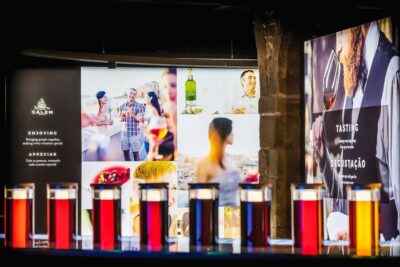
- Porto: Cálem Cellar Tour, Fado Show & Wine Tasting★ 4.4 · 3,530 reviews
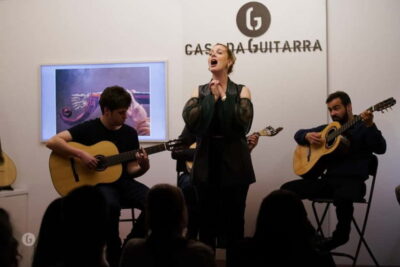
- Porto: Fado & Port Wine in Traditional Portuguese Music Shop★ 4.8 · 2,906 reviews
- Porto: What is Fado? Commented Live Concert with Port Wine★ 4.8 · 2,839 reviews
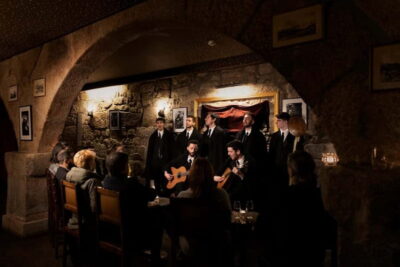
- Porto: An Intimate Fado Show in a Historical Tavern★ 4.8 · 2,055 reviews
Why this Porto Fado show works even if you know nothing
Fado can feel mysterious if you don’t speak Portuguese, and that’s exactly where this show helps. The experience is built around more than songs. It layers in short video clips and personal testimonials, and it’s designed so you can follow the meaning of lyrics and themes without needing a crash course first.
I also like that the show treats Fado as culture, not museum content. You’re not just listening to sad-sounding music and guessing. You get a guided sense of why people sing these stories, from love and longing to identity and memory. And since it covers both traditional and more contemporary threads, you come away with a clearer picture of how Fado lives today, not only how it sounded in the past.
Lastly, there’s a human factor. The program includes moments meant to pull you into the rhythm. That sing-along isn’t just “fun.” It helps you feel how Fado is shared—through voice, response, and atmosphere.
Getting to Fado na Baixa: Ribeira do Porto’s easy stop
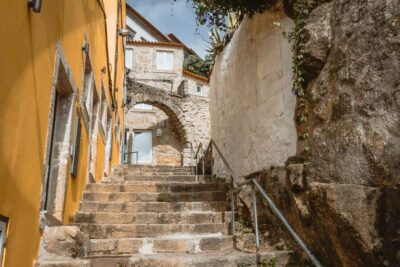
You’ll find the auditorium in the heart of Ribeira do Porto, a very walkable part of the city close to the Douro River. The meeting point is R. de São João 99, 4050-553 Porto, at the Fado na Baixa auditorium.
Why this matters: you can pair the show with an evening stroll along the riverfront. Porto’s waterfront looks best when the light starts to soften, and a scheduled, 1-hour cultural stop gives you structure without eating your whole night.
The venue is also described as a licensed auditorium in a 19th-century building, which usually means good acoustics and a room that feels like it was made for performances rather than conferences. Expect a cozy setting rather than a stadium-scale production.
The 1-hour show format: Lisbon, the Portuguese guitar, Coimbra, then Amalia
This is a compact show, and it’s organized like a guided journey. The flow matters because it prevents the common problem: hearing several songs but not understanding what you’re supposed to notice.
Here’s how the evening is staged.
1) Traditional Fado first: the emotional tone gets explained
The show opens with traditional Fado, including the highly marketed and intense style associated with Lisbon. You’ll hear the kind of Fado that people think of first: close vocals, expressive phrasing, and the Portuguese guitar shaping the mood.
What you’ll likely appreciate as a non-expert: the show gives you enough context to listen for emotion rather than just melody. Even if you only catch parts of the lyrics, you understand the themes and why the delivery hits so hard.
More Porto days out worth booking





2) Portuguese guitar and Tawny Port: music and taste in one moment
Next comes a segment focused on the Portuguese guitar and its techniques. You also taste Tawny Port as part of a cultural pairing with Fado.
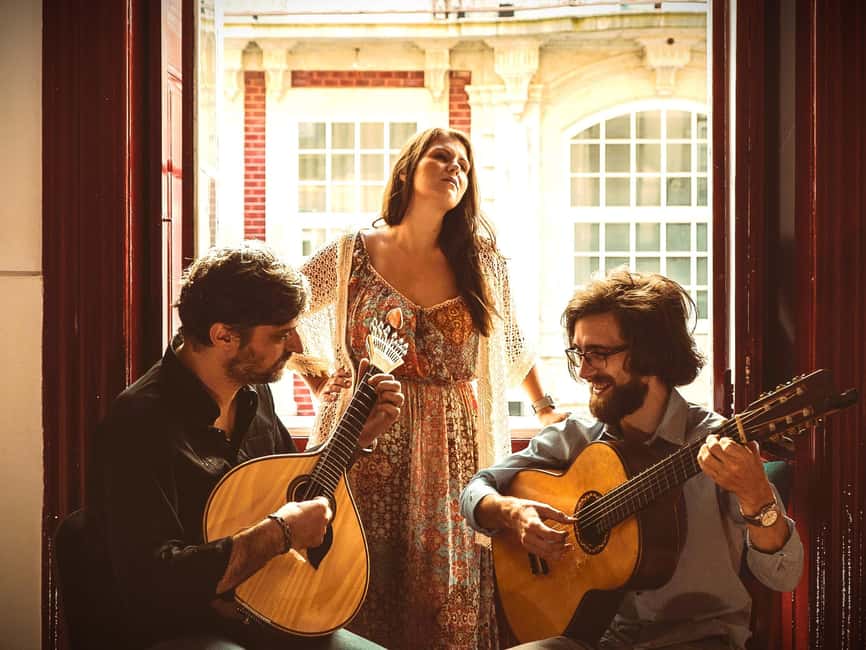
This part works because the guitar is essential to the genre’s identity. In many concerts, the guitar player is important but treated like an accompanist. Here, the program highlights how the guitar supports the singer—rhythm, ornamentation, and that distinctive sound that you can’t mistake for anything else.
The port isn’t just a free drink thrown in. It’s timed as part of the experience, which helps you settle into the mood. If you’re a wine person, Tawny Port is a particularly fitting choice for this kind of emotional, story-driven music.
3) Coimbra Fado: student stories and a different vocal style
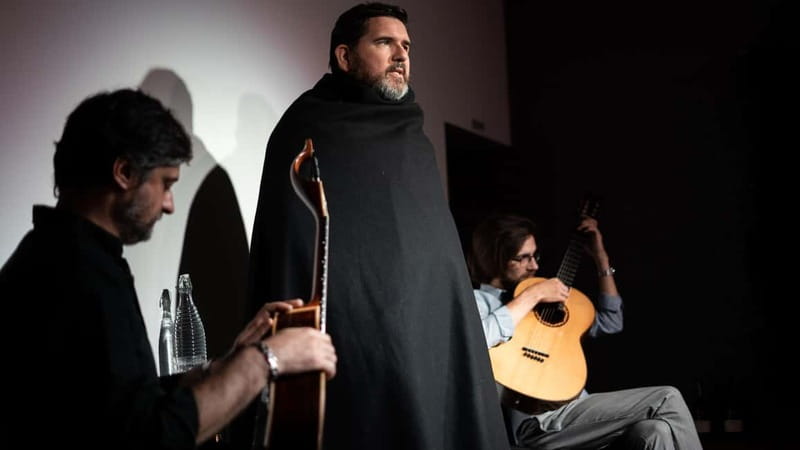
Then you shift into Coimbra Fado, described as the Fado genre connected to Portuguese students. You’ll hear it sung live by a male singer who is a former student at Coimbra University, which adds a real connection to the tradition instead of treating it as a reenactment.
The interesting bit is that Coimbra Fado isn’t simply “another set of sad songs.” It has its own feel and approach. The show calls out nuances between Lisbon and Coimbra playing techniques, so you know what to listen for as styles change.
If you like discovering regional differences within a single country’s culture, this segment is one of the best reasons to book the show.
4) Amalia Rodrigues’ influence: from tradition to recognition
After Coimbra, the program brings in Amalia Rodrigues, often described as the queen of Portuguese Fado. The show frames how she transformed traditional Fado and brought unprecedented recognition.
This is the bridge between “heritage” and “global attention.” You get a sense of how a traditional art form can still evolve, win new audiences, and keep its core emotional voice.
5) How Fado survives: old poetics, new fusions
The final part circles back to why Fado remains alive. The show explains how it survives through different poetics, fusions with other musical genres, and ongoing respect for tradition.
So by the end, you’re not left with just feelings. You understand the mechanism: Fado changes, but it doesn’t lose its identity.
Portuguese guitar, close singing, and why the intimacy matters
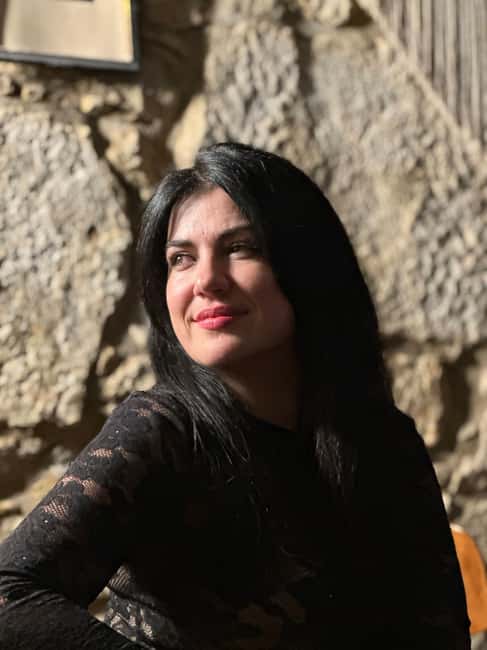
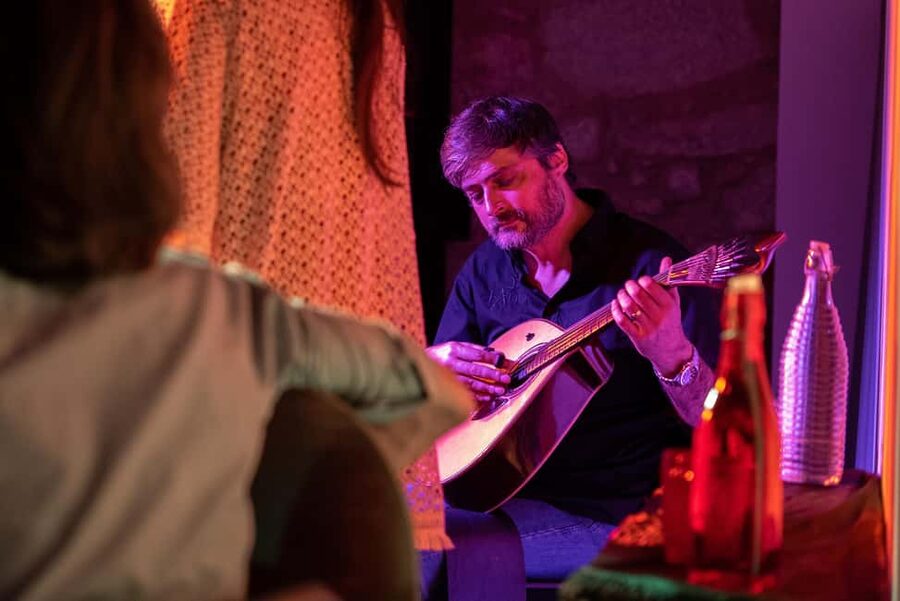
One reason this experience consistently lands well is the setup: it’s staged in a cozy, intimate auditorium. When voices and guitar are close, you hear the texture of the performance—breath, phrasing, and the guitar’s fine details.
If you’re a music fan, this format can feel more satisfying than bigger shows where you’re stuck in the back and watching the room. Here, it’s easier to catch the small things that make Fado special: the tension in a note, the pacing of a line, and how the guitar answers the singer.
Also, the show includes audio guidance, with an audio guide available in English, French, Spanish, and Portuguese. That’s a practical help if you want to follow along even when you miss a word or two in a fast sung line.
And yes, you’re likely to notice the mix of male and female voices, which helps you understand how Fado can sound different depending on the singer’s tone and approach.
The port-and-music pairing: a smart Porto touch
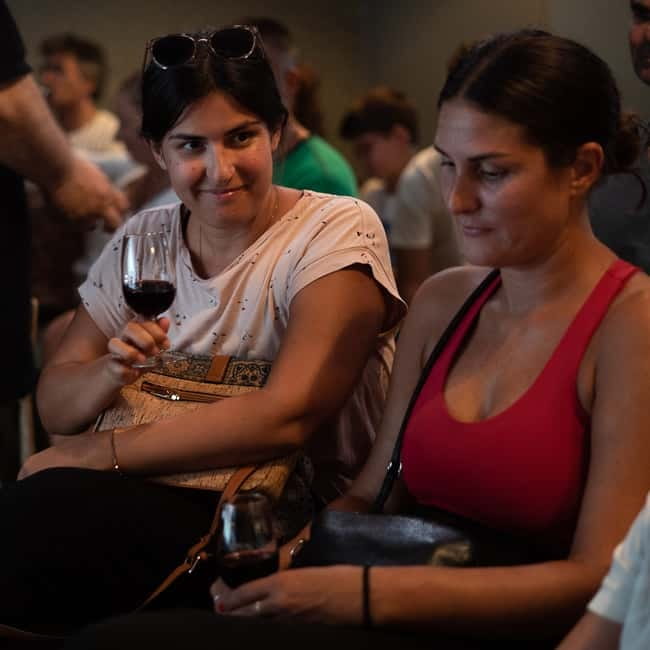
Port wine in Porto is obvious. But what makes this pairing feel purposeful is timing and pacing. You taste port during the performance, specifically tied to the musical story rather than offered as a separate “drink stop.”
Tawny Port also makes sense for the theme. It has warmth and complexity, and it doesn’t overpower delicate vocals. If you’re the type who enjoys trying local products in context—rather than checking a box—this small included taste works.
One caution: the show includes a glass of port, so if you prefer to skip alcohol, it’s worth checking ahead. The data here only confirms the port glass is included, and it doesn’t say an alternative is always offered.
What you get for the price: value in a tight 1-hour slot
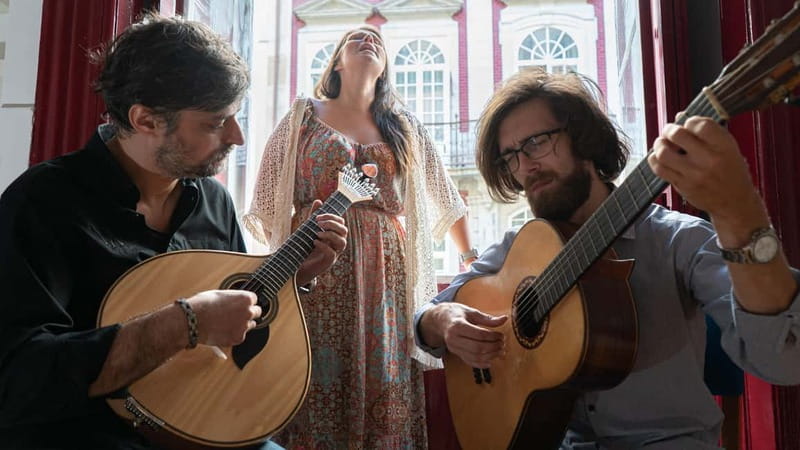
The ticket price is listed at $18 per person, and that’s worth evaluating against what’s included. You get:
- the live performance and multimedia content
- a glass of port (Tawny Port)
- an audio guide
So you’re not paying for background entertainment only. You’re paying for structured cultural context in a short time window. In Porto, where you can easily spend money on long tours that still leave you confused about what you’re seeing, this is more direct: understand the art while you’re listening to it.
Also, the show is designed for a 1-hour duration. If your schedule is packed—daytime sightseeing plus dinner plus one evening activity—this is one of the easier options to fit without feeling like you’re sacrificing your whole night.
Who should book this Fado na Baixa show

This show is a good match if you:
- want Fado explained in your language
- like the contrast between Lisbon and Coimbra styles
- enjoy Portuguese guitar and want to understand what you’re hearing
- want a short evening activity that still feels meaningful
- prefer cultural experiences with a clear structure, not guesswork
It can also work well for mixed groups: music fans, food-and-wine people, and people who don’t speak Portuguese all get something. The multimedia guidance and language options reduce the “I don’t understand anything” frustration that can happen at traditional performances.
If you’re already a serious Fado scholar, you might find the 1-hour format a bit compressed. But even then, it’s a practical entry point—especially if you want a quick, high-quality evening in Porto’s Ribeira area.
Should you book this Porto Fado concert?
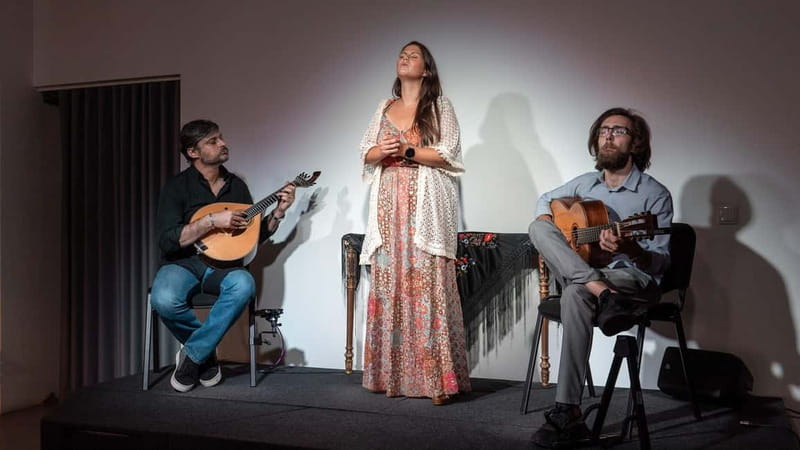
If you want an easy, meaningful introduction to Fado that includes live singing, Portuguese guitar, and language support, I’d book it. At $18 for a 1-hour show with port and an audio guide, it’s a strong value, and the Lisbon-to-Coimbra-to-Amalia structure gives you variety in a single sitting.
I’d consider skipping or choosing another style of concert if you mainly want a long, uninterrupted performance with minimal explanations, or if alcohol pairing isn’t your thing and you don’t want to handle that part of the experience.
FAQ
FAQ
How long is the Fado na Baixa concert in Porto?
The show lasts 1 hour.
What is included with the ticket price?
Your ticket includes the live performance and multimedia content, a glass of port, and an audio guide.
Where is the meeting point for the show?
The meeting point is at the Fado na Baixa auditorium in Ribeira do Porto, R. de São João 99, 4050-553 Porto.
What languages are available for the audio guide and host?
The audio guide is available in English, French, Spanish, and Portuguese. The host or greeter is available in Portuguese, Spanish, English, and French.
What kinds of Fado does the show include?
The show includes traditional Lisbon Fado, Coimbra Fado (sung live by a male singer who is a former Coimbra University student), and the influence of Amalia Rodrigues, plus context about how Fado survives and changes over time.
Is Tawny Port or port wine part of the experience?
Yes. You get a glass of port as part of the cultural pairing during the show.
Is the venue wheelchair accessible?
Yes, the venue is listed as wheelchair accessible.
Can I cancel and get a full refund?
Free cancellation is available up to 24 hours in advance for a full refund.
More Wine Tours in Porto

More Tour Reviews in Porto


Fado After Dark




Fresh in the Porto notebook





Fado & Port Wine Shows, compared.
 ★ 4.8Live Fado Show with Glass of Port WineFrom $236,498 reviews
 ★ 4.4Cálem Cellar Tour, Fado Show & Wine TastingFrom $333,530 reviews
 ★ 4.8Fado & Port Wine in Traditional Portuguese Music ShopFrom $112,906 reviews
 ★ 4.8An Intimate Fado Show in a Historical TavernFrom $182,055 reviews
 ★ 4.8The highest-rated traditional fado concert (downtown)From $241,557 reviews
 ★ 4.9Intimate Fado Show & Port Wine in Trindade Noble HallFrom $191,281 reviews
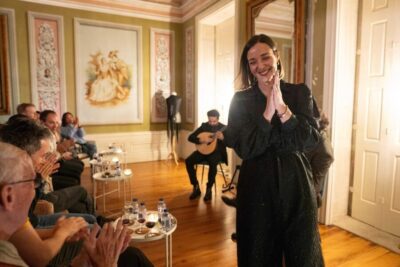 ★ 4.9Fado Concert in Porto’s Most Beautiful HouseFrom $221,201 reviews
 ★ 5.0Ideal Clube de FadoFrom $25638 reviews
Browse the lists this tour appears in