
Reviewed · RIBEIRA & OLD TOWN
Monumental and historic Porto with the Stock Exchange Palace
Porto has a dramatic personality. This Monumental and Historic Porto route strings together the city’s UNESCO old town with big-ticket sights, like São Bento Station and the Stock Exchange Palace, with a real guided explanation in French. You get the story behind the tiles, the churches, and the riverfront views—so the places feel connected, not like a checklist.
I especially love how the tour pairs iconic architecture with lived-in streets. Sé is full of working-day texture, and you’ll get panoramic sightlines over the cathedral area and the skyline. The second standout is the Palácio da Bolsa visit with a skip-the-line guided entry, which makes a palace-like building feel achievable even if you’re short on time.
One catch to plan around: admission to the Palácio da Bolsa isn’t included in the base price (+€10), and the walking format isn’t suitable for wheelchair users.
In This Review
- Key highlights at a glance
- A 4-hour Porto-to-Gaia route that feels like a full day
- Starting at São Bento Station: the azulejos do the talking
- Sé, Porto Cathedral, and the lanes that still live like a neighborhood
- The Porto squares and churches that connect the story
- Palácio da Bolsa: skip-the-line, official guide, and a real reason to pay
- Ribeira and the bridges: views with a sense of where ships fit in
- Vila Nova de Gaia docks, wine area, and rabelos boats
- Price and logistics: is $47 really good value?
- Who this tour suits best (and who should skip it)
- The guide factor: why Karen-style storytelling changes the trip
- Should you book this Porto monumental tour?
- FAQ
- How long is the tour?
- Is the Palácio da Bolsa ticket included?
- What language is the tour guide?
- Where is the meeting point?
- Is the tour suitable for wheelchair users?
- Can I cancel and get a full refund?
Key highlights at a glance
- São Bento Station as your first wow: Arrive ready to admire the azulejo storytelling.
- Sé neighborhood on foot: Cathedral area viewpoints plus authentic lanes, not just monuments.
- Skip-the-line guidance at Palácio da Bolsa: You move faster and understand what you’re seeing.
- Riverfront transitions: Ribeira, Luís I Bridge, and photo angles toward Maria Pia Bridge.
- Vila Nova de Gaia wine district focus: Docks, wineries area, and rabelos boats sights.
- French-language commentary: Live guide includes official French narration (with some content in original language).
Deeper into Ribeira, its arcades and riverfront
- The Unvanquished Tour in Porto City Center★ 5.0 · 26,497 reviews
- Porto: The highest-rated traditional fado concert (downtown)★ 4.8 · 1,557 reviews
- Porto: Historical Center Walking Tour★ 4.8 · 898 reviews
- Historic Porto by Private Electric Tuk Tuk to Top Landmarks★ 4.5 · 735 reviews
A 4-hour Porto-to-Gaia route that feels like a full day
This is a tight, smart-length tour: about 4 hours from São Bento to Vila Nova de Gaia. It’s built for people who want the “greatest hits” of Porto—while still seeing enough small streets to feel the medieval city’s shape. You’re moving on foot most of the time, but the pacing includes short guided segments so you’re not just walking in silence.
I like that the route doesn’t just stay on one side of the river. Porto’s old town is one world; Gaia’s wine docks are another. By the end, you’ve got both the dramatic views and the working waterfront context—so Porto doesn’t feel like a photo set.
If you’re prone to slow walking or you expect lots of long stops for browsing, build in some patience. The itinerary is meant to cover key monuments within a compact time window, so you’ll get explanation first, then quick looks to absorb the details.
Starting at São Bento Station: the azulejos do the talking
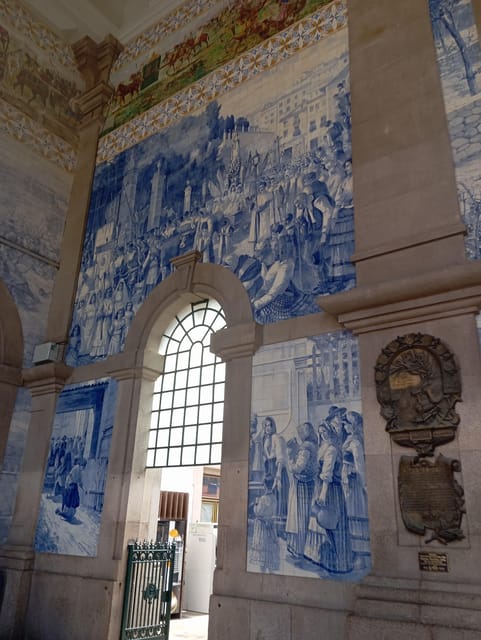
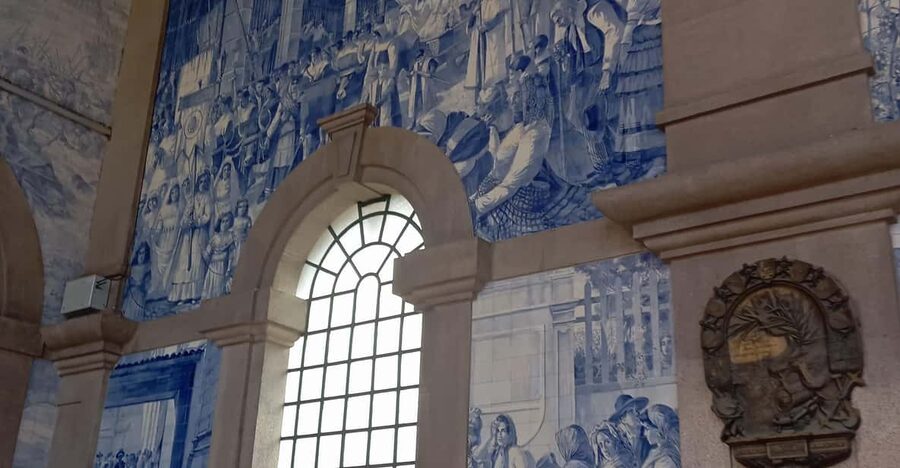
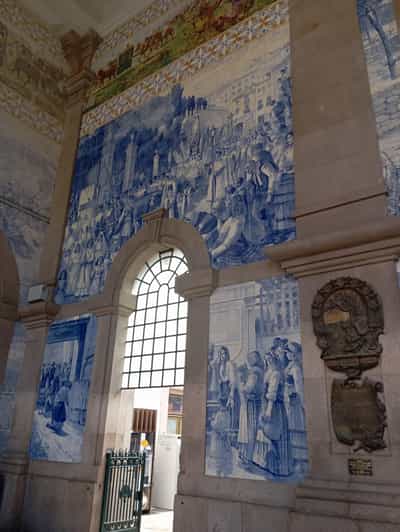
You begin at São Bento, then step into São Bento Station for a guided look. This stop is a perfect opener because it sets Porto’s tone immediately. The station is famous for its azulejo panels, and the guide’s narration helps you see them as more than decoration.
Even if you’ve seen photos, you’ll likely notice new things once you’re standing there: the way scenes are organized, how they relate to local moments, and how the station fits into everyday flow. It’s a “wait, look at that” moment early in the tour—which is exactly what you want before you start climbing into neighborhoods.
On the way forward, you’ll also get scenic views that help you understand where the old city sits relative to the river. That makes the next neighborhood feel less random and more like a geographic story.
Sé, Porto Cathedral, and the lanes that still live like a neighborhood
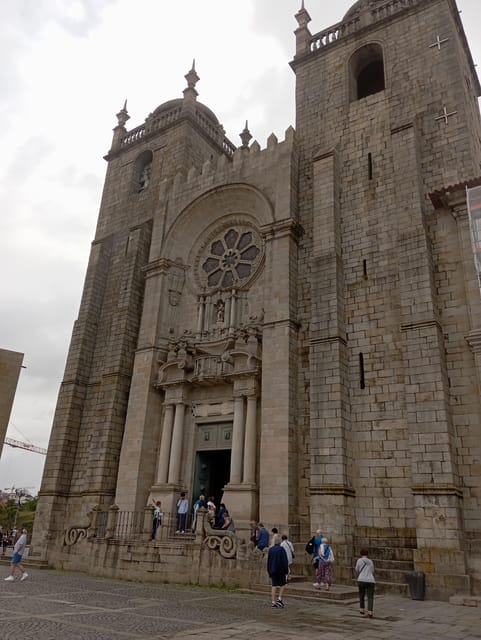
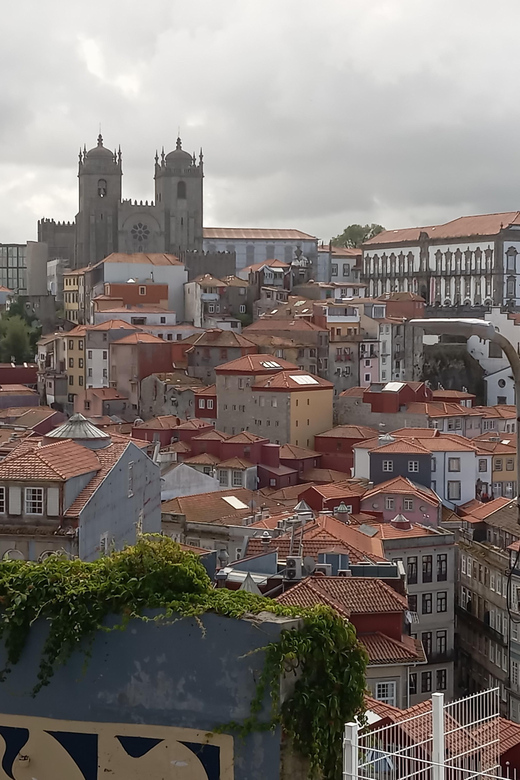
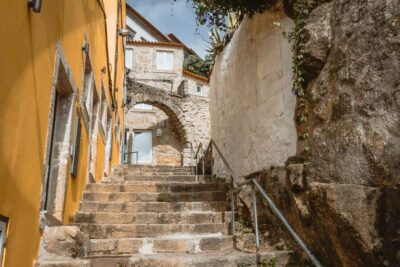
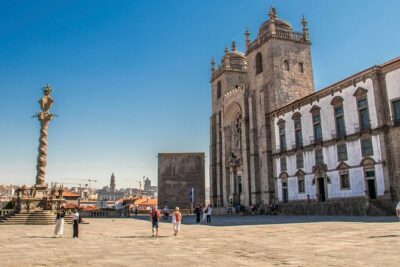
Next you move into Sé—Porto’s cathedral area. This is the heart of the walking part, and it’s where the tour earns its “historic and monumental” label. The guided segment focuses on the cathedral zone and the surrounding lanes, including inhabited, authentic streets rather than empty-looking museum corridors.
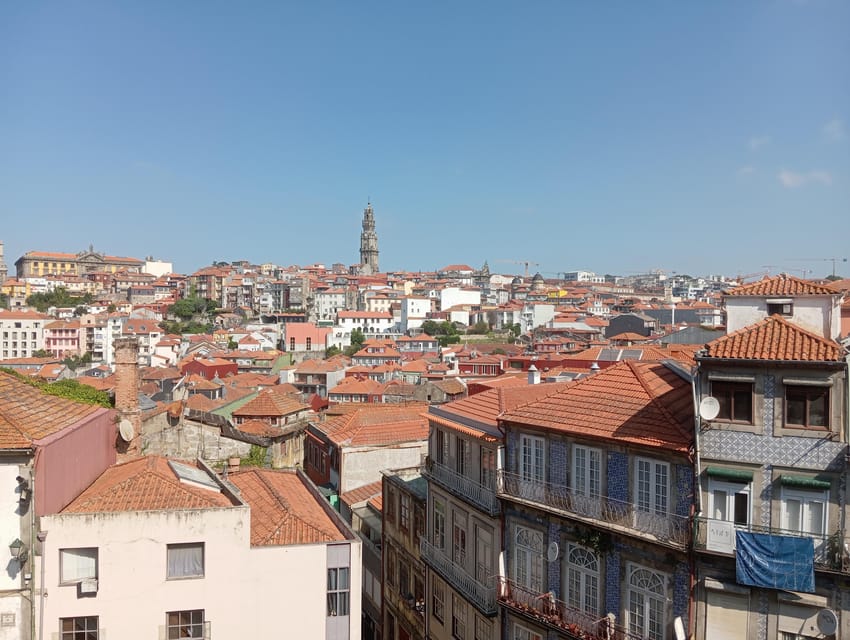
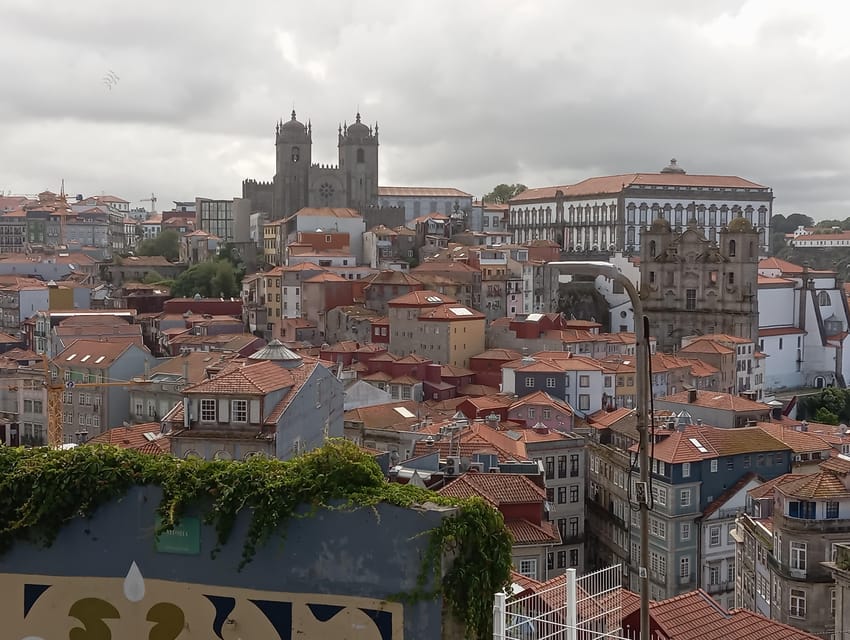
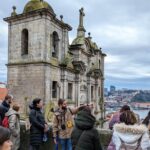
You’ll likely get a couple of practical benefits from this stop. First, the guide helps you decode what you’re seeing: why the skyline works the way it does, and what landmarks mean in the city’s layout. Second, you’ll get panoramic views over the Clerics Tower area and the UNESCO-classified center, so your camera isn’t only chasing buildings—you’re capturing the city’s structure.
A cathedral neighborhood can feel touristy if the route is wrong. Here, the emphasis stays on the streets and the lived-in feel, which is what makes it memorable. If you love architecture but also enjoy people-scale details, Sé is where you’ll start smiling more.
The Porto squares and churches that connect the story
After Sé, you continue through the old-town core where several landmark stops roll together into a single guided narrative. You’ll pass by (and get context for) the Town Hall, the Church of São Francisco, and Infante Square. These aren’t just “point and photograph” moments; they help show how civic life and religious life shaped the city.
Churches in Porto are rarely plain. Even when you’re not going inside every time, the guide’s explanations help you notice the design choices that tourists usually miss. And Infante Square offers a useful pause in scale—you see how the city opens up and how movement through the center works.
This is a good part of the tour if you like history told in plain language. The best kind of guidance doesn’t drown you in dates—it points out what to look at and why it matters right now. You’ll get that kind of orientation before the riverfront section, which makes the views more satisfying when they arrive.
More Porto days out worth booking



Palácio da Bolsa: skip-the-line, official guide, and a real reason to pay
Then comes the big-ticket stop: Palácio da Bolsa (Porto’s Stock Exchange Palace). The tour includes a skip-the-ticket-line guided visit with an official French-speaking guide. That matters because this kind of interior visit can be slow if you’re arriving without a plan.
The experience here is about interpretation. You’re not just walking through an impressive building; you’re learning what you’re looking at and how the palace functioned historically. The palace is often the highlight for people on this route, and it’s easy to see why: it’s the kind of landmark where a guide turns curiosity into understanding fast.
Plan your budget carefully: admission to Palácio da Bolsa isn’t included and is listed as +€10. For value, I’d treat the base price as covering the guided walking context and getting you into position—then add this ticket as the necessary add-on for the palace interior.
Ribeira and the bridges: views with a sense of where ships fit in
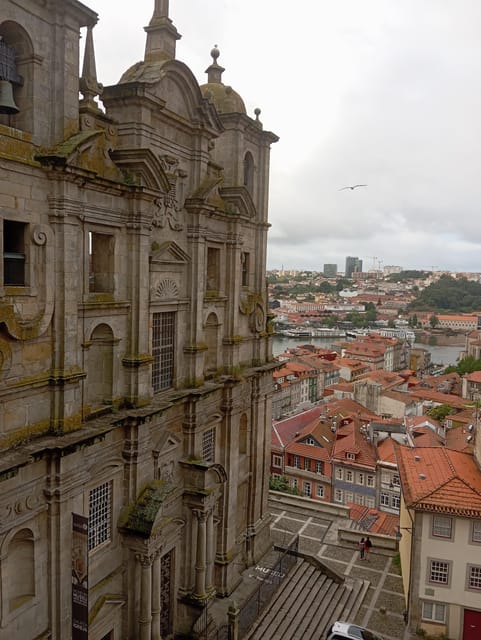
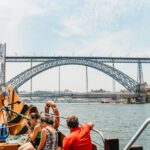
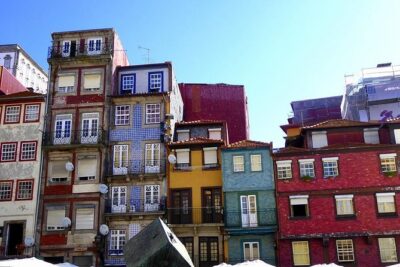
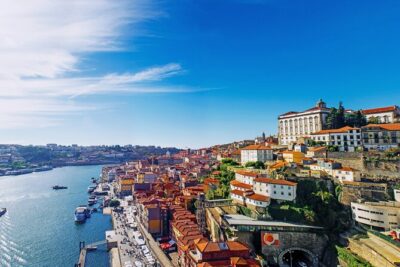
Once you shift toward the river, the tour leans into the riverfront drama. You’ll visit Ribeira, then move through key viewpoints for Luís I Bridge and Maria Pia Bridge, plus a section of wall for photo angles. This part is great for your “Porto in one frame” mindset.
The guide’s narration makes the bridges more than landmarks. You start thinking about how crossings shaped trade, how the riverfront supported the city, and how the waterfront relates to what’s next in Gaia. You’ll likely find that your photos improve here because you’re taking them with context, not just chasing height.
A practical note: this is one of the more exposed-feeling areas for wind and sun. Bring your comfort mindset. If you’re the kind of person who gets cold easily near water, plan accordingly. If you’re out in summer heat, water and shade stops matter.
Vila Nova de Gaia docks, wine area, and rabelos boats
The final stretch moves across to Vila Nova de Gaia, specifically toward the docks and wineries area. You’ll get a short guided visit there, with time focused on the waterfront world: wine connections, the Vila Nova de Gaia docks, and views around rabelos boats (the traditional river boats associated with the wine trade).
Even if you’re not planning to tour a winery inside on this outing, the docks area helps you understand Porto’s identity in a tangible way. Porto is all those steep streets and stone facades—but Gaia is the working side that historically fed the city’s wealth. Seeing the boats and the dockside setup gives you a different kind of memory than another church interior.
It’s a good finish because it changes the mood. Your eyes go from old stone and details to working waterfront angles, water, and the industrial rhythm of docks. It also sets you up for a self-guided extension afterward if you want to linger.
Price and logistics: is $47 really good value?
Let’s talk value plainly. The tour price is listed at $47 per person for about 4 hours, which is a reasonable deal if you factor in the guided walking and the guided palace entry component. The one cost you should not ignore is the Palácio da Bolsa admission (+€10), which is not included.
If you’re comparing this to a basic walking tour, the difference is the palace visit and the fact you’re getting official guided commentary inside a major monument, plus time spent on both banks of the river. That combination tends to cost more when you book separate activities.
What you’re also paying for is guidance in French, with an official guide and the kind of explanations that help you connect the dots. The format is also efficient: you’re not stuck deciding which stop is worth the money because the route is already built around high-impact sights.
One more practical consideration: you’ll want comfortable shoes, since the focus is walking. If your feet are sensitive, this tour still works, but you’ll feel it by the end.
Who this tour suits best (and who should skip it)
This tour fits you best if you want a compact Porto overview with monuments that are explained, not just shown. It’s also a strong choice if you enjoy pairing architectural icons with real street life—Sé does that well, and Ribeira keeps it grounded.
It’s less ideal if you need wheelchair access. The tour is explicitly not suitable for wheelchair users, so you’d be better off choosing a different format.
If you’re traveling with kids or you hate standing around for explanations, you might find the palace and church segments a bit dense. But if you can handle a walking rhythm and you like structured guidance, the pace makes sense.
And if you’re a French speaker (or you can follow French well enough), you’ll get more out of the narration. The guide-led format depends on language immersion to get the full payoff.
The guide factor: why Karen-style storytelling changes the trip
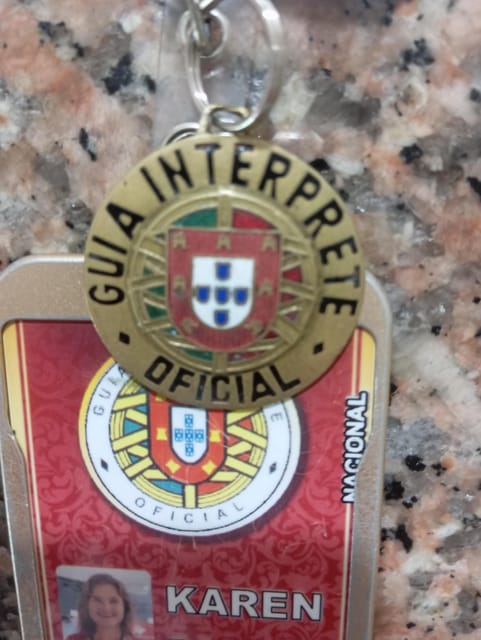
One thing that comes through in the tour experience is the guide’s ability to make Porto feel personal and lived-in. Guides under Official Tours Porto Karen have been praised for detailed French explanations, including the small corners and the contrast between past and present. That’s a big deal in a city like Porto, where you can easily walk past something gorgeous and miss the reason it matters.
In particular, Karen has been singled out for making small streets feel meaningful and for guiding people to the places where the story actually lands. The Palácio da Bolsa visit also earns extra attention, and that tracks: once you pay and go inside, the quality of the narration is what turns the visit into a memory.
If you care about depth but still want the day to feel smooth, this kind of guiding is exactly what you want to spend your money on.
Should you book this Porto monumental tour?
I’d book it if you want a 4-hour, guided Porto-to-Gaia route that hits major monuments with clear context, not random sightseeing. It’s especially worth considering if you’re already excited about São Bento Station, want a guided interior at Palácio da Bolsa, and like finishing with the Gaia docks and wine-world views.
I’d skip it if you need wheelchair-friendly access, or if you strongly prefer tours that include no extra ticket costs. The +€10 for Palácio da Bolsa is small, but it’s still a decision point.
If you’re aiming to make the most of a limited schedule in Porto, this is a solid way to see more than one “side” of the city—old stone on one bank, wine docks on the other—and leave with a clearer sense of how it all connects.
FAQ
How long is the tour?
The tour duration is 4 hours.
Is the Palácio da Bolsa ticket included?
No. Admission to the Palácio da Bolsa isn’t included and costs +€10.
What language is the tour guide?
The tour is guided in French.
Where is the meeting point?
You meet at Pier 1, where the tour guide presents a flag of Portugal.
Is the tour suitable for wheelchair users?
No. This tour is not suitable for wheelchair users.
Can I cancel and get a full refund?
Yes. You can cancel up to 24 hours in advance for a full refund.
More Historical Tours in Porto

More Tour Reviews in Porto



More of Ribeira and the Old Town


Fresh in the Porto notebook

Ribeira & Old Town, compared.
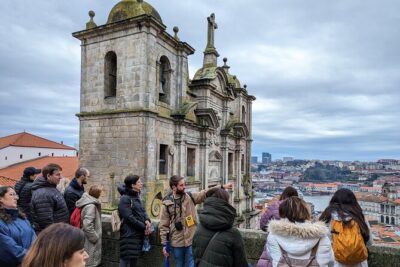 ★ 5.0The Unvanquished Tour in Porto City CenterFrom $326,497 reviews
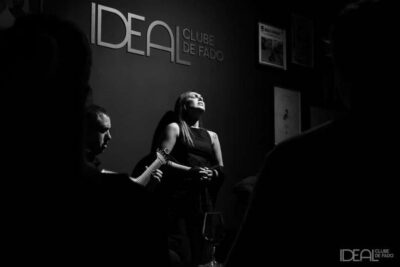 ★ 4.8The highest-rated traditional fado concert (downtown)From $241,557 reviews
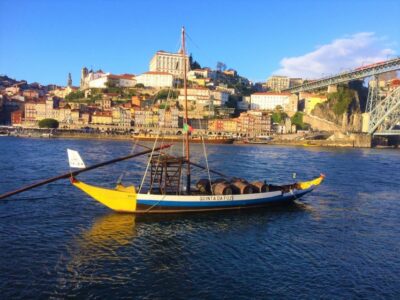 ★ 4.7Historic City Center Walking TourFrom $331,172 reviews
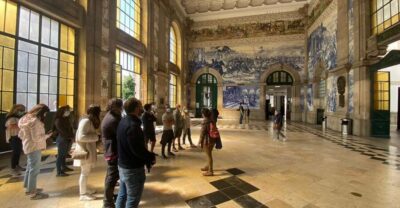 ★ 4.8Historical Center Walking TourFrom $41898 reviews
 ★ 4.5Historic Porto by Private Electric Tuk Tuk to Top LandmarksFrom $42735 reviews
 ★ 4.9Tile Painting and Cocktails in Downtown PortoFrom $41484 reviews
 ★ 5.03-Hour Old Town & Riverside Bike Tour – Guided ExperienceFrom $47481 reviews
 ★ 5.0Pastel de Nata | Workshop from scratch | Porto’s city centerFrom $48449 reviews
Browse the lists this tour appears in