
Reviewed · RIBEIRA & OLD TOWN
Porto: Tile Painting and Cocktails in Downtown Porto
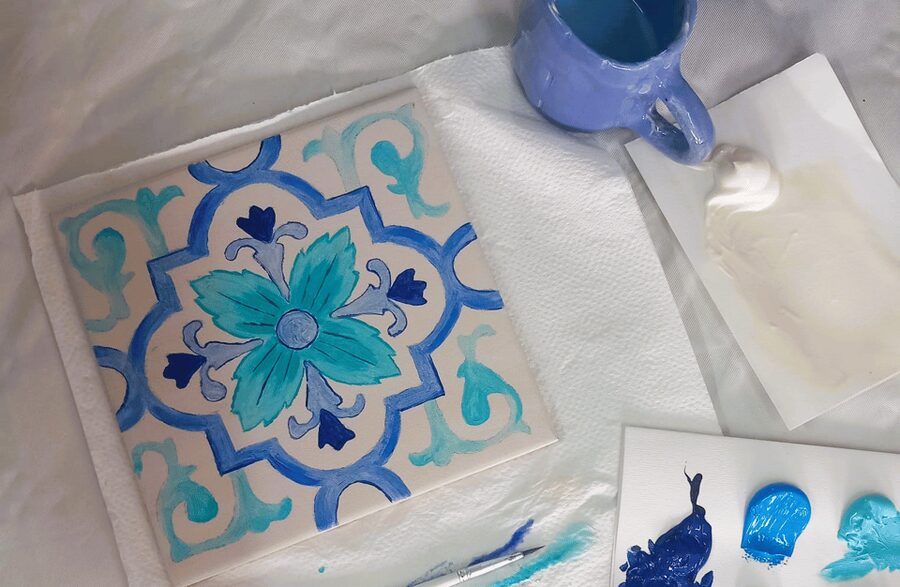
A tile and a cocktail in Porto. I love how the azulejo history gets explained in clear, practical terms right at Boiler Studio, before you pick up your brush and settle in with calm music.
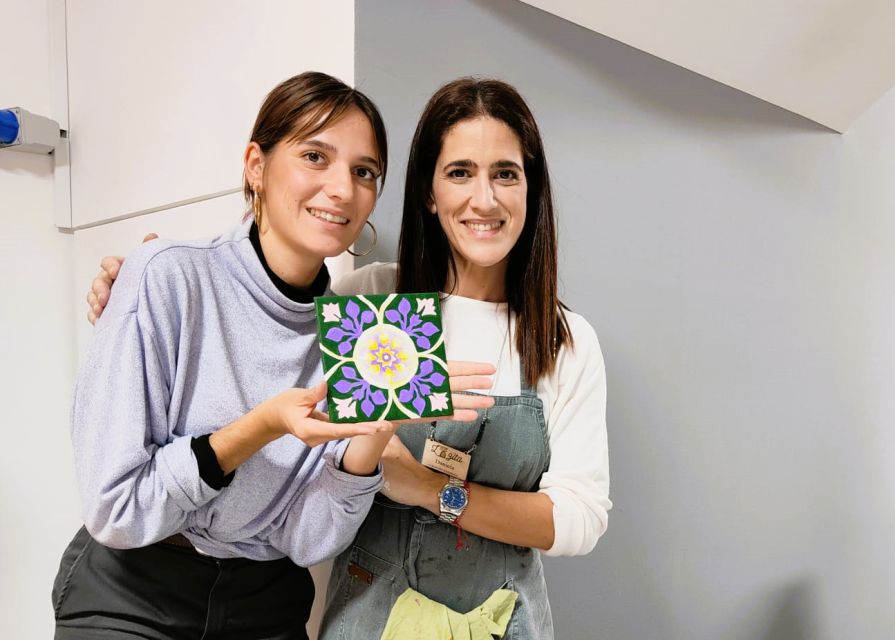
I also like the hands-on teaching. Hosts like Daniella and Emmanuel keep things friendly and step-by-step, so even if you think you are not artistic, you still end up with a tile you are proud to take home.
One thing to plan for is drying time. Depending on how quickly you finish and how busy the studio is, you might need to return later the same day or pick up the tile after it sets.
In This Review
- Key highlights to know before you go
- Porto tile painting at Boiler Studio: more than a craft class
- Boiler Studio on Rua Chã 77: where to find it and what to expect
- The pre-paint lesson: how azulejos became Portuguese
- Pick your tile design: stencils, patterns, and photo ideas
- Painting with acrylics: tips that make a cleaner-looking tile
- Cocktails during the workshop: why the drink matters for the vibe
- Getting your tile home: drying time and how to plan your afternoon
- Price and value: why $41 works (if you want a hands-on Porto memory)
- Who should book this workshop, and who might not love it
- Should you book Tile Painting and Cocktails in downtown Porto?
- FAQ
- How long is the tile painting workshop in Porto?
- Where does the workshop meet?
- What is included in the $41 price?
- Will I take my painted tile home?
- What will I learn during the workshop?
- What languages do instructors speak?
- Is the workshop wheelchair accessible?
- Are there age limits?
- What is the cancellation policy?
- Are there any restrictions during the workshop?
Key highlights to know before you go
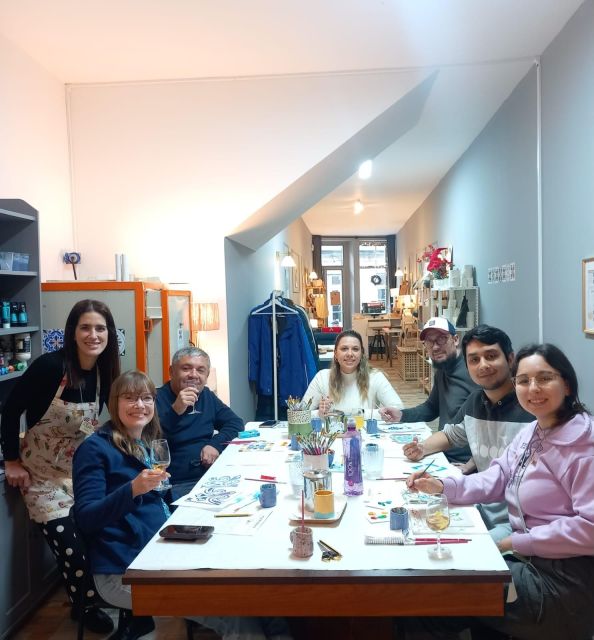
- Azulejos lesson included: you learn where the tile tradition comes from and how styles changed across Portugal
- A real cocktail break: a drink is part of the workshop, often described as a Port tonic-style spritz
- Beginner-friendly guidance: you get patient help shaping your design and painting neatly
- Design choices: use stencils or premade patterns, and in some cases they can print a photo idea for your tile
- Central, walkable meeting point: Rua Chã 77 is near the Cathedral and close to big Porto sights
- Take-home souvenir: you paint a ceramic tile and bring it with you (sometimes after it dries)
Deeper into Ribeira, its arcades and riverfront
- The Unvanquished Tour in Porto City Center★ 5.0 · 26,497 reviews
- Porto: The highest-rated traditional fado concert (downtown)★ 4.8 · 1,557 reviews
- Porto: Historical Center Walking Tour★ 4.8 · 898 reviews
- Historic Porto by Private Electric Tuk Tuk to Top Landmarks★ 4.5 · 735 reviews
Porto tile painting at Boiler Studio: more than a craft class
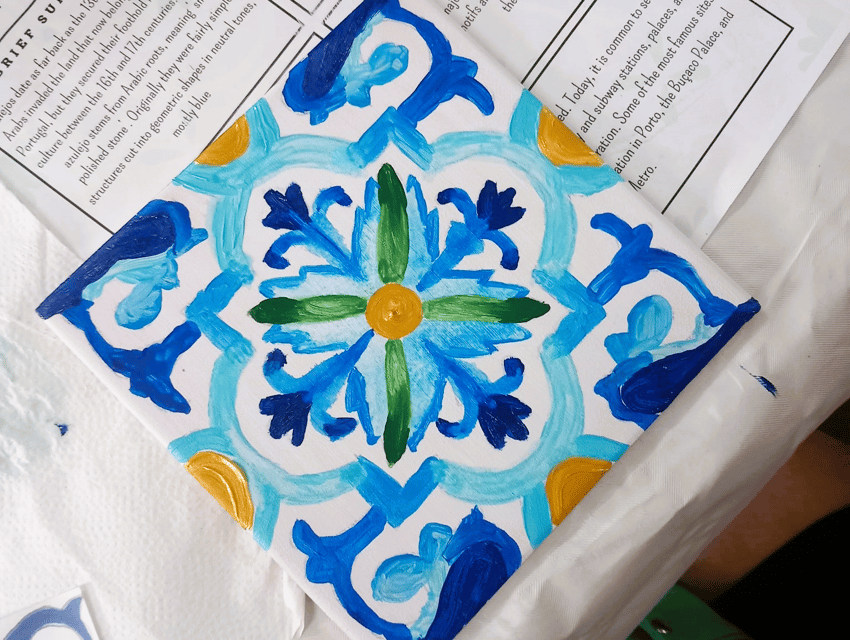
Porto is famous for tiles, but most people only notice them as decoration while they rush between sights. This workshop slows you down on purpose. You get the story behind the blue panels first, then you make one small version yourself.
I like that it does not feel like a museum lecture. The history is short, focused, and tied to what you will paint. And because the session is only two hours, it works well as a reset during sightseeing-heavy days or rainy afternoons.
Boiler Studio on Rua Chã 77: where to find it and what to expect
Your meeting point is Boiler Studio on Rua Chã 77, right on a typical street in central Porto, in front of the Cathedral. That location is a win because you do not need special transport to get there.
If you are already doing a loop around the core sights, you can usually line this up with stops like São Bento Train Station, Luis I Bridge, Time Out Market, and the Cathedral area. The studio itself also doubles as a shop with handmade products from local artists, so you can browse before or after your workshop.
The studio is wheelchair accessible, and the workshop runs in English and Portuguese. You will be working at a table with all materials provided, and the session is calm enough that you can hear the guidance without shouting.
One small planning tip: since there are rules like no smoking and no fireworks or explosive substances, the vibe stays clean and low-key. It is the kind of place where people come to relax, not party.
The pre-paint lesson: how azulejos became Portuguese
The workshop starts with a guided summary that covers the history of Portuguese tiles and why you see them everywhere. You go through key turning points, including early influences and how tile design spread.
Here is the story you should expect to hear:
- Azulejos date back to the 13th century, connected to the period when Arabs invaded parts of the Iberian Peninsula
- Tile culture takes on a firm place in Portugal during the 16th and 17th centuries
- The word azulejo has Arabic roots, meaning small polished stone
- Early tiles were often simple geometric forms, with neutral tones and lots of blue—the look that still defines many Porto streets today
You also get a guided tour through how tiles are used today, and the session touches on various seasons and various cities. That matters, because it helps you see why designs repeat on churches, palaces, and public spaces. You are not just painting a pretty square—you are copying a visual language that shaped Portuguese architecture.
I especially like that the teacher’s job is not just to explain. They connect the history to practical choices, so the painting part feels grounded instead of random.
Pick your tile design: stencils, patterns, and photo ideas
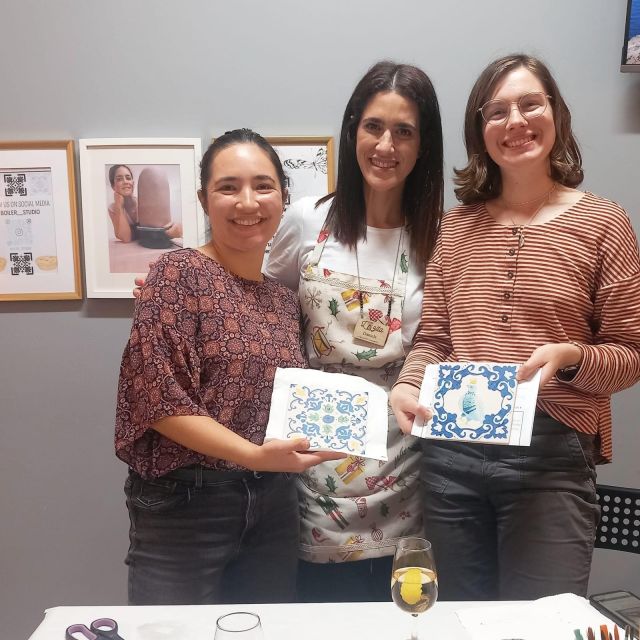
When you move into the painting portion, you are not stuck staring at a blank tile. You choose a design using guidance from the studio.
Based on how the workshop works, you can expect options like:
- selecting from premade designs and stencils
- tracing or following a pattern to make the layout look right
- painting a more personalized tile depending on what you choose
A few past participants also described a helpful option: if you have a concept from a photo, the studio may be able to print it for you so you can use it as a template. That is great for families, couples, or anyone who wants a souvenir that feels more personal than a standard stencil.
Even if you do not think you can draw well, you should relax. The instructors keep things step-by-step. People mention that being guided through every step removes the stress for beginners. If you are returning to your hotel later with a tile you made yourself, that guidance is exactly what you want.
Rainy afternoon? Escape rooms and immersive shows

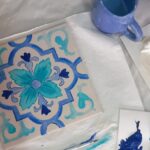


Painting with acrylics: tips that make a cleaner-looking tile
The materials are included: you get a ceramic tile, acrylic paints, brushes, and paper packaging. Because the paints and setup are already prepared for you, you are not fighting supplies while trying to learn technique.
What you will do in practice is fairly straightforward:
- set your design using the stencil or pattern you select
- fill in shapes with the acrylic colors
- get help adjusting anything that looks off (line thickness, spacing, and coverage)
The best part is that you get help when you need it. I like workshops that do not just hand you tools and hope for the best. This one is hands-on, with hosts like Daniella and Emmanuel mentioned by name for being patient and supportive.
If you are worried about making a mess, that worry usually fades once you start. The studio keeps the pace calm. You are allowed to work at a comfortable speed and ask questions instead of feeling rushed.
Cocktails during the workshop: why the drink matters for the vibe
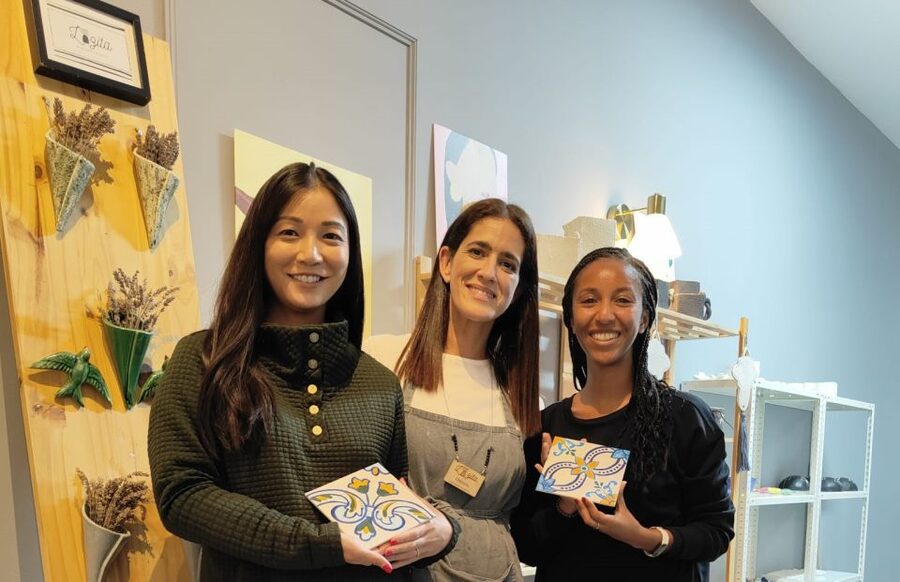
This is not a paint-and-sip idea in name only. A cocktail is included in the price, and multiple people describe enjoying a Port tonic-style drink or a white port wine spritzer during the session.
That part matters because it changes the mood. You are not thinking about how fast you need to finish. You can focus on the painting and the story without turning the experience into a timed production line.
Also, because the history lesson happens first and the painting comes afterward, the cocktail feels like it belongs in the middle of the activity instead of being an afterthought. It is a simple way to make the workshop feel like an experience, not a chore.
If you do not drink alcohol, the data you provided does not say whether there is a non-alcohol alternative. In that case, I’d ask the studio when you book.
Getting your tile home: drying time and how to plan your afternoon
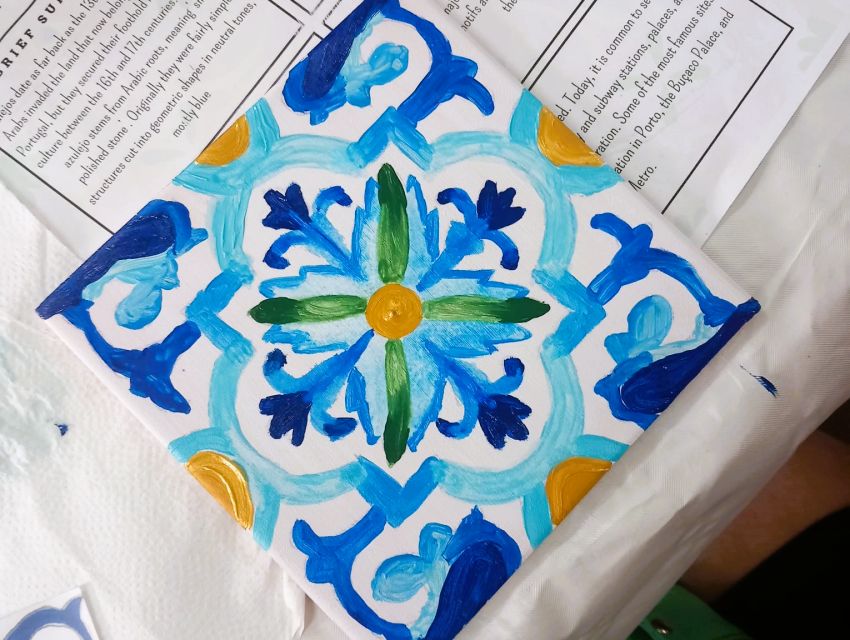
The workshop’s promise is clear: you paint your own tile and you take it with you. Some participants reported taking the tile away right away. Others said the tile was ready to pick up later, sometimes after about an hour, and at least one person noted a possible return the next day depending on drying.
So the real “logistics” move is this: plan to have a little flexibility. Even if you think you will be done by the end of two hours, it is smart to keep one buffer block open in case you need to collect the finished tile after it sets.
The good news is that you are not stuck with a delicate, unfinished souvenir that you have to carry carefully immediately. You get paper packaging for your tile, which helps you transport it safely.
For people traveling light, it’s still worth thinking ahead. A ceramic tile is not the smallest souvenir, so bring it home like a careful artifact, not like a casual postcard.
Price and value: why $41 works (if you want a hands-on Porto memory)
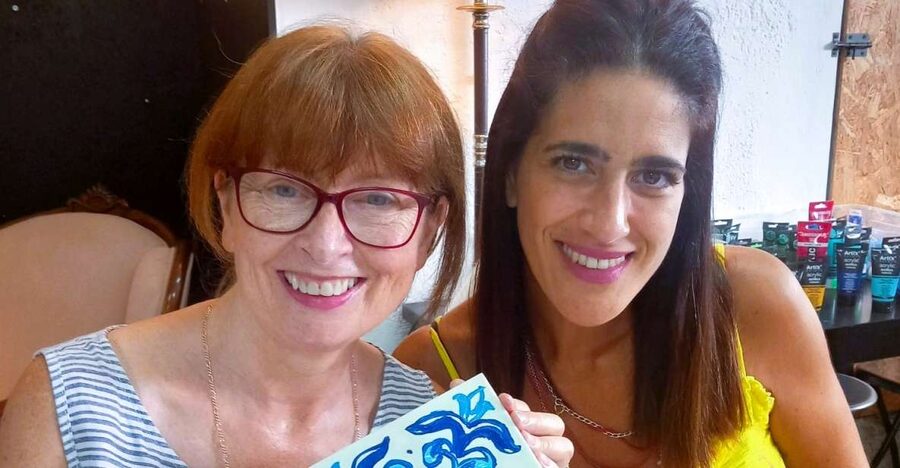
$41 per person sounds like a set fee for an activity, but the value is tied to what you actually receive:
- a guided workshop summary that explains the tile tradition
- a ceramic tile you paint
- acrylic paints and all tools needed
- paper packaging
- a cocktail included
- a final keepsake from your own work
You are not paying just for the materials. You are paying for instruction and context—history first, then technique—plus the social part of working alongside other people in a relaxed studio setting.
At two hours, it is also a practical use of time. You can fit it into a busy Porto itinerary without giving up an entire afternoon to a long tour.
Who should book this workshop, and who might not love it
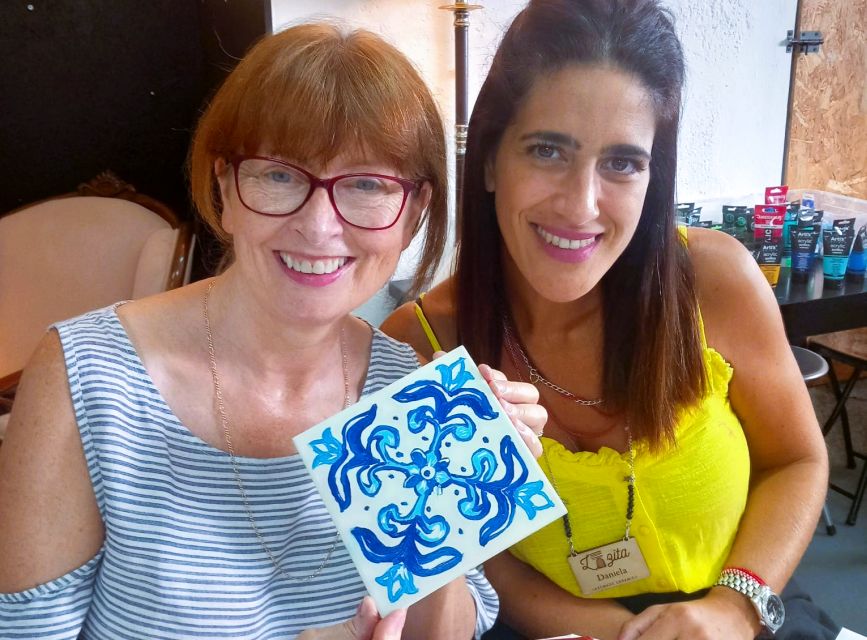
This is a great choice if you want:
- a break from constant walking and checking off sights
- a hands-on Porto experience that feels authentic to the city’s visual identity
- a souvenir you actually made, not just bought
It also seems well suited to mixed skill levels. People explicitly mention that you do not need to be artistic, because you get guided support.
Two key limitations to consider:
- Children under 10 are not suitable according to the activity rules. (One participant described bringing a 9-year-old, but you should follow the studio’s age policy and confirm if you are near that boundary.)
- You’ll be painting with acrylics and working through a structured design process, so if you want a totally freeform art session with no templates or guidance, you might prefer a different kind of workshop.
Should you book Tile Painting and Cocktails in downtown Porto?
If you want a Porto memory with a story attached, I think you should book it. The combination of azulejo history, a relaxed workshop pace, and a tile you can take home makes it one of those activities that feels small while you are doing it, then becomes meaningful later when you see your souvenir on your wall.
Book especially if:
- you are visiting in cooler or rainy weather and want something indoor
- you like architecture and want a practical way to understand it
- you want a calmer, more social break in the middle of sightseeing
Skip or reconsider if:
- you hate structured activities or you want zero guided steps
- you need a strict schedule and cannot handle the chance of tile pickup after drying
- you are traveling with kids under 10 and want a guaranteed fit
FAQ
How long is the tile painting workshop in Porto?
It lasts 2 hours.
Where does the workshop meet?
The workshop takes place at Boiler Studio on Rua Chã 77, a street right in front of the Cathedral.
What is included in the $41 price?
The price includes a workshop summary with text about tiles, a ceramic tile, acrylic paints, paper packaging, a cocktail, and all materials needed for the activity.
Will I take my painted tile home?
Yes. You paint your own tile and take it with you. Some people also mention picking it up after the class once it has dried, so plan a little flexibility.
What will I learn during the workshop?
You learn about the history of tile in Portugal: when azulejos date back to, who influenced the tradition, where the word azulejo comes from, typical colors and uses, and how designs connect to different seasons and cities.
What languages do instructors speak?
The instructor offers English and Portuguese.
Is the workshop wheelchair accessible?
Yes, the activity is wheelchair accessible.
Are there age limits?
The activity is not suitable for children under 10.
What is the cancellation policy?
You can cancel up to 24 hours in advance for a full refund.
Are there any restrictions during the workshop?
Smoking is not allowed, and fireworks or explosive substances are not allowed either.
More Tour Reviews in Porto





Indoors: Shows and Escape Rooms

More of Ribeira and the Old Town





Fresh in the Porto notebook



Ribeira & Old Town, compared.
 ★ 5.0The Unvanquished Tour in Porto City CenterFrom $326,497 reviews
 ★ 4.8The highest-rated traditional fado concert (downtown)From $241,557 reviews
 ★ 4.7Historic City Center Walking TourFrom $331,172 reviews
 ★ 4.8Historical Center Walking TourFrom $41898 reviews
 ★ 4.5Historic Porto by Private Electric Tuk Tuk to Top LandmarksFrom $42735 reviews
 ★ 5.03-Hour Old Town & Riverside Bike Tour – Guided ExperienceFrom $47481 reviews
 ★ 5.0Pastel de Nata | Workshop from scratch | Porto’s city centerFrom $48449 reviews
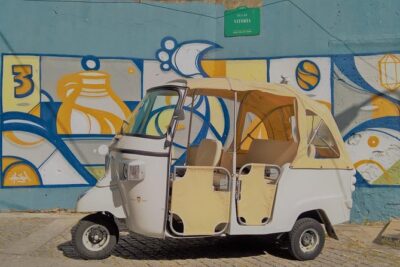 ★ 4.5Porto Guided Tour to the Historical Center on a Tuk TukFrom $42418 reviews
Browse the lists this tour appears in