
Reviewed · PASTRY & COOKING WORKSHOPS
Learn How to Make Pastel de Nata!
Custard tart alchemy in Porto feels surprisingly doable. This small-group class has you making Pastéis de Nata from scratch, then eating them hot with your host.
I especially liked the hands-on rhythm—everyone works the dough and custard, no standing on the sidelines—and the way the recipe comes with family stories and Portuguese customs.
One consideration: you may not get every exact ingredient quantity during the class itself, since the focus can be on technique first.
In This Review
- Key Highlights You’ll Care About
- Pastel de Nata Class in Porto: What You’re Really Paying For
- Meeting Your Host in a Home Studio That’s Built for Baking
- The Family-Recipe Start: Why the Stories Help the Lesson
- Hands-On Baking From Scratch: What You’ll Actually Do
- How the class rhythm usually feels
- Why Pastel de Nata Is a Great Skill to Learn (and How This Class Helps)
- Small-Group Coaching: Kids, Adults, and Everyone Getting a Turn
- The Final Sit-Down: Eating Your Pastéis de Nata the Local Way
- If You’re Baking-Skeptical, You Still Have a Shot
- The One Catch: Recipe Quantities May Not Be Instant
- Who Should Book This Pastel de Nata Workshop?
- Quick FAQ About the Porto Pastel de Nata Class
- FAQ
- Where does the class meet in Porto?
- What time does the experience start?
- How long is the class?
- How much does it cost?
- Is this a small-group experience?
- Is it hands-on cooking?
- Is the class suitable for kids?
- What happens at the end of the class?
- Do I need a paper ticket?
- Is there free cancellation?
- Should You Book This Pastel de Nata Class?
Key Highlights You’ll Care About
- From-scratch cooking with step-by-step help, not a demo
- Small group (max 10) so your instructor can correct and coach
- Family recipe storytelling tied to a grandmother’s long-standing tradition
- Kid-friendly pace that still feels fun for adults who want to learn
- You eat what you bake, sitting down at the end with your group
- Porto insider recommendations shared by your local host after baking
Roll your own pastel de nata, or cook a northern lunch
- Porto: Pastel de Nata Pastry-Making Workshop★ 4.9 · 1,542 reviews
- Porto: Pastel de Nata Cooking Class with Port Wine – Sé★ 4.8 · 888 reviews
- Workshops Pasteis de Nata in Porto, Portugal★ 4.9 · 520 reviews
- Pastel de Nata | Workshop from scratch | Porto’s city center★ 5.0 · 449 reviews
Pastel de Nata Class in Porto: What You’re Really Paying For
At $29 for about 2 hours, this isn’t the kind of “activity” where you watch and then leave hungry. You’re paying for a real cooking lesson—hands-on—plus the good stuff that turns baking into a memory: context, family stories, and a sit-down tasting at the end.
Porto is packed with food tours and tastings, but this one is different. It’s not just about eating custard tarts; it’s about learning the process behind them: how you work the dough, how you handle the custard, and how you get the final tart to bake well. That makes the class more repeatable at home (even if your kitchen doesn’t look like a professional studio).
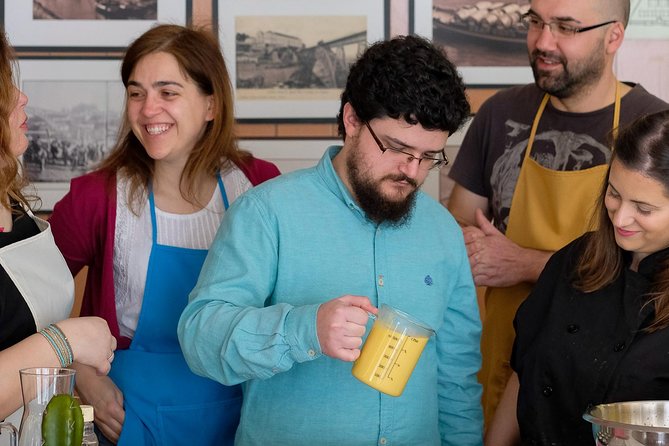
The small group size is part of the value too. With a maximum of 10 people, the instructor can actually guide you while you’re doing the messy work. That matters, because pastel de nata is one of those foods where tiny technique details can make a difference.
Meeting Your Host in a Home Studio That’s Built for Baking
You’ll meet at the host’s home studio at Rua Dr. Américo Jazelino Dias Costa 104, 4510-643 Fânzeres, Portugal. The class starts at 9:30 am and ends back at the same meeting point, which makes it easy to build into a morning sightseeing plan.
A few practical points I think you’ll like:
- You’re in a home studio with lots of natural light, which makes it easier to see what you’re doing (and it photographs better too).
- It’s described as an easy fit for a tight schedule, and it’s near public transportation, so you’re not stuck hunting for a parking spot.
- Service animals are allowed, so if you need that, it’s good to know up front.
- You’ll use a mobile ticket—show it on your phone instead of scrambling for paper.
If you can, arrive a few minutes early. Not because you need a long briefing, but because you’ll likely settle in faster and start baking sooner.
Also: since this is baking, it’s the type of experience where your sleeves matter. Wear something you don’t mind getting flour or custard on (even if the host provides instructions, the dough has its own personality).
The Family-Recipe Start: Why the Stories Help the Lesson
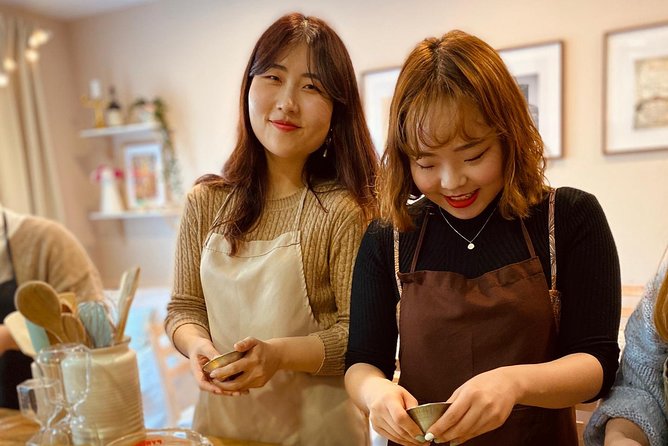
Right at the beginning, the instructor talks about her family and why this recipe matters. She shares that the method belongs to her grandmother, and that the family has been making these tarts for years—so you’re not learning a random copycat recipe. You’re learning a tradition that has been practiced at home, generation to generation.
This part is more than sentimental. It helps you understand why the class is structured the way it is. If you see the tart as a living family craft, you’re more likely to take the technique seriously instead of rushing for results. And if you’re baking for the first time, that mindset is half the win.
You also get fun facts about the Portuguese custard tart and some Portuguese customs and traditions along the way. The goal isn’t to lecture. It’s to give the context that makes the tart feel like part of Porto, not just a dessert you learned to assemble.
If you like experiences where food comes with stories you can repeat later, this is one of the stronger parts of the class.
Hands-On Baking From Scratch: What You’ll Actually Do
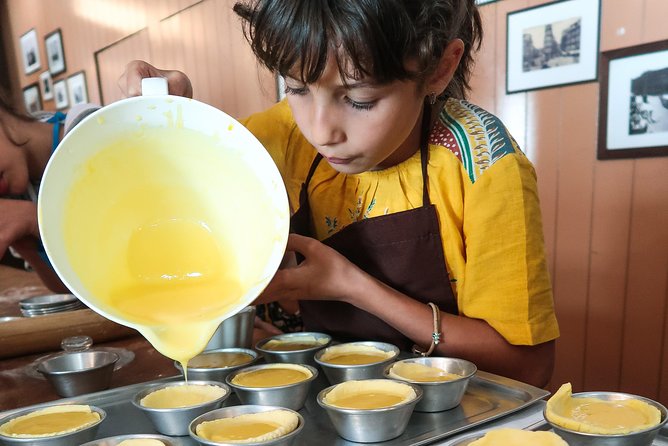
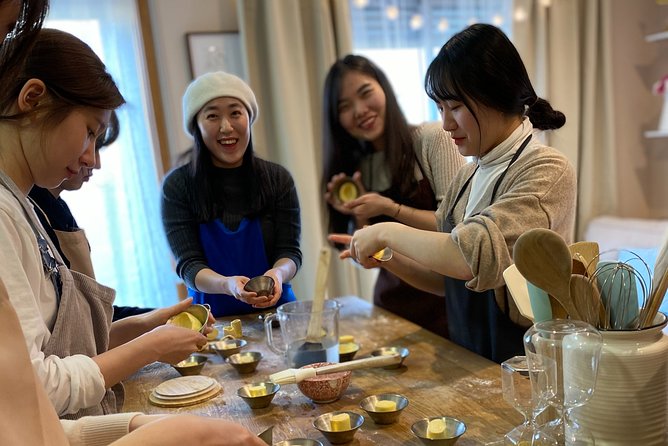
The heart of the class is simple: you bake everything from scratch together as a group. That means you’re not just tasting ingredients—you’re working with them.
From the way the host describes and runs the session, the big phases look like this:
- You start with an introduction to the recipe and what you’ll be making.
- Then you work in the kitchen as a group, taking turns, with the instructor coaching you as you go.
- You bake the tarts, and at the end you sit down to enjoy what you produced.
Because the class is hands-on, you should expect a little motion and a bit of mess. You’ll get flour on your hands at least once, and you’ll probably feel your confidence rise as you see how the dough behaves and how the custard sets in the oven.
One detail I found reassuring: the host emphasizes that you do not need to be an expert baker. Everybody helps, and the turns are organized so you don’t get stuck watching while others work.
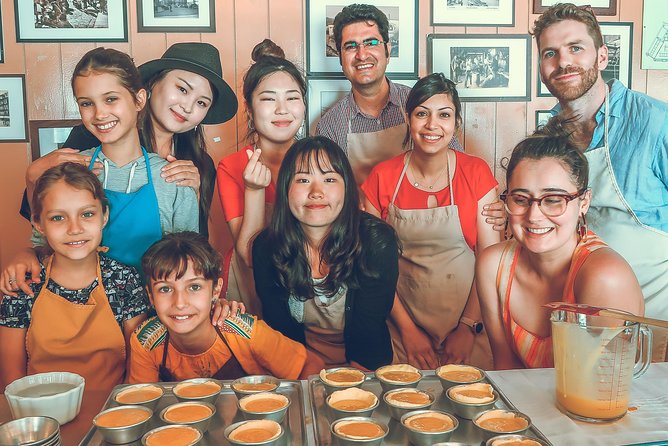
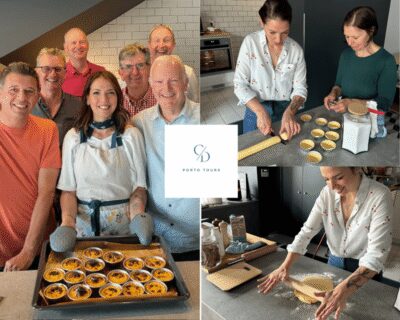
In one host note, she mentioned a group producing 24 pasteis together—so the class is active enough that you’re contributing to a real batch, not just making one tiny sample.




How the class rhythm usually feels
The learning style is very “do, then understand.”
- You get instruction while you’re doing the step.
- You learn by correction and repetition.
- You get enough time to feel like you participated, not just passed through.
If you’re the type who hates cooking classes where you’re stuck waiting for equipment to be ready, this small-group setup is built to avoid that.
Why Pastel de Nata Is a Great Skill to Learn (and How This Class Helps)
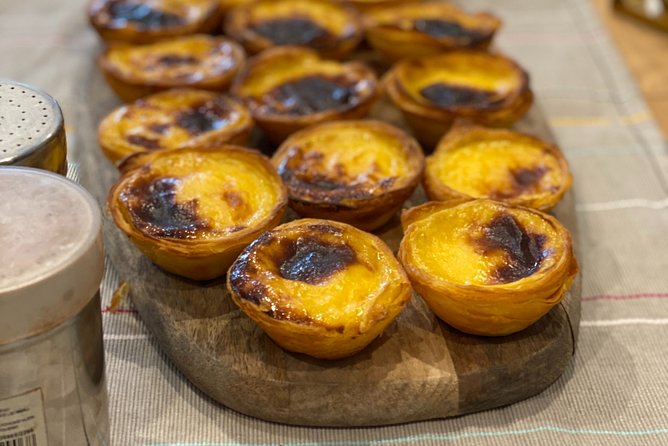
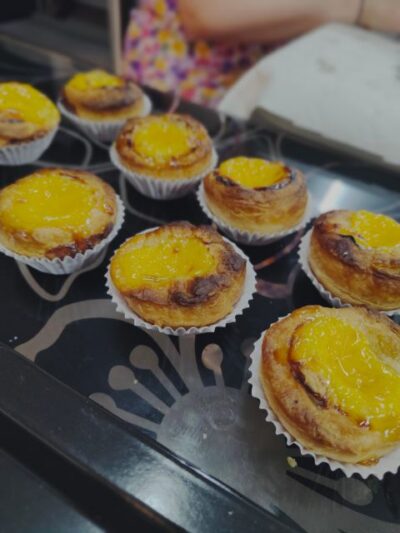
Pastel de nata has a reputation: crisp pastry outside, creamy custard inside, and that unmistakable top that looks blistered and deep-golden when it comes out right.
Even if you’ve eaten them your whole life, making them is a new experience. In a baking class like this, you learn what matters:
- How to handle the dough without overthinking it
- How to pour or fill so the custard bakes into the right texture
- How timing and oven heat affect what you get
The host also frames it as a craft. That’s why she puts a lot of weight on technique and “focus on how to do it.” It’s not about being flashy. It’s about being careful where it counts.
And since this is in Porto, you’re doing it in the setting where the food is part of daily culture. That makes the whole experience more authentic than a generic dessert workshop.
Small-Group Coaching: Kids, Adults, and Everyone Getting a Turn
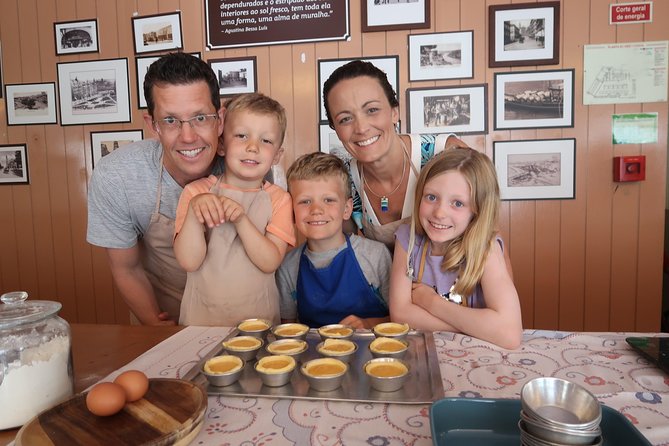
The class is suitable for kids and adults of all ages. That doesn’t mean it’s dumbed down—it means the structure supports different comfort levels.
With a max of 10 travelers, you’re close enough to the instructor that you can get help when you need it, instead of waiting for a hand to appear across the kitchen. And because everyone takes turns, the experience stays fair. Nobody can fade into the background.
This is where the value really shows:
- If you mess up a step, you get real-time guidance.
- If you’re a confident baker, you still have something to learn.
- If you’re a beginner, you’re surrounded by people doing the same thing at the same time—so you don’t feel singled out.
It’s also a good option if you’re traveling with mixed ages. You’ll have a shared activity that doesn’t require everyone to be equally adventurous with local food.
The Final Sit-Down: Eating Your Pastéis de Nata the Local Way
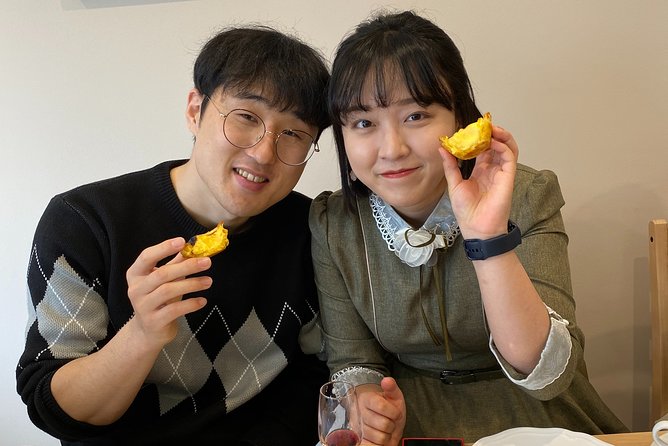
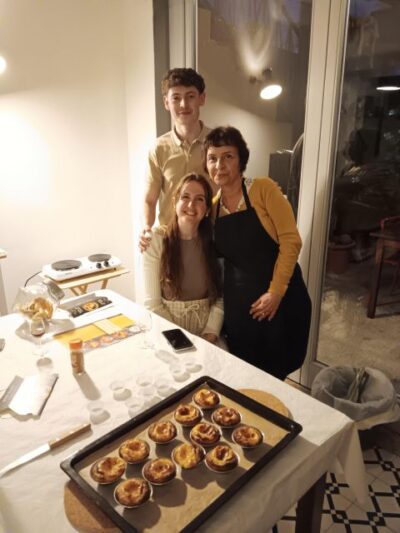
At the end, you sit and feast on the natas. This matters more than it sounds. A cooking class can feel like a blur if you bake and run—then you never get to enjoy the result fully.
Here, you get a moment to taste what you made while the experience is still fresh in your mind. You’ll also likely notice small differences between tarts, because different fills and bakes can give slightly different textures. That’s part of the learning.
And then there’s the bonus: your host shares recommendations about Porto, including restaurants and fun things to do and see. She also brings in personal local favorites—useful, because it’s not just “famous places.” It’s the kind of advice that helps you plan the rest of your day or evening.
If you’re hoping to leave with more than just a recipe, this is one of the reasons I think the class is worth it.
If You’re Baking-Skeptical, You Still Have a Shot
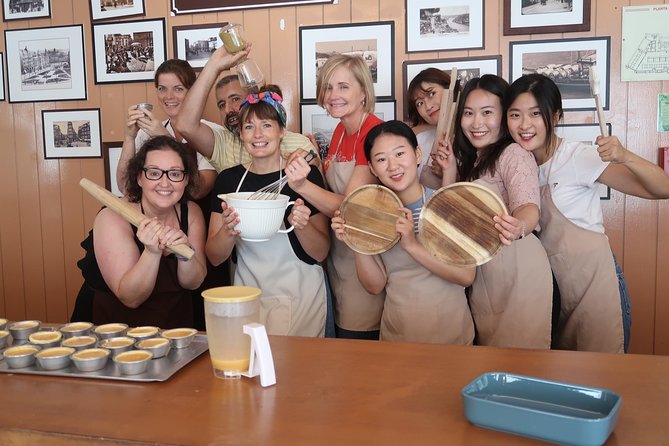
Let me be honest: pastel de nata can sound intimidating. It’s popular, it’s iconic, and it looks perfect when you buy it from a bakery.
But the class messaging is grounded: the host promises that everyone can do it. And in practice, that comes from structure:
- You’re working as a group, not alone
- You take turns
- You get guidance while you cook
- You’re encouraged to focus on what to do next
So if you’re the traveler who buys desserts because you never bake at home—this is still a good bet. You’re not signing up to become a pastry chef. You’re signing up to make a classic Portuguese tart with someone who knows how to teach.
The One Catch: Recipe Quantities May Not Be Instant
There’s one potential drawback worth calling out. In at least one experience, the host explained she might not hand over the recipe with exact ingredient quantities immediately during the class, preferring students focus on technique first, with the recipe sent later.
This won’t bother you if you just want to enjoy the day and take the memory home. But if you’re the type who likes to bake again tomorrow and wants precise quantities in your hands right away, it’s worth considering.
My practical advice: if having ingredient measurements during the class is important to you, ask the host ahead of time what you’ll receive and when. It’s an easy question, and it helps you match the class to how you bake.
Who Should Book This Pastel de Nata Workshop?
Book it if:
- You want a hands-on Portuguese food experience, not a passive tasting
- You enjoy cooking with a guide and learning technique
- You’re traveling with kids or mixed-age family members
- You want Porto tips from a local host after baking
Skip it (or at least ask questions first) if:
- You need exact ingredient quantities immediately in your pocket during class
- You strongly dislike messy cooking activities
- Your schedule is so tight that you can’t spare ~2 hours in the morning
Also, because it’s small-group and starts at 9:30 am, it’s a great “anchor activity” for a day—do this early, then spend the rest of the day exploring Porto with your appetite already satisfied.
Quick FAQ About the Porto Pastel de Nata Class
FAQ
Where does the class meet in Porto?
It meets at Rua Dr. Américo Jazelino Dias Costa 104, 4510-643 Fânzeres, Portugal.
What time does the experience start?
The start time is 9:30 am.
How long is the class?
It runs for about 2 hours.
How much does it cost?
The price is $29.
Is this a small-group experience?
Yes. The maximum group size is 10 travelers.
Is it hands-on cooking?
Yes. You bake the Pastel de Nata from scratch together as a group with the host’s help.
Is the class suitable for kids?
Yes. It’s suitable for kids and adults of all ages.
What happens at the end of the class?
You sit and feast on the natas you helped make.
Do I need a paper ticket?
No. It uses a mobile ticket.
Is there free cancellation?
Yes. You can cancel up to 24 hours in advance for a full refund.
Should You Book This Pastel de Nata Class?
I’d book it if you want something more meaningful than eating dessert in Porto. The small-group format, the from-scratch hands-on approach, and the fact that you end by enjoying what you made make it a strong value for $29.
Just be aware of that one possible downside around recipe quantities. If that matters to you, ask the host ahead of time. If it doesn’t, you’ll likely leave with a real skill (custard tart know-how), a full morning in Porto, and a list of places worth visiting afterward from a local who actually cooks at home.
More Tour Reviews in Porto



Pastry and Cooking Sessions



Fresh in the Porto notebook




Pastry & Cooking Workshops, compared.
 ★ 4.9Pastel de Nata Pastry-Making WorkshopFrom $411,542 reviews
 ★ 4.8Pastel de Nata Cooking Class with Port Wine – SéFrom $41888 reviews
 ★ 4.9Workshops Pasteis de Nata in Porto, PortugalFrom $40520 reviews
 ★ 4.9Pastel de Nata Cooking Class from ScratchFrom $50468 reviews
 ★ 5.0Pastel de Nata | Workshop from scratch | Porto’s city centerFrom $48449 reviews
 ★ 5.0Pastel de Nata Cooking Class with Porto Wine (Sé do Porto)From $42340 reviews
 ★ 5.0Porto Local Market Visit & Cooking Class / Showcooking206 reviews
 ★ 5.0Pastel de Nata Workshop in PortoFrom $40127 reviews
Browse the lists this tour appears in