
Reviewed · PASTRY & COOKING WORKSHOPS
Learn How to Make Pastel De Nata in a Beautiful Porto Home
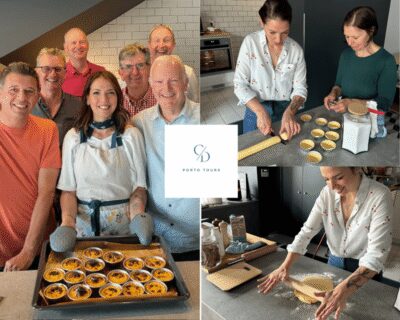
If you like pastries, this will get your day going fast. In a central sunny apartment in Porto, I love how this small-group pastel de nata masterclass with Joana turns a famous Portuguese treat into something you can actually make. With a “hands on” setup and Joana sharing life in Porto, it feels more like a local morning than a tourist activity.
Two things I especially like: you cook and taste what you make right away, with coffee, tea, or orange juice included, and you also leave with a booklet of traditional recipes plus Joana’s practical recommendations. One thing to consider: the venue is not suitable for toddlers and small children, so plan accordingly if you’re traveling with young kids.
In This Review
- Key Points You’ll Care About
- Pastel de Nata in Porto: The Icon You Can Learn
- Meeting Joana in a Central Sunny Apartment (and What to Expect)
- The Masterclass Flow: From Prep to Fresh Pastel de Nata
- Coffee, Tea, or Orange Juice: The Part You’ll Actually Remember
- What You Take Home: Recipe Booklet + Porto Food Tips
- Why the Small Group Matters (and How It Shows Up)
- Price and Value in Porto: Is $55 Worth It?
- Timing, Getting There, and What to Plan Around
- Who Should Book This Pastel de Nata Class in Porto?
- Should You Book This Pastel de Nata Class?
- FAQ
- How long is the pastel de nata cooking class?
- What time does it start in Porto?
- Is the class limited to small groups?
- What language is the class taught in?
- What’s included with the cooking session?
- Is it suitable for toddlers or small children?
Key Points You’ll Care About
- Small group, more attention: Maximum of 4 travelers means you’re not shouting over a crowd.
- Hands-on class with Joana: You’re actively working, not just watching.
- Fresh tasting included: Coffee, tea, and orange juice come with your pastries.
- Take-home recipes: You get a booklet of traditional recipes to try at home.
- Insider Porto tips: You’ll hear where to eat and drink from a real local.
- Not for toddlers: Plan childcare or pick a different experience.
Roll your own pastel de nata, or cook a northern lunch
- Porto: Pastel de Nata Pastry-Making Workshop★ 4.9 · 1,542 reviews
- Porto: Pastel de Nata Cooking Class with Port Wine – Sé★ 4.8 · 888 reviews
- Workshops Pasteis de Nata in Porto, Portugal★ 4.9 · 520 reviews
- Pastel de Nata | Workshop from scratch | Porto’s city center★ 5.0 · 449 reviews
Pastel de Nata in Porto: The Icon You Can Learn
Porto takes its pastries seriously. Pastel de nata is one of those foods people mention as a must, but it’s also easy to eat it and move on without understanding what makes it so good. This class is a good way to slow down and learn the basics behind the magic.
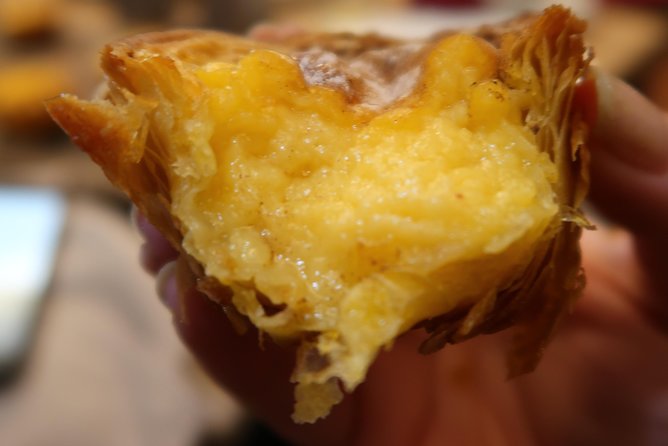
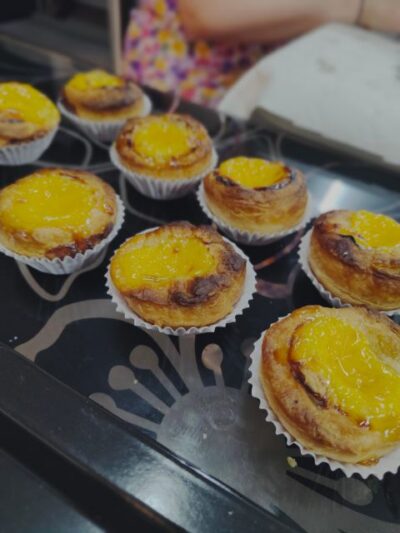
The biggest win is that you’re making the pastry yourself. You’re not just buying one more snack to add to your walking tally. Instead, you learn the process in a way that sticks, and then you get to enjoy the results while they’re fresh—warm, crisp, and still tasting like you made it with your own hands.
Meeting Joana in a Central Sunny Apartment (and What to Expect)
Your morning starts at the meeting point in Fânzeres (Rua Dr. Américo Jazelino Dias Costa). You’ll see the full address on your confirmation voucher under the Before you go section, and the location is near public transportation. That’s helpful in Porto, where you might be doing a lot of walking and hopping between neighborhoods.
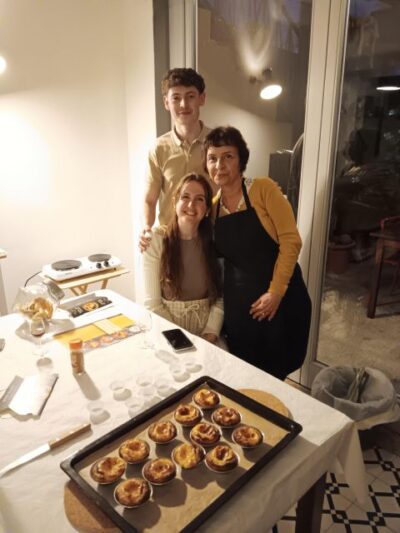
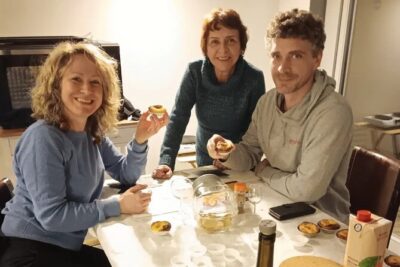
The setting is Joana’s apartment—central and sunny—and that matters more than you might think. A home-style cooking space usually feels relaxed, which makes it easier to ask questions as you work. The group size is capped at 4 travelers, so it’s not a situation where you’re waiting your turn while someone else dominates the mixing bowl.
And yes, Joana brings stories. She’s a tourism graduate, and she’s the type to talk about life in Porto alongside the cooking. If you want your experience to include a few real local details—things you can use later—that combo works well here.
The Masterclass Flow: From Prep to Fresh Pastel de Nata
This is a 2-hour session, starting at 10:00 am, designed for all levels. That phrasing is important: you don’t need baking experience to join, and the class is set up so beginners can follow without feeling lost.
Here’s the typical rhythm you can expect from this kind of hands-on setup in a small apartment:
- You meet Joana and get the basics. You’ll get an easy-to-follow cooking structure so you know what happens next and what to watch for.
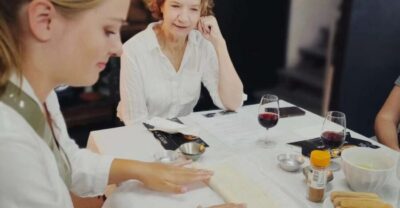
- You get your hands on the process. With a small group, Joana can guide you step-by-step and adjust when something needs a tweak.
- You assemble and bake the pastries. The highlight of learning anything is seeing how the final result comes together, and you’re aiming for pastel de nata you can eat fresh.
- You taste, then talk about what matters. After baking, the class shifts to enjoying the payoff and making sure you understand what you just did.
The class focuses on making Pastel de Nata style pastries, and it’s explicitly built around being practical. That means you’ll likely leave with a clearer sense of texture and timing—what it should look like during prep and what “done” feels like.
One small but useful consideration: apartment-based classes can be busy and hands-on in close quarters. This isn’t a drop-in, casual cooking show where you sit back. You’ll be working at a kitchen pace, and the booking notes specifically say it isn’t suitable for toddlers and small children—so think of it as an adult-friendly food workshop.
Coffee, Tea, or Orange Juice: The Part You’ll Actually Remember
A lot of cooking classes end with a polite taste and a quick goodbye. This one adds something simple that makes it feel complete: you get to enjoy what you made with coffee, tea, or orange juice.
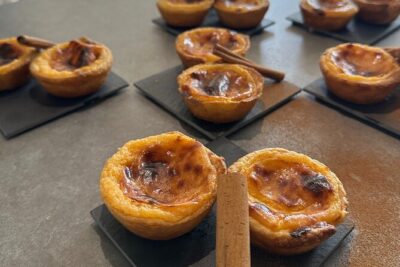
That matters because pastel de nata is best when it’s fresh. Warm pastries taste different than pastries eaten later, and the contrast is part of the learning. You’ll get that immediate sense of crispness and custard-like softness, which is hard to replicate when you only bake occasionally at home.
You also get dessert drinks included, so you don’t have to figure out a café plan right after class. It’s a built-in win for your morning schedule.




What You Take Home: Recipe Booklet + Porto Food Tips
The best classes don’t just teach a recipe. They help you keep eating well after the class ends. Here, you’ll leave with a booklet filled with traditional recipes and culinary skills. That’s useful because it gives you something structured to follow when you try again at home rather than relying on memory.
And Joana adds the part that makes this feel local: insider recommendations on where to eat and drink in Porto. The data doesn’t list exact venues, which is good—it means you’re not being handed a scripted list. Instead, you’re getting a conversation-based set of suggestions from someone who lives there.
If you’re building a Porto food plan, this kind of advice is gold. It helps you avoid the trap of only eating where it’s easiest to find a table. You get ideas to fit your tastes, and you’ll likely remember the reasoning behind each recommendation because it’s tied to real stories Joana shares.
Why the Small Group Matters (and How It Shows Up)
Maximum of 4 travelers is a big deal for cooking classes. In a larger class, you often end up watching someone else do the key steps while you stand by. Here, the “more attention from the instructor” promise is backed by the small cap.
For you, that likely means:
- faster correction if something needs adjusting
- more chances to ask why you’re doing a step a certain way
- less waiting around, so the two hours feel like you’re actually cooking most of it
The review highlight about Joana sharing passion and skills with a hands-on approach lines up with what you want from this format. You’re learning by doing, and Joana dividing the work so everyone participates is exactly what helps a class feel fair. With a small group, you’re also less likely to feel like a bystander, and more likely to take confidence home.
Price and Value in Porto: Is $55 Worth It?
At $55.00 per person for roughly 2 hours, this is not a budget activity—but it also doesn’t feel overpriced for what you get.
Here’s why the value can make sense:
- You pay for a local instructor (Joana) in her home setting, not just a general tasting.
- The session includes ingredients and teaching time, plus beverages (coffee, tea, orange juice).
- The class ends with tangible take-home value: traditional recipe booklet and practical culinary skills.
- The small group size keeps the experience from turning into a “watch and wait” production.
If you compare this to paying for pastries around Porto and adding a separate workshop-type experience later, the class is often a better deal because it gives you both a memorable meal and a new skill. Also, the booking pattern is strong—on average it’s booked 95 days in advance—which suggests it’s popular. When something is consistently scheduled out, it usually means the format works.
Timing, Getting There, and What to Plan Around
Start time is 10:00 am, and the activity ends back at the meeting point. That makes it easier to fit into your day. Porto mornings are ideal for food classes because you can still explore after.
Since the full address is only shown on your confirmation voucher, I’d treat that as your checklist step. Print it or save it in your phone before you go. The meeting point is near public transportation, which helps if you’re not staying right in the immediate area.
One more planning tip: because this is not suitable for toddlers and small children, I’d only bring kids if you’re sure they can handle a hands-on kitchen setting and you’re following the host’s suitability guidance. If you’re traveling as a family, it’s likely smoother to have one person attend and one person handle child care.
Who Should Book This Pastel de Nata Class in Porto?
This class is a good match if you want:
- a hands-on way to learn Portuguese pastry basics
- a more personal small-group experience instead of a big group cooking line
- a morning plan that ends with food and drinks included
- take-home recipes so you can recreate it later
It’s also a solid choice if you like talking with locals. Joana isn’t just teaching steps; she’s sharing life in Porto and offering practical ideas for where to eat and drink.
You might skip it if you’re strictly looking for a fast food hit and don’t care about learning. This is a cooking class, not a tasting tour. You’ll be working, so you should be ready for an active morning.
Should You Book This Pastel de Nata Class?
I think you should book it if you’re the type of traveler who wants more than a souvenir pastry. The mix of small-group attention, hands-on instruction with Joana, and a proper fresh tasting with coffee/tea/juice makes it feel worth the time.
I’d be more cautious if you’re traveling with young children since the venue isn’t suitable for toddlers and small children. Also, if you hate the idea of cooking in close quarters, treat this as a kitchen workshop rather than a casual stroll-and-snack.
For most people coming to Porto for food—especially if it’s your first time learning pastel de nata—I’d say this is a smart, memorable use of a morning. It’s one of those experiences that gives you something back: a skill, a recipe booklet, and Porto tips you can use after the class ends.
FAQ
How long is the pastel de nata cooking class?
The class runs for about 2 hours.
What time does it start in Porto?
It starts at 10:00 am.
Is the class limited to small groups?
Yes. The maximum group size is 4 travelers.
What language is the class taught in?
The class is offered in English.
What’s included with the cooking session?
You’ll meet and cook with a local host, get an easy-to-follow cooking class, receive traditional recipes to take home, and get insider Porto tips. Coffee, tea, and orange juice are included.
Is it suitable for toddlers or small children?
No. The cooking class and venue are not suitable for toddlers and small children. If you book for your child, you’re asked to book the class for yourself too.
More Tour Reviews in Porto



Pastry and Cooking Sessions


Fresh in the Porto notebook




Pastry & Cooking Workshops, compared.
 ★ 4.9Pastel de Nata Pastry-Making WorkshopFrom $411,542 reviews
 ★ 4.8Pastel de Nata Cooking Class with Port Wine – SéFrom $41888 reviews
 ★ 4.9Workshops Pasteis de Nata in Porto, PortugalFrom $40520 reviews
 ★ 4.9Pastel de Nata Cooking Class from ScratchFrom $50468 reviews
 ★ 5.0Pastel de Nata | Workshop from scratch | Porto’s city centerFrom $48449 reviews
 ★ 5.0Pastel de Nata Cooking Class with Porto Wine (Sé do Porto)From $42340 reviews
 ★ 5.0Porto Local Market Visit & Cooking Class / Showcooking206 reviews
 ★ 5.0Pastel de Nata Workshop in PortoFrom $40127 reviews
Browse the lists this tour appears in