
Reviewed · HISTORICAL TOURS
Porto Region Across the Ages Museum: History and Heritage
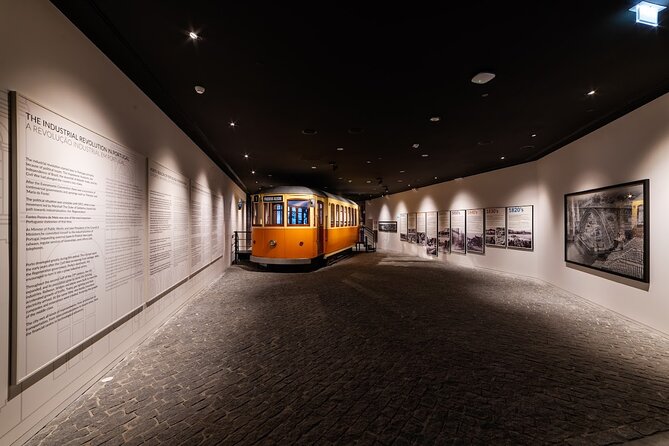
Porto’s story plays on the walls. What makes Porto Region Across the Ages fun is the combo of video mapping and a life-sized tram replica, plus short cinema-style segments that keep the history moving. The one caution: part of the route is text-heavy, so if you prefer lots of hands-on objects, you may feel the balance is a bit screen-and-reading.
I like that this is built for a quick “get your bearings” visit: you’re guided through a time span from ancient times to modern Porto on a self-paced route. If you want history in one focused stop, this museum is a good-value way to understand what you’ll see across the city—just plan on spending real attention in the rooms with wall text.
In This Review
- Key things to know before you go
- Porto Region Across the Ages: a high-tech history starter
- Inside the Porto timeline: video mapping, tram replica, and cinema
- Room by room: from prehistoric beginnings to modern Porto
- How the audio guide works (and what language options mean)
- One to two hours of pacing: when to go and what to expect
- Price in context: paying about $24 for time, tech, and clarity
- Who should book this museum (and who might skip it)
- Practical tips for a smooth visit at WOW Porto
- Should you book this tour or not?
- FAQ
- How long does the Porto Region Across the Ages museum visit take?
- What is the price per person?
- Is the ticket mobile, and do I need to print anything?
- What language is the experience offered in?
- What are the opening hours?
- Is hotel pickup included?
- Can I cancel, and what refund options are available?
- Is the museum suitable for most people?
Key things to know before you go
- Video mapping shows turn major themes into moving visuals instead of only wall panels
- Life-sized Porto tram replica helps you picture how people actually traveled through the city
- Self-guided with multilingual audio lets you set your own pace while still keeping the storyline clear
- Cinema segments add context, especially for bigger historical shifts
- Price is fair for the time (about 1–2 hours), but it’s not a hands-on science museum
More Porto days out worth booking
- Douro Valley: Historical Sites, Wine Experience, Lunch & Cruise★ 5.0 · 5,133 reviews
- Porto: An Intimate Fado Show in a Historical Tavern★ 4.8 · 2,055 reviews
- Porto: Historic City Center Walking Tour★ 4.7 · 1,172 reviews
- Porto: Private Tour of the Historic City in a Ford T Car★ 4.8 · 932 reviews
Porto Region Across the Ages: a high-tech history starter
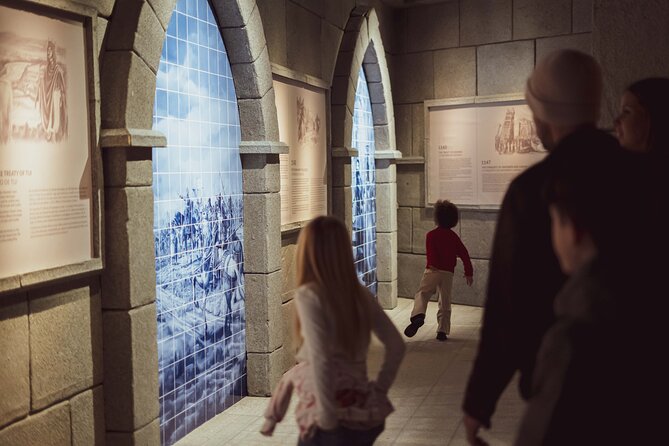
Porto can feel like a maze at first—steep streets, tiled façades, riverside viewpoints, and layered neighborhoods that all look like they have a backstory. This museum tries to give you that backstory in a compact format, so you walk back outside with names, timelines, and “oh, that explains that” moments.
I like the format because it’s not only lecture-style. You get a mix of presentation tools—video mapping, a tram replica, and cinema-like storytelling—so the history sticks even if you’re short on time. You don’t need to be a history buff to follow along; the museum aims to be readable and directional.
The main trade-off is pacing style. Some rooms rely heavily on written explanations and watching screens, and that works best if you’re comfortable reading for stretches.
Inside the Porto timeline: video mapping, tram replica, and cinema

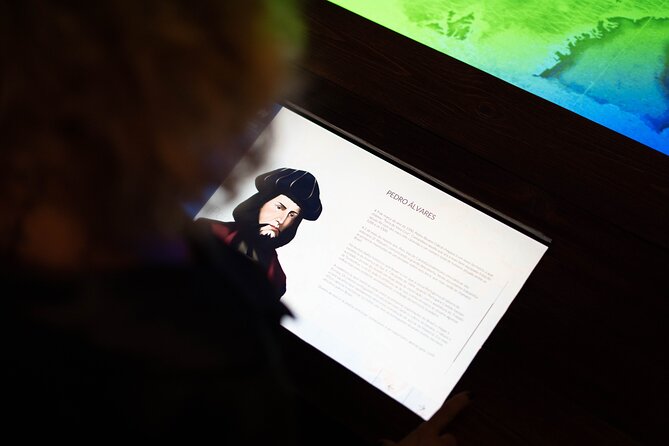
The heart of this visit is the way the museum turns big themes into sensory cues. The standout is video mapping, where images are projected across surfaces to make the past feel present—helpful when you’re trying to connect what you see on the streets with older eras. It’s the kind of storytelling that lowers the effort level: you don’t have to hunt through dry facts to get the point.
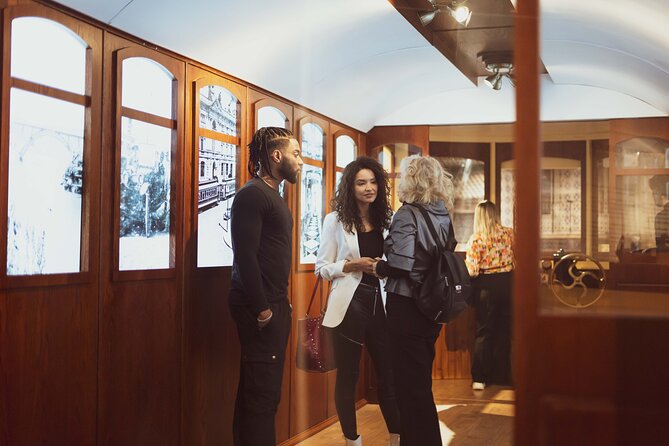
Then there’s the life-sized replica of a traditional Porto tram. Even if you don’t ride trams much in your trip, it’s a powerful visual anchor because it makes “daily life” feel real. It’s also the kind of object people notice immediately, which helps you settle into the museum’s theme quickly.
Finally, the museum uses cinema-style segments to cover wider events. One highlight mentioned in feedback was a film that walks through Porto’s history from the era of major maritime navigation to the war context during the French Revolution. That kind of storyline is useful because it links the local city story to larger European shifts.
Room by room: from prehistoric beginnings to modern Porto
The museum’s structure is built around a long storyline, moving from early prehistory toward today. This is one reason people call it an excellent “first stop” for understanding Porto: it offers the outline, then you can fill in details later across the city.
When the museum covers the earliest periods, you’re usually getting a framework rather than a single artifact hunt. That approach works if you want orientation—think dates, transitions, and what changed over time. As you move forward, the story becomes more Porto-specific, connecting the region’s development with what shaped the city.
A practical way to get the most out of this route is to treat each room like a chapter title, not a textbook. If you try to read everything word-for-word, you may feel stalled. If you read for the “what changed” points, the entire flow makes more sense.
How the audio guide works (and what language options mean)
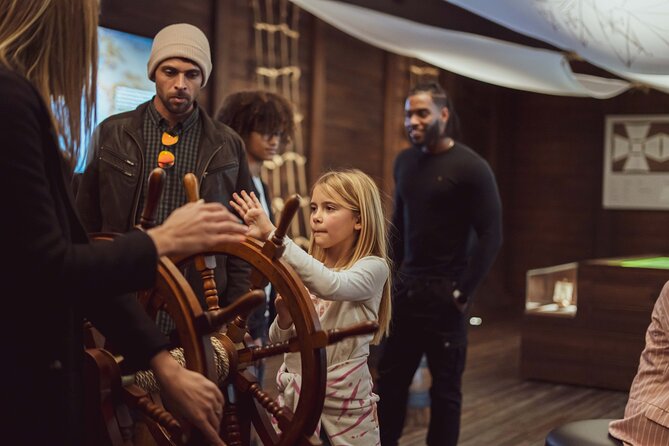
This is a self-guided tour supported by a multilingual audio guide. That matters because it lets you keep moving when you want more explanation, without forcing you to stay seated for every screen.
The experience is offered in English, which is great if you want the story in a language you can follow easily. I’d also plan to use the audio most when you see the museum shift topics—otherwise you may end up standing in the room guessing what the museum wants you to notice.
One more detail that helps: the museum is designed for people who want structure without a strict group pace. You can slow down for the tram replica moment, then pick up speed through the rooms that are mainly text and visuals.
If you’re the kind of person who gets distracted by reading walls, the audio support can be your best friend here. Use it to stay oriented, then skim text for key dates and terms.
More Porto days out worth booking




One to two hours of pacing: when to go and what to expect
This visit is designed to fit a short window: about 1 to 2 hours. That’s a sweet spot in Porto. It means you can pair it with a longer neighborhood walk, a riverside stop, or a second museum without blowing half a day.
The museum is open daily from 10:00 AM to 7:00 PM (Monday through Sunday). If you’re someone who likes to absorb information slowly, I’d aim for earlier in the day so you don’t feel rushed. If you’re fine with faster reading and a lighter skim, you can comfortably fit it into a lunch-to-afternoon slot.
This is also the kind of museum where “how you move” matters. You’ll get the best sense of the storyline if you don’t rush the transition points between eras. Treat the cinema/video-mapping segments like guideposts, then let the audio help you connect what comes next.
Price in context: paying about $24 for time, tech, and clarity
At $24.08 per person, the question isn’t just whether it’s expensive or cheap. It’s whether the museum gives you a solid payoff for your limited time in Porto.
Here’s what supports the value. You’re getting a full storyline that runs from prehistoric times to the present, plus multiple presentation styles (video mapping, cinema, and a physical set piece with the tram replica). For many people, that mix is what turns a “history museum” into a “useful orientation stop.”
Where the value debate can land differently is the “physical items” expectation. One negative review pointed out that there weren’t many real objects to view, with many rooms relying on writing on the walls. If you want a museum that feels like a classic collection with lots of tangible artifacts, you might feel you’re paying for screens and interpretation more than for objects.
My practical take: this price makes the most sense if you want clarity fast—names, timelines, and context—so the rest of your trip feels less confusing.
Who should book this museum (and who might skip it)
This is a good fit if you like history presented in a structured, visual way. If you enjoy film segments, projections, and a clear time-ordered route, you’ll likely find it satisfying. It’s also a solid choice for people who want one stop that sets the stage for what they’ll see later in Porto.
You might reconsider if your ideal museum is mostly hands-on artifacts, or if long wall text drains your energy. The museum does include screens and reading, so the experience depends on your tolerance for information presented in that format.
For families, the situation is mixed. One comment said they would not take children because it’s not the most interactive for young visitors, and that younger people may get bored. If you’re bringing kids, I’d think carefully about their attention span and whether they enjoy museum-style reading and screen shows.
If you’re going with limited time—say you want a strong “start here” primer—this museum is easier to justify than trying to stitch together multiple history references on your own.
Practical tips for a smooth visit at WOW Porto
This experience includes an admission ticket, and it’s handled with a mobile ticket. That’s convenient because you’re not juggling printed confirmations on the way in.
You’ll also want to plan around the basics of the venue. There’s no hotel pickup or drop-off, so factor in your own transportation time. The museum is near public transportation, which is helpful if you’re mixing this with other Porto stops.
If you have questions in advance, the booking flow provides confirmation at the time of reservation, and the experience allows service animals. Also, because it’s a popular concept, it’s typically booked about 45 days in advance—so if you’re traveling in peak season, don’t wait until the last minute.
One more smart move: use your first 10 minutes to decide how you’re going to read. If you try to read everything, you’ll slow down fast. If you skim with audio support, you’ll finish with a clear sense of the whole timeline.
Should you book this tour or not?
Book it if you want a high-impact introduction to Porto’s story in a short window. The combination of video mapping, cinema-like segments, and the life-sized tram replica is exactly the sort of mix that helps a first-time visitor understand why Porto looks and feels the way it does.
Skip it (or rethink it) if you’re coming specifically for lots of original artifacts you can closely examine. The museum leans more toward interpretation—screens, audio, and wall text—than object-heavy display.
If you’re the type who likes to walk out with a few clear takeaways and a timeline you can repeat to yourself later, this is a strong pick. And because it runs about 1–2 hours, it’s easy to slot in without disrupting your day.
FAQ
How long does the Porto Region Across the Ages museum visit take?
The experience typically lasts about 1 to 2 hours.
What is the price per person?
The listed price is $24.08 per person.
Is the ticket mobile, and do I need to print anything?
You receive a mobile ticket.
What language is the experience offered in?
It is offered in English, and there is a multilingual audio guide as part of the visit.
What are the opening hours?
The museum is open daily from 10:00 AM to 7:00 PM (Monday through Sunday).
Is hotel pickup included?
No. Hotel pickup and drop-off are not included.
Can I cancel, and what refund options are available?
Free cancellation is available, and you can cancel up to 24 hours in advance for a full refund.
Is the museum suitable for most people?
The information says most travelers can participate, and service animals are allowed. One review also suggested it may not be ideal for children.
More Museums in Porto

More Historical Tours in Porto





More Tour Reviews in Porto






Fresh in the Porto notebook



Historical Tours, compared.
 ★ 5.0Douro Valley: Historical Sites, Wine Experience, Lunch & CruiseFrom $1075,133 reviews
 ★ 4.8An Intimate Fado Show in a Historical TavernFrom $182,055 reviews
 ★ 4.7Historic City Center Walking TourFrom $331,172 reviews
 ★ 4.8Private Tour of the Historic City in a Ford T CarFrom $32932 reviews
 ★ 4.8Historical Center Walking TourFrom $41898 reviews
 ★ 4.5Historic Porto by Private Electric Tuk Tuk to Top LandmarksFrom $42735 reviews
 ★ 4.6Douro Valley History & Wine Tour with Cruise & LunchFrom $104433 reviews
 ★ 4.5Porto Guided Tour to the Historical Center on a Tuk TukFrom $42418 reviews
Browse the lists this tour appears in