
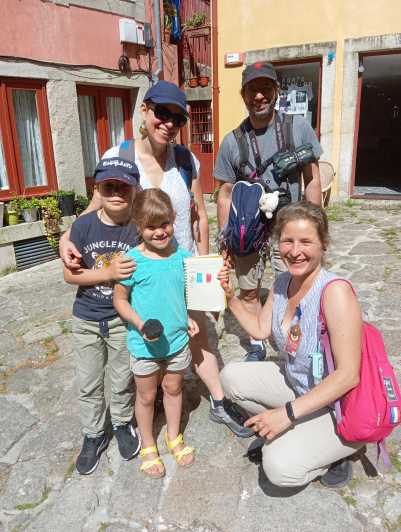
Reviewed · RIBEIRA & OLD TOWN
Porto – Old Town Tour with an official guide
Porto makes sense on foot. This Porto Old Town Tour turns the usual monuments into a lived-in street story, with a real focus on the UNESCO-listed medieval core and how people actually move through it day to day. You’ll also get a certified local guide speaking French, so the walk feels like Porto, not a checklist.
What I like most is how the tour pairs “big sights” with atmosphere. São Bento Station is a standout first anchor, and the later stop at Livraria Lello & Irmão adds that famous Porto book-world energy without leaving you only in postcard territory. Add the kind of guidance that covers city changes and practical ideas like where to eat and where to catch fado, and the tour becomes a useful introduction you can build on.
One thing to plan for: it’s not wheelchair-friendly, and you’re walking through narrow areas. Bring an umbrella just in case, since rain in Porto can show up when you least expect it.
In This Review
- Key things about this Porto Old Town Tour
- Why this Porto old town tour feels more like Porto
- Meeting at São Bento: where the tour starts with a bang
- São Bento Station to Sé Cathedral: history you can walk through
- Vitória and the old Jewish quarter feel different from the main lanes
- Cordoaria’s Garden and University of Porto: a breather with purpose
- Clérigos Church: the vertical moment in the middle of the walk
- Livraria Lello & Irmão: famous, but treated as part of the neighborhood
- Price and value: what you’re paying for at $29
- What to expect from the pace (and how to prepare)
- Who should book this Porto Old Town Tour
- Should you book? My take
- FAQ
- How much does the Porto Old Town Tour cost?
- How long is the tour?
- What language is the guide?
- Where do we meet?
- Where does the tour start and where does it end?
- What’s included in the price?
- Is a coffee break included?
- What should I bring?
- Is this tour suitable for wheelchair users?
Key things about this Porto Old Town Tour
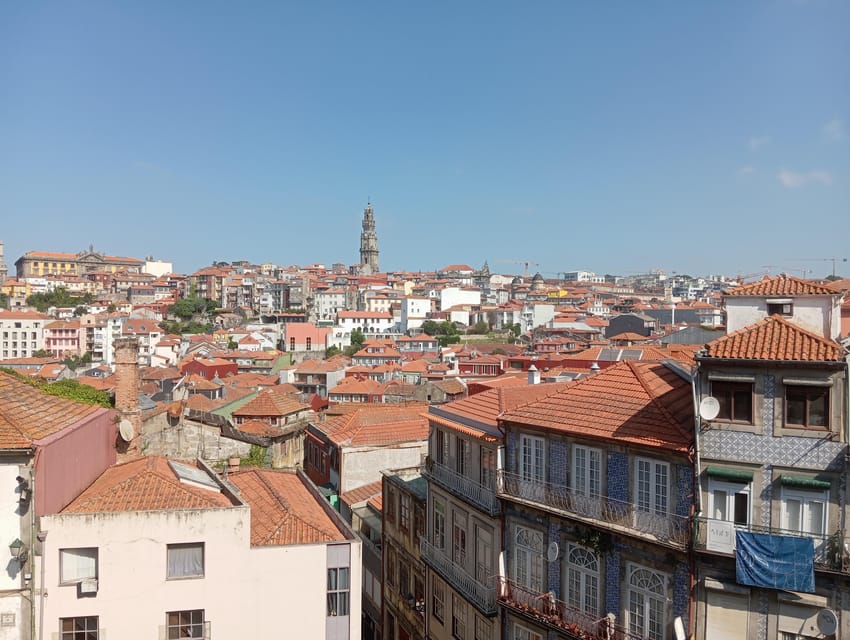
- São Bento Station as your warm-up with a guided look and quick viewing stops nearby
- UNESCO streets and medieval lanes in real neighborhoods, not just empty sight corridors
- Vitória and the old Jewish quarter area, with history folded into the walk
- Cordoaria’s Garden and University of Porto, adding green and student-city contrast
- Clérigos Church and the Clérigos Tower neighborhood, classic Porto vertical drama
- Livraria Lello & Irmão, a guided visit tied into the surrounding streets
Deeper into Ribeira, its arcades and riverfront
- The Unvanquished Tour in Porto City Center★ 5.0 · 26,497 reviews
- Porto: The highest-rated traditional fado concert (downtown)★ 4.8 · 1,557 reviews
- Porto: Historical Center Walking Tour★ 4.8 · 898 reviews
- Historic Porto by Private Electric Tuk Tuk to Top Landmarks★ 4.5 · 735 reviews
Why this Porto old town tour feels more like Porto
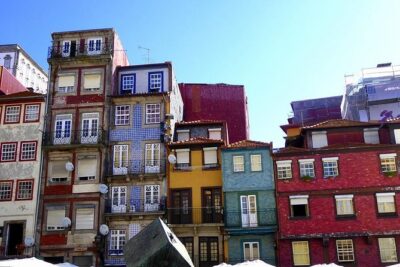
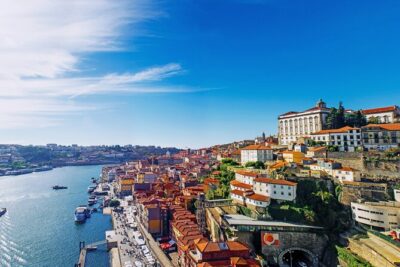
If you only do the standard top-10 monuments, Porto can start to feel like separate postcards glued together. This tour avoids that by spending time in the streets between the landmarks—especially inside the UNESCO-listed area, where the city’s colors, cobbles, and wrought-iron balconies are part of daily life, not decoration.
I also like the pacing and approach. The guide doesn’t just point things out. You get explanations that connect what you’re seeing to how Porto works—its past, its present, and what’s changing now. In French, that makes the tour smoother for anyone who wants language depth without guessing.
And because it finishes back in central Porto after four hours, you leave with bearings. That matters on a first visit. You’re not just entertained for a morning—you’re set up to explore smarter after the tour.
Meeting at São Bento: where the tour starts with a bang
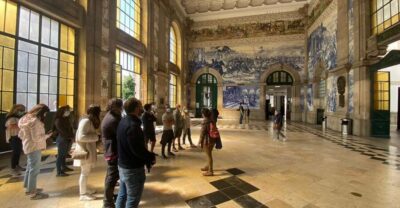
You meet at São Bento, at platform n1, where the guide presents a Portuguese flag. That’s helpful because Porto can be confusing at first, and you don’t want to be sprinting around a station trying to find a group.
From the start, the tour flows naturally into Porto’s visual language. São Bento Station isn’t just transportation. It’s a symbol of the city, and the guided stop helps you read what you’re looking at rather than just snapping photos and moving on.
Even if you think you’ve seen pictures of São Bento, a guided introduction changes the experience. You notice details faster, and you start understanding why this station is so central to Porto’s identity.
São Bento Station to Sé Cathedral: history you can walk through
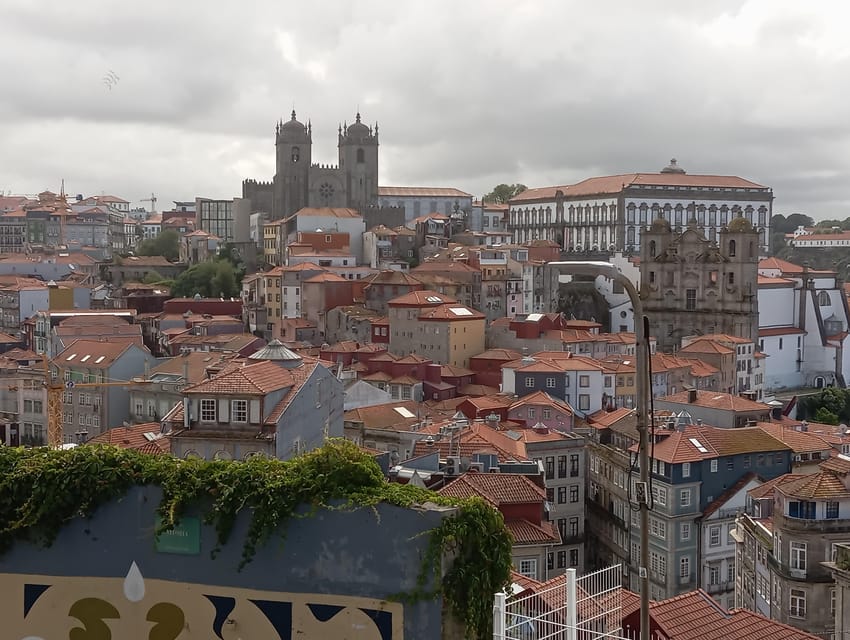
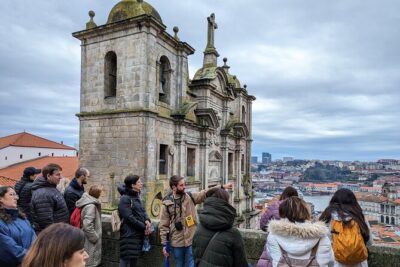
After São Bento, the next anchor is Sé, Porto (the Cathedral area). This stop is valuable because it shifts you from a “modern city icon” into Porto’s older layers. The cathedral setting gives the walk a grounded, historical feeling—stone, viewpoints, and streets that feel older than most cities’ cores.
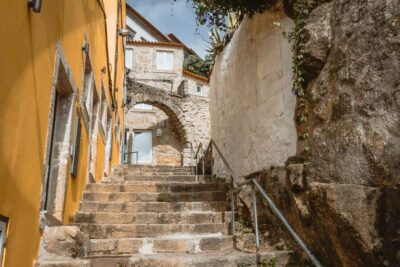
The tour is built around short walking segments and guided pauses, including views along the way. That matters because Porto’s best angles often aren’t inside a museum—they’re between buildings, on small street bends, and at the edges of squares where you suddenly see the city open up.
A practical note: the streets here can be narrow. If you’re the type who likes slow wandering, you’ll still be comfortable, but you’ll be moving with the group. This tour is designed for a smooth flow rather than long, solo detours.
Vitória and the old Jewish quarter feel different from the main lanes
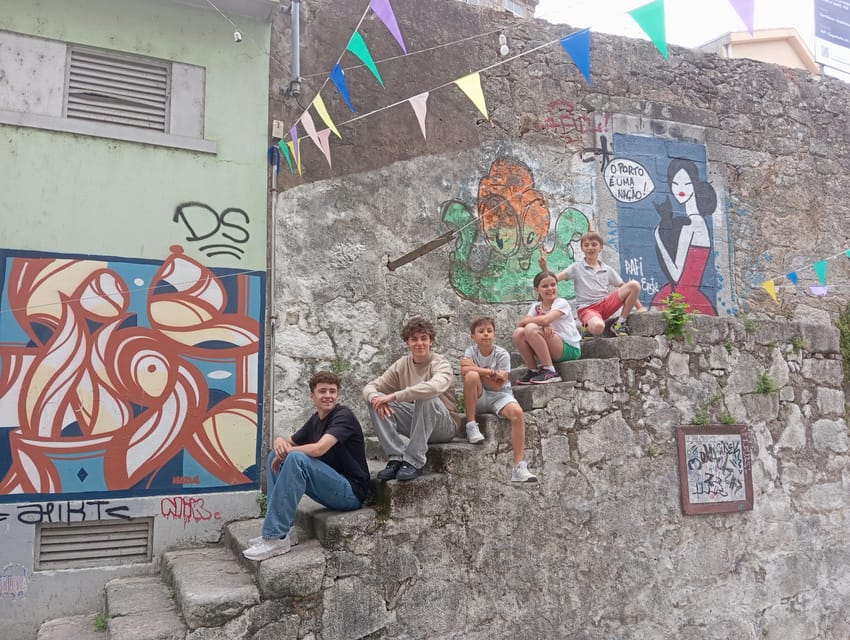
Next comes Vitória, Porto—and with it, the part of the old city tied to the old Jewish quarter atmosphere. Even if you don’t know the history ahead of time, the guide’s job is to give you context while you’re physically standing in the right streets.
This is one of the tour’s best ideas: you see the UNESCO-listed zone as inhabited space. That means you notice the everyday signs of life—how the lanes function, how people cut through the city, and how the buildings hold onto their character with those classic colorful facades and wrought-iron balconies.
It also helps you understand why Porto is so photogenic. The beauty isn’t only the monuments. It’s the street structure and the way buildings face each other across tight gaps. Vitória is where that becomes very obvious.
More Porto days out worth booking




Cordoaria’s Garden and University of Porto: a breather with purpose
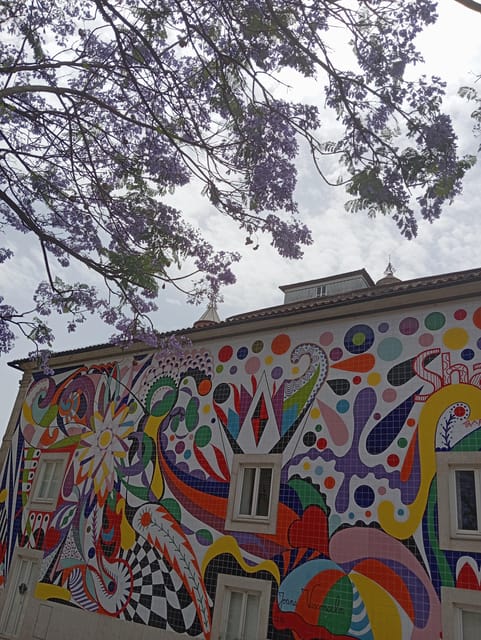
After more medieval street feel, the tour moves to Cordoaria’s Garden. This stop gives you contrast. Instead of only stone and narrow lanes, you get a breath of green and open space.
That reset is useful on a four-hour tour. You stay energized enough to enjoy the next classic Porto stops without feeling like you’ve been walking nonstop on steep, tight streets. And even though it’s a breather, the garden still fits the theme: Porto isn’t only old-world façades. It’s also a city with living spaces people use.
From there, you continue to the University of Porto area. This helps round out the city portrait. A university district changes the rhythm of the streets—more movement, more youth energy, more of a “present-day Porto” feel. Even if you’re mostly here for old town, this kind of pause keeps the tour from turning into a time machine with no present-day relevance.
Clérigos Church: the vertical moment in the middle of the walk
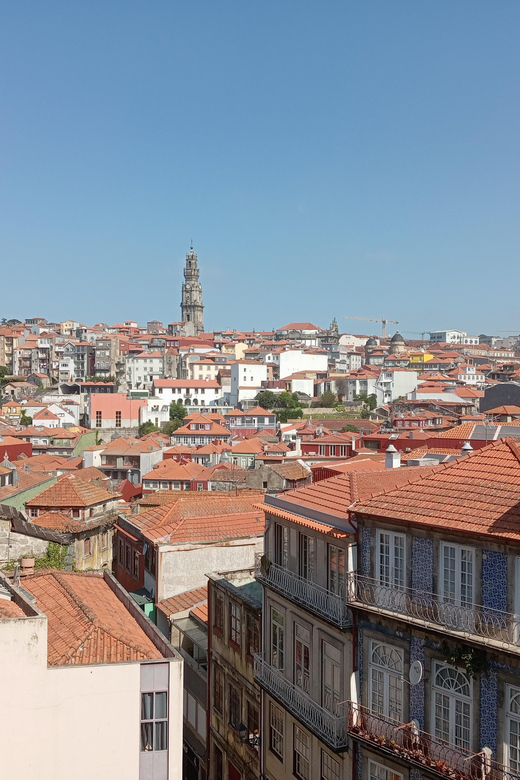
Then you reach Clérigos Church. This is one of Porto’s iconic spiritual landmarks, and it works perfectly as a turning point in the itinerary. If you’ve seen the Clérigos Tower in photos, you’ll recognize the shape right away—this stop helps you place it within the surrounding neighborhood, not just as a standalone viewpoint.
The guided visit here adds meaning. You understand the landmark’s role in Porto’s city structure and why it’s become one of the city’s recognizable symbols. And because the tour continues to move through the streets around it, you get the “real neighborhood” feel rather than stepping into a fenced-off monument zone.
If you’re chasing that classic Porto skyline drama, this is where you start seeing it more clearly, even from the surrounding streets.
Livraria Lello & Irmão: famous, but treated as part of the neighborhood
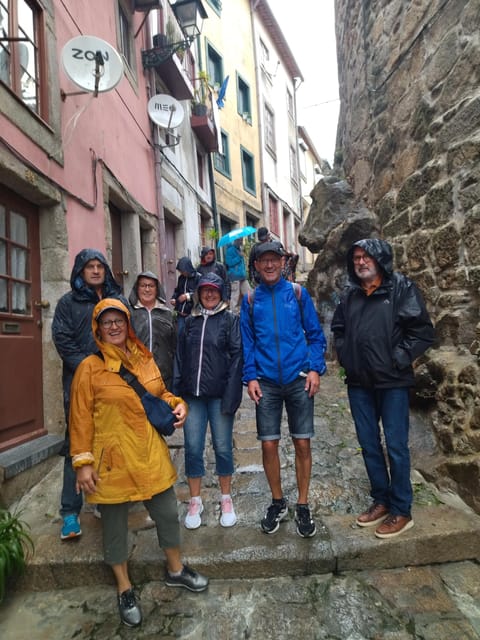
One of the final highlights is Livraria Lello & Irmão. The bookstore is known worldwide, and the tour approach is what makes it work: you don’t just treat it like a photo stop. You get a guided visit and you move through the area as part of the old city’s fabric.
This is also where you’ll likely appreciate the guide’s practical, city-building tips. In the past, the guide’s explanations and recommendations often include ideas for what to do next—like good places to eat and ways to find quality fado experiences. That kind of guidance is especially helpful when a famous landmark could otherwise steal the whole morning.
Also, keep expectations realistic. A guided visit is timed, and the day’s flow is designed around walking between multiple neighborhoods. You’ll enjoy it most if you’re okay with seeing Livraria Lello as one strong chapter rather than the entire story.
Price and value: what you’re paying for at $29
At $29 per person for a 4-hour guided tour with an official French-speaking local guide, the value is in three places.
First, you’re buying interpretation, not just walking time. The guide connects monuments to neighborhoods and gives context as you go—so each stop feels earned rather than random.
Second, you get a full old town loop that mixes “must-see” landmarks (São Bento, Sé, Clérigos, Livraria Lello) with the streets UNESCO protects because they’re still part of Porto’s everyday life. That mix is where you get more than a standard sightseeing circuit.
Third, the tour includes a guided component at each major stop. It’s not an unstructured free-roam walk. You can relax into the plan knowing someone is shaping what you see and why.
One small tradeoff: the tour does not include a coffee break. That’s not a dealbreaker, but you’ll want to plan your caffeine moment before or after if you’re the kind of traveler who needs a mid-walk reset.
What to expect from the pace (and how to prepare)
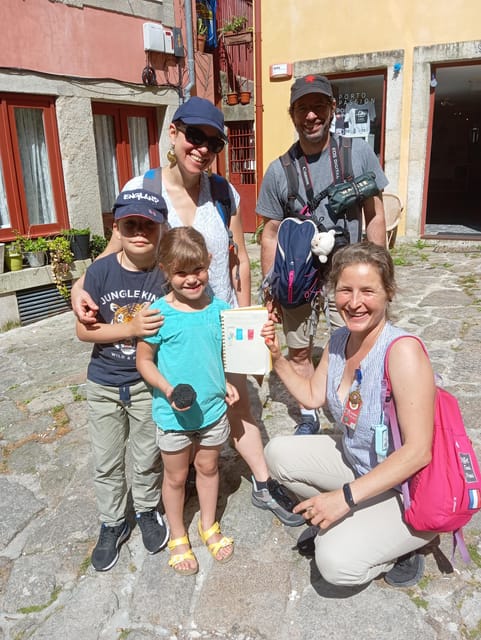
This is a walking tour through narrow streets and medieval lanes, which means the pace is steady and practical. The guide’s role is to keep the group moving while still giving you time at key points—views along the way, short guided stops, and then another neighborhood segment.
The streets can be old and uneven, and the tour is designed for a general audience rather than mobility devices. If you need wheelchair access, this one won’t fit.
Bring an umbrella. Even if the forecast looks fine, Porto weather can be fickle. The tour itself is set up for rain or shine—you just want to avoid getting miserable halfway through.
Who should book this Porto Old Town Tour
This tour is a great match if you want a first-time Porto visit that feels grounded in real neighborhoods. You’ll enjoy it most if you like:
- A guided explanation that goes beyond what you can read on a plaque
- Seeing the UNESCO-listed area as lived-in streets, not staged streets
- A paced walk that includes major landmarks plus softer, local rhythm (garden, university district)
- French as your comfortable language for detailed city context
It also sounds like the tour can work well for families, since the walk is described as tranquil and welcoming for children. If you’re traveling with kids, it’s still a structured tour with several stops, so choose the timing that fits your group.
Should you book? My take
If you’re deciding between a self-guided walk and a guided loop, I’d lean toward booking this one. It gives you the best kind of value: not just famous sites, but the street logic that connects them. You leave with a clearer sense of where things are and what to chase next—especially if you want help with local recommendations like where to find good food and quality fado.
Skip it only if you need wheelchair accessibility or you prefer a fully self-paced wander with no guided structure. Otherwise, for $29 and four hours, it’s a smart way to get oriented and understand Porto’s old town on a deeper level.
FAQ
How much does the Porto Old Town Tour cost?
It costs $29 per person.
How long is the tour?
The tour lasts 4 hours.
What language is the guide?
The tour is in French.
Where do we meet?
Meet at platform n1 at São Bento. The guide will present a Portuguese flag.
Where does the tour start and where does it end?
It starts at São Bento and finishes back in Porto.
What’s included in the price?
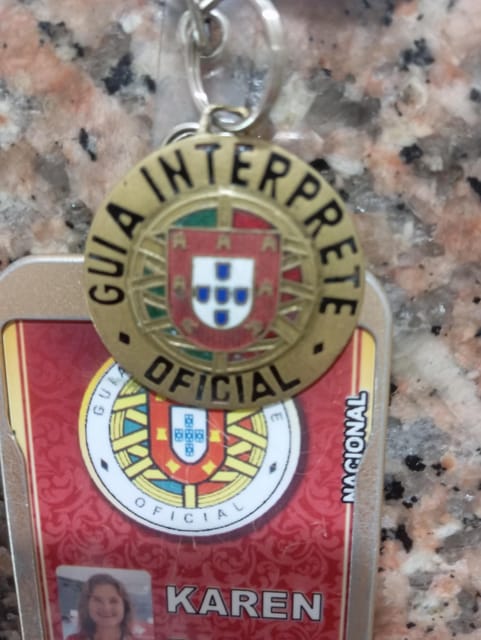
A guided tour with an official guide-interpreter, certified local guide, in French.
Is a coffee break included?
No, a coffee break is not included.
What should I bring?
Bring an umbrella.
Is this tour suitable for wheelchair users?
No, it is not suitable for wheelchair users.
More Tours in Porto



More Tour Reviews in Porto



More of Ribeira and the Old Town





Fresh in the Porto notebook



Ribeira & Old Town, compared.
 ★ 5.0The Unvanquished Tour in Porto City CenterFrom $326,497 reviews
 ★ 4.8The highest-rated traditional fado concert (downtown)From $241,557 reviews
 ★ 4.7Historic City Center Walking TourFrom $331,172 reviews
 ★ 4.8Historical Center Walking TourFrom $41898 reviews
 ★ 4.5Historic Porto by Private Electric Tuk Tuk to Top LandmarksFrom $42735 reviews
 ★ 4.9Tile Painting and Cocktails in Downtown PortoFrom $41484 reviews
 ★ 5.03-Hour Old Town & Riverside Bike Tour – Guided ExperienceFrom $47481 reviews
 ★ 5.0Pastel de Nata | Workshop from scratch | Porto’s city centerFrom $48449 reviews
Browse the lists this tour appears in