
Reviewed · RIBEIRA & OLD TOWN
Porto: 3-Hour Downtown Walking Tour
Porto on foot feels like turning pages. This 3-hour downtown walking tour pairs a local private guide with major sights like Clérigos Church and Tower, plus the smell-and-color chaos of Ribeira and a real coffee break with Portuguese pastries.
I love how the route mixes big landmarks with quieter streets, and I also like that the guide’s explanations are paced for your group. One thing to consider: this is mostly on foot, so it’s not a good fit if you have mobility limits or low fitness.
With a private guide, you’ll get context fast, not just photos. You’ll walk through the center’s highlights, including Aliados Avenue as the city’s living room, then finish with a standout train-station tile stop that’s all about visual impact.
In This Review
- Key things you’ll notice on this Porto walking tour
- Setting off in Porto: the Clérigos Tower meeting point
- Clérigos Church and Tower: why Nicolau Nasoni matters
- Ribeira by senses: where the city smells and looks like Porto
- Shopping streets and “hyped” stores: what you gain without shopping
- Aliados Avenue: Porto’s living room in motion
- The coffee and pastry pause: when you’ll want it most
- The tile-filled train station stop: a visual culture hit
- A private guide changes everything (and you’ll feel it in the details)
- How much walking is realistic—and what to wear
- Price and value: is $58 worth it?
- Who this Porto tour suits best
- Should you book this Porto 3-hour downtown walking tour?
- FAQ
- How long is the Porto 3-hour downtown walking tour?
- Where is the meeting point for the Clérigos Tower tour?
- What languages is the tour offered in?
- Is this a private tour?
- Is food included on the tour?
- Is the tour suitable for wheelchair users or limited mobility?
Key things you’ll notice on this Porto walking tour
- A private local guide who keeps the pace practical and answers questions with detail (and humor)
- Clérigos Church and Tower linked to Nicolau Nasoni and designed in the 17th century
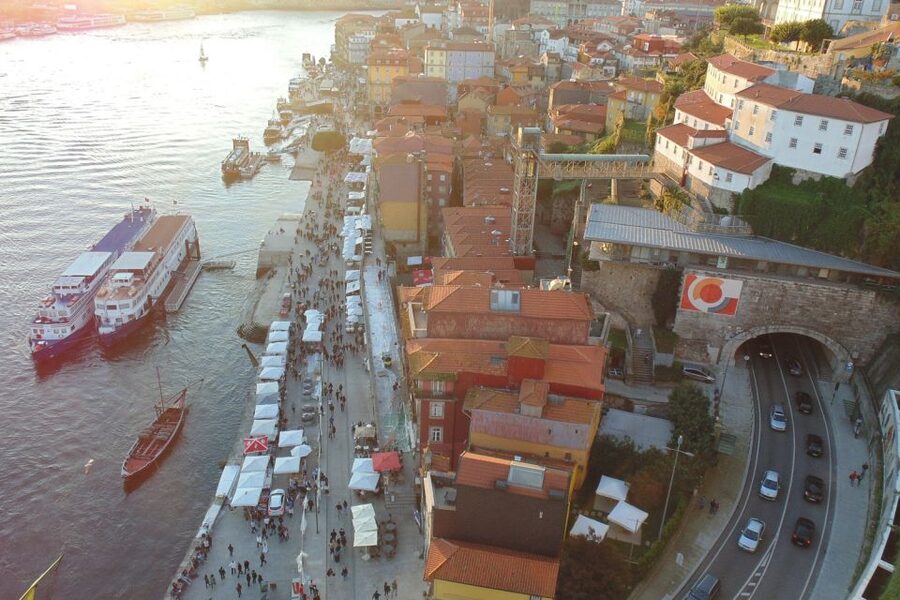
- Ribeira for the sensory side of Porto—aromas, colors, and the lived-in feel
- Aliados Avenue as the city’s living room, with the center’s energy and shopping nearby
- Time for coffee and Portuguese pastries in the middle of the walk, not as an afterthought
- A tile-packed train station stop that makes for easy photos and a strong cultural pause
Deeper into Ribeira, its arcades and riverfront
- The Unvanquished Tour in Porto City Center★ 5.0 · 26,497 reviews
- Porto: The highest-rated traditional fado concert (downtown)★ 4.8 · 1,557 reviews
- Porto: Historical Center Walking Tour★ 4.8 · 898 reviews
- Historic Porto by Private Electric Tuk Tuk to Top Landmarks★ 4.5 · 735 reviews
Setting off in Porto: the Clérigos Tower meeting point
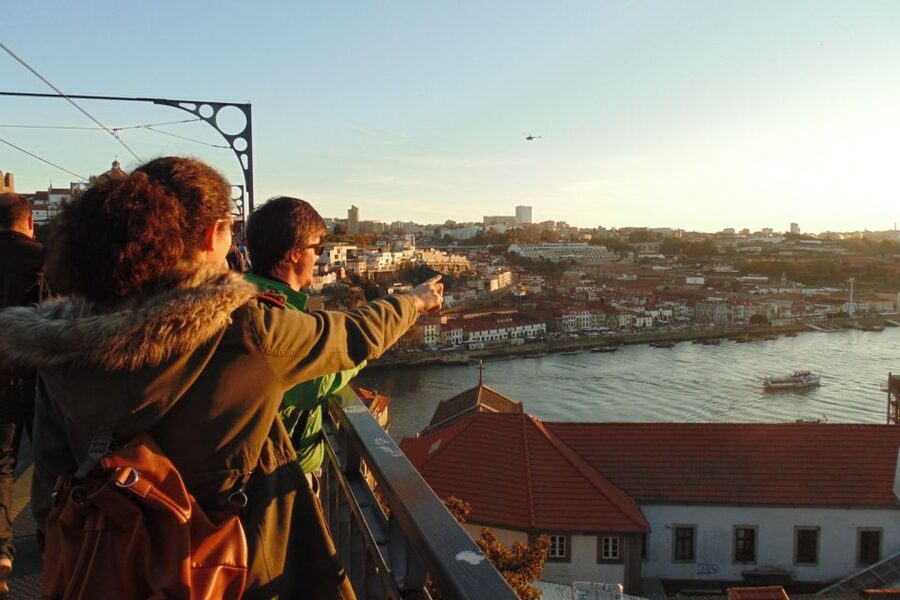
You start at the staircase in front of Clérigos Tower, near Cordoaria garden. It’s a smart starting spot because the tower is one of the fastest ways to orient yourself in Porto. Even if you’ve never been here before, that big landmark helps your brain map the rest of the walk.
From there, the tour is built for a comfortable rhythm: you’re not just marching from one checkbox to another. You’re learning how the city’s center works—where people go, what defines neighborhoods, and why certain places feel like Porto’s “main character” spots.
Practical tip: wear shoes you can walk in for a few hours without thinking about it. The tour is listed as not suitable for wheelchair users or people with mobility impairments, and low fitness can make the walking feel longer than the clock says.
Clérigos Church and Tower: why Nicolau Nasoni matters
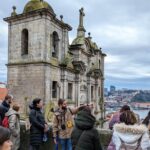
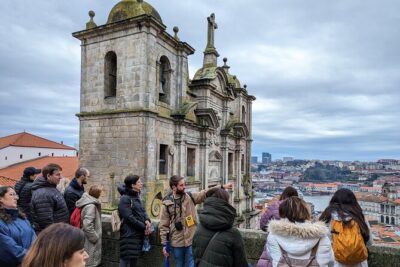
A big portion of the appeal is how the tour frames Clérigos Church and Tower as Porto’s “ex libris.” You’re not only seeing a landmark; you’re getting the reason it became a signature piece of the skyline.
You’ll hear it connected to Nicolau Nasoni, the designer, and the fact it dates to the 17th century. That detail helps the building click into place: this isn’t just a tall viewpoint or a pretty façade. It’s a historical statement in stone, designed to be noticed.
What I like about making this the anchor stop is that it gives you a reference point for later. When you look around after Clérigos, the rest of the city feels less random. You can start noticing patterns—street lines, how the center bends, and why certain areas feel older and more “Porto” than others.
Possible drawback: since it’s a key attraction, you may find crowds nearby. The guide’s job here is to help you stay focused on what matters while you’re moving through the busiest sections.
Ribeira by senses: where the city smells and looks like Porto
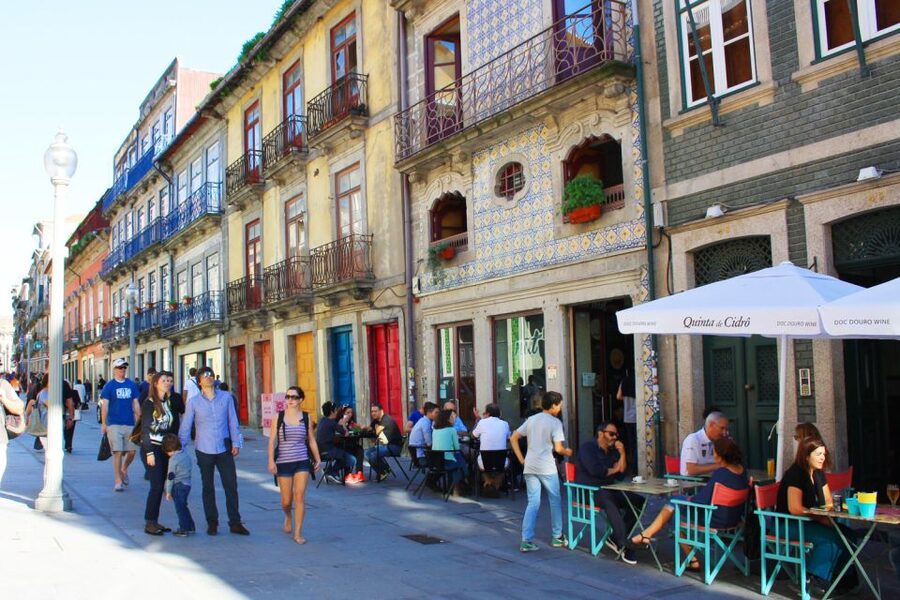
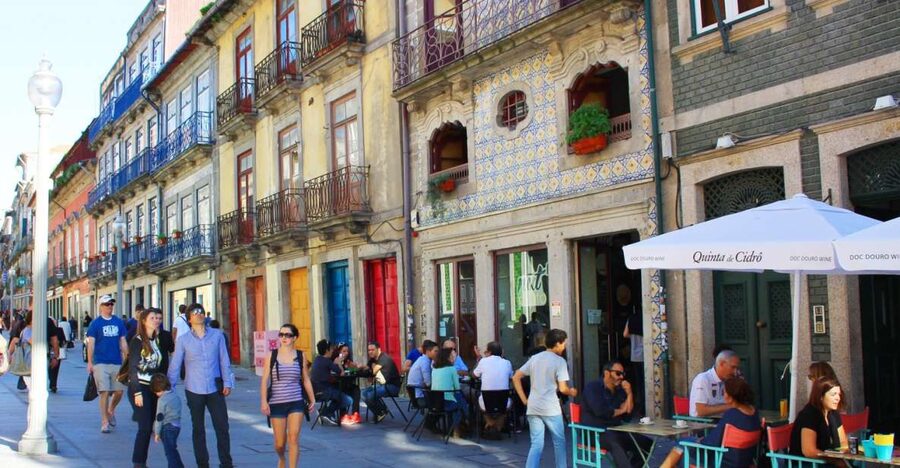
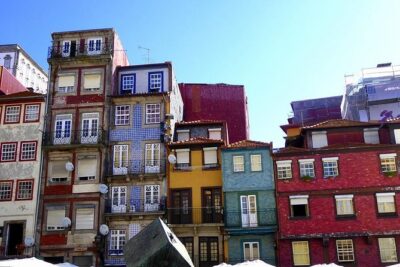
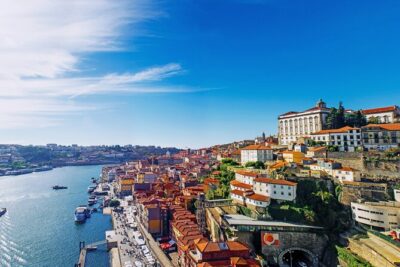
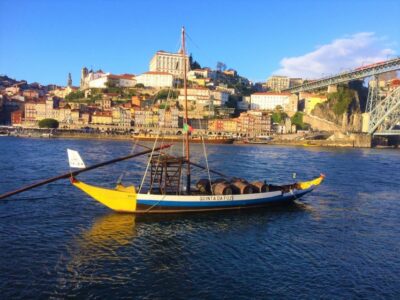
The highlights call out Ribeira for a reason: this is where the city feels most alive. On the walk, you’ll lose yourself in the aromas and colors of the area—exactly the sort of experience that doesn’t come from studying a postcard.
Ribeira works well in a guided route because a good local guide can point out what to notice: textures of storefronts, the flow of pedestrian streets, and the way the waterfront-side atmosphere shapes the whole neighborhood. You’re learning to read the area instead of just passing through it.
If you’re the type who likes to take photos, Ribeira is where you’ll want to slow down. If you’re more focused on learning, it still delivers because the guide’s storytelling can turn the scenery into something you remember.
Small reality check: Ribeira is an area where you’ll likely stop more casually—short pauses for photos and questions. That’s fun, but it can make the walking feel a bit more “variable” than a strict route.
Shopping streets and “hyped” stores: what you gain without shopping
The tour includes a shopping area where you can find some of the most hyped stores in Porto. This isn’t a shopping tour, but it’s useful because it shows you where style and foot traffic concentrate in the city center.
Here’s the practical value: even if you don’t buy anything, shopping streets tell you something about a city’s center. They show you where people gather, where brands invest, and how the street design supports strolling. It’s one of the easiest ways to understand the city’s daily rhythm in just a few hours.
For me, this section is best when you treat it like a walk-through, not a mission. Look at storefront layout, street scale, and how crowds move. Your guide’s commentary is what turns this from window-gazing into an actual sense of place.
More routes on foot through Porto




Aliados Avenue: Porto’s living room in motion
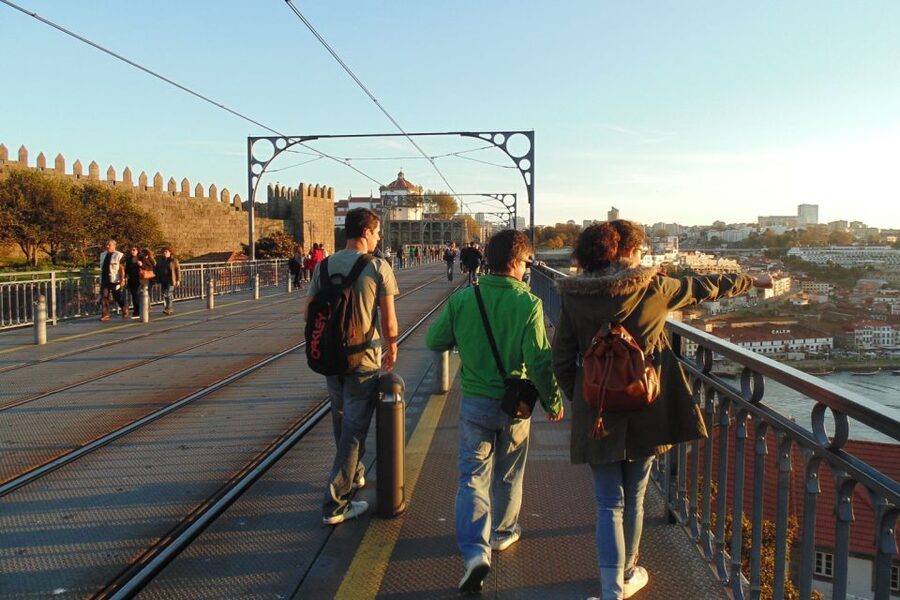
One of the tour’s anchor themes is Aliados Avenue, described as Porto’s “living room.” The street name alone doesn’t explain that feeling, but the walk does—because you experience the center’s energy in real time.
Aliados is the kind of place where the city feels like it’s doing multiple things at once: movement, shopping, conversation, people watching, and that center-street confidence you only get in bigger urban hubs. With a guide, you’re also not stuck guessing. You get the story of why this avenue is important and how it fits into the city’s layout.
What I like most is that Aliados gives you a break from tight neighborhood turns. If Ribeira is about sensory messiness, Aliados is about structure and momentum. You can breathe, look around, and reset before the next culture-heavy stop.
Tip: if you’re sensitive to long stretches of street walking, treat this like a pacing checkpoint. Use the guide’s timing to keep your energy even.
The coffee and pastry pause: when you’ll want it most
The tour specifically builds in time for coffee and Portuguese pastries in one of the many cool coffee shops around the area. Even though meals aren’t listed as included, the experience is designed so you have a chance to do this without hunting on your own mid-walk.
This is more than a snack. It’s a smart strategy in a three-hour tour because coffee shops are perfect “micro breaks.” They let you sit for a few minutes, cool down if it’s warm, and keep your walking stamina steady for the rest of the route.
How to make the most of it:
- Keep your order simple so you’re not stuck waiting while the group moves on
- Choose a pastry you recognize or that looks good in the display—no need to overthink it
- Ask your guide what’s worth trying locally in plain terms (they’ll often recommend based on what’s fresh)
If you’re someone who hates tours that feel like they’re only about standing in front of buildings, this coffee pause helps the experience feel more human. You get the city’s taste as part of the story.
The tile-filled train station stop: a visual culture hit
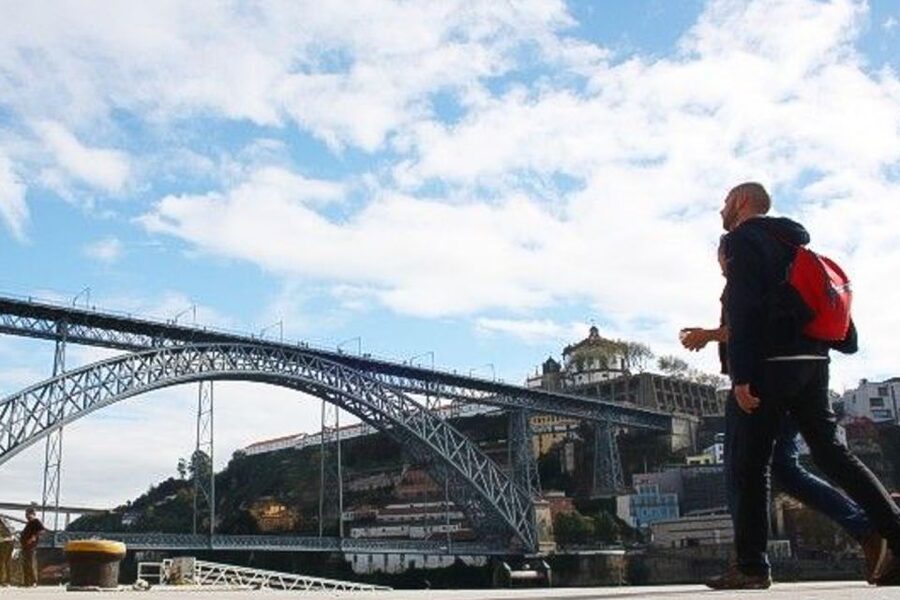
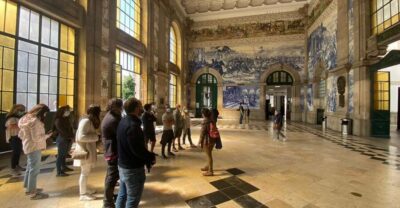
One of the tour highlights is a stop in a train station famous for its tiles—called one of the most beautiful train stations in the world. You’ll see the kind of tile work that makes people stop mid-step, because it’s not just decoration. It’s storytelling made in ceramic.
This is a great place to pause because:
- Tiles are easy to understand at a glance once you slow down
- You don’t need “historical knowledge” to enjoy them
- It’s a natural checkpoint after street walking
I’d plan to take a few minutes. Don’t rush it like a checklist. Even if you only catch the overall themes, the visual experience will stick with you longer than you expect.
If you’re traveling with kids or anyone who gets restless, this stop is usually the kind that makes everyone look up at the same time. It gives the group a shared moment.
A private guide changes everything (and you’ll feel it in the details)

This is a private group tour with a live guide available in English and Portuguese, and it’s also listed as visit options in Spanish. That matters because Porto isn’t only about landmarks—it’s about how to connect them into one city story.
The guide experience is a big reason the tour scores well. In past groups, guides like João were described as personable and able to answer questions with clear detail and humor. Also, the pace can be adjusted, even for mixed-age groups (there’s mention of ages from 10 to 67), which is exactly how private tours should work.
What that means for you: you can ask follow-up questions. You can steer the conversation toward architecture, street life, or practical things you’ll want later in your trip. A good guide isn’t just reading facts—they’re translating the city so you can move through it with confidence after the tour ends.
How much walking is realistic—and what to wear
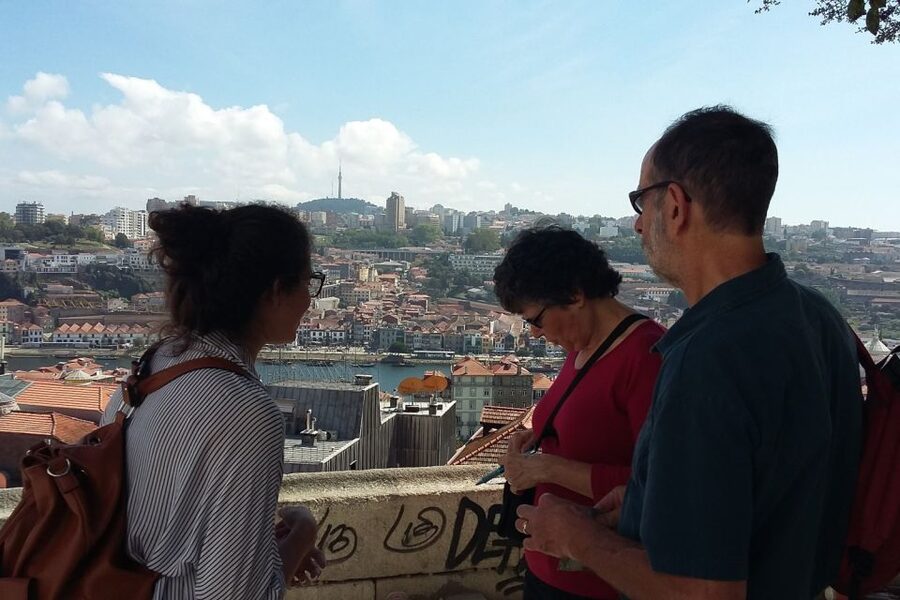
This tour is 3 hours and explicitly calls for comfortable shoes. It’s also not suitable for people with low fitness, and it’s not recommended for wheelchair users or mobility impairments.
So think of it as an energetic downtown walk. You’ll be shifting between viewpoints, street sections, and stops, including a coffee break and a station visit. You’ll likely want to keep water handy and plan your clothing for weather shifts.
If you’re visiting in shoulder season or warm months, dress in layers. Porto weather can be changeable, and you’ll get warm from movement even if the air starts cool.
Price and value: is $58 worth it?
At $58 per person for a 3-hour private walking tour, the price isn’t just for sightseeing—it’s for the guide time plus the efficiency of a curated route.
Here’s the value logic I see:
- You’re paying for a local perspective that helps you understand why places matter
- You’re not spending your limited time figuring out where to go next
- You get guided access to major highlights like Clérigos and the tile station stop
What’s not included is meals. That matters if you plan to treat the coffee and pastries as a full meal upgrade. Still, the tour is set up to include time to do that snack-style, so you can decide your own budget in the moment.
If you like planning your trip, this is a good use of time early on. If you already know Porto well and prefer independent exploration, you might find the guide less necessary. But for most people—especially first-timers—the payoff is fast.
Who this Porto tour suits best
I’d recommend this tour if you:
- Want a first, clear orientation to Porto’s downtown
- Enjoy architecture and city design context, not just photos
- Like walking with stops that include a real-life break (coffee and pastries)
- Appreciate a guide who can explain things and keep the group’s energy steady
I’d skip it if:
- You have mobility challenges or use a wheelchair
- Your fitness level makes multiple hours of walking hard to manage
- You want a relaxed, low-movement sightseeing plan
Should you book this Porto 3-hour downtown walking tour?
Book it if you want a smart first pass through Porto’s center—Clérigos, Ribeira, Aliados Avenue, and that tile-station wow-factor—under the guidance of someone who knows how to pace a group and answer questions. For $58, you’re paying for convenience, context, and that guided “see more, understand more” benefit.
Don’t book it if you’re looking for a sit-down tour or you need accessible routes for limited mobility. This one is built around comfortable shoes and real walking.
If that sounds like your kind of trip, you’ll leave with better bearings and a Porto feel that lasts longer than a quick sightseeing loop.
FAQ
How long is the Porto 3-hour downtown walking tour?
The tour lasts 3 hours.
Where is the meeting point for the Clérigos Tower tour?
You meet in the staircase in front of Clérigos Tower, near Cordoaria garden.
What languages is the tour offered in?
The tour is available in English, Portuguese, and Spanish.
Is this a private tour?
Yes. It’s a private group experience.
Is food included on the tour?
Meals are not included. The itinerary includes a coffee and Portuguese pastries stop, but you should expect to pay for what you order.
Is the tour suitable for wheelchair users or limited mobility?
No. It’s not suitable for people with mobility impairments or wheelchair users, and it’s not recommended for people with low fitness.
More Tour Reviews in Porto




More of Porto on Foot

More of Ribeira and the Old Town




Fresh in the Porto notebook



Ribeira & Old Town, compared.
 ★ 5.0The Unvanquished Tour in Porto City CenterFrom $326,497 reviews
 ★ 4.8The highest-rated traditional fado concert (downtown)From $241,557 reviews
 ★ 4.7Historic City Center Walking TourFrom $331,172 reviews
 ★ 4.8Historical Center Walking TourFrom $41898 reviews
 ★ 4.5Historic Porto by Private Electric Tuk Tuk to Top LandmarksFrom $42735 reviews
 ★ 4.9Tile Painting and Cocktails in Downtown PortoFrom $41484 reviews
 ★ 5.03-Hour Old Town & Riverside Bike Tour – Guided ExperienceFrom $47481 reviews
 ★ 5.0Pastel de Nata | Workshop from scratch | Porto’s city centerFrom $48449 reviews
Browse the lists this tour appears in