Reviewed · PORTO
Exclusive visit to the Geophysical Institute of Porto
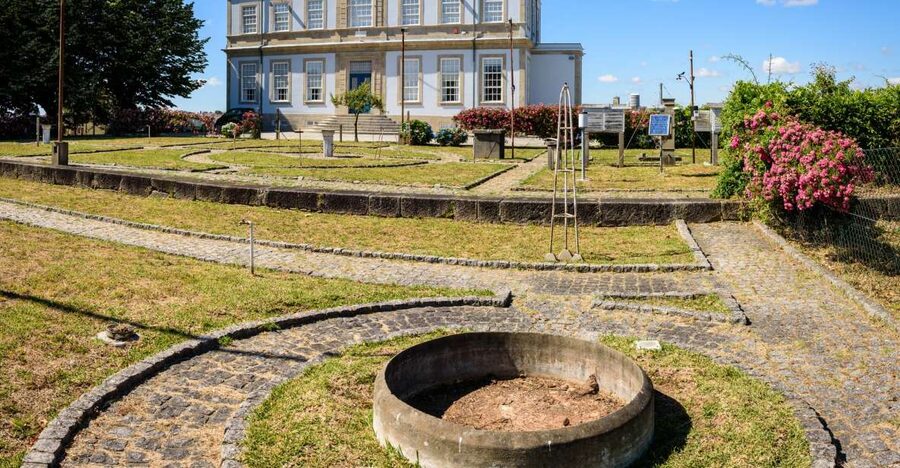
A seismic station with Cold War secrets. In Gaia, inside a centenary building at Serra do Pilar, you get a rare look at a seismic station tied to a worldwide network that dates back to the 1960s. The story here mixes science and global politics in a way that makes the ground feel personal.
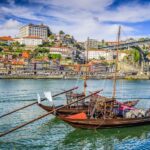
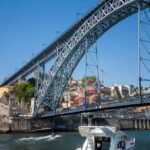
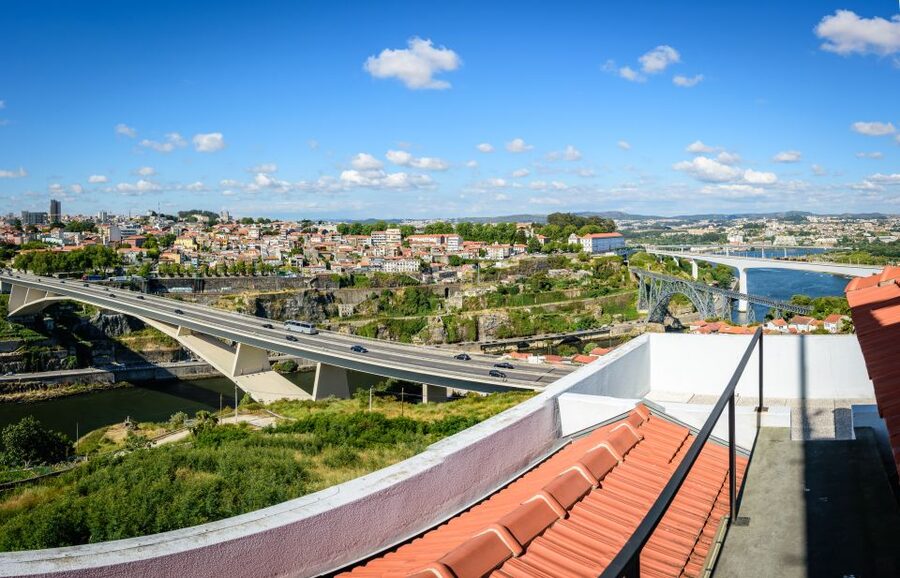
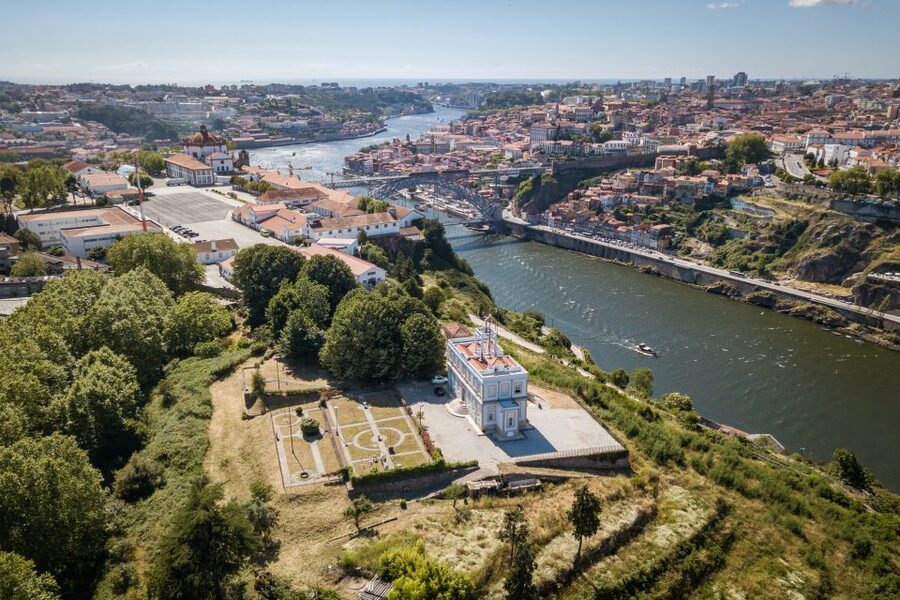
I especially love the Porto 6-bridge view break—this viewpoint is described as the only place on earth where you can see all six bridges at once. And the tour is led by enthusiastic geology students from the University of Porto’s Faculty of Sciences, so the explanations stay sharp and human, not textbook-flat.
One thing to consider: it’s a focused 60-minute experience, and it isn’t set up for kids under 12. If you want lots of wandering time or hands-on activities for younger children, this may feel a bit short.
In This Review
- Key Things I Found Most Compelling
- Serra do Pilar’s Centenary Building: A Quiet Start With Big Results
- The 1962 US-built Seismic Station and the Cold War Angle
- Meet the Guides: Young Geologists With Real Momentum
- How a Seismic Station “Feels” Earthquakes and Nuclear Tests
- Walking the Stops: What Happens in Each Part of the Tour
- The Only Place to See Porto’s Six Bridges From One Angle
- Price and Value: Is $17 for Science Worth It?
- Who This Tour Suits (and Who Might Want to Skip It)
- Booking and Practical Tips (What I’d Do Before You Go)
- Should You Book the Geophysical Institute Visit?
- FAQ
- Where is the tour meeting point?
- How long is the visit?
- Is the tour offered in English?
- What is the main theme of the tour?
- Are flash photos or video allowed?
- Is the tour suitable for children?
- How much does it cost?
Key Things I Found Most Compelling
- A station built in 1962 with a scientific label that also linked Porto to Cold War monitoring
- A worldwide seismic network connected to work that began in the 1960s
- Seismic waves from earthquakes vs nuclear tests, and how those differences matter
- Calculating an earthquake epicenter, explained in practical terms
- A dramatic Porto panorama where you can see all six bridges in one view
Weighing up your days in Vila Nova De Gaia? Here are a few more worth pinning to the map.
- Vila Nova de Gaia: Port Wine Tasting with Cheese Pairing★ 4.8 · 1,074 reviews
- From Porto with view to Gaia: Private Bike Tour #DuckSideOfPorto★ 5.0 · 124 reviews
- Vila Nova de Gaia: Winery Tour with 2 DOC Douro & 1 Port★ 4.8 · 101 reviews
- Douro and Port Wine Tasting in Vila Nova de Gaia★ 5.0 · 35 reviews
Serra do Pilar’s Centenary Building: A Quiet Start With Big Results
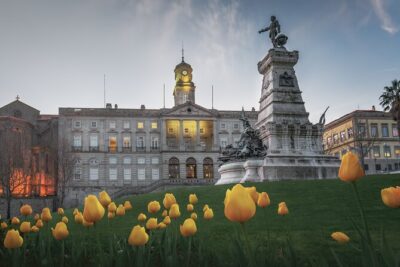
You start in Gaia near the Serra do Pilar area, then walk toward a building that really does blend into its surroundings at first glance. That’s part of the charm. You’re not entering some grand museum. You’re stepping into a place that looks almost ordinary—until you’re inside and realize what it was built to catch.
The setting matters because it frames the whole experience. Serra do Pilar is a viewpoint area, so you’re already in the habit of looking outward. Then the tour flips that habit: you look inward, at the Earth’s signals. That contrast is what makes the visit feel fresh instead of just another history stop.
And yes, the building dates back to the late 1800s (1885), which adds a slow, old-world patience to what would otherwise be a very modern-sounding story. After that, the station itself becomes the star: a seismic installation with a direct line to international monitoring.
The 1962 US-built Seismic Station and the Cold War Angle
The core of the tour is a seismic station that was created in 1962 by the United States. It was described as “scientific research,” but the reality is more complicated. This station helped put Porto on the Cold War map, because it sat in a network intended to detect signals linked to major tests and events.
Here’s what I think you’ll like: the tour doesn’t treat Cold War history like propaganda trivia. It connects it to a real scientific purpose. Seismology is basically the Earth’s alarm system—so when global tensions rose, listening to the ground became a useful tool.
You’ll also hear about the idea of a widespread system of stations. The tour talks about the “lie” behind the construction of 127 seismic stations around the world. Whether you’re a history person or a science person, that number is one of those details that helps the story feel concrete fast.
Meet the Guides: Young Geologists With Real Momentum
A big part of why this works is the way it’s taught. You’re guided by geology students from the University of Porto’s Faculty of Sciences. That energy shows. The explanations come with a sense of pace—like they want you to understand, not just listen.
I like that you’re not left to interpret jargon on your own. The tour focuses on what the station detects and how that detection becomes meaning: different events create different wave patterns, and those patterns can be analyzed.
There’s also a gentle practical tone in the delivery. You’re learning enough to follow the logic, even if your science background is “I took it once in school.” That’s a good sweet spot for a short, 60-minute tour.
How a Seismic Station “Feels” Earthquakes and Nuclear Tests
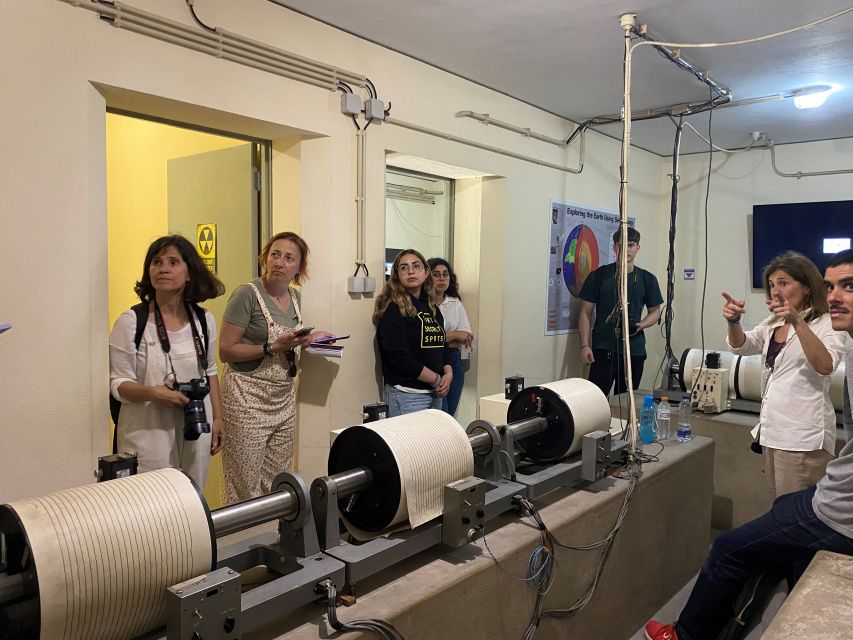
This is the most fascinating concept you’ll carry with you after the visit: the station doesn’t just record generic shaking. It’s about reading signatures.
The tour explains how the station can register both earthquakes and nuclear tests. The key point is that these events produce seismic waves that aren’t identical. Earthquakes come from natural ruptures, while nuclear tests involve an entirely different energy source underground. Those differences show up in the waveforms and help scientists tell what kind of event likely happened.
Even if you don’t memorize every technical label (and you don’t have to), you’ll come away with the idea that seismology is pattern recognition. It’s not magic; it’s careful comparison.
And then the tour takes it one step further: it teaches you how those recorded signals can be used to work out the epicenter of an earthquake. That’s the practical payoff. You hear how data becomes a location, and suddenly the station’s mission feels real instead of abstract.


Walking the Stops: What Happens in Each Part of the Tour
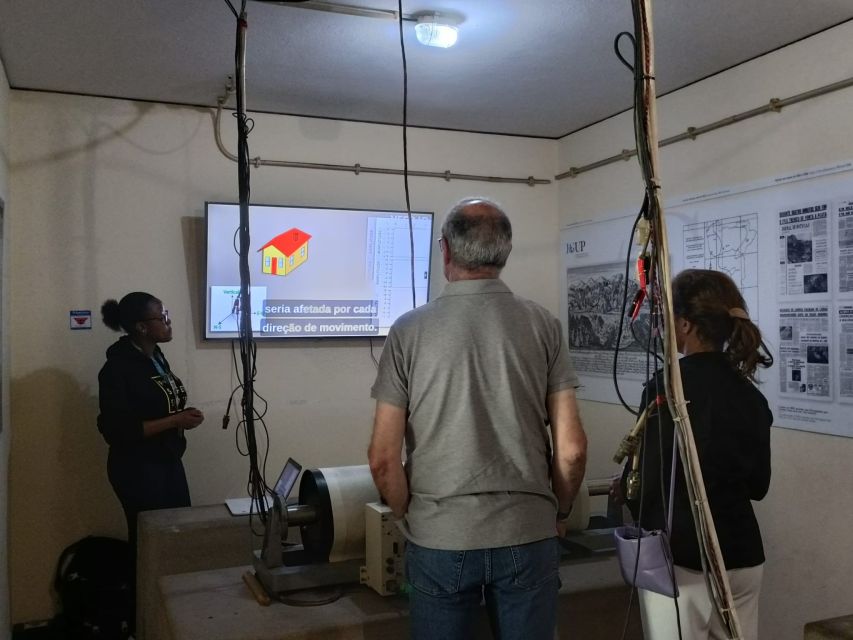
The tour is tight and well-paced. You don’t spend half the time waiting or drifting. You move.
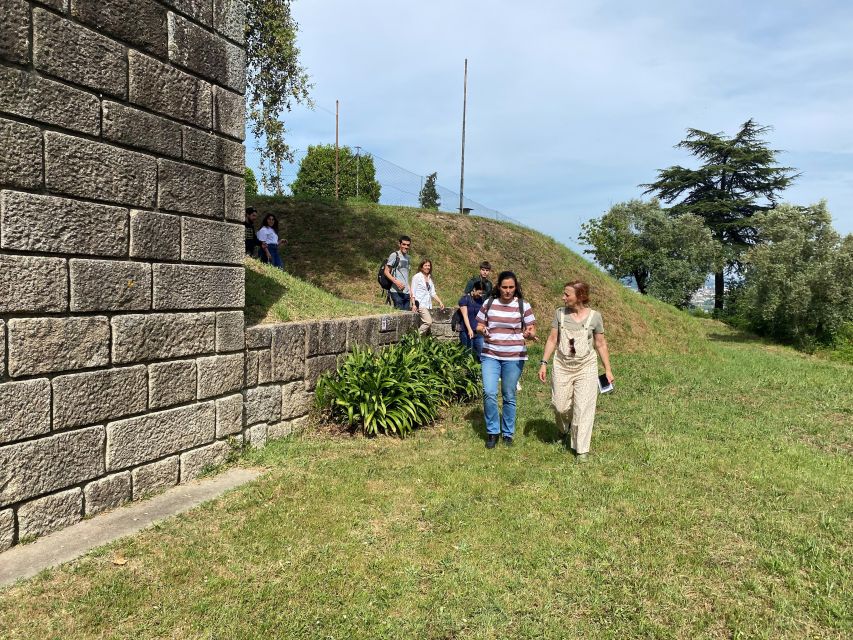
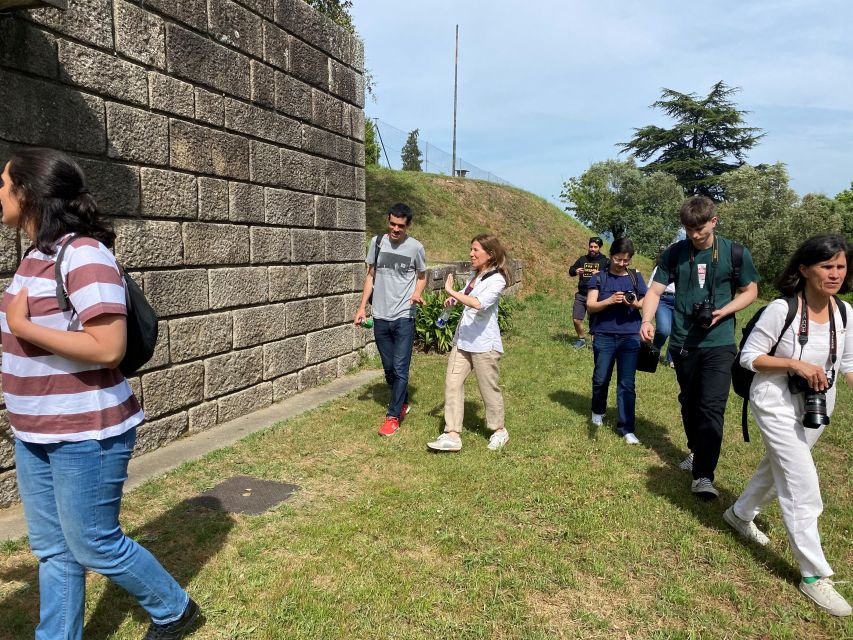
- Start and approach (about 5 minutes walking): You head to the Geophysical Institute area. This stretch helps you get oriented and lets you absorb the Serra do Pilar context—high ground, open air, and a view-ready setting.
- Guided tour inside (about 35 minutes): This is where the station story lives—how it fits into the worldwide network, why Porto mattered in Cold War monitoring, and how seismic signals from earthquakes and nuclear tests differ. This is also where the guides connect the dots to epicenter calculation.
- Return/walk (about 5 minutes): After the main portion, you step out again rather than being kept inside forever.
- Scenic views en route (about 5 minutes): This is your payoff moment. You get a short, focused burst of outdoor viewpoint time that’s timed to make the bridges visible in a satisfying way.
The short walking segments also mean you’re unlikely to get bored. If you like structured tours but hate long, slow sightseeing marches, this timing is a good fit.
The Only Place to See Porto’s Six Bridges From One Angle
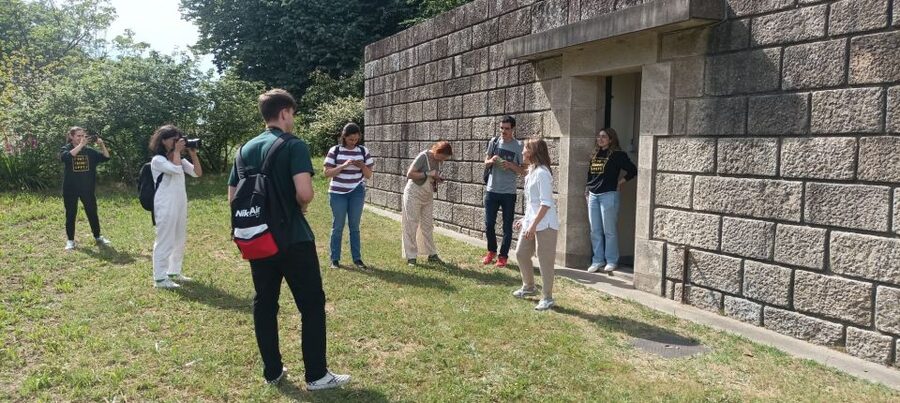
The outside segment is more than a scenic bonus. It’s part of the tour’s rhythm, and it ties back to why the station setting feels special.
You’re told you’re at the only place on earth where you can see Porto’s six bridges. Even if you take that claim with a pinch of skepticism (tour operators often speak in bold ways), the experience is still memorable because the view is the whole point. The bridges become a visual map of the city, and that makes the earlier “listening to the Earth” theme feel more grounded. You’ve shifted from sound and waves to geometry and distance.
The tour also includes a special outdoor treat—described as a delicious surprise—meant to mark the moment you get your bearings with the view. It’s simple, but it works. You’re not just standing and taking photos; you’re closing the visit with a human moment.
One practical note: flash photography and video recording aren’t allowed. So if you’re the type who normally shoots with everything you own, plan to switch to natural light photos and focus instead on the overall vista.
Price and Value: Is $17 for Science Worth It?
At $17 per person for about 1 hour, this isn’t a “half-day adventure” price tag. It’s more like a concentrated lecture + viewpoint package.
Here’s why I think the value is solid:
- You get history and science in the same hour, with a clear reason each part exists.
- The guides are students from a real academic department, and the energy helps you understand without dragging time out.
- You also get one of the rare, high-impact Porto views—six bridges from one spot isn’t something you stumble into every day.
Would it be overpriced if it were just a generic museum chat? Yes. But the visit is built around a working seismology station and a Cold War monitoring story that’s unusually specific to Porto. That specificity is what justifies the price.
If you’re on a tight schedule, this is one of those options that can slot in without eating your whole day—while still giving you a story you’ll want to tell later.
Who This Tour Suits (and Who Might Want to Skip It)
This fits best if you like one or more of these:
- Science topics, especially geology and how the Earth signals are interpreted
- Cold War history that’s tied to real-world technology
- You want an unusual Porto experience beyond the usual viewpoints and river cruises
It may not fit if:
- You’re traveling with children under 12, since the tour isn’t suitable for that age group
- You want a long walking tour, lots of free time, or hands-on experiments
- You expect lots of photo/video moments (because flash and video recording are restricted)
For most adults who enjoy learning while sightseeing, it’s a strong match. For people who hate structured tours, it’s still pretty straightforward, but the “listen + learn + look” format may feel more directed than you prefer.
Booking and Practical Tips (What I’d Do Before You Go)
A few practical choices will make your visit smoother:
- Plan on about 1 hour total, with brief walking segments. Wear comfortable shoes suitable for walking on uneven outdoor ground around Serra do Pilar.
- Since it’s guided in English, you’ll get full value even if your Portuguese is basic. If you’re not comfortable with English, check your comfort level ahead of time.
- Bring a camera you can use without flash and accept that you won’t be recording video.
- If you care about the bridge view, arrive ready to look. This segment is short by design, so don’t treat it like a linger-and-sunset photo shoot.
If you’re the type who likes to arrive and instantly know what you’re looking at, this tour’s teaching style helps. You get enough context to understand why the station story matters, then you get the view to reward you.
Should You Book the Geophysical Institute Visit?
I’d book it if you want a Porto experience that feels different from the usual postcard loop. The blend of a Cold War-connected seismic station, real seismology concepts (including earthquake epicenters and wave differences), and that six-bridge viewpoint makes this one of the more memorable “one hour well spent” tours in the area.
Skip it if you’re traveling with younger kids, or if you only want casual sightseeing with lots of free wandering. This is a focused, guided science-and-history experience with a short scenic payoff—not a day trip.
If that sounds like your kind of travel, reserve your spot and go. You’ll leave with a new way to think about what it means when the ground speaks.
FAQ
Where is the tour meeting point?
The starting location is listed as R. 2 23.
How long is the visit?
The visit lasts about 60 minutes.
Is the tour offered in English?
Yes, the live tour guide speaks English.
What is the main theme of the tour?
You’ll learn about seismology at the Geophysical Institute and how the station relates to Cold War monitoring, including differences between waves from earthquakes and nuclear tests and how to calculate an earthquake epicenter.
Are flash photos or video allowed?
No. Flash photography and video recording are not allowed.
Is the tour suitable for children?
It’s not suitable for children under 12.
How much does it cost?
The price is $17 per person.