
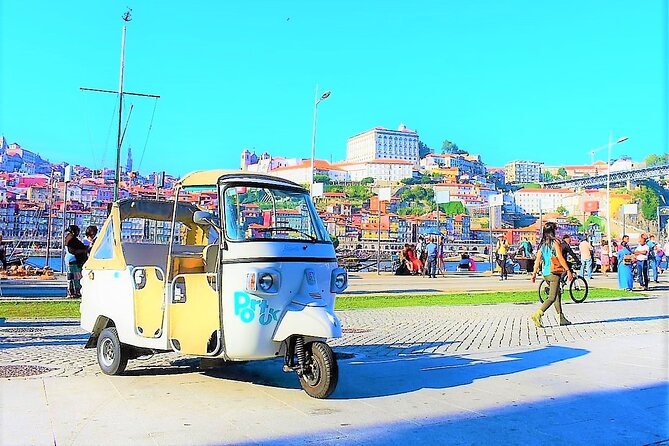
Reviewed · RIBEIRA & OLD TOWN
Cruise Shore Excursion – Private Tuk Tuk Tour to the Historic Center
Porto feels like a puzzle of hills, bridges, and churches. This private tuk tuk tour is one of the fastest ways to piece it together, with a local guide steering you to viewpoints and lanes cars can’t use. I love the access to back streets (and steep areas) without doing huge walking loops, and I love the included port wine served as a quick tasting at a lookout. One possible drawback to weigh: the tuk tuk is small, so if you’re more than two people—or you’re sensitive to bumpy cobblestones—you may want to plan for extra comfort needs.
This is built for cruise-day timing too. Pickup happens from the pier gates (Leixões Port, Matosinhos Port, or Doca Norte), and the tour runs about 3.5 hours with short, focused stops so you leave Porto with a real sense of where to return later.
In This Review
- Quick hits before you go
- Entering Porto with a tuk tuk: what it really changes
- Pickup and timing: how to make cruise logistics painless
- The route in practice: 3.5 hours of Porto highlights, in human-sized chunks
- Seafaring + ocean-side heritage stops you’ll remember for the details
- The palm-grove garden with the miniature-golf and Art Nouveau bathroom
- Arrábida Bridge and the “big span” engineering moment
- Passeio das Virtudes: the river view that sets up everything else
- The Portuguese Centre for Photography: a former building with real stories
- Cordoaria Garden (Jardim de João Chagas): rope makers, statues, and public art
- Torre dos Clérigos: climb or don’t, but don’t skip the context
- Livraria Lello: Art Nouveau outside, and a plan for those ticket lines
- Churches, fountains, and the “gold” factor you can’t fake
- Fountain of the Lions: small stop, nice cross-country connection
- Igreja do Carmo and Igreja dos Carmelitas: rococo facades and national monuments
- Igreja de São Francisco: why people call it the Church of Gold
- Bridges and the river: Serra do Pilar plus two different “wow” crossings
- Dom Luís I Bridge: iron decks and the metro connection
- Ribeira Square: old streets, wine-financed redesign, and a car-free reality
- Mosteiro da Serra do Pilar: UNESCO terrace views over Porto and Gaia
- São João Bridge (2003): elegant Maillart-style engineering
- Market and square finale: Bolsa, Ferreira Borges, and Bolhão
- Palácio da Bolsa and Mercado Ferreira Borges: the Arabian Room area
- Bolhão Market: expect a closure unless plans change
- Praca da Batalha and Teatro São João: where streets meet performance culture
- Price and value: what $106.93 buys you in real terms
- Who should book this Porto tuk tuk tour (and who should skip)
- Should you book it?
- FAQ
- How long is the private tuk tuk tour?
- What’s the price per person?
- Is pickup included, and where does the guide meet you?
- Is port wine included?
- Are monument entrance fees included?
- Do I need tickets in advance for Livraria Lello?
- Is this tour actually private?
- Is the tour suitable for kids?
- What if weather is bad?
- Can I cancel for a full refund?
Quick hits before you go
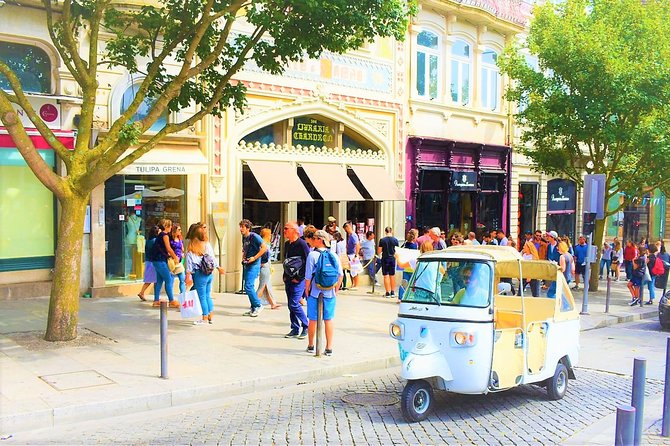
- A private tuk tuk route through narrow streets that buses usually can’t touch
- Clérigos Tower and Lello bookshop are on the circuit, but their entrances aren’t included
- Big-photo viewpoints: Passeio das Virtudes and the Serra do Pilar terrace over the Douro
- Port wine tasting is part of the experience, not a long detour to a bar
- Expect mostly orientation stops, with limited time for shopping
Deeper into Ribeira, its arcades and riverfront
- The Unvanquished Tour in Porto City Center★ 5.0 · 26,497 reviews
- Porto: The highest-rated traditional fado concert (downtown)★ 4.8 · 1,557 reviews
- Porto: Historical Center Walking Tour★ 4.8 · 898 reviews
- Historic Porto by Private Electric Tuk Tuk to Top Landmarks★ 4.5 · 735 reviews
Entering Porto with a tuk tuk: what it really changes
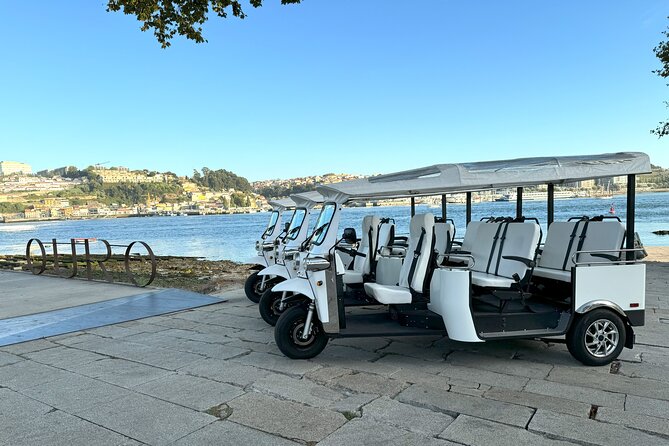
A tuk tuk is more than a fun ride. In Porto’s historic center, it changes the visit because you spend less time wrestling steep streets on foot and more time seeing the parts you’d normally only spot from a distance.
You’ll get an up-close feel for how Porto works: layered neighborhoods, sudden viewpoints, and buildings that look close until you realize how much the terrain rises and falls. With this kind of vehicle, your guide can also choose the route around traffic and tight lanes, which helps on a day when time is the real enemy.
Pickup and timing: how to make cruise logistics painless
This tour is designed around cruise schedules. The guide picks you up at the pier outdoor gate, and the tour starts no later than 1 hour after your ship arrives.
You’re not just “getting to Porto.” Your pickup points include Leixões Port, Matosinhos Port, and Doca Norte, and those matter because your cruise terminal may not be inside the city core. I like tours that treat that as a first step, not an afterthought.
The route in practice: 3.5 hours of Porto highlights, in human-sized chunks
Think of the day as a guided loop through Porto’s signature themes: seafaring/industry, river views, grand religious interiors, Art Nouveau/rococo details, and the big bridge moments.
Most stops are short—often around 10 minutes—so you’re not expecting a slow museum day. Instead, you’ll get enough time to look, take photos, and decide whether you want to come back for a longer visit on your own.
Seafaring + ocean-side heritage stops you’ll remember for the details
The tour starts with a few heritage landmarks tied to Porto and the nearby Matosinhos seafaring and industrial past. One stop features a sculpture where the structure references fishing (including a net-like form) and the three support poles are painted to resemble smokestacks and lighthouses.
Next you’ll pass a granite hexagonal tower with a red balcony and lantern, plus a small annex building with white plastered walls. These are the kinds of stops that make the “historic center” label feel more real—you’re seeing Porto’s working identity, not only its postcards.
Buzz the hills by tuk-tuk instead
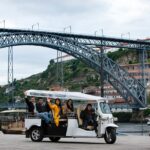

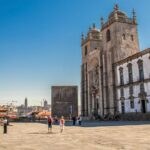
The palm-grove garden with the miniature-golf and Art Nouveau bathroom
One of the most interesting segments is the late 19th-century garden stop laid out along a palm grove. It includes a granite fountain to the west, Nasoni obelisks, and a small romantic chalet built in 1874 before the full garden was completed.
If you like quirky attractions, this is the moment: there’s a miniature golf course that’s treated like a main draw here, plus occasional concerts at the bandstand. The public bathroom (built in 1910) is decorated with Art Nouveau tiles and English-style finishing, which is a wonderfully unexpected detail for a cruise excursion.
Arrábida Bridge and the “big span” engineering moment
Then you hit the Arrábida Bridge viewpoint area. This arch bridge crosses the Douro River between Porto and Vila Nova de Gaia, and it was designed by engineer Edgar Cardoso.
When it opened in 1963, the bridge’s main concrete-arch span of 270 meters was the largest of its type in the world. Even if you’re not a bridge nerd, it’s a great “switch your brain from buildings to infrastructure” moment.
Passeio das Virtudes: the river view that sets up everything else
Passeio das Virtudes is short but powerful. The lane overlooks the Douro toward the mouth bar, and in the foreground you’ll see the Fountain of Virtudes and the terraces dropping down toward São Pedro de Miragaia.
Along the river, your guide points out imposing historic buildings like the former Customs House. This stop helps you understand the geography of Porto—where the city sits above the water and why so many sights feel stacked like a vertical village.
The Portuguese Centre for Photography: a former building with real stories
Next comes a polygonal granite building dating to 1582, rebuilt in 1767 in a neo-classical style. It’s known for its geometric window sequence—103 windows total—and it has had multiple roles over the centuries.
A key detail I love here is how the building ties architecture to human stories. Famous figures such as writer Camilo Castelo Branco and Zé do Telhado were held here, and later restoration work turned it into the Portuguese Centre for Photography under the direction of Eduardo Souto de Moura and Humberto Vieira.
Cordoaria Garden (Jardim de João Chagas): rope makers, statues, and public art
Cordoaria Garden is also called Jardim de João Chagas. The name connects to rope makers who lived and worked there for about 200 years, and the garden itself was planned by German landscaper Emile David in the mid-1860s.
Along the walks you’ll see statues and modern sculpture additions, plus elements tied to Porto’s cultural shifts. It’s a good pause in the middle of church-and-bridge intensity because it feels like a small public room outside the bustle.
Torre dos Clérigos: climb or don’t, but don’t skip the context
Torre dos Clérigos is one of Porto’s emblematic baroque monuments, built in the early 18th century by Nicolau Nasoni. The classic experience is climbing the 240 steps for city and river views.
Here’s the practical angle: this site also has a multi-sensory facility created to simulate the climb experience, designed to make it more accessible. That means you can still get meaning from the tower even if climbing isn’t your plan that day.
Livraria Lello: Art Nouveau outside, and a plan for those ticket lines
Livraria Lello is inside a building inaugurated in 1906 with a famous Art Nouveau façade and neo-Gothic details. Inside you’ll find painted plaster that imitates wood and a dramatic staircase linked to the upper floor.
You’ll also see a huge stained-glass skylight with the library’s monogram and motto, Decus in Labore. Admission isn’t included on this tour, so if you want to go inside, you need to manage time well. The practical tip from real-world cruise timing: if you want entry, get skip-the-line tickets online because regular lines can eat your excursion.
Churches, fountains, and the “gold” factor you can’t fake
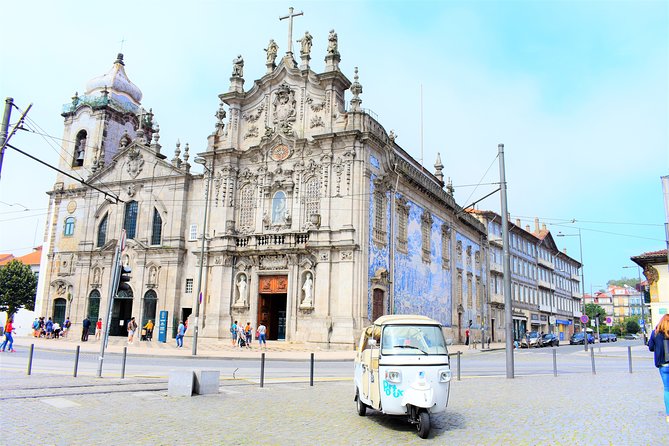
Porto’s religious architecture is one of its strongest draws, and this tour hits the main styles: rococo tilework, baroque interiors, and Gothic foundations with gilded later additions.
Fountain of the Lions: small stop, nice cross-country connection
Fonte dos Leões is a 19th-century fountain built by a French company and cast at Val d’Osne in France. It’s largely a copy of the fountain in Leicester’s Town Hall Square, which is the kind of fact that makes travel feel connected across Europe.
This is a free stop with quick viewing time, so it’s ideal as a reset between longer interiors.
Igreja do Carmo and Igreja dos Carmelitas: rococo facades and national monuments
Igreja do Carmo is considered one of Porto’s most remarkable rococo buildings, built in the second half of the 18th century. Its lateral façade was covered with tiles in 1912, with drawings designed by Silvestre Silvestri that reference the cult of Nossa Senhora.
Igreja dos Carmelitas is a 17th-century church with a classical façade dating from the 1850s, attributed to Nicolau Nasoni. Its interior features a Porto rococo-style altarpiece, and it’s also designated as a national monument. These stops are short, so focus on facades and key interior carvings if you get inside.
Igreja de São Francisco: why people call it the Church of Gold
This is one of Porto’s biggest religious stops. Construction began in the 14th century, and the interior is exuberant baroque with gilded carved wood work that earned it the nickname Church of Gold.
The highlight moments here are the Tree of Jesse and the catacombs. The church is a national monument and UNESCO-listed, so even a brief stop can give you enough context to see what makes it special—just remember admission isn’t included.
Bridges and the river: Serra do Pilar plus two different “wow” crossings
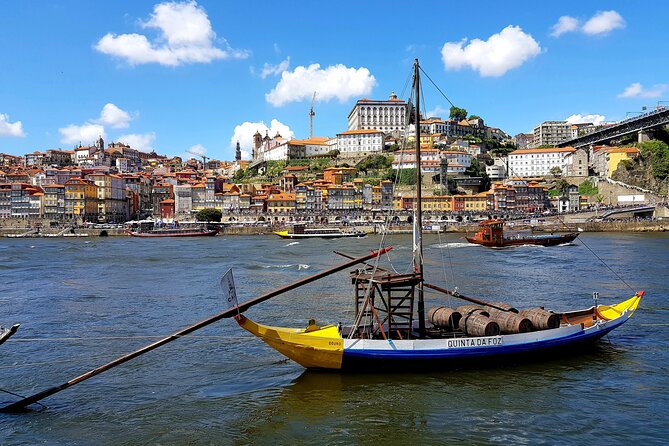
Porto’s bridges aren’t side quests. They’re part of the city’s identity, and the tour builds in views that help you connect the neighborhoods on both banks.
Dom Luís I Bridge: iron decks and the metro connection
You’ll also see the Dom Luís I Bridge, designed by Teófilo Seyrig, a disciple of Eiffel. It’s made of two overlapping iron decks and was inaugurated in 1886.
The upper deck is used by the Metro of Porto, connecting the Cathedral area to the Garden of Morro and the Avenida da República in Vila Nova de Gaia. Even if you don’t ride the metro, seeing that bridge deck in action helps you understand how Porto keeps moving without sacrificing its historic look.
Ribeira Square: old streets, wine-financed redesign, and a car-free reality
Ribeira Square is one of the oldest city squares, with roots cited as far back as 1389. It used to be a busy commercial center with stalls and fish-market activity, and it was remodeled in the 18th century with wine revenue financing parts of the plan.
There’s a practical wrinkle: this place is closed to vehicles. In other words, your tuk tuk won’t drive you into the heart of the square, so you’ll likely view it from outside and then do quick pedestrian moments.
Mosteiro da Serra do Pilar: UNESCO terrace views over Porto and Gaia
Serra do Pilar is where the tour turns into pure scenery. The monastery began in 1538 and took until around 1670 to complete, first for Augustinian Friars of Grijó.
Its church is circular with a dome and balcony, and the cloister has 36 Ionic columns—the only example in Portugal. The real payoff is the terrace: from there you can see the whole riverside area of Porto and Gaia, with clear sightlines toward the historic center, the Cathedral, and the D. Luís I bridge, plus Fontainhas and the São João bridge in the other direction. Admission for this stop is free, which makes it even easier to justify squeezing in your attention.
São João Bridge (2003): elegant Maillart-style engineering
To finish the bridge storyline, you’ll reach the São João Bridge, inaugurated in 2003. It replaced the upper deck lane of the D. Luís I Bridge for the metro line, and it’s a Maillart-type arch bridge with a 280-meter arch span that’s considered a world record.
This is another moment where the view and the engineering design feed each other. If you like photos, this is a strong angle for skyline shots without needing a big hike.
Market and square finale: Bolsa, Ferreira Borges, and Bolhão
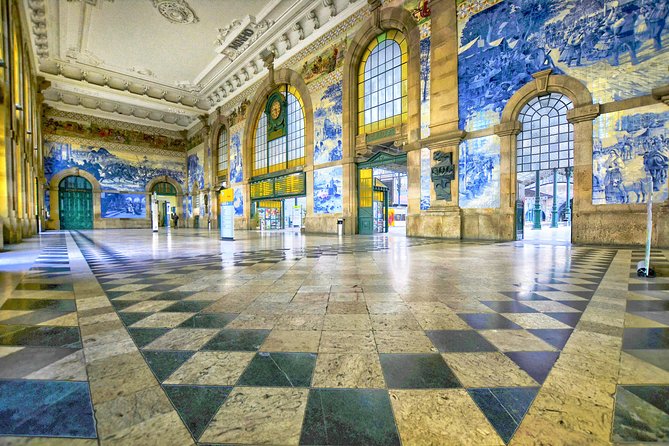
The tour also works in Porto’s commercial side, moving from historic trading spaces to market energy.
Palácio da Bolsa and Mercado Ferreira Borges: the Arabian Room area
The Stock Exchange Palace (Palácio da Bolsa) is a neoclassical landmark designed in 1842 and tied to the Commercial Association of Porto. Its major highlight is the Arabian Room, and it’s also part of the Urban Wine Route.
Market buildings nearby add texture. Mercado Ferreira Borges was built in 1885 with iron architecture, then renovated into an entertainment venue where Hard Club is located now. This segment works well for a quick “how Porto trades and gathers” understanding.
Bolhão Market: expect a closure unless plans change
Bolhão Market is Porto’s best-known market, with origins dating to 1850 and a neoclassical structure in two floors. It’s specialized in fresh products across fish, meat, produce, and flowers.
One heads-up: it’s listed as currently closed for refurbishment works. On a cruise day, that doesn’t ruin the area, but it does mean you should keep expectations realistic if you’re picturing an indoor browse.
Praca da Batalha and Teatro São João: where streets meet performance culture
Praca da Batalha is dominated by a monument to D. Pedro V and surrounded by major civic buildings including the São João National Theatre and Cine-Teatro Batalha.
You’ll also see the São João National Theatre building constructed in 1910 on the ruins of the Real Theatre (burned in 1908). It has early 20th-century design touches inspired by Luís XVI style, and it was designed by Marques da Silva with a focus on presenting theatre shows and making public access to specialist repertoire easier.
There’s also a chapel built at the start of the 18th century with Nossa Senhora das Almas inside. In 1929 the exterior tiles were covered with scenes from the life of St. Francis of Assisi and St. Catherine, and those tile panels were recovered in 1982.
Price and value: what $106.93 buys you in real terms
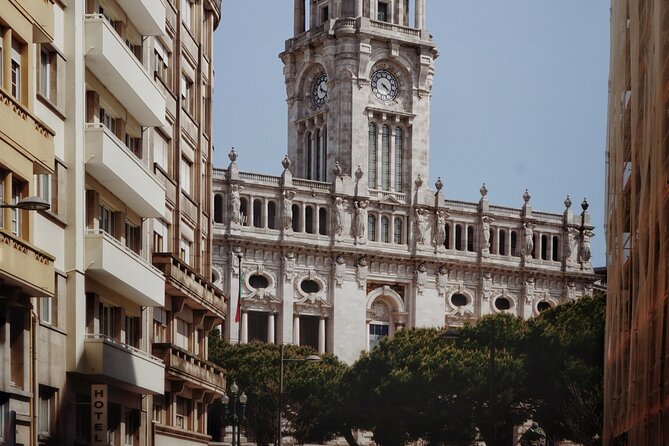
At about $106.93 per person for roughly 3 hours 30 minutes, you’re paying for three things that add real value in Porto.
First, you’re paying for private-time efficiency: a local guide plus a vehicle that can reach tight lanes and steep areas without turning your day into an endurance test. Second, you get the included port wine glass at a viewpoint, which turns a simple stop into a mini cultural moment. Third, you’re buying orientation—your tour route covers enough major anchors (tower, bookshop, golden church, river terraces, bridge views) that you can plan later days with more confidence.
What’s not included is also important: monument entrances are not part of the price. If your plan is to go inside several ticketed sites, budget extra time and money for those entries, especially Livraria Lello and Torre dos Clérigos.
Who should book this Porto tuk tuk tour (and who should skip)
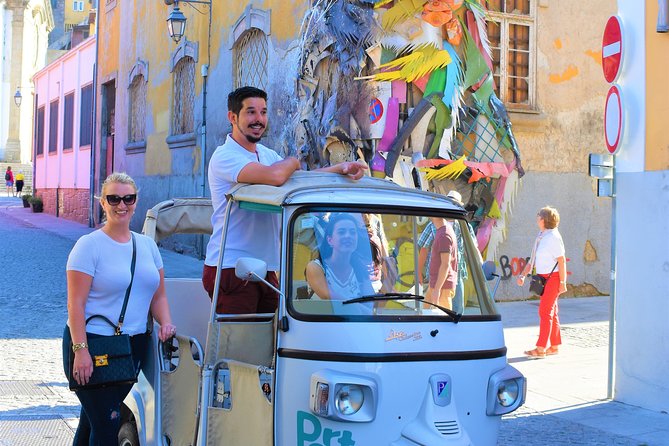
This tour is ideal if you want a fast, high-impact Porto introduction and you like seeing neighborhoods in motion. It’s a good match for couples and small groups who don’t want to carve out a full day for walking and who care about views and historical highlights.
I’d be cautious if you’re traveling with three people. The tuk tuk is small, and some seating setups may feel tight and uncomfortable for longer rides. Also, cobblestones can be bumpy, so if you have back issues or mobility limitations, check your comfort needs before committing.
Should you book it?
Yes—if you want a guided, private Porto orientation that uses the city’s terrain instead of fighting it. I’d book it especially if your cruise day is short and you still want the big-name sights like Torre dos Clérigos, Livraria Lello, Igreja de São Francisco, and the Serra do Pilar terrace.
Book with a smart plan: decide in advance which ticketed interiors matter most to you, and if you want to enter Livraria Lello, treat tickets as part of the sightseeing strategy. If you’re a small party and you’re comfortable on bumpy streets, this kind of tuk tuk loop is one of the best ways to get your bearings fast in Porto.
FAQ
How long is the private tuk tuk tour?
It runs about 3 hours 30 minutes (approximately).
What’s the price per person?
The price is $106.93 per person.
Is pickup included, and where does the guide meet you?
Pickup is offered from the main gate at Leixões Port, Matosinhos Port, and Doca Norte. The guide picks you up at the pier outdoor gate.
Is port wine included?
Yes. You get a glass of Port wine as part of the tour.
Are monument entrance fees included?
No. Monument entrances are not included.
Do I need tickets in advance for Livraria Lello?
If you want to go inside Livraria Lello, plan ahead. The visit can involve long lines, so skip-the-line tickets online are advised to avoid losing too much time.
Is this tour actually private?
Yes. It’s listed as a private tour/activity, with only your group participating. A minimum of 2 people is required per booking.
Is the tour suitable for kids?
Children must be accompanied by an adult.
What if weather is bad?
This experience requires good weather. If it’s canceled due to poor weather, you’ll be offered a different date or a full refund.
Can I cancel for a full refund?
Yes, you can cancel up to 24 hours in advance for a full refund.
Private Porto Tours to Compare
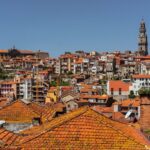


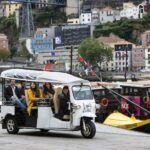
Tuk-Tuk Runs Through the Hills
More of Ribeira and the Old Town


Fresh in the Porto notebook
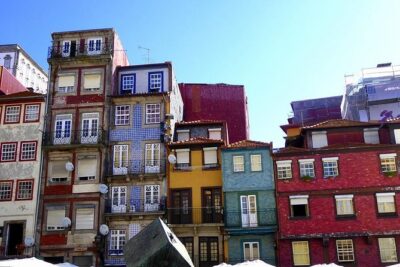
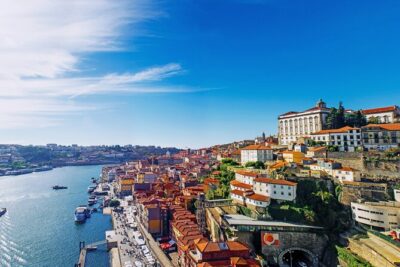

Ribeira & Old Town, compared.
 ★ 5.0The Unvanquished Tour in Porto City CenterFrom $326,497 reviews
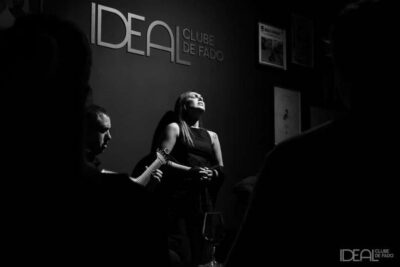 ★ 4.8The highest-rated traditional fado concert (downtown)From $241,557 reviews
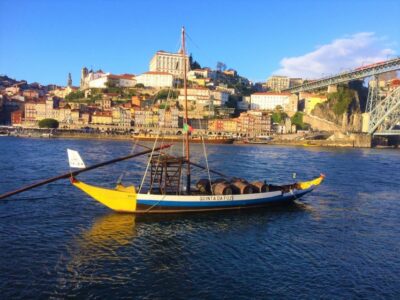 ★ 4.7Historic City Center Walking TourFrom $331,172 reviews
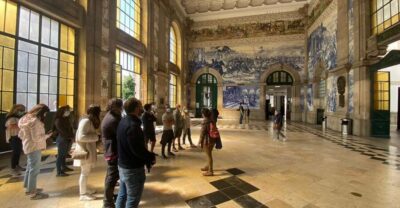 ★ 4.8Historical Center Walking TourFrom $41898 reviews
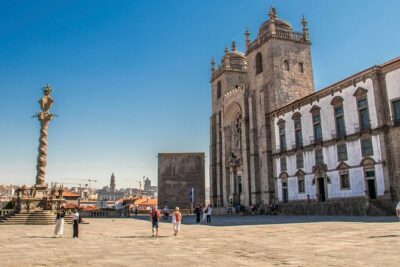 ★ 4.5Historic Porto by Private Electric Tuk Tuk to Top LandmarksFrom $42735 reviews
 ★ 4.9Tile Painting and Cocktails in Downtown PortoFrom $41484 reviews
 ★ 5.03-Hour Old Town & Riverside Bike Tour – Guided ExperienceFrom $47481 reviews
 ★ 5.0Pastel de Nata | Workshop from scratch | Porto’s city centerFrom $48449 reviews
Browse the lists this tour appears in