
Reviewed · DOURO VALLEY VINEYARD TOURS
Two Day Tour of the Douro Valley
Two days, two tastings, one quiet river cruise. This Douro Valley break strings together Pinhão’s Rabelo boat ride and a stay in Favaios, with guided stops that focus on wine and local food rather than a rushed checklist. I liked that it feels structured, with transport, tickets, and meals built in, so you can spend your energy on views and conversations.
I especially enjoy the Quinta de Avessada portion—Moscatel de Favaios production, a guided visit, and wine tastings that actually explain what you’re tasting. I also love the way the day-to-day pace lets you move from river to village to winery without constantly re-planning your own logistics.
One consideration: the tour’s success depends on you finding the right meeting contact on time at Porto São Bento, because a real pickup mix-up has happened to at least one booking. If you’re traveling solo or you don’t speak Portuguese, I recommend you treat the first minutes at the station as a critical step.
In This Review
- Key things to know before you go
- Two days from Porto: the real “shape” of this Douro Valley trip
- Porto São Bento and the meeting point that matters
- Pinhão: the quick village walk and your hour on the Douro
- The minivan ride up: getting to Favaios without the headache
- Favaios in real time: wine country village energy
- Quinta de Avessada: Moscatel de Favaios, the way it’s actually made
- Themed lunch and traditional food: where “value” shows up
- Transport and comfort: air-conditioned vehicle counts more than you’d think
- Price and value: what $241.97 is really paying for
- Logistics and solo-traveler safety: how to avoid the one thing that can derail you
- Who this Douro Valley weekend suits best
- Should you book this two-day Douro trip?
- FAQ
- FAQ
- What is the duration of the Dou Day Tour of the Douro Valley?
- How much does the tour cost per person?
- Where does the tour start and when?
- When does the tour end?
- How many people are in the group?
- What language is the tour offered in?
- What is included in the price?
- Can I get a full refund if I cancel?
Key things to know before you go
- Find the Douro Best contact at Porto São Bento so you don’t miss the transfer to Pinhão.
- Rabelo cruise on the Douro gives you an hour on calm water before the ride up toward the vineyards.
- Favaios is the main mood shift: a village setting and a boutique hotel welcome with a cocktail.
- Moscatel de Favaios at Quinta de Avessada ties the story to production methods, tastings, and the winery experience.
- Meals are the glue: lunch is themed with traditional dishes, plus breakfast and dinner are included.
- Small group (max 8) helps the guide keep the wine and food explanations moving at a human pace.
More vineyard days up the Douro, tasting by tasting
- From Porto: Douro Valley w/ Boat Tour, Wine Tasting & Lunch★ 4.7 · 19,061 reviews
- Complete Douro Valley Wine Tour with Lunch, Wine Tastings and River Cruise★ 5.0 · 12,920 reviews
- Porto: Douro Valley with Winery Lunch, Tastings & Cruise★ 4.7 · 7,002 reviews
- From Porto: 2 Wine Regions, Farm-to-Table Lunch & Boat★ 4.9 · 5,724 reviews
Two days from Porto: the real “shape” of this Douro Valley trip
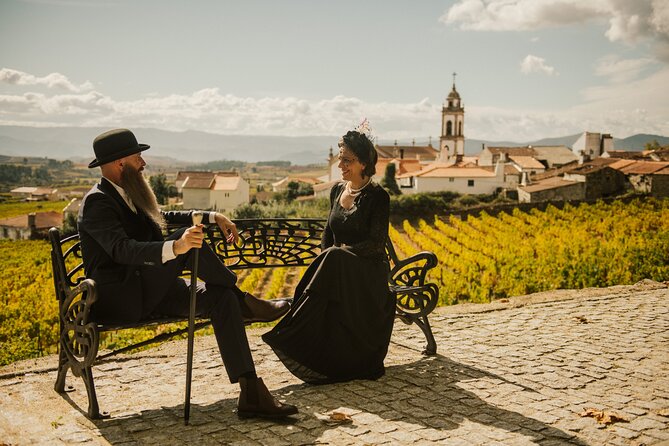
This is a short escape built around three anchors: a river cruise, a hillside village stay, and a winery day centered on Moscatel de Favaios. It’s not a stop-everywhere sightseeing marathon. Instead, you spend time in fewer places and get guided context for what you’re seeing.
The basic rhythm is: you start from Porto São Bento in the early afternoon, reach Pinhão, cruise for an hour, then ride up toward Favaios for the overnight portion. Day two is a guided visit at Quinta de Avessada, with tastings and a themed lunch, plus the package includes breakfast and dinner to round out the weekend.
The price can look like a splurge at first glance—$241.97 per person. But when you break it down, it includes transport by air-conditioned vehicle, guided visits, breakfast, a themed lunch, and dinner(s), plus the boat portion and winery tasting structure. For a two-day plan, you’re paying for convenience and interpretation, not just admission tickets.
Porto São Bento and the meeting point that matters
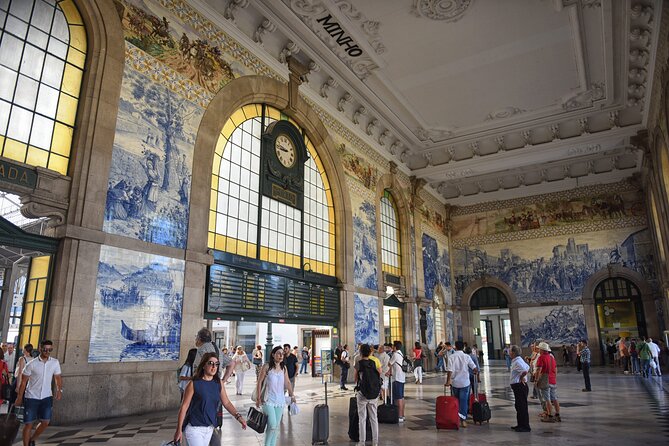
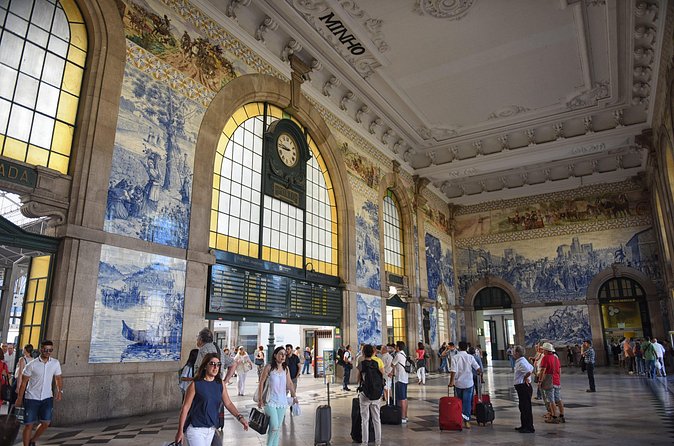
Your meeting point is Porto São Bento, at Praça de Almeida Garrett, 4000-069 Porto, Portugal, with a 1:00 pm start time. The tour ends back at the same meeting point, which is great if you hate late-night transit puzzle-solving.
Here’s the practical advice I’d give you: arrive early enough to orient yourself, then actively look for the tour contact. One participant’s experience showed how things can go wrong if the guide pickup list and the real-world location don’t line up. The safest approach is to get there early, confirm you’re in the right place, and stay calm but proactive.
A useful detail from real-world experience: the contact has been described as wearing a black Douro Best T-shirt. So even if you don’t see a sign with your exact tour name, scan for that marker and keep it simple.
If you speak little Portuguese, you’ll still be fine. The tour includes a guide in English, Spanish, French, and Portuguese, and the itinerary is designed to be guided all the way through. The main risk isn’t the language—it’s the first connection at the station.
Pinhão: the quick village walk and your hour on the Douro
After meeting, you start with a short walk through the village of Pinhão to the river bridge. The goal is to get you into the cruise position without wasting time. This part is compact, but it’s also the moment when the scenery starts to make the whole trip feel worth it.
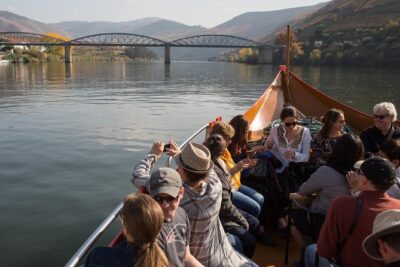
Then comes the Rabelo boat ride, described as one hour on calm waters of the River Douro. Rabelo boats are classic here for a reason. You don’t need to be a boating person to enjoy this segment. It’s a slower way to experience how the Douro Valley sits—terraces, river bends, and the sense that the vineyards aren’t just background. They’re part of the daily landscape.
Because you’re on a boat for a full hour, you can actually look around. You can also take photos without feeling like you’re racing a schedule. If you’re the kind of person who likes to understand a place rather than just tick it off, this is a good first anchor.
The minivan ride up: getting to Favaios without the headache
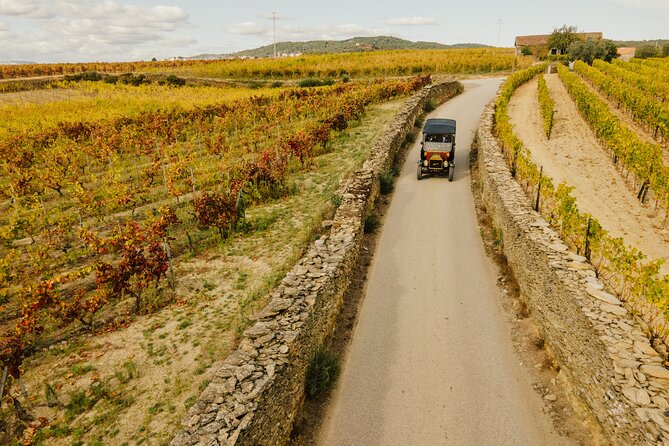
Once the cruise ends, you transfer by mini van for about 30 minutes to the highest point of the Douro Vinhateiro. That’s the jump from river-level views to hillside village life.
From there, you reach Favaios, described as the famous village of the region. This is where the trip changes tone. Instead of open river scenery, you shift into village streets, vineyard fields, and a hotel welcome designed to soften you into “slow travel mode.”
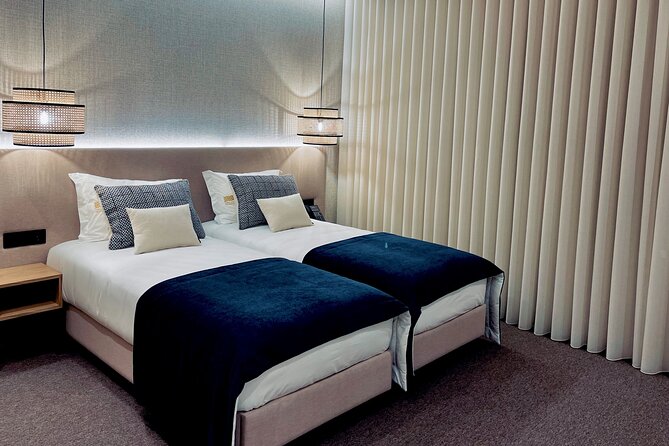
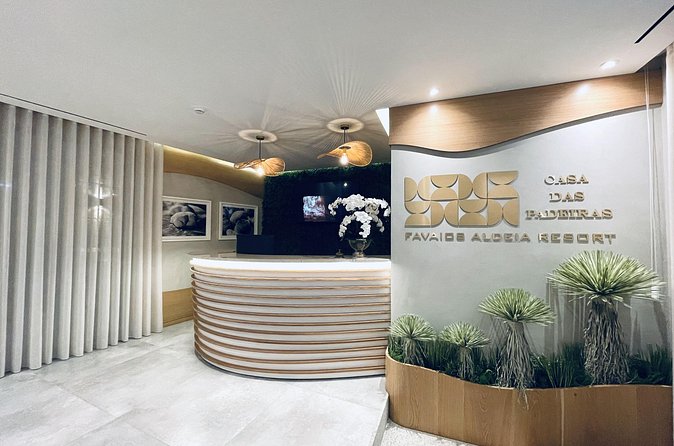
The tour includes a boutique hotel in Favaios with a welcome cocktail. That welcome detail matters more than you might think. After an afternoon train-station start and a boat ride, you want a moment that feels like an arrival, not a scramble to find dinner.
More Porto days out worth booking


Favaios in real time: wine country village energy
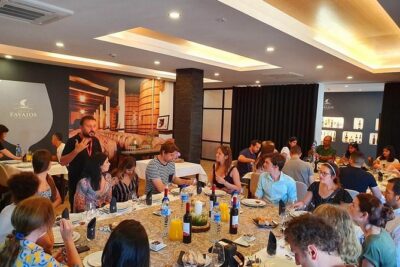
Favaios is the kind of place that makes wine feel personal. On day one, you settle into the hotel and get evening food as part of the package, with a chance for local stories. One highlight described with this segment was an evening dinner animated by Mr. George, who comes across as the type of guide who makes the room listen without turning it into a lecture.
You should expect the evening to feel more communal than formal. The package includes dinner, and the hotel setting makes it easier to meet your guide, ask questions, and get a little local context while you eat.
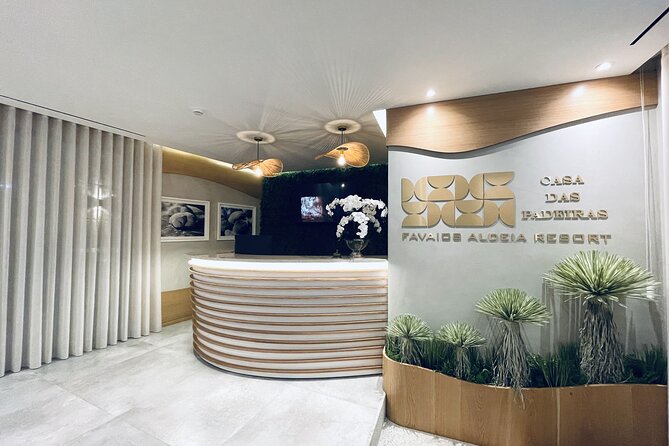
If you’re picturing a fancy resort vibe, you might be surprised by how grounded this feels. It’s not just a bed for the night. It’s part of the story, and you’ll likely feel it most when the next day’s wine explanation connects to the village setting.
Quinta de Avessada: Moscatel de Favaios, the way it’s actually made
Day two centers on Quinta de Avessada. This Quinta has more than 100 years of history, and it’s the place where the production of what’s now known as the national aperitif Moscatel de Favaios began.
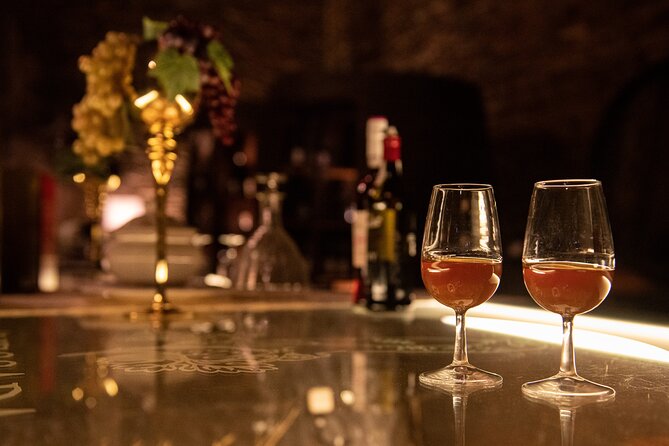
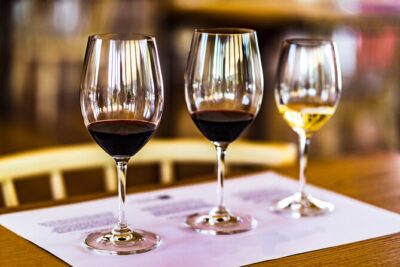
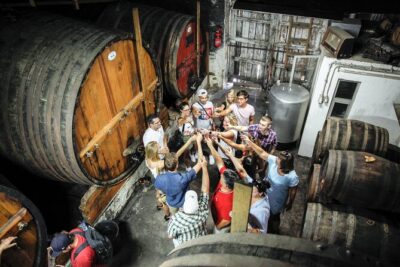
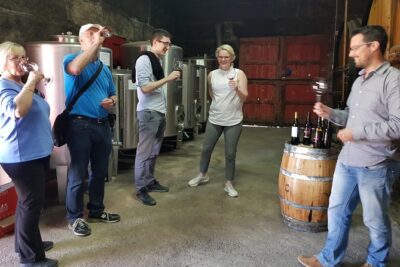
You start with a welcome aperitif in the gardens. That’s more than a drink stop. It frames the tasting experience in the setting where the story belongs. Then you get a guided visit to the centenary winery to learn ancestral methods of production of Porto wines and Moscateis, with commented proof of wines.
This is the part of the tour that wine lovers should pay attention to. The difference between tasting for fun and tasting with context is huge. You’re not just drinking; you’re learning how these styles connect to the place and tradition.
The tour’s structure also helps you avoid the common tasting-day problem: too much wine, no clarity. Here, the visit includes explanation and then proof via tastings. It keeps your brain engaged while your glass stays interesting.
Themed lunch and traditional food: where “value” shows up
Meals are included, and day two features a themed lunch with a wide variety of traditional dishes. The idea is that you learn customs, history, gastronomy, and wines—through the food, not just alongside the food.
What I like about themed meals in wine country is that they’re usually more specific than generic regional buffets. Even if you don’t catch every detail, you can feel the care in the menu when you’re eating in a setting connected to production and storytelling.
Also, because breakfast and dinner are included in the overall package, you aren’t making daily food decisions from scratch. That’s a real part of the value. The less mental load you carry, the more you enjoy the experience.
Transport and comfort: air-conditioned vehicle counts more than you’d think
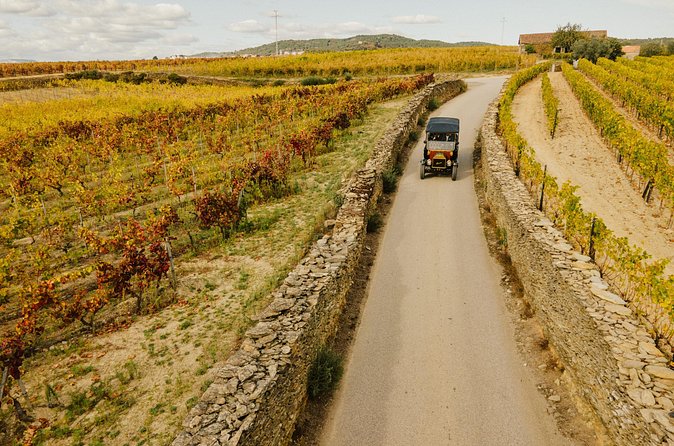
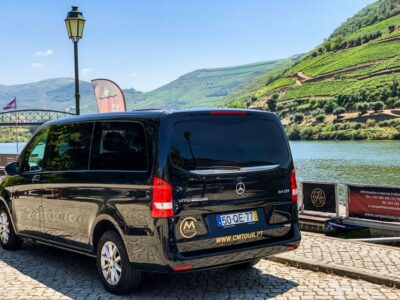
The tour includes an air-conditioned vehicle for transfers. In a region where you’re moving between river and hill towns, you’ll often face heat, sun, and winding roads. AC doesn’t sound romantic, but it keeps the day comfortable and it makes the long-ish transfer segments easier to handle.
The guide is also part of the value. The itinerary is built around guided visits and a guided experience at the winery. That means you’re not wandering a production site without explanation.
And with a max group size of 8 travelers, you tend to get a more personal experience than you do on large bus tours. It’s easier to ask questions and follow along.
Price and value: what $241.97 is really paying for
Let’s be practical: $241.97 per person is not “budget” money for a two-day package. But in exchange, you’re getting a bundle of things that would cost time and money if you tried to do them separately.
You’re paying for:
- a boat ride on the Douro (one hour Rabelo cruise)
- guided visits (including Quinta de Avessada)
- tastings and wine explanations tied to Moscatel de Favaios production
- at least one themed lunch plus breakfast and dinner included
- transportation between Porto, Pinhão, and Favaios (air-conditioned)
- a small-group experience with a multilingual guide
Where the value really shows is in the fact that you don’t have to stitch everything together yourself. You also get the interpretive layer—how to understand the wines and the local food—without hunting for separate guides or timing your own day around fixed opening hours.
If you’re the type who enjoys tasting, learning, and eating as a core part of travel, this price starts to make sense fast. If you just want scenery and photos with no interest in wine and food explanation, you might feel the cost more than the content.
Logistics and solo-traveler safety: how to avoid the one thing that can derail you
This tour is generally straightforward. Still, I want you to know the biggest “watch-out” is not the itinerary—it’s the first connection at Porto São Bento.
A reported issue involved a mismatch between the booking record and the guide pickup, which left someone at the train station because nobody recognized the tour payment. In a foreign country and traveling alone, that’s a stress you can prevent with smart steps.
My advice if you’re solo or you don’t speak Portuguese:
- Be early. Don’t arrive at 1:00 and assume everything is automatic.
- Look for the visible contact marker (the black Douro Best T-shirt has been noted).
- Use the tour’s confirmation details as your reference point.
- If anything feels off, contact the operator quickly rather than waiting until the transfer time passes.
This is one of those “small operational details” that can matter a lot. Handle it early, and the rest of the experience tends to flow.
Who this Douro Valley weekend suits best
This two-day plan is a strong fit for:
- Wine and food lovers who want explanations, not just tastings
- People who like small groups (max 8) and guided pacing
- Travelers who want to minimize planning—transport, tickets, and meals are bundled
- Anyone staying in Porto who doesn’t want to rent a car for a short wine-country escape
It’s also a good match if you enjoy mixing experiences: river cruise followed by a hillside village stay, then a winery day with Moscatel de Favaios focused storytelling.
If you’re the type who gets impatient in guided settings, you may want to think twice. This isn’t built for wandering on your own for long stretches.
Should you book this two-day Douro trip?
I’d book it if you want a guided, taste-and-eat weekend that connects the Douro river scenery to Moscatel de Favaios production and traditional dishes. The strongest parts here are the hour on the water, the Favaios overnight setting, and the Quinta de Avessada wine experience with tastings and explanation.
I’d hesitate if your biggest priority is flexible independent travel or if you’re uncomfortable with a schedule that depends on finding the right pickup contact at the start. If that’s you, you’ll need to be extra disciplined about meeting time and confirmation details.
If you do book, go in with the right mindset: treat the station meeting as step one, then let the weekend carry you. When it runs smoothly, it’s the kind of short trip that makes you feel like you understood the region, not just passed through it.
FAQ
FAQ
What is the duration of the Dou Day Tour of the Douro Valley?
It runs for about 2 days.
How much does the tour cost per person?
The price is $241.97 per person.
Where does the tour start and when?
It starts at Porto São Bento, at Praça de Almeida Garrett, 4000-069 Porto, Portugal, with a start time of 1:00 pm.
When does the tour end?
The tour ends back at the same meeting point.
How many people are in the group?
The maximum group size is 8 travelers.
What language is the tour offered in?
The tour is offered in English, and there is a guide available in English, Spanish, French, and Portuguese.
What is included in the price?
Lunch, dinner, breakfast, air-conditioned vehicle, hosting, and guided visits are included.
Can I get a full refund if I cancel?
Yes. You can cancel up to 24 hours in advance for a full refund.
More Tours in Porto


More Tour Reviews in Porto

The Douro Valley, More Ways to Taste It

Fresh in the Porto notebook

Douro Valley Vineyard Tours, compared.
 ★ 4.7From Porto: Douro Valley w/ Boat Tour, Wine Tasting & LunchFrom $8219,061 reviews
 ★ 5.0Complete Douro Valley Wine Tour with Lunch, Wine Tastings and River CruiseFrom $10112,920 reviews
 ★ 4.7Douro Valley with Winery Lunch, Tastings & CruiseFrom $997,002 reviews
 ★ 4.9From Porto: 2 Wine Regions, Farm-to-Table Lunch & BoatFrom $945,724 reviews
 ★ 5.0Douro Valley: Historical Sites, Wine Experience, Lunch & CruiseFrom $1075,133 reviews
 ★ 5.0Authentic Small Group Douro Wine Tour with Lunch & River CruiseFrom $1334,775 reviews
 ★ 5.0Douro Valley Small-Group Tour with Wine Tasting, Lunch and BoatFrom $1693,642 reviews
 ★ 5.0Douro Valley Tour: 2 Vineyard Visits, River Cruise, Winery LunchFrom $1013,542 reviews
Browse the lists this tour appears in