
Reviewed · PRIVATE PORTO TOURS
Private Tour Santiago de Compostela & Viana do Castelo from Porto
Santiago de Compostela feels like a movie scene. This private day trip pulls you from Porto to the cathedral at noon for pilgrim mass and the famous Botafumeiro, then continues on to Viana do Castelo’s viewpoints, museum, and church highlights. I like the way the itinerary is built around major moments (not just driving time) and I especially like having a private guide to shape what you focus on. One watch-out: lunch isn’t included, so you’ll want a plan before you start the long day.
If you want a fast checklist of sights, this may feel long. The schedule expects you to stay engaged for a 9–10 hour day, and the mass + guided walk + Viana do Castelo stops add up quickly. Still, for most people, that’s the point: you get the big emotional center of Santiago, then you add a distinctly Portuguese coastal town with its own identity and scenery.
In This Review
- Key things to know before you go
- The pitch: a private Porto-to-Spain day that doesn’t feel like a bus tour
- Start time and drive reality: what 9–10 hours feels like
- Santiago de Compostela Cathedral at noon: mass, the high altar, and the Botafumeiro
- Walking the Casco Histórico: Gothic details and cobbled streets with a real guide
- Viana do Castelo’s big stories: shipmaking, gold work, squares, and cathedral stops
- Santa Luzia hill and sanctuary: the viewpoint moment you’ll remember
- Museu do Traje: traditional dress as living history
- Optional Valença: a small-town swap when time allows
- Coffee, water, and the lunch question: how to eat well on a no-lunch tour
- Price and value: $456.60 per group up to 4
- Guide quality and pacing: the hidden make-or-break
- Who this tour is for (and who should pass)
- Should you book this Private Tour Santiago de Compostela & Viana do Castelo from Porto?
- FAQ
- How long is the private tour from Porto to Santiago de Compostela and Viana do Castelo?
- What time does the tour start and how do pickups work?
- Is this tour private, and how many people can be in the group?
- What language is the tour offered in?
- Are tickets included for the main stops?
- Is lunch included?
- Where do you go in Santiago de Compostela?
- Is there an option to switch part of the itinerary to Valença?
Key things to know before you go
- Noon pilgrim mass in Santiago de Compostela (daily at the high altar) for a real sense of place
- Botafumeiro timing and spectacle, including how it works and what to look for
- Casco Histórico guided walk through Gothic-style details and cobbled lanes
- Viana do Castelo highlights by Santa Luzia (sanctuary, hill views, cathedral, square)
- Museu do Traje stop focused on traditional dress and local cultural memory
- Optional switch to Valença if there’s time after the core stops
Rather go at your own pace? More private guides
- Discover Porto’s Highlights on a 2-Hour Private Electric Tuk Tuk★ 4.5 · 1,860 reviews
- Porto PRIVATE TOUR With Locals: Highlights & Hidden Gems★ 5.0 · 984 reviews
- Porto: Private Tour of the Historic City in a Ford T Car★ 4.8 · 932 reviews
- Porto: Private tour in the Douro (1 to 4 people) on a boat just for you★ 5.0 · 744 reviews
The pitch: a private Porto-to-Spain day that doesn’t feel like a bus tour
This is a full-day private outing that connects two places people often visit separately. You start in Porto with pickup at your accommodation, then you head out for the pilgrimage center of Santiago de Compostela in Spain, and you end the day with stops around Viana do Castelo back in Portugal. It’s booked for small groups (up to 4), so you’re not stuck with a rigid pace or lost in a crowd.
The big value here is that the route is structured around specific moments: the cathedral mass, the Botafumeiro ritual, and guided time in Santiago’s historic quarter. Then, rather than just swapping scenery for scenery’s sake, Viana do Castelo is handled with several stops that tell connected stories—shipbuilding-era prosperity, gold work traditions, and the Santa Luzia hill experience.
Start time and drive reality: what 9–10 hours feels like
You’re looking at roughly 9 to 10 hours total. The day begins at 8:00 am, and you’ll meet your driver/guide around that time at your hotel or accommodation (you share the name and place ahead of time). This matters because you’ll feel the day in your legs—walking in Santiago’s old lanes plus the outdoor viewpoint time in Viana.
For many people, early pickup is the trade for doing two destinations in one go. If you hate mornings or you’re traveling with someone who needs frequent breaks, consider whether you might shorten the day with a different plan—or bring a “snack and water” mindset since lunch is not part of the package.
Santiago de Compostela Cathedral at noon: mass, the high altar, and the Botafumeiro
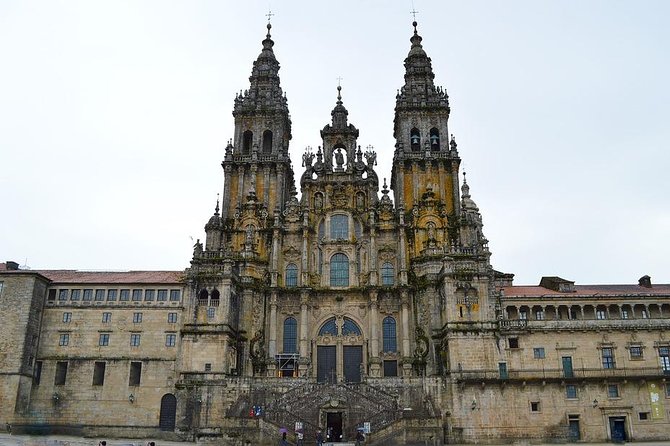
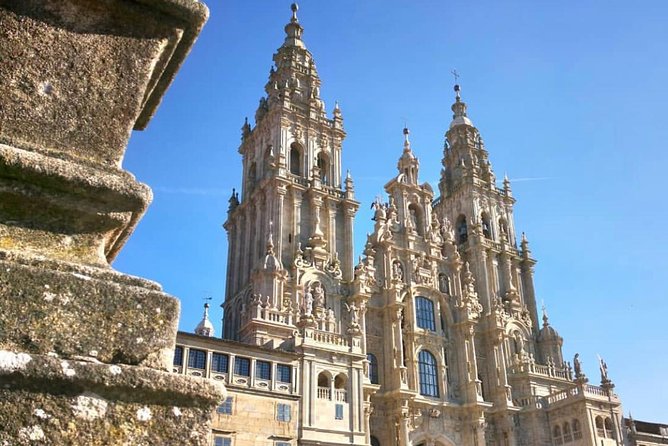
The centerpiece is Cathedral de Santiago de Compostela. The itinerary is built around the pilgrim mass held daily at 12:00 at the high altar. Even if you don’t follow the religious aspect, attending at the cathedral is one of those experiences that helps you understand why this city matters to millions of pilgrims.
After the mass, you focus on the Botafumeiro. This isn’t a generic “look at the church” stop—you get a clear explanation of what you’re seeing. The Botafumeiro is described as a large censer (smoking thurible) suspended from the cathedral’s central cupola. It weighs about 53 kilograms and is roughly 1.5 meters long. A pulley system swings it toward the side aisles, which is exactly the sort of detail that helps you watch with attention instead of confusion.
Practical tip: wear layers. Cathedral temperatures can swing, and you’ll likely stand or sit for parts of the service. Also, be ready for a line-like flow inside a working cathedral—just accept that it’s an active place, not a museum set.
Walking the Casco Histórico: Gothic details and cobbled streets with a real guide
Once you’re through the cathedral area, you shift to Santiago de Compostela’s Casco Histórico. This part is not just wandering. You get guided time through the historic quarter, focused on the elegant feel of the neighborhood—monasteries, churches, and historic palaces—and guided conversation around Gothic architecture and the cobbled streets.
This is where a private guide pays off. A good guide can point out what you’d otherwise miss: the shape language of Gothic forms, where street patterns echo older city logic, and what’s worth lingering on when time is tight. One review noted a guide who provided strong recommendations for a tapas restaurant afterward, which is the kind of practical help that makes the walk more useful than just pretty photos.
If your guide is driving between stops and you tend to get motion-sensitive, it’s worth asking for a slightly calmer pace at transition points. That kind of small request can make the day feel smoother without changing the itinerary.
Cross into Galicia for the great cathedral


Viana do Castelo’s big stories: shipmaking, gold work, squares, and cathedral stops
After Santiago, you head to the Portugal side with a cluster of stops tied to Viana do Castelo. The tour description ties the town’s identity to its involvement in ship manufacturing during the Portuguese sea discoveries era, plus its filigree gold work tradition. This is an important theme because Viana isn’t only “a viewpoint town.” It’s a place where wealth and craft history shaped the town you see today.
Your guided time includes stops connected to:
- República Square
- The Cathedral of Viana do Castelo
- The broader old-town experience around these landmarks
You also get structured time for the next phase: Santa Luzia hill and the sanctuary area. Treat this as the visual payoff for the story. When you climb, you start understanding why towns like this developed where they did—coastal access, lines of sight, and how people historically moved and traded.
Santa Luzia hill and sanctuary: the viewpoint moment you’ll remember
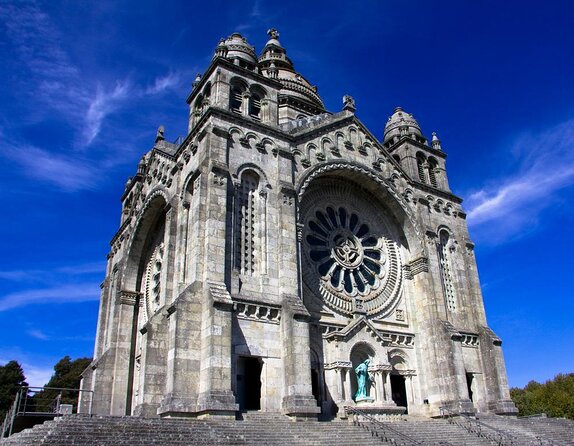
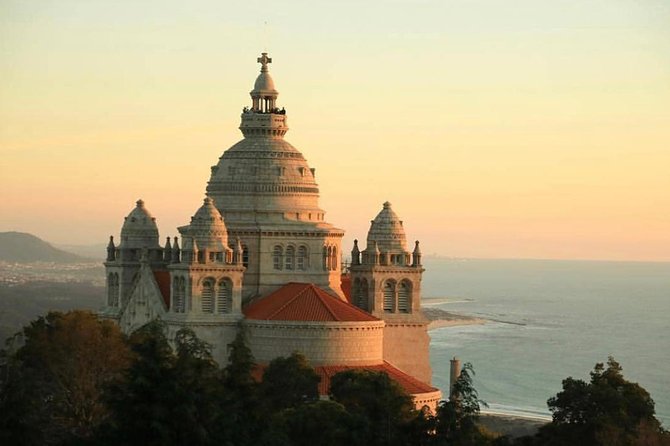
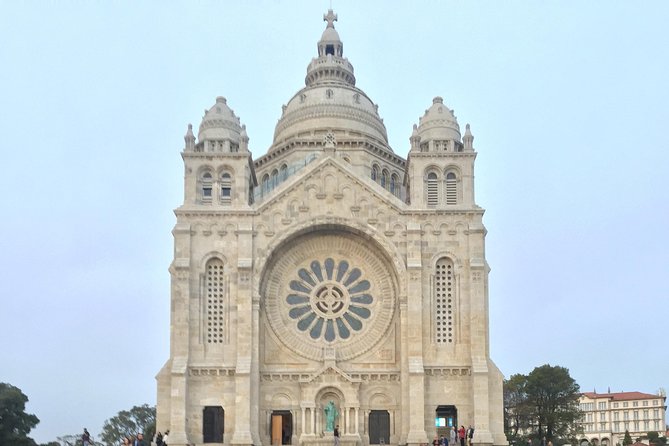
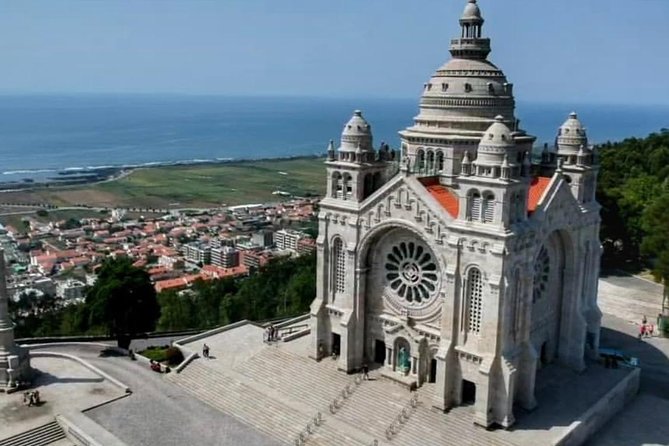
A dedicated stop is the Santuario de Santa Luzia (with time tied to the hill). This is one of the most “place-based” parts of the day. Even if you’re not a church person, the hill + sanctuary combination tends to create a moment where the views help everything click—what the town looks like, how it sits against the coastline, and why this area became a focal point for worship and gathering.
Since the tour is paced to fit many stops, don’t expect a long, slow linger. Instead, use the time purposefully: take in the panorama, take a few photos, and then go back to the guide for context. With the shipmaking and gold-work story in mind, you’ll likely notice details you wouldn’t otherwise, like how buildings relate to street routes and sightlines.
Museu do Traje: traditional dress as living history
Next up is Museu do Traje (traditional dress museum). The key point for you: this isn’t just a random indoor stop to stretch the schedule. The tour frames it alongside the local identity themes—ship discoveries-era connections and gold work—so the museum becomes a way to understand how culture was carried in everyday life, not only in big historic events.
Plan to spend at least the full time offered so the museum doesn’t become a rushed glance. If you enjoy crafts, textiles, or clothing traditions, this can be one of the most satisfying stops because it’s tangible. You see how people visually expressed community identity across generations.
Optional Valença: a small-town swap when time allows
There’s an option to adjust toward Valença if you prefer a smaller village, assuming remaining time allows it. This is a nice flexibility lever. Valença can be a calmer contrast to the grand scale of Santiago’s cathedral and the packed feeling of historic city centers.
The practical takeaway: if you like charming streets and a slower rhythm, choose the village swap. If you prefer to see every planned stop, keep the focus on the core Viana sites tied to Santa Luzia and the museum.
Coffee, water, and the lunch question: how to eat well on a no-lunch tour
The tour includes bottled water, coffee and/or tea, and it covers fuel and tolls plus a local guide. But lunch isn’t included, so you’ll want to think ahead.
A simple strategy:
- Bring a small snack for late-morning gaps (especially if you’re at the cathedral around noon)
- Use the included coffee/tea time as your pause, not your meal
- Plan where you’ll eat after the scheduled guided sections finish
One helpful detail from the experience notes is that your guide may recommend a tapas place in Santiago. Use that. A guide’s restaurant tip can save you time when you’re tired and hungry, and it often steers you toward a better fit for what you’re looking for—seafood, local dishes, or something easy after a long day.
Price and value: $456.60 per group up to 4
At $456.60 per group (up to 4), you’re paying for a private, long-distance day trip: Porto to Spain and back, with a local guide and multiple structured stops. This price can look steep if you only measure it per person, but value shifts when you split it among four.
Why it can be worth it:
- Private transport and pickup at your accommodation
- A guide-led cathedral and historic walk structure (not just drop-off time)
- Multiple stops that connect themes, not disconnected checkpoints
When it might feel less worth it:
- If you’re traveling solo, you’ll pay the full group rate (because up to 4 is how it’s priced)
- If you don’t plan to attend the mass or don’t care about the Botafumeiro, you might prefer a simpler route
My rule of thumb: this is most cost-effective when you’re a small group of two to four who want the day organized and guided.
Guide quality and pacing: the hidden make-or-break
The tour includes a local guide, and the experience notes give a strong signal that guide expertise matters. One named guide—Tiego—is described as knowledgeable and able to answer questions, with good recommendations after the walk. That’s the right vibe for this kind of day trip: you want someone who can explain what you’re seeing and help you use your limited hours well.
At the same time, one experience notes that a guide left the group on their own more than expected and also drove quickly until the group requested a slower pace. So here’s what you should do: communicate your preference early. Ask for a calm pace on transitions, and if you want more interaction during walks, say so at the start. With a private setup, those small adjustments are usually possible.
Who this tour is for (and who should pass)
You’ll likely love this if you:
- Want a structured day with real guiding, not just transport
- Care about attending pilgrim mass and understanding the Botafumeiro spectacle
- Like mixing Spain’s cathedral-centered atmosphere with Portugal’s coastal-town identity
- Travel as a pair or small group and can split the group price
You might skip it if you:
- Want a relaxed day with lots of free wandering and no schedule pressure
- Hate long days (9–10 hours) or walking on cobbles
- Would rather add time to one place instead of doing two destinations
Should you book this Private Tour Santiago de Compostela & Viana do Castelo from Porto?
Book it if your dream day includes Santiago’s cathedral moment at noon plus a guided historic walk, and you want Viana do Castelo’s Santa Luzia viewpoint and cultural stops to complete the day. The strongest reason to choose it is the way it organizes time around meaningful experiences, not random stops.
If lunch timing is your concern, plan around it before departure. And if your group is picky about pacing or interaction level, set expectations with your guide early—especially on the drive transitions. With those two points handled, this private day trip is a good-value way to see two places that feel different, yet fit together nicely in one long day.
FAQ
How long is the private tour from Porto to Santiago de Compostela and Viana do Castelo?
It runs about 9 to 10 hours.
What time does the tour start and how do pickups work?
The start time is 8:00 am. You share your accommodation name and place, and the guide meets you there around 08:00 AM.
Is this tour private, and how many people can be in the group?
It is a private tour, and the price is listed per group for up to 4 people.
What language is the tour offered in?
It’s offered in English.
Are tickets included for the main stops?
Admission ticket details are listed as free for the cathedral and the stops described (Santiago cathedral, historic quarter, Viana do Castelo stops). You should still be aware that the tour notes list admission as free for these stops.
Is lunch included?
No. Lunch is not included.
Where do you go in Santiago de Compostela?
You visit the Cathedral de Santiago de Compostela (including time around the noon pilgrim mass) and you also get guided time in the Casco Histórico.
Is there an option to switch part of the itinerary to Valença?
Yes, if there is remaining time, the tour can be adjusted to include Valença instead of one of the planned elements.
More Tour Reviews in Porto



Over the Border to Santiago
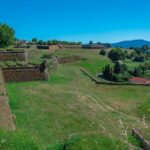
Private Porto Tours to Compare

Fresh in the Porto notebook

Private Porto Tours, compared.
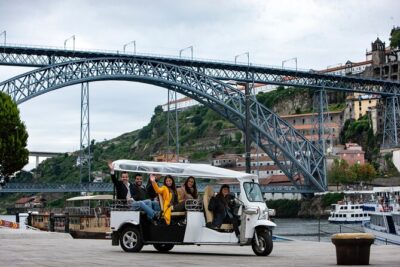 ★ 4.5Discover Porto’s Highlights on a 2-Hour Private Electric Tuk TukFrom $481,860 reviews
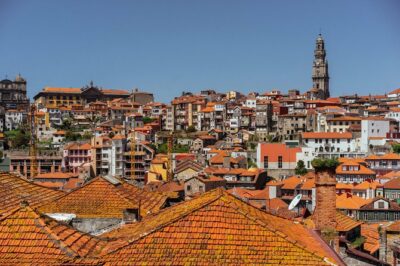 ★ 5.0Porto PRIVATE TOUR With Locals: Highlights & Hidden GemsFrom $96984 reviews
 ★ 4.8Private Tour of the Historic City in a Ford T CarFrom $32932 reviews
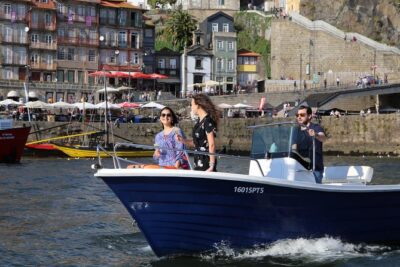 ★ 5.0Private tour in the Douro (1 to 4 people) on a boat just for youFrom $168744 reviews
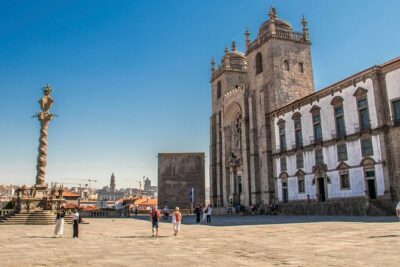 ★ 4.5Historic Porto by Private Electric Tuk Tuk to Top LandmarksFrom $42735 reviews
 ★ 5.0Porto Private Food and Drink Tasting Tour with LocalFrom $139652 reviews
 ★ 5.0Private Taxi Transfer to/From Porto AirportFrom $24649 reviews
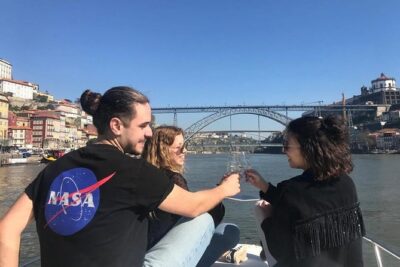 ★ 5.0Private tasting in the Douro (1 to 7 people) on a yacht for yourselfFrom $313559 reviews
Browse the lists this tour appears in