
Reviewed · PORTO BIKE & E-BIKE TOURS
7-Day The Way of St James Bike Tour- The Coast Path – Camino to Santiago
Coastal cycling toward Santiago is oddly addictive. I love how this Porto to Santiago route keeps you close to the sea and seafood towns, and I also like the no-stress planning with Trek mountain bikes plus GPS navigation. One heads-up: it’s easy to moderate, but you will still meet some hills, and summer heat can bite in July through September.
You start with a real briefing in Porto (8:00 am at Rua João das Regras nº 62), then ride day after day with luggage transfer handling the heavy thinking. The trip is set up for a small group, with a maximum of 2 travelers, and that matters because you get a calmer pace and faster help when something goes wrong with your bike.
By the end, you roll into Santiago de Compostela for the big payoff: the Square of Obradoiro and the majestic Baroque cathedral. It feels like the spiritual part of the Camino without requiring the hardest long-distance slog. Now, let’s break down what the ride is like, where the standouts are, and how to judge if this is the right value for you.
In This Review
- Key Things You’ll Really Care About
- Porto Start: Briefing at Rua João das Regras and a Smooth First Morning
- Day 2 Along the Portuguese Coast: Esposende, Fishing Traditions, and Vila do Conde
- Day 3 to Caminha: Viana do Castelo’s Seafaring Past and the Minho River Finish
- Day 4 into Spain: Bayona, Old Streets, and a Drake Twist
- Day 5 Coast Path Highlight: Arcade Oysters, Church of Santiago, and San Simon’s Bay
- Day 6 Inland Break with a Purpose: Caldas de Reis Hot Springs and Lamprey Empanadas
- Day 7 Santiago de Compostela Arrival: Square of Obradoiro and the Baroque Cathedral
- Price and Value: What You’re Paying For and What You’re Not
- Who This Tour Suits Best (and Who Might Want Another Option)
- Should You Book This Porto to Santiago Coast Path Ride?
- FAQ
- Where does the tour start, and when does it begin?
- Is this a guided tour or self-guided?
- What bike do you provide?
- How difficult is the cycling?
- Are meals like lunch and dinner included?
- Can I cancel and get a refund?
Key Things You’ll Really Care About
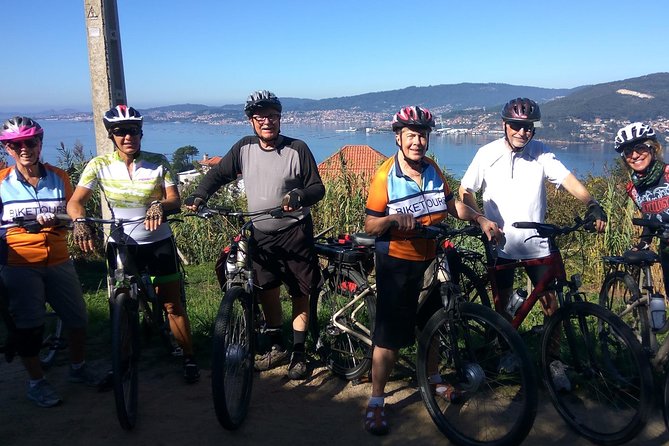
- GPS route for self guided riding means you can follow the coast without needing to decode maps all day
- Luggage transfer keeps your body focused on pedaling, not hauling bags
- Seafood-focused days like oysters around Arcade are a legit reason to pick this Coast Path version
- Crossing into Spain by bike gives you a clear sense of place change, not just a random border line
- Santiago arrival at Obradoiro lands you at the cathedral everyone pictures, on your own timeline
Roll the riverfront on two wheels
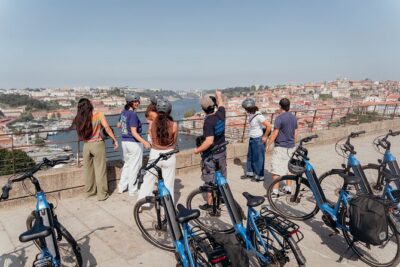
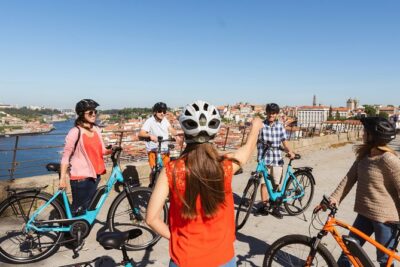
- 3-Hour Porto Highlights on a Electric Bike Guided Tour★ 5.0 · 4,392 reviews
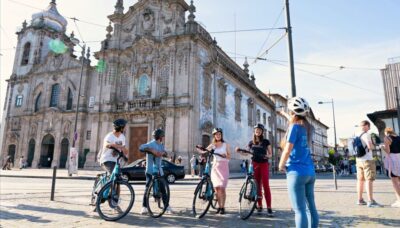
- Porto: City Highlights 3-Hour Guided Electric Bike Tour★ 4.8 · 3,092 reviews
- Porto: City Highlights Guided Segway Tour★ 4.9 · 515 reviews
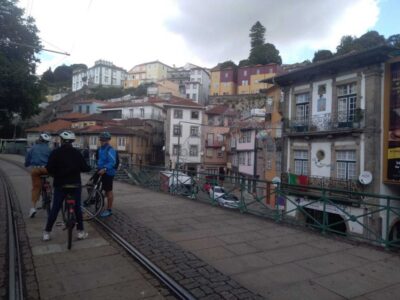
- Porto: 3-Hour Old Town & Riverside Bike Tour – Guided Experience★ 5.0 · 481 reviews
Porto Start: Briefing at Rua João das Regras and a Smooth First Morning
Your trip begins in Porto, with a briefing at Rua João das Regras nº 62 (start time 8:00 am). This meeting point is in the city, which is practical if you want to grab coffee or handle any last-minute needs before the ride.
What I like about this start is how it sets expectations early. You’re given a road book and have GPS routing for the self-guided format, so you should feel oriented before you ever roll out. Bikes are Trek mountain bicycles, and helmets are included too. That combination matters because the route uses bike paths when available, but also includes tarmac and rural streets, so having a capable bike and head protection is not optional.
If you’re the type who hates guessing or backtracking, you’ll appreciate that the navigation isn’t left to luck. And because the group size is capped at 2 travelers, you’re less likely to feel rushed or lost in a crowd.
Day 2 Along the Portuguese Coast: Esposende, Fishing Traditions, and Vila do Conde
On your second day, you head north from Porto toward Esposende, a seaside town. This stretch is all about Portuguese coastal rhythm: seaside views, small riviera-style towns, and the kind of walking energy you often miss when you drive past.
You’ll pass through areas known for fishing village culture, including Póvoa de Varzim. The point here isn’t just scenery. It’s the sense that this coast has lived from the sea for generations, from traditions to food. The ride also brings you toward Vila do Conde, which helps explain why these towns mattered during the Portuguese Discoveries era.
A practical note: early in the trip, your legs are usually still finding their routine. This is a good day to settle into steady pedaling, keep water handy, and avoid going too hard at the first views. You’ll have plenty of chances for coastal drama later.
Day 3 to Caminha: Viana do Castelo’s Seafaring Past and the Minho River Finish
Day 3 builds another layer of meaning into the coast. You reach Viana do Castelo, another docking city tied to the Discoveries period, with ships developed there for routes to Brazil, India, Africa, and more.
Then you end in Caminha, where the Minho River meets the coast. This is one of those finishes that feels like a natural stopping point. You get a mix of coastal and river setting, plus a green, outdoorsy vibe with waterfalls, beaches, and a camping park nearby.
If you’re thinking, Is this still the Camino, just by bike? Yes. It’s not the exact inland pilgrimage vibe people picture, but it still gives you that feeling of moving from place to place with purpose. Caminha is a strong “you made it here” moment.
Day 4 into Spain: Bayona, Old Streets, and a Drake Twist
Day 4 is where you cross into Spanish territory and roll into Bayona. Bayona is politically linked to Pontevedra, and you feel the change through the mix of sea breeze plus an old city center you can get pleasantly lost in.
This town has Roman roots and grew toward the coast through the Middle Ages, with influence from the Catholic Church. The standout detail here is the story thread involving Francis Drake. In the 16th century, Bayona was raided by British ships led by the explorer and corsair, who saw commercial opportunity in this territory. It’s not just trivia. It gives the town texture beyond being a stop on a route.
Expect your bike day to alternate between coastal focus and inland-feeling streets as you make your way in. Also remember: the tour uses bike paths when possible, but you should still be ready for tarmac and rural stretches. If you’re prone to overthinking roads, treat this day like a steady rhythm day, not a thrill day.
Cross into Galicia for the great cathedral

Day 5 Coast Path Highlight: Arcade Oysters, Church of Santiago, and San Simon’s Bay
Day 5 is one of the biggest draws on the whole route. You follow the coastline and end your day in the San Simon’s bay area, with watery scenery you can really enjoy from the bike.
You also ride through the stream of Vigo before reaching Arcade, a town strongly tied to oysters. Arcade’s oysters aren’t just a meal suggestion. They’re basically part of the identity of this stretch of coastline, produced and harvested right in the region’s waters.
Two details help you understand why this day works:
- You’ll see Santiago-related culture, including the church of Santiago in Arcade from the 12th and 13th centuries.
- You’ll ride paths and roads that point you toward the pilgrimage destination, so it connects food, faith, and movement in one go.
Bonus for timing: during the first week of April there’s a festival dedicated to this oyster tradition, called Fiesta de la Ostra. That likely means bigger crowds, more energy, and more people mixing with pilgrims. If you’re traveling outside April, you can still plan your own oyster stop, but you’ll miss the festival atmosphere.
If you want to make this day even better, don’t treat lunch like a checkbox. Build a little extra time to eat slowly. This route is at its best when you honor local rhythm, not just ride through it.
Day 6 Inland Break with a Purpose: Caldas de Reis Hot Springs and Lamprey Empanadas
Day 6 heads to Caldas de Reis in the Pontevedra province. This is a different kind of “Coast Path” day because it centers on hot springs and a pilgrimage tradition linked to Santiago routes.
The historical hook here is pre-Roman settlement that lived from the hot springs. Then you get the Middle Ages context: the name Caldas de Reis is connected to the birthplace of Afonso VII, and it also served as a pilgrimage path to Santiago de Compostela.
I like that the food and the bathing theme match the setting. You’ll find local specialties like empanadas of lamprey and traditional Spanish bread. And because hot springs are part of the story, Caldas de Reis is a place you can actually reset yourself.
Practical tip: bring water and take breaks like you mean it. On a cycling trip, recovery isn’t passive. It’s deciding you’ll refill, cool down, and not rush the day’s end. This is the day that can make tomorrow’s Santiago arrival feel easier.
Day 7 Santiago de Compostela Arrival: Square of Obradoiro and the Baroque Cathedral
Your last riding day ends in Santiago de Compostela, one of Western Europe’s top pilgrimage cores. This is the destination everyone recognizes, and it lands with full emotional weight even if you’re cycling instead of walking.
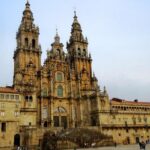
You’ll reach the Square of Obradoiro and see the Baroque cathedral where the remains of the apostle are located. The important detail for your trip planning is this: the cathedral experience is not a distant photo moment. It’s the final marker of your ride, right where pilgrimages converge.
Arriving by bike changes how you experience the place. You’ve earned it with effort you can feel in your legs. And because the trip is easy to moderate overall (still with some hills), you should arrive without feeling totally demolished.
Take time around Obradoiro. You don’t need a strict schedule to enjoy it. Just let the day slow down so the moment lands.
Price and Value: What You’re Paying For and What You’re Not
At $2,990.44 per person, this isn’t a budget gamble. So you want to look at value in practical terms.
Here’s what you do get:
- 7 nights accommodation
- Bike rental and helmet, with Trek mountain bikes
- GPS with route for self guided riding plus a road book
- Luggage transfer
- Airport transfers for Porto arrival and departure
- Van transfer back to Porto city from Santiago
- Breakfast each morning (breakfast is listed 8 times)
- A maximum group size of 2 travelers
What you don’t get:
- Lunches and dinners
- Alcoholic beverages
- Insurance (you’ll need to arrange your own travel insurance)
For me, the price makes sense if you value time and stress reduction. Luggage transfer and airport/return transfers remove the most annoying parts of a long-distance cycling trip. GPS plus a road book reduces navigation mistakes, which can otherwise cost you hours. And breakfast included helps keep daily logistics simple.
The main “value risk” is your own food style. If you want every meal covered or you plan to drink at night, the un-included lunches/dinners and alcohol can push your total higher.
Who This Tour Suits Best (and Who Might Want Another Option)
This Coast Path bike version of the Way of St James fits best if you:
- Have moderate fitness and can handle some hills
- Prefer a self-guided route that still feels supported
- Want seaside towns and seafood culture rather than a strictly inland pilgrimage experience
- Like the idea of ending in Santiago without the hardest long-haul version of the Camino
It’s less ideal if you:
- Want every meal included
- Need a fully flat ride (because hills exist)
- Travel in peak hot months without planning for early cycling
A small-group cap of 2 travelers also appeals if you dislike big group dynamics. You’ll likely find the pace more personal.
Should You Book This Porto to Santiago Coast Path Ride?
If you want the Camino feeling with a smarter logistics setup, I’d lean yes. The combination of GPS + road book, luggage transfer, and airport plus Santiago-to-Porto van transfer removes the usual friction that can turn a cycling dream into a headache. Add the coast-to-river finish in Caminha, the Bayona old-town feel, and the oyster-centered day in Arcade, and you’re getting a trip with clear theme and local payoffs.
Before booking, be honest about two things: heat and hills. If you’re traveling July through September, start cycling early as recommended, and carry enough water at all times. And if “easy to moderate” doesn’t match your current fitness level, you might feel frustrated instead of proud.
If your ideal version of the Camino is motion, sea air, and an earned arrival at Obradoiro, this route fits that dream well.
FAQ
Where does the tour start, and when does it begin?
The tour briefing starts at Rua João das Regras nº 62, 4000-290 Porto, Portugal. The listed start time is 8:00 am.
Is this a guided tour or self-guided?
It’s self guided. You receive GPS with the route and a road book, and the tour is described as easy to moderate cycling along the coast with support elements like luggage transfer.
What bike do you provide?
You get Trek mountain bicycles, and a helmet is included.
How difficult is the cycling?
It’s rated easy to moderate difficulty. There are some hills, so plan for more than a flat ride.
Are meals like lunch and dinner included?
Breakfast is included. Lunches and dinners are not included.
Can I cancel and get a refund?
No. This experience is non-refundable and cannot be changed for any reason.
More Tour Reviews in Porto




Over the Border to Santiago
On Two Wheels Along the River
Fresh in the Porto notebook

Porto Bike & E-Bike Tours, compared.
 ★ 5.03-Hour Porto Highlights on a Electric Bike Guided TourFrom $534,392 reviews
 ★ 4.8City Highlights 3-Hour Guided Electric Bike TourFrom $513,092 reviews
 ★ 4.9City Highlights Guided Segway TourFrom $76515 reviews
 ★ 5.03-Hour Old Town & Riverside Bike Tour – Guided ExperienceFrom $47481 reviews
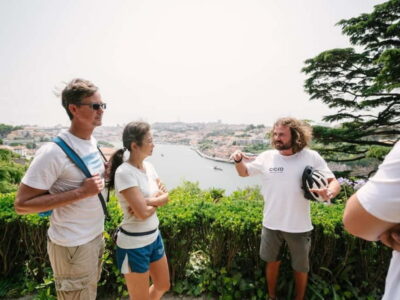 ★ 4.9Highlights in 3 Hours E-Bike TourFrom $57448 reviews
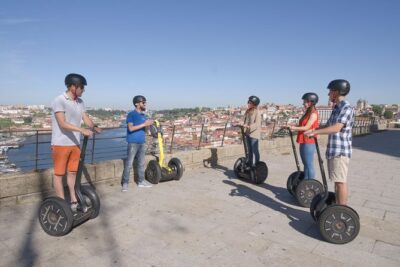 ★ 5.02-Hour City Highlights Segway Tour – Guided ExperienceFrom $78331 reviews
 ★ 4.6Riverside Panoramic E-Bike TourFrom $51312 reviews
 ★ 4.83-Hour Bike TourFrom $57260 reviews
Browse the lists this tour appears in