
Reviewed · PORTO CITY WALKS
PRIVATE Porto walking tour with historian
Porto rewards curiosity, and this tour is built for it. You get a private walking experience with professional historians, plus time inside key churches and big-photo viewpoints that explain how the city grew.
I especially like the cathedral visit with included tickets—because it’s not just looking from the street. You also get a steady, question-friendly story about Portuguese history and how politics, the economy, and architecture all shaped what you’re seeing today.
One thing to consider: it’s still a walking tour. With good weather required, you’ll want comfy shoes and the mindset for 3 hours on your feet.
In This Review
- Key points to know before you lace up
- A Private Historian Walk Through Porto’s Real Story
- Where You Start and How the Walk Feels in Real Life
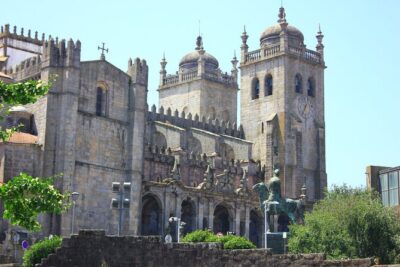
- Porto Cathedral: Romanesque Structure, Baroque Gold, and Tower Views
- Dom Luís I Bridge: A Photo Stop With Historical Weight
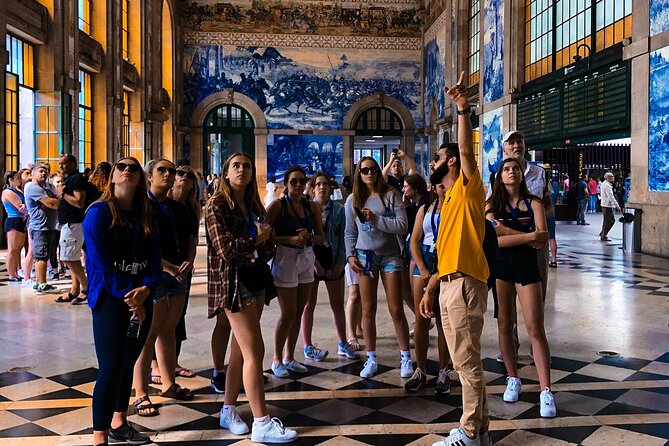
- São Bento Railway Station: Blue Tile Art With a Purpose
- Praca da Liberdade, Clerigos Church, and Vitória for the Big Views
- Praca da Liberdade
- Clerigos Church
- Miradouro da Vitória
- Price and Value: What $102.12 Buys You
- How the Historian Keeps the Story Clear (and Answers the Silly Questions)
- The Food, Wine, Bars, and Museums List You Can Use Immediately
- Who This Tour Is Best For
- Should You Book This Private Porto Walking Tour?
- FAQ
- FAQ
- How long is the Porto private walking tour with a historian?
- Is the tour private?
- How many people are in the group at most?
- What language is the tour offered in?
- What’s included with the cathedral stop?
- What major sights are covered during the walk?
- Where do we meet for the tour?
- Does this tour use a mobile ticket?
- What happens if the weather is poor?
- Can I cancel for a full refund?
Key points to know before you lace up
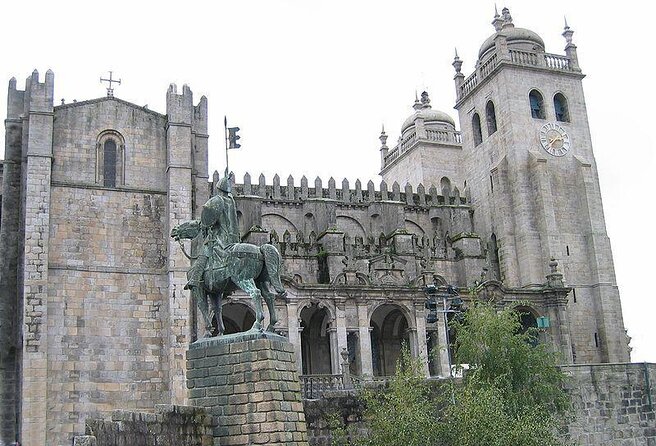
- Cathedral access with included tickets that gets you past the usual outside-only view
- Climb the XII-century towers for citywide views that make all the walking feel worth it
- São Bento Railway Station stop with a deep explanation of what you’re looking at
- Dom Luís I Bridge as a major “history in motion” photo moment on foot
- Small private format (maximum 10 travelers) that makes questions feel natural
- A usable recommendations list for food, wine, bars, museums, and galleries after the tour
More routes on foot through Porto
- Porto Walking Tour, Lello Bookshop, River Cruise and Cable Car★ 5.0 · 3,354 reviews
- Porto: City Highlights 3-Hour Guided Electric Bike Tour★ 4.8 · 3,092 reviews
- Experience Porto’s Charm: 3-Hour Guided Walking Tour★ 5.0 · 2,432 reviews
- Porto: 3-Hour Guided City Highlights Walking Tour★ 4.8 · 2,050 reviews
A Private Historian Walk Through Porto’s Real Story
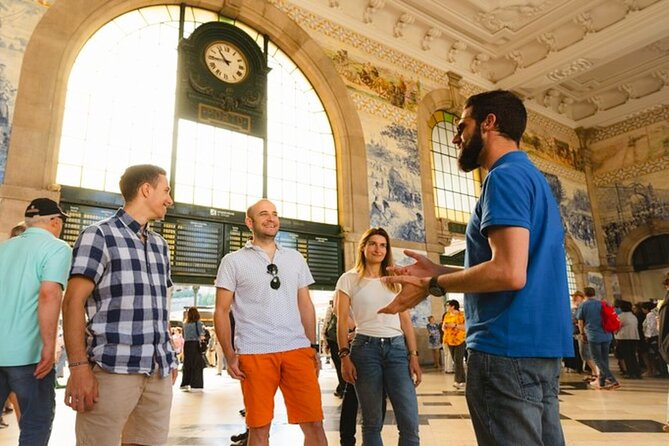
This is the kind of tour that helps you connect dots fast. Porto can look like a postcard from street level, but the city’s power is in layers: medieval trade, religious authority, and later shifts in how Portugal talked to the wider world. A historian guide keeps that chain of causes clear, so the architecture isn’t just pretty. It becomes meaningful.
The other big advantage is the private setup. You’re not squeezed between strangers or forced to listen to the lowest-common-denominator version of events. With a cap of up to 10 people, you still get the energy of a group outing, but the pace and focus can stay more personal.
And yes, there’s also a practical side. You’re not only shown what matters—you’re sent off with ideas for what to do next, including where to eat, drink, and wander.
Where You Start and How the Walk Feels in Real Life
You’ll meet at the Statue of Vímara Peres on Calçada de Vandoma (4000-013 Porto). It’s a good point to begin because it quickly puts you in the mindset of Porto as a city with roots, not a theme park.
The tour runs about 3 hours and returns to the same meeting point. That matters because you’re not left trying to “figure out” your route back while your feet are tired and your brain is full.
The small details in the tour delivery help too: you get a mobile ticket, confirmation comes within 48 hours if available, and the tour is offered in English. Service animals are allowed, and it’s close to public transportation, which makes the logistics easier if you’re pairing this with other plans.
Porto Cathedral: Romanesque Structure, Baroque Gold, and Tower Views
The star moment is the cathedral visit. You’ll go inside Porto’s cathedral, and the tour is designed so you don’t just skim the highlights. You’ll be guided through distinct sections that represent different eras and tastes.
Here’s what this stop is especially good for:
- Romanesque core: you’ll get the sense of older, sturdier foundations—why this building feels solid and timeless
- Baroque golden altars: the contrast is part of the point. It shows how later centuries expressed faith in a more dramatic style
- Gothic cloisters: quieter spaces that help you slow down and actually see the design choices
- The sacristy: this is one of those rooms that can be easy to miss on a casual visit, but it’s often where the building’s story becomes personal
- XII-century towers: you’ll climb for views over the city, and this is usually where the tour turns from “learning mode” into “wow, that’s Porto” mode
This is also where having a historian matters. The tour doesn’t treat art like decoration. It connects artistic choices to the changing world around Portugal—who had power, how ideas traveled, and what people valued enough to build.
Practical note: for tower climbs, you’ll want shoes with traction and a steady pace. The tour is short enough that you won’t be slogging forever, but the climb is part of the payoff.
Dom Luís I Bridge: A Photo Stop With Historical Weight
After the cathedral, you’ll head toward Dom Luís I Bridge, one of Porto’s defining landmarks. From a distance, it looks like pure geometry. Up close (and on foot), it becomes a lesson in how infrastructure shapes a city’s identity.
This stop works because the guide treats the bridge like more than a backdrop. You’ll connect it to how Porto’s economy and movement patterns evolved over time—why bridges matter to trade, how cities expand when crossing becomes easier, and how architecture expresses ambition.
If you like your city stops to have meaning, this is your moment. Even if you’re mostly there for the views, the bridge story makes the photo more satisfying.
Rather go at your own pace? More private guides


São Bento Railway Station: Blue Tile Art With a Purpose
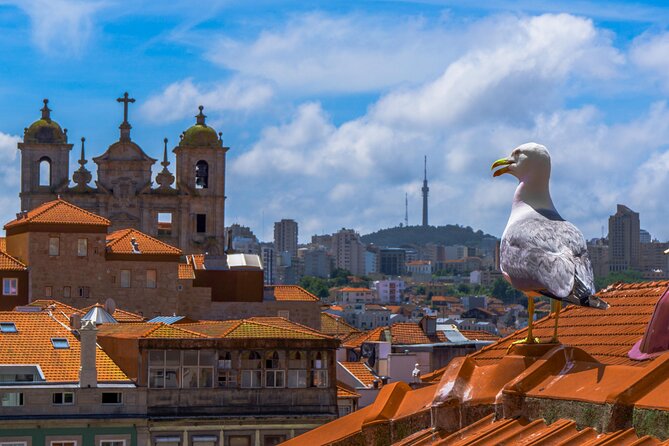
Then comes São Bento Railway Station, the kind of place you can easily rush through. It’s famous, yes—but the tour makes it worth your attention instead of turning it into a quick photo and a walk away.
What makes this stop valuable is how it turns surfaces into context. The station’s visual program isn’t random decoration. It’s connected to Portuguese identity and storytelling, which makes it a great bridge between history and modern daily life.
If you’re the kind of traveler who likes to look at details (and not just buildings at a distance), this is a high-value stop. It’s also a nice change of pace from steep church interiors and uphill viewpoints.
Praca da Liberdade, Clerigos Church, and Vitória for the Big Views
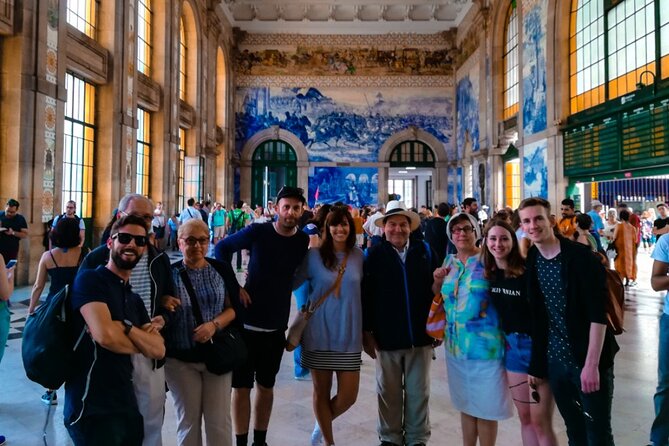
Porto’s viewpoint circuit is where the walking pays off, and this tour builds it logically.
Praca da Liberdade
Praca da Liberdade gives you a breather while still feeding your sense of scale. Squares like this help you understand how the city organizes public life and movement. In other words, it’s not just scenic—it’s a window into urban planning.
Clerigos Church
At Clérigos Church, the guide helps you interpret the church’s role in the city’s visual identity. Churches like this weren’t only spiritual spaces; they also acted like landmarks in the social map of Porto. Expect design cues and context that make the architecture easier to recognize on your own later.
Miradouro da Vitória
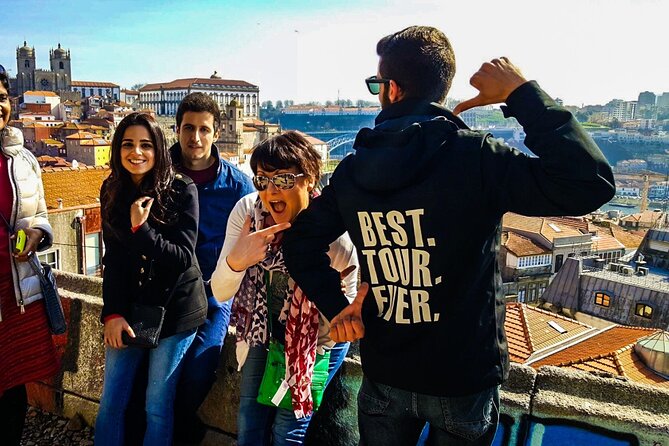
Finally, you reach Miradouro da Vitória, a viewpoint that’s a classic for a reason. This is where your brain gets to process everything you just learned: the towers, the station, the river-side identity, the bridge, the city’s density.
If you’ve been taking photos as you walked, this is where you’ll likely stop thinking like a tourist and start thinking like a map reader. The views help the history stick.
Price and Value: What $102.12 Buys You
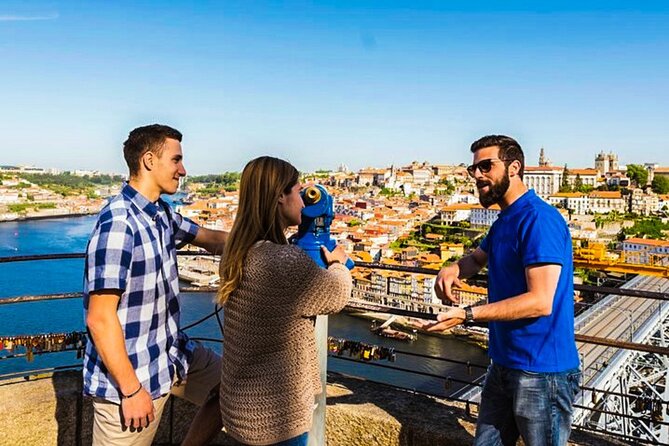
At $102.12 per person for about 3 hours, this tour isn’t a bargain deal. But it also isn’t “just a stroll.” The practical value is tied to two things:
- Included cathedral tickets and access to interior spaces that most casual visitors see only from outside
- A professional historian guiding the story with attention to politics, the economy, architecture, and how they all connect
Private format matters too. Even with a small cap of up to 10, you’re paying for more than motion—you’re paying for interpretation. If you want a city orientation that actually explains what you’re looking at, you’ll feel the value quickly. If you only want quick photos with minimal talking, you might feel the cost more than the benefit.
How the Historian Keeps the Story Clear (and Answers the Silly Questions)
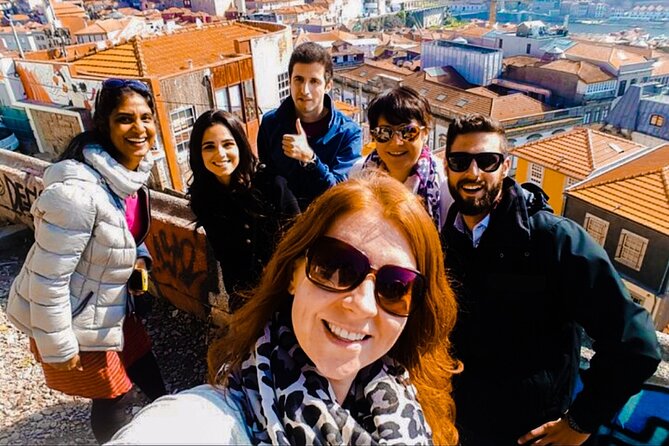
One reason this tour gets consistently high marks is the guide’s style. The historian approach is interactive—you’re encouraged to ask questions, and the answers are framed to be accurate and relevant, not vague.
A detail that really helps on a first visit: the tour balances major themes without turning into a lecture that never adapts. You’ll cover the big picture, then zoom in when the building or street corner calls for it.
One guide example included Renato, described as enthusiastic and able to tailor the tour to interests. Another useful touch from the same guide style was providing bottled waters on a very hot day, which is the kind of small practicality that matters when you’re climbing stairs and standing for views.
Also, the tour is explicitly built around reliable context—how Portuguese history and politics influenced what Porto became. If you’re the type who likes to know why a place looks the way it does, you’re in the right spot.
The Food, Wine, Bars, and Museums List You Can Use Immediately
Half the fun of a walking tour is the momentum it gives you afterward. Here, you get a list of where to find tastiest food and wines, plus suggestions for cool bars, and pointers to informative museums and galleries.
That list is valuable because it saves you from the usual second-day stress of trying to guess what’s worth your time. Instead of hunting blindly, you can pick a plan that matches what you actually liked during the tour—church architecture fans will get different recommendations than people who want river views and nightlife.
If you’re planning a short Porto stay, this is the part that helps your trip feel longer than it is.
Who This Tour Is Best For
This one fits best if you want history that’s tied to what you’re seeing, not history that lives only in books.
You’ll likely enjoy it if:
- You’re visiting Porto for the first time and want an organized introduction
- You like architecture and want help reading buildings
- You enjoy asking questions and getting straight answers
- You want a private-feeling tour without paying for a luxury bus ride
It might be less ideal if:
- You hate walking or dislike stairs (tower climb and church stairs are part of the design)
- You’re traveling on a schedule where weather changes would be a problem (the tour requires good weather)
Should You Book This Private Porto Walking Tour?
If you want Porto explained in a way that sticks, I’d book it. The cathedral stop with interior access and tower views is the kind of add-on that turns a “nice walk” into a real experience. Add in the historian-led Q&A, the São Bento culture stop, and a viewpoint plan you can feel in your legs, and the tour earns its price.
I’d especially recommend this when it’s your first day or first full morning in town. You’ll leave with a stronger mental map and a ready-to-use set of suggestions for food, wine, bars, and museums.
FAQ
FAQ
How long is the Porto private walking tour with a historian?
It runs for about 3 hours.
Is the tour private?
Yes. It’s a private experience.
How many people are in the group at most?
The maximum group size is 10 travelers.
What language is the tour offered in?
The tour is offered in English.
What’s included with the cathedral stop?
The tour includes tickets to Porto’s cathedral, and you’ll go inside as part of the visit.
What major sights are covered during the walk?
You’ll cover Porto’s main historic areas and visit places including Porto Cathedral, Dom Luís I Bridge, São Bento Railway Station, Praca da Liberdade, Clérigos Church, and Miradouro da Vitória.
Where do we meet for the tour?
The meeting point is the Statue of Vímara Peres on Calçada de Vandoma, 4000-013 Porto.
Does this tour use a mobile ticket?
Yes, it includes a mobile ticket.
What happens if the weather is poor?
This experience requires good weather. If it’s canceled due to poor weather, you’ll be offered a different date or a full refund.
Can I cancel for a full refund?
Yes. You can cancel up to 24 hours in advance for a full refund. If you cancel less than 24 hours before the start time, the amount paid will not be refunded.
More Tour Reviews in Porto



Private Porto Tours to Compare

More of Porto on Foot



Fresh in the Porto notebook

Porto City Walks, compared.
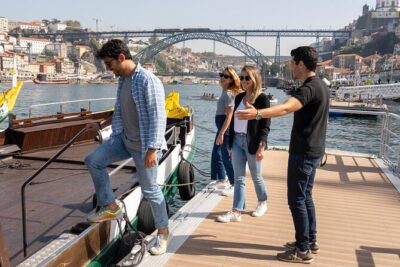 ★ 5.0Porto Walking Tour, Lello Bookshop, River Cruise and Cable CarFrom $723,354 reviews
 ★ 4.8City Highlights 3-Hour Guided Electric Bike TourFrom $513,092 reviews
 ★ 5.0Experience Porto’s Charm: 3-Hour Guided Walking TourFrom $352,432 reviews
 ★ 4.83-Hour Guided City Highlights Walking TourFrom $342,050 reviews
 ★ 4.4Wine Tasting with Tapas Walking TourFrom $531,541 reviews
 ★ 4.7Historic City Center Walking TourFrom $331,172 reviews
 ★ 5.0Porto’s #1 Walking TourFrom $01,026 reviews
 ★ 4.8Delicious Food and Wine Walking TourFrom $87977 reviews
Browse the lists this tour appears in