
Reviewed · RIBEIRA & OLD TOWN
Private Boat Tour 6 Bridges and Ribeira option Sunset up to 6px
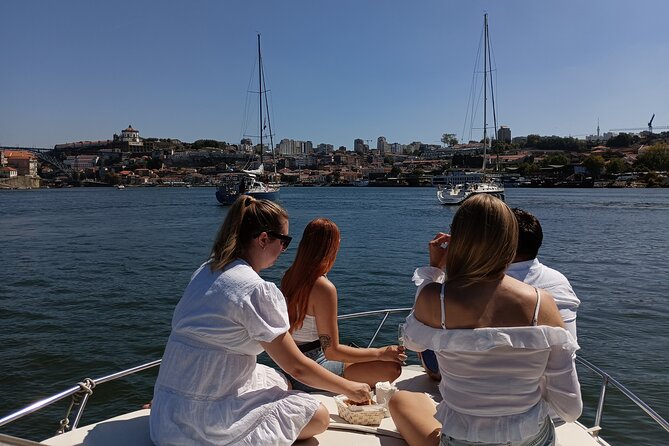
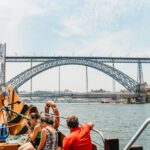
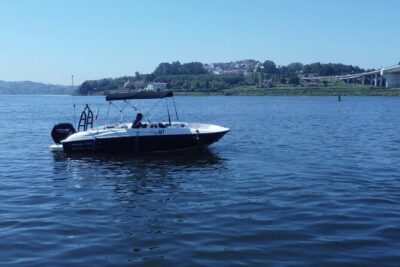
Six bridges in 90 minutes sounds simple. Then you do it, and it clicks. This private Douro River cruise links Porto and Vila Nova de Gaia by boat so you see the bridges up close, with the timing often set for sunset views and golden light.
What I like most is the small-group feel (you share the boat only with your party up to 6) and the way the crew mixes clear local context with real downtime to just look out over the river. The one consideration: this is a relaxed ride. If you want speed and thrill, it may feel a bit slow, and like all outdoor plans, it depends on good weather.
For reference, this runs about 1 hour 30 minutes and is priced at $209.99 per group. Most bookings happen around a month ahead, so if sunset is your goal, planning early is a smart move.
In This Review
- Key things that make this Douro bridges boat tour worth it
- Price and value: $209.99 per group can make sense here
- Where the tour starts: Marina da Afurada (and a quick logistics tip)
- The 90-minute flow: what you’ll actually do on the water
- Stop 1: Douro River stretch to the Infante D. Henrique Bridge
- Ponte da Arrábida: the reinforced concrete arch that solved a traffic problem
- Infante D. Henrique Bridge: the newest major link (2003)
- The mythical iron bridge: D. Luís Bridge’s two-level design
- Serra do Pilar viewpoint: monasteries and city edges on the Gaia side
- D. Maria Pia Bridge (1877): rail heritage you can still spot in the story
- São João Bridge: the replacement entered service in 1991
- Ponte do Freixo: the upstream bridge with a different feel
- Cais de Gaia and the opposite Porto riverfront: terraces and viewpoints
- Crystal Palace Gardens: a green pause with big river views
- Alfândega do Porto Congress Center: architecture you’ll notice from the river
- Foz do Douro: where the river meets the Atlantic
- Douro Estuary Local Natural Reserve: birds and quiet nature space
- Guides and onboard vibe: small details that make it feel worth the money
- The one drawback to plan around: it’s a relaxed pace
- Who this boat tour is best for
- Should you book this private 6 bridges sunset boat tour?
Key things that make this Douro bridges boat tour worth it
- Private boat, up to 6 people: easier conversation, no crowd crush, and you set the pace.
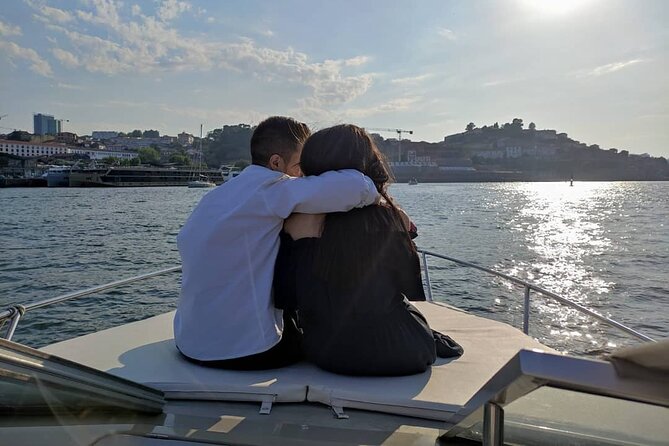
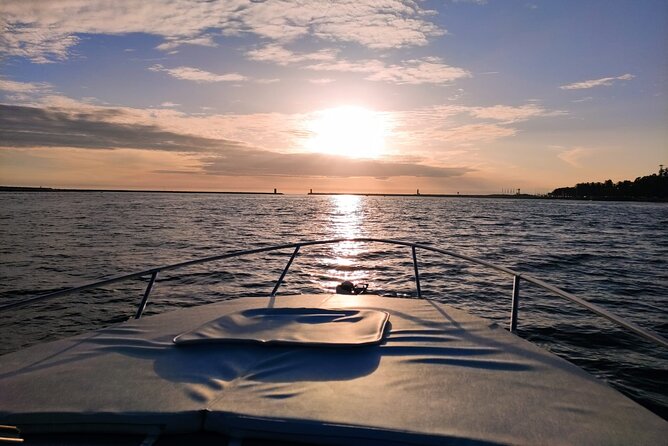
- Sunset option: the return timing gives you a chance at softer light across Porto’s waterfront.
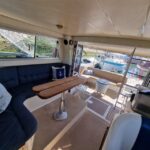
- Sparkling wine and snacks: a small onboard touch that makes the cruise feel special, not just scenic.
- Stories tied to real structures: the bridges aren’t random photo ops; you learn why they were built and how they connect Porto and Gaia.
- Practical crew support: good communication and flexibility if you hit traffic or dock timing issues.
Other ways to ride the river past the six bridges
- Complete Douro Valley Wine Tour with Lunch, Wine Tastings and River Cruise★ 5.0 · 12,920 reviews
- Porto: 6 Bridges Douro River Cruise★ 4.3 · 6,472 reviews
- Porto: Guided Tour by Tuk-Tuk & Optional Douro River Cruise★ 4.5 · 5,980 reviews
- Authentic Small Group Douro Wine Tour with Lunch & River Cruise★ 5.0 · 4,775 reviews
Price and value: $209.99 per group can make sense here
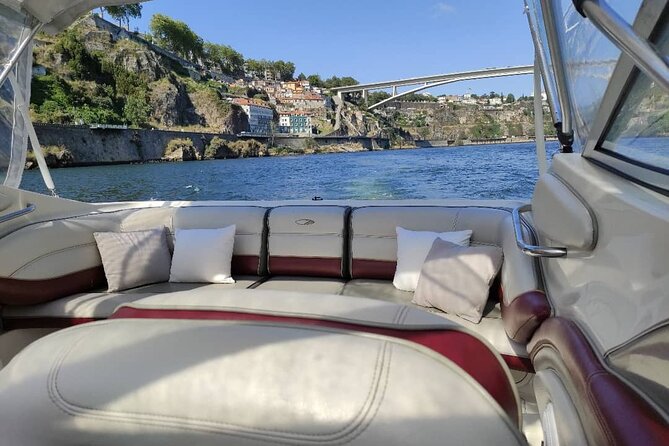
At $209.99 per group (up to 6), the math gets interesting fast. If you split the cost among 4–6 people, this can land in the same ballpark as the big multi-language bridge cruises, but you get the big upgrade: your own boat. That matters in Porto, where the best riverside views can turn into a bottleneck once tours pile into the same viewpoints.
Also, you’re buying time on the water. On a busy day, that’s the part you can’t easily replicate on your own without planning. The route covers a long stretch—from the river’s mouth area out toward the more recent bridge connection—so you’re not doing a short hop and turning back too soon.
Where the tour starts: Marina da Afurada (and a quick logistics tip)
You meet at Marina da Afurada, R. da Praia 430, 4400-554 Vila Nova de Gaia, and the tour ends back at the same spot. It’s convenient if you’re staying in Gaia or don’t mind heading across the river.
One practical tip from recent experiences: rideshare drops can get tricky around the marina area. Road closures can force drivers to take routes that put you farther away than you expect. If you’re using Uber or a cab, tell the driver to drop you above the marina. In some cases, otherwise you may face an extra walk. Also note that there can be weekend closures connected to local celebrations, so it’s worth building in a little buffer.
The smoothest approach is often: metro first, then a short cab/Uber to the marina. That keeps the last-mile stress low.
The 90-minute flow: what you’ll actually do on the water
This is designed as a guided, scenic loop—calm enough to enjoy the view, structured enough that you’ll know what you’re looking at. Expect the crew to point out the big bridge moments while leaving space for your own photos and just watching the river traffic glide by.
From a pacing standpoint, you’ll likely get the best experience if you bring a light jacket or layers. The river can feel cooler than Porto’s streets, and the crew may offer blankets if it’s chilly.
Now let’s move bridge by bridge and waterfront section by waterfront section.
Stop 1: Douro River stretch to the Infante D. Henrique Bridge
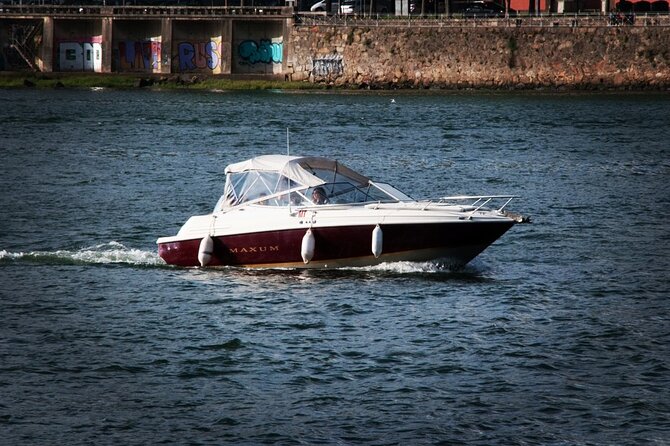
You’ll start on the Douro River from the marina and travel the long connection between the river’s mouth zone and the area around the Infante D. Henrique Bridge. From water level, the big win is that Porto and Gaia aren’t just across the way—they unfold in layers: riverfront buildings, industrial edges, promenades, and the bridge lines that frame everything.
This stretch also sets you up for the bridge “story.” Instead of jumping to the most famous structure first, you’ll understand that Porto’s bridge network evolved as the cities grew and traffic needs changed.
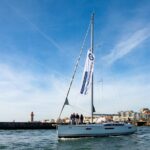
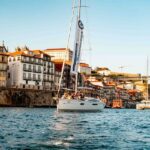
Catch the river mouth as the light drops, other sailings compared


Ponte da Arrábida: the reinforced concrete arch that solved a traffic problem
Next up is Ponte da Arrábida, an arch bridge that connects Porto (via the Arrábida area) to Vila Nova de Gaia (via the Candal junction). The key detail: since the 1930s, Porto needed alternative links to ease the load on the older bridges (D. Maria Pia and D. Luís).
When it was built in 1963, it was notable for having the largest reinforced concrete arch of its kind at the time. On the boat, this is a great stop because an arch doesn’t just look cool—it creates a clear visual frame, like a moving picture border as you pass.
Infante D. Henrique Bridge: the newest major link (2003)
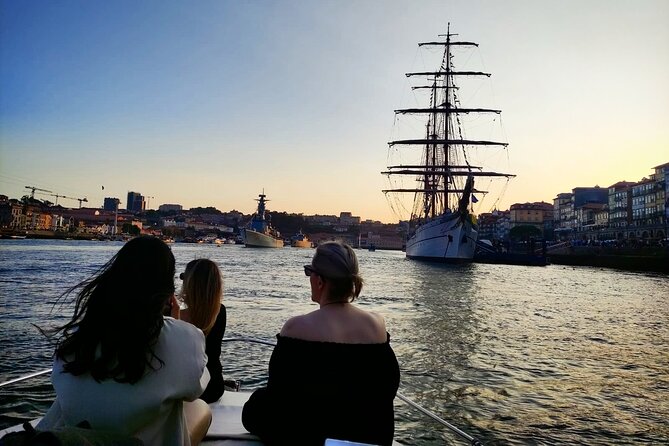
Then you reach Ponte Infante Dom Henrique, inaugurated on March 30, 2003. It’s often called the most recent major bridge connection between Porto and Gaia, named for Infante D. Henrique, a historical figure with strong Porto ties.
From the water, this is where you can feel how modern bridge design shapes the skyline differently than the older iron and railway structures. It’s also a helpful marker mid-tour: by the time you get here, you’ve built the context to understand why multiple bridges exist side by side.
The mythical iron bridge: D. Luís Bridge’s two-level design
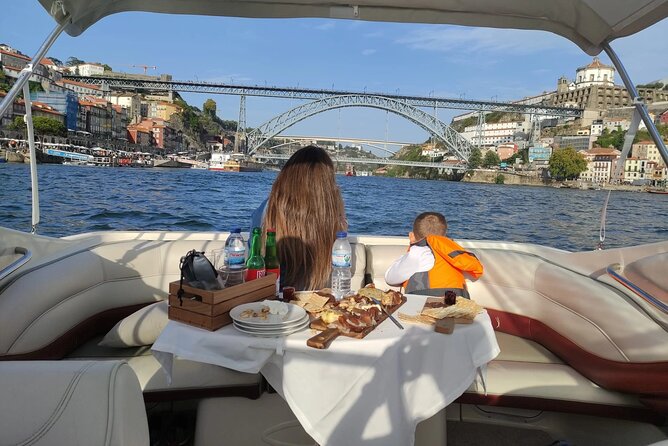
After that, the boat shows you what many people come for: the iron bridge made for road, rail, and pedestrian traffic. This is the structure with two metallic decks set at different levels, with straight and parabolic beams, and access points that match the riverbanks.
That double-deck idea is the magic. Even without fancy words, you’ll notice how the bridge seems to “reach” different parts of the city at once. It’s one of those viewpoints where you understand why photographers love it—because it gives depth, not just height.
Serra do Pilar viewpoint: monasteries and city edges on the Gaia side
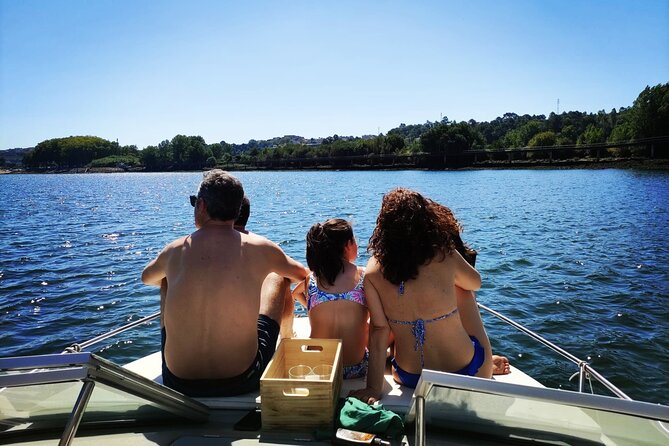
From there, you look toward Serra do Pilar, an elevation overlooking the Douro River in Vila Nova de Gaia. This is also where the famous Serra do Pilar Monastery sits.
On the water, this stop works as a breather. Bridges dominate earlier moments; now you get a calmer sense of geography—how the river valley shapes neighborhoods and viewpoints. If you’re the type who enjoys learning what you’re looking at, this is a nice payoff.
D. Maria Pia Bridge (1877): rail heritage you can still spot in the story
Next is the D. Maria Pia Bridge, a railway infrastructure that carried the Northern Line between Porto and Gaia. It opened in 1877 and later closed on June 24, 1991, replaced by the newer connection.
Even if you’re not focused on trains, this matters because it explains the city’s long-term rhythm. Bridges weren’t just built for aesthetics; they were built because rail and road networks needed new capacity.
São João Bridge: the replacement entered service in 1991
A short step forward in the bridge timeline brings you to São João Bridge, also a railway bridge carrying the Northern Line over the Douro River. It entered service on June 24, 1991, replacing the older century-old link.
From the boat, you can compare design language across generations. It’s one of the best parts of a guided bridge tour: the structures become a timeline you can see in one continuous ride.
Ponte do Freixo: the upstream bridge with a different feel
Then you pass Ponte do Freixo, a road bridge connecting Porto and Gaia that sits further upstream than the other crossings. This upstream position changes the river’s perspective a bit—less like a center-corridor photo spot and more like an “edge of the city” view.
If you enjoy variety, this works. You’re not just repeating the same angles; the river shifts its character as you move.
Cais de Gaia and the opposite Porto riverfront: terraces and viewpoints
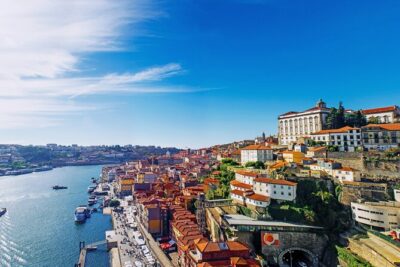
As you continue, you’ll see Cais de Gaia, a riverside area with terraces, restaurants, and bars opposite historic Porto. The boat perspective helps you judge how people actually use this waterfront—where you’d stroll, where you’d sit, and where the best sightlines are likely to fall.
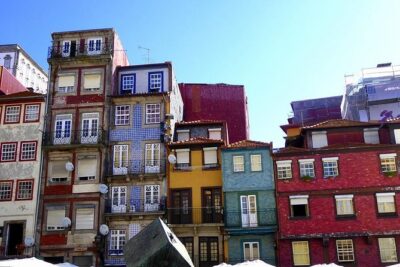
You then move along to Cais da Ribeira, one of Porto’s classic postcard stretches along the Douro near the D. Luís Bridge. From the water, Ribeira isn’t just a pretty wall of buildings. It’s the living connection between bridge and riverbank, where the old city and modern foot traffic overlap.
Crystal Palace Gardens: a green pause with big river views
The tour also passes Crystal Palace Gardens (in Massarelos, Porto). This green space is known for panoramic views over the Douro River and toward the sea.
From a boat tour perspective, it’s a nice change of pace. Bridges and architecture earlier on can start to blend together visually. A garden section gives your eyes a rest and adds context for where locals go when they’re not chasing viewpoints.
Alfândega do Porto Congress Center: architecture you’ll notice from the river
You’ll also catch sights around Alfândega do Porto Congress Center. It’s associated with AMTC, the Association for the Transport and Communications Museum.
Even if you don’t stop inside, it helps to see how Porto’s riverfront has expanded into modern institutional spaces. This is part of why the cruise feels more than “just bridges.” You see the entire waterfront ecosystem.
Foz do Douro: where the river meets the Atlantic
Then comes a major geography moment: Foz do Douro, where the Douro meets the Atlantic Ocean. On the boat, this is where the river’s story shifts. You go from river city connection to sea-edge presence, and the atmosphere can feel a little wider.
If you’re chasing sunset light, this part often helps because it gives you the sense of open horizon, not only a tight canyon of buildings.
Douro Estuary Local Natural Reserve: birds and quiet nature space
Finally, you reach the Douro Estuary Local Natural Reserve, created July 10, 2018, covering about 62 hectares. It’s described as a resting, feeding, and sheltering place for migratory birds.
This is the end stretch that turns the tour from city-to-city to city-plus-nature. From the water, you may notice it more for the tone than for anything dramatic—an area that feels less like a tourist corridor and more like habitat.
Guides and onboard vibe: small details that make it feel worth the money
The biggest theme across the experience is service that stays warm but not pushy. Names like João, Manuel, and Sara come up with similar praise: clear explanations, friendly conversation, and a sense of timing that helps you catch the best riverfront moments.
You’ll usually get onboard drinks and snacks, often described as sparkling wine or champagne plus bite-size treats. That’s not a huge “meal,” but it turns a scenic ride into a celebratory hour.
On cooler days, the crew may have blankets ready. That’s a small thing until the breeze or a splash hits, and then you’re suddenly grateful.
One more real-world note: many people love that the ride avoids big crowds. You still get the highlights of Porto and Gaia, but you’re not shoulder-to-shoulder in the same places.
The one drawback to plan around: it’s a relaxed pace
There’s one theme to take seriously. Some people say the boat can feel slow or too calm. In a review context, that’s framed as a plus for relaxing and a drawback if you want a more adventurous, faster ride.
So pick based on your goal:
- If you want views, bridges, and a smooth ride with time to talk and watch, this matches.
- If you want speed, waves, and constant motion, you might feel disappointed.
Who this boat tour is best for
This is especially good for:
- Couples chasing sunset on the Douro without tourist chaos
- Families who want an easy, seated experience for young kids (with staff who are described as patient and friendly)
- Groups up to 6 who want a private format without paying a luxury-boat price
- Travelers who like context, but not a nonstop lecture
If you’re the kind of person who can handle a calm hour and a half and wants to learn what you’re looking at, you’ll probably enjoy it a lot.
Should you book this private 6 bridges sunset boat tour?
I’d book it if your priority is an uncrowded way to connect Porto and Gaia through the bridges, with a relaxed pace and little onboard perks like sparkling wine and snacks. The route also gives you more than the obvious hits—you get older railway bridge history, the iconic iron bridge design, and a sense of where the river opens up toward the Atlantic.
Skip it or look for a faster option if you want speed and adventure rather than a calm sightseeing cruise.
If you’re choosing a time, aim for the slot that lines up with sunset. That timing is a big part of why this tour gets such strong word-of-mouth, especially when the light starts changing across Porto’s waterfront.
More of Ribeira and the Old Town

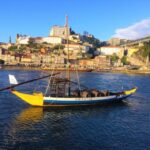
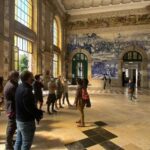
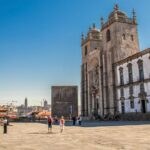

Sunset Sailings on the Douro
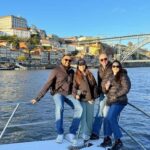
Back on the River, Bridge by Bridge
Fresh in the Porto notebook

Ribeira & Old Town, compared.
 ★ 5.0The Unvanquished Tour in Porto City CenterFrom $326,497 reviews
 ★ 4.8The highest-rated traditional fado concert (downtown)From $241,557 reviews
 ★ 4.7Historic City Center Walking TourFrom $331,172 reviews
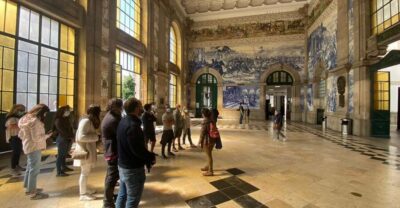 ★ 4.8Historical Center Walking TourFrom $41898 reviews
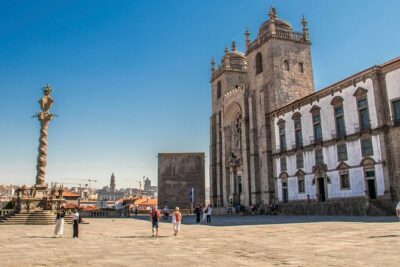 ★ 4.5Historic Porto by Private Electric Tuk Tuk to Top LandmarksFrom $42735 reviews
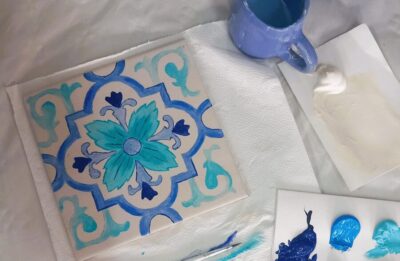 ★ 4.9Tile Painting and Cocktails in Downtown PortoFrom $41484 reviews
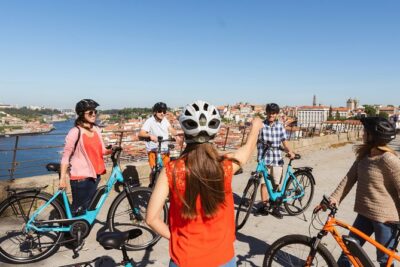 ★ 5.03-Hour Old Town & Riverside Bike Tour – Guided ExperienceFrom $47481 reviews
 ★ 5.0Pastel de Nata | Workshop from scratch | Porto’s city centerFrom $48449 reviews
Browse the lists this tour appears in