
Reviewed · RIBEIRA & OLD TOWN
Porto’s Old Town Tour & Ribeira
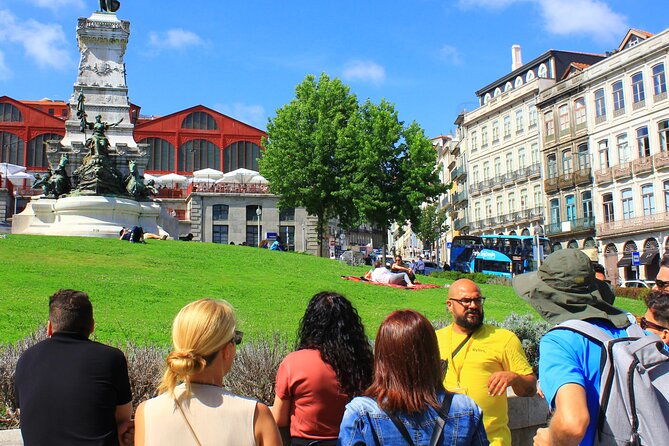
Porto clicks into place on this walk. This 2-hour, English-guided loop connects the city’s hills and riverfront with storytelling you can actually follow, plus Ribeira views you’ll want to linger over. I especially like how the guide turns quick stops into clear context, with humor and good pacing, whether you end up with a guide like Harold, Jorge Crespo, or Adriano.
The only real caution is money for entrances. Some of the big-name stops have tickets not included, so you should plan a little extra cash and patience for entrances when needed—and double-check your booking details on arrival.
In This Review
- Key Highlights You’ll Feel on the Street
- Why Porto’s Old Town + Ribeira Works So Well in Two Hours
- Where You Start (and How the Afternoon Timing Helps)
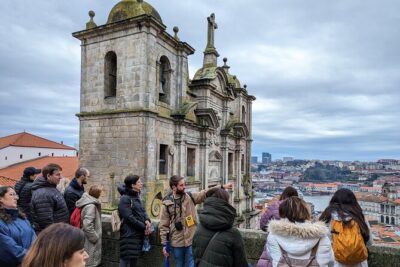
- Passeio das Virtudes: First Views and City Context
- Down Toward Alfândega: The Area’s Big-City Past
- Igreja de São João Novo: A Church Stop That Actually Means Something
- Palácio da Bolsa and Igreja de San Francisco: When Porto Gets Grand
- Casa do Infante: The Kind of Quick Stop That Adds Depth
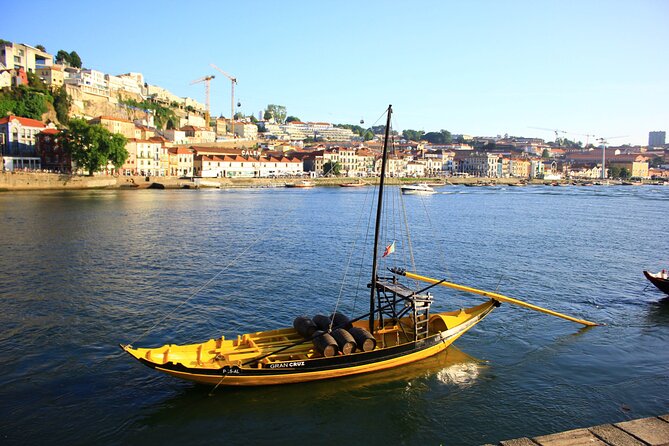
- Cais da Ribeira and Praça da Ribeira: Where the Harbor Story Gets Real
- Alminhas da Ponte and Dom Luís I Bridge: The Icons You’ll Finally Understand
- Price and Value: What You’re Really Paying For
- Guide Style Matters: Harold, Jorge Crespo, Adriano, and Why It Changes Everything
- Who This Tour Fits Best
- Should You Book Porto’s Old Town Tour & Ribeira?
- FAQ
- What’s the duration of the Porto Old Town & Ribeira tour?
- Is the tour guided in English?
- Where do I meet, and where does the tour end?
- Does the price include entrance tickets to all stops?
- How large is the group?
- What if the weather is bad?
Key Highlights You’ll Feel on the Street
- English guide + guaranteed tour presence so you can plan your afternoon without guesswork
- Old Town to Ribeira in about 2 hours, with short stops that keep energy high
- Several entrances included at key viewpoints and riverfront spots (so you don’t pay at every stop)
- A route that mixes viewpoints, churches, and harbor life, not just one type of sight
- Strong guide style: funny stories, clear explanations, and even helpful tips for food and what to do next
- Small-ish group size (max 28) for a more conversational feel
Deeper into Ribeira, its arcades and riverfront
- The Unvanquished Tour in Porto City Center★ 5.0 · 26,497 reviews
- Porto: The highest-rated traditional fado concert (downtown)★ 4.8 · 1,557 reviews
- Porto: Historical Center Walking Tour★ 4.8 · 898 reviews
- Historic Porto by Private Electric Tuk Tuk to Top Landmarks★ 4.5 · 735 reviews
Why Porto’s Old Town + Ribeira Works So Well in Two Hours
Porto can feel like two cities: the steep, tile-and-stone Old Town and the dramatic riverfront that makes the whole place famous. This tour strings those together in a way that helps you understand what you’re looking at, not just photograph it.
I like that the walk stays focused. You’re not stuck in one neighborhood for hours. Instead, you hop between viewpoints, churches, and historic civic buildings, then end at the iconic Dom Luís I Bridge. It’s the kind of route that helps you get your bearings fast, especially if it’s your first trip or you’ve only got a limited window.
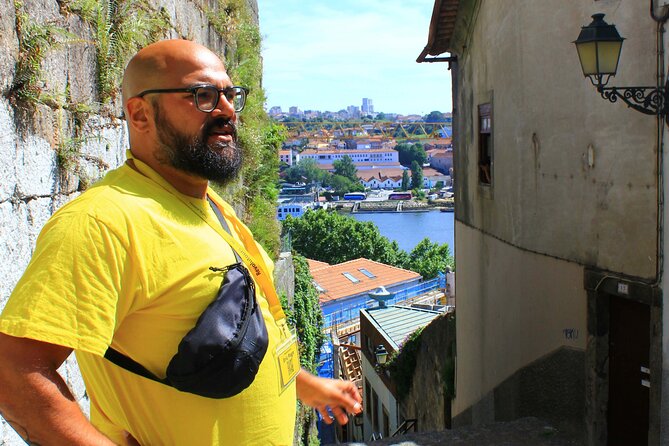
The other big win is the guide approach. In past groups, guides such as Harold have been praised for bringing Porto to life with stories and history that feel like conversation, not a lecture. Jorge Crespo is noted for being friendly and easygoing, and Adriano for casual, easy-to-grasp storytelling with a sense of humor. That matters because Porto’s history is layered—you’ll enjoy the walk more when someone gives you the thread.
Where You Start (and How the Afternoon Timing Helps)
You meet at Largo Amor de Perdição, 4050 Porto, and you’ll finish near Dom Luís I Bridge (4000 Porto). Start time is 3:15 pm, which is a smart slot for an Old Town walk because you’re not fighting the hottest part of the day.
Also, this is a walking route with frequent “quick look” moments. Each stop is about 10 minutes, so you’ll want to be ready to move. Comfortable shoes are a must. Expect some downhill sections as you transition from viewpoints toward the river area—one review specifically called out the mostly downhill nature as a plus.
If you’re the type who likes to ask questions, this format works. The guide has short bursts of explanation, then time to let you look around and ask what you’re seeing. With a maximum group size of 28, it doesn’t feel like a cattle-line tour.
Passeio das Virtudes: First Views and City Context
The walk opens at Passeio das Virtudes, a viewpoint spot that sets the stage. This kind of start is more useful than people realize. You’re not just grabbing a view—you’re getting the “map in your head” that makes later streets make sense.
Here’s what this stop does for your brain: it anchors your sense of where the river and historic core sit relative to the city’s hills. Once you’ve seen Porto from up high, the rest of the route clicks into place.
You’ll also have an included admission ticket for this stop, which is nice. It means you can spend more of that first 10-minute segment actually looking, not scrambling for pay kiosks. If the weather is clear, this is one of the moments you’ll remember most.
Down Toward Alfândega: The Area’s Big-City Past
Next up is Alfândega Porto Congress Centre. You’ll get a short stop focused on the history of the area and its buildings. Even though it’s not the most “romantic” spot on a postcard, it helps connect Porto’s trading-and-industry past to what you see today.
This is a good moment to pay attention to scale. Alfândega feels like a modern civic hub, but the guide’s job here is to show you how Porto’s riverside role shaped the city—economically and physically—over time.
One practical note: admission is not included here. So if there’s any interior visit component during your specific tour flow, you may need to pay separately. Either way, you’ll still get the story and the quick orientation.

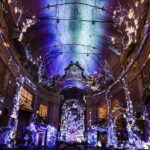
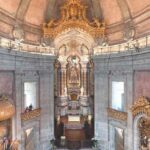

Igreja de São João Novo: A Church Stop That Actually Means Something
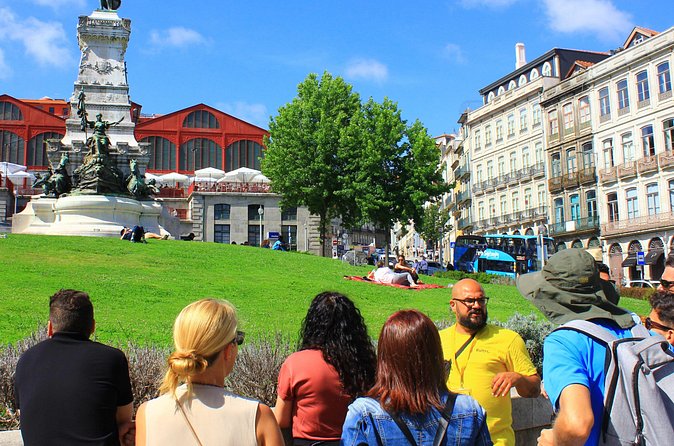
At Igreja de São João Novo, the tour shifts into religious architecture and the role churches played in daily life. The stop includes admission, which makes it more than a quick photo stop.
In just a few minutes, this kind of church visit can help you understand Porto’s cultural rhythm. Churches weren’t only about worship—they were landmarks, community anchors, and places where important stories were recorded in stone, tile, and design choices.
It’s a short stop, so don’t plan on reading every detail. Instead, focus on what the guide points out: what makes this church distinctive and how it fits into the broader city story.
Palácio da Bolsa and Igreja de San Francisco: When Porto Gets Grand
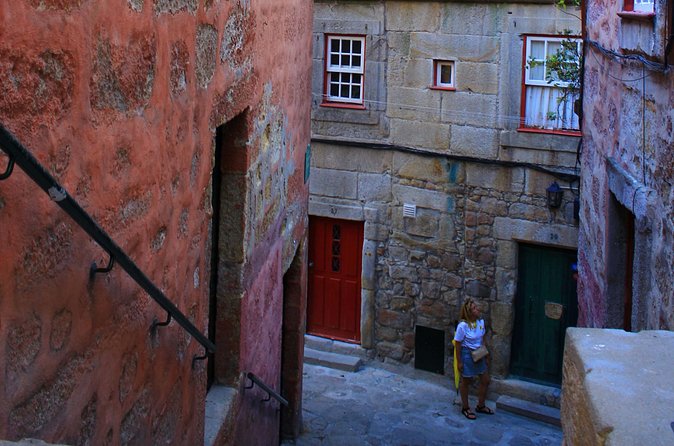
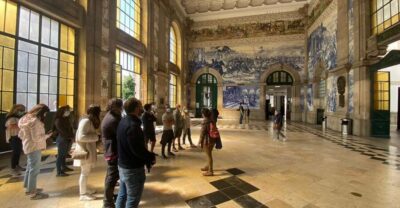
Two of the tour’s most famous names show up later: Palácio da Bolsa and Igreja de San Francisco. Both are history-heavy stops that give you a sense of Porto’s wealth and cultural ambition.
The tradeoff is that tickets are not included for both. That doesn’t ruin the tour, but it changes how you should prepare. If you want the full effect of these places, budget for extra entrance costs and be ready to move quickly when the guide signals it’s time.
That said, this is still valuable even if you choose not to go inside every stop. The guide’s explanations help you see why these buildings matter. Without that context, grand architecture can turn into just “pretty stone.” With it, you start noticing design choices as clues.
Casa do Infante: The Kind of Quick Stop That Adds Depth
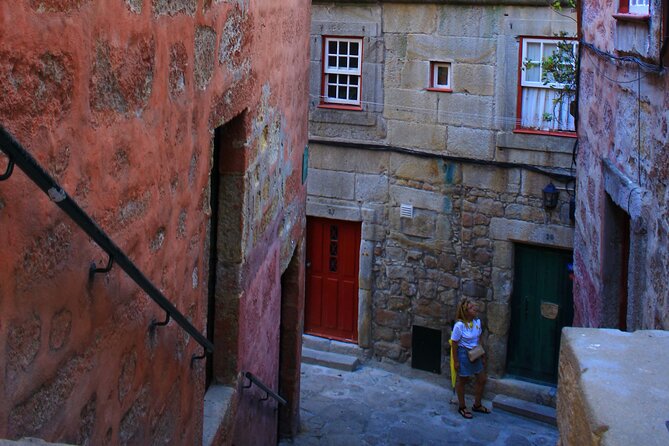
You’ll also stop at Casa do Infante, another short, history-forward visit. This is the type of stop that works best on a structured walking tour: you get a quick framework for what the place represents, so you don’t leave wondering what you just saw.
Because the admission is not included here, you may see more from the outside than inside depending on timing and your group pace. Still, a guided explanation in a 10-minute window is often enough to give meaning.
For me, this section is where the tour becomes more than sightseeing. You start collecting “why this matters” pieces, and by the time you hit the river area, you’ll recognize how the city’s past ties into what’s in front of you.
Cais da Ribeira and Praça da Ribeira: Where the Harbor Story Gets Real
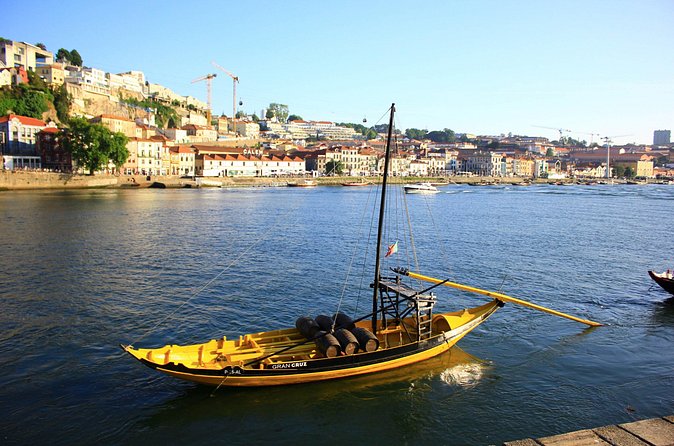
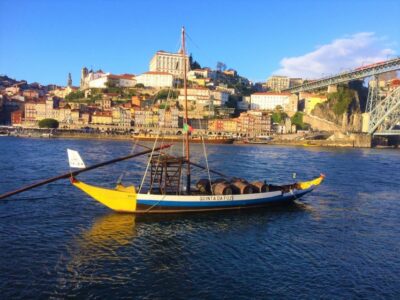
Then comes the turn many people like best: Cais da Ribeira and Praça da Ribeira. These are the riverfront spots where Porto feels most alive and most photogenic for a reason—the city’s harbor history is built into the streets.
Both of these stops include admission tickets, which is a real advantage. It keeps you from wasting time hunting down payment options and lets you focus on what’s around you. You’re also getting a shift in viewpoint—from monuments and buildings to a working waterfront story.
Here’s the practical benefit: the guide’s harbor explanation helps you read the Ribeira area like a timeline. When you understand how the riverfront functioned in the past, the curves of streets and the prominence of certain spots make more sense.
If you like wandering, this is the part where you’ll want to add a little extra time after the tour ends—because the riverfront rewards extra looking.
Alminhas da Ponte and Dom Luís I Bridge: The Icons You’ll Finally Understand
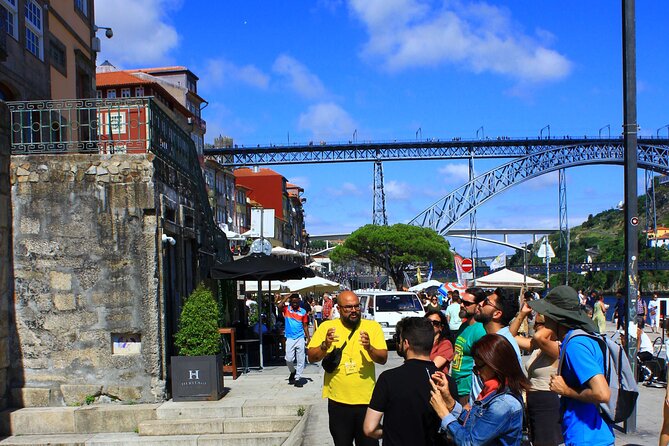
The tour finishes with two linked moments: Alminhas da Ponte and Dom Luís I Bridge. These are big “Porto symbols,” but they’re also the kind of places where a short historical explanation turns the whole area from scenery into story.
Alminhas da Ponte includes admission, and it’s a fascinating cultural stop: it’s connected to how people marked and remembered events tied to the bridge and the river. Even if you only have a few minutes, the guided context helps you see it as something more than a decoration.
Then you reach Dom Luís I Bridge, also a history-focused end point with admission included for the relevant visit component. The bridge isn’t just a photo spot. It’s a defining piece of Porto’s identity, and hearing the story behind it is what makes the walk feel complete.
The finish near the bridge is convenient too. Once you’re there, you’re already in the middle of the area where you can keep exploring on your own, grab food, or take in more river views.
Price and Value: What You’re Really Paying For
At $3.61 per person, this tour is priced like a serious bargain for an English-guided walk with multiple landmark stops and several included entrances. That low cost changes the value equation: you’re not paying “only for walking.” You’re paying for the guide’s explanations and for the parts where entrances are included.
Still, you should budget for what isn’t included. Alfândega Porto Congress Centre, Palácio da Bolsa, Igreja de San Francisco, and Casa do Infante are not covered by included tickets, so you may need to pay at those points if the tour includes interior access during your slot.
The way I see it: if you treat this as a guided route with selective paid entry, you’ll get a lot for your money. If your goal is to enter every interior stop no matter what, plan a little extra.
Guide Style Matters: Harold, Jorge Crespo, Adriano, and Why It Changes Everything
One reason this tour earns such high praise is the guide performance. In the feedback, guides like Harold are credited with enthusiastic storytelling and a knack for making Porto feel personal, not distant. Jorge Crespo gets highlighted for being friendly, easygoing, and full of funny stories that keep kids and adults engaged. Adriano is described as intuitive and humorous, explaining history in a way that feels casual and easy to absorb.
You don’t need a degree in Portuguese history. You just need someone to connect dots. This tour’s strongest asset is how it turns each stop into a piece of a bigger picture, so the city feels coherent instead of random.
If you’re someone who gets restless on slow tours, the short stop timing helps. You’re always moving, always learning something, and you’re not stuck in one place for long.
Who This Tour Fits Best
This tour is a good match if:
- you’re doing Porto for the first time and want a practical overview of Old Town + Ribeira
- you enjoy history, but you prefer it explained in stories and context, not long lectures
- you want a walk that keeps your energy up with 10-minute stops
- you’re traveling with kids or anyone who benefits from a guide who can keep attention, as the tour has been noted as kid-friendly
It might be less ideal if you dislike walking and want long, slow museum-style browsing. This is about orientation and understanding, not lingering in interiors for an hour.
Should You Book Porto’s Old Town Tour & Ribeira?
If you want a high-value, English-guided walk that makes Porto feel understandable—hills, churches, harbor life, and the big bridge finish—this is an easy yes. The included entrances at several key riverfront and viewpoint moments help you save time, and the consistent guide talent (from Harold to Jorge Crespo to Adriano) is the main reason people come away feeling like the city “clicked.”
I’d book it especially for an afternoon slot when you want a clear plan. Just go in with a simple mindset: expect a guided route, expect some extra entrance costs at a few stops, and wear shoes that can handle the walking.
FAQ
What’s the duration of the Porto Old Town & Ribeira tour?
It runs for about 2 hours.
Is the tour guided in English?
Yes. The tour includes an English tour guide.
Where do I meet, and where does the tour end?
You meet at Largo Amor de Perdição, 4050 Porto, and the tour ends near Luís I Bridge, 4000 Porto.
Does the price include entrance tickets to all stops?
No. Some stops include admission tickets, while others do not. The tour notes which locations have tickets included versus not included.
How large is the group?
The tour has a maximum of 28 travelers.
What if the weather is bad?
The experience requires good weather. If it’s canceled due to poor weather, you’ll be offered a different date or a full refund.
If you want, tell me your travel dates and whether you’re more into churches, viewpoints, or the riverfront—and I’ll suggest the best way to pair this with the rest of your Porto day.
More Tours in Porto




More Tour Reviews in Porto

More of Ribeira and the Old Town





Fresh in the Porto notebook


Ribeira & Old Town, compared.
 ★ 5.0The Unvanquished Tour in Porto City CenterFrom $326,497 reviews
 ★ 4.8The highest-rated traditional fado concert (downtown)From $241,557 reviews
 ★ 4.7Historic City Center Walking TourFrom $331,172 reviews
 ★ 4.8Historical Center Walking TourFrom $41898 reviews
 ★ 4.5Historic Porto by Private Electric Tuk Tuk to Top LandmarksFrom $42735 reviews
 ★ 4.9Tile Painting and Cocktails in Downtown PortoFrom $41484 reviews
 ★ 5.03-Hour Old Town & Riverside Bike Tour – Guided ExperienceFrom $47481 reviews
 ★ 5.0Pastel de Nata | Workshop from scratch | Porto’s city centerFrom $48449 reviews
Browse the lists this tour appears in