
Reviewed · PORT WINE CELLARS & TASTINGS
Porto to Gaia Experience: City Walk and Wine Cellars
Porto and Gaia in four focused hours. You hit classic sights in Porto, cross to Vila Nova de Gaia, and wrap up with a guided port cellar tasting. I especially liked the Luiz I Bridge viewpoint and the way the route connects the old city to the wine economy. One thing to consider: the pace is brisk because you’re covering a lot of ground in a short window.
Meeting the guide is simple: find the staircase at Igreja da Santíssima Trindade and look for the team tag plus a white umbrella. The guides rotate by language, and one guide named Alexandra has a strong track record for working hard to share plenty of city info and practical recommendations.
In This Review
- Key Things That Make This Tour Worth It
- Starting at Igreja da Santíssima Trindade: your quick way in
- Porto City Hall, Bolhão Market, and the street-life in between
- Rua de Santa Catarina and the Chapel of Souls: photos without the time drain
- Café break, Batalha Square, and Sé: the walk turns into a story
- Dom Luis I Bridge: the skyline switch to Gaia
- Vila Nova de Gaia promenade: art corners and riverside mood
- Convento de Corpus Christi and the wine cellar visit that ends the tour
- One practical tasting tip (based on real booking feedback)
- Pacing note for wine lovers
- Price and value: is $53 fair for 4 hours?
- Timing, walking pace, and what to do with your feet
- Language fit: Portuguese, English, Spanish, Ukrainian, Russian
- The reality check: who this tour is best for
- Should you book the Porto to Gaia City Walk and Wine Cellars tour?
- FAQ
- Where is the meeting point?
- How long is the Porto to Gaia experience?
- How much does it cost?
- What does the tour include?
- What are the main highlights on the route?
- Is wine tasting included?
- Are there stops for photos?
- What languages is the live guide available in?
- Is there an express option at security?
- Is it possible to cancel and get a refund?
Key Things That Make This Tour Worth It
- Luiz I Bridge viewpoint time: a proper photo stop with the kind of view you remember later.
- Bolhão Market stop: short but focused, with a real food-market feel in the middle of sightseeing.
- Chapel of Souls photo moment: quick entry time so you get the look without losing the flow.
- Gaia riverside walk plus art corners: you see why the wine story is tied to the river.
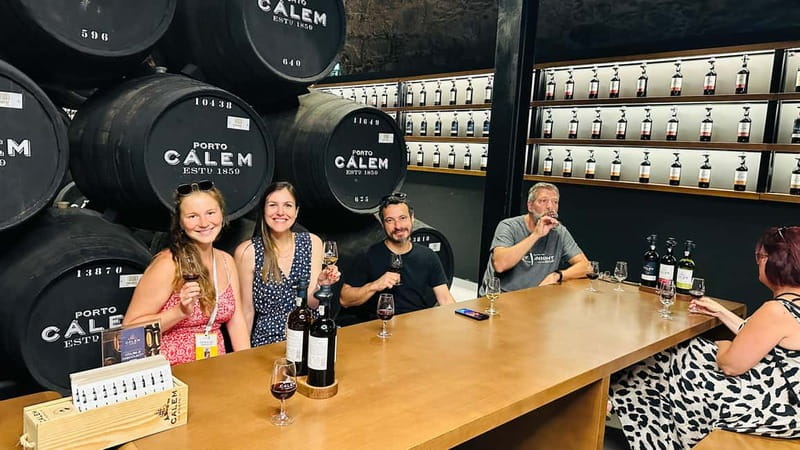
- Port wine cellar guided tour + tastings: you don’t just drink, you learn how the region fits together.
- Local delicacies tasting: the snack part helps break up the walk so it feels like a day out, not a checklist.
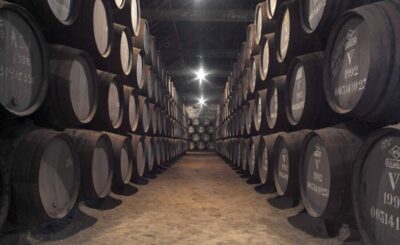
Across the water in Gaia, more lodges pouring tawny and vintage
- Porto: Bridges Cruise & Sunset & Port Wine Cellar Option★ 4.2 · 4,180 reviews
- Porto: Cálem Cellar Tour, Fado Show & Wine Tasting★ 4.4 · 3,530 reviews
- Porto: Cockburn’s Port Lodge Tour and Tasting★ 4.8 · 3,360 reviews
- Porto: City Train Tour, River Cruise & Wine Cellar★ 3.9 · 2,601 reviews
Starting at Igreja da Santíssima Trindade: your quick way in
Your tour begins at Igreja da Santíssima Trindade, at the staircase where the guide waits with a company tag and a white umbrella. This matters more than it sounds. Porto’s old streets can be confusing, and a fast 4-hour tour gives you zero patience for wrong turns.
From the start, you get that Porto rhythm: short distances, frequent viewpoint angles, and landmarks that change character every few blocks. You’ll be walking through neighborhoods where church facades, tiled details, and street-level everyday life are close together. It’s a nice way to orient yourself fast, especially if you’re only in town for a couple of days.
Porto City Hall, Bolhão Market, and the street-life in between
The next big chunk is Porto’s central core. First comes Porto City Hall, then a guided stop at Mercado do Bolhão. The market visit is only about 15 minutes, so I treat it like a sampler: you get the vibe, you see the stalls, and you learn how locals use the market space day-to-day.
In this part of the walk, you also pass through the older street fabric around St Catarina Street and routes that put you near the Porto City Walls area. That’s useful even if you don’t go into every structure. You start to recognize how the city was shaped for defense, movement, and commerce long before tourists showed up with cameras.
What I like: this section keeps your eyes moving. You’re not stuck staring at one building for too long.
What to watch: shoes. This is a city-walking tour, not a sit-down museum day.
Rua de Santa Catarina and the Chapel of Souls: photos without the time drain
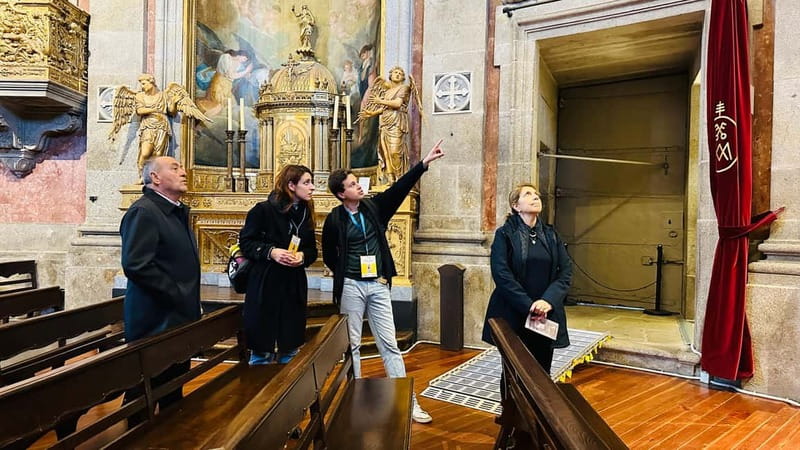
Rua de Santa Catarina is where you get a classic Porto feel: lively street frontage, good sightlines for quick photos, and enough time to absorb the mood. Then you get to one of the most memorable visual stops on the route: Chapel of Souls, with a photo stop plus about 15 minutes for a guided visit.
This is one of those places where the details do most of the work. If you like architecture and religious art, you’ll feel like you’re learning something even during a short visit. If you prefer faster pacing, 15 minutes is a good match. You see it, you get the meaning, and you don’t lose the rest of the route.
One practical note: if you’re traveling in a busy season, arrive with your camera already set and your phone battery ready. You’ll want it for both the chapel and the bridges later.
Café break, Batalha Square, and Sé: the walk turns into a story
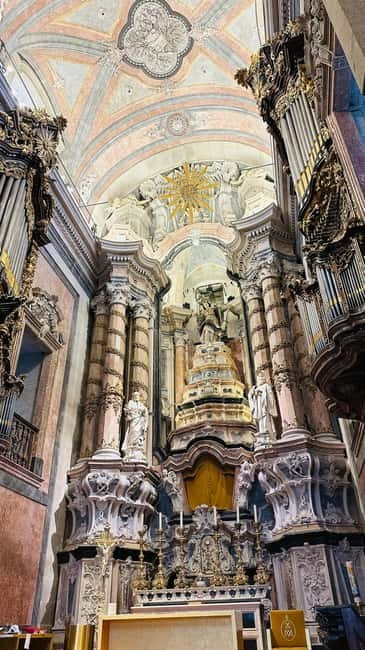
As the tour keeps moving, you’ll stop by Majestic Café for sightseeing and a walk-by moment. There’s no long sit-down here, but it’s a good pause in the rhythm, and it helps you understand why Porto’s grand café culture fits right next to its everyday market life.
Then you head toward Batalha Square (around 30 minutes of sightseeing and walking). This is a good segment to slow your eyes down for a moment. Squares give you breathing room. They also help you reset before you go into the deeper landmark zone.
After that, you’ll walk to Sé, Porto (Porto Cathedral). The cathedral stop is “see it and move,” not a full-day deep-study. But the payoff is that you’ll feel the contrast: a powerful, historic facade at one end, and streets full of living commerce at the other.
If you’re the type who loves to read buildings, this part works well. If you’re mainly after viewpoints, it still gives you context for what you’ll see in Gaia.
Over the bridge to the Gaia waterfront




Dom Luis I Bridge: the skyline switch to Gaia
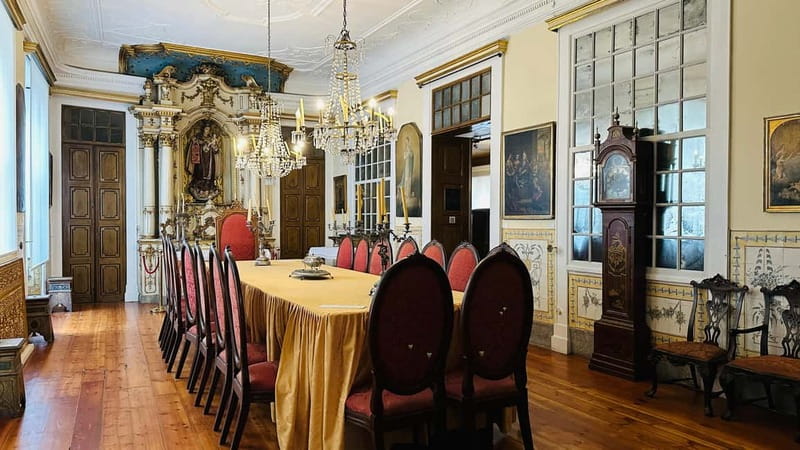
Then comes the big visual payoff: Dom Luis Bridge. You’ll have a photo stop plus guided scenic views as you approach and reposition for the crossing. Even if you’ve seen bridge photos online, seeing it in person hits different. The bridge helps you connect the dots between Porto and the wine economy on the other side of the Douro.
This is also where the tour’s logic becomes obvious. Porto’s old streets and churches aren’t just decoration. They sit in a city built around movement, shipping, and trade. The Douro crossing is the turning point from sightseeing to wine-world context.
Vila Nova de Gaia promenade: art corners and riverside mood
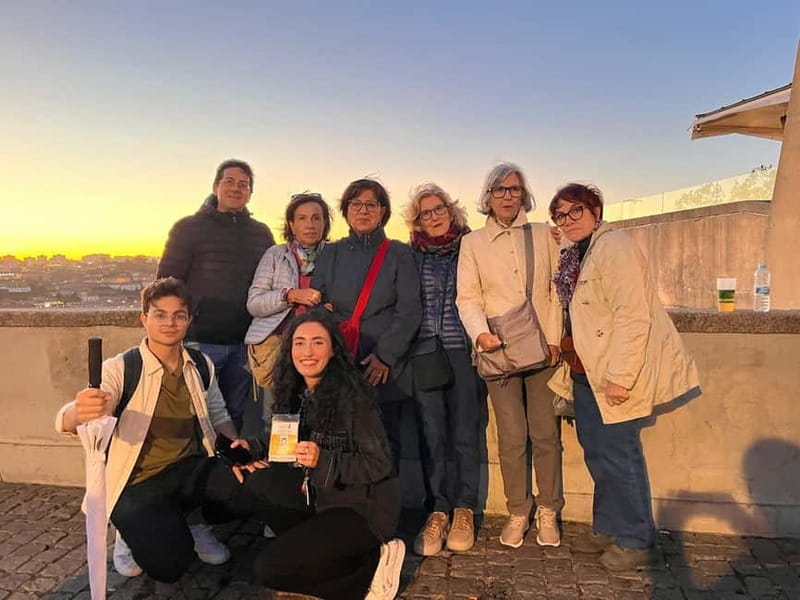
Once you reach Vila Nova de Gaia, you shift into riverside walking mode. You’ll spend time sightseeing and walking along the Gaia area, finishing up at Ribeira de Gaia. The highlights here are the feel of the riverside, the art-leaning corners, and the way the waterfront connects to the cellars.
There’s also a “secret stop” for a food tasting. The exact details aren’t spelled out in what you’re given here, but it’s a smart inclusion. It breaks the walking up and keeps your energy up right before the wine portion.
My advice: treat this part as your warm-up for tasting. Don’t go too heavy on snacks before the cellar visit, or you’ll end up rushing the flavors later.
Convento de Corpus Christi and the wine cellar visit that ends the tour
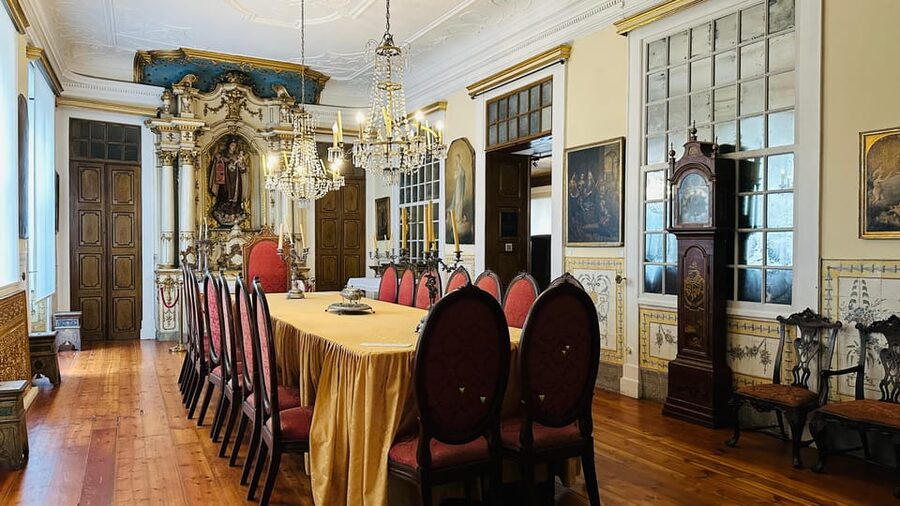
Before the wine cellar, you visit Convento de Corpus Christi with a guided tour. This gives a different type of visual storytelling than Porto’s streets. It’s a reminder that the region’s important places weren’t only about trade. They were also about faith, community life, and long-term architecture that survived the centuries.
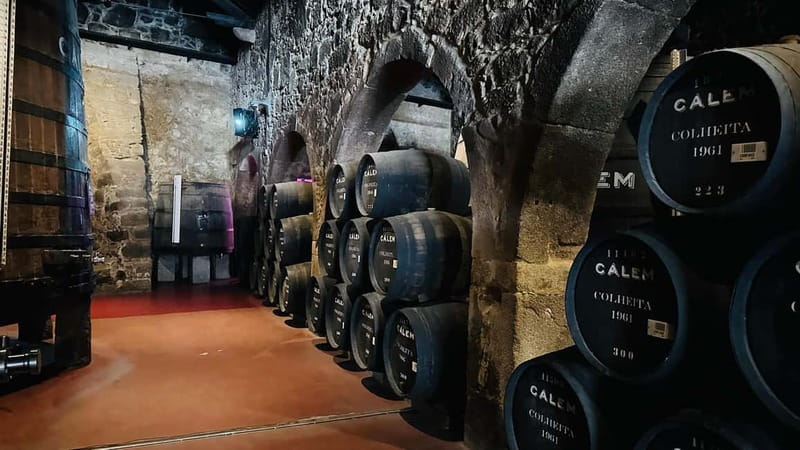
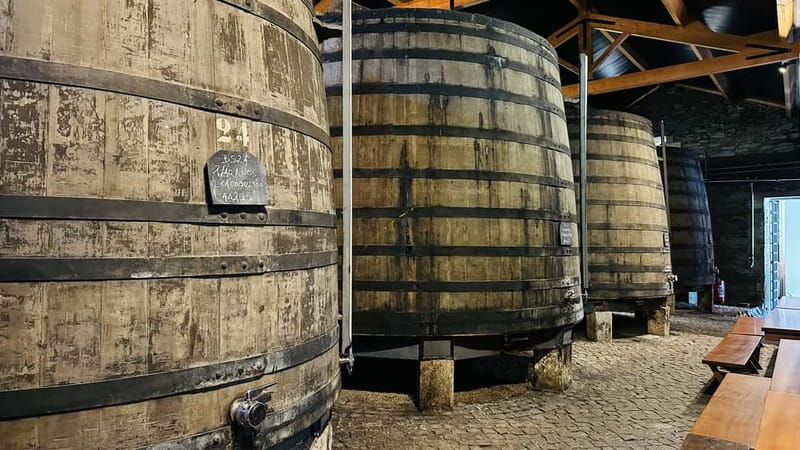
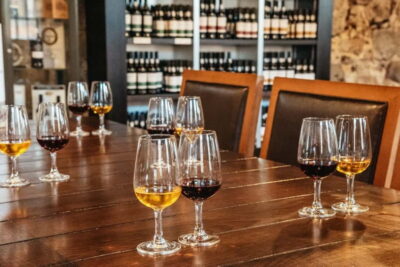
Then you reach the main event: a winery visit with a wine tasting experience. The tour includes both the guided cellar tour and tastings. You also get local delicacies tasting, which helps you shift from “wine as a drink” to “wine as a whole food-and-culture set.”
One practical tasting tip (based on real booking feedback)
If you care a lot about which port house you’re tasting from, ask ahead if possible. Some people prefer knowing the specific producer or style before they commit, because it affects whether the tasting feels like a perfect fit.
Pacing note for wine lovers
The tasting portion can feel like the finish line, but it’s still part of a structured 4-hour plan. If you tend to want to ask lots of follow-up questions, bring curiosity and ask during the guide-led time so you don’t miss your chance.
Price and value: is $53 fair for 4 hours?
At $53 per person, the value depends on what you’d do anyway.
You’re getting:
- guided entries to major stops including Chapel of Souls
- a Port wine cellar guided visit
- Port wine tasting
- local delicacies tasting
- express security handling with an express check
- a set route through Porto and Gaia with viewpoint stops like Luiz I Bridge
If you were to piecemeal this yourself, you’d likely pay more once you add in cellar entry, guided time, and the convenience of skipping some hassle at the start. For a short trip, the biggest value is time. You don’t have to coordinate transport between Porto and Gaia and then find a good cellar tour that fits your schedule.
If you’re the type who dislikes tastings or you’re already overwhelmed by wine stops during your Portugal trip, this price may feel high. But if wine is part of the reason you’re here, it’s a solid deal.
Timing, walking pace, and what to do with your feet
This is a 4-hour tour, and the schedule stacks several well-known sights plus the transition across the Douro. That means you’ll move. You’ll also have very specific windows, like the Bolhão Market visit (about 15 minutes) and the Chapel of Souls visit (about 15 minutes).
What I’d do if you’re sensitive to pace: plan something slower later the same day. This tour can leave your legs ready for a long meal and a slower walk afterward.
What to wear: comfortable walking shoes. Even if you’re not doing “big climbs,” Porto’s streets include uneven paving and lots of turns. Also bring a light layer. Coastal breezes can shift quickly, especially near the river.
Language fit: Portuguese, English, Spanish, Ukrainian, Russian
The tour offers guide support in Portuguese, English, Spanish, Ukrainian, and Russian. That’s great because language affects more than understanding. It changes how much you enjoy the storytelling behind the landmarks and the wine explanation.
If you book in Russian, make sure you’re comfortable with the plan for the tasting portion as well. There’s been at least one experience where a Russian-speaking guest found the wine lecture harder than expected. The safest move is to confirm that the tasting portion is also guided in your selected language (not just the walking segments).
If you can follow English or Spanish, you’ll likely be fine even if the guide’s focus shifts slightly as the schedule compresses.
The reality check: who this tour is best for
This fits best if you want:
- a fast orientation to Porto and Gaia
- viewpoint time, especially Luiz I Bridge
- a guided connection between Porto’s streets and Gaia’s port world
- tasting included without you needing to plan it
It’s less ideal if you want long, slow museum-style visits. The tour is designed for movement and short, high-impact stops. If you prefer to linger, you’ll need a little free time after to roam back to your favorite streets.
Should you book the Porto to Gaia City Walk and Wine Cellars tour?
I’d book it if you’re short on time and you want a single ticket that strings together the best-known landmarks, the Douro viewpoint moment, and a guided port experience with food.
I’d skip or adjust expectations if:
- you hate tastings or only want one controlled wine stop
- you need a very slow pace
- you’re picky about which port producer you’ll visit and you can’t get that detail ahead of time
If you do book, show up ready to walk, carry your questions for the guide, and treat the wine cellar as part of the story, not just the last stop. That’s when the tour clicks.
FAQ
Where is the meeting point?
The guide waits at the staircase of Igreja da Santíssima Trindade (Trinity Order Church). You’ll spot them by the company tag and a white umbrella.
How long is the Porto to Gaia experience?
It lasts 4 hours.
How much does it cost?
The price is $53 per person.
What does the tour include?
It includes guided entrances to the Chapel of Souls, a Porto wine cellar guided tour with wine tasting, and a local delicacies tasting.
What are the main highlights on the route?
Key highlights include Igreja da Trindade, Porto City Hall, Mercado do Bolhão, Porto city walls area, Rua de Santa Catarina, Chapel of Souls, Majestic Café, Batalha Square, Sé, Dom Luis Bridge, Vila Nova de Gaia, Convento de Corpus Christi, and a wine cellar visit, finishing at Ribeira de Gaia.
Is wine tasting included?
Yes. The tour includes a Porto wine tasting experience as part of the guided cellar visit.
Are there stops for photos?
Yes. For example, Chapel of Souls includes a photo stop, and Dom Luis Bridge includes a photo stop as well.
What languages is the live guide available in?
The tour offers live guiding in Portuguese, English, Spanish, Ukrainian, and Russian.
Is there an express option at security?
Yes. The experience includes an express security check.
Is it possible to cancel and get a refund?
Yes. Free cancellation is available up to 24 hours in advance for a full refund.
More Tour Reviews in Porto




More to Do in Vila Nova de Gaia

More Gaia Cellars Worth the Crossing




Fresh in the Porto notebook

Port Wine Cellars & Tastings, compared.
 ★ 4.2Bridges Cruise & Sunset & Port Wine Cellar OptionFrom $214,180 reviews
 ★ 4.4Cálem Cellar Tour, Fado Show & Wine TastingFrom $333,530 reviews
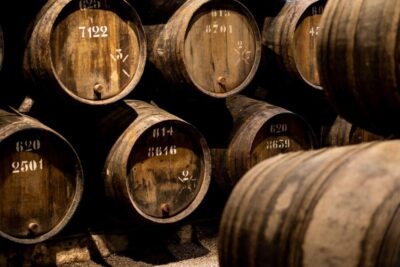 ★ 4.6Taylor’s Port Cellars & TastingFrom $293,374 reviews
 ★ 4.8Cockburn’s Port Lodge Tour and TastingFrom $353,360 reviews
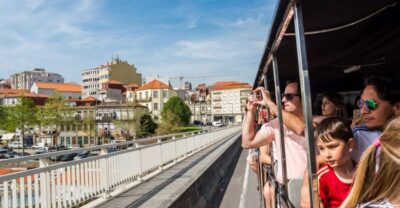 ★ 3.9City Train Tour, River Cruise & Wine CellarFrom $432,601 reviews
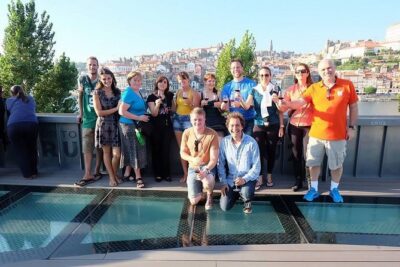 ★ 5.0Port Wine Lodges Tour Including 7 Port Wine Tastings (English)From $622,041 reviews
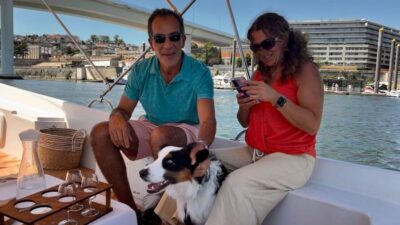 ★ 4.8Douro River Boat Cruise with Port Wine TastingFrom $471,627 reviews
 ★ 4.8Graham’s Port Lodge Tour with Premium Wine TastingsFrom $471,547 reviews
Browse the lists this tour appears in