
Reviewed · RIBEIRA & OLD TOWN
Porto: Private Tour to the Historic Center in a Classic Car
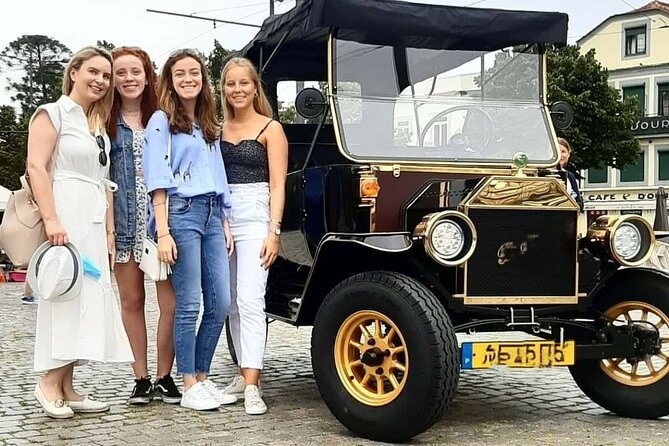
Porto’s best views come with an old-school ride. This private, 90-minute classic-car tour strings together major sights around the Douro while you get photo stops and a guide who’s comfortable talking on the move.
I love the convenient flow: bridge views, museums, and palace stops packed into a short window. I also like that your group gets focused attention—extra time for photos and practical tips, like where to eat next.
The one thing to plan for is the tight timing and the car-on-street reality. Porto’s historic center roads can feel bumpy, and route changes due to road closures can slightly alter how everything lines up.
In This Review
- Key things I’d circle before you go
- A 90-minute classic-car sprint for Porto orientation
- Luís I Bridge: the Douro view that sets the tone
- Infante D. Henrique Museum: Portugal’s sea story in human scale
- Palácio da Bolsa and the Arab Room: commerce meets design
- Customs House by the river: a strong backdrop for Porto Museum
- Fort São João Baptista: Atlantic defense and big estuary views
- Electric Tram Museum plus Passeio Alegre: transport and calm in one arc
- Cheese Castle and Crystal Palace Gardens: coast views plus park drama
- Road noise, photo timing, and why the ride can feel bumpy
- Price and value: what $39.79 buys you in Porto
- Who this private classic-car tour fits best
- Should you book this Porto private classic-car tour?
- FAQ
- How long is the Porto private classic-car tour?
- What does the tour cost per person?
- Is this tour private?
- Is pickup included, and where do you meet?
- What language is the tour offered in?
- Is there a mobile ticket?
- Are any stops free or do you need tickets?
- Can I bring a service animal?
- When should I book?
- FAQ
- Can I cancel for free?
Key things I’d circle before you go
- Luís I Bridge photo time with a real sense of scale and river activity
- Palácio da Bolsa’s Arab Room for Moorish-style details inside a neoclassical shell
- Douro waterfront stops that make the city feel connected, not random
- Fort-and-views contrast: Atlantic defense energy, then garden calm
- Flexible guide pacing with get-out-and-shoot opportunities
- A ride that’s short on purpose: great orientation, not a whole-day museum marathon
Deeper into Ribeira, its arcades and riverfront
- The Unvanquished Tour in Porto City Center★ 5.0 · 26,497 reviews
- Porto: The highest-rated traditional fado concert (downtown)★ 4.8 · 1,557 reviews
- Porto: Historical Center Walking Tour★ 4.8 · 898 reviews
- Historic Porto by Private Electric Tuk Tuk to Top Landmarks★ 4.5 · 735 reviews
A 90-minute classic-car sprint for Porto orientation
This is the kind of tour that helps you get your bearings fast. In about 1 hour 30 minutes, you cover the big, recognizable Porto scenes—then you can decide what deserves a return visit later.
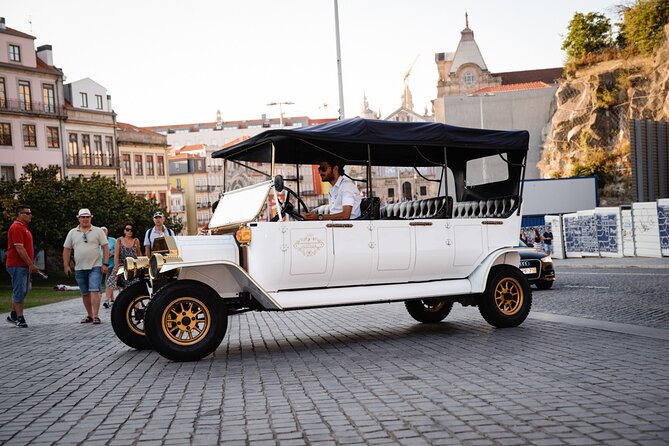
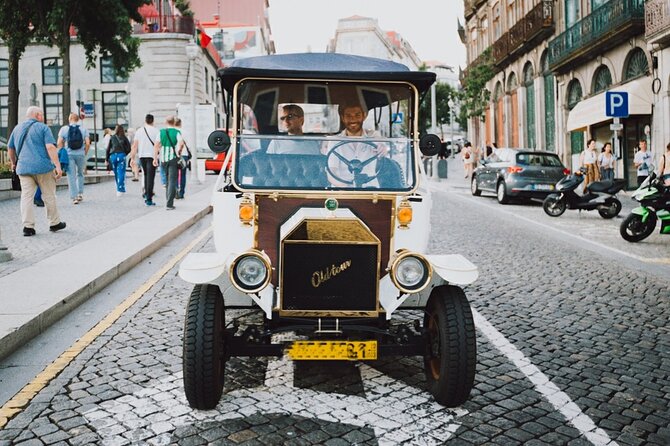
The classic car matters more than you might think. It changes the feel of Porto from stop-and-go walking to a slow roll through viewpoints, with a guide calling out what you’re seeing as the city shifts around you. And because it’s private, you’re not stuck timing your questions to someone else’s tour pace.
Do keep expectations realistic: you won’t linger long at each place. The itinerary is built for quick stops and good exterior moments, plus small windows inside where available. If your goal is deep museum time, you’ll still need a separate plan. But if your goal is seeing the essentials and getting smart direction from a guide, this time box is a plus.
Luís I Bridge: the Douro view that sets the tone
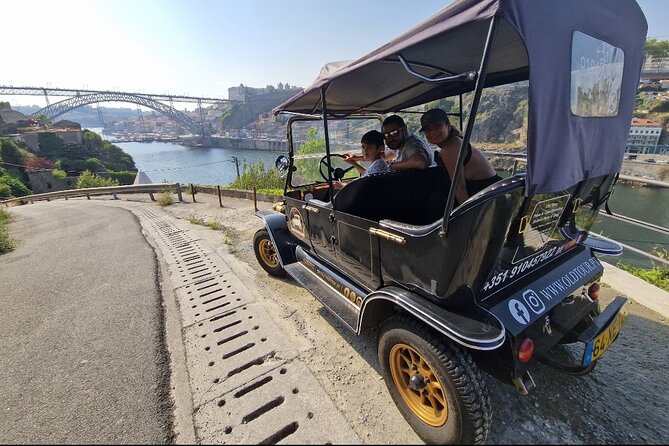
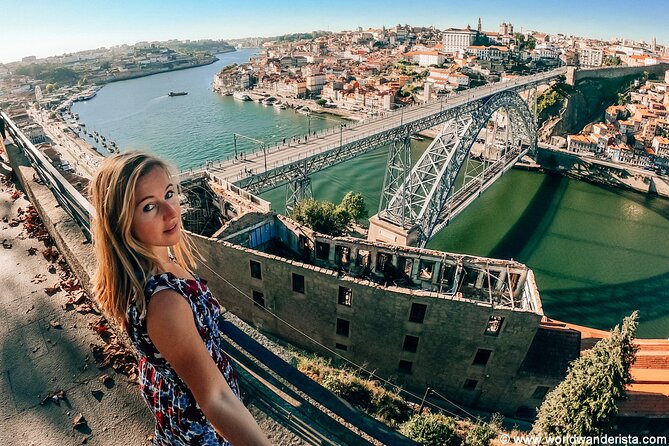
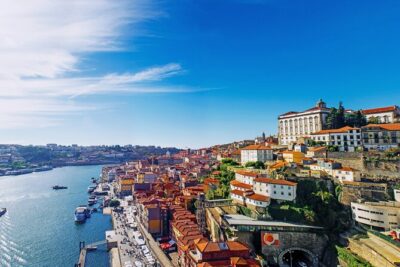
The tour starts with Porto’s most iconic engineering moment: Luís I Bridge. It’s not just a landmark photo. During the crossing, you get a clear sense of how the city connects to Vila Nova de Gaia across the Douro River.
Walking on the upper deck gives you the full effect. It’s about 60 meters up, and the height makes the river feel bigger—especially when boats are coming and going. You also notice the soundscape: water movement and the steady rhythm of river traffic.
For photos, aim to match the light. Sunrise and sunset are especially good because the water reflects colors and the city edges look softer. Even if you’re not traveling at those times, you’ll still get a strong “this is Porto” moment to anchor the rest of the day.
One practical note: the bridge area can be busy, so take the guide’s timing. The best angles often depend on when you arrive, not just where you stand.
Infante D. Henrique Museum: Portugal’s sea story in human scale

Next comes the Infante D. Henrique Museum, focused on Portugal’s maritime history and the legacy of the Discoveries era. This is a good stop if you want context for what you’re seeing across Porto and the coast—without needing to be a history scholar.
What I like about this museum for a short tour is that it’s not only about reading. You can see models of historical ships, navigation instruments, and maps. Those objects help you connect the dots between exploration, trade, and the way Portuguese cities grew.
It’s also described as interactive and educational, which makes it a strong option if you’re traveling with kids or you just learn better by doing. Even if you only skim for a few minutes, you’ll come away with a clearer idea of why the sea and navigation shape Portuguese identity.
If you care about maritime topics, this museum is the stop where you’ll feel the “why” behind Porto’s waterfront energy.
Palácio da Bolsa and the Arab Room: commerce meets design
Palácio da Bolsa is one of Porto’s best interior-style visits on this route, and it’s an easy win for architecture lovers. Built in the 19th century and originally the Stock Exchange headquarters, the building is neoclassical in structure—but famous for the Arab Room, where Moorish-influenced decoration and fine details do the real talking.
Inside, you’re shown magnificent rooms, each with its own visual payoff. The guide context matters here. You don’t just look at pretty walls—you learn how commerce shaped the city and how Portugal’s economic world evolved over time. That makes the building feel less like a decorative stop and more like a chapter in Porto’s story.
Timing is the only challenge. Because the car tour is short, your visit window inside won’t be long. Still, even a brief look at the Arab Room leaves a memorable impression.
If you want to return later, this is a great first pass. You’ll know what to target the next time you have more time and can slow down.
Rather go at your own pace? More private guides



Customs House by the river: a strong backdrop for Porto Museum
The Porto Customs House brings the story back to the water. It’s a 19th-century neoclassical building on the Douro’s banks, tied to taxes and trade—basically, the machinery that helped commerce move.
Today it houses the Porto Museum, where you can explore exhibits about Porto’s cultural and social history. Even with limited time, the museum setting plus the river views outside give you a two-layer experience: what the city did, and where it did it.
I like this stop because it’s practical for travelers. It ties together what you saw at Palácio da Bolsa (commerce and institutions) with what you’ll keep seeing around the Douro. It helps you understand how Porto’s wealth and culture were shaped by the flow of goods and people.
Also, the gardens nearby are a nice release valve if you’ve been moving fast. You can sit, catch your breath, and let the bridges and river activity do the entertainment for a few minutes.
Fort São João Baptista: Atlantic defense and big estuary views
Then the tour leans into the coastline with Fortress São João Baptista. This 17th-century fort is positioned facing the Atlantic, built to protect Porto from maritime threats.
The biggest payoff here is the vantage point. From the fort, you can take in views over the Douro estuary, where river meets ocean energy. It’s a different mood than the city center stops, and that contrast is useful. It reminds you that Porto isn’t only about buildings and streets—it’s also about the geography that forced the city to defend itself.
The tour description notes that admission tickets aren’t included for this stop. So if you’re planning around it, budget a little extra for entry if you decide to go inside or if tickets are required on site.
Even if you keep it to the exterior and viewpoints, the fort gives you something memorable: a sense of scale and purpose that you don’t get from postcards.
Electric Tram Museum plus Passeio Alegre: transport and calm in one arc
Porto has a gift for mixing old systems with daily life. The Electric Tram Museum is housed in a former electric tram factory and focuses on public transport history—specifically the trams that have operated since the 19th century.
This is a fun and surprisingly meaningful stop. You’re not just looking at old machines. You’re seeing how transit shaped urban mobility and, in turn, daily routines across Porto. The museum includes historical models, photos, and documents tracing how the city’s transport evolved over time.
Some rides on restored trams may be possible, which can add a playful “time travel” element. If that’s a must for you, check how it’s handled on the day you book, since the tour itself is short.
After that, you switch to Jardim do Passeio Alegre, a 19th-century park at the mouth of the Douro. This is where you slow down. Expect shaded paths, palm trees and flowering shrubs, and a waterfront breeze that feels like a natural reset.
The garden is described as free, and that’s a big practical plus on a short itinerary. It’s easy to enjoy even with limited time: sit on a bench, look out toward the river, and let your guide’s previous context settle in.
Cheese Castle and Crystal Palace Gardens: coast views plus park drama
The tour keeps the coast theme going with Castelo do Queijo (Fort of São Francisco do Queijo). Built in the 16th century, it was designed to protect the area from pirate attacks and maritime invasions.
The name is tied to the building’s shape, which resembles a Serra cheese. That detail might sound like a joke until you see the structure—it gives the fort a quirky, memorable identity.
This stop is also listed as free. The payoff is the views over the sea and the mouth of the Douro River, plus the fact that interior spaces are used for exhibitions and cultural events. Even if you don’t spend much time inside, the viewpoints make the stop worth it.
Then you end with Jardins do Palácio de Cristal. These gardens trace back to the 19th century, designed to complement the Crystal Palace (a glass-and-iron structure inaugurated in 1865). The gardens use romantic-style design—lakes, hills, and small pavilions—and they’re arranged by English landscape architect Edmundo de Melo e Castro.
Translation: it’s not just “nice greenery.” It’s a designed experience built for meeting, strolling, and events. Even with a short stop, you can feel the change from fort angles to garden curves.
The gardens are listed as free, so you’re finishing with a low-cost, high-comfort moment—ideal for decompressing before you head to dinner.
Road noise, photo timing, and why the ride can feel bumpy
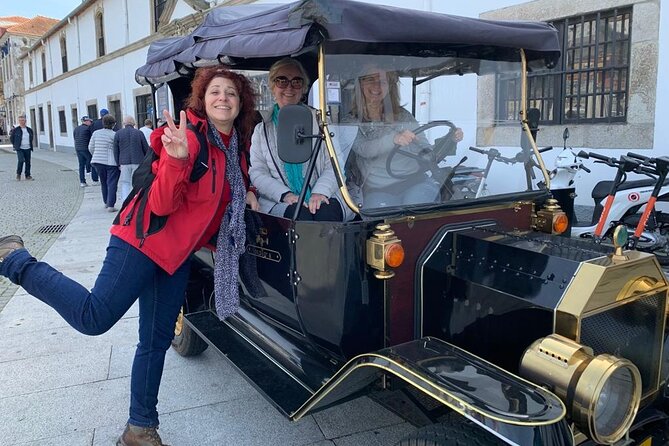
Old cars + historic streets = honest travel expectations. Several guides in the tour’s past have been praised for being patient, and for good reason: Porto’s streets can be uneven, and the classic car experience may feel a bit bumpy.
That’s not a dealbreaker, but it’s a real consideration. If you’re sensitive to rough roads, you’ll want to sit where you can feel less motion, and you’ll want to keep your trip pace calm. A private tour lets you do that better than group tours.
Also, Porto can have road closures. One tour experience was affected by closures and heavy traffic, shifting the route. That’s normal city life. The best way to handle it is mental flexibility: show up ready for the day to be slightly different, not disappointed.
The good news? The guide experience can make up for timing squeezes. Guides like Mariana and João are described as patient and explanatory, with drivers like Gama and Ana praised for their care and on-time reliability. That kind of guiding turns a short, compact route into a smoother experience.
Price and value: what $39.79 buys you in Porto
At $39.79 per person for about 1.5 hours, this tour is priced for convenience and efficiency. You’re paying for three things at once:
- Transport in a classic car (not just taxi math)
- A private group setup, so the timing works for you
- A packed itinerary that covers multiple big Porto zones around the river
The value also comes from what the tour helps you do after. Once you’ve seen Luís I Bridge, Palácio da Bolsa, the waterfront customs area, and the coastal forts, you’re in a better position to pick what deserves a longer, more relaxed follow-up visit.
One more value angle: the guide’s restaurant and city advice. João’s suggestion to try the Francesinha afterward is a perfect example of how a good driver turns a sightseeing route into a food plan you can trust.
If you’re traveling with someone who likes photos and landmarks, this price is easier to justify. If you’re traveling solo and you prefer slow wandering with zero structure, you might feel the itinerary is a bit fast. But for most people trying to make the most of limited time, it’s a solid use of your day.
Who this private classic-car tour fits best
This tour is a strong match if you want:
- A first-timer overview of Porto’s big hits, without hopping on and off transit all day
- Lots of viewpoint moments in a short time window
- A private guide who can answer questions and adjust pacing for photos
It’s also a good fit for families, since at least one guide experience mentioned enjoying the tour with an 11-year-old. The museum stop and the tram theme can work well when kids like interactive or hands-on elements.
If you hate rough roads or you require long museum time, you may want to swap the forts and garden pace for a slower, walking-based plan. This tour is made for motion and quick stops.
Should you book this Porto private classic-car tour?
Yes, I’d book it if you’re trying to do Porto efficiently and you care about getting photo-ready viewpoints plus guided context in a short window. It’s especially worth it if you like the idea of a private ride with multiple stops that help you decide what to revisit later.
Before you go, do two simple things:
- Pick a time when you’ll get good light for river photos (bridge and waterfront work best in softer morning or evening light)
- Plan for short visits, since the tour is designed to cover many sites in 90 minutes
And if you’re picky about pickup details, confirm meeting expectations in advance and be ready to meet near the historic center, since pickup can depend on location and distance.
FAQ
How long is the Porto private classic-car tour?
It runs for about 1 hour 30 minutes.
What does the tour cost per person?
The price is $39.79 per person.
Is this tour private?
Yes. It’s a private tour/activity, so only your group participates.
Is pickup included, and where do you meet?
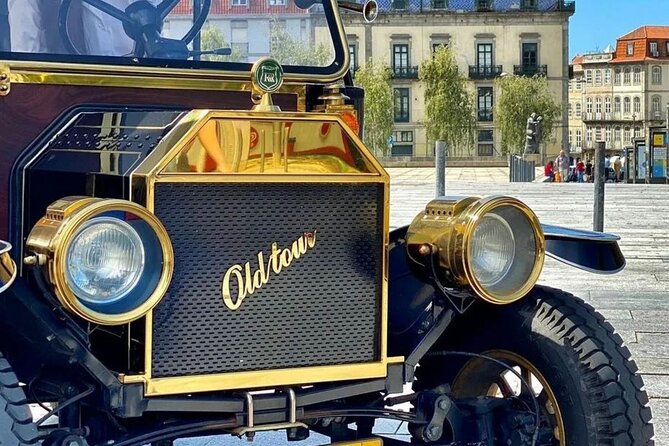
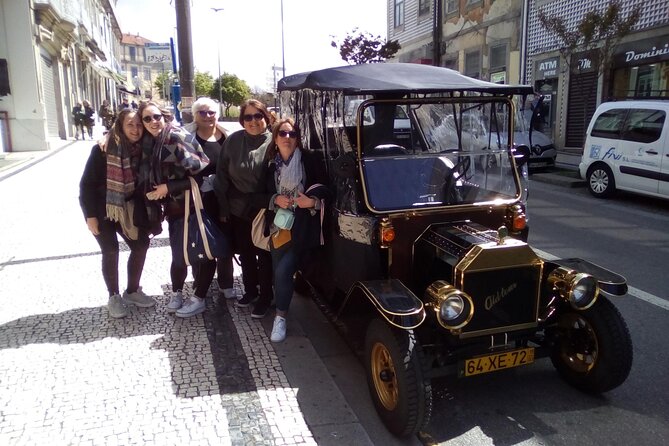
Pickup is offered, and the meeting point is anywhere in the historic center area. The classic car (black or green) is easy to spot, and guides are identified by the name Oldtour.
What language is the tour offered in?
The tour is offered in English.
Is there a mobile ticket?
Yes, mobile tickets are offered.
Are any stops free or do you need tickets?
Jardim do Passeio Alegre and Castelo do Queijo are listed as free, and Jardins do Palacio de Cristal are also listed as free. Fortress São João Baptista notes that an admission ticket is not included.
Can I bring a service animal?
Service animals are allowed.
When should I book?
On average, this is booked about 11 days in advance.
FAQ
Can I cancel for free?
Yes. Free cancellation is available up to 24 hours in advance for a full refund.
Classic Cars and Sidecars


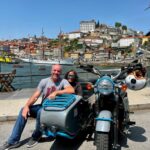

Private Porto Tours to Compare

More of Ribeira and the Old Town
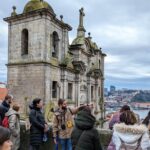

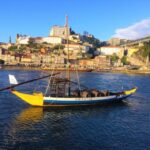


Fresh in the Porto notebook
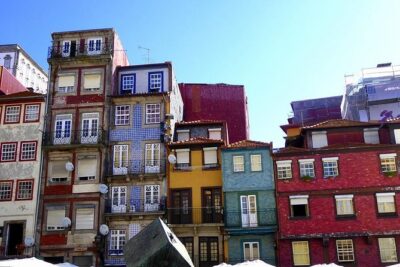

Ribeira & Old Town, compared.
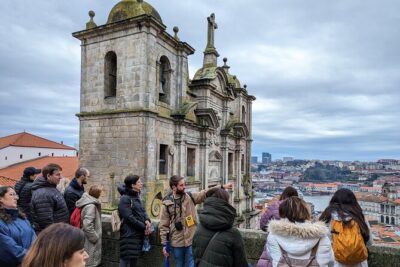 ★ 5.0The Unvanquished Tour in Porto City CenterFrom $326,497 reviews
 ★ 4.8The highest-rated traditional fado concert (downtown)From $241,557 reviews
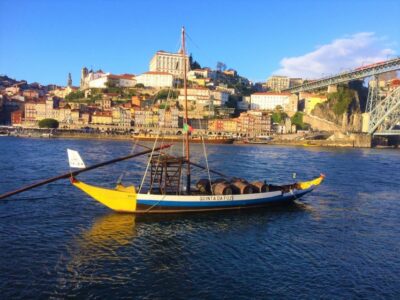 ★ 4.7Historic City Center Walking TourFrom $331,172 reviews
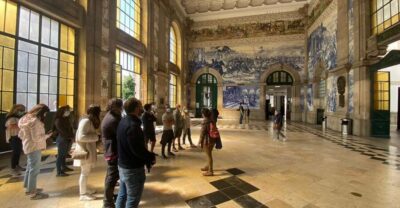 ★ 4.8Historical Center Walking TourFrom $41898 reviews
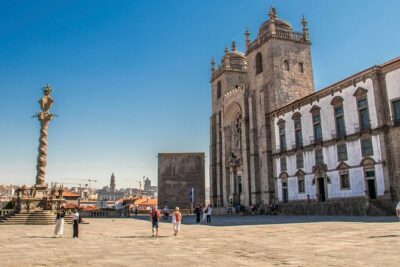 ★ 4.5Historic Porto by Private Electric Tuk Tuk to Top LandmarksFrom $42735 reviews
 ★ 4.9Tile Painting and Cocktails in Downtown PortoFrom $41484 reviews
 ★ 5.03-Hour Old Town & Riverside Bike Tour – Guided ExperienceFrom $47481 reviews
 ★ 5.0Pastel de Nata | Workshop from scratch | Porto’s city centerFrom $48449 reviews
Browse the lists this tour appears in