
Reviewed · PORTO CITY WALKS
City Walking Tour & Port Wine Cellar
Porto is a city you can’t rush. This walking-and-port combo is a smart first-day move: you’ll get your bearings fast in the historic parts of Porto, then cross to Vila Nova de Gaia for a proper port wine tasting. It’s the kind of tour where the streets feel like a storybook, not just a checklist.
Two things I especially like: the way the guide connects architecture and Portuguese history to what you’re actually seeing, and the fact that the tasting is guided, not random. David and Nuno (and sometimes João, depending on who leads) come with energy and lots of context, so you understand what you taste instead of just sampling.
One consideration: you’re doing a moderate amount of walking, with stairs and some uphill/downhill. Also, the port tasting happens at the end, so if you’re hoping to drink your way through the walk, this isn’t that kind of tour.
In This Review
- Key highlights worth your attention
- Why this Porto combo tour works so well
- First stop: the tiled train-station moment and what it teaches you
- Cathedral-area viewpoints: religion, viewpoints, and Portugal in one block
- Through the old neighborhood: invasions, Discoveries, and real street-level history
- The crossing to Gaia: why the lower deck matters for port lovers
- Cais de Gaia and the visit to port producers
- The downhill walking and the best city perspective you actually earn
- What you’ll learn about port wine (beyond sweetness)
- Group size, guide energy, and why the tour feels personal
- The walking reality: what to wear and how to pace yourself
- Price and value: what $42.33 buys you in real terms
- Who should book this tour
- Practical tips so your day goes smoothly
- Should you book City Walking Tour & Port Wine Cellar?
- Quick decision rule
- FAQ
- How long is the tour?
- What does the tasting include?
- Is the tour small-group?
- What language is it offered in?
- Where do I meet, and where does the tour end?
- Can I cancel for a full refund?
Key highlights worth your attention
- Small group size (max 12) keeps the experience personal and question-friendly
- Guides with serious storytelling skills connect rail tiles, churches, and port history
- A visit to port producers in Gaia, followed by a guided tasting of 3 port wines
- Photo-ready viewpoints and miradouros built into the route
- About 3 km of walking with climbs and stairs, so wear comfy shoes
- Restaurant and local tips often come at the end of the tour, when you’re ready to eat
Across the water in Gaia, more lodges pouring tawny and vintage
- Porto: Bridges Cruise & Sunset & Port Wine Cellar Option★ 4.2 · 4,180 reviews
- Porto: Cálem Cellar Tour, Fado Show & Wine Tasting★ 4.4 · 3,530 reviews
- Porto: Cockburn’s Port Lodge Tour and Tasting★ 4.8 · 3,360 reviews
- Porto: City Train Tour, River Cruise & Wine Cellar★ 3.9 · 2,601 reviews
Why this Porto combo tour works so well
Porto can overwhelm you at first. The river views are stunning, the streets twist, and the city’s landmarks look like they’re competing for attention. This tour solves that problem with a simple flow: start with “how Porto works” (history, religion, buildings, and everyday life), then zoom in on the reason the riverfront matters—port wine.
The value is not only that you get a tasting. You also get the language to read the city. When you stand in front of the famous tiled station, or look out over a miradouro, you’ll understand what those moments mean in Porto’s identity. Then you cross the Douro to Gaia—where the wine is aged—and the story clicks into place.
At $42.33 per person for about 3 hours, you’re paying for a guide, guided tasting, and a real producer visit. Compared with doing Porto on your own, that’s a cost that buys you time and clarity. Compared with a “wine-only” experience, it’s a better deal if you want both city context and wine education.
First stop: the tiled train-station moment and what it teaches you
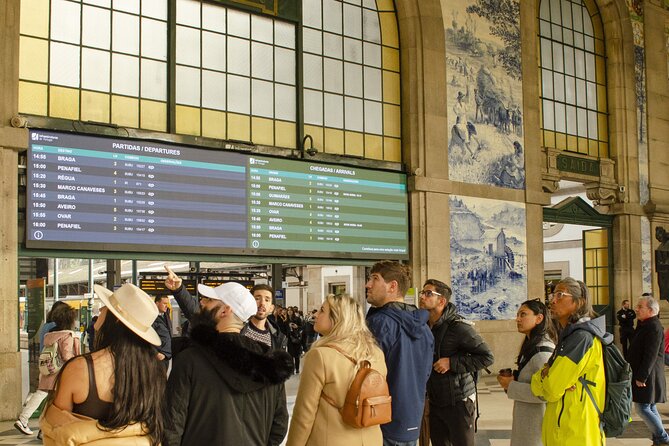
You’ll start in central Porto near a McDonald’s on Praça da Liberdade, then get pulled into Porto’s visual language right away. One early highlight is a look at one of the city’s best-known rail stations for its hand-painted azulejos (those blue-and-white ceramic tiles).
What I like about starting here is that it sets the tone. Porto isn’t just picturesque; it’s communicative. Those tiles tell history and create a sense of place, and you’ll get a quick explanation of how that visual art fits into the city’s story. It’s a small beginning, but it makes the rest of the walk easier because you’ll notice more.
If you’re the type who hates “standing around while someone lectures,” don’t worry—this part is short and visual. Even on a rainy day, it’s a strong start because you’re looking at something you can keep seeing while the guide explains.
Cathedral-area viewpoints: religion, viewpoints, and Portugal in one block
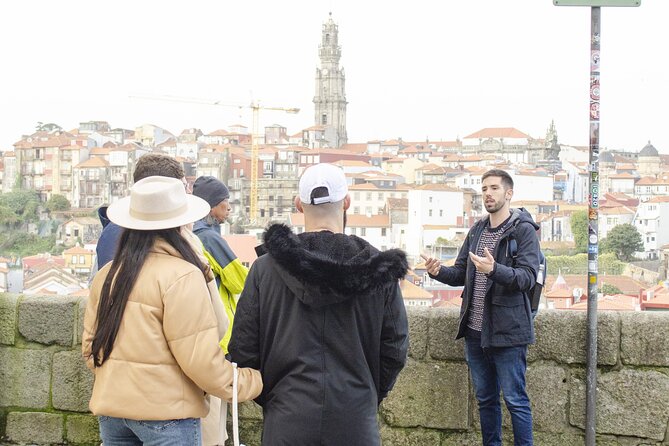
Next, you’ll pass by the Porto Cathedral and the bishop’s house area. The guide ties it to the way religion shows up in Portugal—what it meant historically, and why you’ll keep seeing religious influence in architecture and daily life.
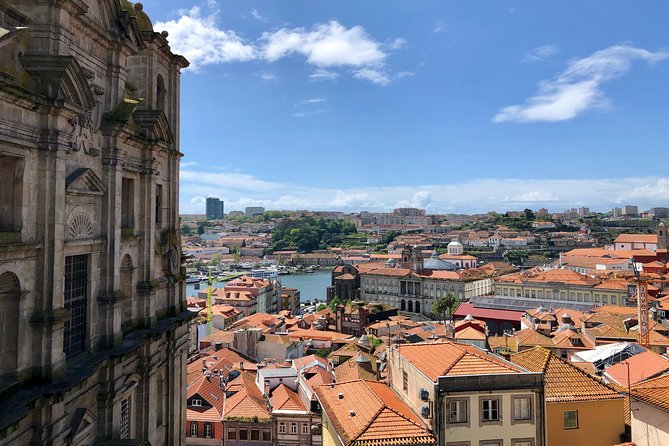
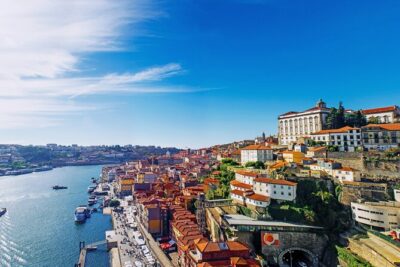
Then you’ll swing toward miradouros—viewpoints that make Porto feel three-dimensional. This is where the walking tour starts paying off. When you get a view, you stop being lost. You begin to understand how the neighborhoods step up away from the river and why the Douro shapes everything.
A practical note: viewpoints often mean a short scramble for the best angle. If you have limited stamina, you’ll still be fine, but you should move at your own pace and plan on taking a breather if needed.
Through the old neighborhood: invasions, Discoveries, and real street-level history
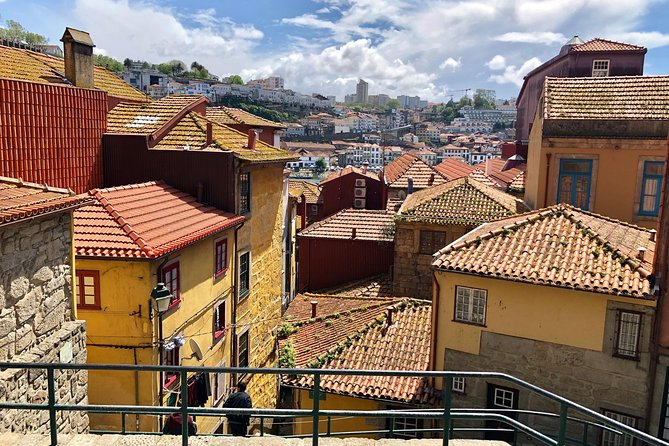
One of the best parts of this tour is that it doesn’t keep history locked behind museum walls. You’ll go through the oldest areas of Porto and hear how different eras shaped the city, including references to Muslim invasions and the Portuguese Discoveries.
What makes this work is that the guide relates those themes to the city fabric—how people lived, what power looked like, and why Porto’s identity formed the way it did. You’re walking through real streets, so the story feels grounded.
This section also helps if you’re doing Porto as a quick trip. Even if you only have a day or two, you’ll walk away with a mental map of why Portuguese history isn’t just dates. It shows up in urban form, religious institutions, trade, and the way the riverfront became a center of wealth.
More routes on foot through Porto



The crossing to Gaia: why the lower deck matters for port lovers
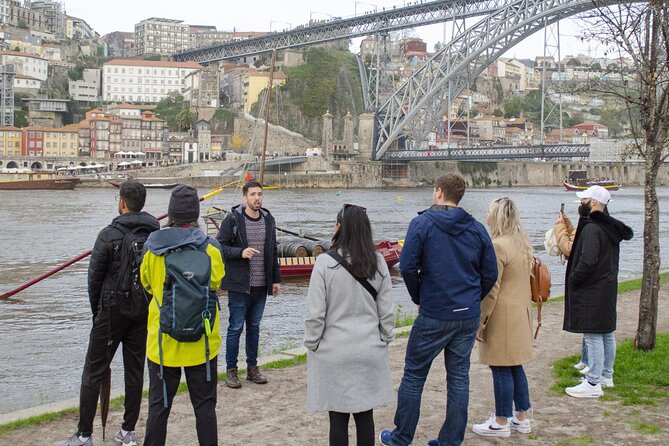
At some point you’ll cross from Porto to Vila Nova de Gaia via the lower part of the bridge. You’re moving from the city-side energy to the wine-side logic. The guide connects that geography to what you’ll taste next: wine aging happens in Gaia, on the south bank.
This is more than a transit moment. It’s a “now you get it” pivot. Seeing Porto from the move across the river makes the earlier viewpoint stops feel purposeful. And when you reach Gaia, you’re not just walking into a cellar—you’re arriving at the place that completes the story.
If you don’t enjoy long stretches of walking, this route still works because you’ll get breaks for explanations and photo stops. Just keep your shoes ready for uneven pavement and stairs.
Cais de Gaia and the visit to port producers
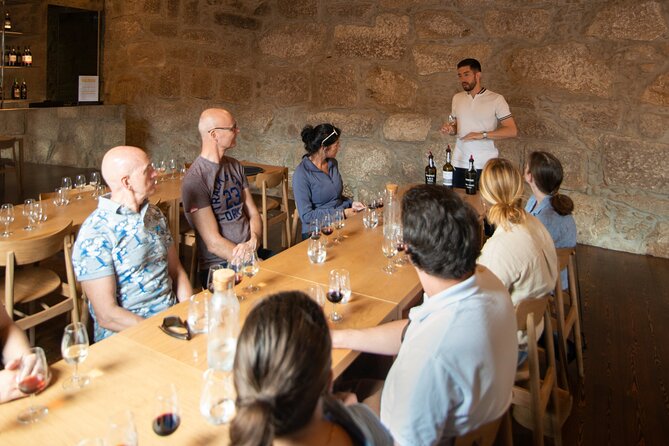
One of the main reasons to book this is the cellar visit in Gaia at Cais de Gaia. You’ll get a look at how port is produced, and then you’ll taste different port wines.
This producer visit is where the experience becomes educational in a way that still feels fun. You’re not reciting wine terms; you’re learning what to look for—how styles differ, why sweetness and alcohol balance matters, and how aging changes the profile. The guide also offers guidance on what flavors to notice, so you can take that skill home for future tastings.
The tasting itself is a key highlight: 3 port wines. Several guides are praised for coaching people through the tasting, including how to interpret labels and flavors. That means your first exposure to port doesn’t end with I liked it. You’ll have a clearer answer to what you liked and why.
And yes, you’ll taste at the end, not throughout. One review specifically called out that tasting isn’t continuous. That’s important to know if you’re expecting frequent sips during the city walk.
The downhill walking and the best city perspective you actually earn
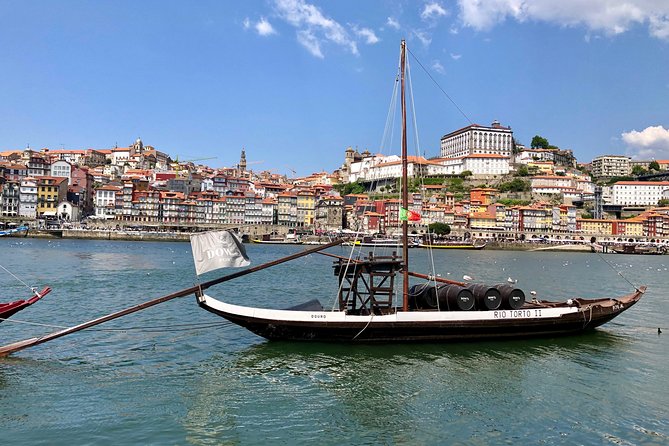
After Gaia, you’ll include a walking stretch that offers one of the best city perspectives of Porto. The best part of this section is that you get the view because you walked for it. You’re not just standing on a single corner; you’re moving through neighborhood angles that show the river, the bridge connection, and how Porto sits on a slope.
Also, the route includes a mix of uphill and downhill. One review mentioned stair climbs and a big downhill finish. Plan your energy. If you’re visiting with knee issues, you’ll want to go slowly, hold steady on stairs, and maybe plan an Uber back uphill if you need it afterward.
For photos, this is strong. The guide is also known for helping with photo spots, and on at least one rainy-day tour, the perspective stops still worked because you’re anchored by storytelling and timing, not by perfect weather.
What you’ll learn about port wine (beyond sweetness)
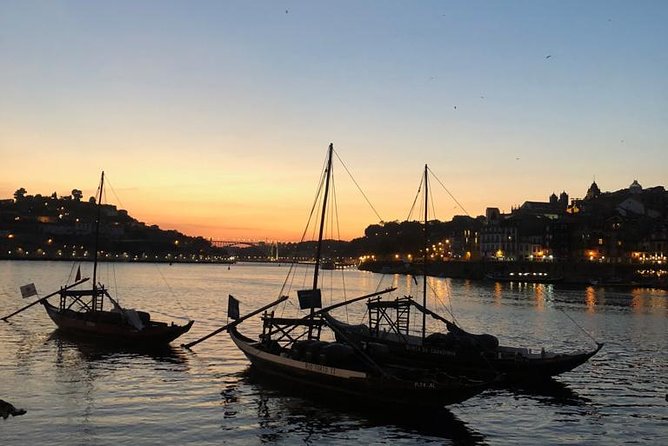
Port can sound like one category: sweet red wine in a bottle. This tour helps you separate it into styles and a logic you can remember.
Here’s what you’ll come away with:
- An understanding of how producers in Gaia relate to the aging process
- A tasting framework for noticing differences between styles
- A better sense of what the label and sweetness level signal about character
You’ll taste three ports, which is a sweet spot. It’s enough variety to notice differences, but not so much that you leave overwhelmed. And because the tasting is guided, you can ask questions and get straight answers while it still feels fresh.
One caution from real feedback: port can skew sweet, and not everyone loves that. If you prefer dry wines, start with the goal of learning the style differences. You may love one of the trio more than the others.
Group size, guide energy, and why the tour feels personal
The tour runs with a maximum of 12 travelers. That’s the magic number for this format. It’s small enough for personalized attention, but big enough that you won’t feel like you’re stuck in a private lecture.
Guides are often described as high-energy and humorous, with strong English, and a knack for involving the group. Nuno and David, in particular, show up in reviews as someone you can talk to, ask questions of, and trust to explain both city and wine clearly.
There’s also a practical upside: small groups move at a livable pace. You’re guided through stops with time for questions and photo moments, not just a march-through.
The walking reality: what to wear and how to pace yourself
This is a city walking tour with stairs. That’s the honest bottom line.
You should expect:
- Moderate physical fitness level required
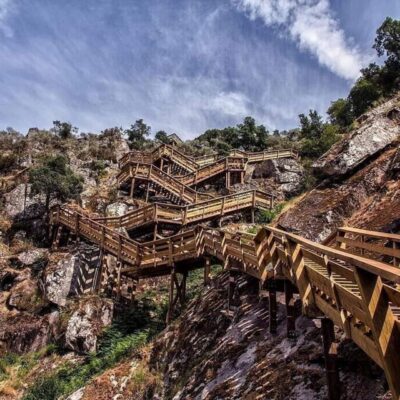
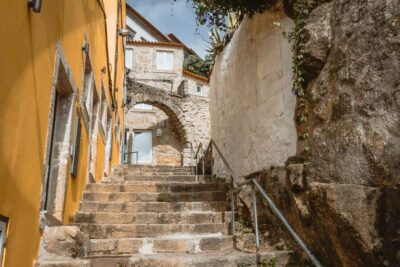
- Some uphill effort and stair sections
- A route that can be slippery if it rains, especially on older stone streets
What you’ll want:
- Comfortable shoes with grip
- Light layers for weather swings
- A water bottle if you’re sensitive to heat
One review specifically mentioned an enjoyable time even in rain, so it’s not cancelled for light weather. But plan for slower footing.
If you want to control the pace, you usually can. Many guides are comfortable moving with the crowd and answering questions. Just know you’ll still be moving steadily to keep the experience timed for the cellar tasting.
Price and value: what $42.33 buys you in real terms
Let’s break down what you’re paying for.
For $42.33, you get:
- A local guide leading you through Porto’s main story beats
- A walk that includes key architectural and viewpoint stops
- A visit to port producers in Gaia
- A guided tasting of 3 port wines
If you tried to recreate this yourself, the cost would be mostly time and logistics. You’d either need a guided tasting booked separately, or you’d be trying to learn port on your own. Buying this combo tour is paying to compress learning into one flow: city → geography → wine.
Also, you’re not just tasting. You’re tasting with context. That’s a big difference between a tourist sampling and an experience that leaves you smarter—and more confident ordering port later.
Who should book this tour
This is a great fit if you:
- Want a strong first intro to Porto that connects history and design
- Like port wine enough to want to learn styles, not just drink sweet wine
- Enjoy walking tours with viewpoints and photo moments
- Prefer small-group attention over big-bus crowds
It’s less ideal if you:
- Want a wine tour that’s mostly drinking along the way
- Have very limited mobility and can’t handle stairs
- Strongly dislike sweet wines and want only dry styles
Practical tips so your day goes smoothly
Start thinking like a local walker, not a sightseeing passenger.
- Bring comfy shoes. You’ll likely hit stairs and uneven pavement.
- Plan for the tasting to be at the end. Don’t schedule a heavy meal before the cellar.
- If you care about food recommendations, ask near the end. Guides often share where to eat traditional Portuguese food.
- Have your camera ready for rail tiles, viewpoints, and the riverfront perspective.
Also, you’ll start in Porto and end in Gaia (Largo Joaquim Magalhães). That split can be a plus because it lines you up for lunch or an evening plan on the wine side of the river.
Should you book City Walking Tour & Port Wine Cellar?
If you want an efficient, local-feeling introduction to Porto with a real port producer tasting, I’d book it. It’s strong value because you get three parts that usually cost separately: a guided city walk, viewpoint time, and a guided tasting of 3 port wines.
But make sure your expectations match the format. This is not a sip-everywhere drinking tour. It’s a history-and-walk tour that ends with port.
Quick decision rule
Book it if you want to leave Porto understanding how the city and the wine connect. Skip or look for a different style if walking and stairs are a deal-breaker, or if sweet port isn’t your thing.
FAQ
How long is the tour?
It runs for about 3 hours.
What does the tasting include?
You’ll taste 3 port wines during the visit to port wine producers.
Is the tour small-group?
Yes. The maximum group size is 12 travelers.
What language is it offered in?
It’s offered in English.
Where do I meet, and where does the tour end?
You start at McDonald’s on Praça da Liberdade 126, Porto, and the tour ends at Largo Joaquim Magalhães, Vila Nova de Gaia.
Can I cancel for a full refund?
Yes. You can cancel up to 24 hours in advance for a full refund.
More Tour Reviews in Porto




More of Porto on Foot
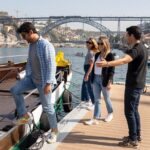
More Gaia Cellars Worth the Crossing



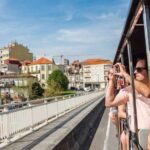
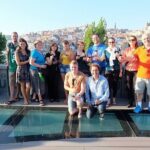

Fresh in the Porto notebook
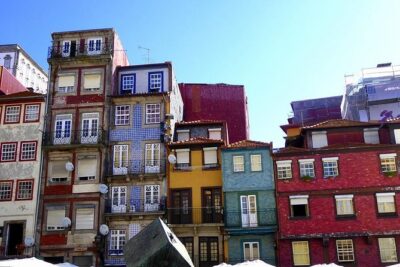


Porto City Walks, compared.
 ★ 5.0Porto Walking Tour, Lello Bookshop, River Cruise and Cable CarFrom $723,354 reviews
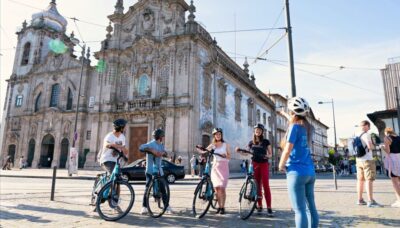 ★ 4.8City Highlights 3-Hour Guided Electric Bike TourFrom $513,092 reviews
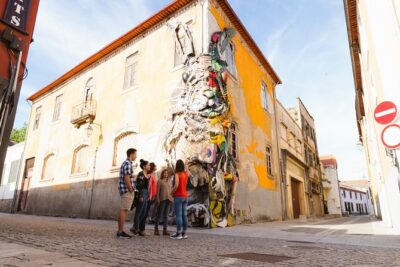 ★ 5.0Experience Porto’s Charm: 3-Hour Guided Walking TourFrom $352,432 reviews
 ★ 4.83-Hour Guided City Highlights Walking TourFrom $342,050 reviews
 ★ 4.4Wine Tasting with Tapas Walking TourFrom $531,541 reviews
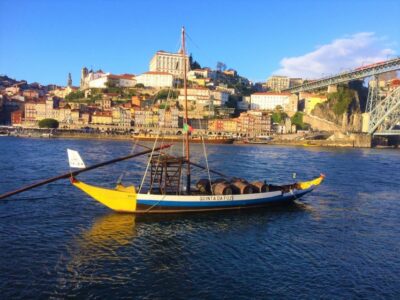 ★ 4.7Historic City Center Walking TourFrom $331,172 reviews
 ★ 5.0Porto’s #1 Walking TourFrom $01,026 reviews
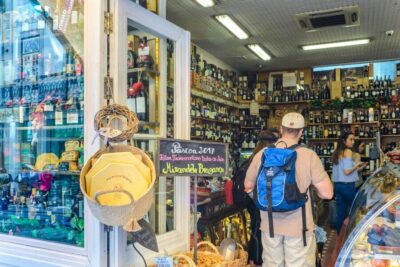 ★ 4.8Delicious Food and Wine Walking TourFrom $87977 reviews
Browse the lists this tour appears in