
Reviewed · RIBEIRA & OLD TOWN
6 Bridges and Ribeira Boat Tour with Sunset Option
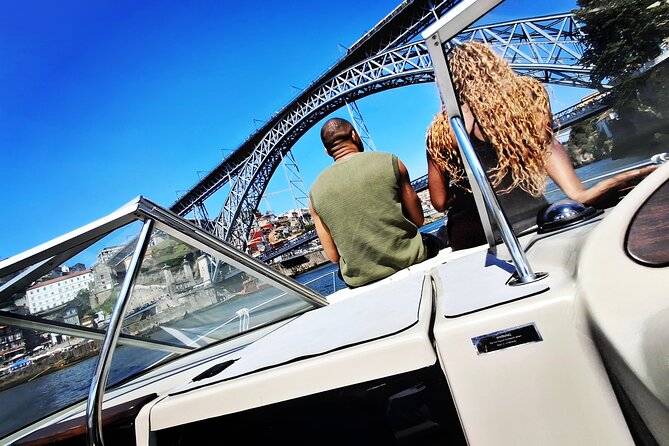
Six bridges, one slow glide on the Douro. I like this tour because it turns Porto and Vila Nova de Gaia into one connected story, with clear bridge-by-bridge context as you float along. I also love the small-group feel on a shared boat, especially with the sunset option when the sky changes fast over the water. The only catch: there’s no snack or bar service, and since it runs only with good weather, you’ll want to dress for chill air if you book sunset.
This is a 1 hour 30 minutes ride between Foz do Rio Douro and Ponte Infante D. Henrique, departing from Marina da Afurada in Vila Nova de Gaia. You get a mobile ticket and the tour is offered in English, so you can focus on the views instead of decoding details on your own. If you’re into architecture, waterfront neighborhoods, and that calm “let the river do the work” pace, this one fits.
In This Review
- Key things to know before you go
- Porto and Gaia by boat: why the 6-bridge route feels different
- Route overview: from Marina da Afurada to the river meeting Atlantic
- The bridge highlights: Arrábida, Ponte do Infante, and D. Luís
- When the view shifts to Serra do Pilar: monastery views and the river’s bend
- Railway bridges: D. Maria Pia and São João, seen the way they should be
- Ponte do Freixo and the upstream feel: seeing Porto from a different angle
- Ribeira and Gaia waterfront stops: Cais da Ribeira, Cais de Gaia, and gardens
- Where the water turns: Foz do Douro and the Douro Estuary Nature Reserve
- What you’ll experience on board: calm pace, lots of bridge talk
- English, welcome drink, and small-group comfort
- Price and value: what $52.87 gets you
- Practical tips for a smooth sunset ride
- Who should book this Porto 6-bridges boat tour
- Should you book? My take
- FAQ
- How long is the 6 Bridges and Ribeira boat tour?
- Where does the tour start?
- Is the tour offered in English?
- Is it a private boat?
- Are drinks or food included?
- Does the tour include a sunset option?
- What if the weather is bad?
- Can I get a refund if I cancel?
Key things to know before you go
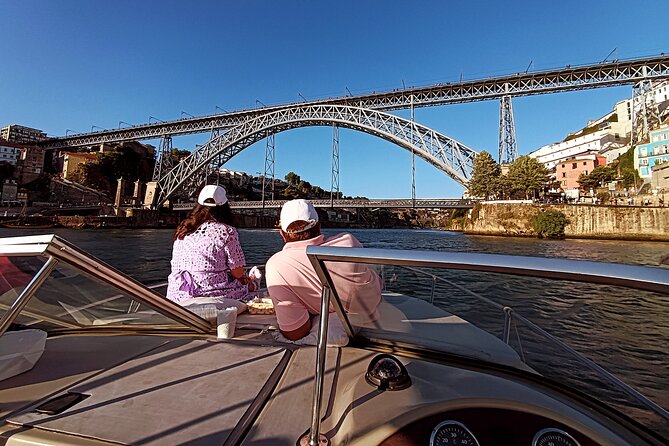
- Six bridges, one connected route: You’ll see major crossings from the 19th-century iron era through modern road and railway bridges.
- Small group size (max 4): It feels relaxed, with room to take in views without constant crowding.
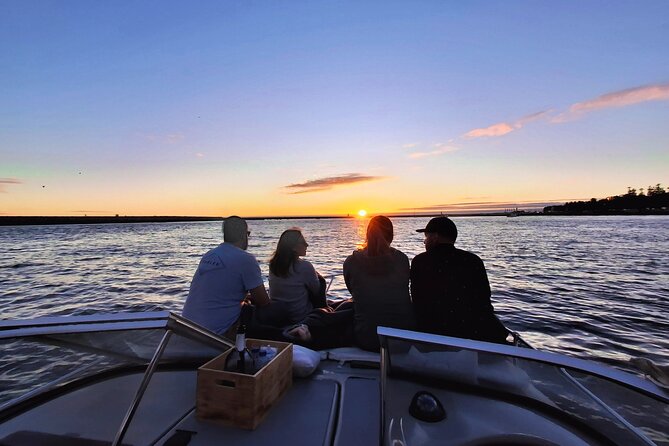
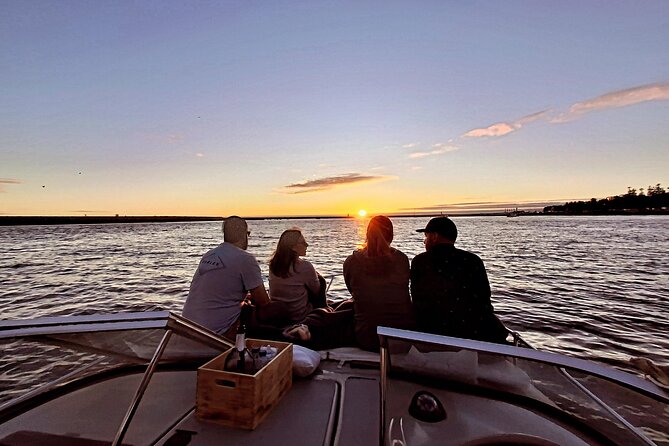
- Sunset option is worth it: You can sit on the deck and watch the light shift, and staff may bring blankets when it gets cold.
- Informative skipper talk: Expect lots of bridge and river history explained in a practical, easy-to-follow way.
- Great photo shoreline stops: Ribeira (Cais da Ribeira), Gaia terraces (Cais de Gaia), and viewpoint gardens along the way.
Other ways to ride the river past the six bridges
- Complete Douro Valley Wine Tour with Lunch, Wine Tastings and River Cruise★ 5.0 · 12,920 reviews
- Porto: 6 Bridges Douro River Cruise★ 4.3 · 6,472 reviews
- Porto: Guided Tour by Tuk-Tuk & Optional Douro River Cruise★ 4.5 · 5,980 reviews
- Authentic Small Group Douro Wine Tour with Lunch & River Cruise★ 5.0 · 4,775 reviews
Porto and Gaia by boat: why the 6-bridge route feels different
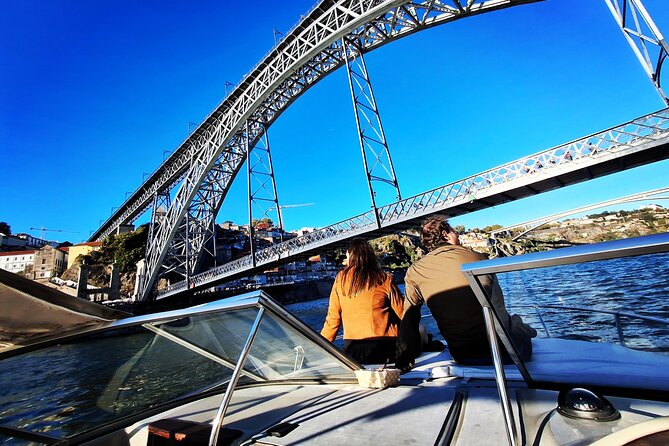
Porto is famous for steep streets and photo angles, but from the water it clicks. You see how the river bends, where neighborhoods press up against the quay, and how bridges stitch Porto to Vila Nova de Gaia.
This tour is built around that idea. Instead of bouncing between viewpoints, you glide under the bridges while a skipper explains what you’re looking at. That combo makes the city feel less like random landmarks and more like one system—transport, architecture, and everyday life along the Douro.
Route overview: from Marina da Afurada to the river meeting Atlantic
The ride runs about 1 hour 30 minutes, and it starts at Marina da Afurada (R. da Praia, Vila Nova de Gaia). The route takes you along the riverside edges of Porto and Gaia, from the area where the Douro meets the Atlantic toward the key bridge crossings around Porto.
That matters because you get a steady flow of sights without long idle time. You’re not just “on a boat”—you’re moving through the corridor where the city’s main crossings cluster.
You’ll also be out on open water long enough for sunsets to have an effect. If you book that option, plan for cooler air as evening sets in, since you’ll likely be standing or seated on the deck for long stretches.
The bridge highlights: Arrábida, Ponte do Infante, and D. Luís
The tour’s bridge sequence is the main event, and it’s the reason this feels special even if you’ve already seen some Porto bridges from the street.
First up is the Arrábida Bridge. It’s a reinforced-concrete arch bridge built in 1963, designed to handle rising road traffic as newer connections were needed beyond older crossings. From the water, arches like this make more sense because you can track the curve and how it spans the river’s depth.
Next you pass the Ponte Infante Dom Henrique (Ponte do Infante), inaugurated in 2003. It’s the most recent major road bridge connecting Porto and Gaia, and seeing it after older bridges gives you a clear timeline of how design and traffic needs evolved.
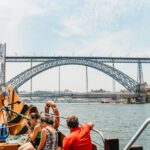
Then comes the big name people associate with Porto: the D. Luís Bridge. This iron structure carries road, railway, and pedestrian traffic, with two decks at different elevations and an arrangement of beams and pillars that’s meant to fit the river valley. From the boat, it’s easier to understand how those two levels work in practice—especially when you’re looking up at the arch and the decks slicing across the water.
When the view shifts to Serra do Pilar: monastery views and the river’s bend
After you’ve wrapped your head around the bridges, the tour turns to the viewpoint side of things. Serra do Pilar (also associated with Serra de São Nicolau) rises above the Douro in Vila Nova de Gaia, and it’s where the famous monastery sits.
Even if you don’t go on land here, the water-level angle makes this hill feel “anchored” between the bridges. It’s one of those stops where you feel the geography: the river corridor, the steep banks, and the way the city’s buildings step up from the water.
It’s also a useful break in the tour rhythm. After engineering-heavy bridge details, a viewpoint elevation helps you reset and absorb the wider river curve.
Catch the river mouth as the light drops, other sailings compared


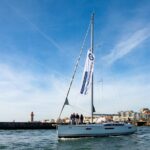
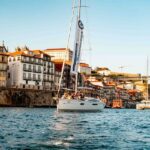
Railway bridges: D. Maria Pia and São João, seen the way they should be
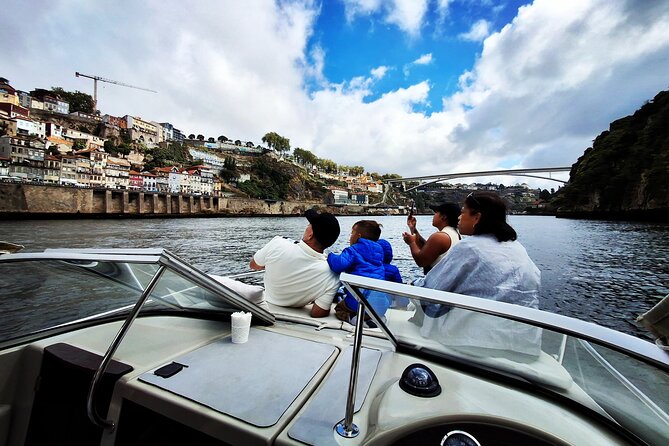
Two of the most meaningful historic crossings in Porto are the older railway bridges: D. Maria Pia and São João.
D. Maria Pia carried the Northern Line over the Douro and was inaugurated in 1877. It later closed in 1991 and was replaced by Ponte de São João. Seeing it from the water helps you appreciate how railway bridges weren’t just functional—they were built to dominate the river crossing.
The São João Bridge entered service on June 24, 1991, replacing the older structure. What I like about seeing both in one go is that it gives you a comparison. You can look for differences in materials, proportions, and how each bridge fits its specific spot along the river corridor.
If you enjoy engineering stories, this part is where the tour really earns its price. It’s not just name-dropping—your guide talk connects the bridge changes to transport needs over time.
Ponte do Freixo and the upstream feel: seeing Porto from a different angle
You also pass Ponte do Freixo, a road bridge that connects Gaia to Porto and is the furthest upstream among the crossings between the two cities. “Upstream” sounds minor, but it changes your sense of space—suddenly the river feels wider and less like you’re boxed into the classic Ribeira postcard view.
This is the kind of detail that makes the tour feel more curated than a generic cruise. You don’t just repeat the obvious sights; you move through the broader river network where Porto and Gaia actually grow.
Ribeira and Gaia waterfront stops: Cais da Ribeira, Cais de Gaia, and gardens
The tour’s waterfront stops are where the trip becomes more than architecture.
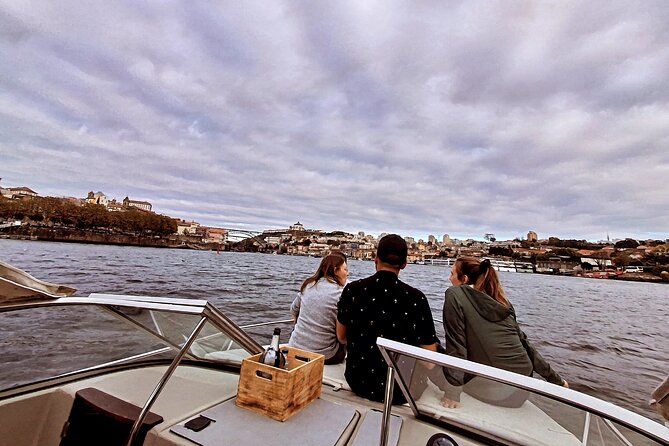
Cais da Ribeira is the classic Porto riverside scene next to the D. Luís Bridge. If you’ve walked Ribeira before, you’ll instantly recognize the rhythm of the quay—only here, you get a steadier, sweeping angle that helps you understand how the area sits along the river bend.
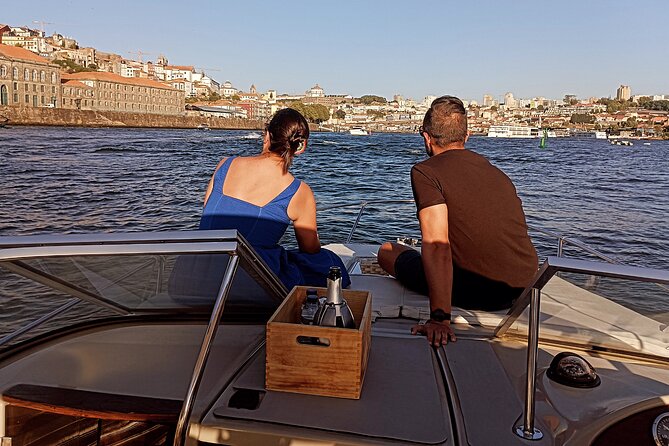
On the opposite bank, Cais de Gaia is a terrace-and-restaurant zone in Vila Nova de Gaia, opposite Porto’s UNESCO historic core. From the boat, those terraces make sense as social space, not just scenery. You can see why people linger here at sunset and how the riverfront lines up with major bridges.
You’ll also see the Crystal Palace Gardens from the river, a green break in the city near Massarelos. It’s a nice change of pace after bridges and rail lines, and it’s the kind of stop that makes your camera roll look good without much effort.
Where the water turns: Foz do Douro and the Douro Estuary Nature Reserve
The trip continues toward Foz do Douro, where the Douro River meets the Atlantic Ocean. This shift matters because the water feels different—less “river canyon” and more open meeting-point energy.
Then you’re linked to the Douro Estuary Local Nature Reserve, created in 2018 and covering 62 hectares. It’s a resting, feeding, and sheltering area for migratory birds. The tour doesn’t read like a wildlife safari, but seeing this reserve referenced during the ride gives you a fuller sense of the river as habitat, not only as backdrop.
If you care about responsible travel, this is one of those quiet reminders that Porto’s waterway is living space.
What you’ll experience on board: calm pace, lots of bridge talk
The vibe on this tour is about calm, not chaos. The boat ride itself stays smooth and easygoing, and the staff approach makes the experience feel friendly rather than scripted.
The standout praise is how informative the bridge narration is. You get a steady stream of facts about what each bridge is, when it was built, and why it matters—especially in how the old crossings transitioned from earlier solutions to newer ones.
You’ll also have the benefit of a skipper on board, which is a big deal for a tour like this. A skipper can point out details you’d miss from the street and keep the ride moving at the right speed for viewing.
English, welcome drink, and small-group comfort
This is offered in English, which is helpful because bridge architecture can get technical fast. Here, the information is delivered in a way that stays useful while you’re still looking at the real structure overhead.
Included with the tour is a welcome drink. It’s small, but it sets a tone and gives you a moment to settle in before the bridge sequence starts.
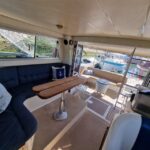
And then there’s the comfort factor. The boat is described as exclusive (shared) with a maximum of 4 travelers. That’s a big reason the ride feels personal. You can ask questions, take photos without shoulder-to-shoulder stress, and actually watch the bridge details as the story unfolds.
Price and value: what $52.87 gets you
At $52.87 per person for about 1 hour 30 minutes, the price is fair when you compare it to how much you cover and the size of the group.
What you’re paying for:
- fuel and a small shared boat ride
- a skipper and structured commentary while you pass major bridges
- a welcome drink
- a mobile ticket setup
What you’re not paying for:
- no bar service
- no food service
That last part matters. If you’re doing this around dinner time, I suggest you eat before you board. The tour works best as a visual and educational experience, not a meal cruise.
Still, for architecture lovers or anyone who wants a “Porto without running” plan, this is good value. The small group size and the bridge-focused storytelling do a lot of the heavy lifting.
Practical tips for a smooth sunset ride
If you’re going for the sunset option, plan your clothing like you would for evening on the water. The reviews mention that staff provide blankets once it got cold, but it’s smarter to wear layers anyway.
Bring:
- a camera or phone with enough battery (you’ll want it for D. Luís and the waterfront)
- a light jacket or layer for deck time
- comfortable shoes for walking to and from Marina da Afurada
Service animals are allowed, and the meeting point is near public transportation, so you can keep your morning and afternoon flexible.
Who should book this Porto 6-bridges boat tour
I’d book it if you fit one of these:
- You’re in Porto for a short time and want a high-sight-per-minute plan.
- You like architecture and want real context for bridges like D. Maria Pia, São João, and D. Luís.
- You prefer calm over crowded cruises, with a small group feel.
- You’re traveling solo and want something sociable without being a big tour bus.
It’s also a strong choice for couples. The sunset option plus the quiet glide along both banks gives you that “we didn’t rush through Porto” feeling.
If you’re hoping for a long meal-style cruise with snacks and drinks, this probably won’t match what you want. It’s a bridge tour first.
Should you book? My take
Book it if you want Porto and Gaia connected in one view. The mix of famous landmarks (Ribeira, D. Luís, Serra do Pilar) with less-obvious but important engineering pieces (railway bridges and the upstream Freixo crossing) makes it feel like more than a standard waterfront boat ride.
Skip it if you need food service or if weather is a big unknown for your dates. The experience requires good weather, and if the ride doesn’t run, you’ll be offered a different date or a full refund.
FAQ
How long is the 6 Bridges and Ribeira boat tour?
It runs about 1 hour 30 minutes.
Where does the tour start?
It starts at Marina da Afurada, R. da Praia 430, 4400-554 Vila Nova de Gaia, Portugal, and ends back at the meeting point.
Is the tour offered in English?
Yes, the tour is offered in English.
Is it a private boat?
It’s described as an exclusive boat that’s shared, with a maximum of 4 travelers.
Are drinks or food included?
A welcome drink is included. There’s no bar service and no food service, so plan to eat before or after.
Does the tour include a sunset option?
The experience is offered with a sunset option.
What if the weather is bad?
The tour requires good weather. If it’s canceled due to poor weather, you’ll be offered a different date or a full refund.
Can I get a refund if I cancel?
You can cancel for a full refund as long as you cancel at least 24 hours before the experience’s start time.
If you tell me your travel month and whether you’re doing Porto in the morning or evening, I can suggest the best time to book the sunset option.
More of Ribeira and the Old Town

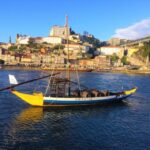
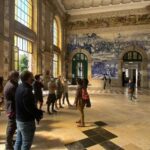
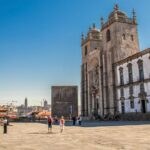

Sunset Sailings on the Douro
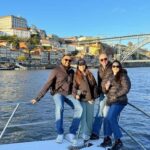
Back on the River, Bridge by Bridge
Fresh in the Porto notebook

Ribeira & Old Town, compared.
 ★ 5.0The Unvanquished Tour in Porto City CenterFrom $326,497 reviews
 ★ 4.8The highest-rated traditional fado concert (downtown)From $241,557 reviews
 ★ 4.7Historic City Center Walking TourFrom $331,172 reviews
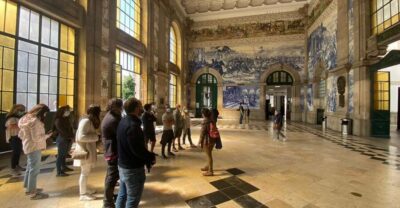 ★ 4.8Historical Center Walking TourFrom $41898 reviews
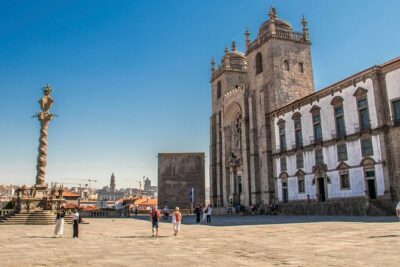 ★ 4.5Historic Porto by Private Electric Tuk Tuk to Top LandmarksFrom $42735 reviews
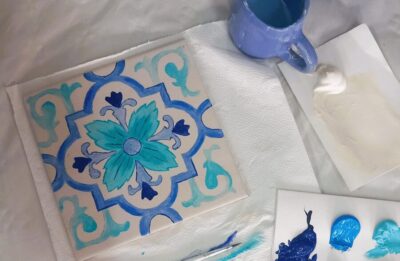 ★ 4.9Tile Painting and Cocktails in Downtown PortoFrom $41484 reviews
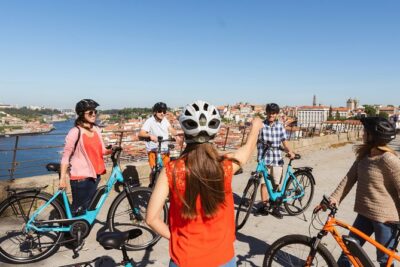 ★ 5.03-Hour Old Town & Riverside Bike Tour – Guided ExperienceFrom $47481 reviews
 ★ 5.0Pastel de Nata | Workshop from scratch | Porto’s city centerFrom $48449 reviews
Browse the lists this tour appears in