
Reviewed · PORTO CITY WALKS
The Soul of Porto: Walking Tour with Food and Wine Tasting
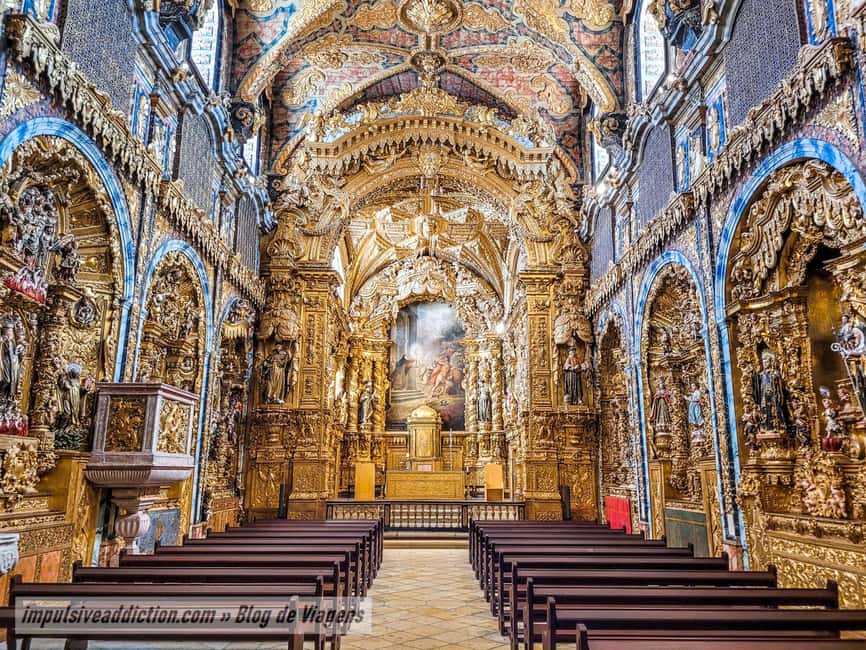
Porto tastes better when you walk it. This 2-hour guided route links major sights with genuine local flavors, and it ends with a proper Porto-wine toast. I love the azulejo drama at São Bento Station and the baroque intensity inside the Church and Convent of Santa Clara. The only catch: the weather is real here, and on a windy/rainy day a closure can force a route tweak, so you’ll want flexible expectations.
The payoff is practical: you get a guided flow through Porto’s old layers, with just enough time to get your bearings for the rest of your trip. Guides like Arthur and Rui bring the stories to life in a way that makes you look up at the buildings instead of just walking past them. And if it’s a small group, you tend to get more time for questions as you go.
At $36, you’re paying for more than snacks. You’re getting a certified guide, guided entries for key sites (including inside Santa Clara), and a tasting that includes pastries plus wine (or a non-alcoholic option). If you’re hoping for a heavy wine crawl or a long meal, this is not that kind of tour.
In This Review
- Key highlights worth showing up for
- Porto in two hours: what this walking tour delivers
- Starting at Largo Primeiro de Dezembro and warming up at Batalha Square
- São Bento Station’s azulejos: more than a photo stop
- Fernandine Walls: medieval fortifications with Douro views
- Santa Clara’s church and convent: baroque gold and real atmosphere
- Morro da Pena Ventosa, Sé do Porto, and the bishops’ power
- Barredo streets to Ribeira: where Porto feels like Porto
- Food and wine tasting: what you actually get
- How to dress and plan: shoes, photos, and weather reality
- Languages, guide style, and what to ask them
- Skip-the-line and guided entries: why it’s more efficient than DIY
- Price and value: is $36 a good deal?
- Should you book this tour?
- Quick decision checklist
- FAQ
- Where is the meeting point?
- How long is the tour?
- What food and drink are included?
- Are there guided visits inside the sites?
- What languages is the tour offered in?
- Can I cancel and get a refund?
Key highlights worth showing up for
- São Bento Station’s azulejo artwork: guided context makes the tiles click fast
- Skip-the-line access for select stops via a separate entrance
- Fernandine Walls viewpoints: medieval fortifications with Douro River views
- Church and Convent of Santa Clara: gold-covered woodwork and baroque atmosphere
- Real tasting moment at a local restaurant: Portuguese pastries plus a glass of Porto wine
Still hungry? More francesinha, tripas and market bites
- Porto Food & Wine Tasting Tour with Lunch or Dinner Option★ 5.0 · 2,303 reviews
- Porto: Wine Tasting with Tapas Walking Tour★ 4.4 · 1,541 reviews
- Authentic Food and Wine Tour in Porto by Food Lover Tour★ 5.0 · 1,057 reviews
- Porto: Delicious Food and Wine Walking Tour★ 4.8 · 977 reviews
Porto in two hours: what this walking tour delivers
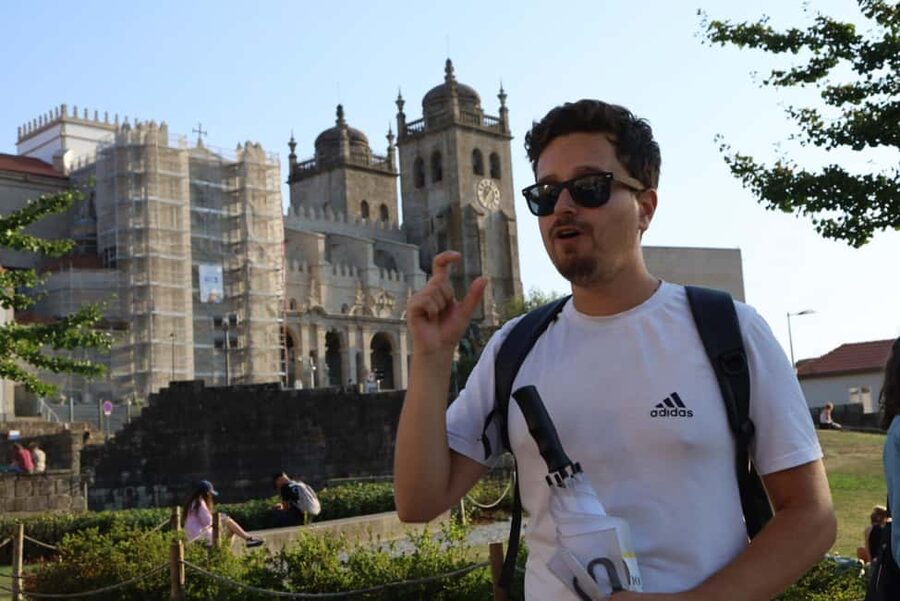
This is a tight, focused introduction to Porto: you walk, you learn, you taste. The format works well if you want the city’s “why” without spending the whole day on transport or hunting for the right streets.
The route is designed to move you from landmark-to-landmark while still landing you in neighborhoods where Porto feels lived-in. You’ll see medieval leftovers, baroque religion, cathedral-level monuments, and then the riverside scene where most of the postcards come from.
And because it’s 2 hours, it doesn’t fry your legs before dinner. Still, you’re walking—so comfortable shoes matter.
Starting at Largo Primeiro de Dezembro and warming up at Batalha Square
Your tour begins at Largo Primeiro de Dezembro, then you head to Praça da Batalha, a square that works like a local pause button. From there, the guide stitches together the city’s layers so you understand what you’re seeing instead of just collecting photos.
This early part is also where you get the rhythm of the walk. You’re not just hopping from one stop to the next—you’re learning the geography of Porto, which makes later moments (especially the river views) feel earned rather than random.
São Bento Station’s azulejos: more than a photo stop
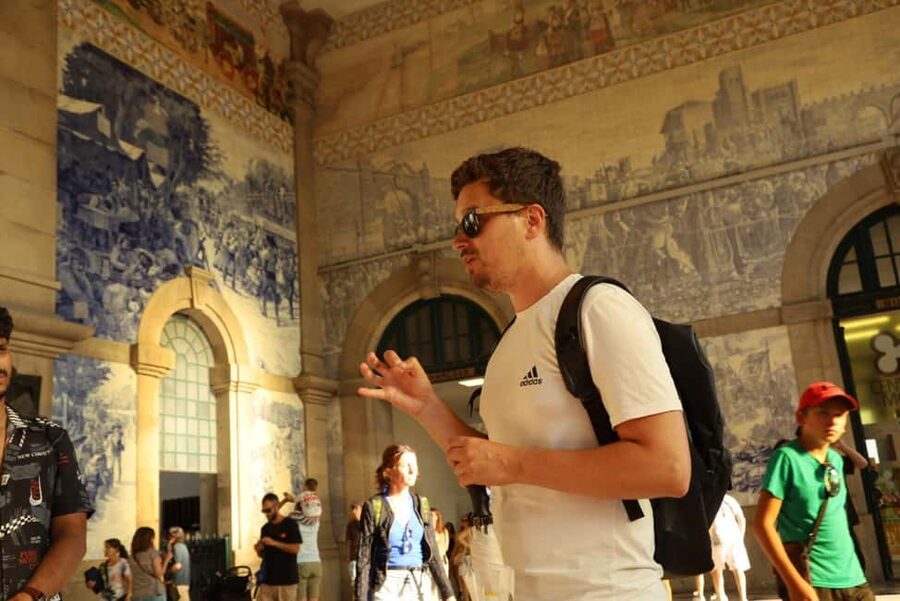
São Bento Station is famous for its tile-covered walls, the azulejos that depict scenes from Portugal’s past. On this tour, the difference is the guide’s commentary. It turns the tiles from background decoration into a story you can follow.
You also benefit from guided visit time at the station. That helps you notice the details people often miss when they rush through. If you like architecture and visual storytelling, this is one of the strongest starts you can choose for Porto.
Pro tip: bring your camera, yes—but also slow down for a minute. The tiles reward patience, and you’ll see more than the quick phone shot.
Fernandine Walls: medieval fortifications with Douro views
From the station area, you move toward the Muralha Fernandina (Fernandine Walls). These are remnants of medieval fortifications, and you can feel why they mattered: Porto needed protection, and these walls helped.
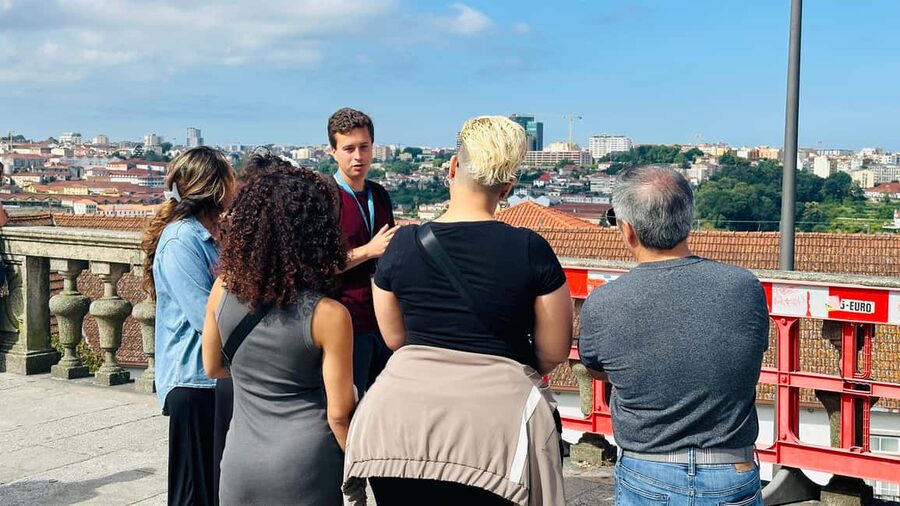
On the walk, you’ll get a photo stop and viewpoints that look out over the Douro River. That view is the kind you usually end up chasing later in the trip, so it’s nice to get it early—your brain starts building the map.
If you’re the type who likes context, this stop is great. The guide’s explanation makes it easier to understand why Porto’s older layout feels layered and slightly defensive in places.
More routes on foot through Porto



Santa Clara’s church and convent: baroque gold and real atmosphere
Next comes one of the most memorable stops on the whole tour: the Church and Convent of Santa Clara. This is where you’ll see ornate, baroque design up close, including interior details with gold-covered woodwork.
The value here is simple: you’re not staring at a façade from the outside. You’re getting a guided visit inside, so the guide can point out why the space feels the way it does—spiritual, dramatic, and intensely decorated.
If you’re sensitive to crowds, this kind of guided interior visit can feel calmer than doing it solo. You’re also moving with a plan, so you don’t spend your time figuring out where to go next.
Morro da Pena Ventosa, Sé do Porto, and the bishops’ power
As the tour climbs toward the Morro da Pena Ventosa, you’re walking the ancient hilltop where Porto was born. Even if you’ve never heard the phrase before, the place makes sense. The terrain and street layout hint at why early Porto developed where it did.
Then you reach two major monuments:
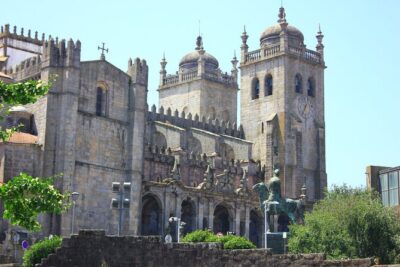
- Porto Cathedral (Sé do Porto), one of the city’s oldest and most iconic sites
- The Episcopal Palace, tied to the bishops of Porto and their influence over the city
This part of the walk gives you the biggest “this city grew up here” moment. The guide helps connect the cathedral’s importance to Porto’s political and spiritual center, and you’ll get excellent sightlines over the Douro from the cathedral area.
If you only have one shot at a cathedral on your trip, this tour makes it count without turning into a museum marathon.
Barredo streets to Ribeira: where Porto feels like Porto
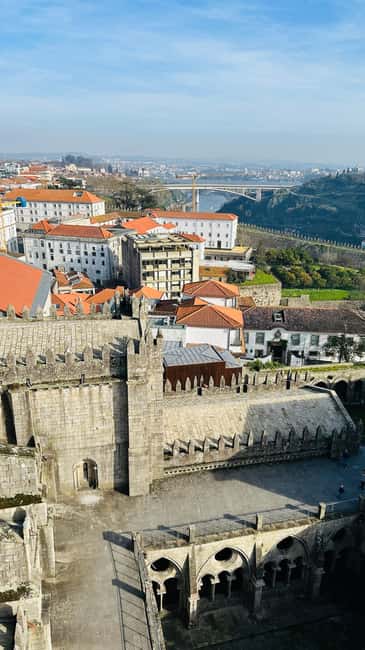
After the monumental stops, the walk shifts into neighborhoods where you can feel the everyday city.
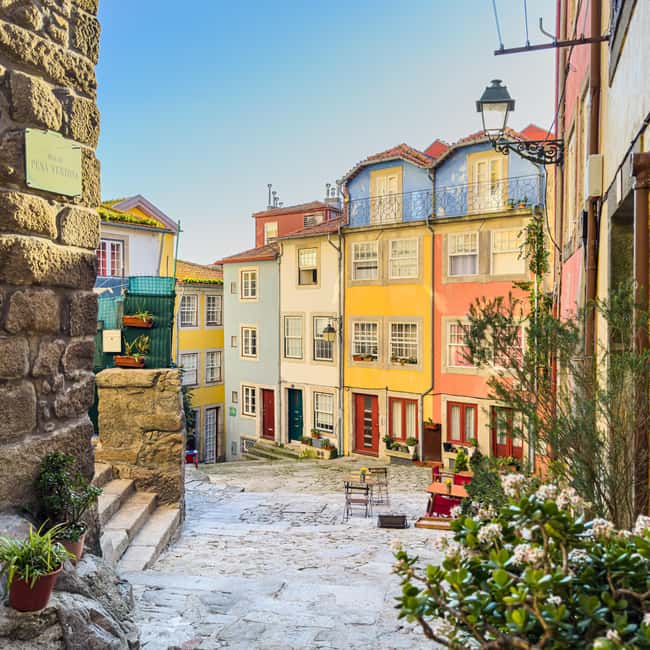
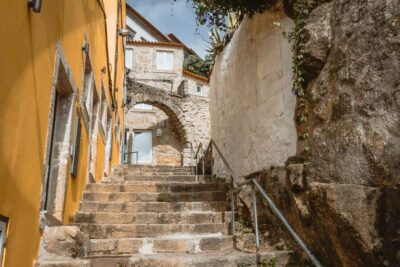
You pass through Barredo, described as a humble, authentic neighborhood where the spirit of old Porto is still present. In practice, that means winding alleys, colorful façades, and streets that feel less staged than some tourist-heavy corners.
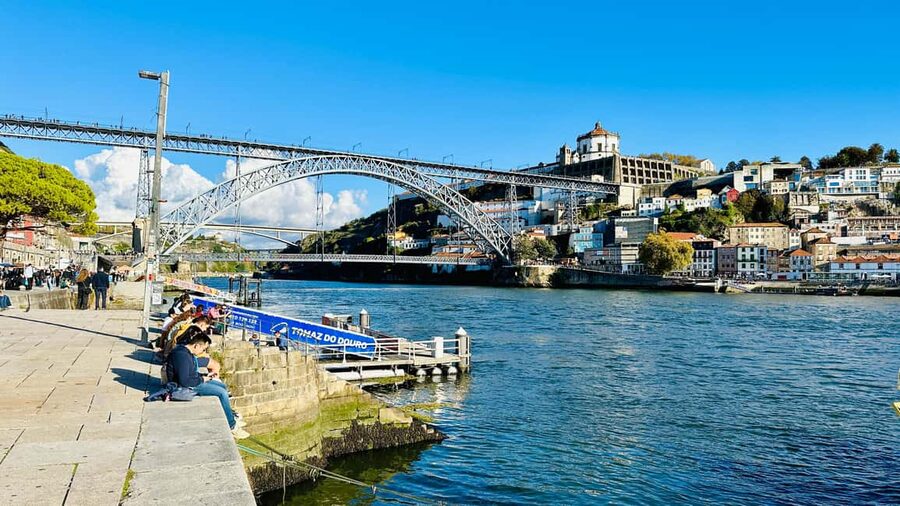
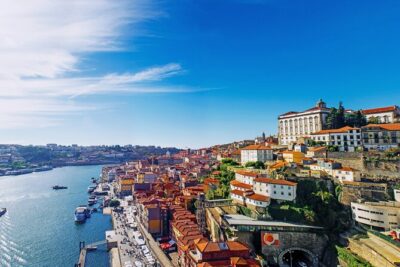
Then you move toward Ribeira, Porto’s riverside district. This is the area that looks like it belongs on a postcard—but you’re seeing it in motion, not from one static viewpoint. The guide helps you understand what you’re looking at so it feels like a living district rather than scenery.
The tour concludes around Praça do Infante Dom Henrique / Ribeira area, with the maritime and commercial story of Porto in view. You’ll end near the river, which is exactly where you want to finish if you’re planning dinner afterward.
Food and wine tasting: what you actually get
The tasting happens at a local restaurant near the end of the walk. You’ll get traditional Portuguese pastries and delicacies, plus a glass of Porto wine (or a local non-alcoholic drink).
Here’s the honest expectation-setting part: this is a tasting, not an all-out meal. One past tasting included a small serve such as pesto pita bread, which tells you the portion style is more sample than feast. That’s not a bad thing—it’s a good match for a 2-hour tour.
The big win is timing. You finish the sightseeing-heavy portion, then you refuel in a place that supports the theme of the day. It’s a nice “stories and sights, then flavor” arc.
If you love wine, you’ll feel good about starting with a guided glass instead of guessing which Porto style to order blindly. And if you don’t drink alcohol, you still get a non-alcoholic option.
How to dress and plan: shoes, photos, and weather reality
This tour runs in all weather conditions, so plan for rain and wind. One guest described a rainy, windy day when a concert caused a closure for the first location, but the guide pivoted and shifted to a different key stop instead.
So, bring layers and comfortable shoes. Porto hills and cobblestones don’t care that your schedule is tight.
Also, bring your camera. You’ll hit viewpoints and photo stops where it’s worth capturing the river and the stonework up close.
If you’re traveling with limited mobility, this walk may still feel like a lot because it’s designed around moving between multiple historical sites within 2 hours. You’ll want to think carefully about your tolerance for steady walking.
Languages, guide style, and what to ask them
The tour offers live guiding in Portuguese, Russian, Ukrainian, Spanish, and English. That matters because you’ll get the same flow of explanations across languages, not a silent audio substitute.
In terms of guide style, the best part is conversation quality. Guides such as Arthur and Rui make it easy to ask questions while you walk—perfect if you like to know why something looks the way it does, or how Porto developed from its early hilltop days.
Good question types for this tour:
- What part of Porto changed most over time
- Why the cathedral and Episcopal Palace matter together
- How to connect the Douro River to the city’s trade and culture
You’ll get more out of the walk if you treat the guide like a moving encyclopedia with good street instincts.
Skip-the-line and guided entries: why it’s more efficient than DIY
Doing these sights on your own can be time-consuming, especially when you’re trying to coordinate which sites are worth your energy. This tour includes guided visits inside key stops like São Bento Station and the Church and Convent of Santa Clara.
It also includes skip-the-line access using a separate entrance for certain parts. That can save your sanity on days when lines build up.
Add in full insurance coverage, and the tour becomes a low-stress way to check several important Porto landmarks off your list—without turning your schedule into a spreadsheet.
Price and value: is $36 a good deal?
At $36 per person, you’re paying for:
- A certified, live walking guide
- Guided visits (including interior access at key sites)
- A structured route that covers multiple major moments in 2 hours
- A tasting: pastries plus a glass of Porto wine or a non-alcoholic drink
- Full insurance coverage
If you were to DIY this with entry fees, time spent figuring out the best order, and the cost of a guided food stop elsewhere, the price starts to look fair fast. You’re not just buying food—you’re buying guided efficiency and interpretation.
Is it the cheapest option? Usually not. But if you’re short on time and want a coherent “Porto orientation,” it’s strong value.
Should you book this tour?
Book it if you want a tight, high-impact first taste of Porto that blends landmarks with actual food and wine. It’s ideal for couples, solo travelers, and groups who want to move efficiently while still learning the story behind what they’re seeing.
Skip it (or consider another option) if your main goal is a bigger, longer wine experience or a deep dive into food alone. This is history-and-sights first, with tasting as the flavorful finish.
Quick decision checklist
- You have about 2 hours and want Porto orientation
- You’re excited about São Bento tiles and baroque Santa Clara interiors
- You want a guided tasting that pairs well with the rest of your day
If that sounds like you, this is one of the better ways to start your Porto trip. The walk gives you a map in your head, and the tasting gives you something you’ll actually remember when you’re planning tomorrow.
FAQ
Where is the meeting point?
The guide waits on the square in front of Santa Clara church, with a company tag and a white umbrella.
How long is the tour?
The tour lasts 2 hours.
What food and drink are included?
You’ll have a tasting of traditional Portuguese pastries and delicacies, plus a glass of Porto wine. There’s also a local non-alcoholic drink option.
Are there guided visits inside the sites?
Yes. The tour includes guided visits to key historic sites such as Fernandine Walls and São Bento Station, and a guided visit inside the Church and Convent of Santa Clara.
What languages is the tour offered in?
The tour is offered in Portuguese, Russian, Ukrainian, Spanish, and English.
Can I cancel and get a refund?
You can cancel up to 24 hours in advance for a full refund.
More Tour Reviews in Porto



More of Porto on Foot
Francesinha and Beyond



Fresh in the Porto notebook


Porto City Walks, compared.
 ★ 5.0Porto Walking Tour, Lello Bookshop, River Cruise and Cable CarFrom $723,354 reviews
 ★ 4.8City Highlights 3-Hour Guided Electric Bike TourFrom $513,092 reviews
 ★ 5.0Experience Porto’s Charm: 3-Hour Guided Walking TourFrom $352,432 reviews
 ★ 4.83-Hour Guided City Highlights Walking TourFrom $342,050 reviews
 ★ 4.4Wine Tasting with Tapas Walking TourFrom $531,541 reviews
 ★ 4.7Historic City Center Walking TourFrom $331,172 reviews
 ★ 5.0Porto’s #1 Walking TourFrom $01,026 reviews
 ★ 4.8Delicious Food and Wine Walking TourFrom $87977 reviews
Browse the lists this tour appears in