
Reviewed · IMMERSIVE SHOWS & INDOOR ATTRACTIONS
Small Painting Group with a Local Artist in Porto
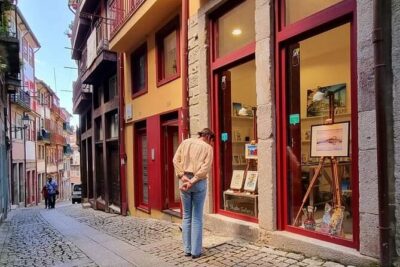
Porto’s colors come alive with a brush. In this small group acrylic workshop with local artist Emmanuel at E.R.Finearts, you learn how to handle lighting, tones, and brushwork step by step while painting your own view of the city. I like that the teaching is patient and encouraging, even if you start from zero. I also like that everything is practical: you work on easel-style setup, color mixing, and how to prepare your painting surface. One thing to consider: it’s only about 2.5 hours, so you’ll follow the planned process rather than experimenting for hours.
The best part is how the class turns Porto into paint. You practice color theory (mixing, tone relationships, and getting the right look of light) and you learn the “why” behind the strokes, not just what to copy. You’ll also get a small manual with the key steps, which is great if you want to repeat what you learned later.
It runs Monday–Friday in the evening, and you start right at Rua dos Caldeireiros 125 (and you’re back there at the end). If you want a calm, hands-on experience in Porto that doesn’t depend on you already knowing art terms, this fits.
In This Review
- Key things I’d watch for
- Your Evening Art Lesson Starts on Rua dos Caldeireiros
- Small Group Setup: What Up to 5 People Changes
- From Blank Surface to Ready-to-Paint: The Setup That Makes Everything Easier
- Porto’s Light and Tones: Color Theory Without the Heavy Math
- Brushstrokes, Forms, and Texture: Learn What to Do With Your Hand
- Painting in Acrylic (and Learning Transferable Ideas for Oil)
- How the 2.5 Hours Actually Feels (and What You’ll Learn in That Time)
- Materials, Small Manual, and the Comfort Factor at E.R Finearts
- Price in Context: What You’re Really Paying for at $52.36
- Who This Porto Painting Class Best Fits
- Should You Book This Porto Painting Workshop?
- FAQ
- How long is the Porto acrylic painting workshop?
- What does the workshop cost?
- Where do I meet, and where does the class end?
- When is the workshop offered?
- How many people are in the group?
- Do I need to bring painting supplies?
- Is there free cancellation?
Key things I’d watch for
- Max group size is 5: more attention and calmer pacing
- Emphasis on light and color mixing: tones don’t feel like guesswork
- Surface prep + easel advantages: you learn a workflow that actually holds up
- Step-by-step realistic figurative painting: clear structure from start to finish
- Professional materials provided: you don’t need to shop for supplies first
- A small manual supports the class: useful for review after you go out for dinner
Rainy afternoon? Escape rooms and immersive shows
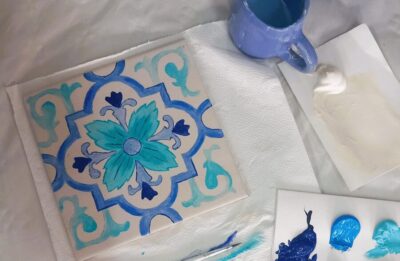
- Porto: Tile Painting Workshop with Porto Wine – Sé do Porto★ 4.9 · 1,095 reviews
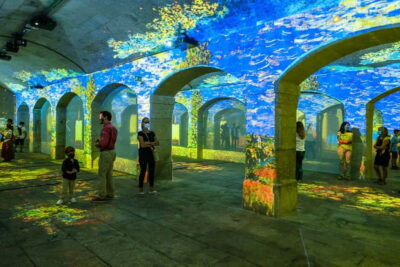
- Impressive Monet & Brilliant Klimt -The Immersive Experience★ 4.4 · 656 reviews
- Porto: Tile Painting and Cocktails in Downtown Porto★ 4.9 · 484 reviews
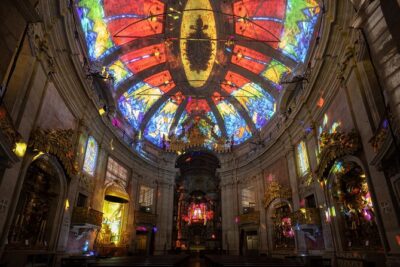
- Spiritus Porto: Videomapping Immersive Show at Clerigos Church★ 4.5 · 223 reviews
Your Evening Art Lesson Starts on Rua dos Caldeireiros
This workshop is timed for the late afternoon into early evening, with sessions running Monday through Friday from 5:30 PM to 8:00 PM. Meeting at Rua dos Caldeireiros 125 is handy because Porto has no shortage of walkable routes here, and you’re not stuck hunting for a far-off pickup point.
I like that the schedule gives you a full day to explore first. Then you swap shoe-tired walking for something more focused: painting. It’s also a nice break from the usual museum routine. Instead of looking at other people’s choices, you make your own.
Small Group Setup: What Up to 5 People Changes
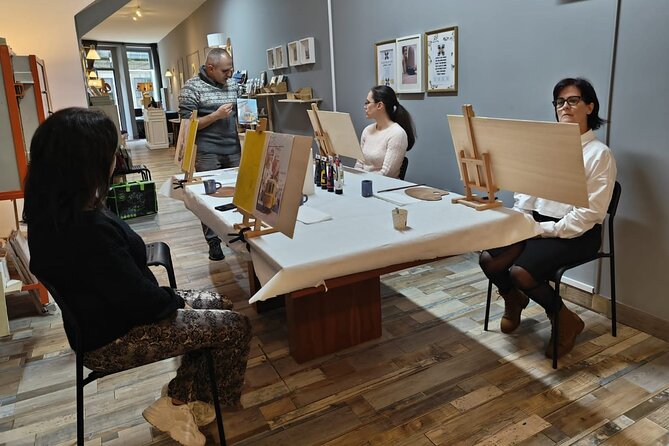
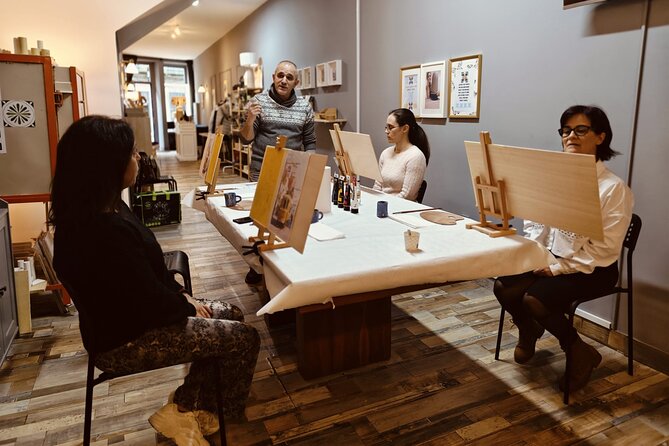
The group limit is five people, and that matters more than it sounds. In a room that small, the instructor can correct brush angle, stroke pressure, and color mixing in real time. That means you spend less time waiting and more time moving your paint around the way you want.
The vibe you’re aiming for is “private and relaxed,” not chaotic. The class is designed to feel safe and comfortable for beginners. The reviews consistently highlight how patient and encouraging Emmanuel is, and in practice that kind of tone helps you focus on learning rather than worrying about doing it wrong.
If you’re the type who likes quiet instruction, this will feel better than a big class where the teacher can’t get close enough to help with details.
From Blank Surface to Ready-to-Paint: The Setup That Makes Everything Easier
Before the fun part, you learn the less-glamorous steps that actually determine whether a painting looks good. You’ll cover how to understand and prepare your painting surface, which is more important than people expect.
A good surface prep step helps paint behave consistently. That means fewer surprises later, like streaking you can’t fix or colors that dry differently than you planned. Even if you’ve never painted before, this is the kind of instruction that turns a hobby into something repeatable.
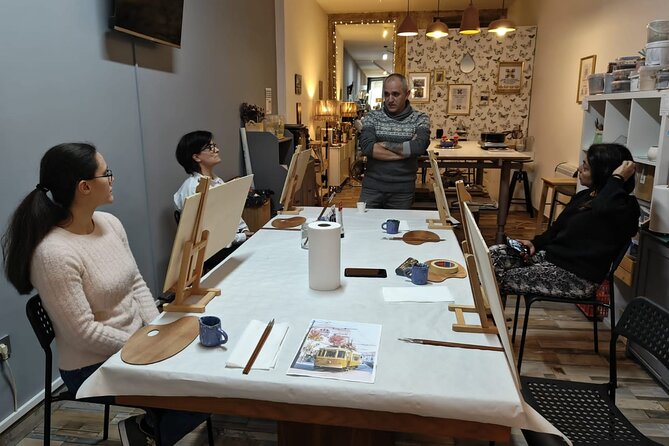
You’ll also learn the advantages of painting on an easel. An easel helps you see your work from a normal viewing distance, instead of staring down at it like it’s a puzzle piece. That alone can improve your proportions and how your tones read. It also encourages better posture for a session that lasts about 2.5 hours.
Porto’s Light and Tones: Color Theory Without the Heavy Math
Porto is known for its colors and light, and this workshop builds your painting around those exact ideas. You’ll work with acrylic, but the concepts apply broadly: tone relationships, color mixtures, and how different shades sit next to each other.
Here’s what you can expect to practice:
- color mixing to get the right tones (not just the right color name)
- how tones relate to each other so your scene looks unified
- using brushstrokes to suggest forms rather than just outline them
What I like is the focus on lighting. Reviews mention that Emmanuel teaches lighting clearly, along with how to use colors and create forms and texture through different strokes. In other words, you’re not just making a postcard. You’re learning how to translate what you see into paint decisions.
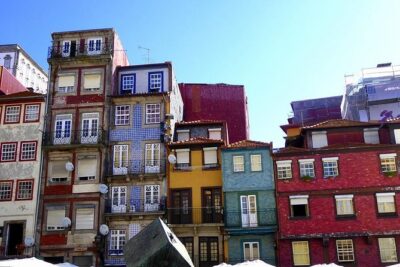
Porto’s charm is in the way light hits buildings and streets. This class helps you imitate that effect with tone—not just with literal color blocks.



Brushstrokes, Forms, and Texture: Learn What to Do With Your Hand
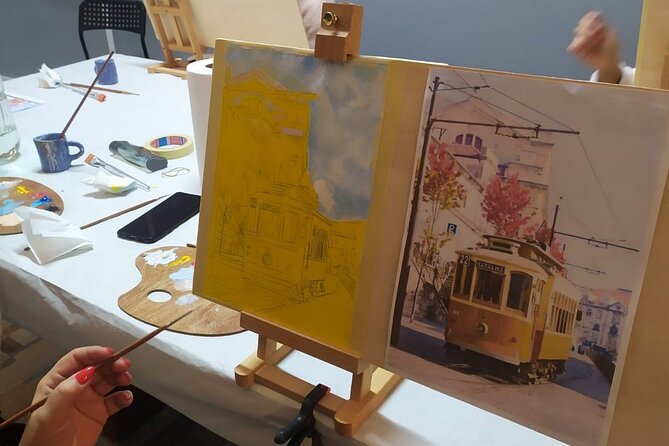
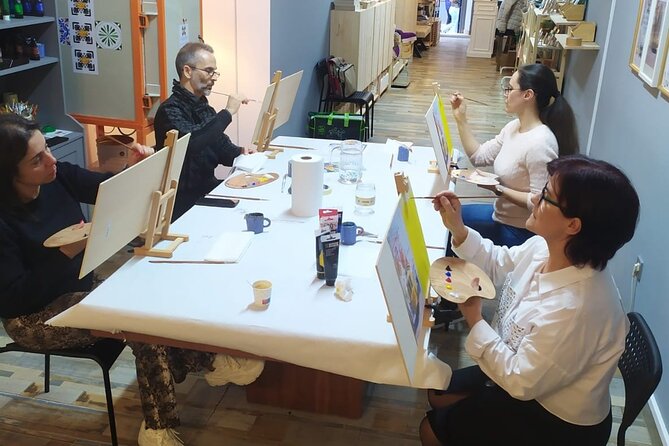
Acrylic painting can feel tricky at first because it moves fast. That’s why the class is built around practical techniques you can use right away. You’ll learn to manipulate brushstrokes effectively to build up your picture.
Expect instruction on:
- different stroke types (so your painting doesn’t look flat)
- creating forms so shapes feel believable
- adding texture using the right approach for the paint and brush
This is where Emmanuel’s teaching style really comes through. Multiple reviews describe him as highly skilled and specifically patient about instruction, with encouragement that helps you progress instead of freezing up. If you’re brand-new, that matters. Beginners don’t need more pressure—they need clear steps and gentle correction.
You’ll also get step-by-step guidance tied to figurative realistic painting. That doesn’t mean it becomes complicated. It means you’ll follow a sequence: surface prep, planning through tones, then building up your scene with the correct stroke logic.
Painting in Acrylic (and Learning Transferable Ideas for Oil)
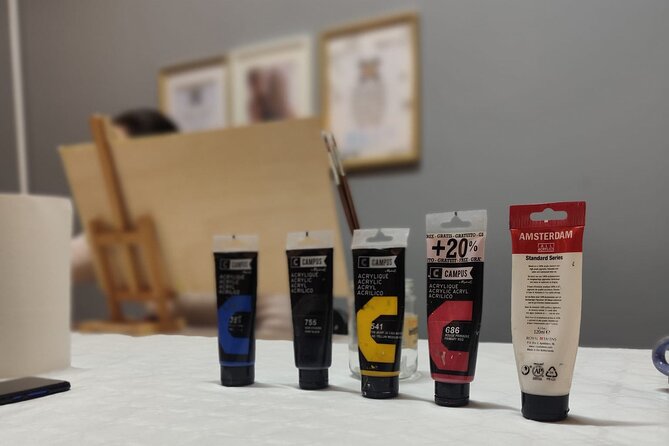
The workshop is an acrylic painting session, and that’s what you’ll be working in during the class. But the instruction also covers fundamentals that can apply to oil and other media.
You’re taught foundational techniques for starting with acrylic and oil on various media. That’s valuable if you think you might paint again later in a different medium. Even if you never touch oil, the “how to see tones and build forms” part is still useful.
Think of it like learning the design rules. The tools might change, but the way you build a believable scene stays similar.
How the 2.5 Hours Actually Feels (and What You’ll Learn in That Time)
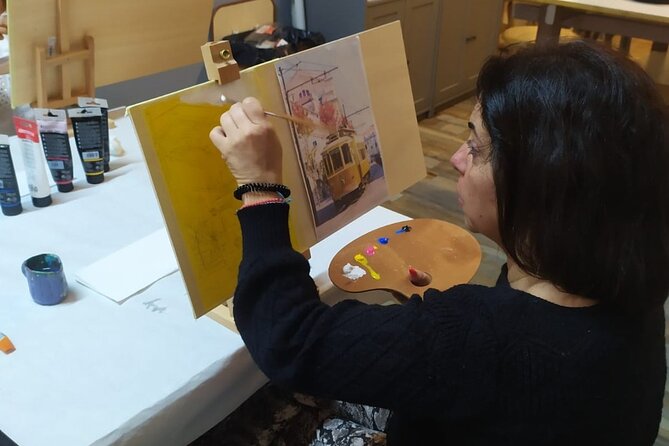
Two and a half hours is just enough time to learn a real workflow. It’s not enough time to turn you into a master painter, and that’s okay. The benefit is that you’ll finish the session with something concrete: a painting you made during class, plus a clear set of steps you can revisit.
Because the class runs in a tight time window, the instruction stays organized. The manual supports the key steps, so you’re not relying only on memory. You can also take it home and try to recreate parts you liked—especially tone mixing and brushstroke choices.
One practical thing: when time is limited, you’ll likely get the most value by focusing on the teacher’s sequence rather than doing your own detours. If you treat it like an experiment lab from minute one, you might miss the structure that’s guiding the results.
Materials, Small Manual, and the Comfort Factor at E.R Finearts
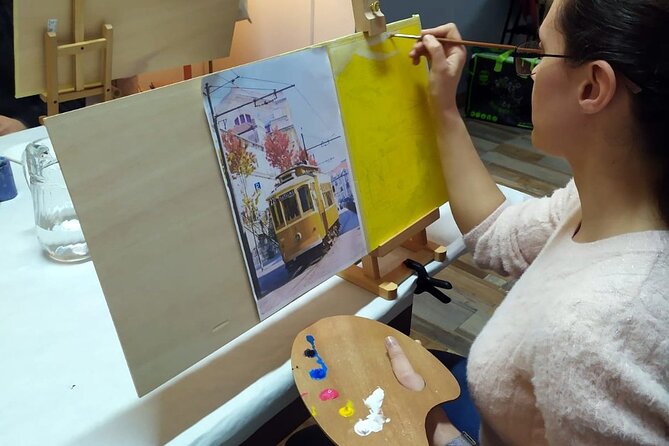
All materials are provided, and they’re described as professional quality. That’s a major value point. You don’t waste time shopping for paint, brushes, or a surface. You also avoid the frustration of bringing low-quality gear that behaves differently than what you need.
You’ll work with tools that match the techniques taught in the session. That keeps the learning loop clean: do the technique, see the effect, adjust.
A small manual is included with important steps covered from the offering. I like this because it turns the class from a one-off experience into something you can replay. Even if you don’t remember every detail, the manual helps you remember the order: surface prep, tone planning, color mixing, then stroke work.
The space itself is described as friendly and comfortable, in a calm neighborhood setting. For an art class, that comfort matters. If the room feels relaxed, it’s easier to ask questions and take corrections without feeling judged.
Price in Context: What You’re Really Paying for at $52.36
At $52.36 per person, this is not a “cheap souvenir activity.” It’s closer to a guided lesson with real instruction time. The value comes from several combined points:
- Small group size (max 5), which improves the attention you get
- All materials included with professional quality
- Instruction covering surface prep, color theory, easel advantages, and step-by-step realistic techniques
- A manual that gives you an after-class reference
If you’ve tried art workshops before, you know the hidden costs: sometimes you pay for the class but still have to buy supplies. Here, you avoid that. You also avoid the awkward “I don’t know what to do with these brushes” moment, because the lesson is built around teaching the technique alongside the materials.
In plain terms: you’re paying for structured teaching, not just table space and a paint set.
Who This Porto Painting Class Best Fits
This is a good match if you:
- want a creative activity that still feels guided and practical
- enjoy travel experiences where you take something useful home, not just photos
- like the idea of painting Porto’s tones and light rather than copying random scenes
- are a beginner and want a patient instructor
It may be less ideal if you already paint seriously and expect a heavy, critique-based professional workshop with lots of personal customization. The class is structured, and that structure is part of why it works for first-timers.
Also, because it starts between 5:30 PM and 8:00 PM, it suits days where you’re not already booked for a late dinner right at the same time.
Should You Book This Porto Painting Workshop?
Yes, if you want an evening in Porto that’s calm, small, and genuinely hands-on. The combination of small-group instruction, professional materials, and a step-by-step approach to tone, color mixing, and brushwork makes it a strong value for $52.36.
Book it especially if you’re nervous about painting. Emmanuel’s teaching style is repeatedly described as patient and encouraging, and the class is designed so you can follow along safely and learn the basics in a short session. You’ll leave with a finished painting from class time and, more importantly, a repeatable method you can use again later.
FAQ
How long is the Porto acrylic painting workshop?
It lasts about 2 hours 30 minutes.
What does the workshop cost?
The price is $52.36 per person.
Where do I meet, and where does the class end?
You start at Rua dos Caldeireiros 125, 4000 Porto, Portugal. The activity ends back at the meeting point.
When is the workshop offered?
It runs Monday through Friday, from 5:30 PM to 8:00 PM (within the listed date range).
How many people are in the group?
The maximum group size is 5 travelers/participants.
Do I need to bring painting supplies?
No. All materials are provided, and they are professional quality.
Is there free cancellation?
Yes. You can cancel for a full refund up to 24 hours in advance. If you cancel less than 24 hours before the start time, you won’t receive a refund.
If you tell me your travel dates and whether you’re doing Porto mostly on foot or with transit, I can suggest a simple plan for pairing this class with an evening route nearby.
More Tour Reviews in Porto




Indoors: Shows and Escape Rooms




Fresh in the Porto notebook



Immersive Shows & Indoor Attractions, compared.
 ★ 4.9Tile Painting Workshop with Porto Wine – Sé do PortoFrom $411,095 reviews
 ★ 4.4Impressive Monet & Brilliant Klimt -The Immersive ExperienceFrom $12656 reviews
 ★ 4.9Tile Painting and Cocktails in Downtown PortoFrom $41484 reviews
 ★ 4.5Spiritus Porto: Videomapping Immersive Show at Clerigos ChurchFrom $12223 reviews
 ★ 5.0Tile Painting and Cocktails in Downtown PortoFrom $42187 reviews
 ★ 5.0Create Watercolour With Hugo do Lago in PortoFrom $42164 reviews
★ 5.0Tile Painting Workshop with Porto Wine (Sé do Porto)From $42102 reviews
★ 5.0Create Watercolour With Hugo do Lago in PortoFrom $42164 reviews
★ 5.0Tile Painting Workshop with Porto Wine (Sé do Porto)From $42102 reviews
 ★ 5.0Porto Tile Painting Workshop in artist studioFrom $4083 reviews
Browse the lists this tour appears in