
Reviewed · PORTO CITY WALKS
Porto Walking Tour
Porto hits different when someone explains why. This 3-hour walk is a fast, fun way to connect the big landmarks to the political and everyday stories that shaped the city. I like how the route links old Porto to modern viewpoints without feeling like a checklist, and I also love the way the guide turns buildings into context, from the Salazar era to 19th-century upheavals.
You’ll also get a practical taste of Porto at a port tasting stop, plus a light snack. And with a small group limit (up to 15), you can ask questions without shouting over a crowd, whether your guide is Nuno, David, or Sid. One thing to plan for: Porto is hilly, and this walk includes pavements, cobblestones, and changing gradients, so good shoes matter.
In This Review
- Key Highlights at a Glance
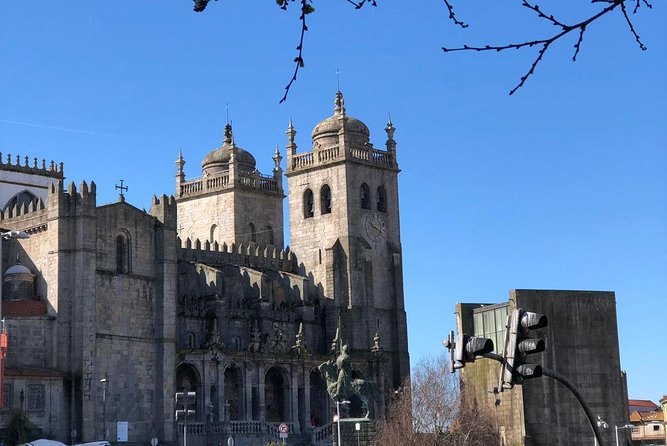
- First Steps in Porto: From Rua de São Filipe de Nery to the Cathedral
- Jardim da Cordoaria and the Tribunal do Porto: Politics You Can See
- Clérigos Tower Zone: Ex-libris Views and Church Detail Without the Hassle
- Miradouro da Vitória: Napoleonic Invasion and a View That Changes Your Photos
- Avenida da Liberdade to São Bento: The Walk Becomes a Story Finish
- Port Tasting and the Snack Stop: What You Actually Get From It
- The Real Route: Efficient Coverage, Not a Marathon
- What Makes the Guides a Big Deal (Nuno, David, Sid)
- Practical Tips So You Enjoy the Whole 3 Hours
- Value for Money: Why $24.14 Can Make Sense Here
- Who This Tour Suits Best
- Should You Book the Porto Walking Tour?
- FAQ
- What’s the duration of the Porto Walking Tour?
- What time does the tour start?
- Where do I meet the guide?
- Where does the tour end?
- Is the tour offered in English?
- Do I get a mobile ticket?
- Does the tour include port tasting and food?
- How many people are in the group?
Key Highlights at a Glance
- Small-group format: max 15 people for a more conversational pace
- Start-to-finish flow: from the Cathedral area toward Ribeira via São Bento
- Big-sight storytelling: Salazar-era politics, Napoleonic invasion, and the 1800s Civil War
- Miradouro views: you get a real look over the city, not just a photo stop
- Port tasting and snack: a straightforward way to understand what you’re drinking
- Lisbon-free shortcut to classics: efficient coverage of major Porto landmarks in one go
More routes on foot through Porto
- Porto Walking Tour, Lello Bookshop, River Cruise and Cable Car★ 5.0 · 3,354 reviews
- Porto: City Highlights 3-Hour Guided Electric Bike Tour★ 4.8 · 3,092 reviews
- Experience Porto’s Charm: 3-Hour Guided Walking Tour★ 5.0 · 2,432 reviews
- Porto: 3-Hour Guided City Highlights Walking Tour★ 4.8 · 2,050 reviews
First Steps in Porto: From Rua de São Filipe de Nery to the Cathedral
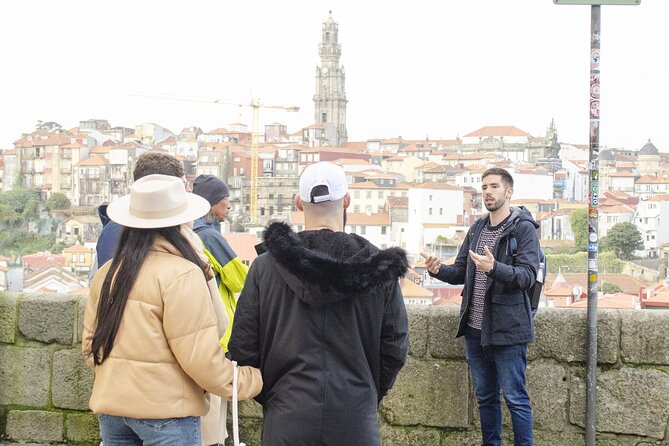
The meeting point is Rua de São Filipe de Nery at 10:00 am. From there, the tour quickly settles into a rhythm that feels made for visitors: you start with the Cathedral area, then work outward through the historic core. It’s a smart way to get your bearings early, especially if this is your first morning in Porto.
The guide’s opening focus is on why Porto became what it is—history of Portugal paired with how the city grew around power, faith, trade, and politics. You’re not getting a dry lecture. Instead, you’re learning to read the city: streets and buildings become clues.
Even if you think you already know some Porto basics, this first segment helps you place what comes next. You’ll understand what you’re seeing at Clerigos, what you’re looking at from the viewpoints, and why São Bento matters beyond being a pretty train station.
Jardim da Cordoaria and the Tribunal do Porto: Politics You Can See
One of the most interesting parts is the stop through Jardim da Cordoaria and the Tribunal do Porto area, where the guide talks about the Salazar dictatorship. This is the kind of history that stays alive because it’s anchored to physical places you can stand next to.
It’s also a good reminder that Porto isn’t only about tiles and old stone. Portugal’s 20th-century story shaped everyday life, institutions, and the way people understood authority. When you learn that while walking past important civic buildings, the topic lands better than it would in a museum.
This stop also sets the tone for the rest of the tour. The guide doesn’t treat history as separate from street life. He ties it to what you’re seeing: where power sat, how people lived, and why the city’s look and layout make sense in context.
Clérigos Tower Zone: Ex-libris Views and Church Detail Without the Hassle
The tour then moves toward the Torre dos Clérigos area, which is one of Porto’s best-known landmarks. Expect explanations that go beyond the “it’s old” version. You’ll learn what makes it stand out in the city’s skyline and how religious architecture played a big role in Porto’s identity.
There’s also a practical payoff here. In at least some runs of the tour, the guide can help you get into the church near Clerigos while avoiding lines, which is a huge win when you’re on a schedule. You’ll see the kind of interior detail that makes churches worth lingering over, not just snapping from the sidewalk.
And yes, Porto is hilly. That climb is part of the experience. But because you’re moving with a plan, the effort feels rewarded: each push uphill is tied to a story and a view, not just cardio.
Miradouro da Vitória: Napoleonic Invasion and a View That Changes Your Photos
Next comes Miradouro da Vitória. This is the point where the tour turns from “walk and learn” into “look and understand.” The viewpoint gives you a privileged look over the city, and it makes the historical stories feel more real.
From here, the guide talks about the Napoleonic invasion and the Portuguese Civil War in the 1800s. Those events are big on paper. But standing with the city below you, you start to grasp why leadership, fortitude, and local decisions mattered so much.
It’s also a place where you can catch your breath. Plan for pauses. Porto’s streets are narrow and uneven, and this is one of the stops that lets your legs reset while your brain keeps working.
More Porto days out worth booking




Avenida da Liberdade to São Bento: The Walk Becomes a Story Finish
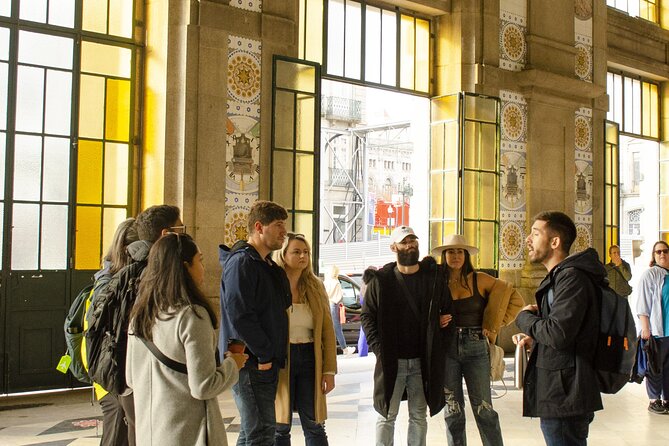
After the viewpoint, you head along the Avenida da Liberdade and toward the final highlight area: Estação de São Bento. This is where the tour earns its “wow” factor, because São Bento isn’t just a station. It’s an old convent turned into a transport hub—and it’s famous for its beauty.
You’ll get explanations as you walk in, and the guide’s job is to connect the dots: why Porto built and rebuilt its public spaces the way it did, and how the city’s identity shows up in everyday routines like commuting.
If you’re thinking, I’ll just go to São Bento on my own, this tour’s value is the context. You’ll see the iconic tiles with better eyes. You’ll also understand why this station became a symbol, not merely a place to catch a train.
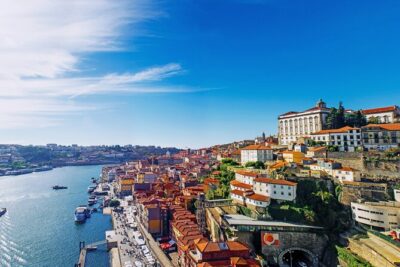
And because the tour ends near Praça Ribeira by the Douro River, you’re in a great position to continue your day without dead-end navigation.
Port Tasting and the Snack Stop: What You Actually Get From It
Port tasting is one of the most praised parts of this tour. The format is simple: you stop for a single glass of port and a light snack, with a guide who explains how to think about what you’re tasting.
This matters because port can feel complicated if you just buy a bottle and hope for the best. A good tasting isn’t about memorizing labels—it’s about learning how to read quality and origin. In the tour experience, you’re taught how to appreciate the drink and how to confirm provenance and quality when you’re shopping later.
I also like that it’s not treated like a random add-on. It’s tied to Porto’s economy and its historical role as a trade city. When you learn the background right before you taste, the flavors feel linked to the story instead of floating free.
The Real Route: Efficient Coverage, Not a Marathon
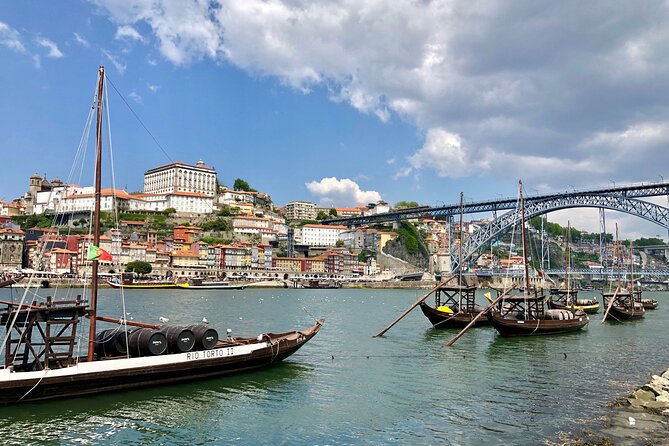
This tour is about getting the essentials without exhausting yourself. It lasts about 3 hours, and the route is designed to feel geographically logical. You move from major landmarks in an order that keeps the walking mostly efficient.
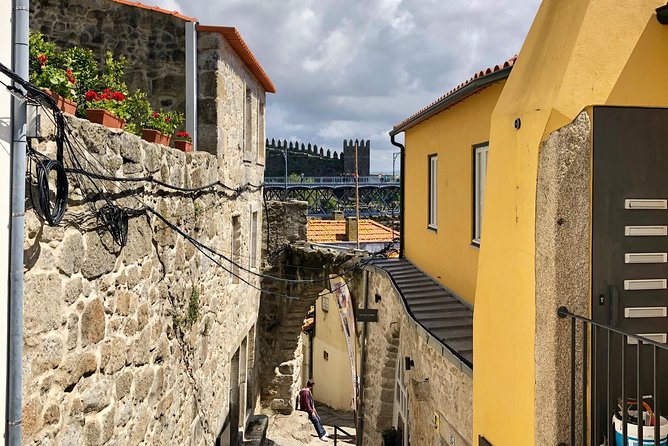
That said, Porto doesn’t do flat. Even if the pace feels friendly, the ground is often steep, narrow, and cobbled. Your best move is not to fight it. Just wear supportive shoes, take the offered pauses, and let the guide set a rhythm.
The tone of the tour also helps. Guides like Nuno, David, and Sid get repeatedly praised for being funny and friendly, while still answering questions in a real way. You’re not stuck with a script read at you. If you ask something, you get an explanation back.
And if you’re the type who wants to keep exploring after the tour, this ending near Ribeira is perfect. You’re already positioned for the next stage: river walks, dinner, and choosing the right neighborhood for the vibe you want.
What Makes the Guides a Big Deal (Nuno, David, Sid)
A walking tour lives or dies by the guide, and this one has a strong track record. People specifically mention Nuno as friendly, funny, and great at local recommendations. Others call out David for storytelling plus thoughtful answers for families, including younger travelers. Sid is highlighted for being a history major and for pacing the walk in a calm, easy way, including stopping for discussion and questions.
You shouldn’t expect the exact same personality every time, since different guides can lead. But what does carry through is the approach: clear English, strong ties between history and place, and practical suggestions so you spend less time guessing and more time enjoying.
Practical Tips So You Enjoy the Whole 3 Hours
Here’s how I’d prepare to get the most out of it:
- Wear shoes with grip. Cobblestones plus slopes are not the time for flimsy sneakers.
- Bring water. Porto mornings can feel mild and then hit warm.
- Use the time well. This is a great first activity on arrival because it gives you a mental map.
- Ask questions. With a small group size (max 15), it’s easy to get answers that fit what you care about—food, history, or just where to wander safely.
- Come with curiosity, not expectations. The best moments are often the “oh, that’s why they built it that way” stories.
Also, note that the tour works best in good weather. If conditions are poor, it may be rescheduled or refunded. So check forecast the night before.
Value for Money: Why $24.14 Can Make Sense Here
At $24.14 per person for about 3 hours, this tour is priced like a budget-to-midrange walking experience—but it delivers more than just walking.
You’re paying for:
- Guided context across multiple major sights (Cathedral area, Clerigos zone, viewpoint, São Bento)
- A port tasting and light snack, which adds real value for first-time visitors
- A small group setup that makes questions possible
- Route efficiency, so you don’t waste time zigzagging across town
If your goal is to sample Porto culture quickly and leave with a plan for the rest of your trip, this is the kind of spending that saves money later. You’ll likely know where to go next—and where not to waste effort.
Who This Tour Suits Best
This one fits best if you want:
- A fast orientation to historic Porto
- History tied to streets and buildings, including political context
- Views and major landmarks in one structured morning
- A mix of sightseeing and a simple, guided tasting
It’s also a good match for many travelers because most people can participate, and it’s near public transportation. Service animals are allowed, which helps with planning.
If you’re someone who hates walking, this might feel tough due to steep sections. But if you’re okay with “slow steps, short pauses,” you’ll likely find it very manageable for the time given.
Should You Book the Porto Walking Tour?
I’d book it if it’s your first trip to Porto and you want a clear, story-driven route that ends in a great place for food and river views. The combination of major sights, history that connects to what you see, and the port tasting with a snack makes it feel like real value, not just a scenic stroll.
Skip it only if you strongly dislike hills and cobblestones or you’re looking for a purely casual, zero-explanation walk. This is designed for learning with your feet moving.
FAQ
What’s the duration of the Porto Walking Tour?
The tour is about 3 hours.
What time does the tour start?
It starts at 10:00 am.
Where do I meet the guide?
You meet at Rua de São Filipe de Nery, Porto, Portugal.
Where does the tour end?
It ends at Ribeira Square (Praça Ribeira), next to the Douro River.
Is the tour offered in English?
Yes, it’s offered in English.
Do I get a mobile ticket?
Yes, the tour includes a mobile ticket.
Does the tour include port tasting and food?
It includes a port tasting and a light snack.
How many people are in the group?
The tour has a maximum of 15 travelers.
More Tours in Porto





More Tour Reviews in Porto


More of Porto on Foot



Fresh in the Porto notebook


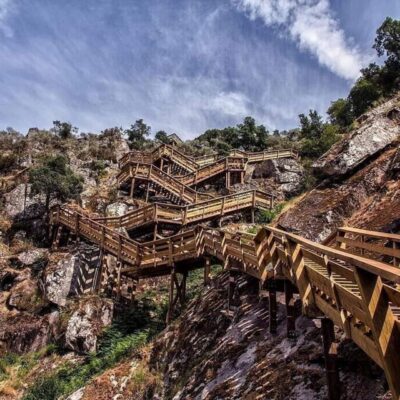
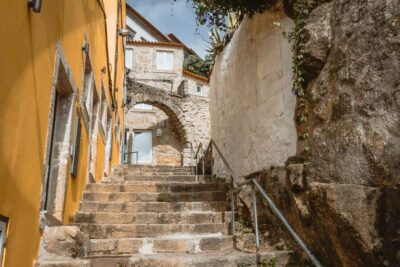
Porto City Walks, compared.
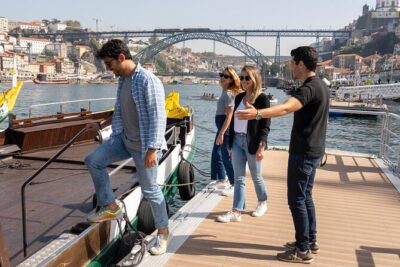 ★ 5.0Porto Walking Tour, Lello Bookshop, River Cruise and Cable CarFrom $723,354 reviews
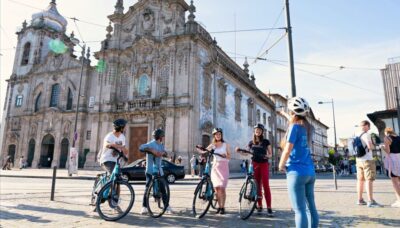 ★ 4.8City Highlights 3-Hour Guided Electric Bike TourFrom $513,092 reviews
 ★ 5.0Experience Porto’s Charm: 3-Hour Guided Walking TourFrom $352,432 reviews
 ★ 4.83-Hour Guided City Highlights Walking TourFrom $342,050 reviews
 ★ 4.4Wine Tasting with Tapas Walking TourFrom $531,541 reviews
 ★ 4.7Historic City Center Walking TourFrom $331,172 reviews
 ★ 5.0Porto’s #1 Walking TourFrom $01,026 reviews
 ★ 4.8Delicious Food and Wine Walking TourFrom $87977 reviews
Browse the lists this tour appears in