
Porto’s hidden steps feel like secret corridors. On the Porto: Secrets of the City walk, I loved how a born-and-raised guide (like Alfonso or Ricardo from recent groups) points out hidden alleys you’d never find on your own, while also slowing down for real stories and answers. I also liked the mix of big landmarks and photo moments, especially the Miradouro da Vitória viewpoints where the city suddenly makes sense. The one catch: it’s a moderate 4-hour walk with staircases, so if you have low fitness or motion sickness, take that seriously.
You’ll start in a garden by the Fernandina walls and meet your guide in a red Detours t-shirt at the Estatua de Arnaldo Gama. Along the route, there are pauses for photos, time to wander the old center on foot, and even a river-side feel that’s very Porto. You’ll also make a small difference with a donation to a local development association, so this isn’t just sightseeing.
In This Review
- Key takeaways before you go
- Meeting at Arnaldo Gama: starting where Porto’s story begins
- Dom Luís Bridge photo stop: more than a pretty postcard
- Ribeira, Porto: the river color and the tight-street feel
- Casa do Infante: walking time where stories matter
- Miradouro da Vitória: the viewpoint that resets your bearings
- Gardens, a detour, and a river-side finish in old Porto style
- The guide factor: why Alfonso and Ricardo made it worth it
- Price and value: $41 that includes more than route coverage
- Practical comfort: what to bring and what to watch for
- Best fit: who will enjoy this tour the most
- Should you book Porto Secrets of the City?
- FAQ
- Where is the meeting point for the Porto walking tour?
- How long is the tour?
- What language is the tour guided in?
- Is hotel pickup included?
- What should I bring?
- What is the walking distance and difficulty level?
- Is the tour suitable for children?
- Can I bring a bike, or alcohol?
- What is the cancellation policy?
Key takeaways before you go
- Local-born guiding style: Guides like Alfonso and Ricardo take time to explain and handle questions in a personal way.
- Viewpoints built into the route: You get big-picture views from Miradouro da Vitória plus extra breaks for photos and orientation.
- Ribeira on foot: Time in the river area helps you understand why Porto’s tight streets grew the way they did.
- Medieval streets + stairways: Expect narrow alleys and steps, not a flat stroll.
- Donation included: Part of what you pay supports a local development association.
- Bring water and a camera: The tour is practical, and you’ll thank yourself for both.
More routes on foot through Porto
- Porto Walking Tour, Lello Bookshop, River Cruise and Cable Car★ 5.0 · 3,354 reviews
- Porto: City Highlights 3-Hour Guided Electric Bike Tour★ 4.8 · 3,092 reviews
- Experience Porto’s Charm: 3-Hour Guided Walking Tour★ 5.0 · 2,432 reviews
- Porto: 3-Hour Guided City Highlights Walking Tour★ 4.8 · 2,050 reviews
Meeting at Arnaldo Gama: starting where Porto’s story begins
I like tours that start at a place with context, and this one does. You meet at Estátua de Arnaldo Gama, in the garden near the Fernandina walls. It’s an easy enough meet-up point, and the guide’s easy to spot in a red Detours t-shirt.
This is a smart starting choice because Porto doesn’t feel like it was planned. It feels like it evolved—step by step, street by street. In the first minutes, you’re already in the right mood: old stone, the sense of layers, and a city that keeps its character even after centuries of change.
What you should know: you’ll be on your feet fairly constantly. This isn’t the kind of walk where you’re hopping on and off transport every 10 minutes.
Dom Luís Bridge photo stop: more than a pretty postcard
One major landmark is handled first: the Dom Luís Bridge. You’ll get a 30-minute window here for photos and to visit. It’s not just about getting the famous picture. With a local guide, you’re also learning how the bridge functions as a kind of visual divider between river life and the older parts of the city above.
Even if you’ve seen the bridge in photos before, being here in real time changes the scale. You can look out, sense the river’s presence, and connect what you’ll see next around Ribeira.
A small practical note: 30 minutes sounds short, but it’s workable because you’re moving on. If you’re the type who wants to linger for 45–60 minutes no matter what, you might find yourself wanting extra time here.
Ribeira, Porto: the river color and the tight-street feel
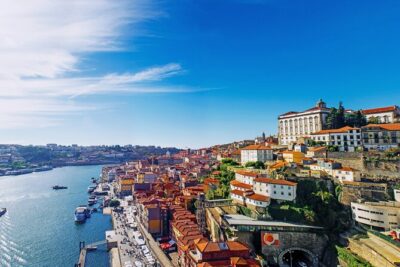
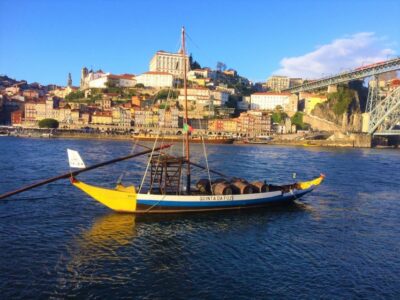
Ribeira is your main time on the water side, with a full hour built in for a photo stop in the Ribeira, Porto area. I like that the tour gives you time here rather than treating it like a quick stop-and-go photo spot.
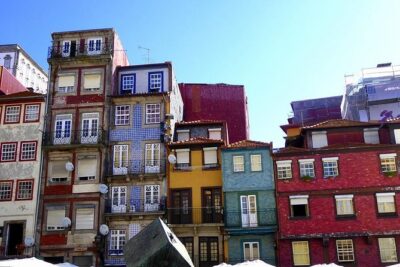
Ribeira is where Porto’s “lived-in” quality shows up. The streets near the river feel compact, and the city’s layout reflects growth without a lot of top-down planning. That’s why, as you walk, you start to understand the rhythm: steps, turns, sudden viewpoints, and little moments where you can look back and see more of the river than you expected.
You should expect it to feel tight and a bit chaotic in the best way—old center energy, crowded-feeling streets, and lots going on around you. Your guide’s job is to steer you through it so you’re not just walking randomly.
Tip I’d follow: keep your camera ready but don’t forget to look up from the screen. Porto’s best views often appear after you turn a corner, not in front of you.
Casa do Infante: walking time where stories matter
Next you spend about 30 minutes walking around Casa do Infante. This part is less about a single “look here” moment and more about using the stroll to connect the city’s layers.
Casa do Infante sits in the historical center, and that matters for how you experience Porto. You’re not only seeing buildings—you’re learning how Porto survived centuries of good times and hard ones while still keeping its identity. If you’re the type who likes to know why a place is the way it is, this stop will feel rewarding rather than optional.
Also, a walking segment here helps break up the pacing. After the bridge and the river area, you get a calmer change of tempo while you keep moving through old streets.
More Porto days out worth booking




Miradouro da Vitória: the viewpoint that resets your bearings
Then you head to Miradouro da Vitória for about an hour of photo time. This is one of those “hold on, I get it now” moments. Viewpoints in Porto are more than scenic breaks. They help you understand how the city climbs, how the river sits below, and why stairways and narrow lanes matter so much.
When you reach the viewpoint, you’ll likely feel a shift in perspective: you can see the city as a whole, and your earlier stops stop feeling like separate spots. The tour is designed to build toward that mental map.
How long is enough? You get an hour, plus later break time for more photos. If you like taking pictures, it’s comfortable. If you’re not a big photo person, you still get time to rest your legs and get oriented.
Gardens, a detour, and a river-side finish in old Porto style
The tour keeps weaving in small moments of relief and variety. You’ll stop in nice gardens and then make your way down toward the river again, with the city tightening into that historic center feel—narrow, colorful, and a bit chaotic.
These detours are where the guide really earns the title “local.” Without someone who knows where the quieter corners and good sightlines are, it’s easy to miss the charm and just feel overwhelmed by movement and crowds.
The walking ends at Praça de Gomes Teixeira, which is a solid way to wrap up: you finish in a place that feels like part of daily city life rather than at a random roadside.
One thing to plan for: staircases. Porto is built vertically, and this route includes enough steps to change how you move for the whole afternoon. It’s not dangerous, but it’s not effortless either.
The guide factor: why Alfonso and Ricardo made it worth it
What I take from the guide stories is simple: this tour isn’t built for people who want to read everything from a guidebook. It’s built for people who want a conversation while they walk.
Recent experiences highlighted guides such as Alfonso, who takes time to explain and share what he knows. Another guide, Ricardo, stood out for being friendly and handling questions in an individualized way. That’s the difference between a tour that feels like a script and one that feels like someone showing you their city at a pace that works for your group.
You’ll be in French or English with a live guide, so you get direct answers instead of generic commentary.
If you like learning by asking questions—about what you’re seeing, why certain buildings matter, or how Porto’s identity formed—this is the format that rewards you.
Price and value: $41 that includes more than route coverage
At $41 per person for a 4-hour walking tour, the value comes from what’s wrapped into the price:
- a local guide (English/French live guiding)
- the guided walking tour itself
- a donation to a local development association
That donation piece matters because you’re not just paying for movement and photos. You’re also supporting a local cause tied to development. For a city tour, that’s a small but meaningful add-on.
Also consider what you’re not paying for: there’s no hotel pickup and drop-off included. That’s typical for city walking tours, but it means you control your schedule and travel time around the meeting point.
For whom this price works best: if you want a guided route that helps you see the city efficiently and with context, $41 is reasonable. If you already know you’ll spend most of the time scrolling photos and not listening, then you might not get full value from a guided format.
Practical comfort: what to bring and what to watch for
This tour is straightforward, but you’ll be happier if you show up prepared.
Bring:
- Water
- a camera (or phone with enough storage)
Not allowed:
- bikes
- alcohol and drugs
Know before you go:
- you’ll walk about 4 to 5 kilometers
- you’ll climb staircases
- you should be fit enough for moderate walking
Not suitable for:
- children under 6
- people with mobility impairments or wheelchair users
- people with low fitness
- people with motion sickness
I’d treat the motion-sickness note as serious, too. With Porto’s turns and stairways, even a short distance can feel motiony for sensitive folks.
If you’re unsure about your stamina, plan a slower day afterward. Your legs will notice the old streets.
Best fit: who will enjoy this tour the most
This is a good match if you:
- want a local guide to help you find the city’s hidden corners
- enjoy walking through neighborhoods instead of just standing at landmarks
- like viewpoints and photo stops, especially around Ribeira and Miradouro da Vitória
- want a bit of civic connection via a donation
This is a weaker match if you:
- hate stairs or struggle with uneven walking surfaces
- need wheelchair-friendly routes
- get motion sickness easily
- prefer long, sit-down museum-style breaks
If you’re visiting Porto for the first time and you want a fast way to learn how the city fits together, this kind of route is a strong choice.
Should you book Porto Secrets of the City?
I’d book it if you want Porto with context: hidden alleys, viewpoint resets, and a route that shows why the city grew the way it did. The guide-driven approach seems to be the standout—people highlighted how Alfonso and Ricardo explained things clearly and handled questions in a friendly, individual way. That’s the kind of guiding that makes a city feel real instead of just photogenic.
I would not book it if your top priority is a flat, low-effort stroll. This is active. If stairs and moderate walking would wear you down, you’ll enjoy other Porto experiences more.
If you do book: wear comfortable shoes, bring water, and give yourself time after. Porto rewards good pacing.
FAQ
Where is the meeting point for the Porto walking tour?
Meet your guide at the Estatua de Arnaldo Gama in the garden near the Fernandina walls. Your guide wears a red Detours t-shirt.
How long is the tour?
The tour lasts about 4 hours.
What language is the tour guided in?
The live tour guide speaks French and English.
Is hotel pickup included?
No. Hotel pickup and drop-off are not included.
What should I bring?
Bring a camera and water.
What is the walking distance and difficulty level?
Expect a moderate amount of walking and staircases. You should be fit to walk around 4 to 5 kilometers and climb stairs.
Is the tour suitable for children?
It is not suitable for children under 6 years.
Can I bring a bike, or alcohol?
No bikes are allowed, and alcohol and drugs are not allowed.
What is the cancellation policy?
You can cancel up to 24 hours in advance for a full refund. Free cancellation is available up to that point.
More Tours in Porto





More Tour Reviews in Porto


More of Porto on Foot


Fresh in the Porto notebook

Porto City Walks, compared.
 ★ 5.0Porto Walking Tour, Lello Bookshop, River Cruise and Cable CarFrom $723,354 reviews
 ★ 4.8City Highlights 3-Hour Guided Electric Bike TourFrom $513,092 reviews
 ★ 5.0Experience Porto’s Charm: 3-Hour Guided Walking TourFrom $352,432 reviews
 ★ 4.83-Hour Guided City Highlights Walking TourFrom $342,050 reviews
 ★ 4.4Wine Tasting with Tapas Walking TourFrom $531,541 reviews
 ★ 4.7Historic City Center Walking TourFrom $331,172 reviews
 ★ 5.0Porto’s #1 Walking TourFrom $01,026 reviews
 ★ 4.8Delicious Food and Wine Walking TourFrom $87977 reviews
Browse the lists this tour appears in