
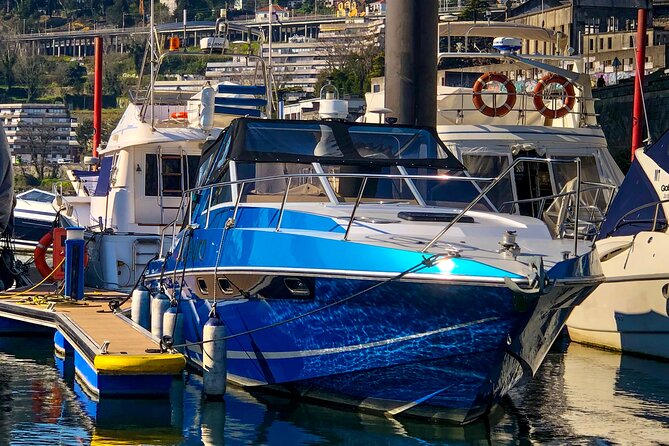
Reviewed · SIX BRIDGES RIVER CRUISES
Porto: Private Yacht Cruise with Local Wine, Snacks and 6 Bridges
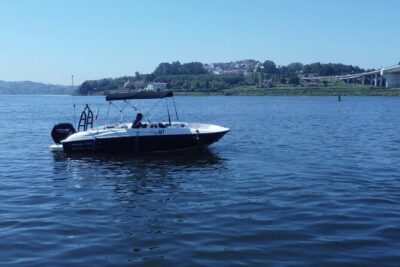
Porto looks different from the water. This private yacht cruise turns the Douro River into a moving viewpoint, with local wine and snacks while you pass six iconic bridges. You’ll start at the Marina do Freixo area and glide past Porto and Vila Nova de Gaia, with hosts like António and Carlos guiding the experience and sharing the kind of city details you don’t get from a bus stop.
I especially like two things. First, the food-and-wine setup is laid-back but generous, with chilled Port wine and a cheese/charcuterie board that fits the whole slow pace of being on the river. Second, the route is made for watching Porto change with every bridge and turn, and the crew keeps things smooth and calm while also answering questions when you want to chat.
One thing to consider: the cruise depends on good weather. If conditions are rough, your slot can be swapped or refunded, so plan this with some flexibility, especially if you’re visiting in a rainy stretch.
In This Review
- Key highlights you’ll actually care about
- Why the Douro River is Porto’s best photo angle
- Marina do Freixo to the water: getting started without hassle
- The 6-bridge route: what you’ll see and what it means
- Luís I Bridge: road below, metro above
- Ponte do Freixo: two bridges, 10 cm apart
- Ponte Infante Dom Henrique (Ponte do Infante): slender and newer
- Ponte de São João: railway crossing with a dated replacement story
- Ponte da Arrábida: reinforced concrete arch power
- Ponte de São João and back toward the steel-age icon: D. Maria Pia
- Seeing Porto and Gaia as one city: monastery, Ribeira, and the river port
- Local wine and snacks: the easy way to make it feel like a treat
- Hosts who keep the vibe private, not stiff
- Price and value for a private yacht up to 10
- When to go and what to wear on the Douro
- Should you book it? Here’s who it fits best
- FAQ
- How long is the yacht cruise?
- How many people can be in a group?
- What’s included in the experience?
- Is the tour offered in English?
- Where do we meet, and where does it end?
- What happens if the weather is poor?
- Can I get a full refund if I cancel?
Key highlights you’ll actually care about
- Private by default: it’s just your group, which makes it easy to relax and take photos without an audience.
- Six bridges in about two hours: you get a tight route with big payoff, especially for a first visit.
- Local wine and a cheese/charcuterie board: Port-style tasting in a casual setting, not a formal dinner.
- Family-style hosting: the crew (often António and Carlos, plus others like Carolina, Mariana, or Catherine in different trips) tends to feel personal and attentive.
- Rain-smart setup: there are rain guards used in drizzly weather, so you’re not stuck inside your own jacket all day.
- Music friendly: there’s a speaker available so you can connect your own playlist.
Other ways to ride the river past the six bridges
- Complete Douro Valley Wine Tour with Lunch, Wine Tastings and River Cruise★ 5.0 · 12,920 reviews
- Porto: 6 Bridges Douro River Cruise★ 4.3 · 6,472 reviews
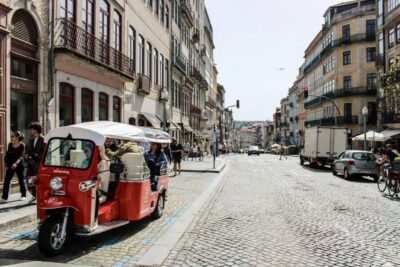
- Porto: Guided Tour by Tuk-Tuk & Optional Douro River Cruise★ 4.5 · 5,980 reviews
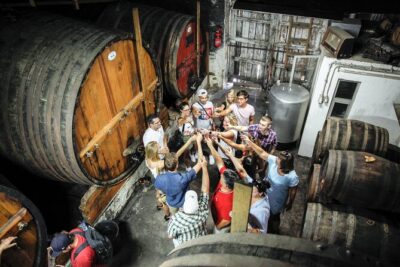
- Authentic Small Group Douro Wine Tour with Lunch & River Cruise★ 5.0 · 4,775 reviews
Why the Douro River is Porto’s best photo angle
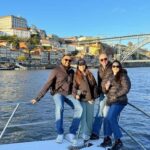
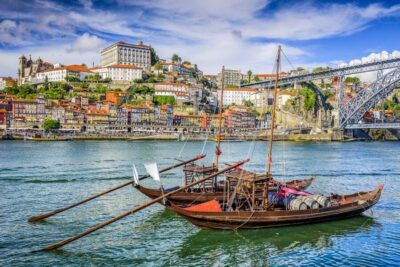
From land, Porto can feel like a maze of stairs, viewpoints, and crowds. From the water, the city lines up like a postcard you can keep moving around. This cruise is built for exactly that: you’re on the Douro River with historic riverbanks on one side and Vila Nova de Gaia on the other, so you see the Port wine cellars area and the bridges in one continuous sweep.
What makes it work is the timing of the scenery. As you cruise, you get repeated visual “re-centering” moments: bridge approaches, arches, deck levels, and then open water again. That pattern keeps the views fresh instead of repetitive. And because this is a private boat (up to 10 people), it’s also easier to control your time—linger when the light is good, move along when you want a new angle.
The other nice part: you’re not just watching landmarks. The crew tends to explain what you’re looking at in plain terms—what each bridge connects, what changed when newer bridges replaced older ones, and how the Port wine story ties into the riverfront on both banks. It makes the river feel less like a backdrop and more like the main character.
Marina do Freixo to the water: getting started without hassle
Your meeting point is at Restaurante Marina do Freixo, in the Marina do Freixo area (N108, 4300-316 Porto). That matters because it’s not the busiest center of town. You arrive, step onboard, and you’re on the water fast—less time wrangling maps, fewer transit headaches.
The tour runs about 2 hours, and you’ll return to the meeting point afterward. A tight time window can be a drawback for people who want a full-day outing, but in Porto it’s often the smart move. Two hours gives you a “big sights” experience while still leaving time for Ribeira, dinner, or a winery visit later.
You’ll also get practical conveniences that make a difference on a boat: you’ll have a mobile ticket, and the experience is offered in English. Service animals are allowed, and the meeting area is near public transportation, which helps if you’re not going by taxi.
The 6-bridge route: what you’ll see and what it means
This cruise is famous for one thing: passing six bridges that look different from every angle and at every deck height. Some are road bridges, some are metro/rail infrastructure, and some are pure engineering drama. The mix is what makes it interesting.
Luís I Bridge: road below, metro above
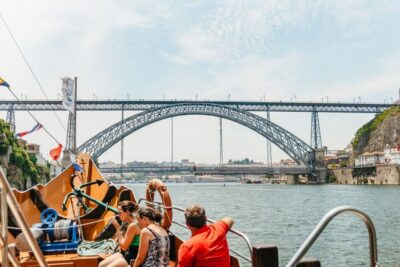
You start with the dramatic icon—Luís I Bridge. It’s an arched bridge with a road level on the lower side and a metro line on the upper level, connecting Porto and Vila Nova de Gaia. The view from the river makes the bridge feel like it’s hovering over the water, and you can spot how the two levels control the flow between the banks.
Here’s a useful context nugget: the construction replaced an older suspension bridge on the same site. It was carried out through work by Belgian engineer Théophile Seyrig, who had previously collaborated with Gustave Eiffel on the D. Maria Pia railway bridge. If you like engineering stories, you’ll notice how often Eiffel-style ambition appears along the river.
Possible drawback: you’ll see it up close as you pass under/near it, but it’s not a “walk the bridge” moment. If you’re hoping for a mid-bridge stroll, this won’t be that kind of stop.
Catch the river mouth as the light drops, other sailings compared


Ponte do Freixo: two bridges, 10 cm apart
Next up is Ponte do Freixo, a long road bridge built from the 1990s that connects Vila Nova de Gaia to the center of Porto. It’s farther upstream than the other Porto–Gaia crossings. The cool detail is structural: it’s effectively two bridges built side by side, only 10 cm apart.
From the water, that narrow separation is easier to notice. You can see the parallel shapes and how they guide traffic while still leaving room for the river to breathe between them.
Why you’ll care: this is the kind of bridge you don’t always spot from viewpoints in town. On the cruise, it becomes part of the “how the city grew” story.
Ponte Infante Dom Henrique (Ponte do Infante): slender and newer
You’ll also pass Ponte Infante Dom Henrique, also called Ponte do Infante. It’s a road bridge over the Douro River linking Gaia and Porto, named for Infante D. Henrique, born in Porto. Many describe it as the slenderest bridge connecting the two banks.
This bridge was built to replace the upper deck of the Luís I Bridge. So in a way, the cruise gives you a mini timeline: older iron-era crossing logic, then a newer solution for modern traffic needs.
Ponte de São João: railway crossing with a dated replacement story
Ponte de São João is a railway infrastructure that carries the Northern Line over the Douro River near Porto. It was built to replace the older Ponte D. Maria Pia (which was about 100 years old) and entered service on June 24, 1991.
From the boat, railway bridges can look less dramatic than classic road arches, but the steel and iron lines still make sense visually. You’ll see how the city keeps retooling the crossing points as technology and traffic change.
Ponte da Arrábida: reinforced concrete arch power
Then comes Ponte da Arrábida, an arched bridge over the Douro River. By the 1930s, there was a need for alternative connections due to growing road traffic. The bridge was constructed in 1963, and at the time of construction it had the largest reinforced concrete arch in the world.
This is the kind of stat that makes a bridge worth your attention, because it explains the ambition behind the shape. The arch isn’t just pretty—it’s engineering bragging rights from the era.
Ponte de São João and back toward the steel-age icon: D. Maria Pia
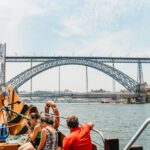
Finally, you’ll see the imposing arched railway bridge completed in 1877, designed by Gustave Eiffel. It’s considered one of his greatest masterpieces along with the Viaduct of Garabit. At inauguration, it was the bridge with the longest iron arch in the world.
Even if you’re not an engineering fan, the Eiffel bridge gives you an instant “wow” moment. The curves feel intentional and architectural, not just functional. And since this cruise centers on multiple bridges built for different needs, D. Maria Pia is a strong ending note.
Seeing Porto and Gaia as one city: monastery, Ribeira, and the river port
Between the bridges, you also get the “why the river matters” view of Porto’s waterfront.
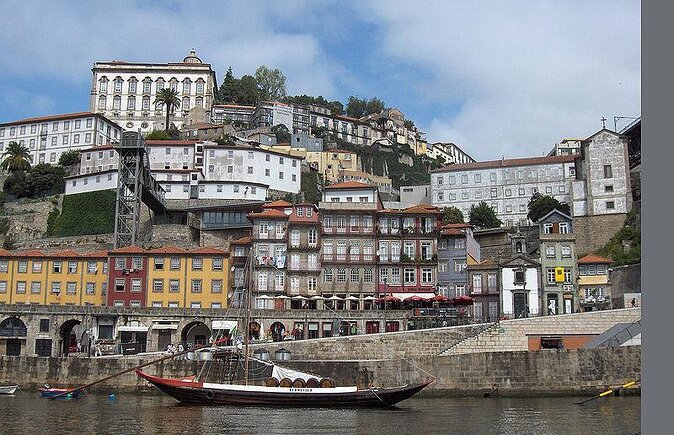
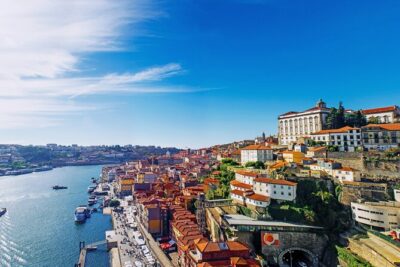
You’ll pass the 16th-century monastery on a hill, known for its cloister and round church with circular elements of matching dimensions. This monastery is part of why the historic center and major landmarks earned UNESCO World Heritage status, alongside the Historic Center of Porto and Luís I Bridge. From the river, it looks like it’s guarding the city rather than being hidden above it.
You’ll also catch Cais de Gaia, a tourist terrace area on the Gaia side with restaurants and bars. Historically, it was a river port where goods were exported, especially Port wine. That’s a key piece of context: you’re eating and drinking Port wine on the boat, and you’re cruising past the riverfront that built the reputation behind it.
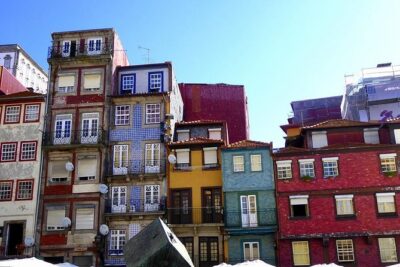
On the Porto side, you’ll see Ribeira, one of the oldest and most typical areas in Porto and part of the UNESCO Historic Center. The river perspective helps you understand why Ribeira is photogenic: the buildings face the water, and the river acts like a front yard.
Finally, there’s a garden overlooking the river and the city. It gives a high-angle “look how the water bends around Porto” moment, which is a nice break from bridge geometry.
Local wine and snacks: the easy way to make it feel like a treat
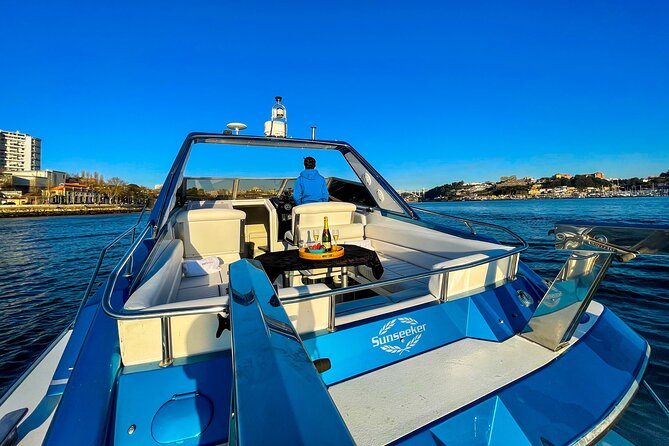
This is not a tour where you sit through a lecture and nibble one cracker. You’re drinking and eating while cruising, and the crew keeps it relaxed.
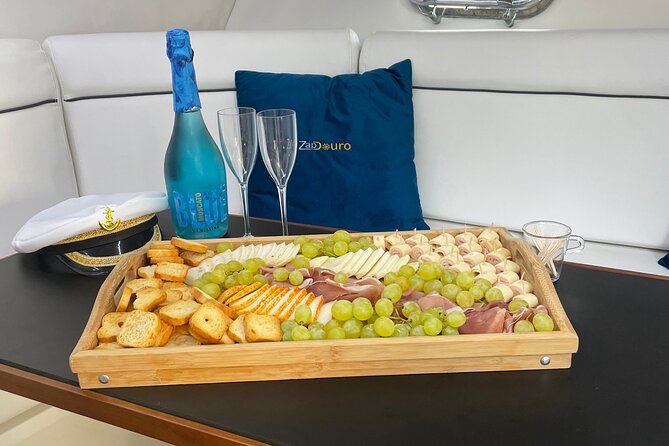
The core idea is local wine with snacks, often including Port and sparkling wine. You’ll usually have a cheese board or charcuterie board style platter, with local cheese paired alongside the drinks. The reviews-style pattern here is consistent: wine tends to be plentiful, and the food is more than a token snack.
What makes this format valuable is how it changes the experience. Eating on a boat turns the river into a dining room, and you don’t have to line up for anything. It also makes your time feel special even if you don’t want a big guided tour.
One practical note: it’s a river boat, so bring a layer. Even in pleasant weather, a breeze can make you want something light over your arms.
Hosts who keep the vibe private, not stiff
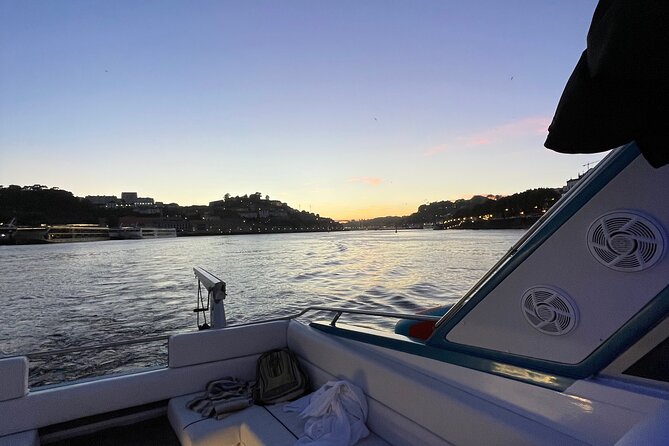
A big part of why this cruise rates so high is the way it’s hosted. The boat is family-run in feel, and the crew aims for “warm and helpful” rather than “scripted.”
You’ll see names like António and Carlos in many experiences, and you might also get hosts such as Carolina, Mariana, Thomas, Catherine, or John depending on the day. The best common theme is that they explain Porto from the water without turning it into a lecture. You can ask questions, or you can go quiet and just enjoy the scenery.
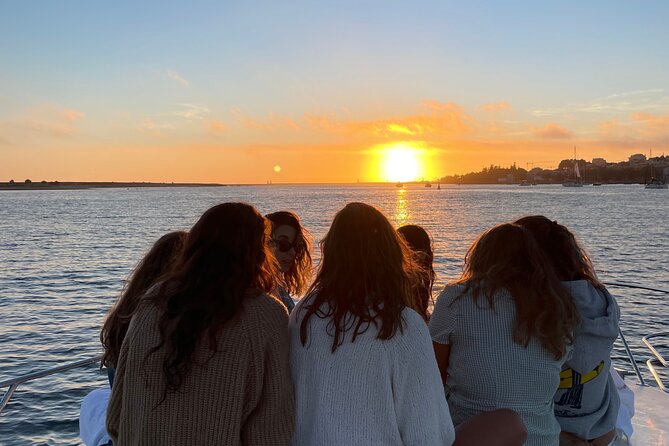
Privacy also comes up in a real way. Because it’s private, families can keep their own rhythm, and couples can enjoy the calmer, slower feeling that comes from not sharing the deck with strangers.
Small touches add up. Some trips have a rain guard system that helps when the afternoon turns drizzly, so the views keep working. There’s also been mention of a speaker so you can connect your personal music.
Price and value for a private yacht up to 10
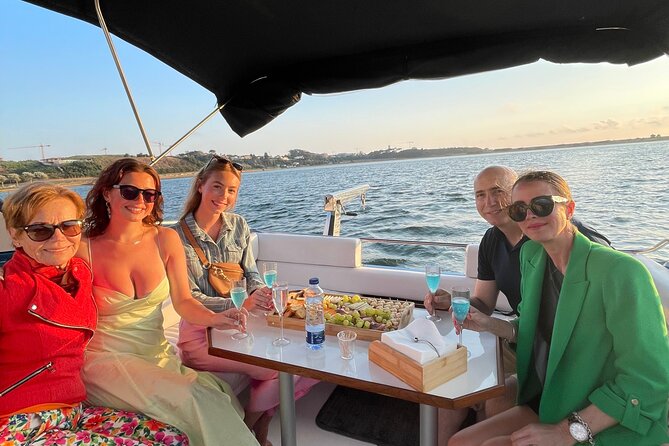
At $337.39 per group (up to 10 people) for about 2 hours, this price can be either a splurge or a steal, depending on who you’re traveling with.
Here’s the math that helps you decide: if you max out the group size, that’s roughly $34 per person. Even with a smaller group, you’re still paying as a unit, not per seat on a public cruise. For a city like Porto—where the best views often come with timed tickets, crowded spots, and limited time—this can feel like good value because the boat experience is doing the heavy lifting.
It’s also a solid choice when you want a “one-and-done” highlight on a short stay. You get a compact route through multiple bridges and waterfront neighborhoods in one session, with wine and snacks included.
If you’re a solo traveler, it may feel pricier. But with two to six people, it often lands in the sweet spot: private atmosphere without the full luxury-boat pricing.
When to go and what to wear on the Douro
This experience requires good weather. That doesn’t just mean sunny skies. It’s about river conditions and comfort on deck. If weather is poor, the operator offers a different date or a full refund, so don’t stack it as your only plan for the day.
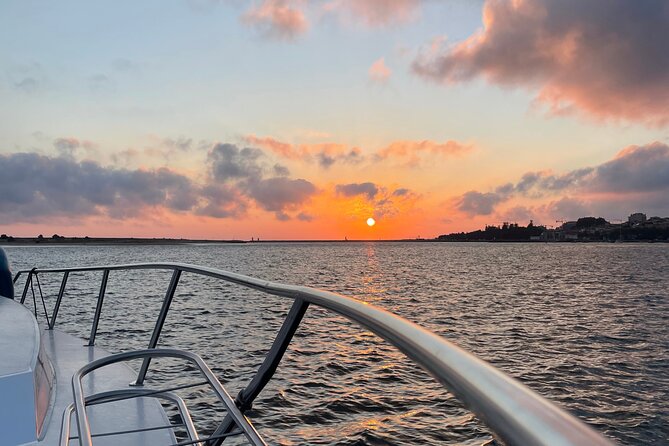
For timing, consider booking when the light is best for the bridges. The cruise is designed to showcase the skyline and arches, so late afternoon can be a great match to that goal. If you’re coming in peak season, plan ahead since the experience is commonly booked about 29 days in advance on average.
What to wear:
- Comfortable shoes with grip (even on a boat, you’ll move around).
- A light layer or jacket for wind.
- Sunglasses and sun protection if the day is clear.
And if it’s drizzly, don’t panic. There’s been mention of a rain guard that helps keep most of the experience enjoyable without completely sealing you in.
Should you book it? Here’s who it fits best
I’d book this Porto yacht cruise if you want a high-impact activity that combines sightseeing with a real food-and-drink component. It’s also a great pick if you’re traveling with a small group that values privacy—whether that’s couples, friends, or a family with a baby. The private format makes it easier to settle in and enjoy the river without worrying about bothering anyone else.
Book it especially if you care about bridges and want to see how Porto and Vila Nova de Gaia connect in different eras. The route covers both classic icons like Luís I Bridge and Eiffel-era engineering, plus newer infrastructure like Ponte do Infante and reinforced-concrete Ponte da Arrábida.
Skip it if your travel style is heavy on walking tours and you need a lot of on-shore time. This cruise is mainly about cruising and viewing, not long stops on foot.
FAQ
How long is the yacht cruise?
It runs for about 2 hours.
How many people can be in a group?
It’s priced per group and can host up to 10 people. Only your group participates.
What’s included in the experience?
The cruise includes local wine and snacks while you sail past the river sights and bridges.
Is the tour offered in English?
Yes. The experience is offered in English.
Where do we meet, and where does it end?
You meet at Restaurante Marina do Freixo, Marina do Freixo Porto (N108, 4300-316 Porto, Portugal). The tour ends back at the meeting point.
What happens if the weather is poor?
The experience requires good weather. If it’s canceled due to poor weather, you’ll be offered a different date or a full refund.
Can I get a full refund if I cancel?
Yes. You can cancel up to 24 hours in advance for a full refund.
Private Porto Tours to Compare


Sunset Sailings on the Douro
Back on the River, Bridge by Bridge
Fresh in the Porto notebook

Six Bridges River Cruises, compared.
 ★ 5.0Complete Douro Valley Wine Tour with Lunch, Wine Tastings and River CruiseFrom $10112,920 reviews
 ★ 4.2Six Bridges CruiseFrom $2111,680 reviews
 ★ 4.36 Bridges Douro River CruiseFrom $236,472 reviews
 ★ 4.5Guided Tour by Tuk-Tuk & Optional Douro River CruiseFrom $205,980 reviews
 ★ 5.0Authentic Small Group Douro Wine Tour with Lunch & River CruiseFrom $1334,775 reviews
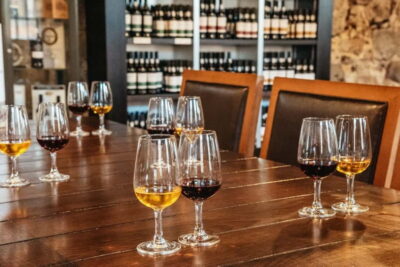 ★ 4.2Bridges Cruise & Sunset & Port Wine Cellar OptionFrom $214,180 reviews
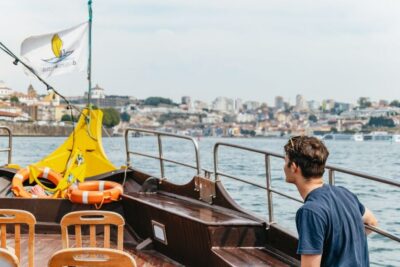 ★ 4.3River Douro 6 Bridges CruiseFrom $174,168 reviews
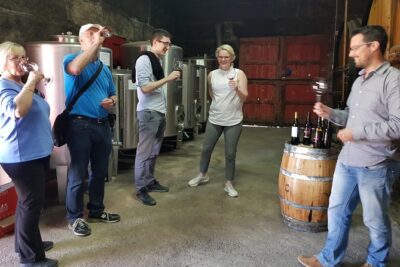 ★ 5.0Douro Valley Tour: 2 Vineyard Visits, River Cruise, Winery LunchFrom $1013,542 reviews
Browse the lists this tour appears in