
Reviewed · WINE TOURS
Porto: Portuguese Azulejo Tile Painting Workshop with Wine
Portuguese tiles with a side of Port wine. This 1.5-hour azulejo tile painting workshop in Porto is one of those hands-on cultural stops where you actually make something, not just watch. I like that you start with a short history and design context, then move straight into painting your own motif inspired by Porto’s iconic panels.
Two things I’d put at the top: the instructor guidance (with extra help if you get stuck), and that glass of Port wine while you work. One thing to plan around: the finished tile isn’t ready immediately, since it needs glazing and firing, so you’ll collect it the following day.
In This Review
- Key highlights worth your attention
- Porto’s Azulejo Workshop: why this tile painting is more than a craft class
- The Majolica process: what happens after you paint on the raw glaze
- Picking your Porto motif (or going original) without losing the traditional look
- The workshop rhythm: painting, instruction, and the Port wine moment
- From studio to souvenir: when your tile is ready and how you’ll get it
- Price and value in Porto: why $42 works for what you get
- Who should book this workshop (and who might want to skip it)
- What to know before you go: languages, rules, and practical tips
- Should you book this Porto Azulejo Painting Workshop with Wine?
- FAQ
- How long is the Portuguese azulejo tile painting workshop?
- How much does it cost?
- Is Port wine included?
- Will I design my own azulejo?
- What technique will I use to paint the tile?
- When will I receive my finished tile?
- Can the tile be shipped?
- Is the workshop wheelchair accessible?
- Are there any age limits?
Key highlights worth your attention
- Majolica technique explained and practiced: paint on raw glaze, then your piece is fired
- Porto-inspired options: copy a motif style or create something original
- Short azulejo intro first: you learn why tile panels matter in Portugal
- Port wine included: a glass of Port while you paint your design
- A take-home ceramic souvenir: your fired tile comes out as a real finished piece
Rainy afternoon? Escape rooms and immersive shows
- Porto: Tile Painting Workshop with Porto Wine – Sé do Porto★ 4.9 · 1,095 reviews
- Impressive Monet & Brilliant Klimt -The Immersive Experience★ 4.4 · 656 reviews
- Porto: Tile Painting and Cocktails in Downtown Porto★ 4.9 · 484 reviews
- Spiritus Porto: Videomapping Immersive Show at Clerigos Church★ 4.5 · 223 reviews
Porto’s Azulejo Workshop: why this tile painting is more than a craft class
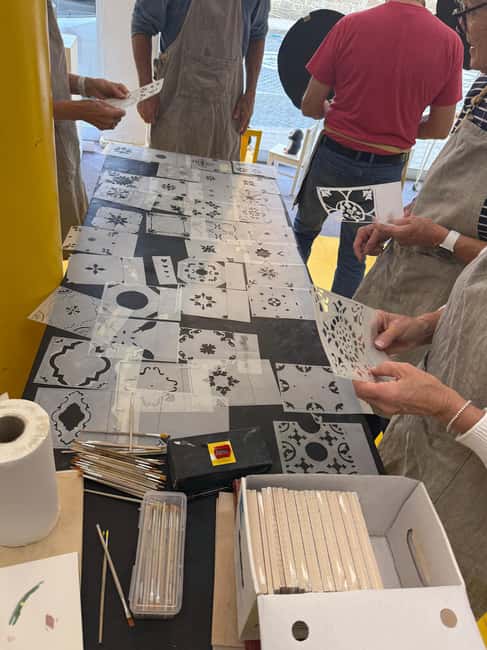
Azulejos are everywhere in Porto for a reason. They’re not just decoration you walk past. In this workshop, you get a quick orientation to what makes Portuguese tilework so recognizable: the patterns, the repeating motifs, and the way designs show up across buildings and public spaces. The best part is that the intro doesn’t feel like a lecture. You’re learning just enough context so your tile choice and brush decisions make sense.
Then the workshop flips from “history” to “hands-on.” You’ll have time to choose a motif inspired by Porto’s iconic panels, or you can go fully original. That choice matters because it keeps the experience from feeling like a one-size template lesson. If you’re the type who likes copying a style, you can lean into the Porto look. If you want your own meaning on the tile, you can make it yours while still staying in the traditional language of the medium.
Finally, the tone is practical. You’re not aiming for perfection. The goal is a tile that feels authentic in look and technique, and that comes from you. It’s also a nice change from a typical museum stop, because you’ll leave with a physical reminder you’ll keep thinking about once you’re back home.
The Majolica process: what happens after you paint on the raw glaze
This is the heart of the experience, and it’s also where you’ll feel the difference between a quick “paint a picture” activity and a real Portuguese tile workshop.
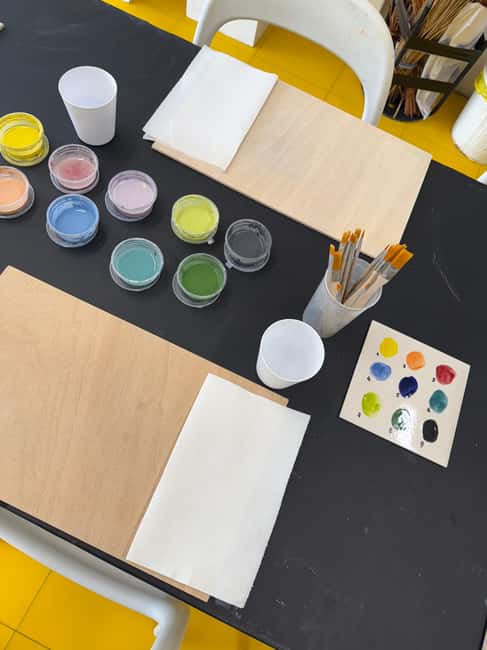
You’ll use the traditional Majólica technique. That means you paint on raw glaze first, and only later does the tile go through the firing process. You’re not waiting around for the kiln, but your work is still part of the full ceramic workflow. It’s also why the final look matters: this method is what supports the classic look people associate with azulejos, with careful lines and color that settles into the fired surface.
Why it’s valuable for you: you’ll understand that the tile isn’t just “painted and dry.” Ceramic art has steps. You’re participating in those steps, even though the final firing is handled by the workshop. That makes the souvenir more meaningful, because you know your piece has gone through the real transformation from glaze to finished tile.
One small practical detail that affects your planning: you shouldn’t treat this like a same-day craft. The tile needs preparation and firing before it’s ready to be picked up.
Picking your Porto motif (or going original) without losing the traditional look
You’ll choose how your tile takes shape. Options include designing a motif inspired by Porto’s iconic panels or creating an original design. Either route works because the workshop keeps you within the visual rules of azulejo decoration.
If you go Porto-inspired, you’ll likely feel a bit of the “aha” of why these buildings look the way they do. The workshop teaches you to think in patterns rather than in a single picture. Even if your design is simpler, you’re learning how Portuguese tile panels often rely on organized shapes and decorative rhythm.
If you go original, the workshop still gives you structure. The guidance on patterns and techniques helps you avoid the common beginner trap: making something that looks like a generic painting on tile. Instead, you can keep your design in the traditional style language, so it reads as an azulejo even though it’s not copied from an existing panel.
In plain terms, you’ll come out with something that looks like it belongs in Portugal, not something you’d be embarrassed to put on your wall back home.
The workshop rhythm: painting, instruction, and the Port wine moment
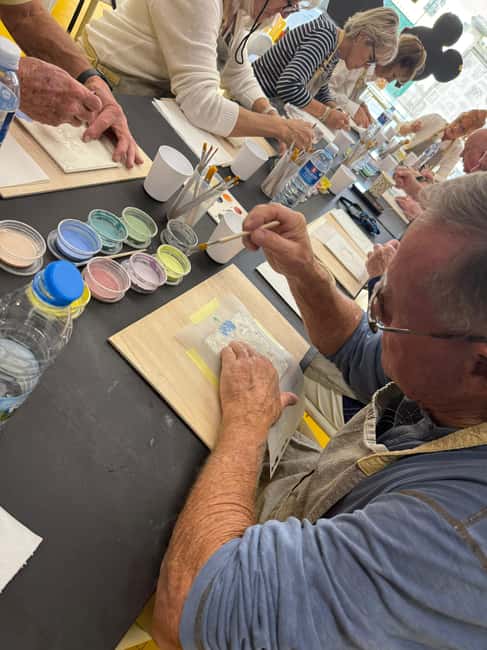
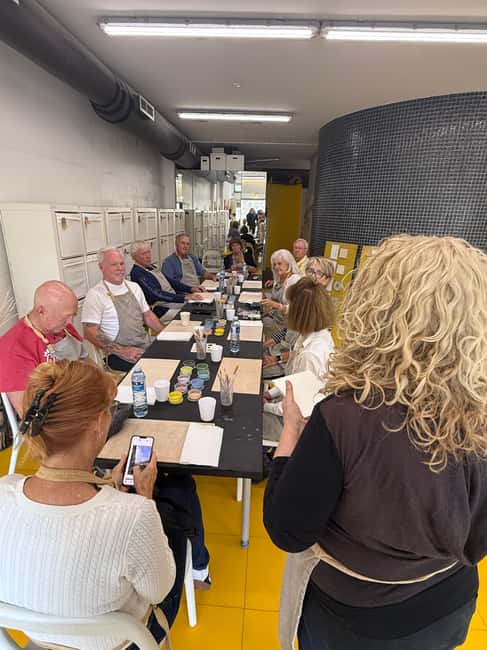
The pacing here is one of the reasons people rate it so highly. The activity is only 1.5 hours, but it doesn’t rush. You start with a brief azulejo introduction, then you work on your tile with instructor guidance throughout. That combination helps you avoid the frustrating “wing it” feeling.
Port wine plays a supporting role, not a distracting one. You get a glass of Port while you paint, which makes the room feel more like a relaxed studio session than a strict class. You’ll still do the work, brush in hand, but you get that extra warmth that makes time pass quickly.
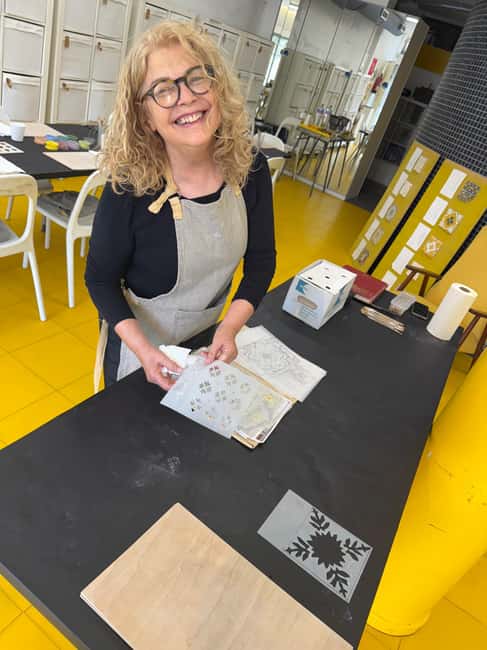
If you’re wondering whether your design will turn out okay, this is where good instruction matters. You’ll have help as you paint, and the teacher experience is emphasized in the way the workshop is delivered. One name you may hear associated with the sessions is Christina, known for being personable and patient, and for giving a bit of extra support when people want it.
Small bonus: you may also be offered cookies alongside the Port wine, depending on the session flow.
More Porto days out worth booking




From studio to souvenir: when your tile is ready and how you’ll get it
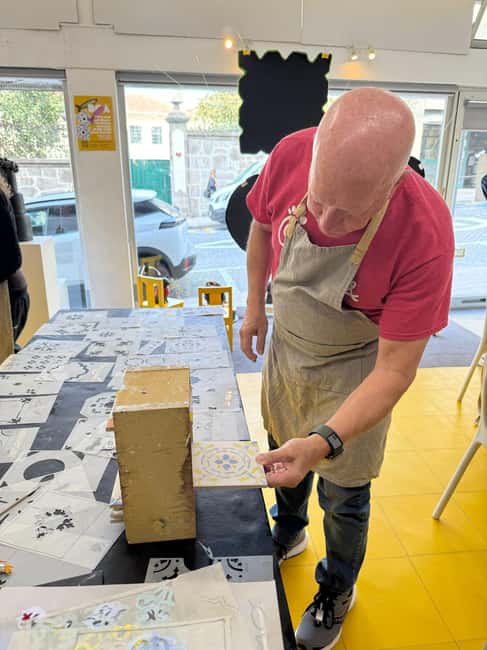
This is the big logistics detail, and it’s worth planning for before you book. Your tile is not finished the same day. The workshop involves glazing, then final firing, so you’ll collect it later.
The tile is delivered the following day. In at least one case, the instructor brought fired tiles to a hotel so they’d be ready before a guest left the city. Still, don’t count on that exact arrangement as guaranteed for every booking. What you can count on is next-day readiness and the expectation that you’ll return or arrange pickup.
If you need the tile after you’ve left Porto, shipping may be possible. The key point is cost: shipping is available, but it’s your responsibility to pay those costs. The workshop won’t treat it like a free add-on.
Practical advice for you: if you’re only in Porto for a short time, choose lodging where returning tomorrow is easy. Also, plan how you’ll transport it back or where you’ll pick it up, since a fired ceramic tile still needs careful handling.
Price and value in Porto: why $42 works for what you get
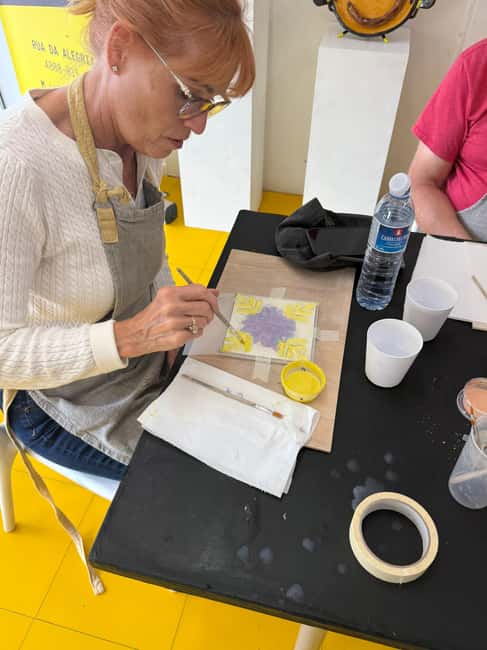
At $42 per person, the value here is tied to the full package, not just the hours at the table.
You’re paying for:
- an azulejo introduction (context and technique guidance)
- instructor support while you paint your tile
- use of the traditional Majolica technique
- a glass of Port wine
- a finished ceramic souvenir that has been fired
A lot of “make-it” experiences stop at the craft portion. Here, the firing step is part of your outcome, and that’s what turns painted glaze into a real ceramic object meant to last. That’s why the price feels reasonable: you’re not just paying for materials you take home immediately. You’re paying for a skill-supported process and a finished artwork.
Also, the workshop is short enough to fit into a day of sightseeing without swallowing your schedule. If you’re weighing this against another paid activity, think about what you want your Porto memories to look like. This gives you a physical item rooted in Portuguese technique.
Who should book this workshop (and who might want to skip it)
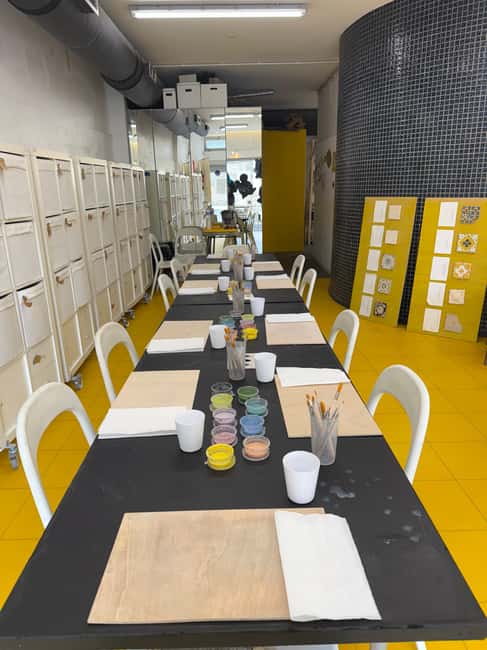
This workshop fits best if you want a hands-on, culturally grounded activity. You’ll enjoy it most if you like:
- learning how a traditional technique works
- taking your time with a design
- creating a souvenir you didn’t just buy off a shelf
It’s also a good choice for couples and friends, since you’re working at your own tile but sharing the studio vibe. The short duration keeps it from feeling like a long, tiring commitment.
It may be less appealing if you hate waiting for results. Because your tile needs firing, you don’t get the finished piece right away. If your schedule in Porto is ultra-tight, you’ll need to confirm the next-day collection plan that works for you.
A couple of other practical notes from the activity rules:
- Smoking indoors isn’t allowed.
- It’s not suitable for children under 4 years.
- The workshop is wheelchair accessible.
What to know before you go: languages, rules, and practical tips
The session runs 1.5 hours, and the instruction is available in English, Portuguese, and French. That language mix is helpful if you’re not comfortable in English-only environments.
Because the tile needs delivery the next day, I recommend packing your day around that reality. If you’re walking around Porto after the workshop, you’ll want light plans: you won’t be carrying a finished ceramic piece yet.
Also, ask yourself one simple question: do you want your Porto souvenir to be a story you can explain? If yes, this is a strong pick. You’ll understand what Majolica means and why the firing step matters, so your tile won’t feel like an impulse buy.
Should you book this Porto Azulejo Painting Workshop with Wine?
If you want a Porto experience that connects culture to your hands, this is an easy yes. The combination of a short azulejo history/design intro, real Majolica technique, and a glass of Port wine hits the sweet spot between meaningful and fun. The finished fired tile is the kind of souvenir that actually earns a spot on your wall.
I’d only hesitate if you can’t spare time for next-day pickup or if your travel dates are so tight that a return visit is tough. Otherwise, for most people, the $42 price is a fair deal for a guided, traditional, take-home ceramic piece.
FAQ
How long is the Portuguese azulejo tile painting workshop?
The workshop lasts 1.5 hours.
How much does it cost?
It costs $42 per person.
Is Port wine included?
Yes, the experience includes a glass of Port wine.
Will I design my own azulejo?
Yes. You can create an original design or choose a motif inspired by Porto’s iconic panels, with guidance from an instructor.
What technique will I use to paint the tile?
You’ll learn and use the traditional Majolica technique, painting on raw glaze before the final firing.
When will I receive my finished tile?
The tiles are delivered the following day.
Can the tile be shipped?
Shipping is possible, but the shipping costs are the responsibility of the participants.
Is the workshop wheelchair accessible?
Yes, it is wheelchair accessible.
Are there any age limits?
Yes. It is not suitable for children under 4 years.
More Wine Tours in Porto

More Tour Reviews in Porto


Indoors: Shows and Escape Rooms





Fresh in the Porto notebook




Wine Tours, compared.
 ★ 4.7From Porto: Douro Valley w/ Boat Tour, Wine Tasting & LunchFrom $8219,061 reviews
 ★ 5.0Complete Douro Valley Wine Tour with Lunch, Wine Tastings and River CruiseFrom $10112,920 reviews
 ★ 4.7Douro Valley with Winery Lunch, Tastings & CruiseFrom $997,002 reviews
 ★ 4.8Live Fado Show with Glass of Port WineFrom $236,498 reviews
 ★ 4.9From Porto: 2 Wine Regions, Farm-to-Table Lunch & BoatFrom $945,724 reviews
 ★ 5.0Douro Valley: Historical Sites, Wine Experience, Lunch & CruiseFrom $1075,133 reviews
 ★ 5.0Authentic Small Group Douro Wine Tour with Lunch & River CruiseFrom $1334,775 reviews
 ★ 4.2Bridges Cruise & Sunset & Port Wine Cellar OptionFrom $214,180 reviews
Browse the lists this tour appears in