
Reviewed · PORT WINE CELLARS & TASTINGS
Porto: Port Wine Tour with 7 Port Tastings
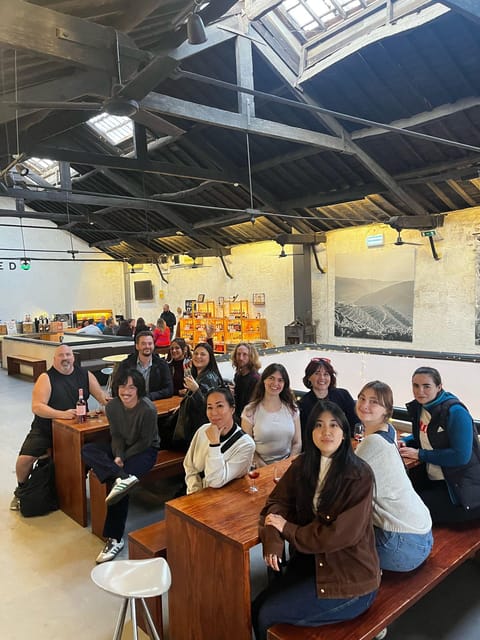
Port tastes best when you understand what you’re sipping. This tour turns that lightbulb moment into a guided afternoon of 7 tastings in true Porto-and-Gaia cellar country. I like the way it’s not just a sip-and-go stop; you also get the how-and-why behind port styles as you move from Porto’s riverside to Vila Nova de Gaia.
What I like most: you get a structured path through port wine families, with a guide who keeps things interactive and open to questions. And you taste across three venues, including a larger, museum-style house plus smaller producers at later stops—so you can actually notice how style and producer choices change the glass. You’ll especially appreciate the variety if you’re curious but not sure where to start.
One possible drawback: it involves a little walking and can mean uneven surfaces. Even though it’s listed as wheelchair accessible, the tour isn’t recommended if you’re using a wheelchair or have walking disabilities, so plan accordingly. Also, there’s no food included, so eat first.
In This Review
- Key highlights that make this port tour worth your time
- Porto Walkers 7-Port Tasting Tour: The real point of the experience
- Getting started at the Luis I Bridge (and not ending up on the wrong level)
- How 7 tastings actually work in your favor
- Stop 1: Major port house museum and cellar tour
- Stop 2: Second venue tasting at a smaller producer
- Stop 3: Final producer finish with the last 3 ports
- Port wine families, serving, barrels, and cork: the practical education you’ll use later
- What the guides do differently (and why it affects your value)
- Price and value: why $54 makes sense for this setup
- What to know before you go (so your afternoon stays smooth)
- Who should book this port tour
- Should you book the Porto Port Wine Tour with 7 Tastings?
- FAQ
- How long is the port wine tour?
- How many port wines will I taste?
- Where do I meet the tour guide?
- Is food included with the tastings?
- Is there an age limit?
- Is the tour wheelchair accessible?
- What’s the cancellation policy?
Key highlights that make this port tour worth your time
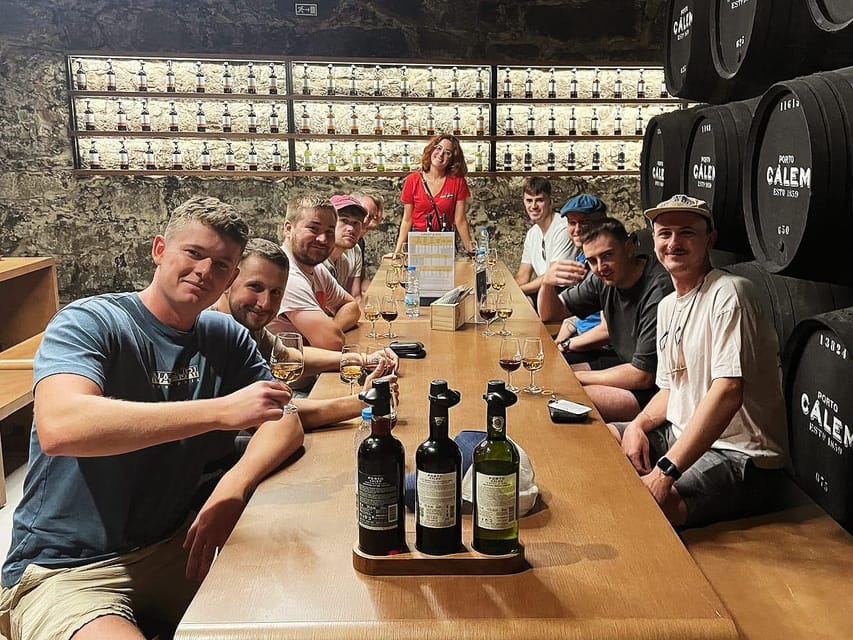
- 7 total port wine tastings across 3 venues in about 4 hours
- Professional tasting room access, plus museum and cellar time at a major house
- Learn to identify port wine families and what changes from bottle to bottle
- Lots of Q&A energy, with guides like Alex, Kevin, Laura, Francisco, and Cyril/Ciril bringing humor and history
- A guided stroll from the Porto side of the Douro River toward Vila Nova de Gaia cellars
- Real variety: you’ll hit both big-name producers and quieter, small-producer stops
Across the water in Gaia, more lodges pouring tawny and vintage
- Porto: Bridges Cruise & Sunset & Port Wine Cellar Option★ 4.2 · 4,180 reviews
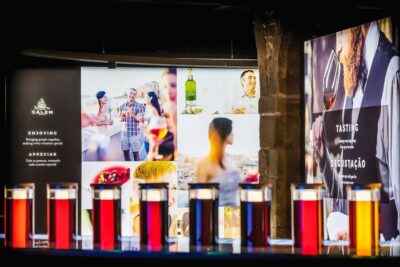
- Porto: Cálem Cellar Tour, Fado Show & Wine Tasting★ 4.4 · 3,530 reviews
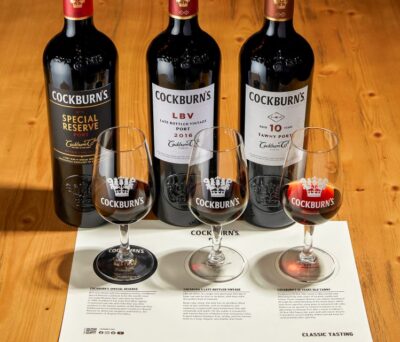
- Porto: Cockburn’s Port Lodge Tour and Tasting★ 4.8 · 3,360 reviews
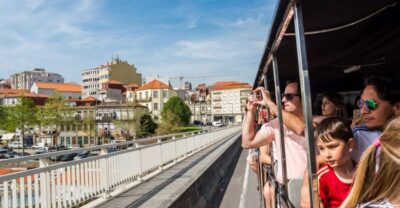
- Porto: City Train Tour, River Cruise & Wine Cellar★ 3.9 · 2,601 reviews
Porto Walkers 7-Port Tasting Tour: The real point of the experience
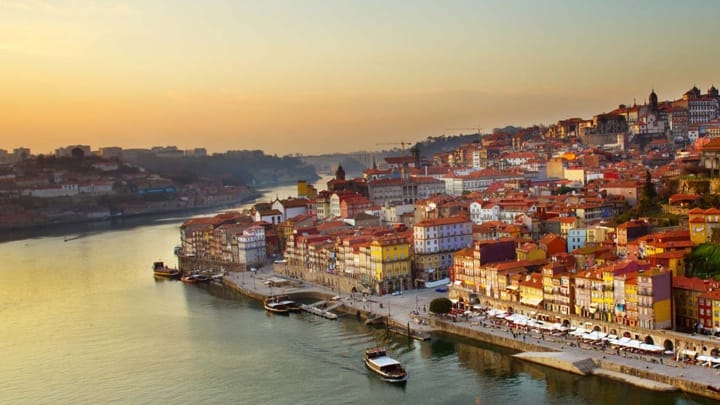
Porto is one of those places where the wine world feels close to the street. You can stand on the river in Porto, look across at the cellars in Gaia, and get why port became such a cultural glue for this region. This tour builds that context into your tasting, so the wine doesn’t float by as random samples.
You’re paying for structure and access: a guided route with multiple venues, English interpretation, and enough tastings to compare styles rather than just “try a port.” For many first-timers, that’s the best way to learn. Instead of guessing which bottle to buy, you start sorting port into families and figuring out what you actually like.
The format also helps you taste with intention. By the time you reach the final producer, you’re already primed for differences in sweetness, aging, and character—so the last few glasses land better than they would on a rushed tour with fewer stops.
Getting started at the Luis I Bridge (and not ending up on the wrong level)
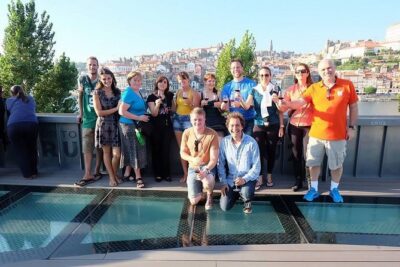
The meeting point is specific, and you’ll want to follow it closely. Meet on the right side of the entrance of the LOWER LEVEL of Bridge Luis I, on the Porto side, at Rua da Ribeira Negra, 4000-509 Porto. Look for the guide in a red T-shirt or jacket saying Porto Walkers, by the big granite pillars of the old Ponte Pensil bridge.
If you end up on the TOP LEVEL, the tour instructions say to call for help. That’s not a minor detail—getting on the wrong side can cost real time, especially if you’re meeting a group. I’d give yourself a few extra minutes, then double-check you’re on the lower level before you settle in.
The start location matters because it immediately anchors you in Porto’s geography: the river, the bridge, and the route toward Vila Nova de Gaia. You’re not just traveling “to wine”; you’re traveling through the city that made this wine world necessary.
How 7 tastings actually work in your favor
Seven tastings in four hours is enough to notice patterns without feeling like a constant blur. The tour is designed to walk you through port wine basics first, then compare styles across the day. You’ll taste 2 ports early, 2 more at the second venue, and then 3 at the last producer, for a total of 7 different wines.
That pacing is useful because port has range. You may start with something lighter or more straightforward, then later encounter styles that show richer aging or different sweetness levels. When your guide explains what to look for (and how the wine got there), each next glass becomes a comparison, not a reset.
And the tour doesn’t stop at flavor. You’ll learn how and when to drink port wine, how to identify the different port wine families, and what barrel details and cork do to preserve and shape the wine. That kind of context is what turns tastings into something you can use later when you’re buying bottles or ordering at a bar.
Stop 1: Major port house museum and cellar tour
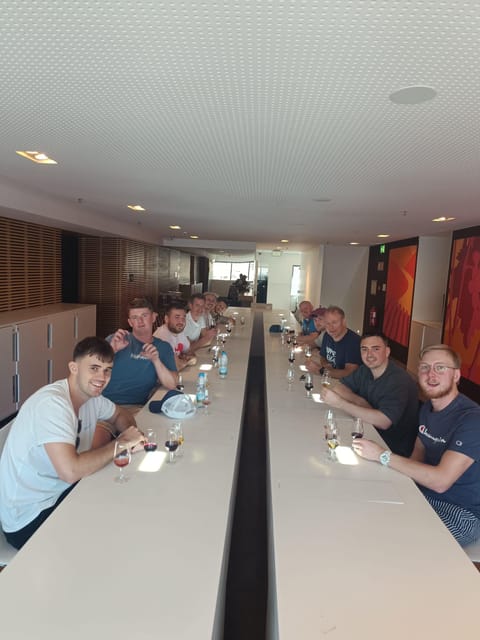
Your first tasting portion comes after the historical walking start on the Porto side of the Douro River. As you stroll toward Vila Nova de Gaia’s historical cellars, the guide sets the background of port wine and how it fits into the region.
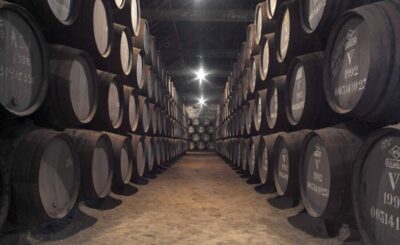
Then you tour a museum and wine cellar inside one of the most prestigious port wine houses. You’ll also have your first tastings there—2 ports—after learning the fundamentals. This stop is where you get the clean, organized explanation: how port differs from other wines, and what the process and aging choices do to the final bottle.
Why I think this matters: it gives you shared vocabulary with your group. When someone asks a question about family styles or serving, you’re ready for it. You’re not learning port in a vacuum; you’re learning it in the place where the tradition is stored and shown.
A small caution: this start is a bit more “tour” than “free tasting.” If you prefer casual wine drinking only, you may feel like you’re learning before you’re fully tasting—but for most people, the explanations make the tastings far more satisfying.
More Porto days out worth booking




Stop 2: Second venue tasting at a smaller producer
The second venue shifts the tone. You’ll visit a small producer for another round of tastings—again, 2 more ports—after the first foundational stop. This is where you can start spotting how producer choices influence what’s in the glass.
The day is built so you aren’t just collecting bottles; you’re matching what you learned to what you’re tasting. By now you should be thinking about port families and what features separate one style from another. Your guide helps connect those dots, including practical details about how the wines should be consumed.
I also like this mid-tour placement for another reason: it breaks up the big-house feel. The major cellar is impressive, but it can be abstract. Smaller producers tend to make the conversation feel more personal—less like a lecture, more like a story of how a specific wine is made and kept.
Stop 3: Final producer finish with the last 3 ports
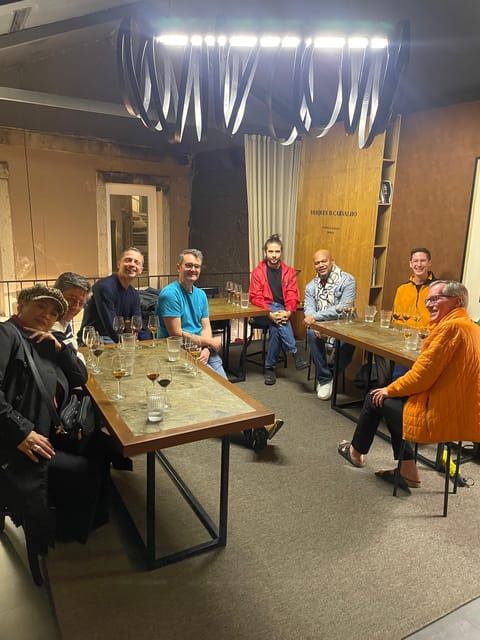
The last stop ends strong with 3 more port tastings, making this the most generous tasting segment of the day. By the time you reach the final producer, you’ve already learned the basics of port wine families and you’ve tasted several styles.
That means the final 3 glasses are a chance to confirm your preferences. You’ll be able to connect what you’re tasting to why it tastes that way—aging decisions, preservation choices, and how cork and barrels relate to the wine’s ongoing character.
This is often when tours become most fun. The group energy typically rises because you’ve already built trust and a shared language. I especially like that the tour encourages questions and chat, and guides often keep the mood light while still steering the day toward learning.
Port wine families, serving, barrels, and cork: the practical education you’ll use later
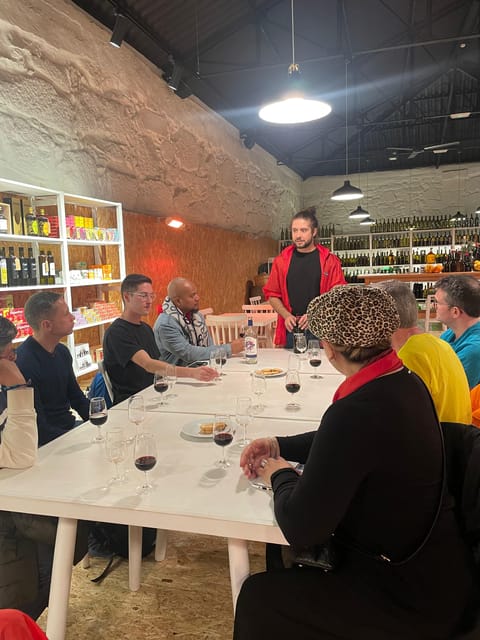
You’ll learn how to identify different port wine families, not just memorize names. That changes how you shop and order afterward. Instead of guessing, you’ll know what style you’re leaning toward and what you might expect in sweetness and aging character.
You’ll also hear when to drink port wine and how it differs from other wines. The guide covers the ins and outs of barrels and the cork used to preserve the wines. Even if you don’t remember every detail, you’ll walk away with a working sense of how port is built to age and how its texture and flavor evolve.
Why this is more than trivia: port is one of those wines people either love immediately or find too strong at first. The tour’s structure helps you calibrate. You learn that strength isn’t just about alcohol; it’s also about sweetness, aging style, and the way port is made to be savored.
If you’re a first-timer, I’d treat the early tastings as a learning phase and let the later ones confirm what you truly prefer. Several people on past departures mentioned enjoying the variety more as the afternoon went on, which makes sense when the tour teaches you what to watch for.
What the guides do differently (and why it affects your value)
The biggest repeat theme from recent departures is guide quality. Guides such as Alex, Kevin, Laura, Francisco, and Cyril/Ciril are repeatedly praised for being fun, engaging, and sharp on history and port basics. The best part is that the humor never replaces instruction. It supports it.
You’ll also notice the tour feels interactive. The guide encourages questions and promotes conversation among the group, so you’re not stuck listening to one long monologue. That’s especially helpful if you’re the type who likes to ask what a label means or what you should order next.
I’d also note the weather-proofing. One departure started in heavy rain, and the tour still worked well with shelter provided. Porto weather can be unpredictable, and it helps that the tour doesn’t fall apart when it rains.
Price and value: why $54 makes sense for this setup
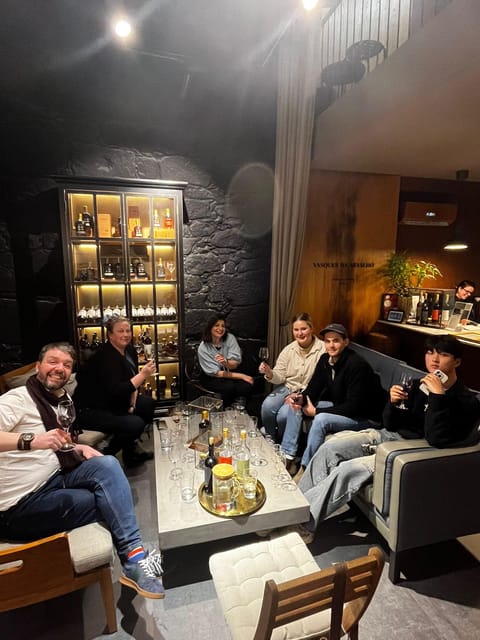
At $54 per person for about 4 hours, the value comes from the amount of guided learning plus the number of pours. You’re not paying for a generic “tour of cellars,” and you’re not paying for just a couple of sips either.
You get:
- Guided tour in English
- 7 wine tastings
- Entrance to 3 venues
- Skip-the-line access
That combination is what turns the price into something you can justify. In a city like Porto, cellars and tasting rooms can be expensive when you go in alone. Here, you’re buying comparison time: multiple producers and multiple port styles in one afternoon, guided so you know what you’re tasting.
Also, guides often spend time helping you understand how to drink port and how families differ. That practical education is part of the value, not a bonus.
What to know before you go (so your afternoon stays smooth)
This is a guided walking tour with a small amount of walking involved. Surfaces can be uneven, and the tour isn’t recommended for people with walking disabilities or those using a wheelchair. So if mobility is a concern, I’d plan alternative options or contact the operator before booking.
The minimum drinking age is 18, and unaccompanied minors aren’t allowed. Adult pricing applies to all travelers. If you’re bringing anyone younger, the tour won’t work.
Food is not included. That’s a big one. I recommend eating beforehand so you don’t start the tasting with an empty stomach. One past stop included cheese as part of a venue experience, but food tastings aren’t guaranteed in the included details—so don’t plan on it as part of the meal.
Also, minimum numbers apply. If there aren’t enough passengers, the activity may be cancelled with an alternative or a full refund offered.
Who should book this port tour
Book it if you want the most “learn + taste” experience you can fit into a single afternoon in Porto. It’s ideal for:
- First-time port drinkers who want context fast
- People who like comparing styles side by side
- Travelers who want a guided walking route from Porto to Gaia cellars
Skip it or rethink it if:
- You don’t handle walking well or your mobility needs make uneven surfaces risky
- You want a purely relaxed, food-and-music evening (this is structured around tastings and explanations)
- You’re under 18 or traveling with minors who would want to drink
Should you book the Porto Port Wine Tour with 7 Tastings?
Yes, if your goal is to leave Porto knowing port wine in a real way. The combination of 7 tastings, 3 venues, and guided instruction on port families, serving, barrels, and cork makes it feel like a smart use of your time. And the repeated praise for guides like Alex and Kevin tells me the experience isn’t just about the wine; it’s about the way the day is taught.
If you have mobility concerns, check carefully and consider whether the uneven surfaces fit your needs. If you’re planning it as your main food plan, eat first since food tastings aren’t included.
Bottom line: for $54, you’re buying a guided comparison of port styles you can actually use afterward.
FAQ
How long is the port wine tour?
It lasts about 4 hours.
How many port wines will I taste?
You’ll taste 7 port wines total.
Where do I meet the tour guide?
Meet on the right side of the entrance of the LOWER LEVEL of Bridge Luis I on the Porto side, Rua da Ribeira Negra, 4000-509 Porto, by the big granite pillars of the old Ponte Pensil bridge. Look for a guide wearing a red Porto Walkers shirt or jacket.
Is food included with the tastings?
No. Food tastings are not included.
Is there an age limit?
Unaccompanied minors aren’t allowed, and the minimum drinking age is 18. Adult pricing applies to all travelers.
Is the tour wheelchair accessible?
Wheelchair accessibility is listed, but the tour is not recommended for people with walking disabilities or using a wheelchair due to uneven surfaces.
What’s the cancellation policy?
You can cancel up to 24 hours in advance for a full refund. The tour also offers free cancellation up to that point.
More Tours in Porto





More Tour Reviews in Porto

More Gaia Cellars Worth the Crossing






Fresh in the Porto notebook




Port Wine Cellars & Tastings, compared.
 ★ 4.2Bridges Cruise & Sunset & Port Wine Cellar OptionFrom $214,180 reviews
 ★ 4.4Cálem Cellar Tour, Fado Show & Wine TastingFrom $333,530 reviews
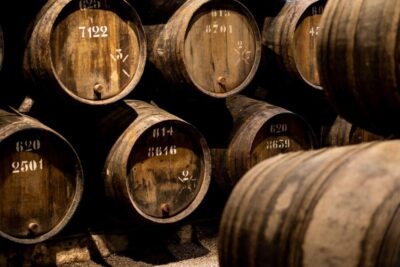 ★ 4.6Taylor’s Port Cellars & TastingFrom $293,374 reviews
 ★ 4.8Cockburn’s Port Lodge Tour and TastingFrom $353,360 reviews
 ★ 3.9City Train Tour, River Cruise & Wine CellarFrom $432,601 reviews
 ★ 5.0Port Wine Lodges Tour Including 7 Port Wine Tastings (English)From $622,041 reviews
 ★ 4.8Douro River Boat Cruise with Port Wine TastingFrom $471,627 reviews
 ★ 4.8Graham’s Port Lodge Tour with Premium Wine TastingsFrom $471,547 reviews
Browse the lists this tour appears in