
Reviewed · PORTO CITY WALKS
Porto Highlights: The best of Porto City Walking Tour
Porto rewards slow walking, and this short highlight tour makes it easy. In about 2 hours, you’ll hit classic streets and viewpoints with a licensed guide, then leave knowing where to go next. It’s a smart choice if you want your first-day plan to feel organized without feeling rushed.
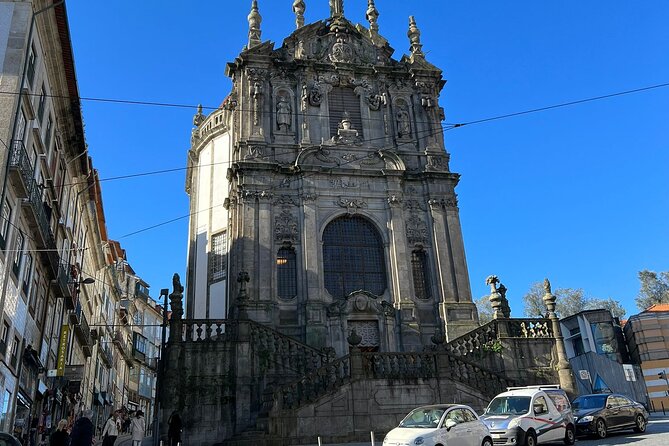
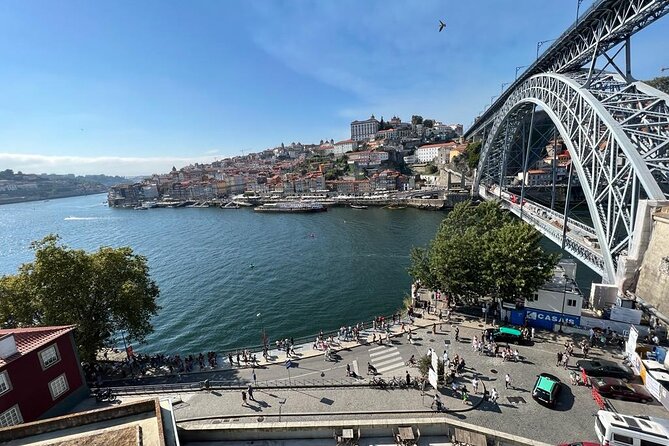
I especially like the photo stop at Miradouro da Vitória. The walk also pays off because you get quick historical explanations at each stop, not just a list of sights.
One consideration: the tour caps at 60 people, so on busy days it can feel a bit crowded. If you prefer breathing room and long pauses, choose a calmer time slot and keep expectations realistic for a compact 1 hour 50 minutes.
In This Review
- Key Things I’d Tell a Friend Before You Go
- Why This 2-Hour Porto Highlights Walk Works
- Where You Start (and Why It Sets Up the Walk)
- The Viewpoint Stop: Miradouro da Vitória and the Best Timing for Photos
- Walking Through Porto’s Famous Anchors (Without Over-Booking Your Day)
- Vímara Peres to Avenida dos Aliados: The Story Behind the Streets
- Igreja do Carmo and Torre dos Clérigos: What’s Included vs. Pay-If-You-Want
- The Stop-by-Stop Route: What You Can Expect to Learn
- The Guide Makes the Difference (and You Can Feel It in the Feedback)
- How Much You Pay, and What You Actually Get
- Timing and Capacity: Choose Your Slot Like a Local
- Who This Tour Suits Best
- Quick Practical Tips Before You Go
- Should You Book This Porto Highlights Walk?
- FAQ
- How long is the Porto city walking tour?
- What does the tour cost?
- Is the tour in English?
- What’s included in the price?
- Which stops are free, and which are not?
- Where does the tour start and end?
- What should I bring since bottled water isn’t included?
- Is the tour easy enough for most people to join?
Key Things I’d Tell a Friend Before You Go
- Licensed guide, English language: you’ll get guided context rather than “what am I looking at?”
- Miradouro da Vitória photo break: a focused stop for the big viewpoint views
- Free entry for most stops: several sights are covered without extra tickets
- Two optional paid entries: Torre dos Clérigos and Igreja do Carmo are not included
- Small-to-medium group size: max 60, so come ready for some closeness
More routes on foot through Porto
- Porto Walking Tour, Lello Bookshop, River Cruise and Cable Car★ 5.0 · 3,354 reviews
- Porto: City Highlights 3-Hour Guided Electric Bike Tour★ 4.8 · 3,092 reviews
- Experience Porto’s Charm: 3-Hour Guided Walking Tour★ 5.0 · 2,432 reviews
- Porto: 3-Hour Guided City Highlights Walking Tour★ 4.8 · 2,050 reviews
Why This 2-Hour Porto Highlights Walk Works
If Porto is new to you, you need two things: momentum and orientation. This tour gives you both. You start with major historical anchors, then move through the city’s most walkable highlight zone, with just enough time at each place to get the point.
The biggest win is that you’re not left guessing. A licensed guide connects dots—who matters in Porto’s story, why the streets look the way they do, and what you should notice as you walk. That turns the city from scenery into something you understand.
Where You Start (and Why It Sets Up the Walk)
You meet at the Statue of Vímara Peres on Calçada de Vandoma, then finish at Praça da Batalha next to the national theater. This matters because it anchors your first minutes in the right place—no wandering to find the “real” center.
The tour runs about 1 hour 50 minutes. With the time split across ten stops, you’re getting short, frequent “mini-moments” rather than one long stretch where everyone loses focus.
The group size is capped at 60 travelers. I’d plan to arrive a few minutes early, since the meeting point is fixed and the tour moves as a unit.
The Viewpoint Stop: Miradouro da Vitória and the Best Timing for Photos
One highlight gets a dedicated chunk of time: Miradouro da Vitória. You stop there for about 15 minutes—long enough to take photos, turn around a bit, and actually enjoy the view instead of rushing through it.
This stop is more than a “nice photo.” It’s a useful reset. After a few streets and landmarks, the viewpoint helps you understand the city’s layout, so later, when you’re walking on your own, things start making sense.
If you’re sensitive to crowds, timing helps. The 15-minute block means you can grab your shots and step back when things get busy.
Walking Through Porto’s Famous Anchors (Without Over-Booking Your Day)
This is the kind of tour that pairs well with real travel rhythms. You can do it early in your trip, then use the rest of your day for food, wandering, and returning to anything that sparks your interest.
You’ll also notice the tour is structured in a way that keeps you moving. Most stops are around 10 minutes, so you’re never trapped at one spot too long.
For me, this pacing is the sweet spot for a first look: you get context fast, you see the major landmarks, and you still have energy left for the evening.
More Porto days out worth booking





Vímara Peres to Avenida dos Aliados: The Story Behind the Streets
The walk opens at Estatua de Vimara Peres. You get a quick historical explanation about Vimara Peres, which gives you a “why this matters” starting point right away.
Next comes Mercado Ferreira Borges, where the guide explains the market’s history. Markets tend to be living parts of a city, so having that context makes it easier to understand why this place still draws people.
Later, you reach Avenida dos Aliados and learn about the avenue’s construction. Even if you don’t go inside any buildings here, this kind of stop helps you read the city’s design. It’s one of those moments where the streets stop feeling random.
Then you move onto neighborhood streets and corners—exactly the type of walking that makes Porto feel personal.
Igreja do Carmo and Torre dos Clérigos: What’s Included vs. Pay-If-You-Want
Two stops are clear about ticketing: Torre dos Clerigos and Igreja do Carmo. For both, admission is not included in the tour price.
That doesn’t mean you miss out. You still get the guided historical explanation and you’ll still be able to see the landmarks from where you’re positioned. The difference is whether you pay extra to go inside or use paid access tied to those sites.
If you’re trying to travel light on costs, decide early. If you love towers and church interiors, budget a little extra. If you’d rather spend money on coffee and pastries, treat these as “see it from the outside with context” stops.
Everything else on the route lists free admission tickets, which makes the tour feel more predictable from a budget standpoint.
The Stop-by-Stop Route: What You Can Expect to Learn
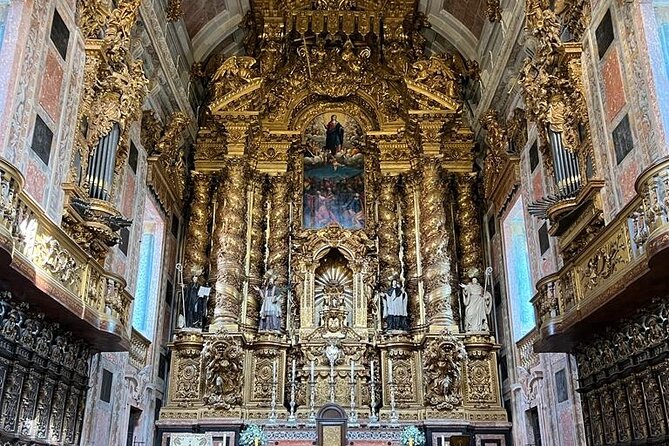
Here’s what your time on the ground looks like, with what you’ll likely get from each location.
1) Estatua de Vimara Peres (about 10 minutes)
You get the historical explanation tied to the figure the statue represents. It’s a good opener because it frames the city beyond postcards.
2) Mercado Ferreira Borges (about 10 minutes)
You’ll learn about the market’s history. This is the kind of stop that helps you notice details while you walk—rather than just passing a recognizable building.
3) Miradouro da Vitoria (about 15 minutes)
This is your viewpoint break for photos. It’s also the moment when the walk starts to “click” visually.
4) Torre dos Clerigos (about 10 minutes, entry not included)
You’ll hear about the tower’s construction. If you’re curious about the tower itself, this is where an extra ticket decision can come up.
5) Igreja do Carmo (about 10 minutes, entry not included)
You’ll get a historical explanation about the church’s construction. Similar idea: the tour gives context, and paid entry is up to you.
6) Avenida dos Aliados (about 10 minutes)
You learn about how the avenue was constructed. This helps you understand the city’s layout and the role of major streets.
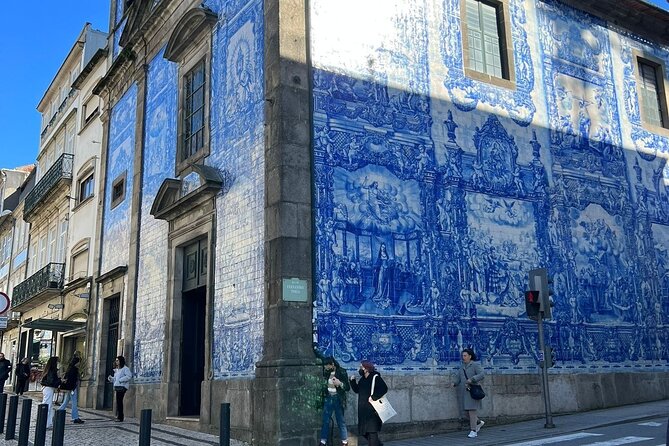
7) Capela das Almas (about 10 minutes)
You’ll learn about the chapel’s history and significance. The time here is short, so I treat it as a quick “get the meaning, then look carefully.”
8) Rua de Santa Catarina (about 10 minutes)
You’ll hear a general explanation about the city through this street. It’s a good way to shift from single buildings to the feel of Porto’s everyday life.
9) Igrega De San Idelfonso (about 10 minutes)
You’ll get an explanation tied to the church’s construction. This stop keeps the route moving while still covering architectural storytelling.
10) Praca da Batalha (about 5 minutes)
You end at the square with a short explanation about the site. It’s a fast finish, which is useful because it doesn’t drain your afternoon.
The Guide Makes the Difference (and You Can Feel It in the Feedback)
The tour is led by a licensed guide, and that shows. In the reviews, guides like Fernando and Luiz (sometimes spelled Luis/Louis in feedback) come up repeatedly, with people praising how easy it is to follow the story and how friendly the guides feel.
One strong pattern: the best tours aren’t just facts—they’re conversation. One reviewer mentioned a guide who was completing a PhD in History, and that kind of background tends to translate into clearer explanations and better answers to your questions.
I also like that guides didn’t just talk at people. They gave practical recommendations for what to do next, which is exactly what you want after a first walking tour.
How Much You Pay, and What You Actually Get
At $41.32 per person, this is a mid-range price for a focused highlight walk. Where it earns its keep is the ratio of guided time to ticket surprises.
Most stops use free admission tickets, so you’re not constantly hit with “pay extra here too.” The two big optional costs are the Torre dos Clerigos and Igreja do Carmo, where entry isn’t included.
The tour price includes the licensed guide, but it does not include bottled water or tips. I’d plan to bring a bottle or buy water along the way, especially if it’s warm.
One more value detail: this is offered in English and uses a mobile ticket, which keeps the admin simple.
Timing and Capacity: Choose Your Slot Like a Local
This is usually booked about 57 days in advance, which tells me it’s a popular “first day in Porto” option. If you’re traveling in peak season or on a busy weekend, booking earlier can help you get a time that fits your plan.
The tour is flexible in the sense that it runs at several tour times (you can pick one that matches your schedule). Pick a time when you’re alert enough to enjoy a stop-by-stop walking pace.
Also note the tour is near public transportation, so you’re not stuck on foot across the entire city just to get there.
Who This Tour Suits Best
This works best if:
- You want a strong first-day orientation to Porto
- You enjoy historical context but still want quick stops
- You’d rather do two optional paid entries than pay for everything
It may be less ideal if:
- You hate crowds and close groups (the max is 60)
- You want long, slow time in just one monument
The good news: because most stops are short and purposeful, you can always continue walking afterward and slow down on the sights that catch your eye.
Quick Practical Tips Before You Go
- Wear comfortable walking shoes. Ten stops in under two hours adds up.
- Bring a plan for photos at the viewpoint—phones get busy when people cluster.
- Carry water. Bottled water isn’t included.
- If you’re interested in going inside Torre dos Clerigos or Igreja do Carmo, decide in advance so you don’t lose time on the spot.
Should You Book This Porto Highlights Walk?
If you’re spending limited time in Porto, I’d book it. It gives you a clean, organized loop through major highlights, plus a viewpoint that makes the city easier to understand. The route is structured for short learning stops, and most sites avoid extra ticket headaches.
I’d only hesitate if you know you hate crowds and dislike any kind of group pacing. In that case, pick an earlier or less busy tour time, then keep your expectations aligned with a 1 hour 50 minutes walking format.
FAQ
How long is the Porto city walking tour?
It runs for about 1 hour 50 minutes (approx.).
What does the tour cost?
The price is $41.32 per person.
Is the tour in English?
Yes, it’s offered in English.
What’s included in the price?
The licensed guide is included.
Which stops are free, and which are not?
Free admission tickets are listed for most stops, while admission for Torre dos Clerigos and Igreja do Carmo is not included.
Where does the tour start and end?
It starts at the Statue of Vímara Peres (Calçada de Vandoma, 4000-013 Porto) and ends at Praça da Batalha (next to the national theater).
What should I bring since bottled water isn’t included?
You’ll want to plan for water on your own and budget for tips if you choose to give them.
Is the tour easy enough for most people to join?
Most travelers can participate, and service animals are allowed.
More Tours in Porto





More Tour Reviews in Porto



More of Porto on Foot



Fresh in the Porto notebook




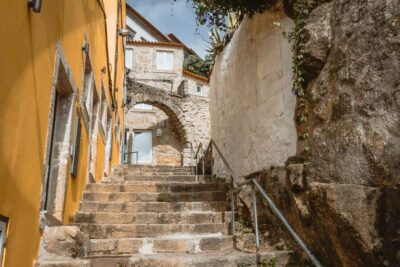
Porto City Walks, compared.
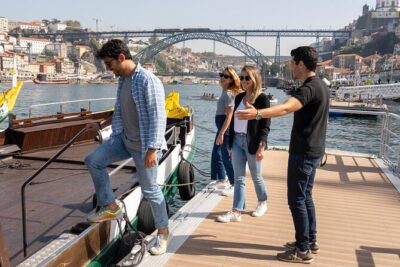 ★ 5.0Porto Walking Tour, Lello Bookshop, River Cruise and Cable CarFrom $723,354 reviews
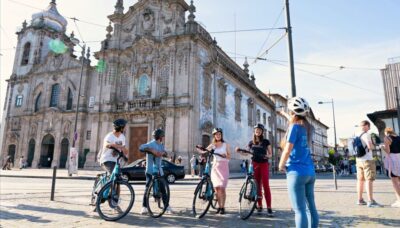 ★ 4.8City Highlights 3-Hour Guided Electric Bike TourFrom $513,092 reviews
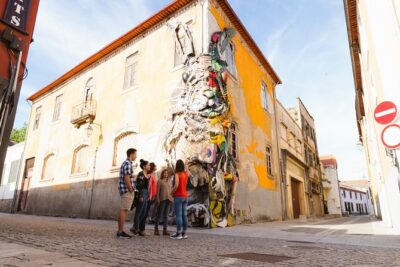 ★ 5.0Experience Porto’s Charm: 3-Hour Guided Walking TourFrom $352,432 reviews
 ★ 4.83-Hour Guided City Highlights Walking TourFrom $342,050 reviews
 ★ 4.4Wine Tasting with Tapas Walking TourFrom $531,541 reviews
 ★ 4.7Historic City Center Walking TourFrom $331,172 reviews
 ★ 5.0Porto’s #1 Walking TourFrom $01,026 reviews
 ★ 4.8Delicious Food and Wine Walking TourFrom $87977 reviews
Browse the lists this tour appears in