
Reviewed · GUIDED
Porto Bishop’s Palace Guided Tour
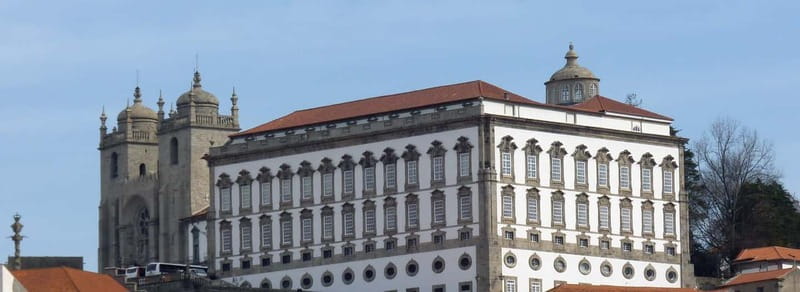
The Bishop’s Palace in Porto has a way of changing your pace. In just an hour, you see how a religious leader helped steer the city’s wealth, art, and authority, all inside Portuguese Baroque rooms that feel almost theatrical. Start in the old civic center, then step into Paço Episcopal for a guided look at rooms packed with fine craft, paintings, and historic treasures.
I really like two things here: first, the Baroque architecture feels real and physical, not just something you glance at through a doorway. Second, the guide ties the palace to how Porto grew—who had influence, who held power, and why elite culture mattered. One drawback to plan around: the palace is not wheelchair accessible, so you’ll need alternative arrangements if mobility is an issue.
In This Review
- Key things I’d plan for before you go
- From Pelourinho do Porto to Terreiro da Sé
- Terreiro da Sé: a quick sense of where power sits
- Paço Episcopal: Baroque rooms built for influence
- What you’ll notice in the rooms (and what it means)
- The people behind the power: Porto’s bishop role, explained simply
- Timing, duration, and why this fits into your day
- Price and value: is $18 worth the hour?
- Practical tips so the tour feels smooth
- Should you book the Porto Bishop’s Palace tour?
- FAQ
- How much does the Porto Bishop’s Palace Guided Tour cost?
- How long is the tour?
- Where do I meet the guide?
- What languages are offered for the guided tour?
- Is flash photography allowed inside the palace?
- Is the palace wheelchair accessible?
- What should I bring for the tour?
- Is cancellation free?
Key things I’d plan for before you go
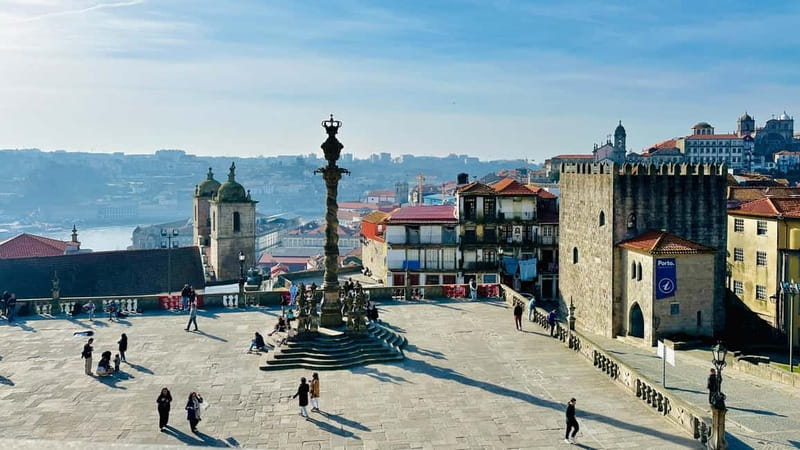
- Start at Pelourinho do Porto and look for the guide with a white umbrella
- A short walk first, then a focused 45-minute palace visit
- Skip-the-line entrance saves time when crowds get thick
- No flash photography, but regular camera use is fine
- Bring water if you’re visiting on a hot day—time outside adds up
More Porto days out worth booking
- Porto: Guided Tour by Tuk-Tuk & Optional Douro River Cruise★ 4.5 · 5,980 reviews
- 3-Hour Porto Highlights on a Electric Bike Guided Tour★ 5.0 · 4,392 reviews
- Porto: City Highlights 3-Hour Guided Electric Bike Tour★ 4.8 · 3,092 reviews
- Experience Porto’s Charm: 3-Hour Guided Walking Tour★ 5.0 · 2,432 reviews
From Pelourinho do Porto to Terreiro da Sé
Your tour starts in the square at Pelourinho do Porto—that decorated pillar that marks the heart of civic life. It’s a good warm-up moment because you can immediately feel the contrast: Porto isn’t only about churches and views. It’s also about institutions, power, and status, and you’re going to see that theme right away.
The guide meets you next to the Pelourinho holding a white umbrella, so you won’t spend your first five minutes guessing. From there, you’ll take a short stroll toward Terreiro da Sé—about 15 minutes of walking. This isn’t a long hike, but it helps set context, linking the palace to the bigger sacred-and-political space around the cathedral area.
If you’re the type who likes to understand where you are before you move on, this opening works. And if you’re not, it’s still useful, because by the time you reach the palace you’ll know what you’re looking at and why it mattered.
Terreiro da Sé: a quick sense of where power sits
Terreiro da Sé is one of those squares where stone and symbolism do the talking. Even during the short walk, you’re moving through a zone that helped shape how people lived and negotiated authority in Porto.
Keep your eyes open for the way the area connects to the palace. You’ll get a feeling for the tight relationship between the city’s religious leadership and its elite classes. It’s not abstract. You’ll see how the spaces overlap—how the bishop wasn’t just a figure of faith but also a node of influence.
This part is brief, but it matters because it sets you up to notice details later: who held status, how wealth showed up in objects and rooms, and why the building could not be humble even if it wanted to.
Paço Episcopal: Baroque rooms built for influence
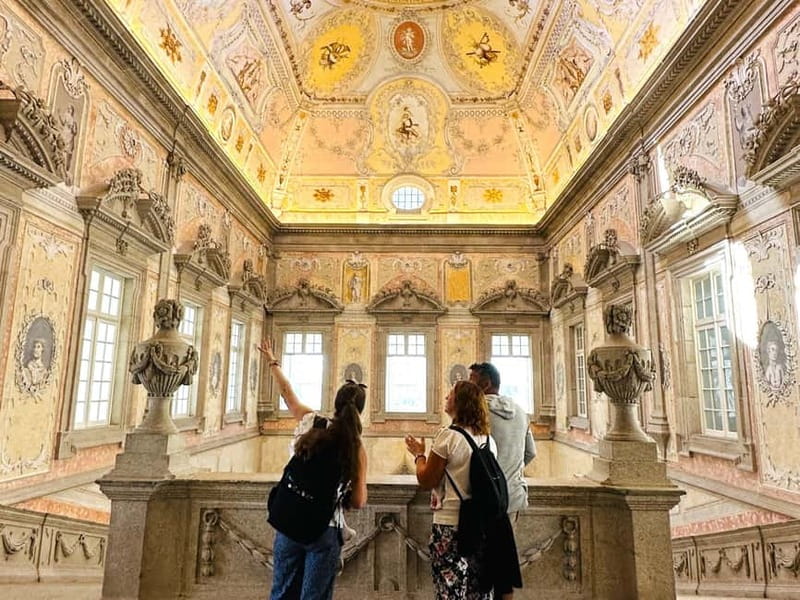
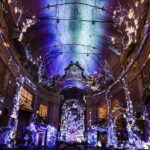
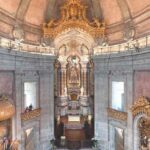
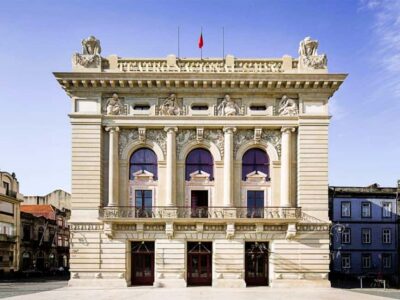
Once you step into Paço Episcopal, the tone changes fast. The palace is a standout example of Portuguese Baroque architecture, and the guide’s job is to make sure you understand what you’re seeing instead of treating it like a showroom.
The core visit is about 45 minutes inside. During that time, you’ll move through the palace’s lavish rooms and learn how they reflected authority. This is where the tour earns its value: it doesn’t only show decorative details—it explains how grand spaces worked socially. In Porto, status wasn’t just spoken. It was staged.
I like the pace here. You’re not rushed like you’re sprinting through a checklist, but you also aren’t stuck in slow motion. You’ll get enough time to look closely at craftsmanship, then get the story behind it.
And if you’ve got a history-minded brain, you’ll probably enjoy the way your questions are handled. For example, guides such as Arthur are known for answering hard questions with specific details and without making visitors feel like they’re slowing things down. You’ll likely notice how he keeps a steady line from architecture to politics to culture.
What you’ll notice in the rooms (and what it means)
A palace tour can easily turn into a blur of rooms and labels. Here, the experience is about connections.
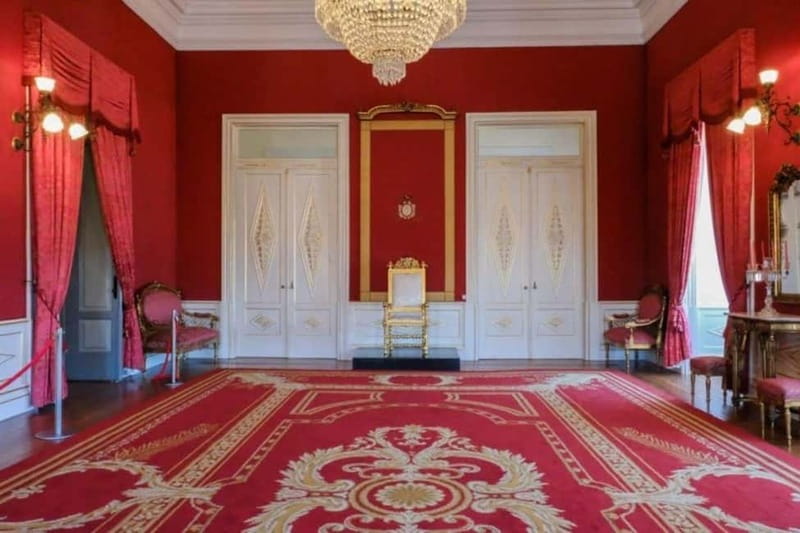
Inside, you’ll encounter collections and decorative arts that reflect Porto’s wealth and reach. The focus isn’t only on big paintings behind glass. You’ll also get pointed attention toward the textures of power: the kind of objects that elite families collected, the craftsmanship that demanded time and money, and the visual language of status.
One strong theme is how the palace balances the grandeur of the bishop’s role with the city around it—Porto didn’t freeze in time. The palace sat inside a living city, and the tour helps you understand how that relationship played out across centuries.
From the way guides describe it, the palace also helps you grasp the social mix behind the rise of Porto. It wasn’t just the bishop alone. The story includes how people and elite classes interacted—who had access, who gained influence, and how culture became part of the political system.
Also, quick practical note: flash photography is not allowed. Regular photos are fine, so bring a camera if you like to document details. If you’re planning to photograph interiors, adjust your settings for lower light and avoid using flash.


The people behind the power: Porto’s bishop role, explained simply
The best tours do one thing very well: they turn a big idea into something you can hold in your head. This one does that with the bishop’s role.
You’ll learn that the bishop’s palace wasn’t only a home. It functioned like a symbol—religious authority combined with political and economic power. That matters because it changes how you read the city. Porto stops being just pretty streets and starts looking like a place where influence moved through institutions.
This is where you’ll feel the skill of different guides. For instance, you might meet Oleksandra, praised for explaining cultural context clearly for people from other backgrounds. If you’re visiting Porto for the first time, that kind of framing helps a lot. You leave with a better sense of what shaped the city’s character, not just what to look at.
And if you’re traveling with questions, you’ll likely appreciate guides who actively welcome them. Arthur is described as prompt and friendly, with the ability to answer questions in a detailed way, even when visitors ask for specifics. If you like learning on the spot, this is a good fit.
Timing, duration, and why this fits into your day
The total time is 1 hour, which is exactly the kind of length that works on a Porto day without stealing your whole afternoon. You get:
- a brief walk from the start area into the cathedral square zone
- then a focused palace visit
Because it’s short, you can place it strategically. I like booking this earlier in the day if you can, especially if you’re planning to keep exploring afterward. It gives you a framework for understanding what you’ll see elsewhere—churches, public spaces, even the general tone of architecture.
On hot days, factor in that you’re outdoors for a bit before you reach the palace. One practical tip echoed by visitors: take water. Even if you’re just walking a little, Porto’s heat can sneak up on you.
Price and value: is $18 worth the hour?
At about $18 per person, this isn’t a throwaway add-on—and it also isn’t an all-day splurge. The question is whether you’re buying more than entry into a pretty building. Here, you are.
You’re paying for:
- entrance tickets
- a professional guided tour
- context that connects the palace to Porto’s political, economic, and cultural legacy
- the convenience of skip-the-line entry via a separate entrance
In my view, the value comes from interpretation. A palace like this can look impressive on its own, but without context you miss the real point: how power shaped art, how authority shaped rooms, and how elite culture worked as a public statement.
If you enjoy guided history, this price makes sense. If you hate tours and prefer to wander independently, you might get less out of it. But if you want one hour to properly orient your understanding of Porto, it’s a strong use of time.
Practical tips so the tour feels smooth
A short tour still needs a little preparation, and this one has a few clear needs.
Wear comfortable shoes. You’re doing a walk before you enter, and Porto is best explored on foot anyway. Slip-resistant shoes help if the ground is uneven.
Bring your camera, but remember no flash inside. Indoors, lights can be tricky, so don’t rely on flash to save your photos.
If you’re sensitive to heat, bring water. The visit includes outdoor time before the palace, and a calm pace can still feel tiring when the sun is pushing.
Finally, know the accessibility limits up front: the palace is not wheelchair accessible. If you or someone in your group needs mobility support, you’ll want to plan for an alternative.
Should you book the Porto Bishop’s Palace tour?
Yes, if you want a fast, high-impact way to understand Porto’s power structure through art and architecture. This tour works especially well at the start of your trip because it gives you a lens for what you’ll notice later—how grand buildings reflect authority and how elite culture shaped the city.
Book it if:
- you love architecture plus explanations
- you enjoy learning with a guide who can handle questions (Arthur is often singled out for being especially attentive and thorough)
- you want a short plan that doesn’t wreck your day
Skip or reconsider if:
- you need wheelchair access (the palace isn’t wheelchair accessible)
- you only want postcard sights and don’t care about the political and cultural context
If you fall in the first group, you’ll likely feel like the palace wasn’t just a stop—it was a shortcut to understanding Porto.
FAQ
How much does the Porto Bishop’s Palace Guided Tour cost?
The price is $18 per person.
How long is the tour?
The tour lasts 1 hour total, with 45 minutes inside the palace and a short 15-minute walk as part of the experience.
Where do I meet the guide?
Meet at Pelourinho do Porto, next to the decorated pillar, and look for the guide holding a white umbrella.
What languages are offered for the guided tour?
The guide is available in English, Portuguese, Spanish, Ukrainian, and Russian.
Is flash photography allowed inside the palace?
No flash photography is allowed. You can take photos without flash.
Is the palace wheelchair accessible?
No, the palace is not wheelchair accessible.
What should I bring for the tour?
Bring comfortable walking shoes and a camera.
Is cancellation free?
Yes. You can cancel up to 24 hours in advance for a full refund.
More Guided in Porto




More Tours in Porto



More Tour Reviews in Porto

Fresh in the Porto notebook



Guided, compared.
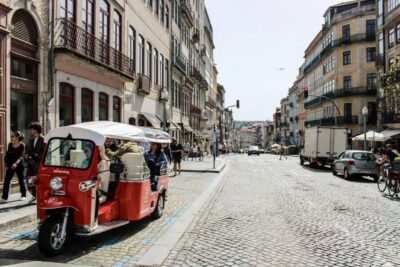 ★ 4.5Guided Tour by Tuk-Tuk & Optional Douro River CruiseFrom $205,980 reviews
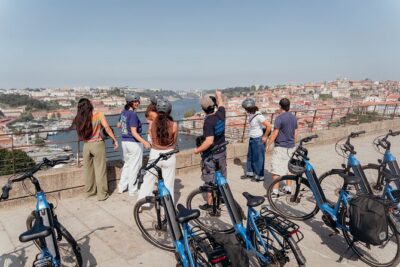 ★ 5.03-Hour Porto Highlights on a Electric Bike Guided TourFrom $534,392 reviews
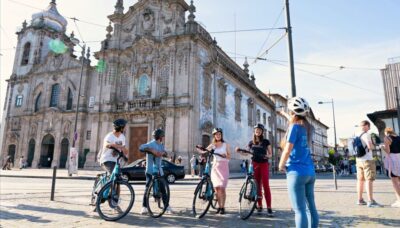 ★ 4.8City Highlights 3-Hour Guided Electric Bike TourFrom $513,092 reviews
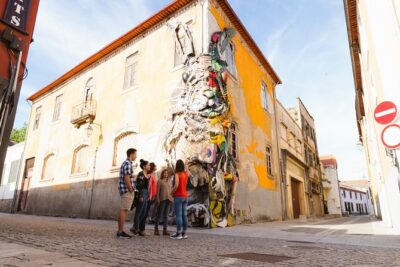 ★ 5.0Experience Porto’s Charm: 3-Hour Guided Walking TourFrom $352,432 reviews
 ★ 4.83-Hour Guided City Highlights Walking TourFrom $342,050 reviews
 ★ 4.6Guided Tuk Tuk TourFrom $411,390 reviews
 ★ 4.3Pinhão: 2-Hour Rabelo Boat Tour with Audio GuideFrom $351,224 reviews
 ★ 5.0Douro Valley-Expert Guide-Boat-Lunch-Tastings-Offer wine bottleFrom $2161,104 reviews